
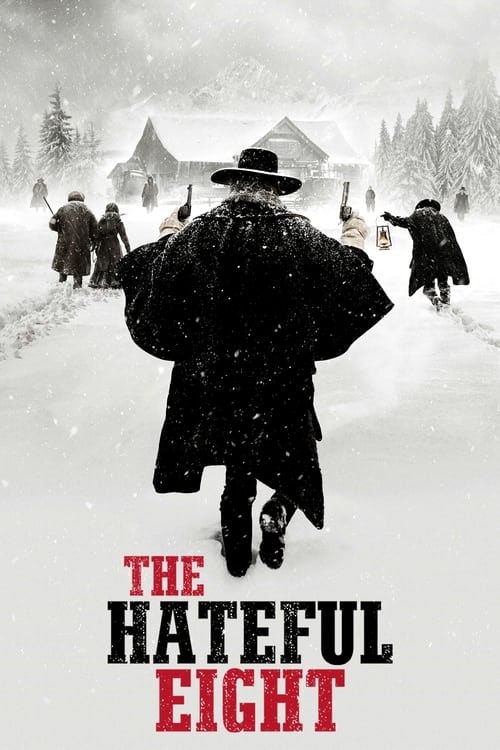
The Hateful Eight (2015)
Directed by Quentin Tarantino
Bounty hunters seek shelter from a raging blizzard and get caught up in a plot of betrayal and deception.
90 connections found
View:
90 films that influenced The Hateful Eight
What critics say influenced The Hateful Eight
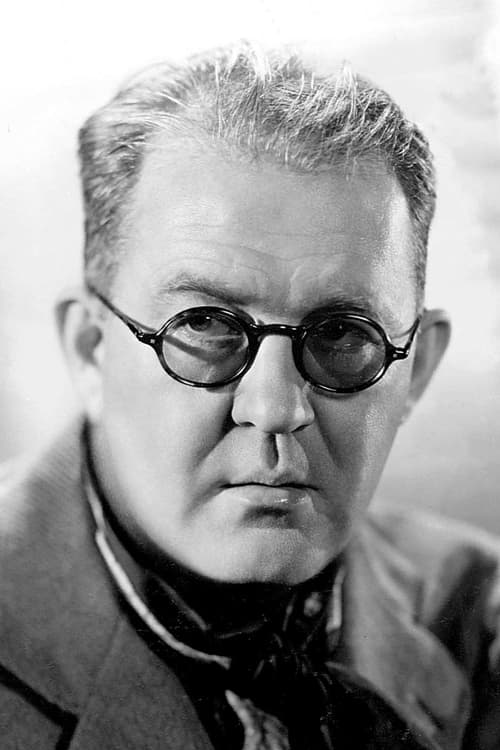
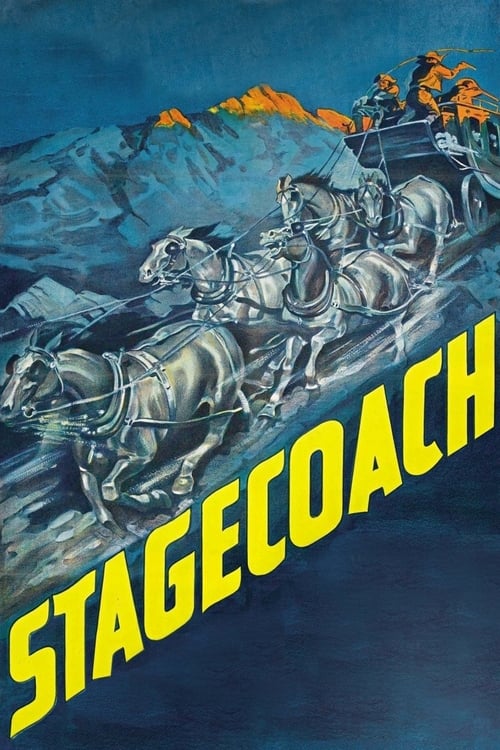


The template was provided, though, by John Ford’s venerable Stagecoach: Tarantino borrowed and extended its Dry Fork noon station stopover and subverted it every which way.
In a way, it’s somewhat akin to the 1939 western "Stagecoach" and it actually starts in one of those vehicles as a leathery old bounty hunter (an excellent Kurt Russell) is transporting a murderer (a hilariously unladylike Jennifer Jason Leigh) to watch her hang and collect his handsome bounty.
Tarantino's latest, starring Samuel L. Jackson and Jennifer Jason Leigh, is a twisted combination of John Ford's 'Stagecoach,' Agatha Christie's 'Ten Little Indians' and Jean-Paul Sartre's 'No Exit.'
…celluloid film (Ultra Panavision 70 in 100 theaters) -- is partly a spaghetti Western, partly John Ford's "Stagecoach" and partly Ira Levin's "Death Trap" gushing with bodily fluids.
In his new film, the slow-simmering Western The Hateful Eight, he sets out on a classic adventure right out of John Ford’s Stagecoach and ends up in the caffeinated chaos that closed Reservoir Dogs.
John Ford’s answer, expressed with considerable heartbreak in his classic film Stagecoach and several of his other great Westerns, is No.
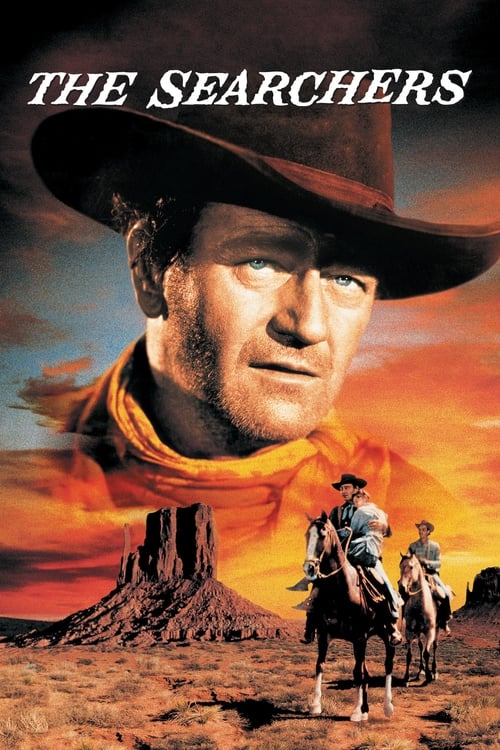
While those who see the film undoubtedly expect something more akin to the jaw dropping Monument Valley scenery in The Searchers, or desolate expanses of Once Upon a Time in the West, or the grandeur of Lawrence of Arabia.
I could point to other, far greater Westerns that know this – the Coen Brothers’ True Grit , Paul Newman’s Hombre , John Ford’s The Searchers – but the truth is that the best Tarantino movies acknowledge this too.
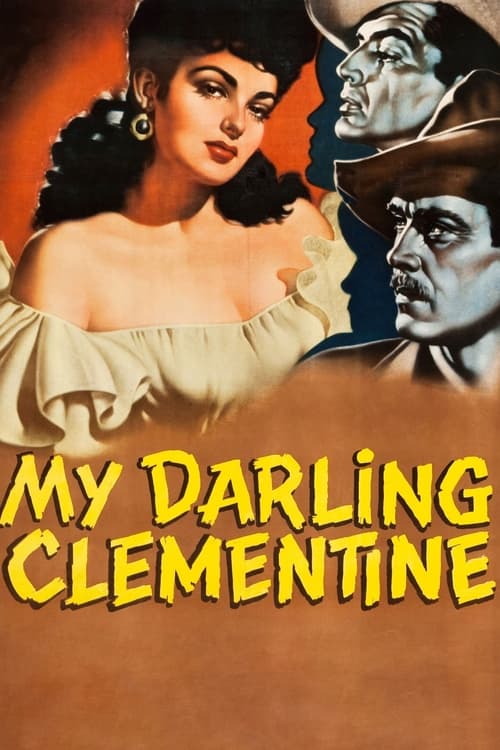
QT stalwart Tim Roth returns to play the hangman Oswaldo Mobray, a reference to character actor Alan Mowbray, whose Shakespearean recital in My Darling Clementine never fails to elicit applause.
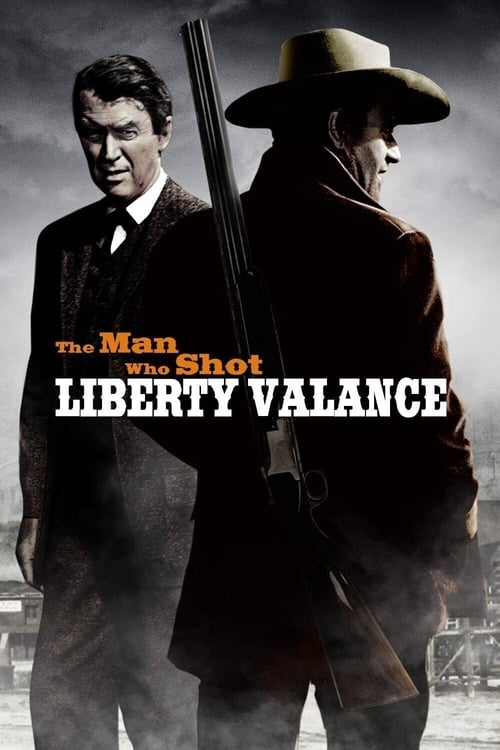
Consider John Ford’s The Man Who Shot Liberty Valance, in which the psychotic killer rampaging around the West is named “Liberty.”
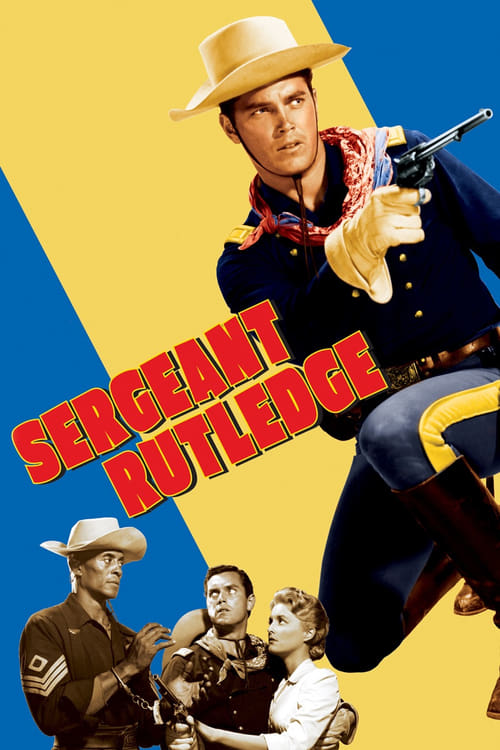
Tarantino’s quasi-novel twist—only quasi, because films such as Sergeant Rutledge exist—is to make the wandering Union veteran a black man: Samuel L. Jackson, in his deepest shrewdness and most towering fury.
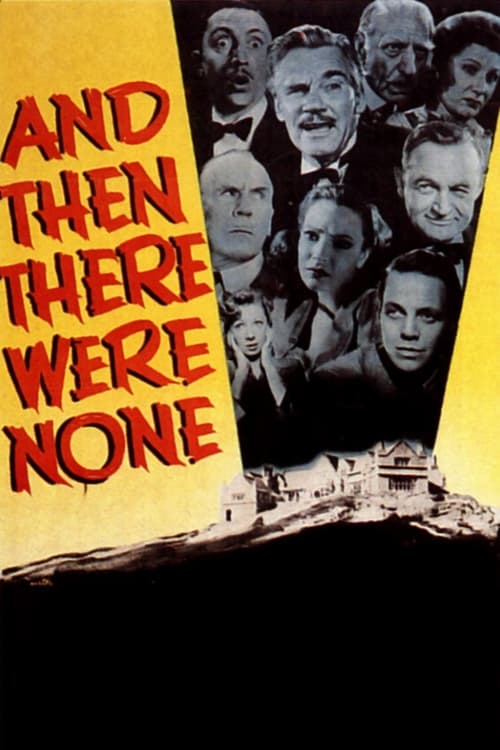
Watching the film, I thought for the first time in years of the series of How to Host a Murder boxed games that were a brief dinner party craze when I was a child in the 1980s, though the real precedent is the body-count thriller as exemplified by Agatha Christie’s 1939 bestseller And Then There Were None (I wonder if Quentin’s copy has the original, more impolitic title?) and its various cinematic brethren.
The Hateful Eight’s premise broadly resembles Agatha Christie’s And Then There Were None: strangers confined to one place, motivations and backstories concealed, trapped while the body count rises.
Tarantino's much-ballyhooed Western turns out to be a locked-room mystery, Agatha Christie's "And Then There Were None" with a wintry blizzard and a lot of raunchy dialogue that leads absolutely nowhere.
So stay alert for this deliciously depraved nest of eight vipers, right out of Agatha Christie's And Then There Were None, if Dame Agatha had converted to pulp fiction.
"The Hateful Eight" is basically "And Then There Were None" by way of "The Wild Bunch," with MUCH more foul-mouthed and brutal guests trapped in the colorfully named Minnie's Haberdashery.
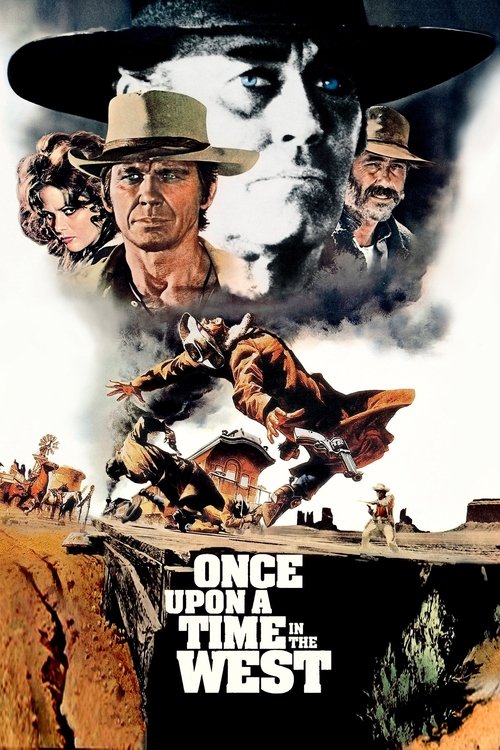
Since a coming blizzard forces a cartoonish cross-section of nomadic, lying vermin to hunker down at Minnie’s Haberdashery, a staging post near Red Rock, Wyoming, it’s likely that further inspiration came from Delmer Daves’s 3.10 to Yuma and Sergio Leone’s Once Upon a Time in the West, among other Westerns that milk the tension in waiting.
While those who see the film undoubtedly expect something more akin to the jaw dropping Monument Valley scenery in The Searchers, or desolate expanses of Once Upon a Time in the West, or the grandeur of Lawrence of Arabia.
We get an Ennio Morricone score—sadly, no match for “Once Upon a Time in the West,” where his musical glories washed in sadness against Leone’s array of sombre deeds.
It all plays out like a cross between The Petrified Forest and Ten Little Indians , with some Once Upon a Time in the West widescreen splendor to make it pop.
But Quentin Tarantino convinced Morricone to do the score for The Hateful Eight (2015).
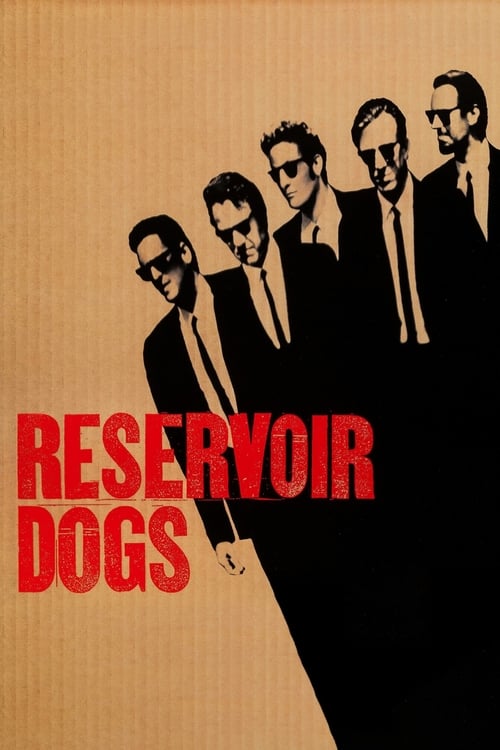
…slime-heavy retool with Kurt Russell of The Thing and also his own first, Reservoir Dogs, as influential on his eighth, The Hateful Eight.
There’s no denying he’s been down this road before, whether it was reheating the spaghetti Western to such spectacular effect in “Django Unchained” or exploiting the distrust among eight other near-strangers in “Reservoir Dogs” at the outset of his career.
If you’re the kind of moviegoer who got restless during the more dialogue-heavy sequences of “Death Proof” or “Reservoir Dogs,” you may find that there’s too much talk and not enough action in a movie that teeters on the three-hour mark.
While profanities and racial slurs casually ricochet off the walls of the warehouse in Reservoir Dogs, they drive into the floor of this cabin like nails through a coffin.
Then the film’s final section — with a 10-minute intermission the movie clocks in at over three hours — becomes a blood-spattered gunfest that’s far too close to Tarantino’s directorial debut, “Reservoir Dogs,” for comfort.
But liquids take longer to boil at high altitudes, and so it is with the percolating drama the film very slowly builds up as it chugs along toward intermission, which arrives at the 101-minute point (already longer than Reservoir Dogs).
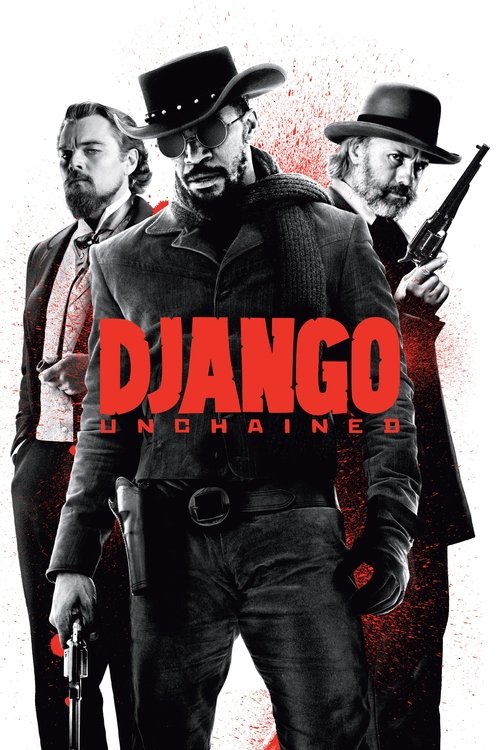
Billed as his eighth film, it is also his best, and that includes the likes of "Inglourious Basterds", "Django Unchained" and "Pulp Fiction".
Like "Death Proof" (in which women defeat a serial killer), "Inglourious Basterds" (in which Jews defeat Hitler) and "Django Unchained" (in which a former slave defeats the Confederacy, or at least one precinct of it), "The Hateful Eight" is a bloody vengeance fantasy that revels in the perpetration of sometimes retributive (and thus contextually justified) brutality.
Tarantino has long been obsessed with revenge dramas — for a wronged woman in Kill Bill, for women more collectively in Death Proof, for black Americans in Django Unchained — and Warren does manage to get back some of his own.
We get a lot of talk about Civil War treachery and payback; as in “Inglourious Basterds” and “Django Unchained,” history is something to be toyed with, not explored—a chance for boyish fantasies of revenge, as if enormous crimes could be undone, after the event, by lone and wanton acts of humiliation.
There’s no denying he’s been down this road before, whether it was reheating the spaghetti Western to such spectacular effect in “Django Unchained” or exploiting the distrust among eight other near-strangers in “Reservoir Dogs” at the outset of his career.
The vulgarity, ramped up by the excessive use of racial slurs, recalls the no-holds-barred audacity of “Django Unchained.”

Billed as his eighth film, it is also his best, and that includes the likes of "Inglourious Basterds", "Django Unchained" and "Pulp Fiction".
It’s as if Tarantino, believing the interrogation prologue to Inglourious Basterds to be the best-written scene of his career, undertook to redraft the sequence at nearly feature length.
Like "Death Proof" (in which women defeat a serial killer), "Inglourious Basterds" (in which Jews defeat Hitler) and "Django Unchained" (in which a former slave defeats the Confederacy, or at least one precinct of it), "The Hateful Eight" is a bloody vengeance fantasy that revels in the perpetration of sometimes retributive (and thus contextually justified) brutality.
We get a lot of talk about Civil War treachery and payback; as in “Inglourious Basterds” and “Django Unchained,” history is something to be toyed with, not explored—a chance for boyish fantasies of revenge, as if enormous crimes could be undone, after the event, by lone and wanton acts of humiliation.
This is not a joyous or lighthearted romp through the fantasy of violence like “Kill Bill,” nor does it use the undercurrent of social strife to inspire audacious resolutions like “Inglourious Basterds.”
Ruth, a blowhard and bully (who reprises the John Wayne drawl Russell brought to Tarantino's "Death Proof" in Grindhouse), is escorting the murderous termagent Daisy Domergue (Leigh, provocatively used as a comic punchbag by Tarantino) to her hanging in Red Rock.
"The Hateful Eight" arrives when it finally seemed as if Tarantino, dissed early in his career as a brilliant but disreputable pastiche artist, was earning a new reputation as a maker of audacious revenge pictures about underdogs lashing out against oppressors: women in "Death Proof" (which feels like a more compact but deeper examination of themes from "Kill Bill"); Jews in the World War II fantasy " Inglourious Basterds "; American slaves in "Django Unchained."
The Hateful Eight is Quentin Tarantino's weakest movie and yes, that includes Death Proof .
…out of Death Proof Inglourious Basterds (August 20/09) As relentlessly audacious and engrossing as anything within Quentin Tarantino's flawless body of work, Inglourious Basterds follows a series of characters through their WWII-era exploits - with a particular emphasis placed on a blood-thirsty group of Jewish-American soldiers (led by Brad Pitt's Aldo Raine) and a young woman (Melanie Laurent's Shosanna Dreyfus) with a serious grudge against the Nazis.
The Hateful Eight is Quentin Tarantino’s most formally daring film since 2007’s Death Proof , and his least palatable since, well, the last one, 2012’s Django Unchained .
On the Tarantino scale, "Pulp Fiction" this is not.
Billed as his eighth film, it is also his best, and that includes the likes of "Inglourious Basterds", "Django Unchained" and "Pulp Fiction".
It is the endeavor that he has been quietly building towards as far back as “Pulp Fiction,” and it represents the culmination of his education in a result that plays brilliant mind games while refusing to overplay them in the embrace of wanton violence or gratuity.
Tarantino, whose earliest pictures - Reservoir Dogs, Pulp Fiction, and Jackie Brown - crackled with wiseguy dialogue and cool digressions into pop-cult spheres, clearly thinks his wordsmithing is without equal, and without need of editing.
Who could have predicted that Quentin Tarantino, director of Reservoir Dogs and Pulp Fiction , would eventually turn into a political filmmaker?
The consequential films, between Jackie Brown and The Hateful Eight are big and bad, with complete free-reign for Tarantino to flex his cinematic prowess.
And its titled-chapter structure recalls Inglourious Basterds and the Kill Bill movies, particularly as he begins tinkering with his timeline.
"The Hateful Eight" arrives when it finally seemed as if Tarantino, dissed early in his career as a brilliant but disreputable pastiche artist, was earning a new reputation as a maker of audacious revenge pictures about underdogs lashing out against oppressors: women in "Death Proof" (which feels like a more compact but deeper examination of themes from "Kill Bill"); Jews in the World War II fantasy " Inglourious Basterds "; American slaves in "Django Unchained."
…out of Jackie Brown Kill Bill: Vol. 1 Kill Bill: Vol. 2 (April 15/04) In retrospect, it might not have been such a bad thing that Quentin Tarantino's Kill Bill saga was chopped into two parts.
So, then, we come to The Hateful Eight, the opening titles of which declare it 'the 8th film by Quentin Tarantino’ (Kill Bill is counted as just one film for those playing at home).
Discounting the two-part “Kill Bill,” Quentin Tarantino’s epic western is the longest film he’s ever made, but it’s also the slowest — the one most conscious of pacing and how its maker’s dialogue isn’t just there to sound cool or flowery.
No matter how Quentin Tarantino arms his characters—with katana swords (Kill Bill), shotguns (Pulp Fiction) or baseball bats (Inglourious Basterds)—their chief weapons are words.
Advertisement
Tarantino's latest, starring Samuel L. Jackson and Jennifer Jason Leigh, is a twisted combination of John Ford's 'Stagecoach,' Agatha Christie's 'Ten Little Indians' and Jean-Paul Sartre's 'No Exit.'
“The Hateful Eight,” the customary Quentin Tarantino mashup of influences high and low is, at the very least, an admixture of the gamesmanship of Agatha Christie’s “Ten Little Indians” (first published under the piquant title, “Ten Little N—–s”), the role reversals of “In the Heat of the Night” and the setting and explosive jolts of John Carpenter’s “The Thing.”
The Hateful Eight is to some extent a mystery along the lines of Agatha Christie’s “Ten Little Indians” but far less genteel.
The plot of "The Hateful Eight" comes straight from Christie's most famous novel, filmed numerous times as "And Then There Were None" and "Ten Little Indians."
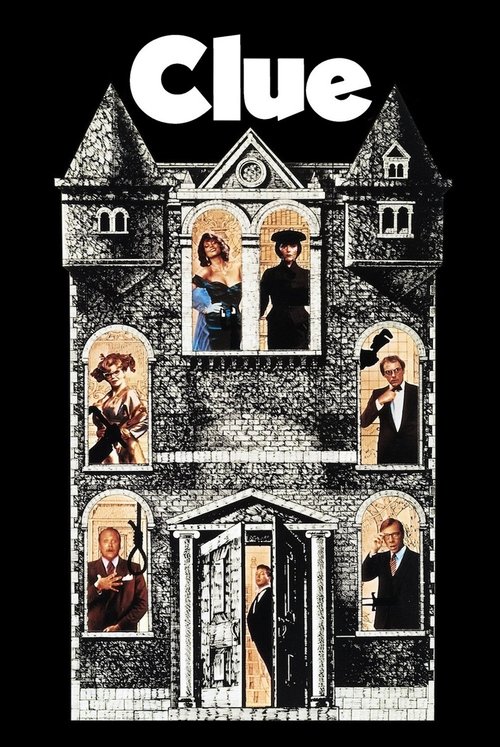
For those keeping score at home, more than the nominal number of characters come and go in “The Hateful Eight,” which evokes the hermetic atmosphere and taut psychological underpinnings of such classics as “Stagecoach” and “The Petrified Forest,” but eventually winds up feeling more like a hysterically pitched live-action version of “Clue.”
Jackson manages to outshine his performance as Stephen in Django Unchained with a role that calls for experience, wits, and the best sleuthing this side of Tim Curry’s butler in Clue .
You know not everyone who walks into Minnie's is walking out, of course, and watching them cross-examine one another is like the claustrophobic guessing-game aspect of Clue and The Thing filtered through Tarantino's curatorial sensibility.
Fortunately, there’s plenty of good moments thanks to the stellar cast assembled and Tarantino’s intriguing Clue meets Unforgiven hybrid western mystery.
Ruth is convinced at least one of them is in cahoots with Daisy, and the next 90 minutes or so feels surprisingly similar to a vulgar, contemporary, post-Civil War version of Clue .
It basically takes a Clue-style mystery and places it in an amoral, post-Civil War Old West, where a bunch of scoundrels on both sides of the law are holed up in an inn during a blizzard.
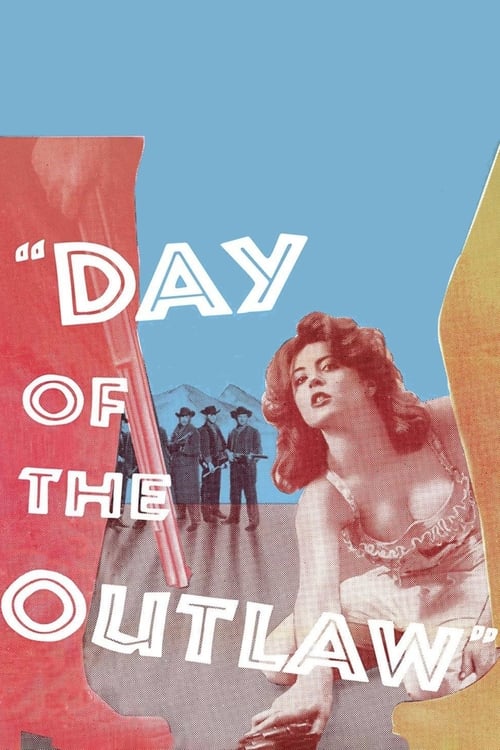
Tarantino's widescreen compositions look great, but, perversely, the snowy outdoor sequences — which nod to such classic winter Westerns as "Day of the Outlaw" (1959) and "The Great Silence" (1968) — are minimal.
Typically for a filmmaker engrossed by genre cinema more than life, Tarantino has reimagined not the historical West, but the modernist West of André De Toth’s wintry Day of the Outlaw (which may have prompted The Hateful Eight’s bifurcation and cabin fever mood) and Sergio Corbucci’s allegorical spaghetti classic The Great Silence (Q.T.'s “favourite snow Western”).
What follows is a string of events that’s often outrageous, sometimes hilarious, but rather than cool or stylish, the film is bleak and severe in the classic tradition of snowbound westerns such as William Wellman’s Track of the Cat and André de Toth’s Day of the Outlaw .
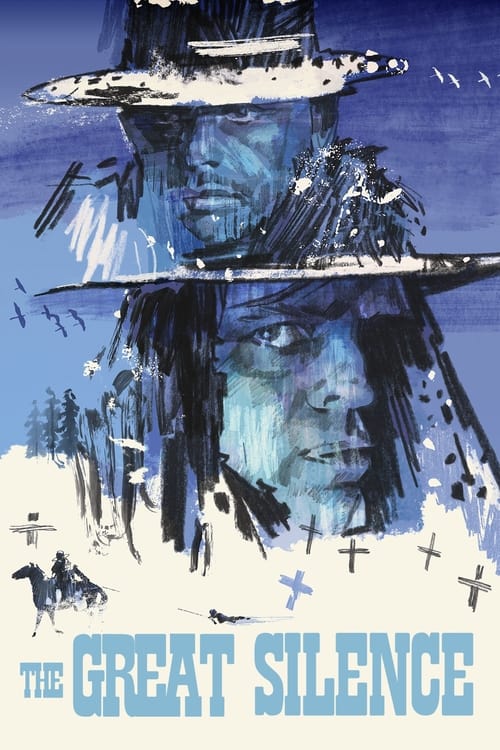
Tarantino's widescreen compositions look great, but, perversely, the snowy outdoor sequences — which nod to such classic winter Westerns as "Day of the Outlaw" (1959) and "The Great Silence" (1968) — are minimal.
Typically for a filmmaker engrossed by genre cinema more than life, Tarantino has reimagined not the historical West, but the modernist West of André De Toth’s wintry Day of the Outlaw (which may have prompted The Hateful Eight’s bifurcation and cabin fever mood) and Sergio Corbucci’s allegorical spaghetti classic The Great Silence (Q.T.'s “favourite snow Western”).
This is a western set in snow country, and those are more rare than you might think: Robert Altman’s McCabe and Mrs. Miller and Corbucci’s The Great Silence are two superb examples, but when most people think “westerns,” it’s the scrubby desert majesty of John Ford that comes to mind.
Advertisement
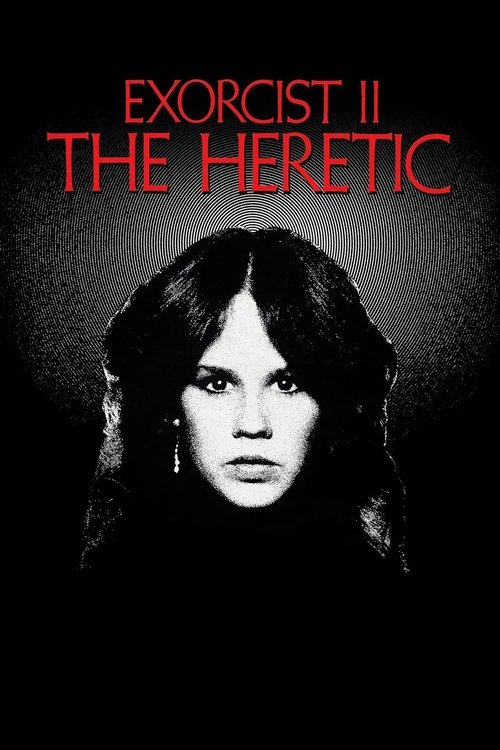
I thrill to the robust strains of Ennio Morricone’s first original Western score in over three decades (which also samples his themes from The Thing and Exorcist II: The Heretic).
Elsewhere, Morricone’s original score is augmented by cues he wrote for John Boorman’s frightful Exorcist II: The Heretic and John Carpenter’s underrated The Thing (a tauter Kurt Russell thriller about snowbound, paranoid claustrophobia), while actor-musician David Hess’s haunting ballad Now You’re All Alone is photocopied in from the soundtrack of Wes Craven’s infamous The Last House on the Left .
The soundtrack was partially recycled from bits of his score for John Carpenter's The Thing and 1977's Exorcist II: The Heretic, but it still works perfectly against Tarantino's Old West backdrop.
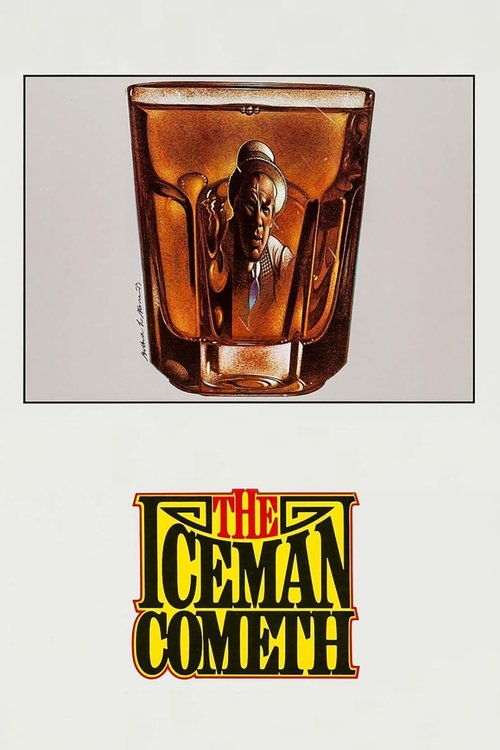
But set mostly in the confined space of a remote haberdashery/stagecoach stop, the piece plays like a weird combination of John Ford's Stagecoach, Agatha Christie's Ten Little Indians and Jean-Paul Sartre's No Exit, albeit with a word count closer to Eugene O'Neill's The Iceman Cometh.
This is a director who hires the Mahler of spaghetti Westerns, Ennio Morricone , whose work he's sampled many times, to create an original score, then ladles it onto a film that is not a typically sumptuous revenge Western about characters' relationships to the land they're battling to claim, but something more like a crisply photographed stage play—think of Tarantino's debut film " Reservoir Dogs ," most of which took place in a warehouse, but with Stetsons and dropped g's, or a prairie rat cousin of Eugene O'Neill's tailbone-busting four-hour barroom fable " The Iceman Cometh " ("The Iceman Curseth"?), but with torture; rape; point-blank gunplay; multiple, possibly false identities, and gallons of blood.