
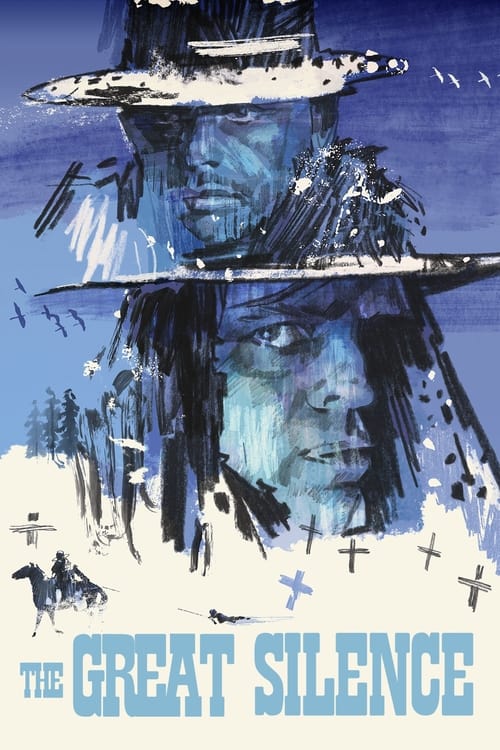
The Great Silence (1968)
Directed by Sergio Corbucci
A mute gunslinger fights in the defense of a group of outlaws and a vengeful young widow, against a group of ruthless bounty hunters.
3 connections found
View:
3 connections, in both directions
What critics compared The Great Silence to
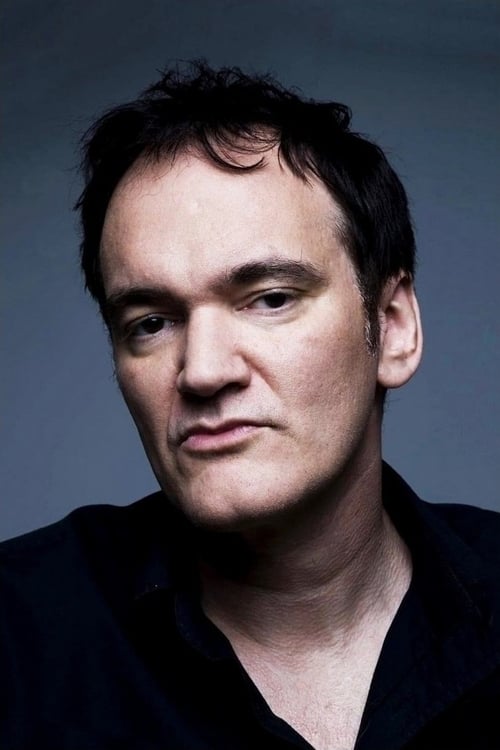
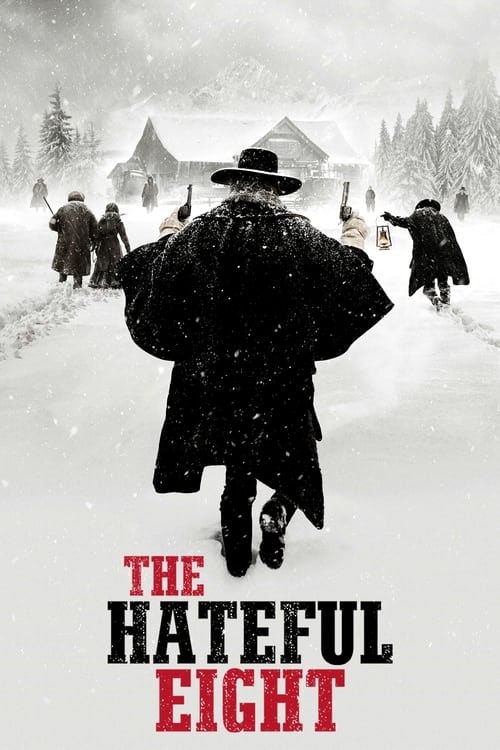


Tarantino's widescreen compositions look great, but, perversely, the snowy outdoor sequences — which nod to such classic winter Westerns as "Day of the Outlaw" (1959) and "The Great Silence" (1968) — are minimal.
Typically for a filmmaker engrossed by genre cinema more than life, Tarantino has reimagined not the historical West, but the modernist West of André De Toth’s wintry Day of the Outlaw (which may have prompted The Hateful Eight’s bifurcation and cabin fever mood) and Sergio Corbucci’s allegorical spaghetti classic The Great Silence (Q.T.'s “favourite snow Western”).
This is a western set in snow country, and those are more rare than you might think: Robert Altman’s McCabe and Mrs. Miller and Corbucci’s The Great Silence are two superb examples, but when most people think “westerns,” it’s the scrubby desert majesty of John Ford that comes to mind.
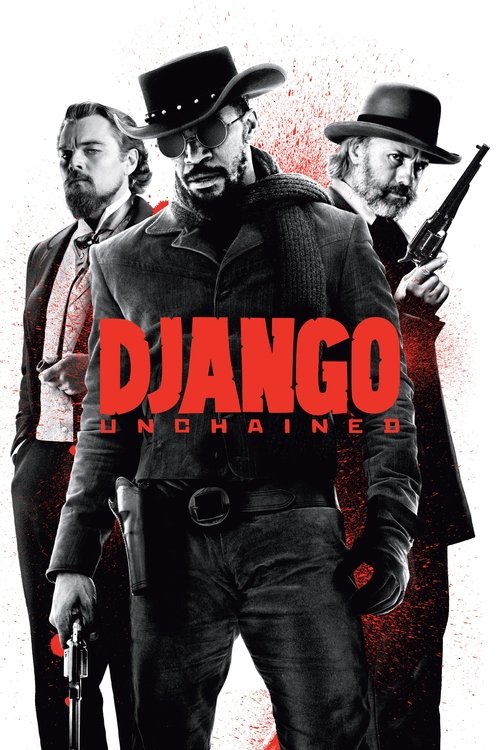
In the same way that Kill Bill paid tribute through imitation to Japanese samurai and Chinese kung fu films, Django Unchained serves as Tarantino’s blood splattered love letter to the work of Leone (A Fistful of Dollars), Corbucci (Django, The Great Silence), Sollima (The Big Gundown) and probably dozens of other filmmakers who most of us have never even heard of, but whose movies’ Tarantino can no doubt recite verbatim.
When this is applied to Americas guilty past, Django Unchained comes to feel like an act of radicalism, which connects it to Tarantinos obvious influences here, the sardonically political spaghetti westerns of Sergio Corbucci (The Great Silence and the original Django).
In Unchained, QT attaches the title of another Corbucci oater, Minnesota Clay, to a saloon, and quotes from Corbucci’s Northern Western The Great Silence, in which a mute Jean-Louis Trintignant rides through snowy landscapes — as Foxx and Waltz do here — on his path to dark destiny.
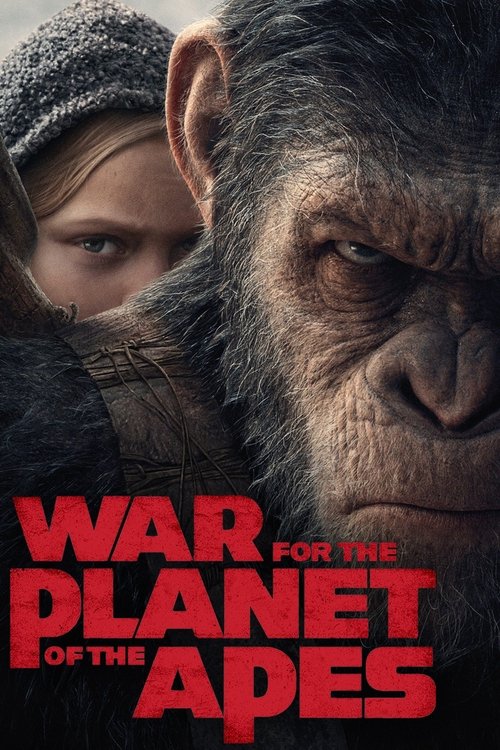
And this one ends up being betrayed by its homages to Apocalypse Now (there’s an “Ape-ocalypse Now” scrawled on a dilapidated wall at the midpoint, just in case viewers missed the other references), Schindler’s List , The Great Silence , and other classics; the sum of their ambitions can’t help but cast the formulaic, over-extended wartime prison-break that is War’s third act in an unflattering light.