
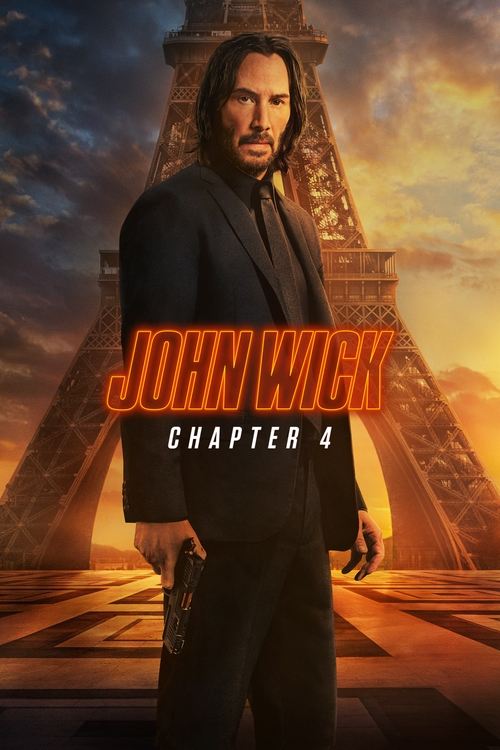
John Wick: Chapter 4 (2023)
Directed by Chad Stahelski
With the price on his head ever increasing, John Wick uncovers a path to defeating The High Table. But before he can earn his freedom, Wick must face off against a new enemy with powerful alliances across the globe and forces that turn old friends into foes.
54 connections found
View:
54 films that influenced John Wick: Chapter 4
What critics say influenced John Wick: Chapter 4
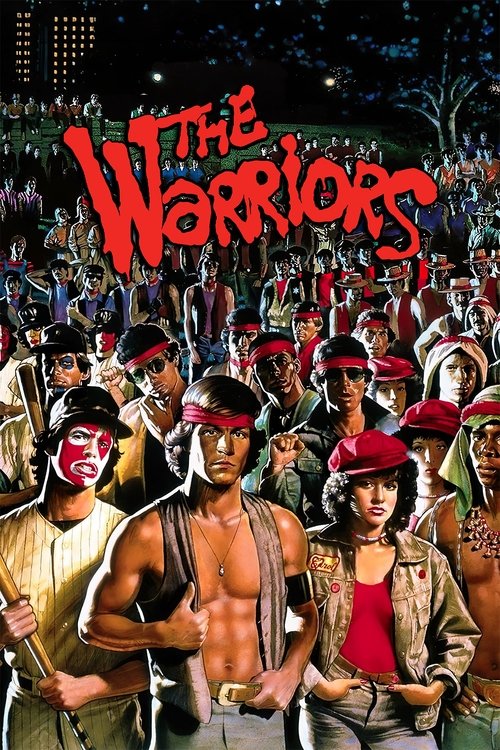


He’s an avatar for Stahelski’s homages to classic cinema of the past, from a tribute to Lawrence of Arabia ‘s match cut in the beginning to the close-up of a Black female DJ’s mouth ushering in our final chase, in a nod to Walter Hill’s The Warriors .
Not only are there affectionate tributes and homages to cinema, with references to Buster Keaton (an ongoing in-joke between films), Walter Hill’s The Warriors , Laurel and Hardy’s The Music Box , Mission Impossible and many more, but it traverses between genres.
The chase sequence that ends with human bodies vs. speeding autos in Paris is such a showstopper that you almost don’t care about the velvet-voiced D.J. narrator blurring the line between The Warriors homage and rip-off.
Any movie that begins with a jump cut from “Lawrence of Arabia” and climaxes with an all-out homage to Walter Hill’s 1979 version of a western, “The Warriors” (complete with taunting DJ and distinctive neighborhood goons), is going to win me over.
"Chapter 4" baldly steals inspiration from Walter Hill's "The Warriors" as gangs and gangs of crazy, wannabe assassins pop out of nowhere, all easily dispatched by Wick, who by this time has become invincible, comically falling down an Odessa-Steps-inspired 222-step stone staircase with Inspector Clouseau-like aplomb.
The homage to Walter Hill’s The Warriors (with a D.J. issuing directions to a bounty’s location) is perfectly in keeping with the aesthetic.
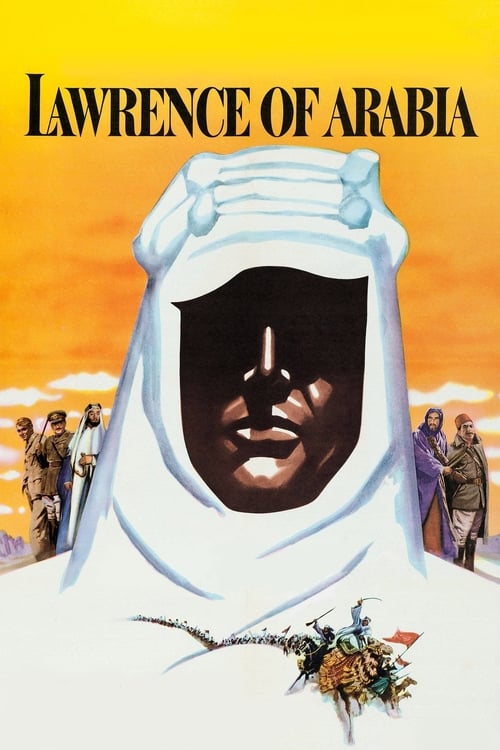
He’s an avatar for Stahelski’s homages to classic cinema of the past, from a tribute to Lawrence of Arabia ‘s match cut in the beginning to the close-up of a Black female DJ’s mouth ushering in our final chase, in a nod to Walter Hill’s The Warriors .
It’s a measure of the strength of this series’ brain trust that an allusion to the famous match-cut from Lawrence of Arabia doesn’t feel cutesy: rather, it feels like an earnest tribute to Lean’s ambition and artistry, a literal burnt offering to their ancestors as a blessing.
The quiet moments are evocative — like when Laurence Fishburne’s Bowery King blows out a match before the camera cuts to a cresting sunset (a cheeky homage to Lawrence of Arabia and one of the most famous cuts in film history) — and the unleashing of violence is clear and easy to follow.
In the first few minutes, we get a homage to a classic match cut from Lawrence of Arabia .
Opening with a horse chase across the sands of Morocco that evokes Lawrence of Arabia in more than just its epic scale, Chapter 4 then surges from New York to Osaka to Berlin to Paris, finding in these locales open playgrounds for both carnage and homage — to great film artists as distinguished as Zhang Yimou, Jet Li, Akira Kurosawa, Sergio Leone, Clint Eastwood, John Woo, Shintaro Katsu, Sammo Hung, Jackie Chan, Yuen Biao, Yuen Woo-ping, Walter Hill, and Jean-Pierre Melville, but also to iconic works of Renaissance art and classical architecture — all generously reflected through the John Wick series’ abstracted-urbanity aesthetic (thrillingly realized by production designer Kevin Kavanaugh and cinematographer Dan Lausten) but enabled by its ever-deepening mythology and correspondingly expansive capacity to synthesize inspirations.
And yet, the franchise possesses both the self-confidence and the ingenuity to earn its boldness – even at one point replicating the 1962 classic Lawrence of Arabia and its famous cut from a blown-out match to a shimmering expanse of desert.
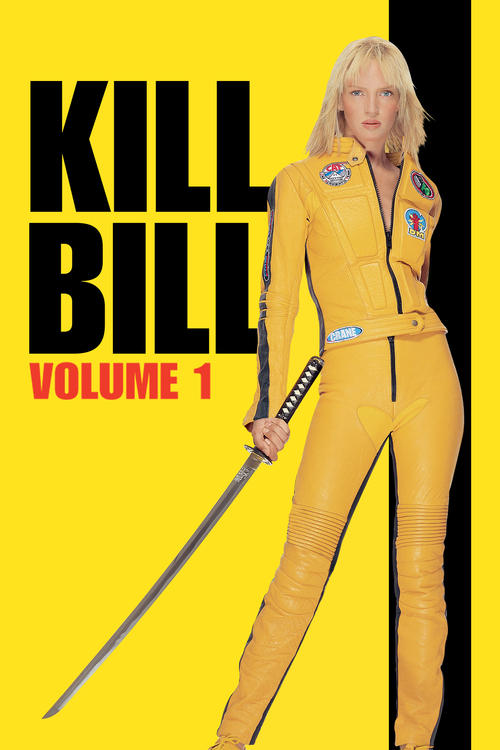
Like the previous “John Wick” films, also directed by former stunt coordinator Chad Stahelski, “John Wick: Chapter 4” delivers mayhem matching Hong Kong’s John Woo and Quentin Tarantino’s “Kill Bill” films in terms of speed, ferocity and ballet-like choreography.
Tarantino did it with more moxie in Kill Bill – a dollop of full-fat cinematic ice cream where our hero had a lot more to say than “yeah”, and Clancy Brown’s on hand this time to remind us that Highlander did it with greater humour and economy.
The cherry blossoms, smears of red neon, and minimally elegant luxury decor backgrounding the action suggest the House of Blue Leaves restaurant scene from Tarantino’s 2003 Kill Bill: Vol. 1 as rendered by Architectural Digest .
Still, if you’re going to do that, it seems better to acknowledge it with a bit of absurdity, the way the Kill Bill movies or even Bullet Train did.
D’abord, une série d’affrontements à Osaka dans des décors à la Kill Bill, où Wick est appuyé par le gérant de l’hôtel Continental local (Hiroyuki Sanada) et sa fille (la chanteuse, mannequin et actrice Rina Sawayama); un règlement de comptes dans une boîte de nuit berlinoise où l’imposant antagoniste est incarné par Scott Adkins, qui mord à pleines dents (en or) dans ce rôle bédéesque; et enfin, près d’une heure de gags et cascades à travers Paris, incluant d’innombrables collisions routières autour de l’Arc de Triomphe et la plus rocambolesque des ascensions d’escaliers.
La recordada escena de La novia (Uma Thurman) en Kill Bill es un poroto al lado de todo lo que pasa en John Wick 4 .
Heck, it’s even longer than “Pulp Fiction,” “A Clockwork Orange” and “Raging Bull,” but director Chad Stahelski maintains interest, staging at least one major action sequence, more like a well-choreographed ballet for the blood thirsty, each hour.
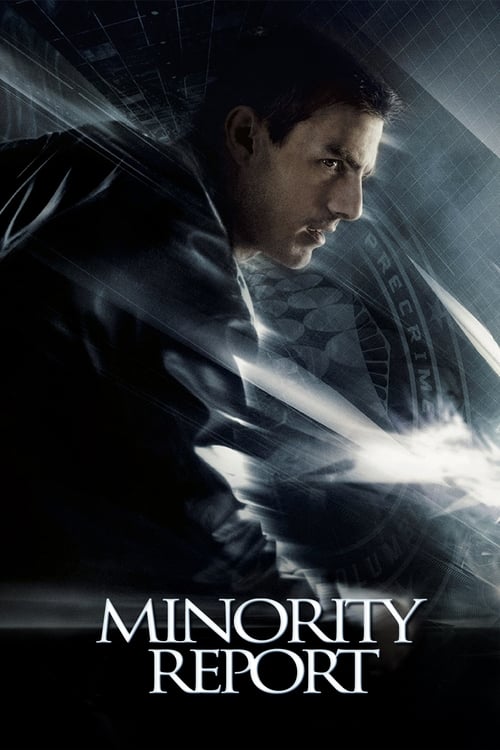
Later in Paris, there’s a series of fights that unfold across the city: a digitally extended overhead shot with incendiary rounds, recalling the bravado “spider” sequence from Minority Report (2002); an encounter on a roundabout amid cars that conspicuously don’t stop for a gunfight; and a fight up 200-plus stairs to the aforementioned basilica, perhaps inspired by the steep hill scene in the Jackie Chan actioner Supercop (1992).
The scene was reminiscent of shots we remember seeing in DePalma's Snake Eyes and Speilberg's Minority Report - but longer and deadlier.
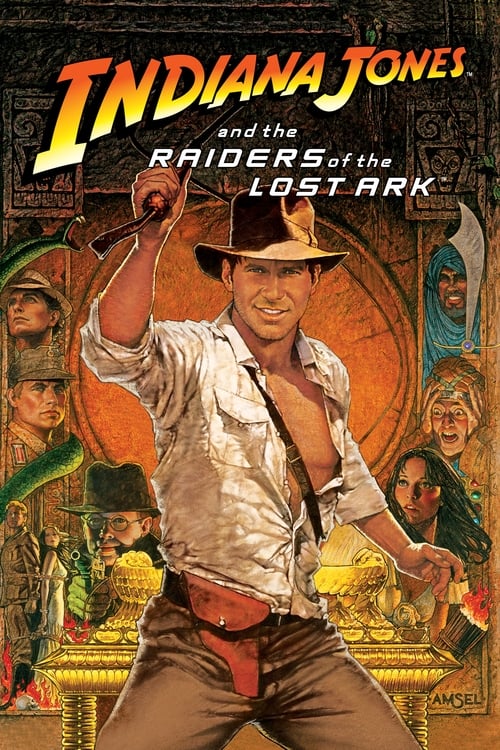
Taking inspiration for his performance from Ronald Lacey’s depiction of Toht in Raiders of the Lost Ark, Adkins plays Killa like a delightfully deceptive snake, his mild-mannered behavior being nothing more than a tactic he utilizes to iron out how he’s going to screw over his opponents.
Advertisement
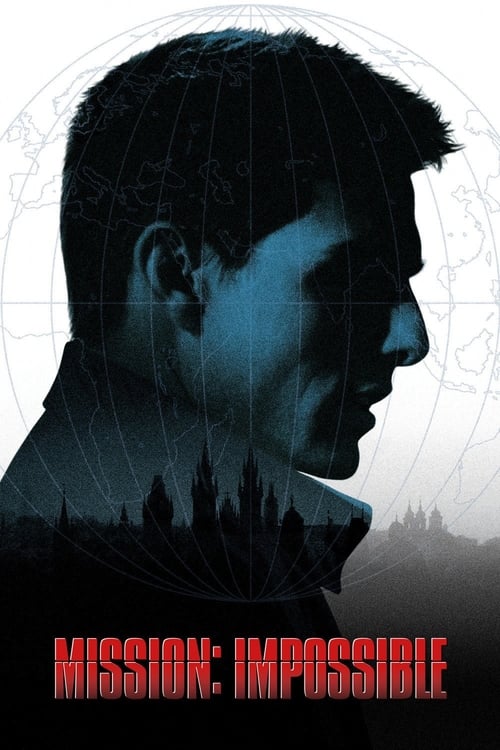
Not only are there affectionate tributes and homages to cinema, with references to Buster Keaton (an ongoing in-joke between films), Walter Hill’s The Warriors , Laurel and Hardy’s The Music Box , Mission Impossible and many more, but it traverses between genres.
Nor is this Mission: Impossible , which only went to that special level in its fourth movie.
Right behind is Mission: Impossible or The Raid , but what director Chad Stahelski and lead hero Keanu Reeves continue to achieve is pure action movie ecstasy.
Stahelski has always been open in interviews about how much time he and his teams put into preparing for their film shoots, and it shows; for the same reason, Christopher McQuarrie of Mission: Impossible fame, shares the crown with Stahelski as the two undisputed kings of American action cinema.
(Even Mission: Impossible had to struggle through a couple of wobblier entries before finding its virtuosic footing.)
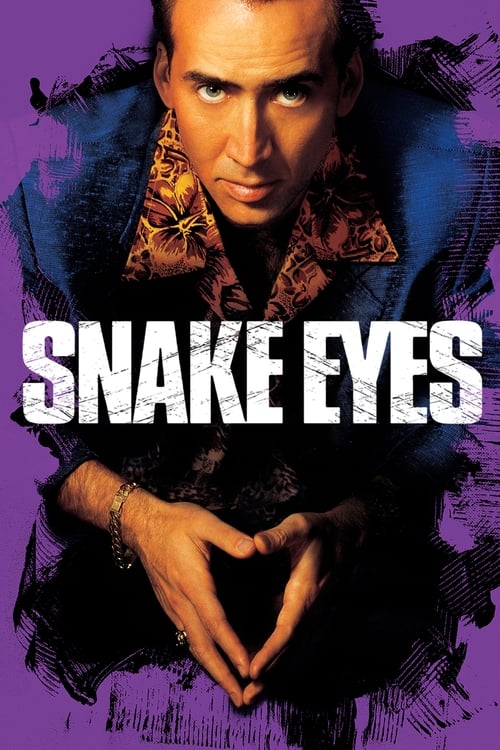
The scene was reminiscent of shots we remember seeing in DePalma's Snake Eyes and Speilberg's Minority Report - but longer and deadlier.
Inside a dark, dirty chateau in some dark, dirty stretch of Paris, the camera observes from on high the first floor of the building, and goes berserk, at first suggestive of De Palma’s stately, deliberate speed of a God’s-eye shot in so many of his movies, such as “Snake Eyes” and “Femme Fatale,” but with the glib glide of a robot, as if from the flick of a wrist from a mechanical controller.
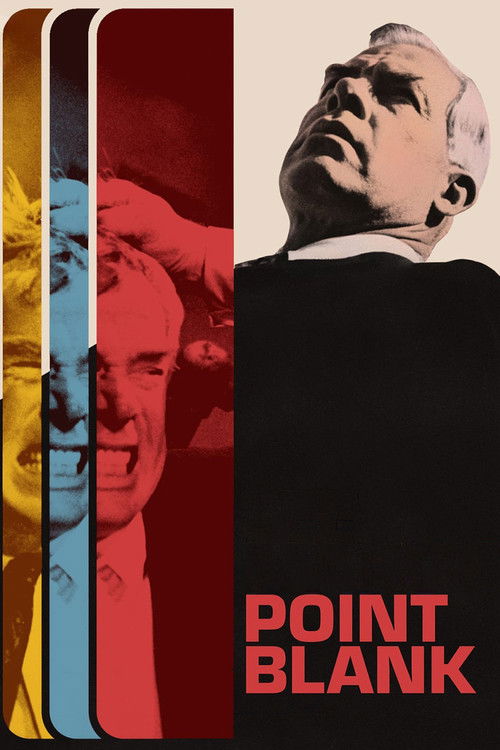
Wick’s a walker, or a Walker, to hark back to John Boorman’s seminal thriller, “Point Blank,” in which monosyllabic, dead-undead Lee Marvin’s character, Walker, dream-walks through 1967 Los Angeles night and bright daylight, sharp-suited, bullet-domed, in restless forward motion, looking to collect a debt from mobsters who have cheated him out of only a few tens of thousands of dollars.
The implacable hero mowing down henchmen to get to the one true villain was already a staple when Lee Marvin (as Walker) perfected it in John Boorman’s 1967 film Point Blank .
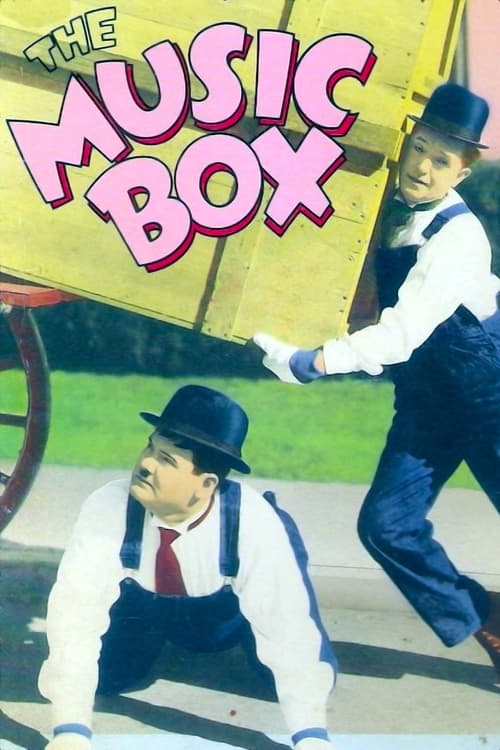
Not only are there affectionate tributes and homages to cinema, with references to Buster Keaton (an ongoing in-joke between films), Walter Hill’s The Warriors , Laurel and Hardy’s The Music Box , Mission Impossible and many more, but it traverses between genres.

This is one of the most amazing stunt sequences I've ever seen at the movies, reminiscent in a more maximal way of the best of the Bourne films and even George Miller's Mad Max: Fury Road .
The only other time I walked out of a theater feeling that way was Mad Max: Fury Road .
This one enters the pantheon of great action cinema, next to Hard Boiled, The Raid, and Mad Max: Fury Road.
But the fourth movie in the franchise is more than that — it is the best action movie of the year (early yes, but a distinction I suspect it'll keep) and perhaps the best pure action movie since Mad Max: Fury Road .
But the fourth manages to one-up all of them in the greatest display of action spectacle this side of Mad Max: Fury Road .
Advertisement
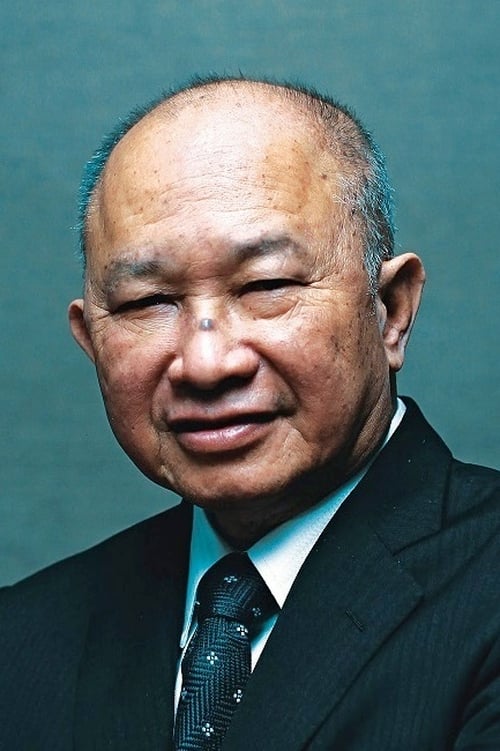
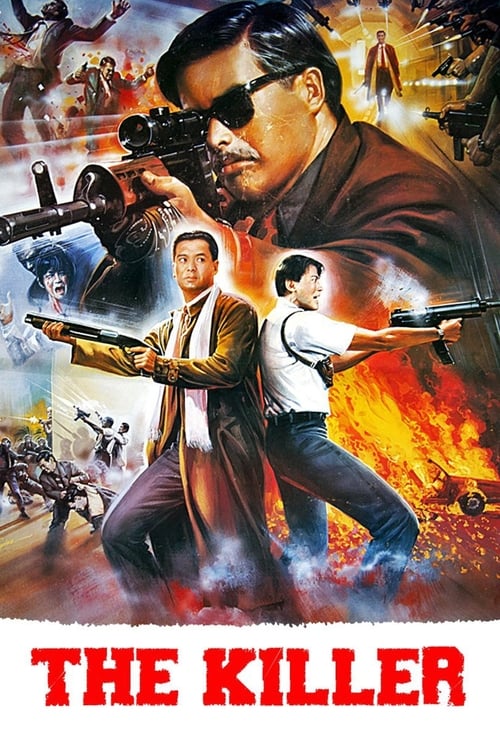
Yen brings some real regret and emotional heft into his scenes with Reeves, so much that staging one of their interactions in a replica of the church from John Woo’s “The Killer” feels not like blasphemy, but apt.•••…
Se ha citado -el propio realizador Chad Stahelski lo ha hecho- a El samurái, el clásico de Jean-Pierre Melville, y su casi remake The Killer , de John Woo, como influencias y es cierto: hay en ambas un personaje casi hierático capaz de hazañas únicas (Alain Delon en un caso; Chow Yun-Fat, en el otro) que mantiene incluso en su oficio amoral un código ético absoluto.
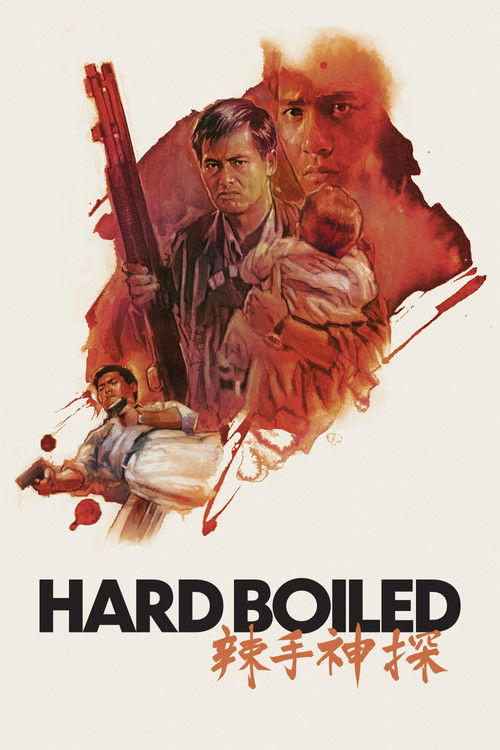
This one enters the pantheon of great action cinema, next to Hard Boiled, The Raid, and Mad Max: Fury Road.
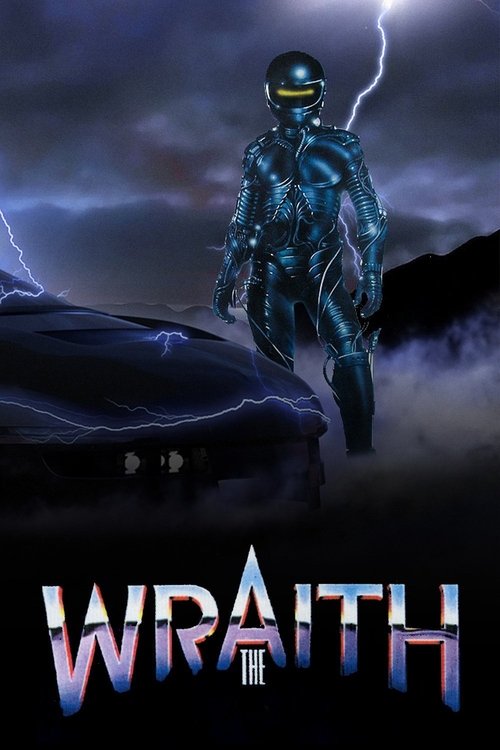
By this film, Wick has become not unlike the star character in some off-brand southern wrestling federation — call him “The Wraith,” and have him dress in stylish, monochrome dark suits — no amount of pain ever seems to stick with him.