
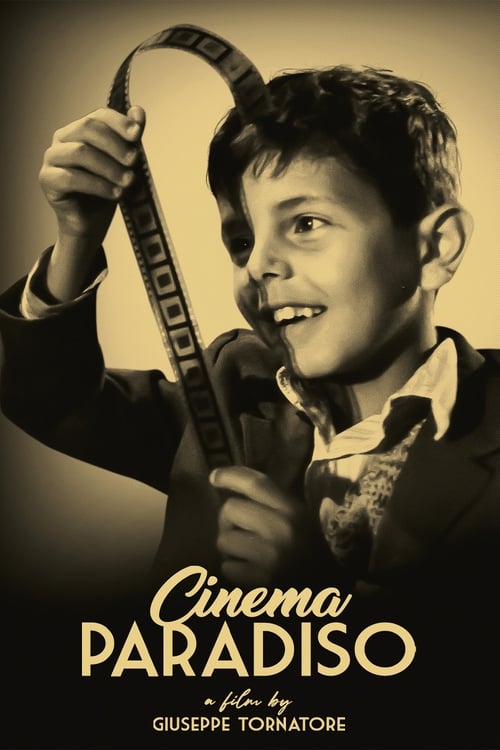
Cinema Paradiso (1988)
Directed by Giuseppe Tornatore
A filmmaker recalls his childhood, when he fell in love with the movies at his village's theater and formed a deep friendship with the theater's projectionist.
14 connections found
View:
14 films that influenced Cinema Paradiso
What critics say influenced Cinema Paradiso
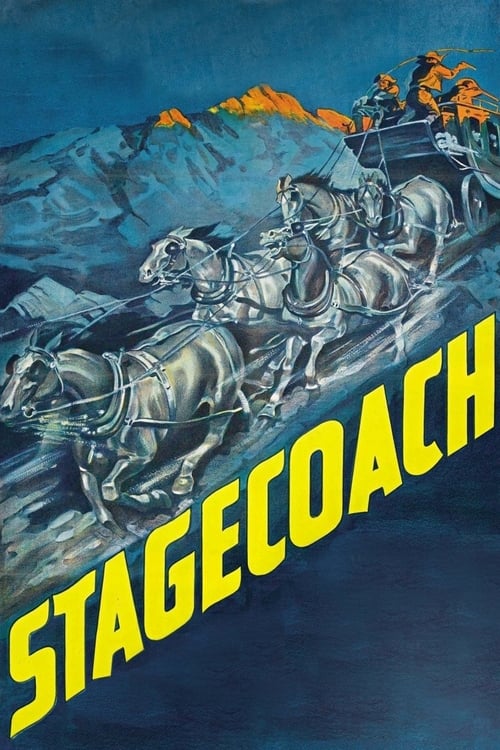


In recycling fragments of favorite movies, including Jean Renoir's "Lower Depths," Luchino Visconti's "Terra Trema," Fritz Lang's "Fury" and John Ford's "Stagecoach," Mr. Tornatore treats them as beacons of enlightenment to a benighted culture riddled with fear and superstition.
We see Casablanca (1942), Gone with the Wind (1939), Stagecoach (1939), It’s a Wonderful Life (1946)… and so many others!
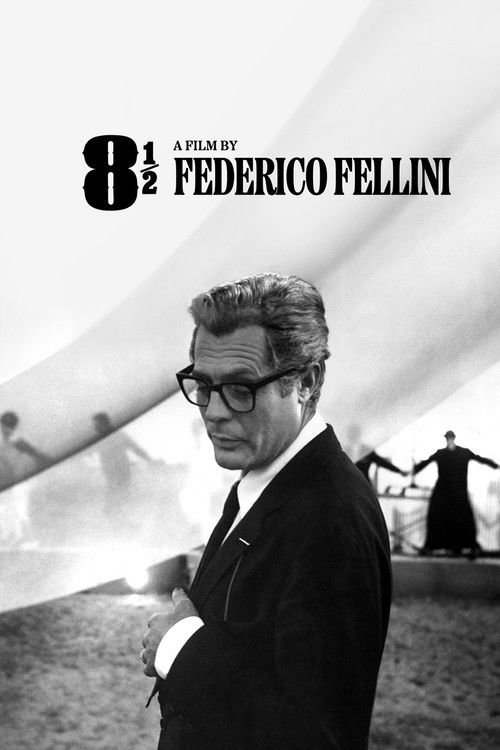
But for the initial purposes of this review, it might be best to think about one of the most iconic (if seemingly tangential) cinematic references to the movie making business, Federico Fellini's legendary 8½ .
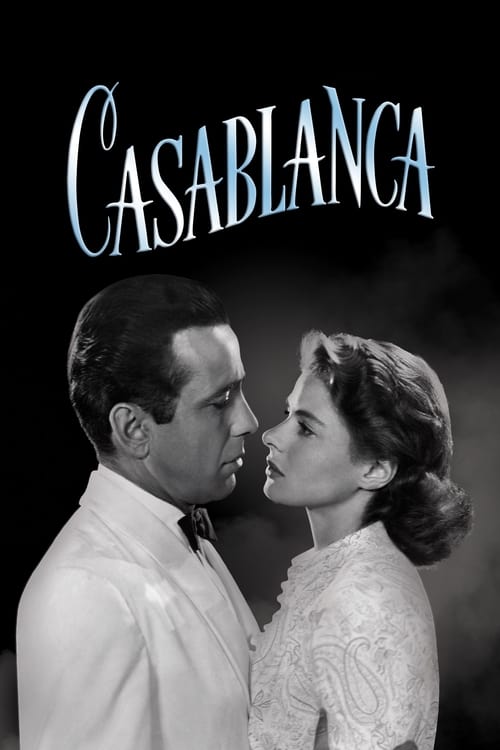
A poster of Casablanca (1942) adorns the projection room.
We see Casablanca (1942), Gone with the Wind (1939), Stagecoach (1939), It’s a Wonderful Life (1946)… and so many others!
Alfredo has lived practically his whole life in the projection booth of the Cinema Paradiso, where the walls are covered with film invoices and posters of Casablanca and other classic films.
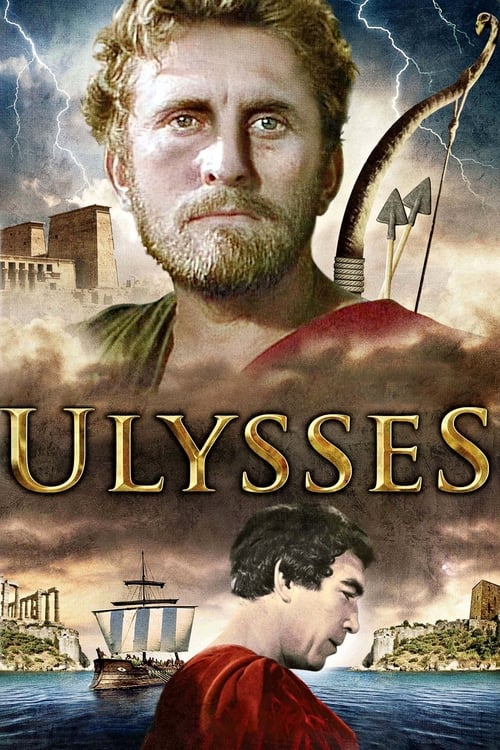
It is also, of course, a film that is in love with the cinema, and those who know and appreciate film history will have a particularly meaningful experience watching the various films that unspool in the little theater, from the neorealist masterpiece Rome, Open City (1945), to Hollywood sword-and-sandal schlock like Ulysses (1954).
Advertisement
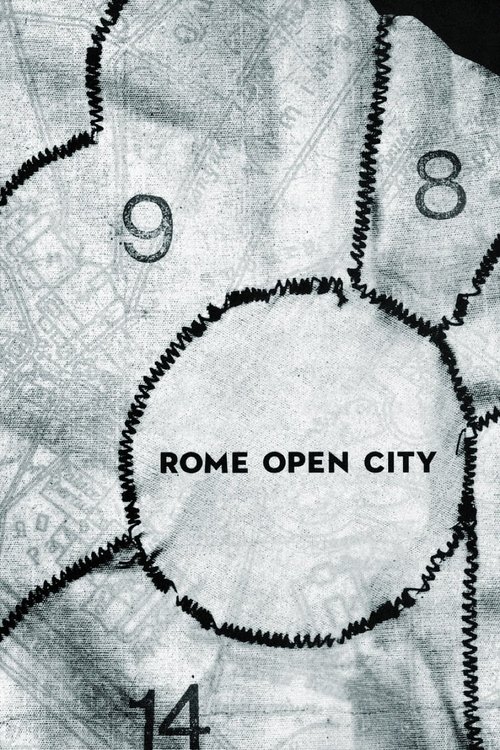
It is also, of course, a film that is in love with the cinema, and those who know and appreciate film history will have a particularly meaningful experience watching the various films that unspool in the little theater, from the neorealist masterpiece Rome, Open City (1945), to Hollywood sword-and-sandal schlock like Ulysses (1954).
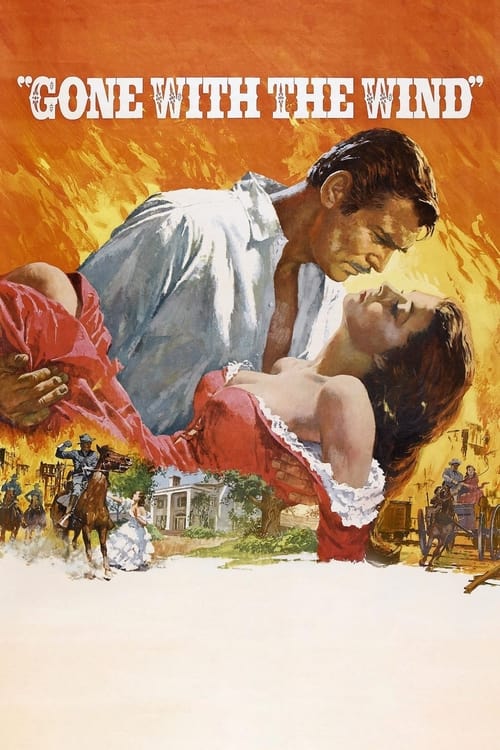
We see Casablanca (1942), Gone with the Wind (1939), Stagecoach (1939), It’s a Wonderful Life (1946)… and so many others!
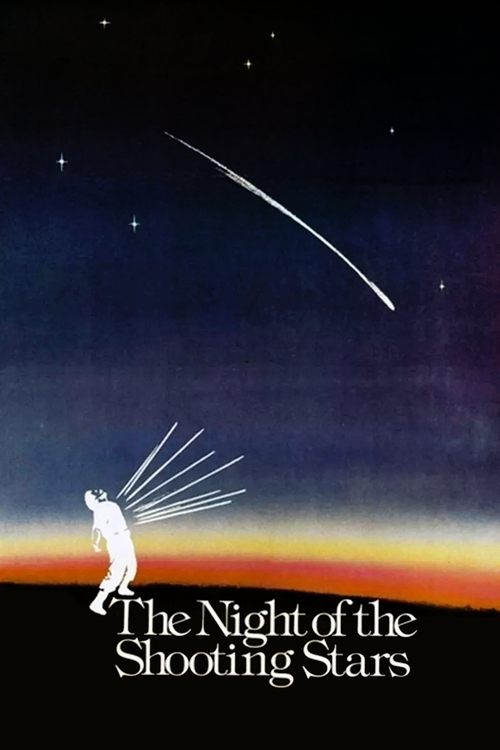
As with the Taviani Brothers' "The Night of the Shooting Stars," whose richly textured lyricism it recalls, the film's events occur in that glimmering land where first loves are forever young and Duke Wayne never died.
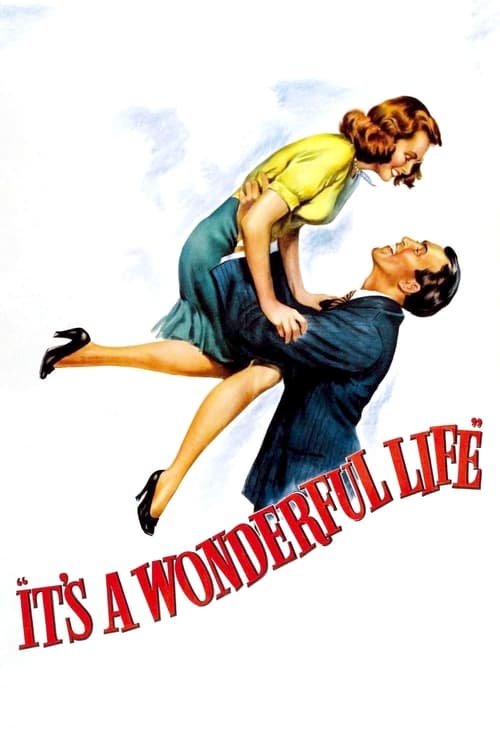
We see Casablanca (1942), Gone with the Wind (1939), Stagecoach (1939), It’s a Wonderful Life (1946)… and so many others!
Advertisement
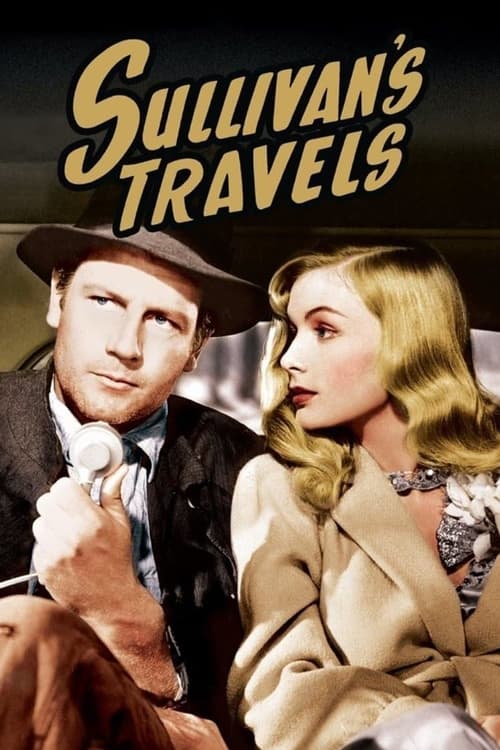
Movies as disparate as Singin' in the Rain Ed Wood and Sullivan's Travels prove what a fertile ground the very industry which gave birth to these offerings has been for various filmmakers.
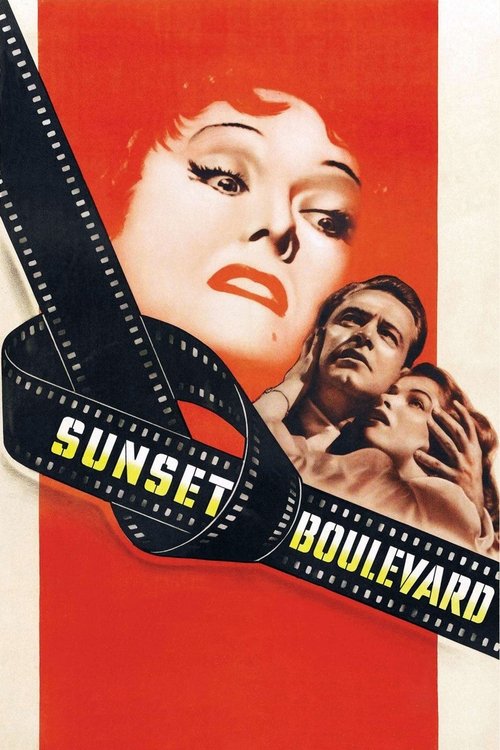
Movies as disparate as The Player, Sunset Boulevard, Adaptation.