

Frances Ha (2013)
Directed by Noah Baumbach
An aspiring dancer moves to New York City and becomes caught up in a whirlwind of flighty fair-weather friends, diminishing fortunes and career setbacks.
66 connections found
View:
66 films that influenced Frances Ha
What critics say influenced Frances Ha
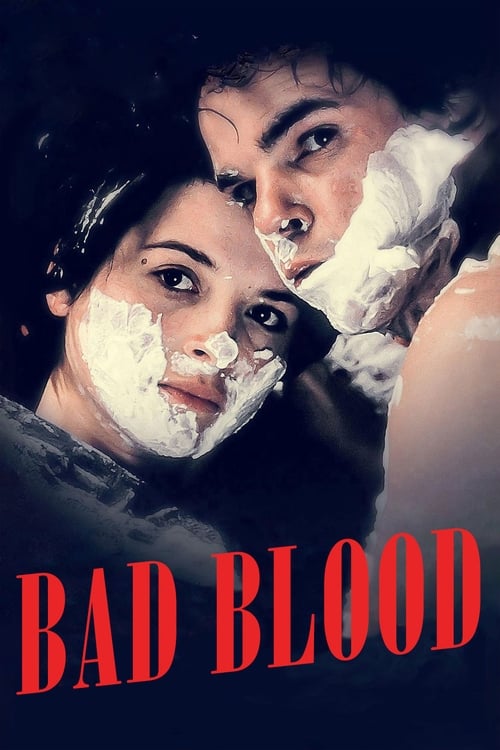


When the film overtly cribs from the style and storytelling devices of the French New Wave, it's not out of some bland, "I like the New Wave" impulse, but because that's an extremely useful touchstone for a story about insular young people (it does, however, hurt the film that its best moment is an out-of-nowhere direct copy of a scene from the much better neo-New Wave film Mauvais sang ).
Otherwise, Baumbach’s style could be called homage-happy: It’s classic Truffaut meets vintage Woody Allen meets Girls, with one direct lift—an exhilarating, freewheeling David Bowie-scored street dance—from Leos Carax’s Mauvais Sang.
The film shows many influences, from Woody Allen (white titles on black backgrounds, New York City shot in glorious black and white) to Leos Carax (Gerwig dances through the streets to David Bowie's 'Modern Love,' just like Denis Lavant in "Mauvais Sang").
Frances’s celebratory sprint through Manhattan, her speeding steps giving way gradually to outright pirouettes, is a remake of an identical set piece in Leos Carax’s Mauvais Sang (1986), only with the camera moving in the opposite direction.
One sprint lovingly lifts from Leos Carax’s delirious tracking-shot trot in 1986‘s Mauvais Sang, same-tuned to Bowie’s “Modern Love,” and there’s an obvious and joyful French fixation here, with music cues plucked from The 400 Blows and Contempt, among others (it’s wall-to-wall Georges Delerue, to the happy sigh of Francophiles everywhere), and a matte-gray palette piped in from the French New Wave.
Just like Denis Lavant in Leos Carax's Mauvais Sang.
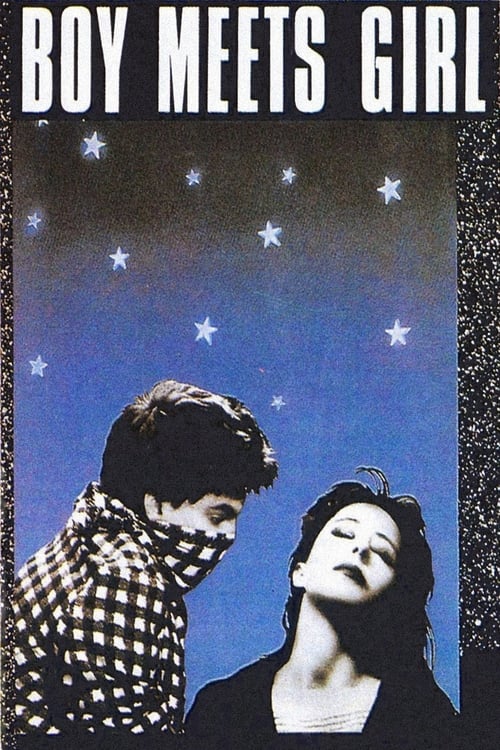
Typical of its bustling bursts of setpieces, the film takes a fantastic leap in a scene following Frances running at top gait, leaping as the dancer that she is, through nighttime Chinatown streets, the laterally tracking camera fixing her as a succession of twenty-first-century Muybridge framings in motion, accompanied by David Bowie’s “Modern Love”—a thrill redoubled for those who have seen “Mauvais Sang (Bad Blood)” as well as “Boy Meets Girl,” Leos Carax’s black-and-white debut, also a short, bittersweet black-and-white song of apartments and city streets.

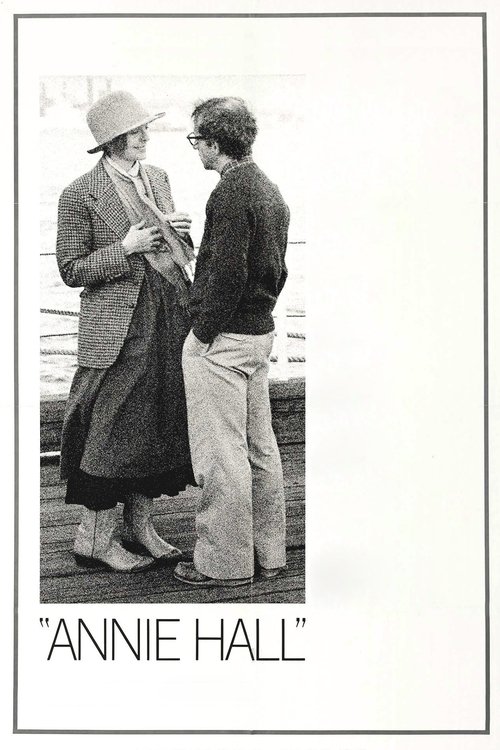
The movie is shot in black and white by Sam Levy, clearly as a homage to its chief influences: the French new wave (Georges Delerue's music for Truffaut's films is quoted on the soundtrack) and monochrome Woody Allen films such as Manhattan , Stardust Memories and Broadway Danny Rose , though it's obviously Annie Hall , progenitor of the freewheeling "relationship movie", that lies behind Frances Ha.
As a love letter from director to star, the delightful, funny, clever and wise "Frances Ha" surpasses even its most obvious inspiration, Woody Allen's "Annie Hall."
In a comic bit reminiscent of Annie Hall’s lobster scenes, Frances briefly tries to reenact some of the same games she played with Sophie with her new friend—with disastrous results.
Writing with Gerwig, Baumbach has created a fey, sneakily charming generational touchstone on a par with “Annie Hall” and his own Gen Y col-grad comedy “ Kicking and Screaming .”
The New York girl that Noah Baumbach (The Squid and the Whale) celebrates with such robust wit, speed and delight in Frances Ha doesn't have to be likened to Annie Hall.
The gorgeous-looking black-and-white film aims to be a hipster “Annie Hall” or a mini “Manhattan,” but those Woody Allen classics had interesting characters with intriguing thoughts.
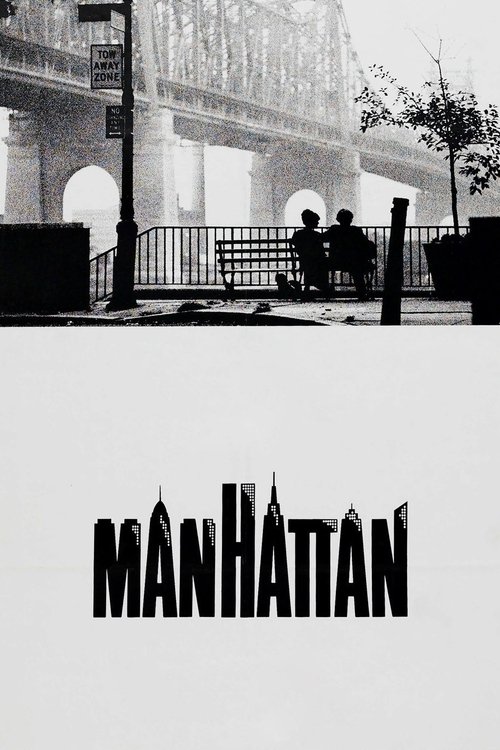
The most obvious comparison to make, of course, is to Woody Allen’s black-and-white love-letter to New York Manhattan, but the inky, amorously lit cinematography also complements a score that heavily borrows from the films of the French New Wave–a fitting comparison since Frances Ha is more Stolen Kisses than Tiny Furniture, and one that gives the film a timeless feel that knowingly conflicts with its temporary themes.
Whether they deliberately wanted to evoke Woody Allen’s 1979 masterpiece Manhattan (my personal favourite Allen film) or not I’m not sure, but the film’s beguiling monochrome vision of New York – Manhattan and Brooklyn for the most part, plus it was nice to see Washington Heights get a piece of the pie – does just that.
But "Frances Ha's" black-and-white cinematography of the hipper parts of the Big Apple is more reminiscent of another smart big-city comedy: Woody Allen's New York valentine "Manhattan."
The Eurocinema soundtrack, the black-and-white street scenes and the neurotic short-term couplings evoke Woody Allen’s “Manhattan,” but flibbertigibbet Frances represents a new generation of New Yorker.
Set in the heart of Big Apple bohemia, it's filmed in black and white in a knowing tribute to Woody Allen's Manhattan.
You may watch "Frances Ha" relating to little of it, or a lot of it, but this "road movie with apartments," as the director (shooting here in velvety black-and-white, recalling Woody Allen's "Manhattan" in its texture) so aptly put it, is informed by a buoyant, resilient spirit.
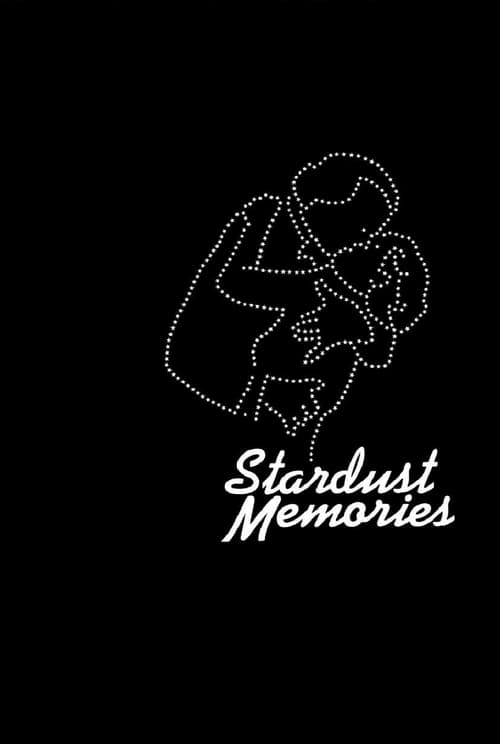
The movie is shot in black and white by Sam Levy, clearly as a homage to its chief influences: the French new wave (Georges Delerue's music for Truffaut's films is quoted on the soundtrack) and monochrome Woody Allen films such as Manhattan , Stardust Memories and Broadway Danny Rose , though it's obviously Annie Hall , progenitor of the freewheeling "relationship movie", that lies behind Frances Ha.
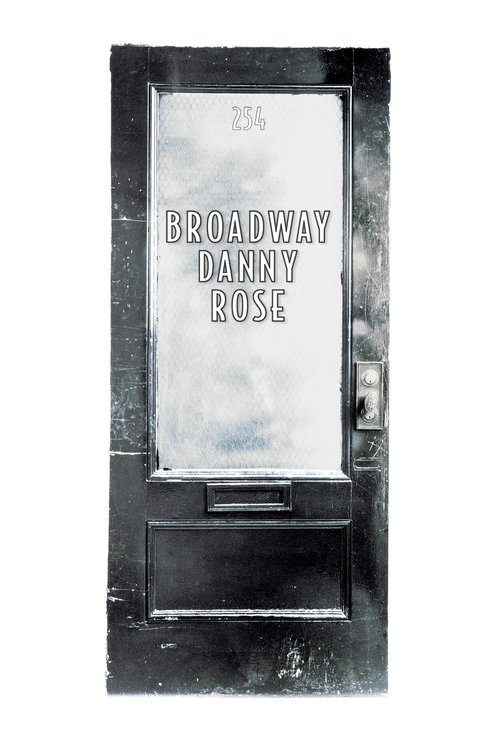
The movie is shot in black and white by Sam Levy, clearly as a homage to its chief influences: the French new wave (Georges Delerue's music for Truffaut's films is quoted on the soundtrack) and monochrome Woody Allen films such as Manhattan , Stardust Memories and Broadway Danny Rose , though it's obviously Annie Hall , progenitor of the freewheeling "relationship movie", that lies behind Frances Ha.
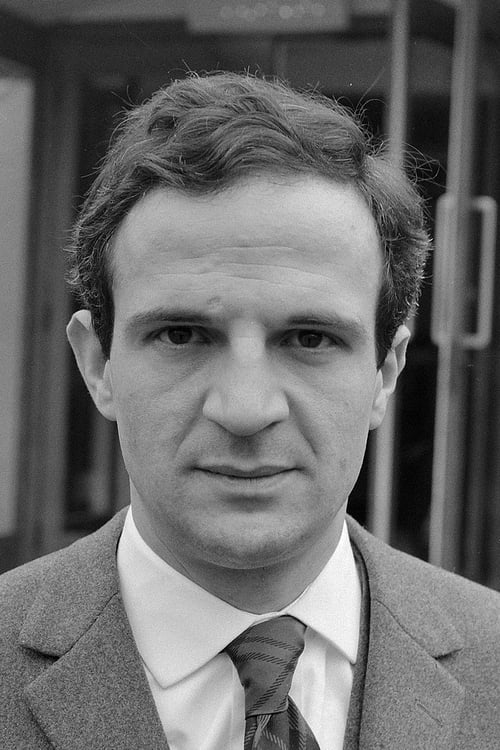
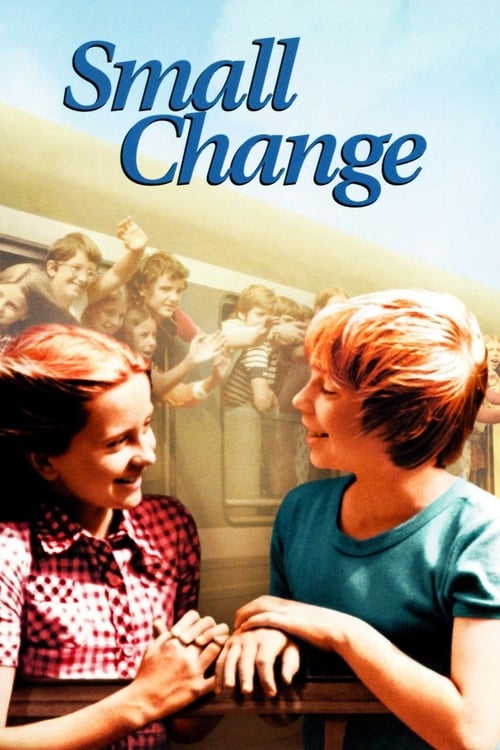
A glimpsed poster for Truffaut’s 1976 comedy Small Change suggests an inspiration for the picture’s skit-like structure.
But combined with the Small Change poster positioned conspicuously in one of the several New York flats that Frances crashes in throughout the film, it seems like Baumbach isn't only fetishizing various nouveau vagues of French cinema.
Other sources include Allen's "Manhattan" ("Frances Ha," too, is presented in black-and-white) and the romantic classics of the French New Wave (the movie borrows much of its music from Georges Delerue, known for his work on such films as "Jules and Jim" and "Hiroshima Mon Amour," and from Jean Constantin, who scored "The 400 Blows").
Yet most of the energizing formal ideas are taken from other movies; the creative nadir may be when Baumbach uses Georges Delerue's iconic theme from Jules and Jim as a shortcut to pathos.
Other sources include Allen's "Manhattan" ("Frances Ha," too, is presented in black-and-white) and the romantic classics of the French New Wave (the movie borrows much of its music from Georges Delerue, known for his work on such films as "Jules and Jim" and "Hiroshima Mon Amour," and from Jean Constantin, who scored "The 400 Blows").
Mixing music from The 400 Blows and David Bowie's '80s dance-rock phase, shooting in black-and-white, and focusing more on character than plot, Frances Ha checks in at less than 90 minutes, which might give the impression that it's a cool sketch rather than a particularly memorable or weighty film.
One sprint lovingly lifts from Leos Carax’s delirious tracking-shot trot in 1986‘s Mauvais Sang, same-tuned to Bowie’s “Modern Love,” and there’s an obvious and joyful French fixation here, with music cues plucked from The 400 Blows and Contempt, among others (it’s wall-to-wall Georges Delerue, to the happy sigh of Francophiles everywhere), and a matte-gray palette piped in from the French New Wave.
The most obvious comparison to make, of course, is to Woody Allen’s black-and-white love-letter to New York Manhattan, but the inky, amorously lit cinematography also complements a score that heavily borrows from the films of the French New Wave–a fitting comparison since Frances Ha is more Stolen Kisses than Tiny Furniture, and one that gives the film a timeless feel that knowingly conflicts with its temporary themes.

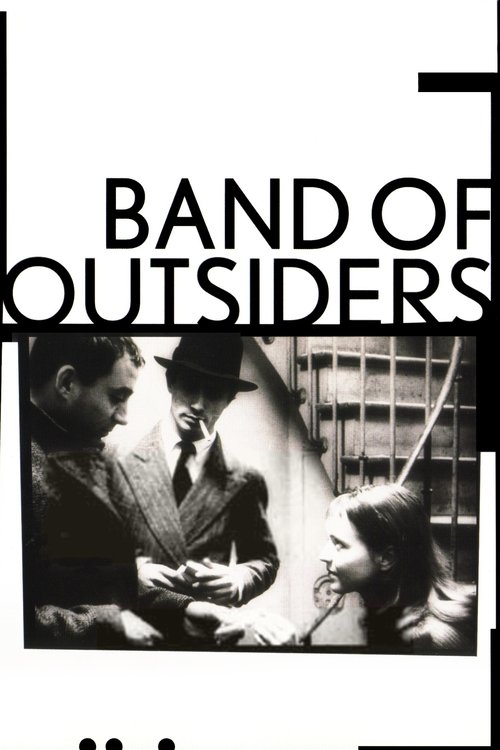
Baumbach shoots and cuts in a fleet, exhilarating manner that reminds of nothing less than the Godard of Band of Outsiders or the Truffaut of Shoot the Piano Player, a connection explicitly and sometimes movingly underscored by his extensive use of excerpts from 1960s French film scores composed by the great Georges Delerue.
The movie is shot in lush black and white, an aesthetic that speaks to Baumbach’s admiration for French new wave filmmakers, from François Truffaut to Eric Rohmer and Jean-Luc Godard, specifically his Band of Outsiders.
Frances Ha, which Baumbach co-wrote with Gerwig (his real-life girlfriend), was shot in glorious black and white and edited with the jumpy rhythms and unexplained time lapses of the French New Wave (one joyousl scene, in which Frances runs and dances through the streets of New York to the tune of David Bowie’s Modern Love, feels like a direct shout-out to the romp through the museum of Godard’s Band of Outsiders).
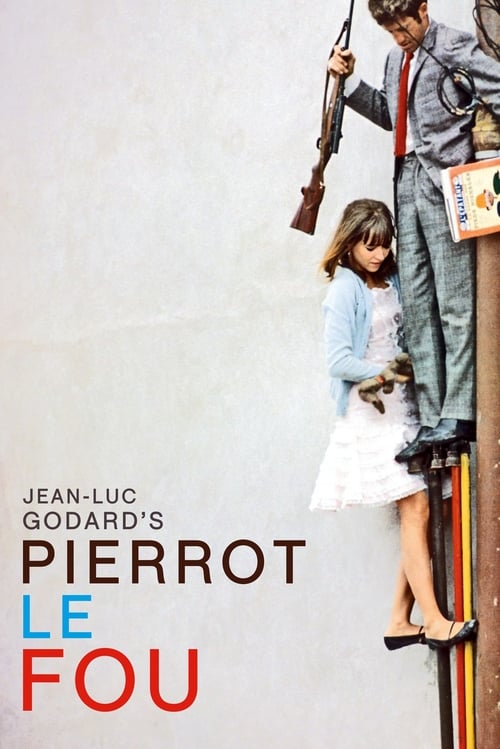
You could make a season of films like that, and it would have to include Griffith and Lillian Gish (Broken Blossoms); von Sternberg and Marlene Dietrich (Morocco, The Devil is a Woman); Antonioni and Monica Vitti (L’Avventura); Hawks and Lauren Bacall (To Have and Have Not); Capra and Barbara Stanwyck (The Miracle Woman, The Bitter Tea of General Yen); Godard and Anna Karina (Vivre Sa Vie, Pierrot le Fou); Ingmar Bergman and nearly every actress he worked with (Persona, Cries and Whispers, Summer with Monika); Hitchcock and Grace Kelly (Rear Window), and Hitchcock and Tippi Hedren (The Birds, Marnie); and Truffaut and Jeanne Moreau (Jules and Jim) and Truffaut and Catherine Deneuve (Mississippi Mermaid).
A collaboration between director Noah Baumbach and Greta Gerwig, “the Meryl Streep of mumblecore”, Frances Ha is a film that reconciles well-trodden themes of indie cinema with physical comedy, emotional depth and a knowing affection for the nouvelle vague.
Advertisement
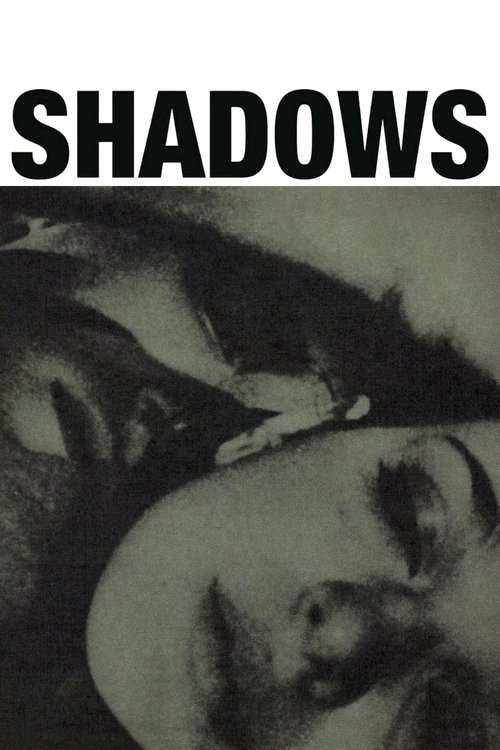
Mostly these places are addresses in New York City and Baumbach films in black-and-white to not just evoke Woody Allen’s Manhattan (1979), but also the early work of pioneering American independent filmmaker John Cassavetes, especially the New York set Shadows (1959).
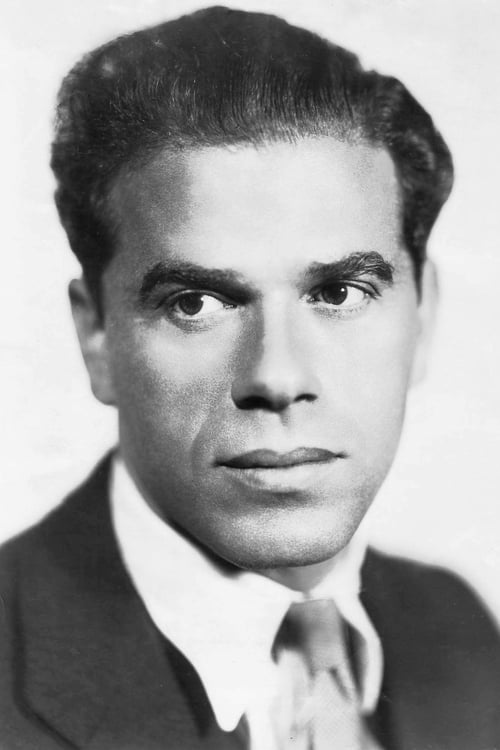
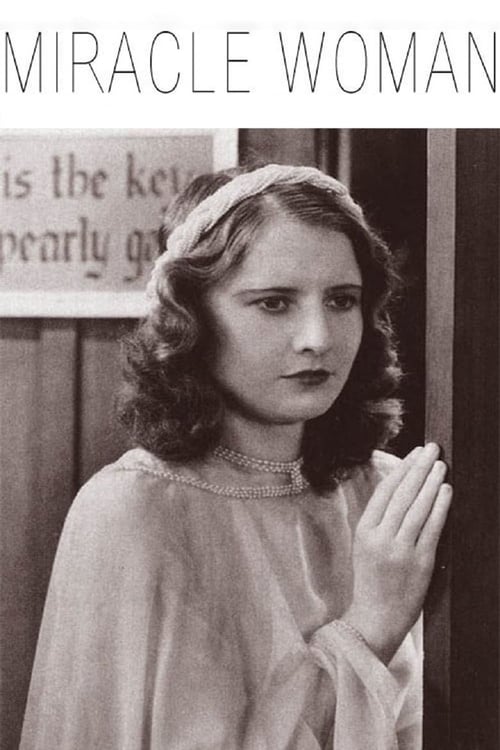
You could make a season of films like that, and it would have to include Griffith and Lillian Gish (Broken Blossoms); von Sternberg and Marlene Dietrich (Morocco, The Devil is a Woman); Antonioni and Monica Vitti (L’Avventura); Hawks and Lauren Bacall (To Have and Have Not); Capra and Barbara Stanwyck (The Miracle Woman, The Bitter Tea of General Yen); Godard and Anna Karina (Vivre Sa Vie, Pierrot le Fou); Ingmar Bergman and nearly every actress he worked with (Persona, Cries and Whispers, Summer with Monika); Hitchcock and Grace Kelly (Rear Window), and Hitchcock and Tippi Hedren (The Birds, Marnie); and Truffaut and Jeanne Moreau (Jules and Jim) and Truffaut and Catherine Deneuve (Mississippi Mermaid).
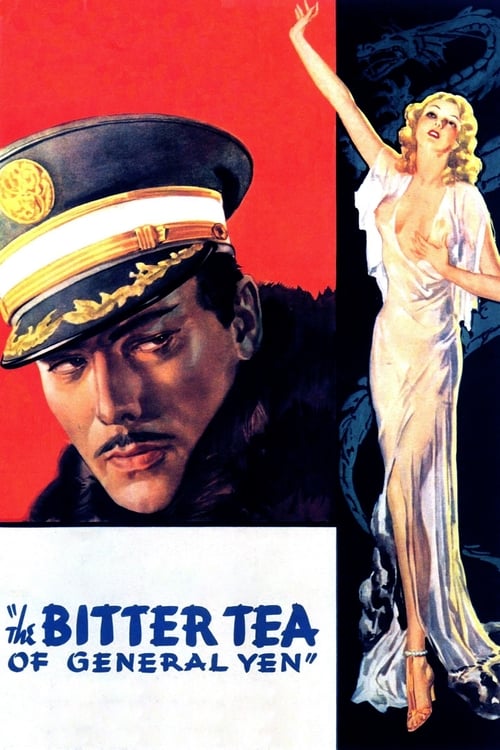
You could make a season of films like that, and it would have to include Griffith and Lillian Gish (Broken Blossoms); von Sternberg and Marlene Dietrich (Morocco, The Devil is a Woman); Antonioni and Monica Vitti (L’Avventura); Hawks and Lauren Bacall (To Have and Have Not); Capra and Barbara Stanwyck (The Miracle Woman, The Bitter Tea of General Yen); Godard and Anna Karina (Vivre Sa Vie, Pierrot le Fou); Ingmar Bergman and nearly every actress he worked with (Persona, Cries and Whispers, Summer with Monika); Hitchcock and Grace Kelly (Rear Window), and Hitchcock and Tippi Hedren (The Birds, Marnie); and Truffaut and Jeanne Moreau (Jules and Jim) and Truffaut and Catherine Deneuve (Mississippi Mermaid).
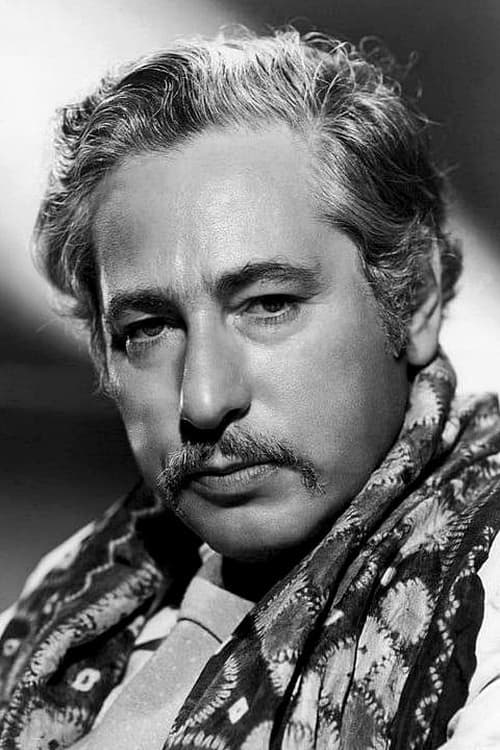
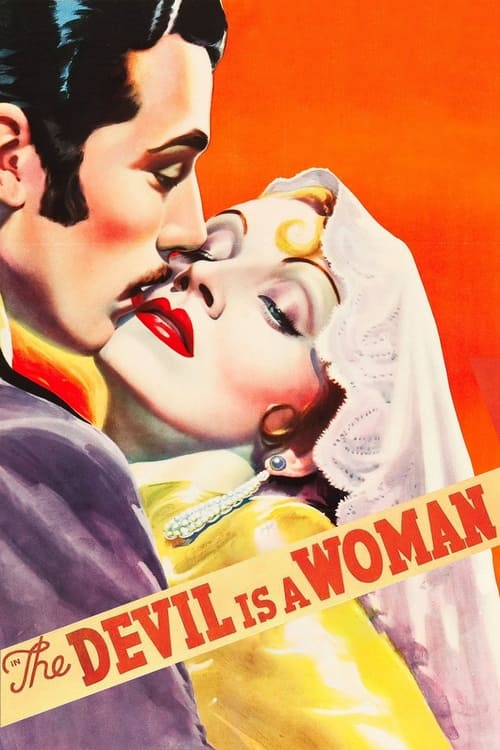
You could make a season of films like that, and it would have to include Griffith and Lillian Gish (Broken Blossoms); von Sternberg and Marlene Dietrich (Morocco, The Devil is a Woman); Antonioni and Monica Vitti (L’Avventura); Hawks and Lauren Bacall (To Have and Have Not); Capra and Barbara Stanwyck (The Miracle Woman, The Bitter Tea of General Yen); Godard and Anna Karina (Vivre Sa Vie, Pierrot le Fou); Ingmar Bergman and nearly every actress he worked with (Persona, Cries and Whispers, Summer with Monika); Hitchcock and Grace Kelly (Rear Window), and Hitchcock and Tippi Hedren (The Birds, Marnie); and Truffaut and Jeanne Moreau (Jules and Jim) and Truffaut and Catherine Deneuve (Mississippi Mermaid).
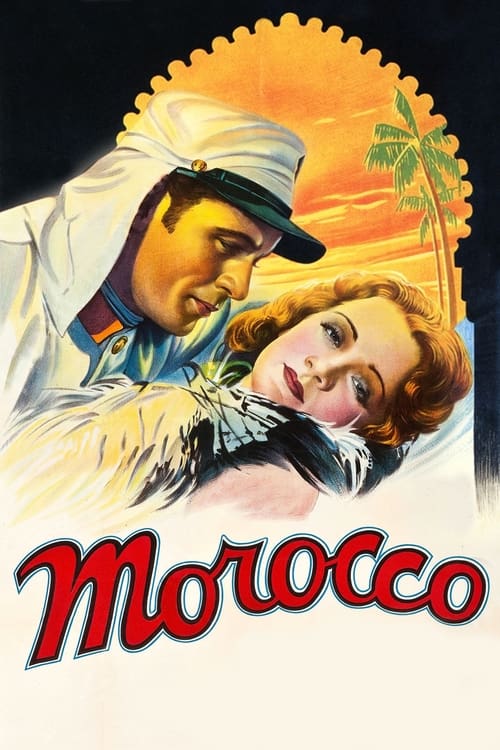
You could make a season of films like that, and it would have to include Griffith and Lillian Gish (Broken Blossoms); von Sternberg and Marlene Dietrich (Morocco, The Devil is a Woman); Antonioni and Monica Vitti (L’Avventura); Hawks and Lauren Bacall (To Have and Have Not); Capra and Barbara Stanwyck (The Miracle Woman, The Bitter Tea of General Yen); Godard and Anna Karina (Vivre Sa Vie, Pierrot le Fou); Ingmar Bergman and nearly every actress he worked with (Persona, Cries and Whispers, Summer with Monika); Hitchcock and Grace Kelly (Rear Window), and Hitchcock and Tippi Hedren (The Birds, Marnie); and Truffaut and Jeanne Moreau (Jules and Jim) and Truffaut and Catherine Deneuve (Mississippi Mermaid).
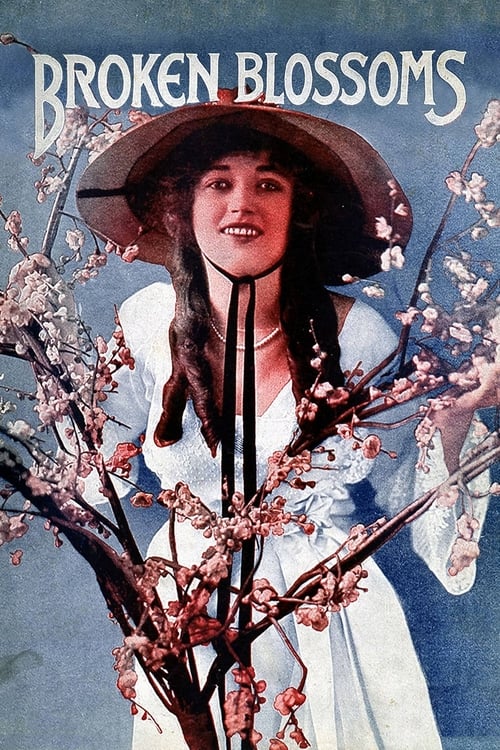
You could make a season of films like that, and it would have to include Griffith and Lillian Gish (Broken Blossoms); von Sternberg and Marlene Dietrich (Morocco, The Devil is a Woman); Antonioni and Monica Vitti (L’Avventura); Hawks and Lauren Bacall (To Have and Have Not); Capra and Barbara Stanwyck (The Miracle Woman, The Bitter Tea of General Yen); Godard and Anna Karina (Vivre Sa Vie, Pierrot le Fou); Ingmar Bergman and nearly every actress he worked with (Persona, Cries and Whispers, Summer with Monika); Hitchcock and Grace Kelly (Rear Window), and Hitchcock and Tippi Hedren (The Birds, Marnie); and Truffaut and Jeanne Moreau (Jules and Jim) and Truffaut and Catherine Deneuve (Mississippi Mermaid).
Advertisement
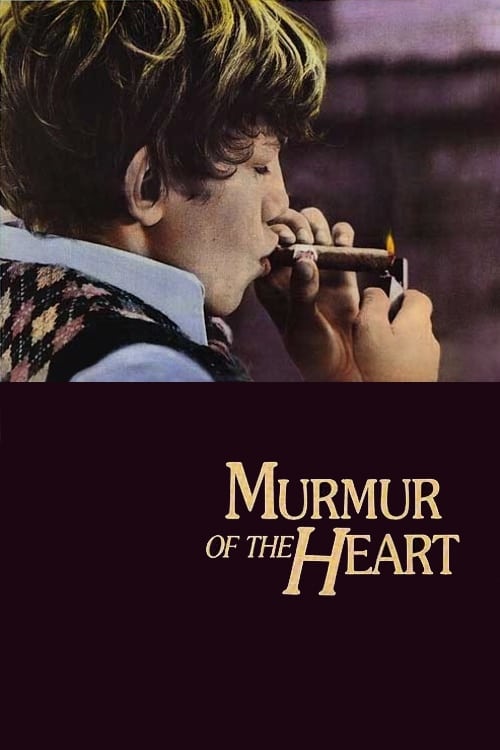
In the past, Baumbach has acknowledged the influence of Louis Malle (specifically hhis 1971 masterpiece, “Murmur of the Heart”) on his work.
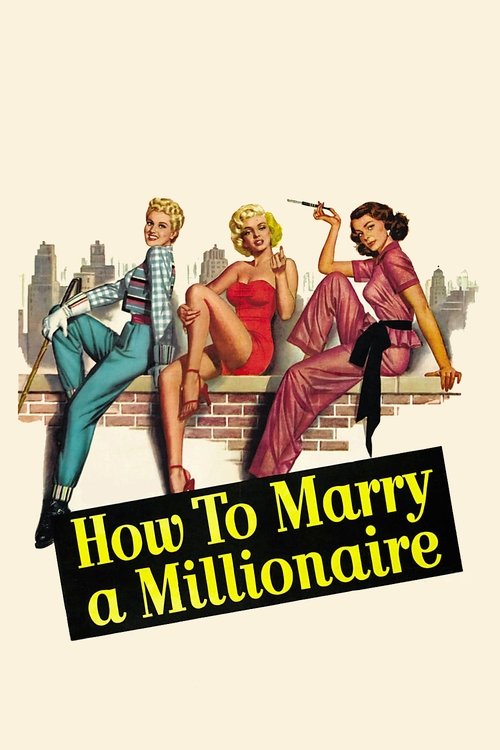
She follows in the footsteps of the Madonna of “Desperately Seeking Susan” vintage or Marilyn Monroe in “How to Marry a Millionaire.”