
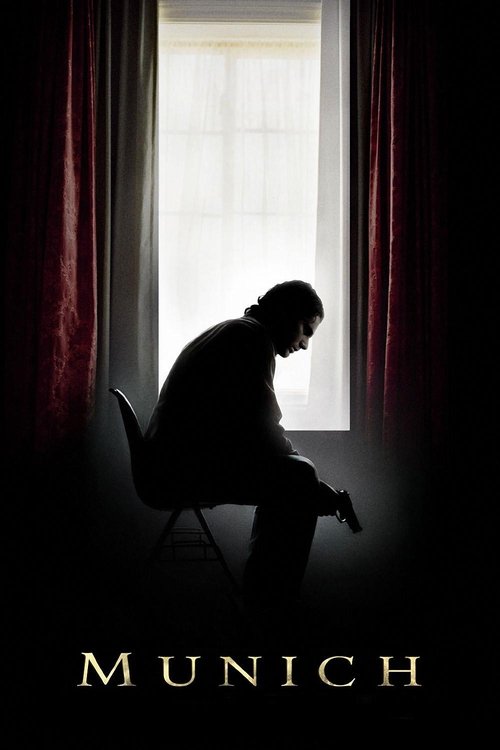
Munich (2005)
Directed by Steven Spielberg
During the 1972 Olympic Games in Munich, eleven Israeli athletes are taken hostage and murdered by a Palestinian terrorist group known as Black September. In retaliation, the Israeli government recruits a group of Mossad agents to track down and execute those responsible for the attack.
18 connections found
View:
18 connections, in both directions
What critics compared Munich to


With its European tone and methodical assassinations, it reminds me of 1973's The Day of the Jackal.
The first comes from Michael Lonsdale–probably best known to American viewers from his key role in “The Day of the Jackal” (an obvious template for “Munich”) and as the bad guy in “Moonraker”–as a silky-smooth peddler of information who is all the more terrifying because he has no ideological concerns or boundaries; he will deal with anyone as long as the price is right and is cheerfully willing to sell the whereabouts of his customers to those they are hunting without hesitation.
With expensive assistance from an enigmatic French contact (Mathieu Amalric) and his avuncular father (crafty scene-stealer Michael Lonsdale, who trailed another terrorist on-screen 32 years ago in "The Day of the Jackal"), the squad tracks down its targets and hits them, literally, where they live: a literary scholar in Rome, a professor in Paris ...
Some scenes are heisted by Craig, Hinds, Geoffrey Rush as the main Mossad string-puller, Matt Kassovitz as the bomb nerd, Mathieu Amalric as the French fox, Ayelet Zurer as Kauffman's wife, Michael Lonsdale as the Frenchie's life-savoring but cynical father, a role to place next to his splendid, worldly inspector in "The Day of the Jackal."
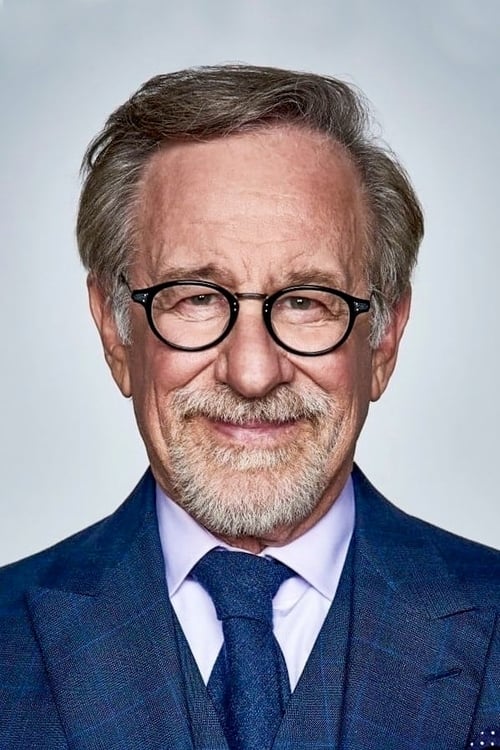
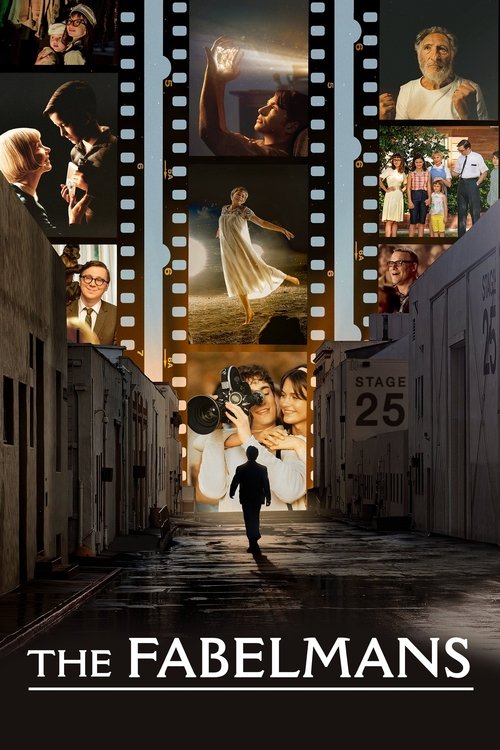
But there is a late-blooming raison d’être here: reminding us that Spielberg’s great works (from E.T. to A.I. to Munich) have always evoked lonesome alienation when they wanted.
Pick a combination, any combination, of these themes that interest you, and Spielberg’s lovely, sensitive, and often very funny epic—seamlessly co-written by repeat Spielberg collaborator, the great Tony Kushner (“Munich,” “Lincoln” and “West Side Story“)—will fulfill your appetite.
Spielberg and his co-writer, Tony Kushner (with whom he has worked since the 2005 Munich ), have fashioned a seemingly rambling, yet ever-astute meditation on art and filmmaking, turning time and again to the glorious power of the moving image to inspire, astound, and transform.
With the passage of time, he is able to look back upon his own youth, fictionalizing it for dramatic purposes — he receives his first writing credit since A.I. Artificial Intelligence (2001), collaborating with writer Tony Kushner (Munich, 2005; Lincoln, 2012; West Side Story, 2021) — and softening the edges, without eliminating entirely the painful stabs of memory that are inherent in recalling any great love.
Late one night in Malta, during the filming of the 2005 Academy Award-nominated drama “Munich,” screenwriter Tony Kushner asked Steven Spielberg when he decided he wanted to be a movie director.
In The Fabelmans, Steven Spielberg puts his own childhood up on the big screen, through the Dream Factory, with the help many of his regular collaborators, screenwriter Tony Kushner (Munich, Lincoln), John Williams (Jaws, Indiana Jones, Jurassic Park) and Janusz Kaminski (Schindler’s List, Saving Private Ryan, West Side Story) among others.

But Disclosure Day’s opening act is arguably closer to Munich, with its lengthy discourses on the philosophical and religious ramifications of a life-changing decision.
Disclosure Day is the most thrilling Spielberg film since Munich.
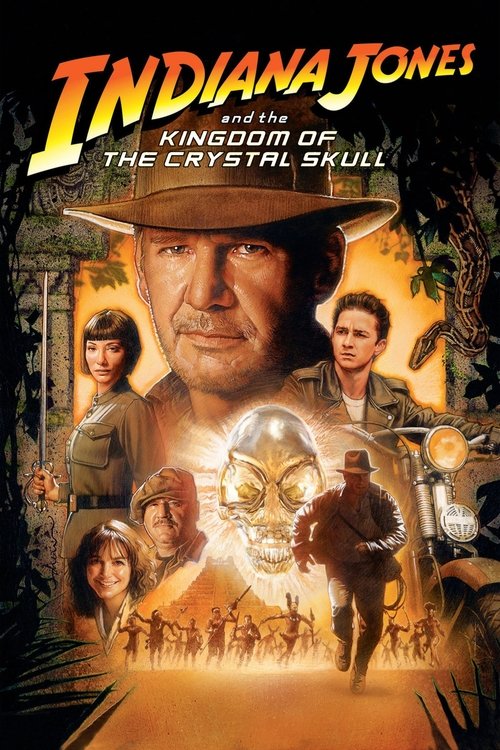
The opening jest (the mountain from the vintage Paramount Pictures logo is morphed into a molehill, and readily squashed) highlights the raffish tone that's been the series' spirit, but the weight of the film that follows can't help but remind us that Amistad, A.I., War of the Worlds and Munich have come since Indiana Jones and the Last Crusade.
Lucas' "Star Wars" prequels were uninspired cash cows, and Spielberg's dark, box-office letdown "Munich" and mechanical "War of the Worlds" were released three years ago.
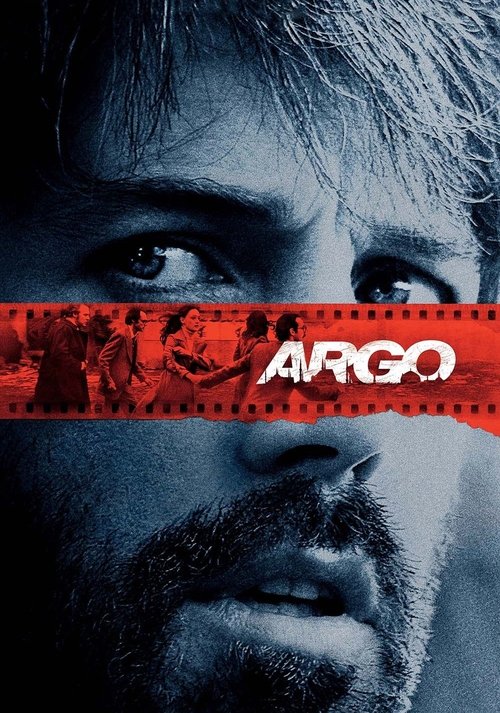
A gripping nail-biter, superbly suspenseful and yet occassionally light on its toes, one could almost describe the picture as akin to "Munich" with a sense of humor.
While “Argo” never quite achieves the intensity of a “Munich,” nor does it feel like it’s trying, Ben Affleck ably ups his game as a filmmaker and it only sometimes feels like he overreached by leaving his Boston comfort zone.

These scenes reminded me of Steven Spielberg’s “Munich” and Fassbender makes one sharp super agent carrying out a violent personal mission.
Advertisement
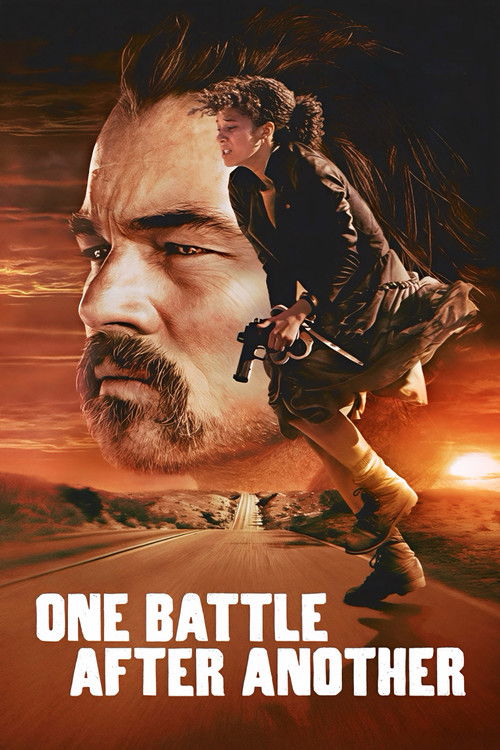
…the most brilliantly crafted focus-pulling this side of Munich…
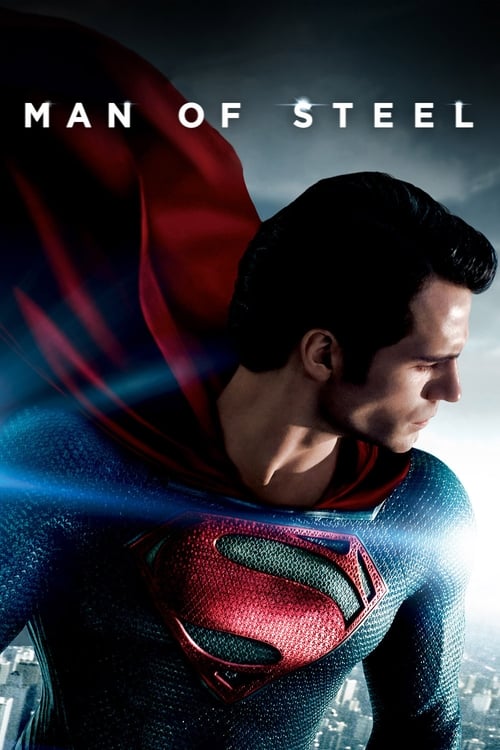
Scientist Jor-El (Russell Crowe) has another plan, he and his wife Lara (Ayelet Zurer, "Munich") having just given the first natural birth in centuries, and although he dies at Zod's hands, he succeeds in sending his son Kal-El and the codex which will ensure the survival of their species to Earth where the Kents (Kevin Costner and Diane Lane), Kansas farmers, will raise the boy, keeping his secret as a "Man of Steel."
A thrill went through Hollywood Jews on the release of Steven Spielberg's Munich, and for good reason.
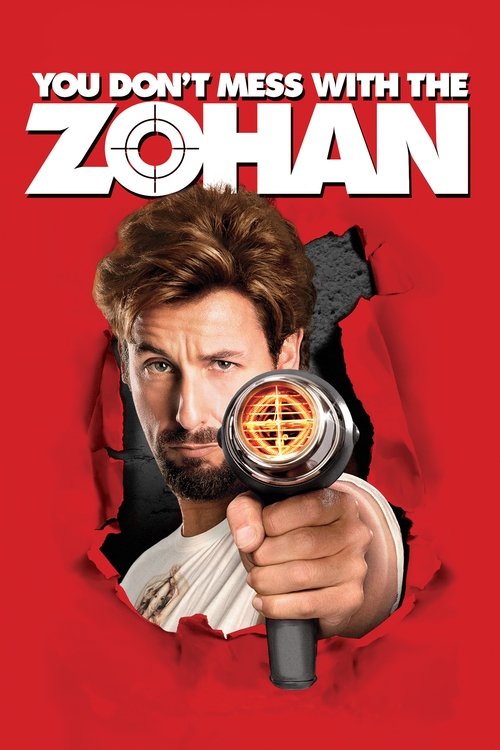
In the film, Sandler stars as Zohan, an Israeli secret agent with the kind of jaw-dropping skill sets that suggest what might have resulted if Bugs Bunny had been one of the stars of “Munich.”
If “Munich” is the disease, the Zohan is the cure.
Can it be that his new film goes further than Munich , the way last year's I Now Pronounce You Chuck and Larry went further than Brokeback Mountain ?
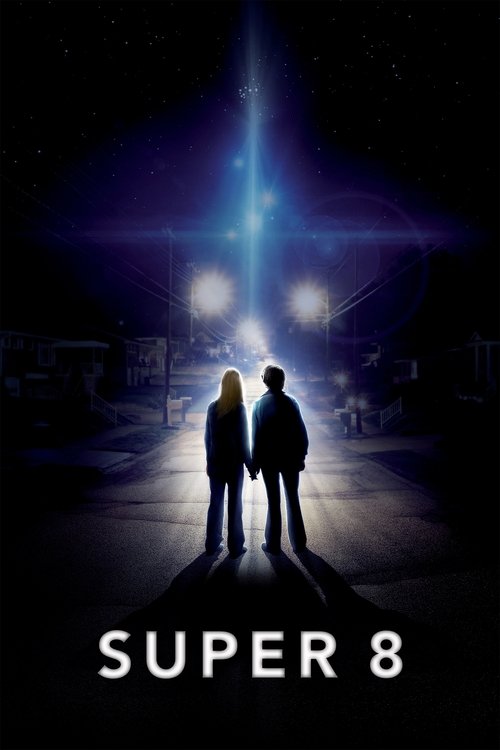
In fact, it’s difficult to imagine even present-day Spielberg – the man who’s become part of the Tinseltown establishment with the less popcorny likes of Munich and Saving Private Ryan – directing a film so quintessentially, well, Spielbergian.
Advertisement

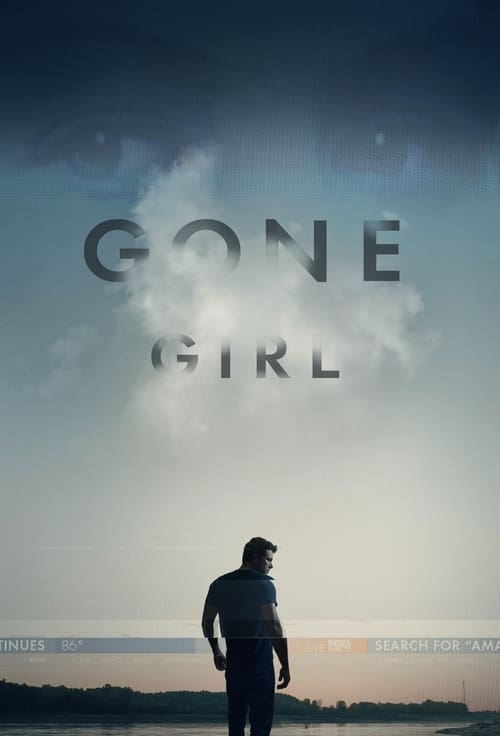
It is less than a heroic face (he was a rascal in Spielberg’s Munich), and this affair is not quite normal in the movie way.
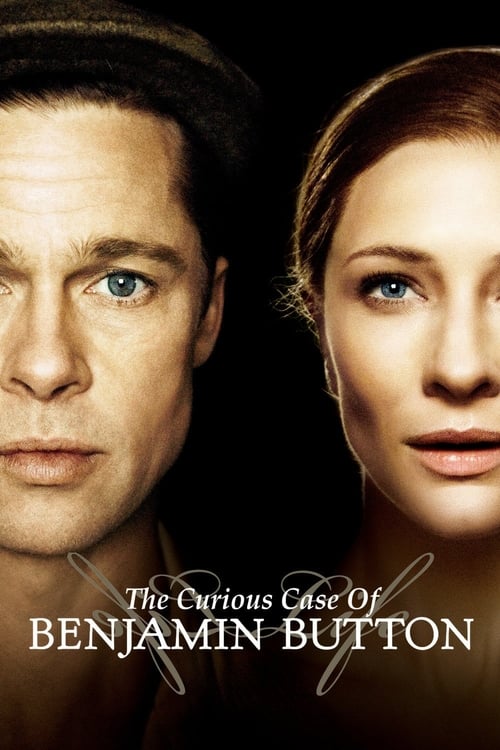
“Benjamin Button,” inspired by an F. Scott Fitzgerald short story with a screenplay by Eric Roth (“Forrest Gump,” “Munich”), combines Fincher’s well-known fondness for technology — this film wouldn’t have been possible even 10 years ago — with a previously unseen compassion and wistfulness.
Roth has penned several screenplays of varied quality throughout his career with Munich (Steven Spielberg), Ali and The Insider (both directed by Michael Mann) being amongst his better efforts.
Once Henson overcame the incredulity of landing a role she viewed as a moon shot, she describes the adapted script from Eric Roth (who also wrote “Lucky You,” “The Good Shepherd,” “Munich,” “Ali,” “The Horse Whisperer” and “Forrest Gump”) and the direction from David Fincher (“Zodiac,” “Panic Room,” “Fight Club” and “Se7en”) as having come to fruition through “bold choices”.
Along with Gump, Roth is responsible for work on The Insider, Munich and The Good Shepherd, all brilliant narratives that arrive to its conclusion clearly and pointedly with its protagonists changed, for the better or the worse, but all the same changed.
Tonally, the movie owes more to movies like “All the President’s Men” than “Serpico,” though one can find modern-day touchstones in films like Robert De Niro’s “The Good Shepherd” or Steven Spielberg’s “Munich,” without dragging or trying to shoehorn superfluous scenes into the story.
Two unintentionally comical sex scenes serve as runners-up to Steven Spielberg’s ludicrous “Munich” bedroom fantasy—one involves a sandstorm, the other features a rack-focus from the couple in heat to a dramatically significant prop.