
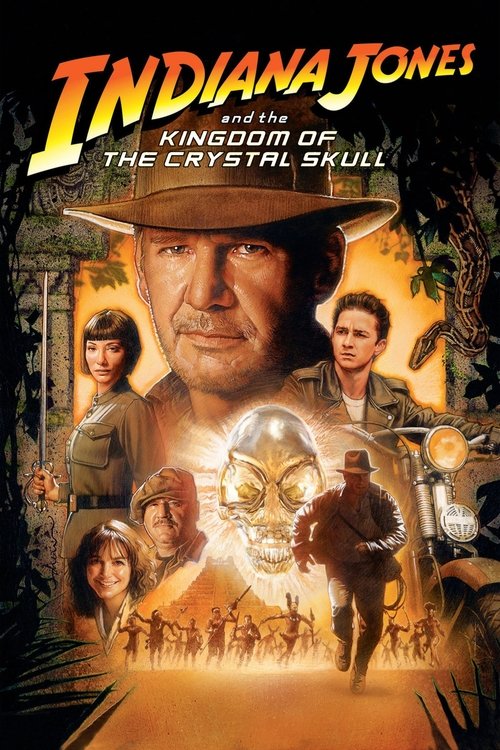
Indiana Jones and the Kingdom of the Crystal Skull (2008)
Directed by Steven Spielberg
Set during the Cold War, the Soviets—led by sword-wielding Irina Spalko—are in search of a crystal skull which has supernatural powers related to a mystical Lost City of Gold. Indy is coerced to head to Peru at the behest of a young man whose friend—and Indy's colleague—Professor Oxley has been captured for his knowledge of the skull's whereabouts.
31 connections found
View:
31 films that influenced this film
What critics say influenced Indiana Jones and the Kingdom of the Crystal Skull
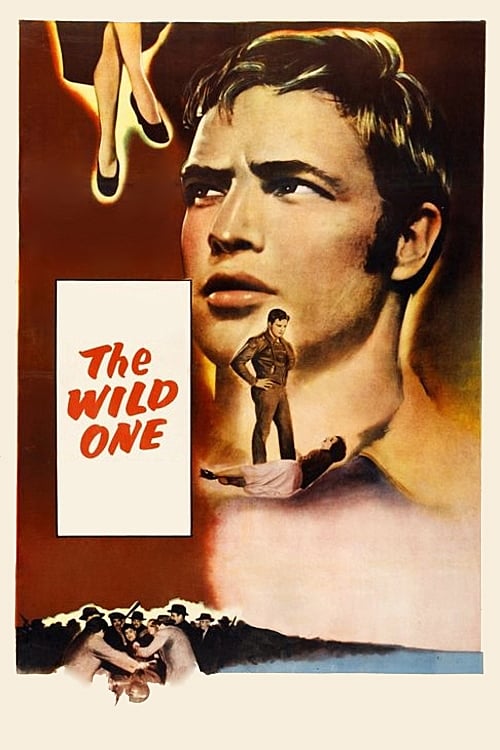


Most of the in-jokes, in fact, are either aimed squarely at fanboys (a cheeky reference to an episode of the Young Indiana Jones Chronicles television series featuring Pancho Villa) or movie nerds (Mutt making his entrance looking exactly like Marlon Brando in The Wild One ), with little for anyone else other than convoluted archeological mumbo-jumbo meant only to move the characters from one overly elaborate chase to the next.
The Eisenhower-era highlight reel (war veteran Indy’s true blue patriotic valor gets shown off when our hero offers “I Like Ike” as his potential last words) is at its lamest when Shia LaBeouf’s greaser motorcyclist, Mutt, is introduced dressed and posed like Marlon Brando from The Wild One, a desperate and disproportional equating of two attractive young actors that cries out for a Lloyd Bentsen-inspired putdown.
Mutt is Marlon Brando's "The Wild One" character put into the frame of a "Back to the Future" era Michael J. Fox.
His journey reunites him with Marion Ravenwood (three cheers for the return of Raiders' Karen Allen) and also allows him to share adventures with a brash young greaser (Shia LaBeouf, amusingly making his entrance like Marlon Brando in The Wild One) and a loony old professor (John Hurt).
"What are you, like, 80?" asks young Mutt Williams (Shia LaBeouf), a ducktailed dropout armed with a comb and a switchblade, and an apparent jones for Marlon Brando in "The Wild One."
Neither is it such a great improvement to saddle Indy with an equally surly young sidekick, Mutt Williams, played by Shia LaBeouf, who's a dead ringer for Marlon Brando in "The Wild One."
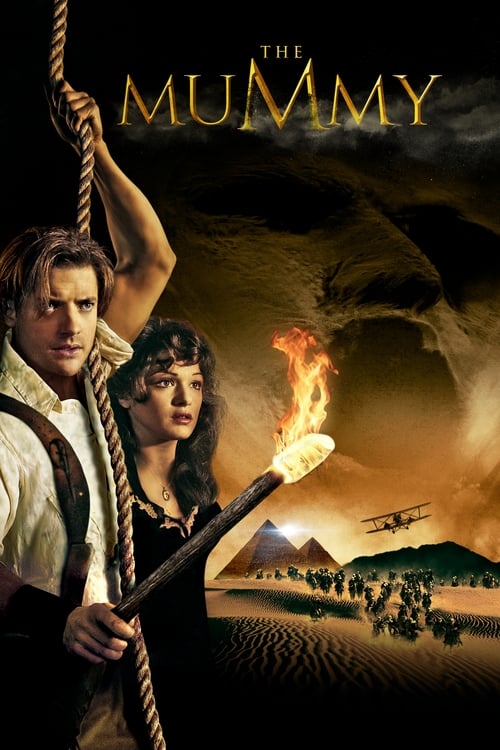
As a result, the film itself feels less inspired by its predecessors than by such second-tier, CGI-laden Raiders knock-offs as Stargate, The Mummy and National Treasure.
This is the kind of thing a hacky Spielberg wannabe like Stephen Sommers would do in The Mummy franchise.
Jones since "Raiders of the Lost Ark." Indy has had amusing romances in between -- most notably, a fling with the ravishing Kate Capshaw from "Temple of Doom" -- but nothing has quite matched the magnetism of Allen and Ford, who bring a certain charisma to the notion of an unlikely romance that has routinely attempted to be replicated in similarly-themed action adventures like "The Mummy" and "National Treasure."

Director
Steven Spielberg
Critics compare Indiana Jones and the Kingdom of the Crystal Skull to 8 of Spielberg’s own films.
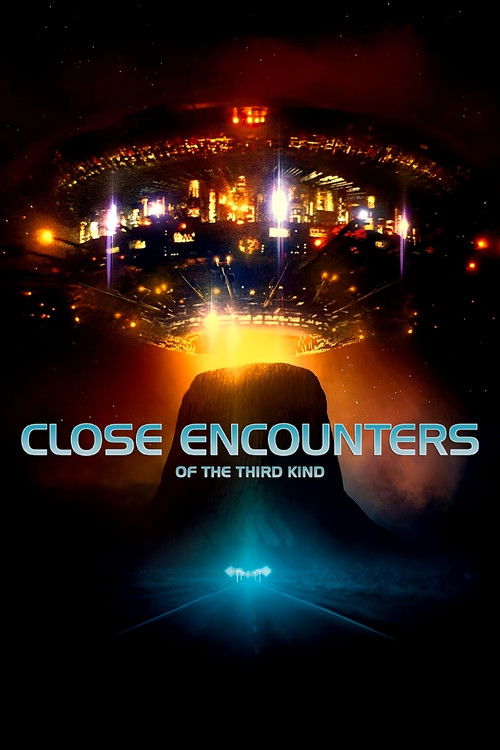
It makes reference to many elements of the 1950s, such as nuclear testing, Ike, Communists, rock 'n' roll and juvenile delinquents, and it even provides a kind of full circle for both Lucas (with the previously mentioned American Graffiti echo) and Spielberg (with a Close Encounters of the Third Kind echo), but doesn't do anything with these concepts other than simply present them.
Later Indy says "I have a bad feeling about this," echoing the "Star Wars" series, and the film's denouement heavy-handedly mimics "Close Encounters of the Third Kind."
But the structure - resist, capture, escape, repeat - and the elaborate and escalating plot machinations (with nods to "Indiana Jones and the Temple of Doom," "Close Encounters of the Third Kind," the Red Scare and the blacklist) confuse action for consequence.
Steven Spielberg directs ("Saving Private Ryan"/"Close Encounters of the Third Kind"/ "Schindler's List") it in an exhausting manner, trying at all costs to keep it old-fashioned, action-packed and cutesy charming.
Oh, there’s a nice hook at its core — all the reviews calling the film a sequel-of-sorts to Close Encounters of the Third Kind are too glib, but not far off — but the series of treasure hunts that ultimately leads them to it is basically random.
The climax, which brings all of the central players to the City of Gold and face to face with an alien creature right out of "Close Encounters of the Third Kind," boasts solid showmanship and satisfyingly wraps things up.
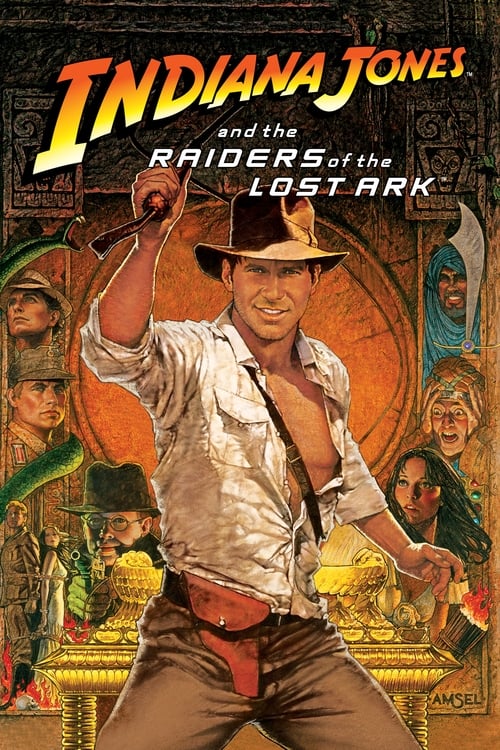
By way of revving up for the May 22 release of the fourth entry, Indiana Jones and the Kingdom of the Crystal Skull, Walk-In Theater is bringing back Raiders for its opening act of the season.
The 2008 ‘Adventure Collection’ box set includes all three movies, plus 12 new featurettes created for this release, including some new interviews (heavy on stars of the upcoming Indiana Jones and the Kingdom of the Crystal Skull) plus reflections from Lucas and Spielberg.
Recently, I happened to catch Raiders of the Lost Ark on the Sci Fi channel, which, in the weeks leading up to the highly anticipated release of Indiana Jones and the Kingdom of the Crystal Skull , had been ceaselessly playing the first three films in the Steven Spielberg-George Lucas-Harrison Ford canon.
The original films (1981’s “Raiders of the Lost Ark,” 1984’s “Temple of Doom,” and 1989’s “The Last Crusade”) all played into the gleeful 1930’s Saturday-matinee-serial mentality, marked by pristine colors (courtesy of ace cinematographer Douglas Slocombe), heavy detail, and sparkling outdoorsy escapades.
There’s no denying a certain measure of pleasure in seeing Ford once again don the fedora and crack his trademark whip, but the steady drift toward self-parody begun with Indiana Jones and the Temple of Doom in 1984 here reaches such critical mass that any vestiges of the magic first wrought 27 years ago with Raiders of the Lost Ark now feel as ancient and irretrievable as the original Ark itself.
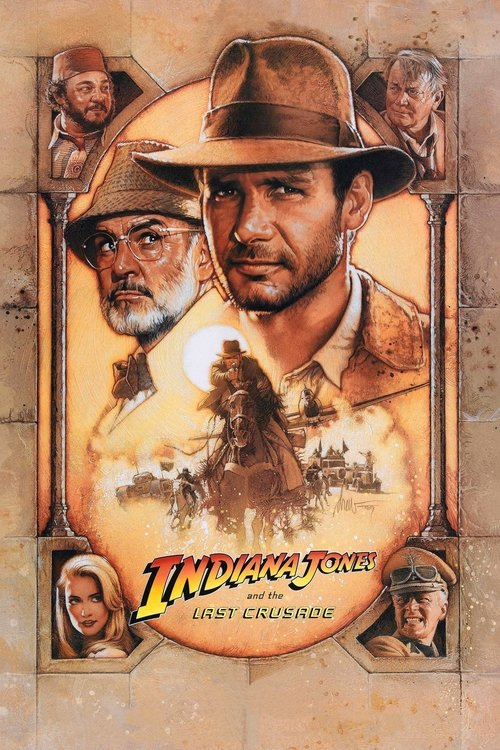
The 2008 "Adventure Collection" box set includes all three movies, plus 12 new featurettes created for this release, including some new interviews (heavy on stars of the upcoming Indiana Jones and the Kingdom of the Crystal Skull) plus reflections from Lucas and Spielberg.
Though this fourth installment -- arriving some 20 years after the last outing, Indiana Jones and The Last Crusade -- is marginally better in spots than the first two sequels to Raiders, it is ultimately a letdown of a homecoming for the archeology professor who, outfitted with an iconic whip and fedora, moonlights as an adventurer.
Utterly unnecessary, unbelievably uninspired and preposterous beyond all imagination, this ill-conceived addendum to a trilogy that should have ended 19 years ago with Indiana Jones and the Last Crusade is likely to have little impact on fans other than to remind them just how far the series and its creators have drifted from their moorings.
It's been 27 years since Indiana Jones first cracked his whip onscreen in "Raiders of the Lost Ark" and nearly two decades since the last installment of the franchise, "Indiana Jones and the Last Crusade."
While the character Indiana Jones has had an unfortunate television run by way of Sean Patrick Flanery in his young form from 1992 all the way through 2007, Harrison Ford as the real Indiana Jones we’ve all been enamored with last roughed it up in a major Spielberg production in “Indiana Jones and the Last Crusade” in 1989.
Raiders of the Lost Ark (1981) is merely one of cinema's all-time greats -- certainly among the top two or three adventure flicks ever made -- while Indiana Jones and the Temple of Doom (1984) and Indiana Jones and the Last Crusade (1989) are two sequels that can hold their heads high, obvious proof that director Steven Spielberg and company didn't even consider the option of coasting when it came to producing follow-ups that were going to make money no matter what.
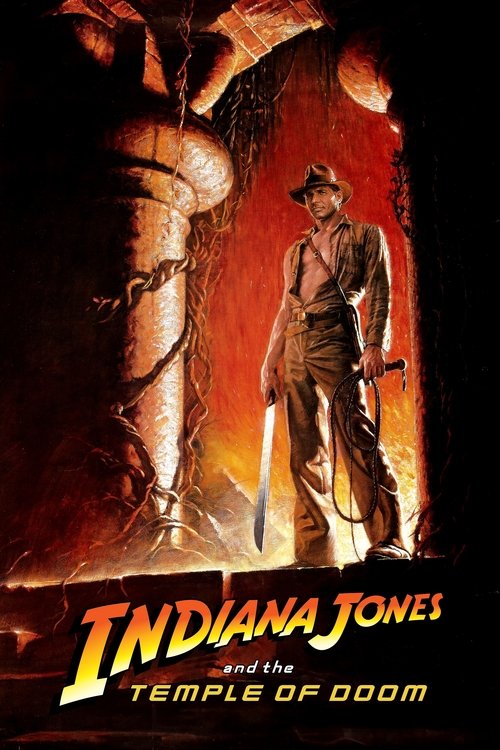
There’s no denying a certain measure of pleasure in seeing Ford once again don the fedora and crack his trademark whip, but the steady drift toward self-parody begun with Indiana Jones and the Temple of Doom in 1984 here reaches such critical mass that any vestiges of the magic first wrought 27 years ago with Raiders of the Lost Ark now feel as ancient and irretrievable as the original Ark itself.
Ever since the second installment ("Indiana Jones and the Temple of Doom") the movies have been doubly referential, harking both to the pulpy action-adventure, spy and horror films of the 1930s and '40s, and to their own source material.
Before that, it was five years earlier in “Indiana Jones and the Temple of Doom” in 1984 and three years earlier in “Raiders of the Lost Ark” in 1981.
Raiders of the Lost Ark (1981) is merely one of cinema's all-time greats -- certainly among the top two or three adventure flicks ever made -- while Indiana Jones and the Temple of Doom (1984) and Indiana Jones and the Last Crusade (1989) are two sequels that can hold their heads high, obvious proof that director Steven Spielberg and company didn't even consider the option of coasting when it came to producing follow-ups that were going to make money no matter what.
There's no recapturing that movie's innocent magic, so the filmmakers, through two middling but popcorn-worthy sequels -- 1984's " Indiana Jones and the Temple of Doom" and 1989's "Indiana Jones and the Last Crusade" -- basically reworked the original while taking care not to sully our memories of it.
The Raiders of the Lost Ark (1981) was penned by Lawrence Kasdan ( The Big Chill) whose unavailability for the sequel, Indiana Jones and the Temple of Doom (1984) led Lucas back to Willard Huyck and Gloria Katz (who'd written American Graffiti for him).
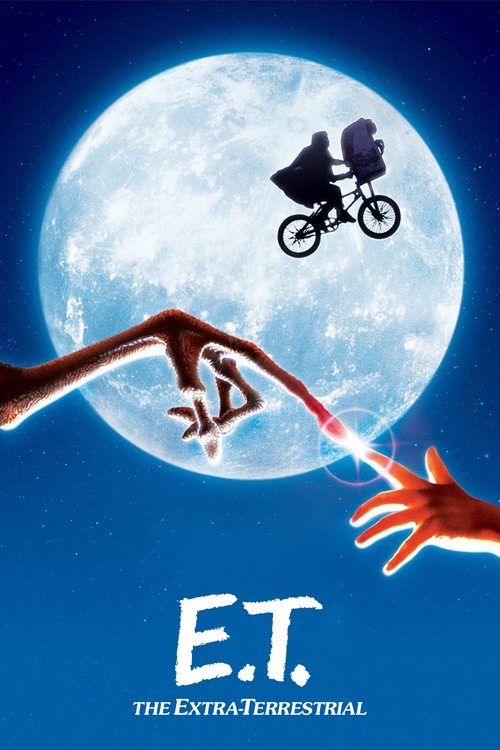
An amalgamation of "American Graffiti," "Star Wars," "E.T." "Close Encounters of the Third Kind," and nearly every successful adventure movie franchise of the '30s, '40s, and '50s, the movie is dotted with immediately recognizable nostalgic elements that play to the kid in everyone.
It's the most tender, warm-spirited and entertaining picture Spielberg has made in years, and I say that as someone who's regularly rejected the whatever-it-is that Spielberg is often trying to sell: There are Spielberg pictures that I love ("E.T.," "Jaws," "Schindler's List") and others I despise, like his delusional work of sci-fi craftsmanship "War of the Worlds," which I consider one of the ugliest, most mean-spirited pictures of the decade.
It's obviously b.s., but it allows Spielberg to resurrect images from virtually every popcorn movie he's ever made, from "Close Encounters" to "E.T." to "War of the Worlds."
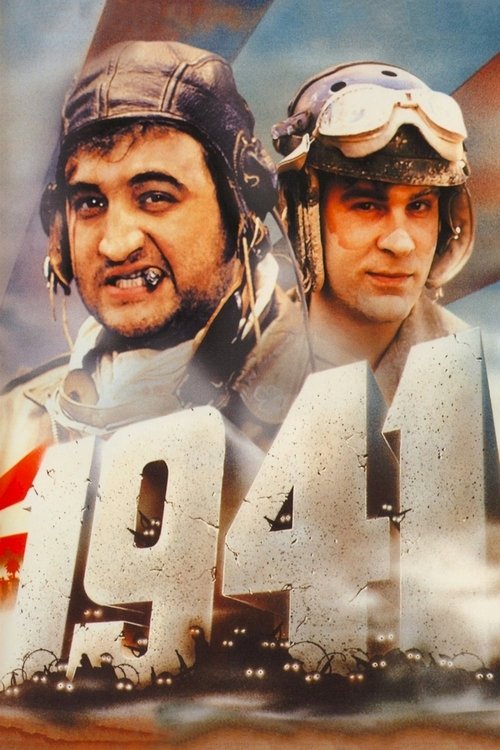
“Indy 4,” which is the worst Steven Spielberg popcorn flick since the forgotten “1941”–yes, it’s worse than “Hook”–is a series of campy comedy action scenes awkwardly linked by a dopey plot that brings together the twin fifties obsessions of Communists and flying saucers, along with a search for El Dorado, the lost city of gold.
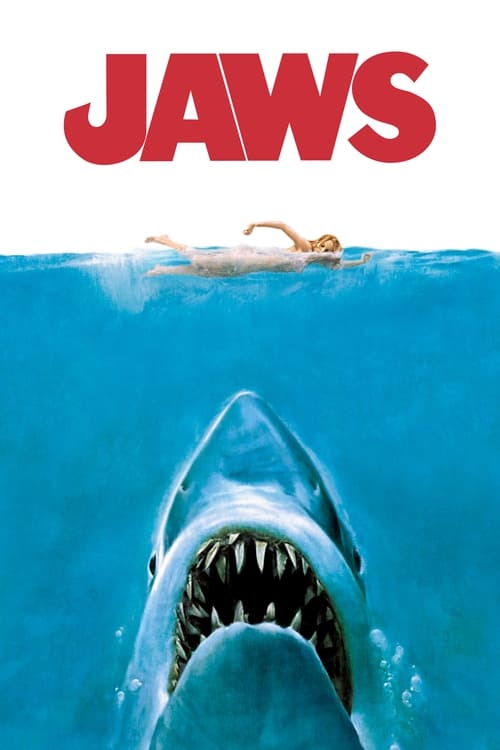
(And lest you forget, we have both Spielberg and Bruce the Shark to thank – or revile, depending on the height of your brow: 1975's Jaws was the first "must-see-and-see-again" smash that set the warm-weather moviegoing template for everything from Bruckheimer to Bay since then, almost as if Spielberg had decreed, "You're gonna need a bigger box-office boat.")
It's the most tender, warm-spirited and entertaining picture Spielberg has made in years, and I say that as someone who's regularly rejected the whatever-it-is that Spielberg is often trying to sell: There are Spielberg pictures that I love ("E.T.," "Jaws," "Schindler's List") and others I despise, like his delusional work of sci-fi craftsmanship "War of the Worlds," which I consider one of the ugliest, most mean-spirited pictures of the decade.
With "Jaws" and "Star Wars," Spielberg and Lucas invented the notion that you could engineer a blockbuster like you could build a car.
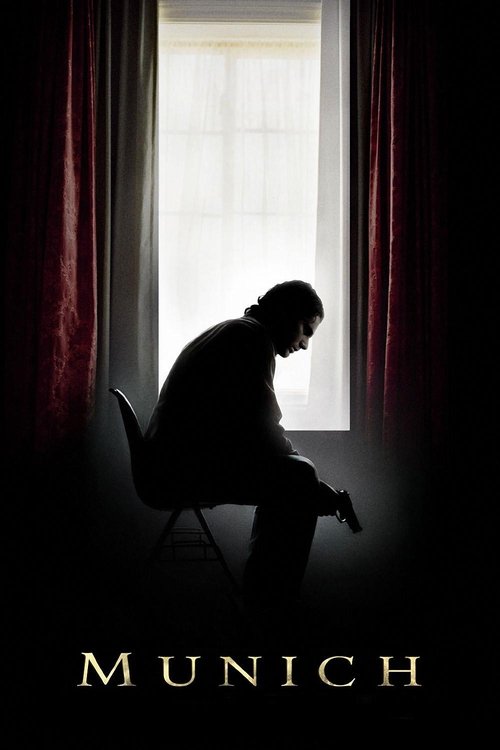
The opening jest (the mountain from the vintage Paramount Pictures logo is morphed into a molehill, and readily squashed) highlights the raffish tone that's been the series' spirit, but the weight of the film that follows can't help but remind us that Amistad, A.I., War of the Worlds and Munich have come since Indiana Jones and the Last Crusade.
Lucas' "Star Wars" prequels were uninspired cash cows, and Spielberg's dark, box-office letdown "Munich" and mechanical "War of the Worlds" were released three years ago.
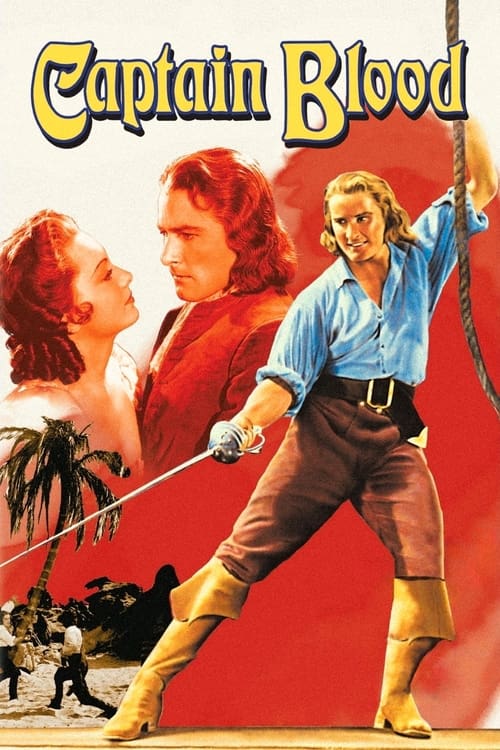
It offers lots of animal action (monkeys and hordes of red ants, primarily) as well as great stunts both CGI (“Look out for those falls!”) and physical, as the Colonel Professor and Mutt draw swords and make like Errol Flynn and Basil Rathbone in “Captain Blood.”
It doesn't jibe with attempts at old-school cliffhanging, such as Blanchett's "Captain Blood" duel with LaBeouf.
Advertisement
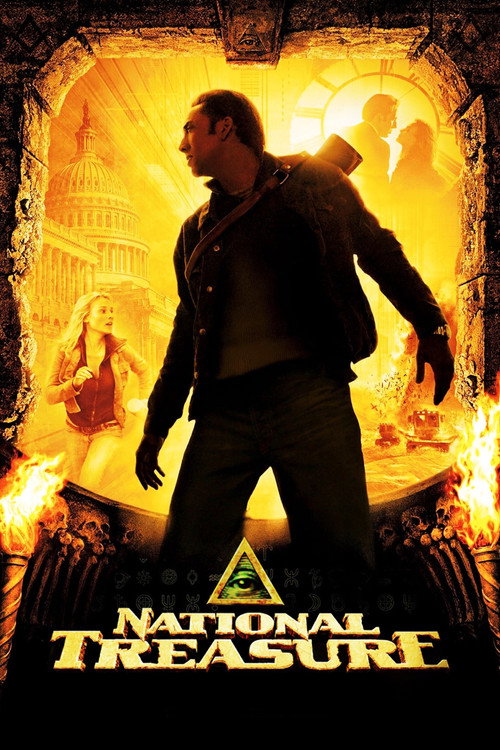
Jones since "Raiders of the Lost Ark." Indy has had amusing romances in between -- most notably, a fling with the ravishing Kate Capshaw from "Temple of Doom" -- but nothing has quite matched the magnetism of Allen and Ford, who bring a certain charisma to the notion of an unlikely romance that has routinely attempted to be replicated in similarly-themed action adventures like "The Mummy" and "National Treasure."
As a result, the film itself feels less inspired by its predecessors than by such second-tier, CGI-laden Raiders knock-offs as Stargate , The Mummy and National Treasure .
The second part of the movie feels a lot like National Treasure, with Indy as a Nic Cage puzzle-solving cypher.
Without that, it's basically a better-made version of the National Treasure series.
To be fair, “Crystal Skull” is no “DaVinci Code” or “National Treasure.”
Combined with Spielberg's attempts to film the movie like his older works, this truly does feel like an "Indiana Jones" movie for most of the time - certainly far more effectively than last year's fourth "Die Hard" which never felt like a part of that series (although admittedly was a better crafted and more satisfying action blockbuster than this).Time will sadly not look so kindly on Skull's abundance of computer animation or lack of a really good new story to get us hooked, but the standard is still far higher than many of the franchises imitators have given us over the years (even weak Indy sits well above the "National Treasure" and "Tomb Raider" franchises, not to mention the first "The Mummy" sequel).
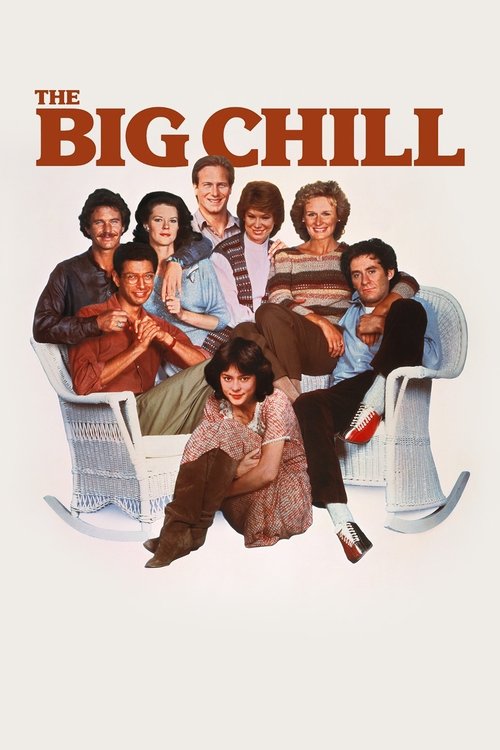
The Raiders of the Lost Ark (1981) was penned by Lawrence Kasdan ( The Big Chill) whose unavailability for the sequel, Indiana Jones and the Temple of Doom (1984) led Lucas back to Willard Huyck and Gloria Katz (who'd written American Graffiti for him).
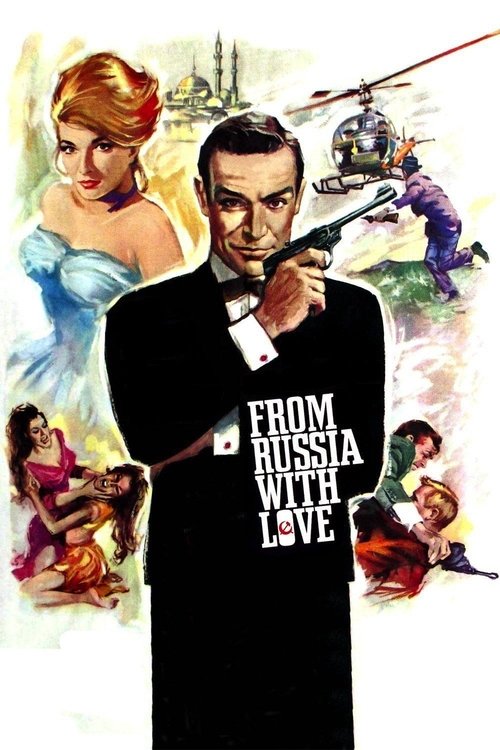
She is a less sadistic version of Bond villainess Rosa Klebb in "From Russia with Love", he's a weedier version of Brando in "The Wild One" but quickly becomes one of the few young pretty boy sidekicks that you actually find yourself liking.
The K.G.B. agent Irina Spalko, played by Cate Blanchett, takes off from Lotte Lenya’s slit-eyed Commie menace in “From Russia with Love.”

But it wouldn't be the '50s without Commies, in the chic person of Irina Spalko (played by Blanchett with the severe demeanor of Cyd Charisse's Ninotchka in the 1957 MGM musical Silk Stockings and the black bob Charisse sports in The Band Wagon).
Advertisement
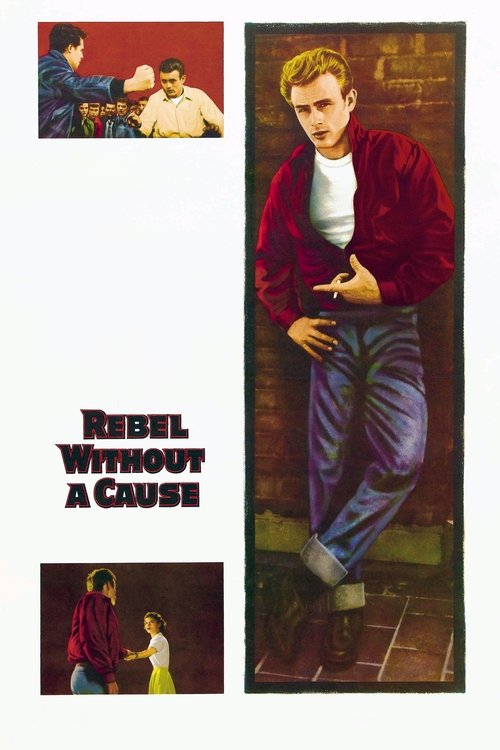
In a later sequence, young Shia LaBeouf makes his entrance wearing a black leather jacket and riding a motorcycle—like Marlon Brando in “The Wild One.” He’s a snarling kid named Mutt, with a thick, frequently combed wave of hair; he calls Indy “Teach,” and he needs a father—like James Dean in “Rebel Without a Cause.”
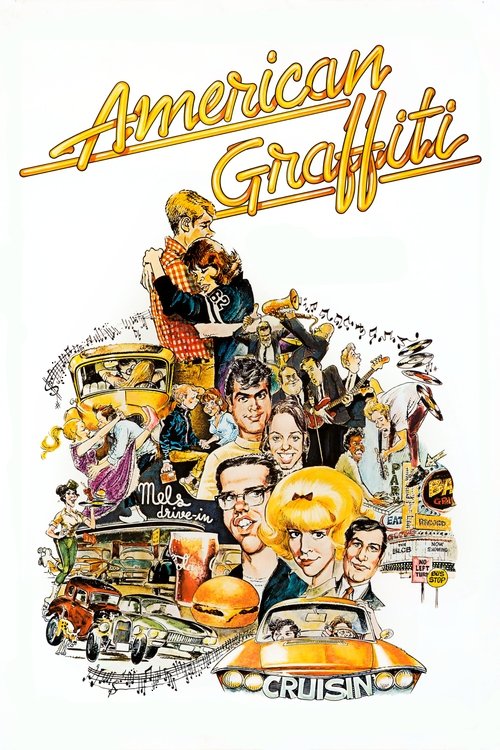
The new film opens with a moment that reminded me of George Lucas' classic American Graffiti : a group of teens joyrides through the desert in a vintage car, rock music blaring from the radio.
But, with the action now set in 1957 (19 years after Indiana Jones and the Last Crusade, itself released 19 years ago), it also carries a whiff of writer George Lucas's 1973 breakthrough American Graffiti and its TV cousin "Happy Days," themselves sentimental reminiscences of the '50s and early '60s.
It's pure Spielberg, and Lucas gets his own movie references: the film opens with a drag race straight out of American Graffiti , and in the climax, Indy steals Han Solo's most famous line.
The opening sequence, with 1950s teenagers drag-racing in the Nevada desert, recalls Lucas's "American Graffiti."
Shades of Lucas' American Graffiti linger over the opening credits, as bobby-soxed teens in rural Nevada race their deuce coupe to the musical stylings of Mr. Elvis Presley.
An amalgamation of "American Graffiti," "Star Wars," "E.T." "Close Encounters of the Third Kind," and nearly every successful adventure movie franchise of the '30s, '40s, and '50s, the movie is dotted with immediately recognizable nostalgic elements that play to the kid in everyone.