
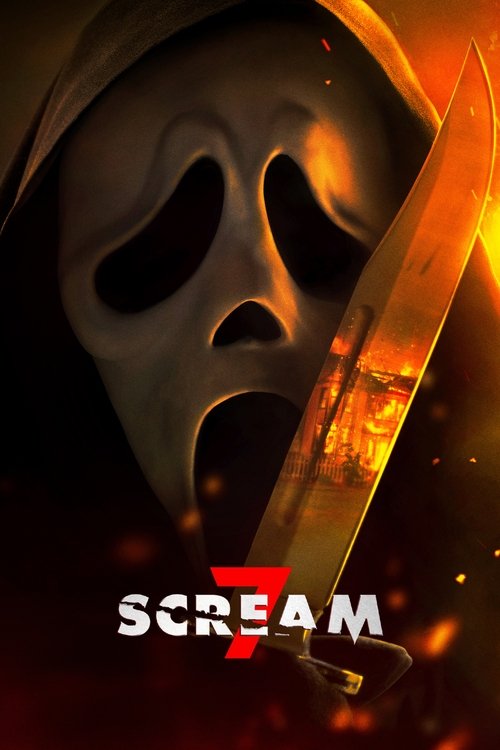
Scream 7 (2026)
Directed by Kevin Williamson
When a new Ghostface killer emerges in the quiet town where Sidney Prescott has built a new life, her darkest fears are realized as her daughter becomes the next target. Determined to protect her family, Sidney must face the horrors of her past to put an end to the bloodshed once and for all.
71 connections found
View:
71 films that influenced Scream 7
What critics say influenced Scream 7
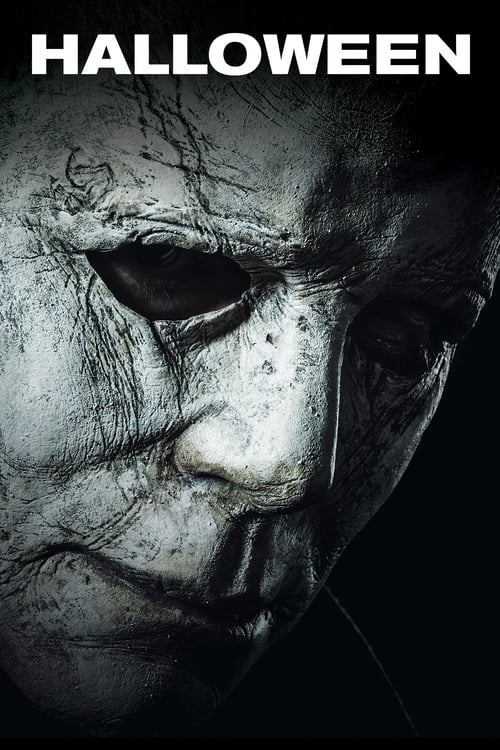


David Gordon Green and co did with Jamie Lee Curtis in 2018’s Halloween legacy sequel…
…a straightforward, analog, Jamie Lee Curtis-in-the-rebooted-“Halloween”-franchise sort of way…
He owes a great deal to something like David Gordon-Green’s Halloween, which aced the tone he’s aiming for…
He’s penetrated pop culture and is an iconic figure in horror. That mask has been Halloween’s MVP for decades.
She's rehashing the generational trauma theme we've seen in recent horror reboots, especially in Halloween (2018), which is name-checked here to really hammer home the similarity.
It also veers into ideas from other horror legacy sequels, such as Halloween (2018), in terms of resolving trauma.
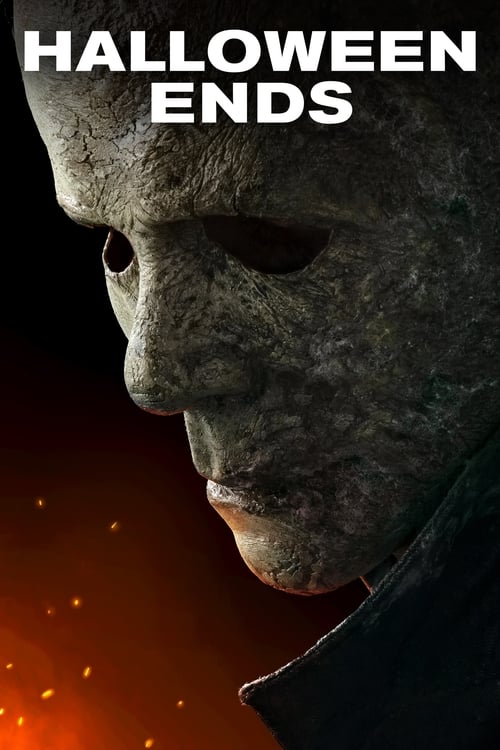
Like those films, especially 2022's Halloween Ends, Scream 7 wants to examine what happens to a final girl/scream queen when things have gotten a bit long in the tooth.
It’s a move that feels very reminiscent of “Halloween Ends” that similarly sees three generations of female survivors left standing against Michael Myers.
Sidney Prescott in this movie holds far too much in common with Laurie Strode (Jamie Lee Curtis) from the Halloween franchise, specifically the latter ones from David Gordon Green and Danny McBride. Like those films, especially 2022's Halloween Ends, Scream 7 wants to examine what happens to a final girl/scream queen when things have gotten a bit long in the tooth.
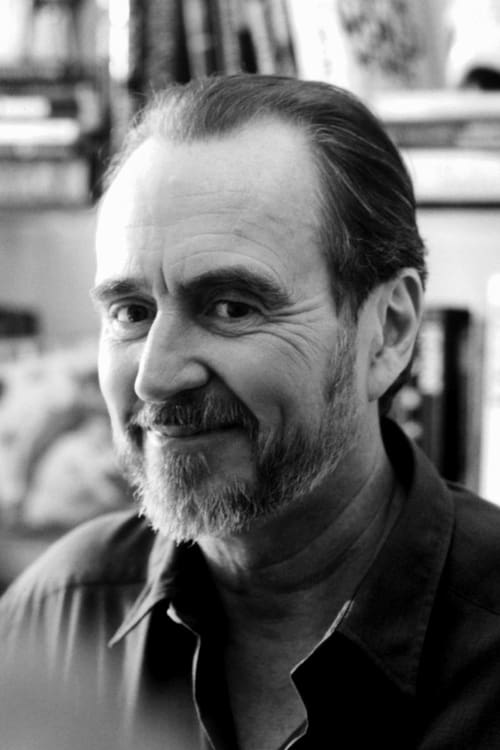
Director
Wes Craven
Critics invoke Craven by name, and compare Scream 7 to 7 of Craven’s films.
Visuals
On Craven, rather than any one film
…homages to OG director Wes Craven…
…lacking the spark and spirit of Radio Silence or, dare we say it, Wes Craven…
…lacking any of the tension build and innovation in set pieces like the Radio Silence or Craven entries…
Directed by Kevin Williamson, who wrote the Wes Craven-directed Scream movies…
No-one does stalk-’n’-slash sequences quite like Wes Craven (_Scream_s 1 to 4)…
…the first movie directed by horror master Wes Craven…
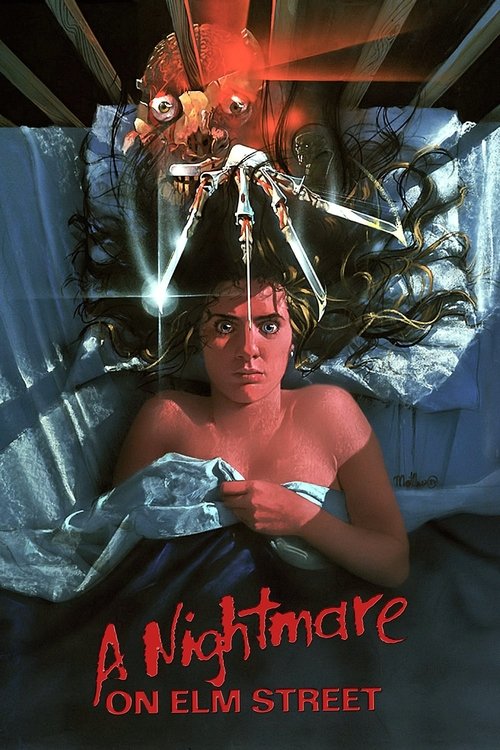
There are effective scares here, some “out of the shadows” moments that pay lovely homage to Wes Craven’s A Nightmare on Elm Street, proving Williamson still knows his roots.
…just as audiences were growing weary of seeing Freddy Krueger or Jason Voorhees mutilate yet another group of helpless teenagers…
…until this franchise, my favorite franchise of horror had been The Nightmare on Elm Street movies.
When the A Nightmare on Elm Street franchise grew stale, Wes Craven pivoted to the radical and inventive New Nightmare.
Yet as we’ve seen with Nightmare on Elm Street and Saw, that impulse can toggle to “thanks, more please” if the creative juices are still in flow.
Para los que han visto (y soportado) todas las secuelas de 'Viernes 13', 'Pesadilla en Elm Street' y 'La noche de Halloween'…
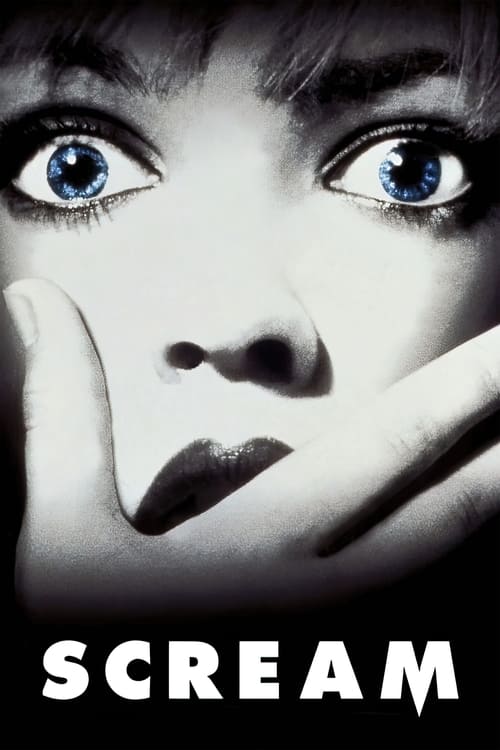
Williamson revisits his old texts, quoting his own lines, as well as some of Craven’s directorial ones, as at least two sequences in Scream 7 repeat similar episodes from 1996’s Scream, almost shot-for-shot.
Where Scream 7 proves most effective is in its opening sequence, continuing the franchise tradition of hitting the ground running with a sharp, well-executed set piece to launch the film.
The small town setting shifts the series back to the mode of the first, fourth, and fifth films; Scream never really felt comfortable in big city settings.
Scott's fatal mistake was chasing nostalgia. But beyond that, Williamson's first kills here are more vicious than those in Scream. They're more on par with the graphic violence seen in the torture porn trend that would follow the release of Scream 3 — a trend that is part of the reason this franchise went fallow for 11 years.
The latter, the heir apparent to Jamie Kennedy’s horror scholar Randy Meeks, can barely muster up the ritual monologue that typically plays like a state of the union address for film nerds. You know that moment where every Scream movie self-referentially lays down the intent and rules for whatever sequel, “requel” or current trend they’re supposed to be skewering.
After Ghostface’s reign of terror in New York City, the story shifts back to a small town, a welcome reset for the Scream franchise.
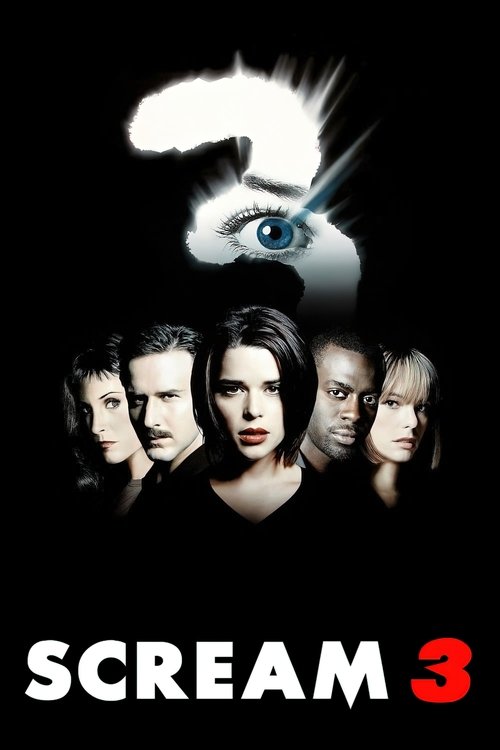
Scream 7 has none of that, not even the ability to descend into navel-gazing camp like the previous weakest link in the chain, Scream 3, or the self-consuming, ouroboros that eats its own tail, a la the movie-franchise-within-a-movie-franchise, Stab.
…not even the ability to descend into navel-gazing camp like the previous weakest link in the chain, Scream 3…
…for me, the core story of the Scream films ended with the third instalment…
In Scream 3, this series turned abruptly misogynistic, featuring a blonde actress (Jenny McCarthy) who is depicted as "nagging" before being slaughtered, then a sweet ingénue (Emily Mortimer) who, before being killed, is slutshamed for sleeping with a producer to get the role of Sidney in Stab 3.
Consequently, the climax is a badly executed riff on the film-set chase sequence in Scream 3, resulting in a humdrum melee that includes a cringy Google namedrop.
There’s a bit more mystery solving in the vein of Scream 3 that’s interesting.
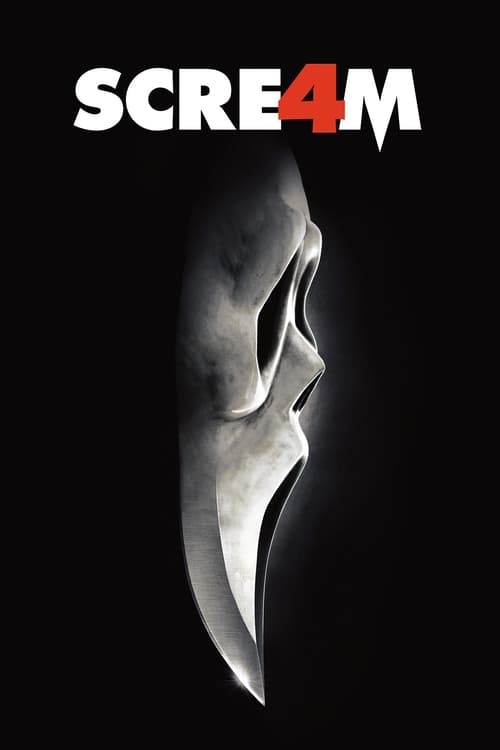
The opening of Scream 4, which was also written by Williamson, sharply satirized how unwieldy such-referential sarcasm can be when characters die at the beginning of a movie by watching characters die at the beginning of a movie within a movie.
Scream 4 was a fun swansong for Wes Craven, who’d directed the first four.
Scream 7 is a captivating return to the world Craven left behind at the conclusion of Scream 4…
…far more interested in and effective at propping up the more playful tone of Scream’s early days than the increasingly deconstructive tendencies of the fourth, fifth, and sixth entries…
I boycotted Scream 4 (2011), annoyed that Sidney’s story was continuing after it had concluded so perfectly in Scream 3 (2000).
…including 2011’s still underrated Scream 4, which found Williamson making a prophetic statement through Jill Roberts (Emma Roberts)…
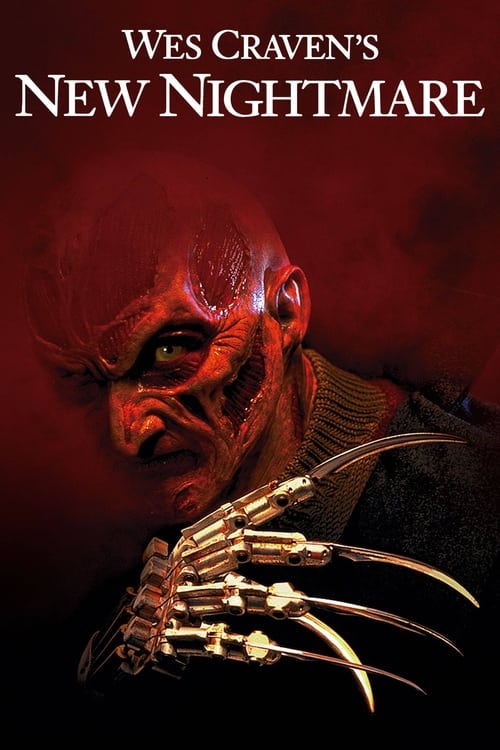
Fans know that Wes Craven’s New Nightmare (the seventh Nightmare On Elm Street film) was essentially a Scream forerunner. A clever, meta, knowing chiller that paved the way for every scary movie made in the last 30 years.
Make the Scream equivalent of Wes Craven’s New Nightmare next.
Fans know that Wes Craven’s New Nightmare (the seventh Nightmare On Elm Street film) was essentially a Scream forerunner.
…it's worth noting that both "Halloween" (with 1998's "Halloween H20: 20 Years Later") and "A Nightmare on Elm Street" (1994's "Wes Craven's New Nightmare") were in better spots when it came to their seventh go-rounds.
When the A Nightmare on Elm Street franchise grew stale, Wes Craven pivoted to the radical and inventive New Nightmare. That is the level of ingenuity sorely lacking here.
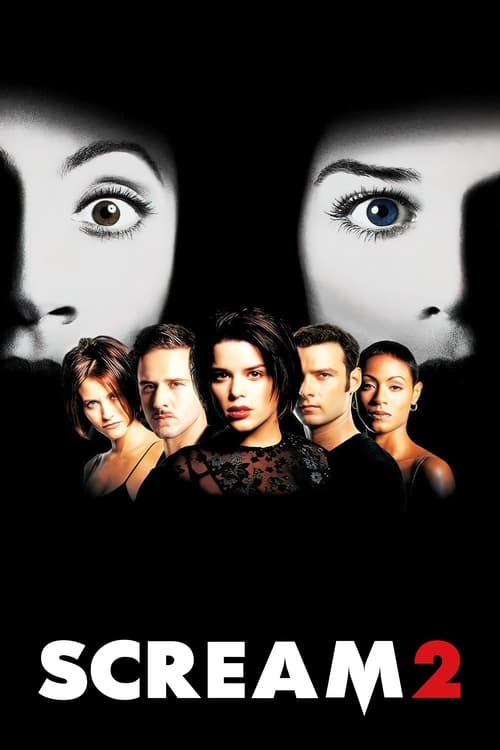
Wes Craven’s Scream 2 thoroughly engaged with the idea of living with trauma…
Yet ticket buyers, me included, keep coming back hoping for a miracle like the first two, so fresh with inside comic references that they seemed to have the dew still on them.
To be fair, Scream 2 (1997) had a barely foreshadowed killer too…
…there hasn't been a genuinely good Scream entry since the first sequel…
Williamson inelegantly slips in callbacks to all of the previous features, Scream 2 for some inane reason more than any of the others…
…which just happened to be the franchise’s biggest box office hit, and also its best sequel since Scream 2…
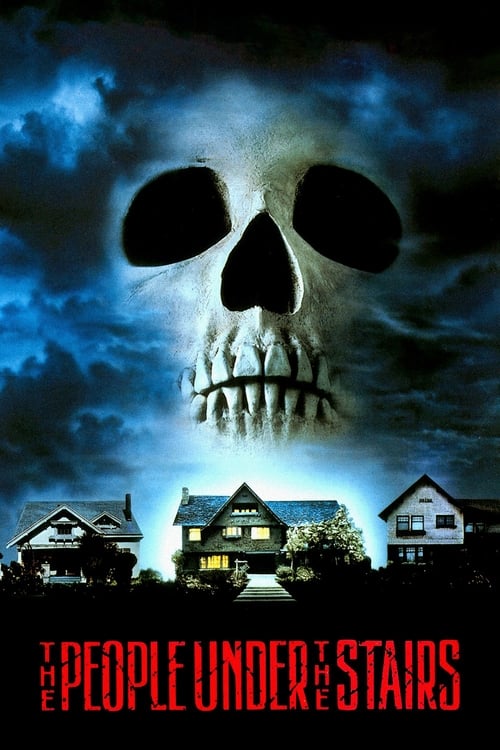
…parodying the old movies mentioned in an opening quiz (Nightmare on Elm Street, The People Under the Stairs and Friday the 13th)…
Scream 7 strains to be as meta as its ancestors, piling on references to hallowed horror classics (A Nightmare on Elm Street, The People Under the Stairs, The Texas Chainsaw Massacre, Friday the 13th) and its franchise brethren.
…rather than parodying the old movies mentioned in an opening quiz (Nightmare on Elm Street, The People Under the Stairs and Friday the 13th)…
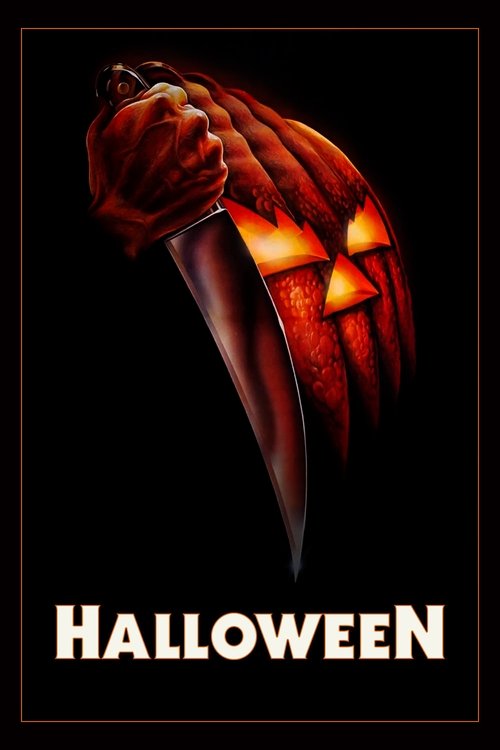
This is Sidney Prescott in the mode of Jamie Lee Curtis’ Laurie Strode in Halloween (2018). Unlike Curtis’ character, however, Sidney is not portrayed as emotionally damaged or obsessive.
…this film is, as mentioned, committed straightforwardly to functioning as an uninspired riff on the Halloween reboot.
…una dinámica muy similar a la que Jamie Lee Curtis interpretó en las recientes secuelas de Halloween…
Sidney Prescott as a mother is a compelling character, even if it feels like a bit of a retread of Halloween 2018.
She's rehashing the generational trauma theme we've seen in recent horror reboots, especially in Halloween (2018), which is name-checked here to really hammer home the similarity.
For Scream 7, the unenterprising screenwriters Kevin Williamson and Guy Busick lifted the premise from the rebooted Halloween (2018), which involved the killer Michael Myers setting his sights on the next generation and attempting to slaughter a mother-daughter combo of Laurie Strode (Jamie Lee Curtis) and her estranged daughter, Karen (Judy Greer).
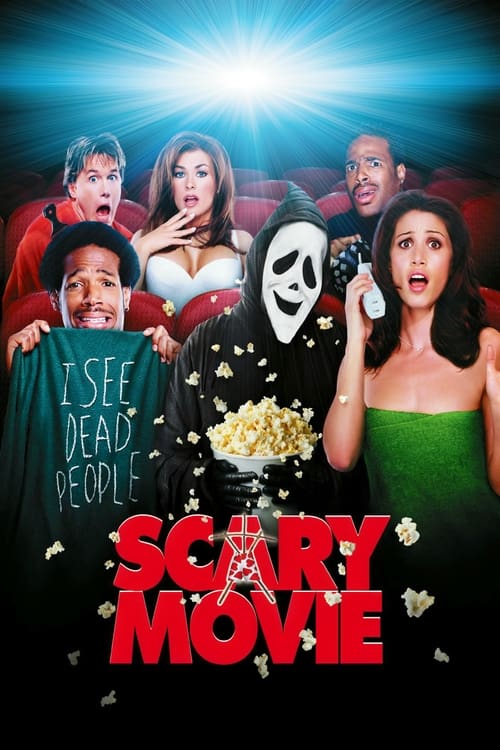
…la película termina cruzando la línea hacia la autoparodia involuntaria, evocando más el espíritu de Scary Movie que el de la obra original que pretendía satirizar los clichés del terror.
…a hollow and somewhat cynical product that would be too lame for even the Scary Movie franchise to make fun of…
…it’s somehow a parody, but far less broad than Scary Movie.
You could argue the “Scary Movie” franchise picked up that baton, albeit clumsily.
…could have been ripped from a Scary Movie (2000 to present) comedic parody of the horror genre…
…you think about the Scary Movie trailer that ran before the film and Ghostface just doesn’t seem as intimidating anymore…
Advertisement

Director
Tyler Gillett
Critics invoke Gillett by name, and compare Scream 7 to 2 of Gillett’s films.
Visuals
On Gillett, rather than any one film
…nor the playfulness of Matt Bettinelli-Olpin and Tyler Gillett, the filmmaking duo behind the previous two franchise-reviving instalments…
…filmmakers Matt Bettinelli-Olpin and Tyler Gillett poured over the last outing, when Ghostface did the most with dark New York alleyways, apartment complexes and overcrowded subways…
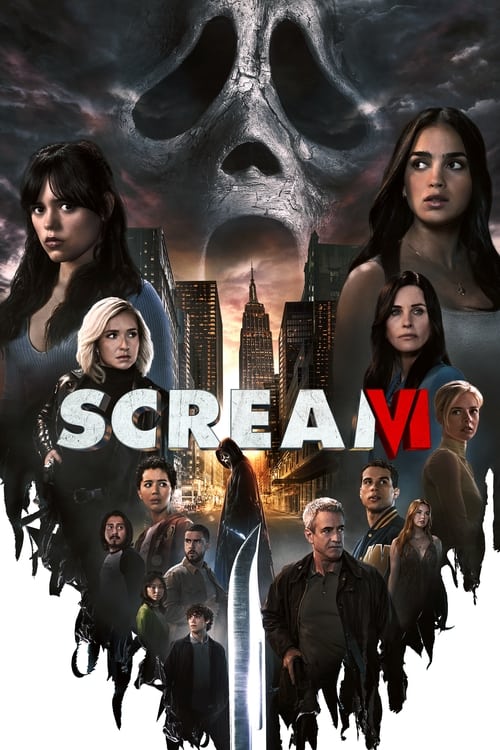
The motivation in Scream VI (2023) was on the daffy side, yet still vastly superior to this.
…a sequel so determined to bring the franchise full circle that it seems to harbor animosity for its direct predecessor, Scream VI…
This pushed the film series farther away from Woodsboro — to college (Scream 2), to Los Angeles (Scream 3), to New York (Scream VI), getting to a point where Final Girl Sidney Prescott (Neve Campbell) was no longer the hero, but either a supporting character (Scream 4 and 5 — which was confusingly titled Scream) or absent altogether (Scream VI).
That alone separates this film from Scream (2022) and Scream VI.
Scream VI that, despite some flaws, still managed to keep its momentum in a refreshing urban setting…
…like the theater in the climax of Scream VI (2023), which was filled with items from the Woodsboro killings…
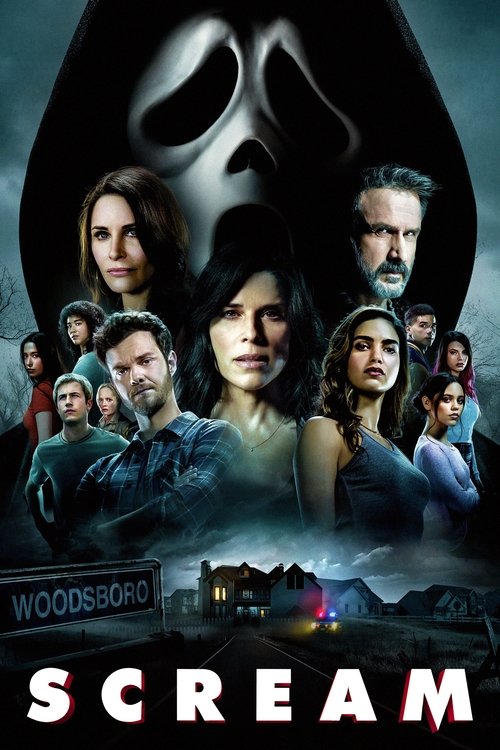
…once the franchise rebooted itself with the belated fifth entry, a.k.a. 2022’s Scream…
That alone separates this film from Scream (2022) and Scream VI.
…while that served as meta-commentary in the superior 2022 film (confusingly, also called Scream), it’s mostly just fan service here.
…getting to a point where Final Girl Sidney Prescott (Neve Campbell) was no longer the hero, but either a supporting character (Scream 4 and 5 — which was confusingly titled Scream) or absent altogether (Scream VI).
After Scream (2022), one of the best sequels in the franchise, positioning itself right behind the original for me…
Even more than Scream 2022, which was all about the nature of legacy sequels and lampooned their fan-servicey nature…
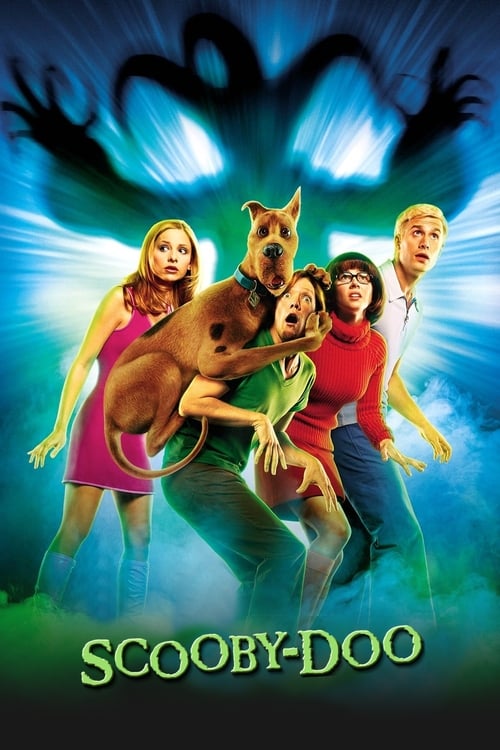
The reveal, however, feels like a bad episode of Scooby-Doo.
But the final unmasking is likely to disappoint; there’s more drama in the last-act reveals of Scooby-Doo.
Scream 7 also features the lamest Ghostface reveal in the franchise, but the killers’ unmasking sequences have had Scooby-Doo qualities for a long time now.
…there’s more drama in the last-act reveals of Scooby-Doo.
…before the final Scooby-Doo-style reveal of who had it in for these meddling kids all along.
“Scream 7” devolves into a paint-by-numbers mystery that feels closer to “Scooby-Doo” than subversive satire.
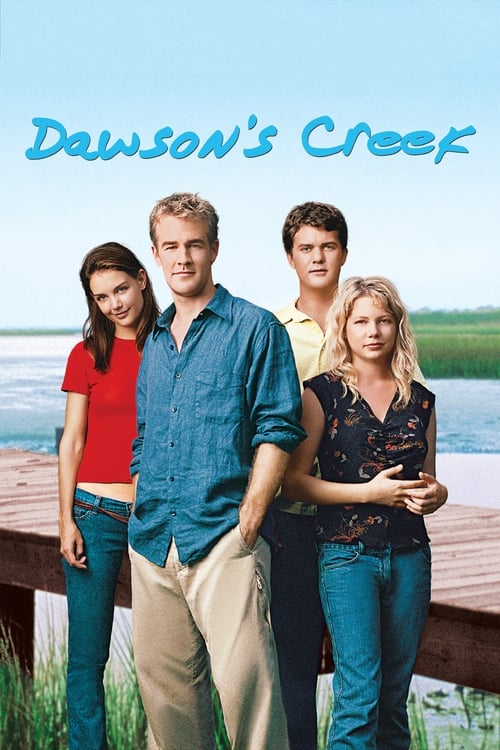
…it’s almost as if Williamson, serving as his own director for the first time in the franchise, decided to combine his two signature creations — Scream and Dawson’s Creek…
The Dawson’s Creek-esque dialogue seems like a foreign language in the mouths of Gen Z characters.
…not only like Billy Loomis, but like Joey Potter (Holmes) in Dawson’s Creek after him…
It gives the whole thing a faint “Dawson’s Creek” haze: earnest relationship chatter, jealousies and confessions, then a Ghostface interruption to remind you what genre you’re supposed to be watching.
…written by Kevin Williamson — the soon-to-be creator of TV’s teen drama Dawson’s Creek…
It's remarkable to think the same man who wrote this film wrote the first Scream, or Dawson's Creek, another series with great teen characters.
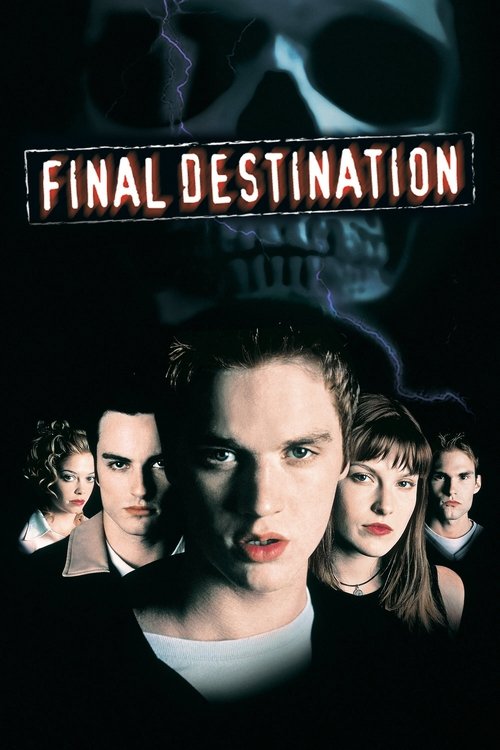
You’ll find more charm and creativity in the most middling Final Destination set piece.
…or knowingly trashy, splatterfest send-ups like The Substance or the latest Final Destination?
Writers Williamson and Guy Busick (Ready or Not) have definitely dialled up the killings to a more Final Destination-like level, resulting in a much more bloody Scream.
Advertisement

Ghostface, after all, is just a psycho in a Party City costume. There's no invulnerability like Friday The 13th's Jason Voorhees, no mystical voodoo magic like Child Play's Chucky, no eldritchian horror of It's Pennywise.
…the cast feels like fodder, operating within the same hollow framework that defined many 80s slashers such as Friday the 13th.
…parodying the old movies mentioned in an opening quiz (Nightmare on Elm Street, The People Under the Stairs and Friday the 13th)…
Scream 7 strains to be as meta as its ancestors, piling on references to hallowed horror classics (A Nightmare on Elm Street, The People Under the Stairs, The Texas Chainsaw Massacre, Friday the 13th) and its franchise brethren.
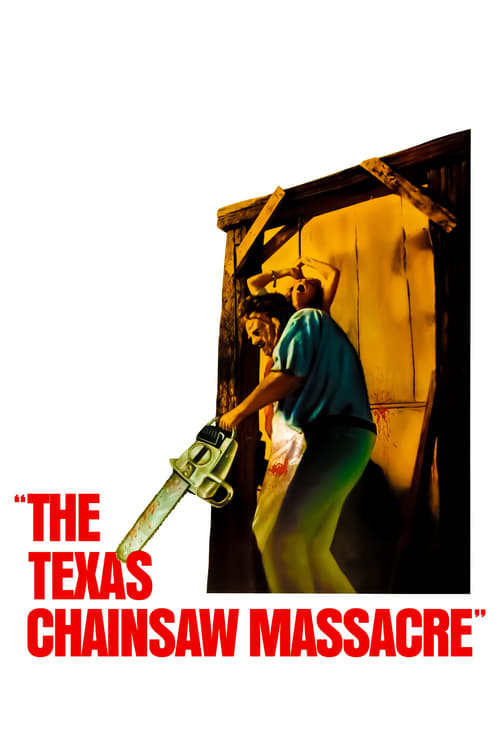
…influenced by Tobe Hooper’s The Texas Chain Saw Massacre (1974)…
Halloween, Friday the 13th, A Nightmare on Elm Street, Hellraiser, Child’s Play, and The Texas Chain Saw Massacre all have numerous sequels that vary in quality.
Look closely, and you’ll see the “Dallas Theater” marquee screening the original The Texas Chain Saw Massacre.