

Friday the 13th (1980)
Directed by Sean S. Cunningham
Camp counselors are stalked and murdered by an unknown assailant while trying to reopen a summer camp that was the site of a child's drowning.
10 connections found
View:
10 films that influenced Friday the 13th
What critics say influenced Friday the 13th
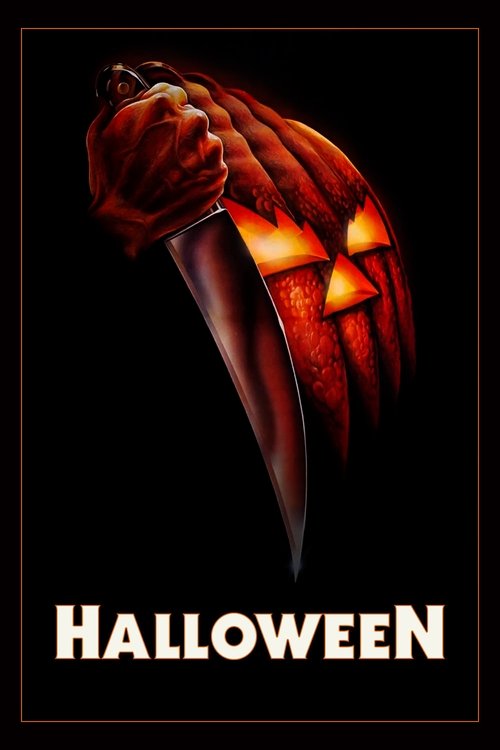


The two houses where the second half's action largely takes place don't offer the variety of, say, the isolated summer camp's various areas in Sean S. Cunningham's Friday the 13th, and the characters act a whole lot dumber than in Cunningham's picture -- after discovering bodies in one house with the slow-as-molasses-walking Myers in pursuit, Laurie foolishly puts herself and the two kids she's babysitting in jeopardy by forever knocking on the other house to be let in; and when Myers is supposedly dead after having already proved himself resilient to Laurie's defenses, she still opts to stay in the house after sending the kids out of it to contact the police.
Nor, despite its remarkable box-office returns, did Halloween ignite the giant wave of 1980s slasher films - it took another two years for the Halloween-tinged Friday the 13th to get that party started.
A self-consciously avowed knock-off of John Carpenter’s masterful nightmare Halloween (1978), Friday the 13th has always been a scorned and derided film, with its mixture of shallow characters, boogeyman clichés, and gory spectacle making it an easy target for middlebrow critics to tear to pieces while boisterous teenage audiences lapped it up and asked for seconds (and thirds, and fourths …).
Producer-director Sean S. Cunningham and screenwriter Victor Miller had a plan (and freely admit it): rip off John Carpenter's Halloween for a quick buck.
It doesn't have the merciless style of "Halloween," or the gnashing sadism of "Last House on the Left," or the sweaty lunacy of "Texas Chainsaw Massacre."
The original "Friday the 13th" is a skillful, if by-the-numbers, horror pic, its very existence resting upon the huge success of 1978's " Halloween ."
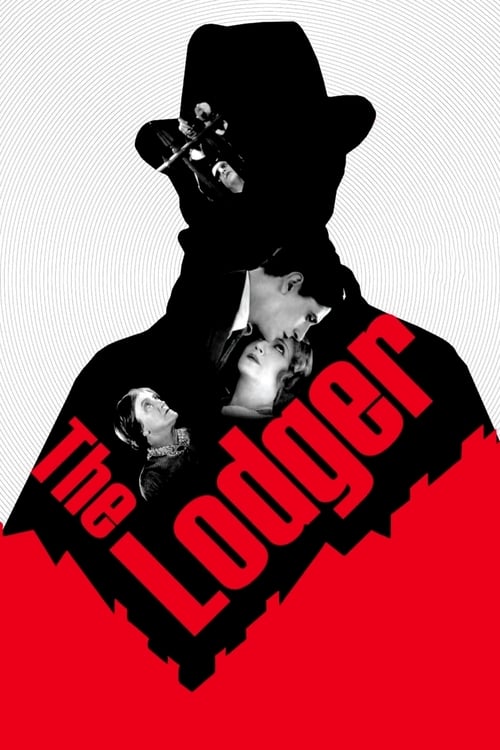
Some might say the genre goes all the way back to the silent days of German Expressionism, others to things like Hitchcock's 1927 "The Lodger."
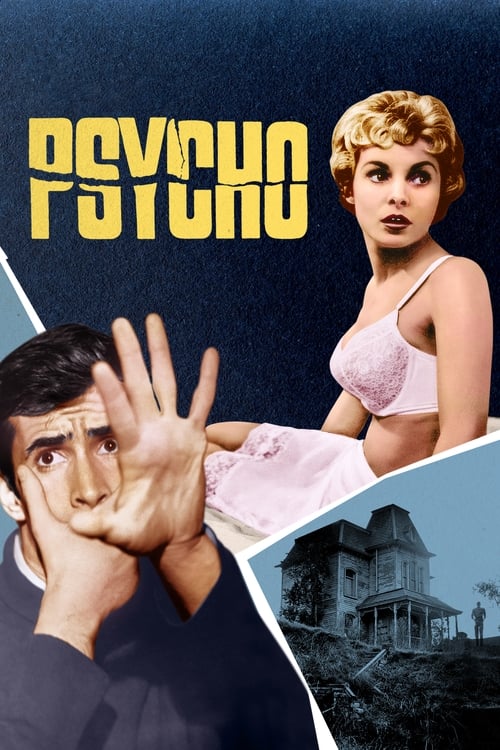
Certainly, one could make a good case for Hitchcock's "Psycho" (1960), although that film, as good as it was, didn't exactly set off a slasher craze.
Friday the 13th, on the other hand, revels in mystery, giving us a stalker whose identity is not revealed until the final reel, which provides the film’s one true stroke of genius by reversing the Psycho dynamic in making the killer a mother who has internalized her dead son, rather than the other way around.
This occurs with methodical precision and admirable efficiency, and usually to a soundtrack stolen outright from "Psycho" and "Jaws," as though someone said, "THOSE movies were scary; we should probably use their music to make OUR movie scary, too."
His work in this film is, almost without exception, as ballsy a clone of Bernard Herrmann's Psycho score as you could imagine.
…the murder scenes, and writer Victor Miller flips the script with at least one decent twist and a first-act misdirection that takes its cues from Psycho .
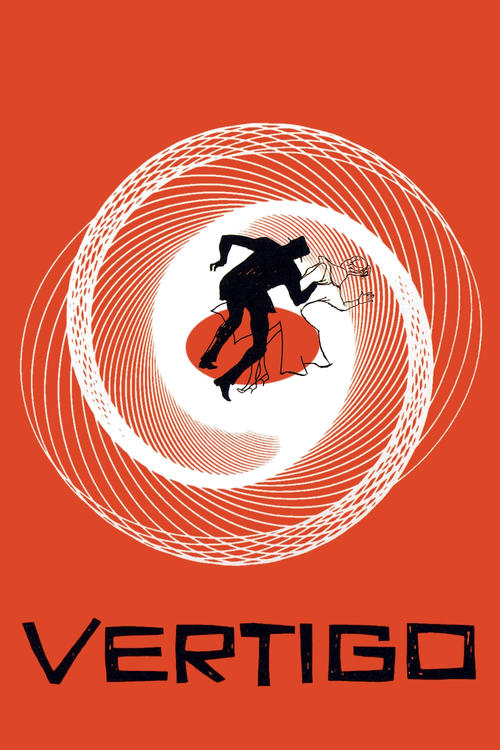
Better still is composer Harry Manfredini's background score, which in the titles should have given credit to Bernard Herrmann, it sounds so much like "Psycho," "Vertigo," and "North by Northwest."
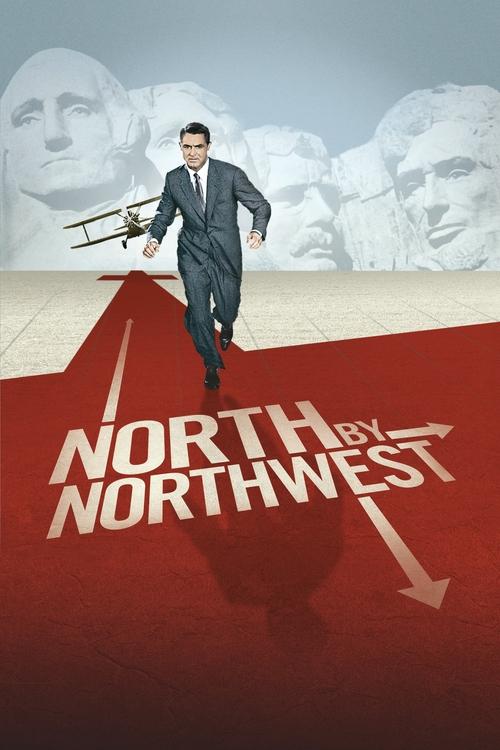
Better still is composer Harry Manfredini's background score, which in the titles should have given credit to Bernard Herrmann, it sounds so much like "Psycho," "Vertigo," and "North by Northwest."
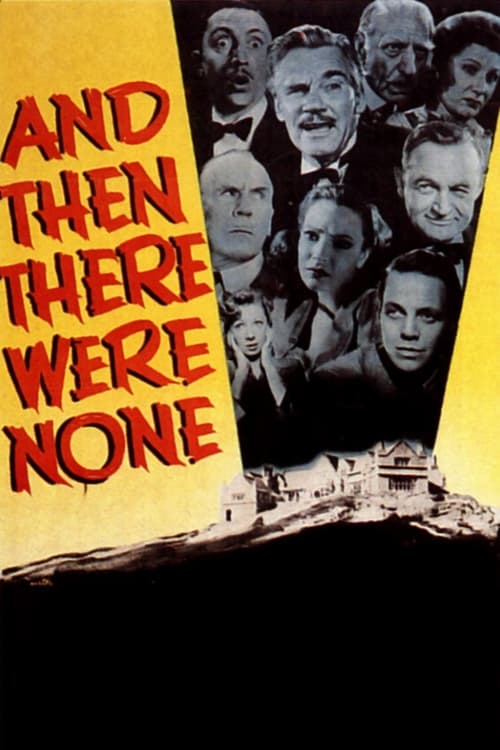
Partly it's the moronic, sub-And Then There Were None purity of the script.
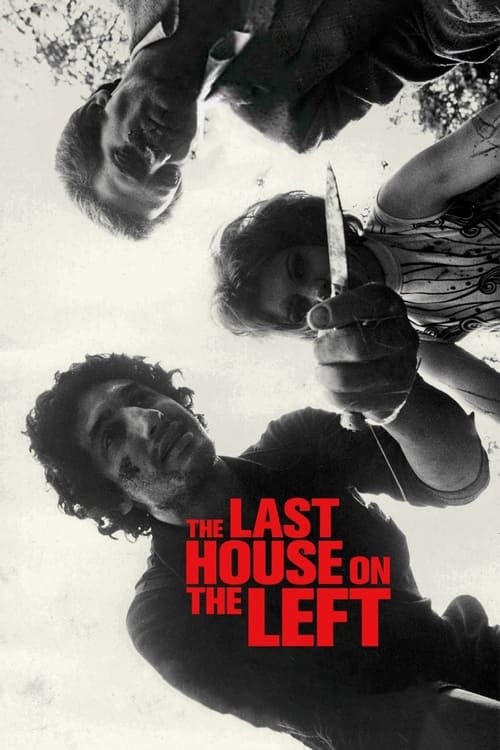
The latter, at least, is explicable: the film was conceived by Craven and producer Sean S. Cunningham (who would, eight years later, drop another bomb on the horror landscape when he produced and directed Friday the 13th ) as an actual hardcore sexploitation film, deciding only at the very start of shooting that it would be better for their artistic aspirations (which were "indict a culture of violence and rape", not "get main in raincoats to whack off to a rape scene") if they dropped that angle.
He had dabbled in soft-core sleaze during the “porno chic” era (including 1971’s Together, which starred Marilyn Chambers), although he is most notorious for producing the Wes Craven-directed The Last House on the Left (1972), one of the most shocking and talked-about movies of the early ’70s drive-in circuit.
Advertisement

While such a critique holds true with some later slasher films, in both Halloween and Friday the 13th (as well as Bob Clark’s often undervalued but deeply influential 1974 film Black Christmas) it is clearly used as a means of concealing an identity, similar to Hitchcock’s use of the extreme high angle when Mother comes out of the bedroom to meet Arbogast at the top of the stairs.
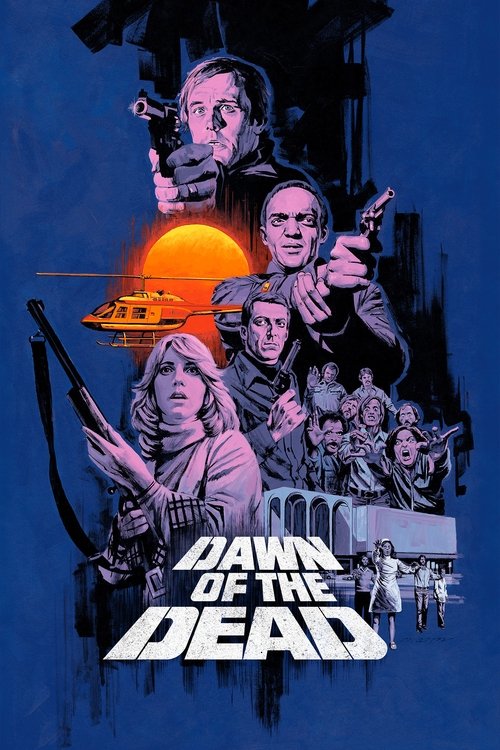
Her eventual showdown with Mrs. Vorhees (veteran TV actress Betsy Palmer), the raging-mad matriarch who has made it her life’s work to keep the camp from ever opening again after the accidental drowning of her son Jason, veers just on the edge of high camp before concluding with one of screendom’s great decapitations, which, like all of the film’s effects work, was created by Tom Savini, then best known for his work with George A. Romero (especially 1978’s Dawn of the Dead).
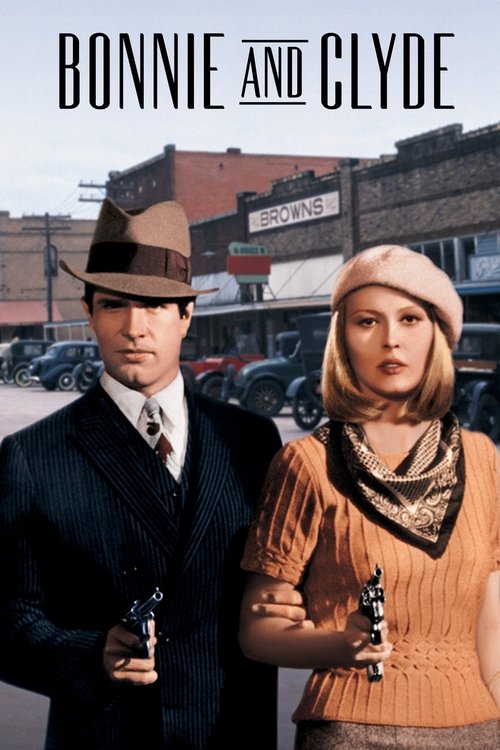
But as the film's larger subject is that of teens under siege from authority figures (cops, weird old fogies, psycho killers), perhaps there's an element of Bonnie and Clyde-style romantic nihilism in the image of rebellious kids being cut down by repressive forces that couldn't possibly comprehend their desires.