
Sean S. Cunningham
31 connections found
Filmography


View:
Connections, in both directions
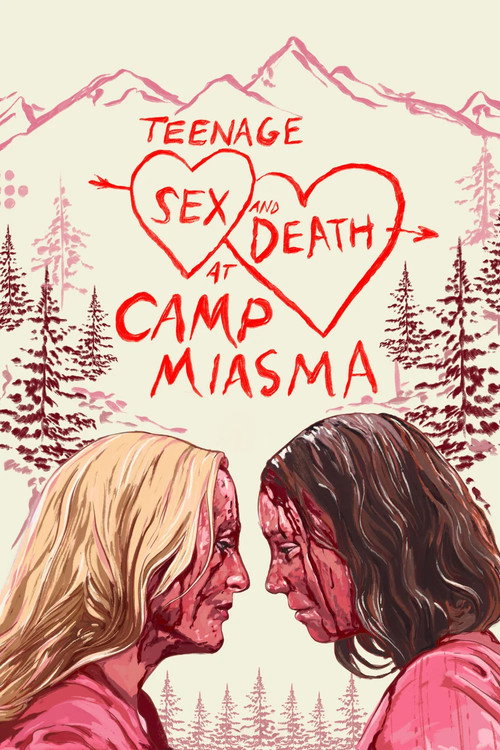
Teenage Sex and Death at Camp Miasma (2026)
Directed by Jane Schoenbrun
influenced by Friday the 13th (1980)
Themes


That disparity is found in the fandom of many old school horror films—“Friday the 13th,” “Sleepaway Camp,” “The Burning,” and more—where people love the atmosphere, lustful set pieces, and elaborate kills, yet recognize that it’s not exactly “high art.”
Camp Miasma is an 80s slasher franchise once revered and since revived to the point of zombification. Think Friday the 13th, Halloween and A Nightmare on Elm Street.
In the style of the Friday the 13th and Sleepaway Camp movies, the studio wants Kris to revitalize the flailing franchise and fix the transphobic issues from the original 1980s movie.
The title’s a nod to the Friday the 13th era: like those actual films, Camp Miasma was a big hit that was followed by a string of increasingly bad sequels.
…the Camp Miasma franchise was a series of 80s slasher films in the vein of Friday the 13th…
…pulling from 80s horror franchises like Friday the 13th and Sleepaway Camp…
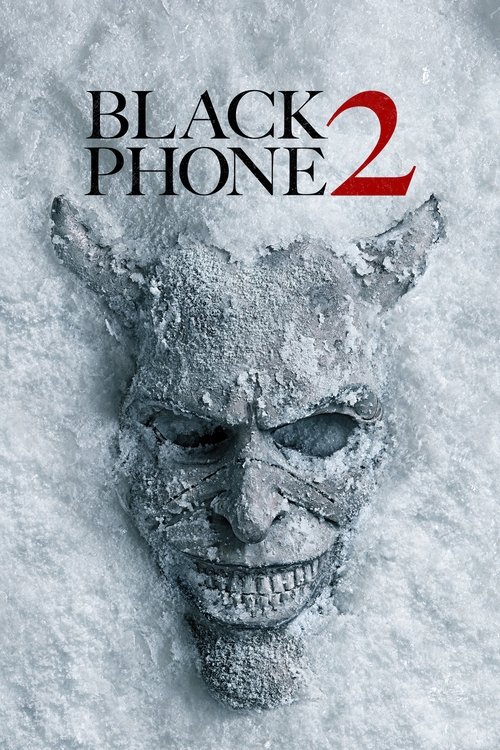
Black Phone 2 (2025)
Directed by Scott Derrickson
influenced by Friday the 13th (1980)
Themes Plot Characters
You might expect something reminiscent of The Shining given the Stephen King energy present throughout the first film, but you’ll end up mostly getting an experience that feels like the later Nightmare on Elm Street films; DNA from a bevy of slashers made its way into this one, but Black Christmas and Friday the 13th stood out to me as notable ancillary inspirations.
Oh yes, it’s very much A Nightmare on Elm Street meets Friday the 13th, but only in good ways.
…it stops trying to be Nightmare on Elm Street, Friday the 13th, and Stranger Things all at once and starts actually becoming them.
This studio is trying so incredibly hard to make The Grabber one of horror's iconic slashes, alongside the likes Michael Myers, Freddy Krueger, and Jason Vorhees.
Director Scott Derrickson and co-writer C. Scott Cargill evidently felt the best way to accomplish this was a mashup of the summer (well, winter) camp slasher vibes of Friday the 13th with the somnambulant escapades of A Nightmare on Elm Street.
…drawing from a patchwork of sources that includes Friday the 13th, A Nightmare on Elm Street, Stranger Things, and even the analog, Super-8 texture of Derrickson and Cargill’s Sinister series…
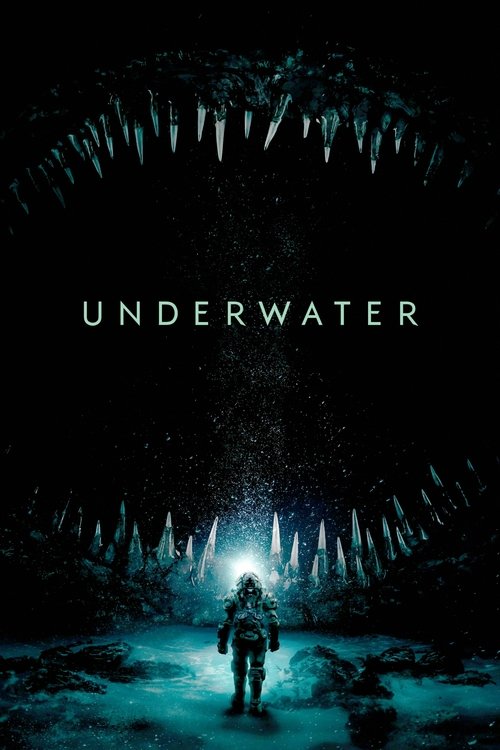
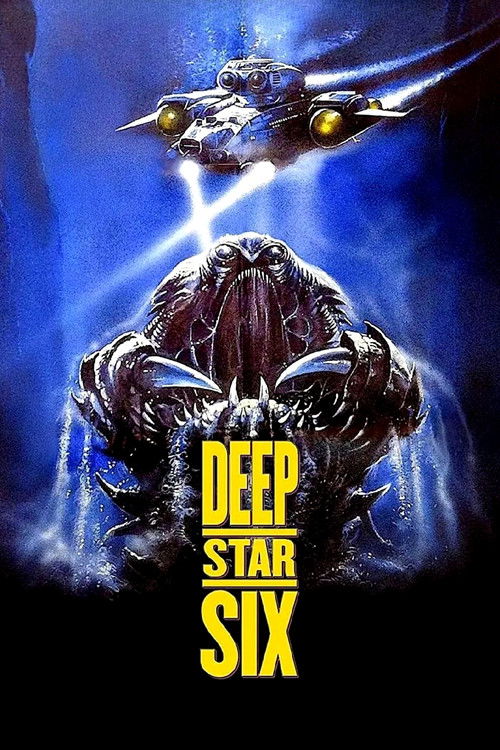
The premise recalls the late-’80s deep-sea creature features Leviathan and DeepStar Six , but the comparison is unfair; Underwater is both more consistent and more atmospheric than either of those movies, making the most of Bojan Bazelli’s grungy, gothic lighting and the dingy walls and flickering screens of Naaman Marshall’s industrial production design.
Think Leviathan (1989), DeepStar Six (1989), The Abyss (1989), and probably some films that didn’t come out in 1989 too.
However, back in 1989, there was a boom of such deep sea terror, as films like Leviathan and DeepStar Six aimed to capitalise on the upcoming release of James Cameron’s The Abyss and in turn they became known from this point on as aquatic horrors.
1989 saw the release of THE ABYSS, DEEPSTAR SIX, and LEVIATHAN—with THE RIFT (aka ENDLESS DESCENT) coming out in 1990—and all featured an isolated crew in the unforgiving depths of the ocean encountering creatures and various personnel disasters.
There are a few breathtaking shots that not only justify Underwater ’s existence but also the idea of seeing it in a theater, because otherwise there’s not much separating it from straight-to-Netflix dreck like The Cloverfield Paradox , or the cycle of Alien- but-underwater movies that proliferated at the end of the 1980s ( DeepStar Six and Leviathan , both of which are more fun than you remember).
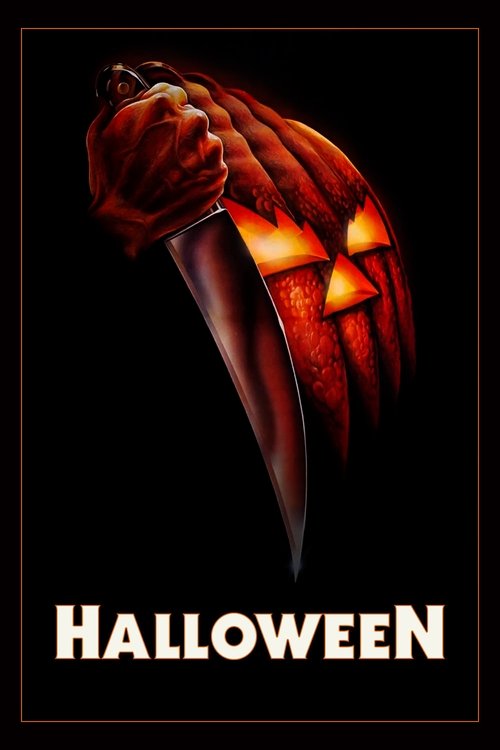
The two houses where the second half's action largely takes place don't offer the variety of, say, the isolated summer camp's various areas in Sean S. Cunningham's Friday the 13th, and the characters act a whole lot dumber than in Cunningham's picture -- after discovering bodies in one house with the slow-as-molasses-walking Myers in pursuit, Laurie foolishly puts herself and the two kids she's babysitting in jeopardy by forever knocking on the other house to be let in; and when Myers is supposedly dead after having already proved himself resilient to Laurie's defenses, she still opts to stay in the house after sending the kids out of it to contact the police.
Nor, despite its remarkable box-office returns, did Halloween ignite the giant wave of 1980s slasher films - it took another two years for the Halloween-tinged Friday the 13th to get that party started.
A self-consciously avowed knock-off of John Carpenter’s masterful nightmare Halloween (1978), Friday the 13th has always been a scorned and derided film, with its mixture of shallow characters, boogeyman clichés, and gory spectacle making it an easy target for middlebrow critics to tear to pieces while boisterous teenage audiences lapped it up and asked for seconds (and thirds, and fourths …).
Producer-director Sean S. Cunningham and screenwriter Victor Miller had a plan (and freely admit it): rip off John Carpenter's Halloween for a quick buck.
It doesn't have the merciless style of "Halloween," or the gnashing sadism of "Last House on the Left," or the sweaty lunacy of "Texas Chainsaw Massacre."
The original "Friday the 13th" is a skillful, if by-the-numbers, horror pic, its very existence resting upon the huge success of 1978's " Halloween ."
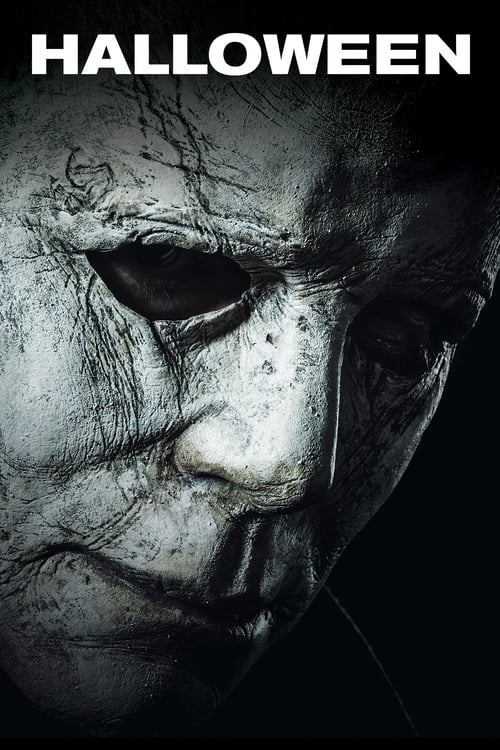
Today, after an onslaught of franchise building, it’s easy to take for granted that the original “Halloween” (1978), “Friday the 13th” (1980) and “A Nightmare on Elm Street” (1984) were actually inventive before they were satirized in “Scream” (1996), my own teenage touchstone.
Although older films like Peeping Tom and Psycho laid the groundwork for the slasher, its golden age was between 1978 and 1984, which saw the release of classics like Friday the 13th (1980) and A Nightmare on Elm Street (1984).
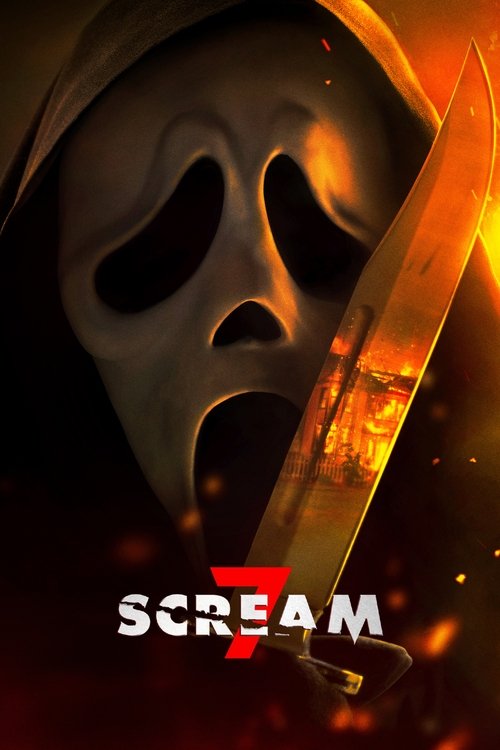
Ghostface, after all, is just a psycho in a Party City costume. There's no invulnerability like Friday The 13th's Jason Voorhees, no mystical voodoo magic like Child Play's Chucky, no eldritchian horror of It's Pennywise.
…the cast feels like fodder, operating within the same hollow framework that defined many 80s slashers such as Friday the 13th.
…parodying the old movies mentioned in an opening quiz (Nightmare on Elm Street, The People Under the Stairs and Friday the 13th)…
Scream 7 strains to be as meta as its ancestors, piling on references to hallowed horror classics (A Nightmare on Elm Street, The People Under the Stairs, The Texas Chainsaw Massacre, Friday the 13th) and its franchise brethren.
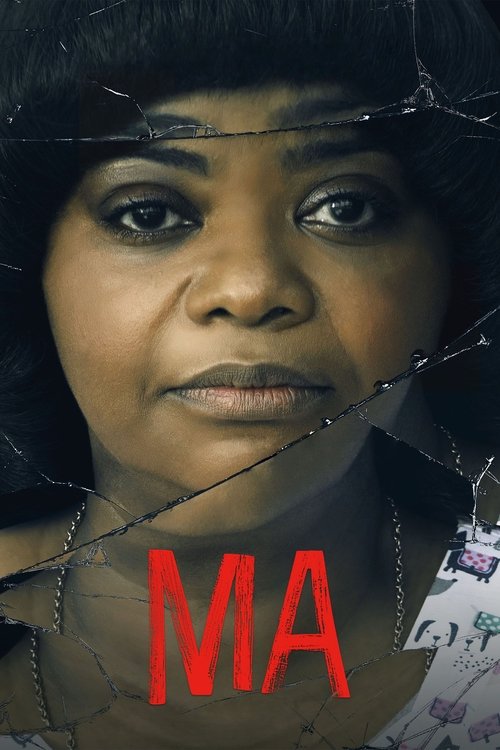
Rather, he’s essentially making a Sean S. Cunningham movie for modern audiences, a The New Kids for an audience in need of that kind of entertainment (especially since it’ll take years for the college scam business to stop weighing all of Lori Loughlin’s old back catalogue down like a stone made of pure irony).
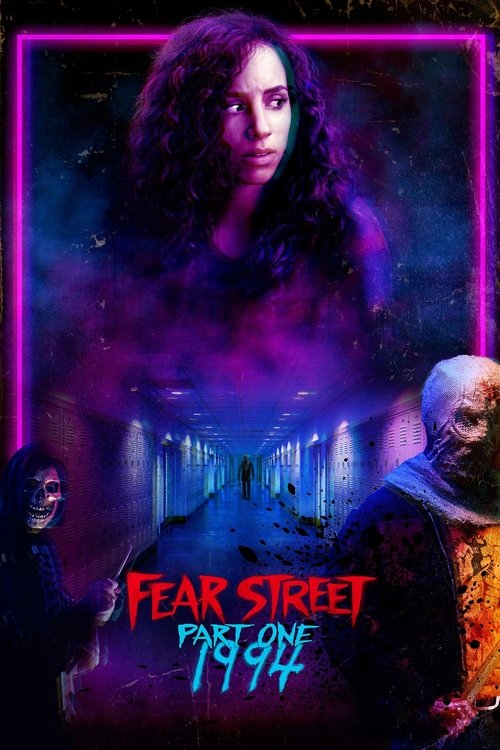
“1978” is about a summer camp massacre, à la 1980’s “Friday the 13th.”
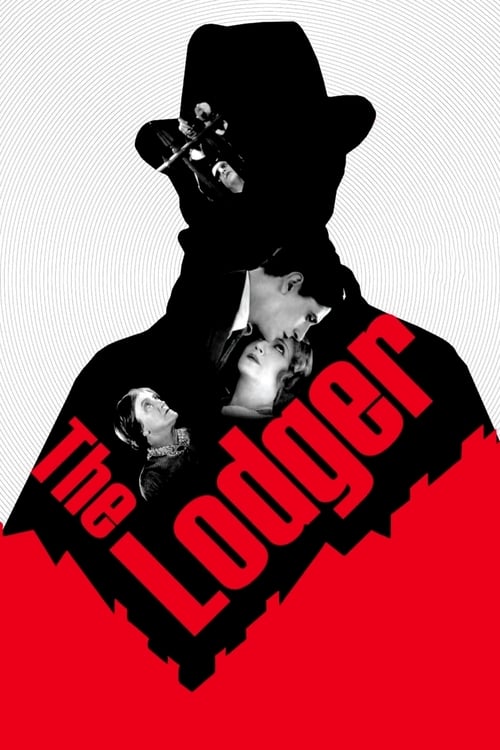
The Lodger: A Story of the London Fog (1927)
Directed by Alfred Hitchcock
influenced Friday the 13th (1980)
Themes
Some might say the genre goes all the way back to the silent days of German Expressionism, others to things like Hitchcock's 1927 "The Lodger."
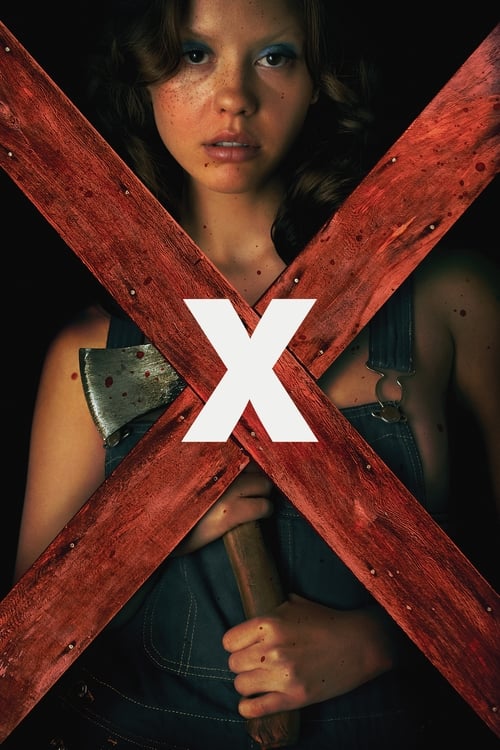
It’s 1979, a year before Friday the 13th came out, and over a decade and a half before Matthew Lillard would lay out the rules to making it out of a horror movie alive, with number one being “sex equals death.”
Well, writer/director Ti West sets and primes his new slasher film between two classics of the genre, 1978’s “Halloween” and 1980’s “Friday the 13th”.
Outside of 1980’s Friday the 13th, the villains/killers in these films more often than not follow a familiar trope.
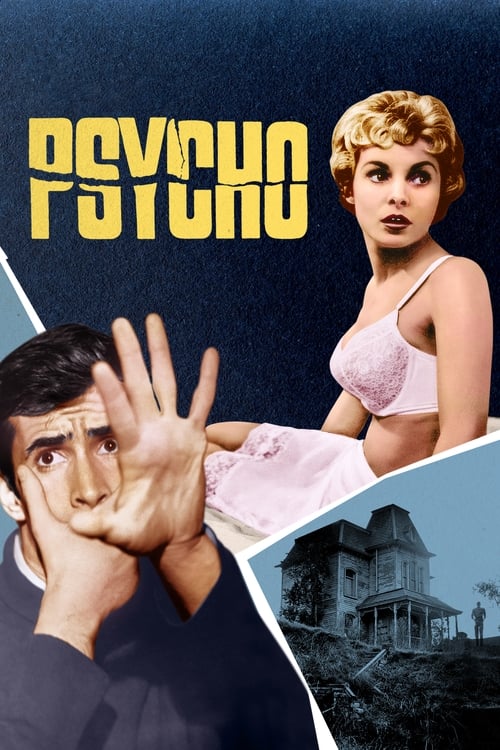
Certainly, one could make a good case for Hitchcock's "Psycho" (1960), although that film, as good as it was, didn't exactly set off a slasher craze.
Friday the 13th, on the other hand, revels in mystery, giving us a stalker whose identity is not revealed until the final reel, which provides the film’s one true stroke of genius by reversing the Psycho dynamic in making the killer a mother who has internalized her dead son, rather than the other way around.
This occurs with methodical precision and admirable efficiency, and usually to a soundtrack stolen outright from "Psycho" and "Jaws," as though someone said, "THOSE movies were scary; we should probably use their music to make OUR movie scary, too."
His work in this film is, almost without exception, as ballsy a clone of Bernard Herrmann's Psycho score as you could imagine.
…the murder scenes, and writer Victor Miller flips the script with at least one decent twist and a first-act misdirection that takes its cues from Psycho .
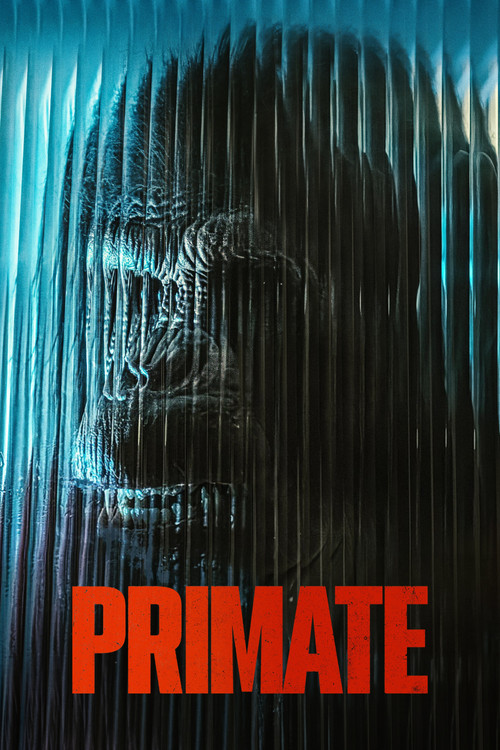
Its main antagonist may be a chimpanzee named Ben, but he might as well be Michael Myers or Jason Vorhees once the grisly monkey mayhem begins.
…the murderous abandon of Jason Voorhees…
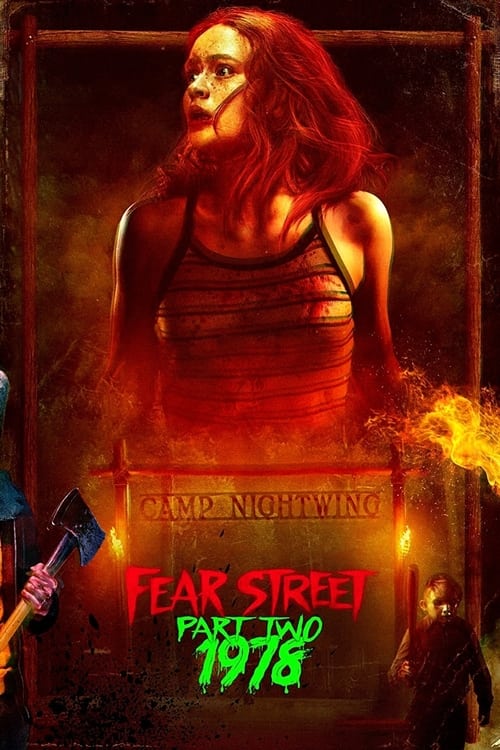
The aforementioned genre is, of course, used to populate — for better or worse — the 80s horror films seen in the likes of Friday the 13th (1980) and its subsequent sequels, The Burning (1981) and Sleepaway Camp (1983).
The sleepaway-slaughter hallmarks of the 1980s such as The Burning, Friday the 13th, Madman, Sleepaway Camp and Cheerleader Camp belonged to a disreputable, sleazy sub-genre that cannot be genuinely replicated by such mainstream studios as Fox (which produced Fear Street) and Netflix (which eventually bought the films).
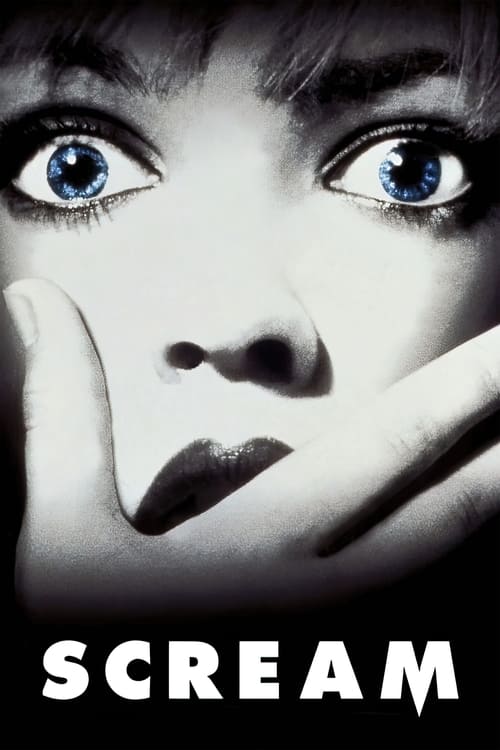
It really shouldn't be giving anything away to say that the kindly-looking Mrs. Voorhees (Betsy Palmer) is the perpetrator behind the bloodbath1996's "Scream" made sure that audiences remembered this tidbitand that Jason didn't show up until the first sequel a year later.
…the taunting kids masked like "Friday the 13th's" Jason…
Much of the time, he’s making overt references to much better horrors, such as A Nightmare on Elm Street, Friday the 13th, Jurassic Park (Wayne Knight plays another dickhead we want to see killed), and oddly enough, Scream, boasting two veterans in Lillard and Skeet Ulrich.
With the teenagers (two males and two females—one of whom is dead), it’s Friday the 13th.
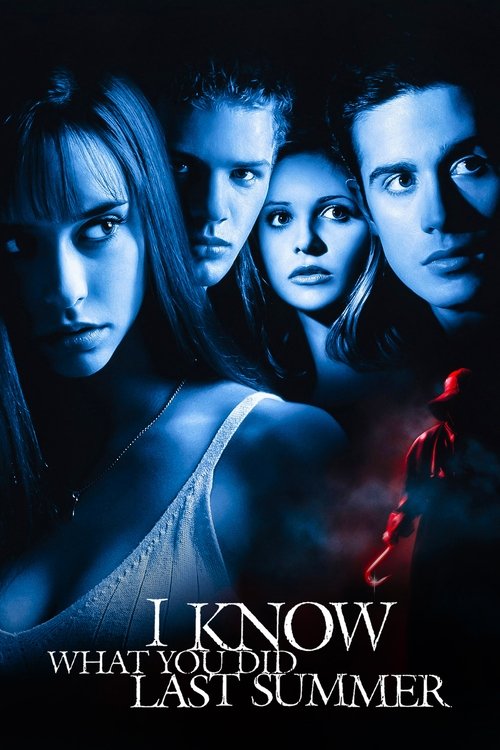
I Know What You Did Last Summer (1997)
Directed by Jim Gillespie
influenced by Friday the 13th (1980)
Themes
"I Know What You Did Last Summer" is head and shoulders above earlier "dead teenager movies" (as Robert Ebert liked to call them) such as "Friday the 13th" (1980) and "Prom Night" (1981).

Some of the greatest horror starts with everyday life: a single mother and her daughter at the heart of The Exorcist ; the grieving, cave-diving woman whose husband and child die in an accident at the start of The Descent ; or, the death of a boy that drives his mother to homicidal rage being the driving force of 1980’s Friday the 13th .
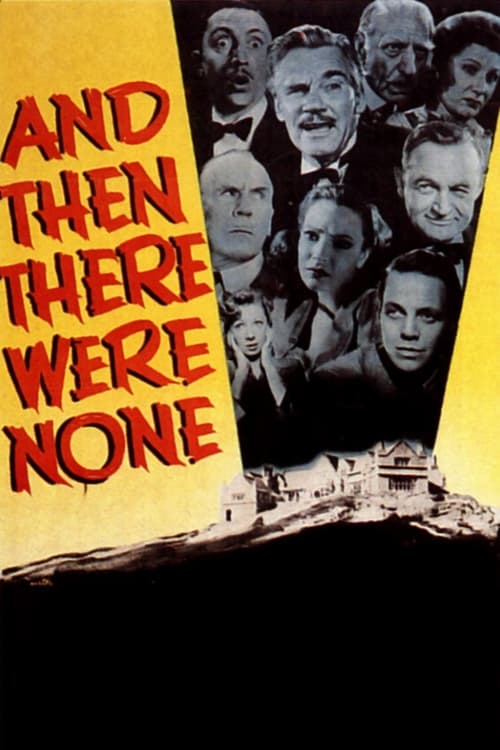
Partly it's the moronic, sub-And Then There Were None purity of the script.