
Scream (2022)
Directed by Tyler Gillett
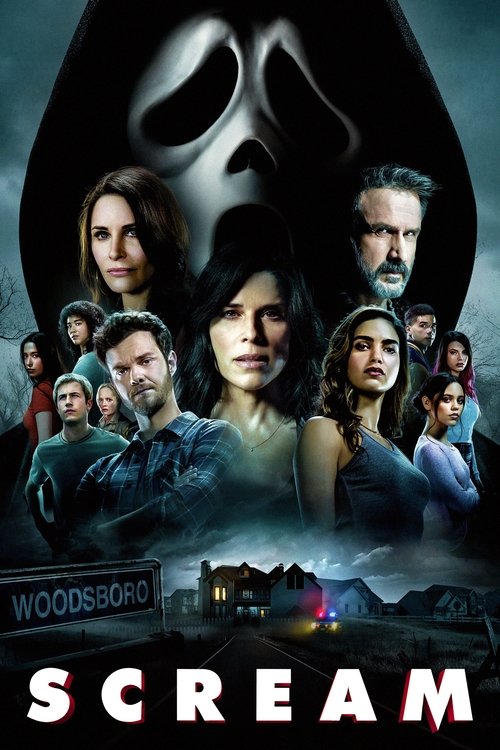
Twenty-five years after a streak of brutal murders shocked the quiet town of Woodsboro, a new killer has donned the Ghostface mask and begins targeting a group of teenagers to resurrect secrets from the town’s deadly past.
35 connections found
View:
35 films that influenced Scream
What critics say influenced Scream



In the movie’s opening phone call, one that mirrors the call Drew Barrymore received in the original, Tara (Jenna Ortega) — after initially ignoring a strange call on “the landline” — tells the strange voice on the other end (again Roger Jackson, franchise MVP) that she prefers “elevated horror” like “The Babadook,” “Hereditary” and “It Follows.”
A voice on the phone strikes up a conversation about scary movies, but the reference goes over Tara’s head because she’s into “elevated horror,” like 2014’s The Babadook or 2017’s Get Out .
While there are plenty of meta jokes and cool, hip references to The Babadook and It Follows, the film still feels dated.
“I’m more into elevated horror,” she bites back, citing A24 fodder like The Babadook that’s more focused on theme than grisly jump-scares.
So you get the scene where someone explains the rules of being in a horror movie (this time done by the returning David Arquette), along with scenes referencing recent developments in the genre, including “elevated” options like The Babadook and It Follows .
But this movie also understands and references "high-minded" horrors like The Babadook and Hereditary .
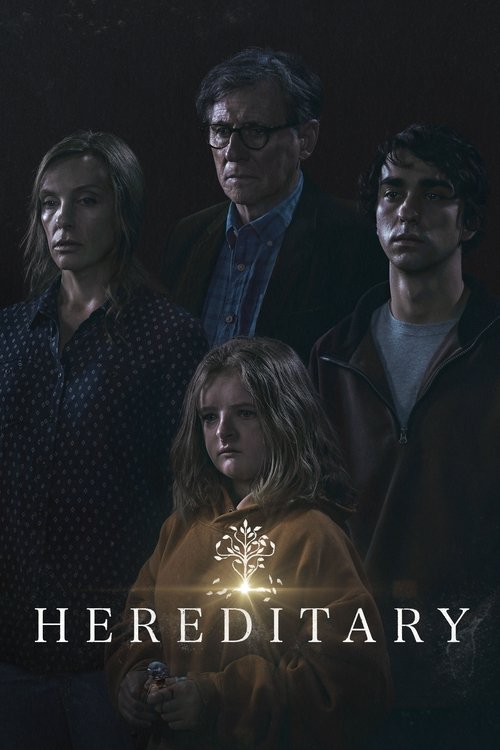
“Scream” is hip with the times much in the same way its predecessors were, throwing nods to Rian Johnson, “It Follows” and “Hereditary” and playfully toys with audience expectations.
Scream is hip with the times much in the same way its predecessors were, throwing nods to Rian Johnson, It Follows and Hereditary and playfully toys with audience expectations.
What’s the most impressive about this installment of Scream is how much fun it’s having, poking fun at the horror genre, with characters referencing films such as It Follows or Hereditary , but also riffing on the Stab series in its own Scream universe.
In the movie’s opening phone call, one that mirrors the call Drew Barrymore received in the original, Tara (Jenna Ortega) — after initially ignoring a strange call on “the landline” — tells the strange voice on the other end (again Roger Jackson, franchise MVP) that she prefers “elevated horror” like “The Babadook,” “Hereditary” and “It Follows.”
No more last-century horror shoutouts when the kids have such newbies as "It Follows," "Hereditary" and "The Witch" as reference points.
But this movie also understands and references "high-minded" horrors like The Babadook and Hereditary .
This year’s Scream (not to be confused with 1996’s Scream , of course) contains a moment with a Matryoshka doll of references: a low-angle shot of a showerhead echoes the scene from movie-within-a-movie Stab in 1997’s Scream 2 , which was obviously itself nodding to 1960’s Psycho .
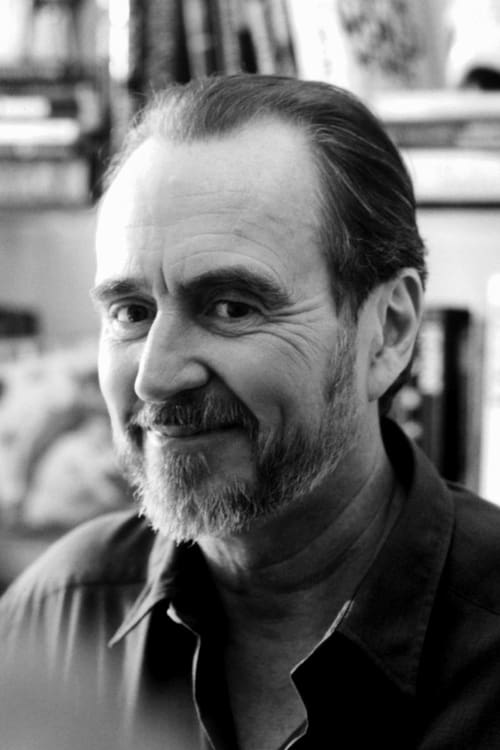
In order to illustrate exactly what’s so wrong with Matt Bettinelli-Olphin and Tyler Gillet’s Scream (from here on referred to as 5cream , because I genuinely think I might have a psychotic break if I keep trying to talk about both the original film and this reboot), I’ll present to you a working theory of mine about the intentions behind Wes Craven’s Scream series and how they slowly changed over time.
The first entry in the franchise without Wes Craven at the helm, Scream combines a fresh cast with legacy characters for a bloody, ruthless whodunnit.
Wes Craven’s Scream franchise pumped fresh blood into the veins of the floundering slasher genre at the end of the 90s and has continued to inspire the horror landscape over two decades later.
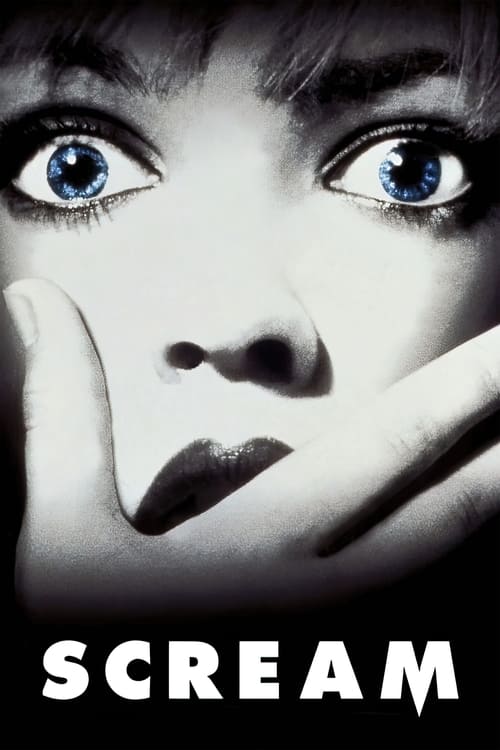
When the first Scream released in 1996, the film was instantly iconic among horror fans for its ability to deftly tread the line between homage and parody as it spoke to the rise of slashers.
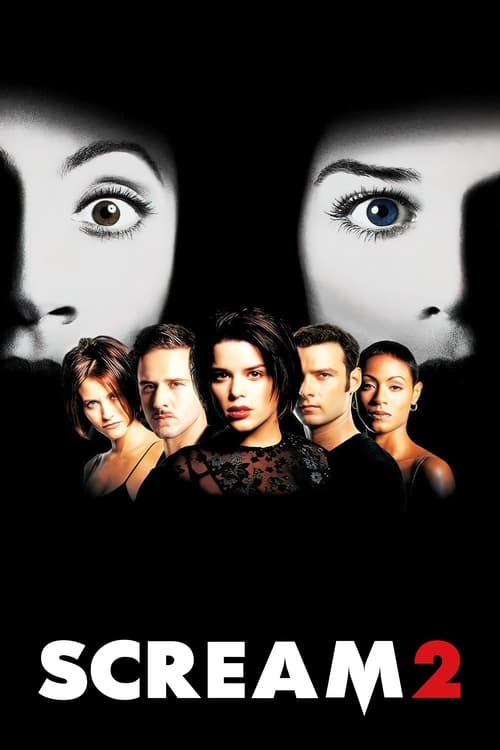
This year’s Scream (not to be confused with 1996’s Scream , of course) contains a moment with a Matryoshka doll of references: a low-angle shot of a showerhead echoes the scene from movie-within-a-movie Stab in 1997’s Scream 2 , which was obviously itself nodding to 1960’s Psycho .
Scream and Scream 2 , its superior sequel, are anarchic romps through the slasher subgenre and are, of course, incredibly entertaining.
Scream 2 and Scream 4 were pretty damn great.
As Scream 2 skewers sequels and Scream 4 ravages reboots, 2022’s Scream sets its crosshairs on another franchise milestone using savage horror commentary that once again disrupts prevalent genre patterns.
Scream 2 followed in 1997 and, while solid, it lacked the razor-sharp precision of its predecessor.
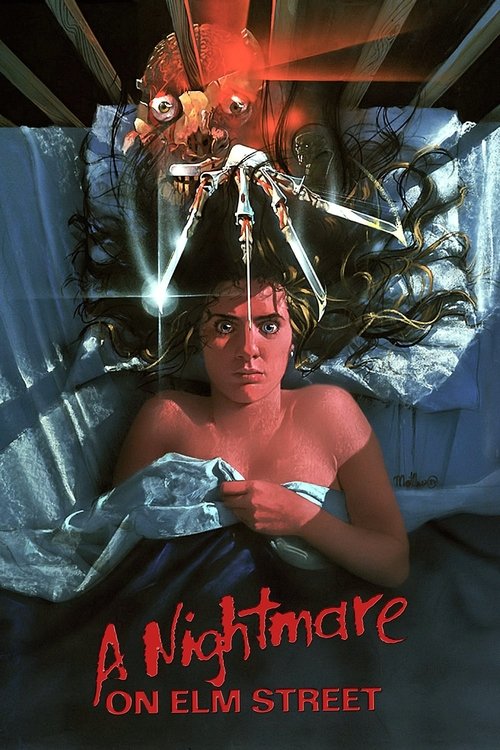
In 1996, when horror was a bad word and the slasher subsect had been relegated to bargain bins and a straight-to-VHS lifespan, genre maestro Wes Craven ( A Nightmare on Elm Street , The Hills Have Eyes ) and a (then) relatively unknown Kevin Williamson dared to defy the conventions by creating a film that played into the stereotypes whilst simultaneously commenting on them.
They inherit the controls originally operated, respectively, by then-newcomer screenwriting Kevin Williamson — who’s credited as an executive producer here — and veteran horror director Wes Craven (“A Nightmare on Elm Street”), who died in 2015.
And in “Scream (1996),” Craven, who struck gold over a decade earlier with “A Nightmare on Elm Street,” gave us a highly stylized version of suburban America.
Ultimately — and to its unimpeachable credit — the first Scream was, at root, a solid piece of craft, director Wes Craven's third horror classic after 1972's The Last House on the Left and the Reagan-era essential A Nightmare on Elm Street .
The first Scream came onto the scene following a slew of ’80s slashers like Friday the 13th , Child’s Play , and (Craven’s own) A Nightmare on Elm Street , with a jaundiced, critical eye.
One of the true masters of horror, Wes Craven ("The Last House on the Left", "A Nightmare on Elm Street") directed "Scream" and all three of its sequels.
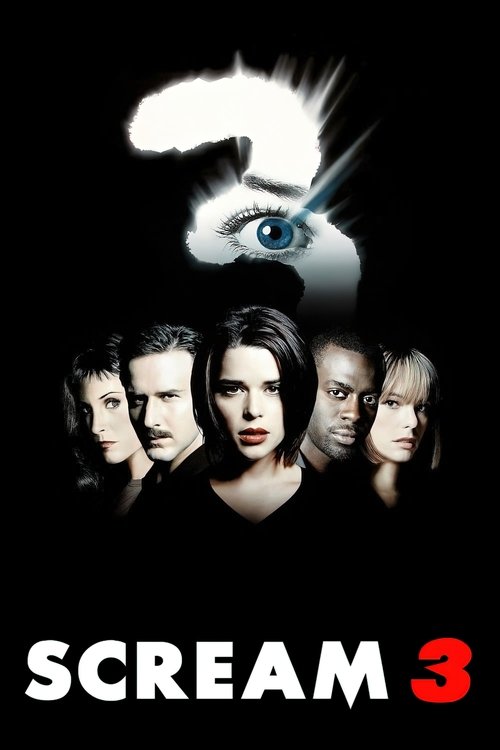
The 2000 movie “Scream 3” added a movie-within-a-movie storyline, by creating a fictional horror movie series called “Stab,” which was inspired by what happened in the first “Scream” movie.
The series lives and dies (so to speak) by this delicate balance of gory horror and glib humor, and I was worried going in that the filmmakers would either lean too hard in one direction (the unearned nostalgia of Ghostbusters: Afterlife) or the other (the broad Scooby Doo antics of Scream 3).
Scream 3 and death by fax machine).
The less said about Scream 3 the better.
At times, this Scream is a kick in the berries to Scream 3 (2000) and 4 (2011), and rightfully deserved.
Scream 3 dropped with a thud in 2000 and while 2011’s Scream 4 was an improvement (how could it not be?), it was still lacking the magic of the first two flicks.
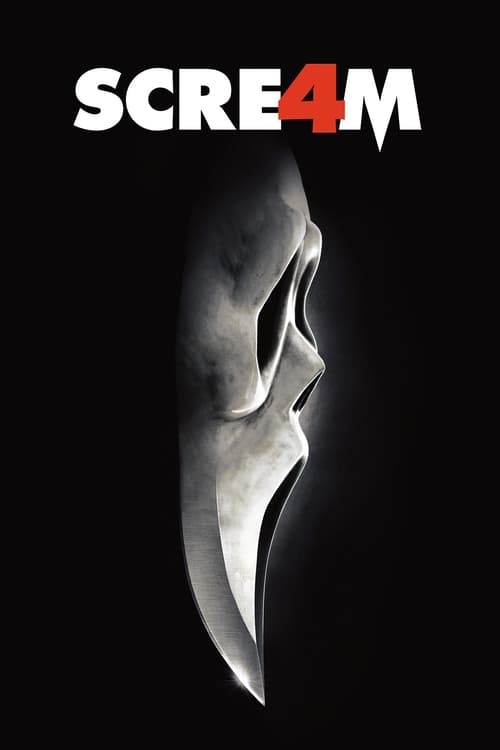
Several characters are pseudo copycats of the original cast – thanks to the fact that nearly everyone is a relative of someone from the first film: twins Mindy (Jasmin Savoy Brown) and Chad (Mason Gooding) are Randy Meeks’ niece and nephew, loner Wes (Dylan Minnette) is the son of Scream 4 ‘s Deputy Judy Hicks (who returns here as the town’s Sheriff in Dewey’s absence).
Once again, to be exact since the late Wes Craven (who unfortunately passed away in 2015) and original screenwriter Kevin Williamson has previously attempted to revive the franchise to sadly uneven results in Scream 4 a.k.a.
Though much has changed since Scream 4 , including the passing of series director Wes Craven in 2015 and the evolution of horror films since the arrival of A24, it’s up to Ready or Not directors Matt Bettinelli-Olpin and Tyler Gillett (aka Radio Silence) to take up the mantle and build upon the house that Wes and Kevin built.
2011’s Scream 4 was greeted with a lukewarm reception and disappointing box office (neither of which it deserved), and any further plans were put on hold after Wes Craven’s tragic death in 2015.
What’s more, even fans might quibble that this film’s “requel” conceit covers too similar ground to Scream 4’s meditation on reboots.
Hence, Scream 4 , which isn’t so much offended by the idea of remakes and reboots as it is bemused by them, acting as an acknowledgment that the characters and conventions of the slasher had, indeed, remained relevant, but that the franchises themselves had become stale through both oversaturation and a lack of innovation.
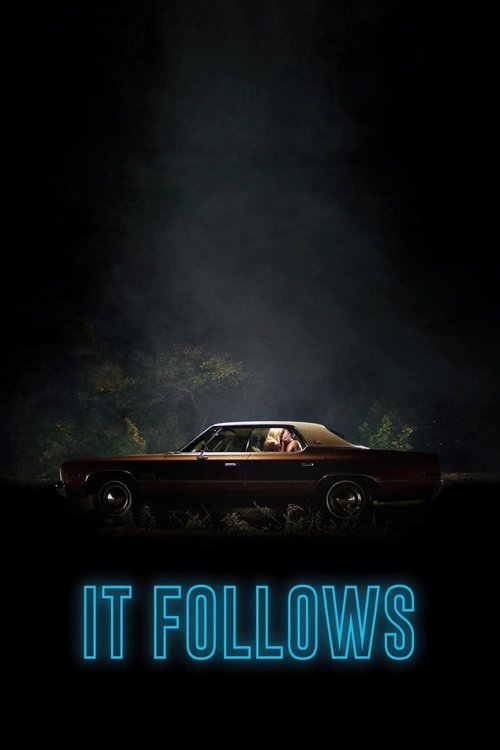
“Scream” is hip with the times much in the same way its predecessors were, throwing nods to Rian Johnson, “It Follows” and “Hereditary” and playfully toys with audience expectations.
Scream is hip with the times much in the same way its predecessors were, throwing nods to Rian Johnson, It Follows and Hereditary and playfully toys with audience expectations.
What’s the most impressive about this installment of Scream is how much fun it’s having, poking fun at the horror genre, with characters referencing films such as It Follows or Hereditary , but also riffing on the Stab series in its own Scream universe.
In the movie’s opening phone call, one that mirrors the call Drew Barrymore received in the original, Tara (Jenna Ortega) — after initially ignoring a strange call on “the landline” — tells the strange voice on the other end (again Roger Jackson, franchise MVP) that she prefers “elevated horror” like “The Babadook,” “Hereditary” and “It Follows.”
No more last-century horror shoutouts when the kids have such newbies as "It Follows," "Hereditary" and "The Witch" as reference points.
While there are plenty of meta jokes and cool, hip references to The Babadook and It Follows, the film still feels dated.
Advertisement
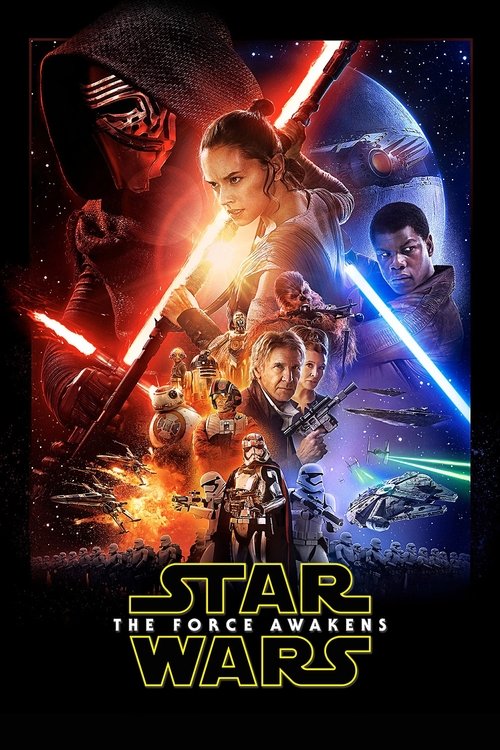
Confusingly bearing the same title as the 1996 original (a joke, I suppose on the recent “Halloween” and “Shaft”), it follows the format of what critic Matt Singer calls “legacy sequels” – in this picture they’re annoyingly referred to as “requels” – like “The Force Awakens” or “Ghostbusters: Afterlife” that surround a new cast with a few of your favorite old characters and basically re-enact the original picture with enough nostalgic nods to give undiscerning viewers obsessed with their own childhoods quote-unquote “all the feels.”
The movies cited are the recent Halloween films that brought back Jamie Lee Curtis, but a more appropriate reference point may well be The Force Awakens , which brought back beloved Star Wars heroes but made them background players in a younger cast’s story line.
Though it shares a title with the 1996 slasher satire that launched a new era of meta moviemaking (and three sequels), 2022’s Scream actually follows the model of 2015’s Star Wars: The Force Awakens: task beloved characters from the original film with handing off the baton to a younger generation.
They’re pandered to with ‘legacy sequels’, like The Force Awakens , Ghostbusters and, well, this, which give them the nostalgia hit of seeing old characters again, while trying to tempt them with new ones.
Ever since the world flocked to the one-two punch of Jurassic World and Star Wars: The Force Awakens in 2015, major movie studios have been exploiting a whole new way of rehashing beloved franchises.
It is, instead, a “requel,” a half revisiting and half reinvention that brings in older characters to mingle with brand new ones, much as The Force Awakens did for Star Wars in 2015.
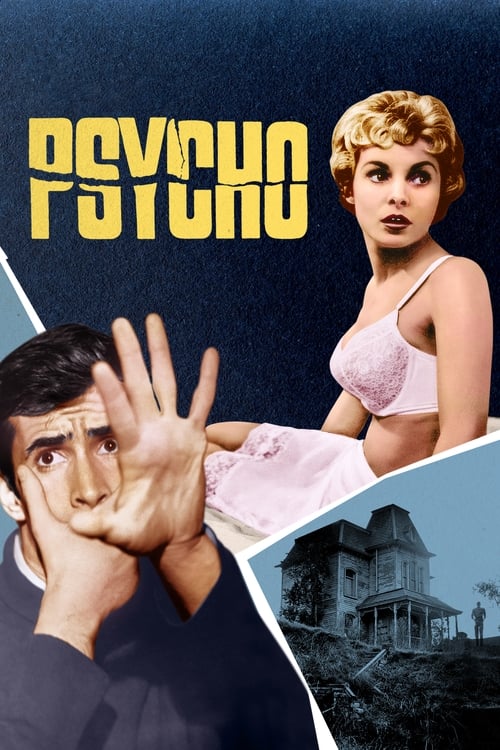
This year’s Scream (not to be confused with 1996’s Scream , of course) contains a moment with a Matryoshka doll of references: a low-angle shot of a showerhead echoes the scene from movie-within-a-movie Stab in 1997’s Scream 2 , which was obviously itself nodding to 1960’s Psycho .
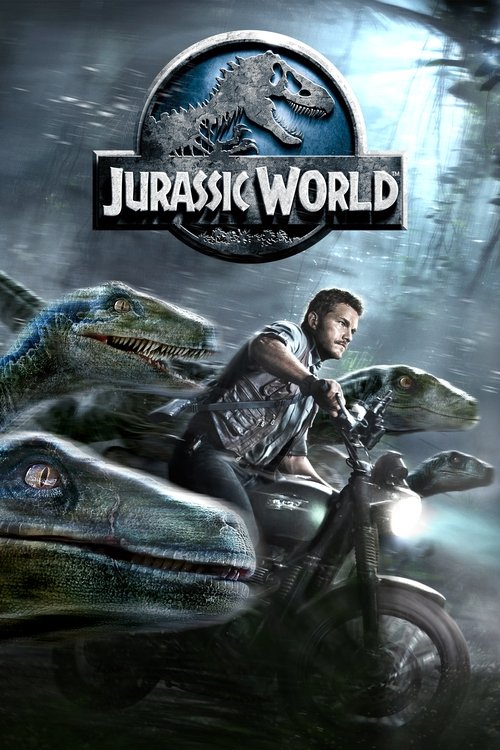
Also on the chopping block is the recent obsession with “requels” – ie the sequel that’s really a sly remake à la Jurassic World and Ghostbusters: Afterlife .
Ever since the world flocked to the one-two punch of Jurassic World and Star Wars: The Force Awakens in 2015, major movie studios have been exploiting a whole new way of rehashing beloved franchises.
Whatever you call it, big franchise pictures like Jurassic World , Ghostbusters: Afterlife , or even never-rebooted MCU entries tend to have at least one or two characters who can speak self-referentially about the events of previous installments.
They make fun of “The Witch,” “Jurassic World,” “The Last Jedi,” Jamie Lee Curtis, David Arquette and Courteney Cox’s divorce and on and on.
But as the commercial success of Star Wars: The Force Awakens , Jurassic World , and Ghostbusters: Afterlife makes clear, requels can be big business.
Like Ghostbusters: Afterlife , the 2018 Halloween , and Jurassic World , these films have to offer something new, but not too new.

Instead, we’re reminded of Danny Glover’s immortal line from the Lethal Weapon movies: “I’m too old for this shit.”
Advertisement
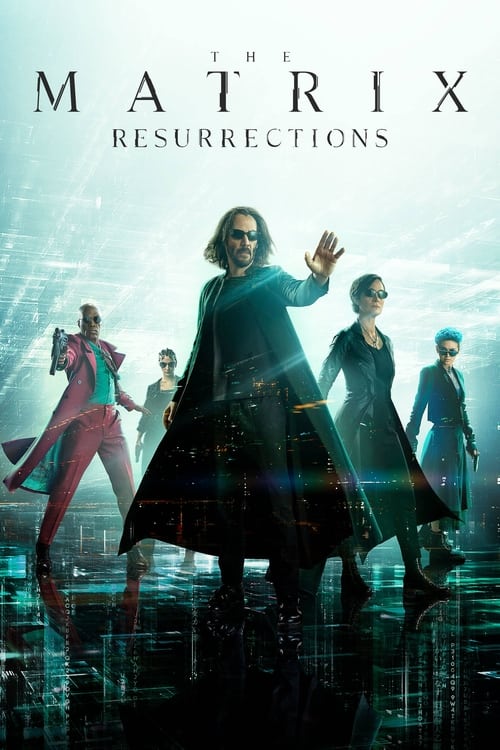
The comedy sometimes gets a little too lost in its own self-awareness, but the commentary on fan culture is surprisingly sharp, channeling some of the same sentiments that Lana Wachowski put into the recent The Matrix Resurrections .
It’s hard to not compare 2022’s “Scream” with “The Matrix Resurrections.”
If Scream isn’t quite as successful of a reheat as The Matrix Resurrections, it’s because it doesn’t progress much beyond its self-referential, meta playfulness.
2022’s Scream may cut deep into the issues with legacy reboots, but it ends up being a solid example of how to do one right; it’d honestly make a great double feature with The Matrix Resurrections of all things.
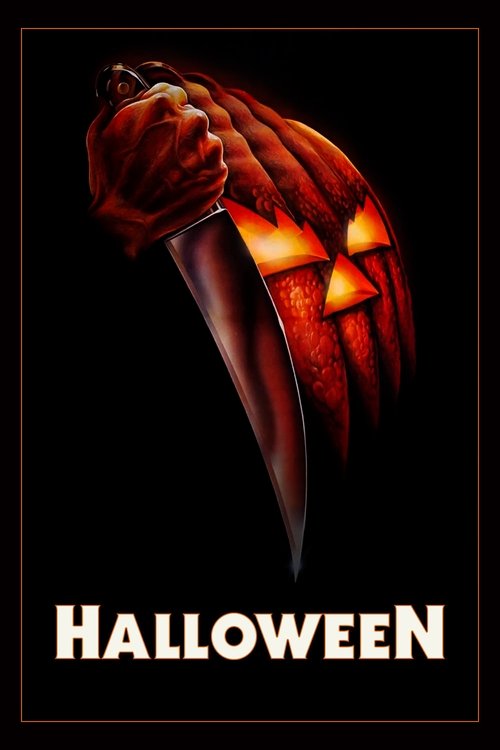
Famed slashers such as Michael Myers of Halloween , Freddy Krueger of A Nightmare on Elm Street , and Jason Voorhees of Friday the 13th are renowned for their immortality—no matter how many times they meet their demise on-screen or a “final chapter” is proclaimed in their saga, they eventually return for more.
Scream is a joyous and triumphant return for one of the most inventive franchises in horror history, arriving at a time when traditional slashers like Halloween Kills are comfortably co-existing with genre mash-ups like the terrific Freaky and Happy Death Day .
Y si ya había un Loomis -uno de los asesinos- en la Scream original, que aquí un personaje se llame Sam Loomis, como el psiquiatra que atendía a Michael Myers en Halloween ...