
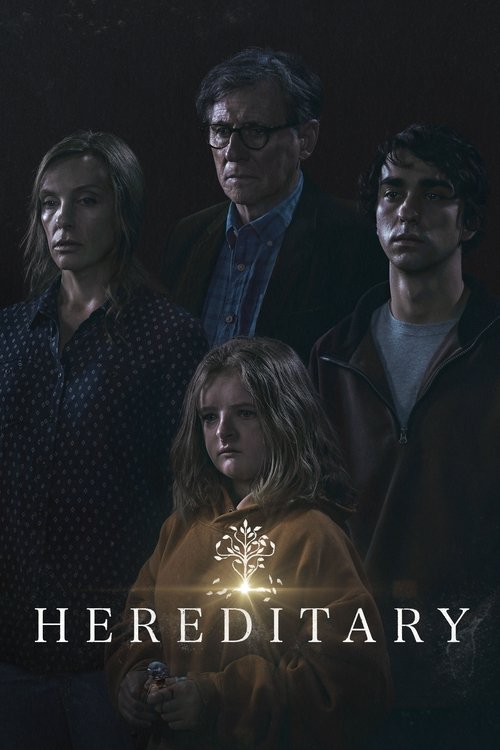
Hereditary (2018)
Directed by Ari Aster
Following the death of the Leigh family matriarch, Annie and her children uncover disturbing secrets about their heritage. Their daily lives are not only impacted, but they also become entangled in a chilling fate from which they cannot escape, driving them to the brink of madness.
29 connections found
View:
29 films that influenced Hereditary
What critics say influenced Hereditary



In the grand tradition of Jennifer Kent’s The Babadook and Robert Eggers’ The Witch , writer/director Ari Aster’s debut (in theaters June 8) is a work of malevolent formal precision and mounting-hysterics performances, all of which combine to create an expert atmosphere of dawning dread and, later, supernatural madness.
As with so much inspired horror, from Rosemary's Baby to 2014's psychologically acute The Babadook, the movie gets its breath and a palpable sense of unraveling identity from a fearless female performance, this time by Toni Collette, the revered Australian actor capable of sustained fits of mania.
Hereditary does offer less of the clean-cut metaphoric flair that a film like The Babadook chases after, since its ghosts don’t exactly function as walking metaphors for depression, grief, or alienation - or a combination of all three.
The best female lead performance in a horror film since The Babadook–which, while having more of a funhouse creature vibe, shares a similar sense of intensifying dread–the actress brings a relatable throughline of familial frustrations and maternal regrets.
Annie Graham (Toni Collette, in an intense, phenomenally complex performance to rival the one Essie Davis gave in The Babadook ) is a work-from-home artist who specializes in dioramas of her spaces, emotional and physical.
Ari Aster’s debut feature feels, in many ways, like a culmination of the art-horror renaissance ignited by the likes of Robert Eggers’ The Witch and Jennifer Kent’s The Babadook and elaborated upon by Nicolas Pesce’s The Eyes of My Mother and Veronika Franz and Severin Fiala’s Goodnight Mommy .
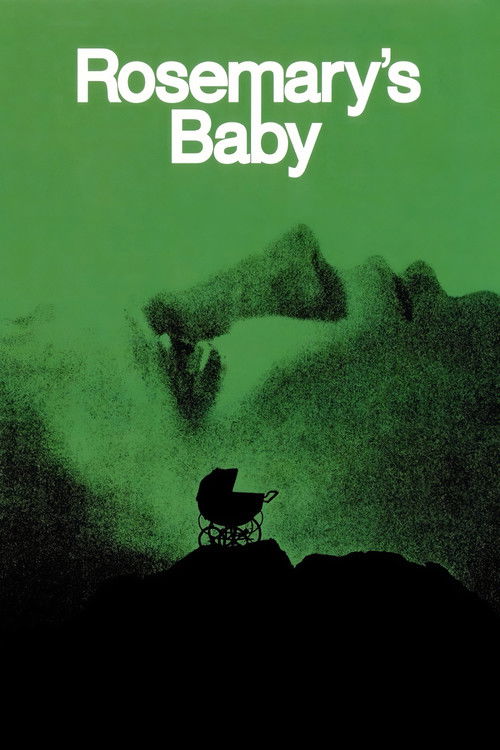
As with so much inspired horror, from Rosemary's Baby to 2014's psychologically acute The Babadook, the movie gets its breath and a palpable sense of unraveling identity from a fearless female performance, this time by Toni Collette, the revered Australian actor capable of sustained fits of mania.
But the film's patron saint is Roman Polanski, the holy text Rosemary's Baby .
Aster’s sense of precedence carefully curates some of the most effective tricks of horror’s past greats: the wide-angle shots that shape Stanley Kubrick’s The Shining, a dash of the paranoia which wracks Rosemary’s Baby, and - to dial things forward in time - the sense of stillness that haunts It Follows.
Unlike "A Quiet Place," it minimizes cheap jump-scares, and capitalizes on escalating dread similar to Stanley Kubrick's "The Shining" with generous (perhaps too generous) allusions to Roman Polanski's supernatural classic "Rosemary's Baby."
And yet, just like his earlier short, Hereditary feels like nothing more than a provocation, updating the parental anxieties of Rosemary’s Baby for the modern era — and adding no substantial allegory that makes it feel any deeper than this.
Hereditary blurs the line, while suggesting — in the grand tradition of Roman Polanski in Repulsion and Rosemary’s Baby, Nicolas Roeg in Don’t Look Now, e.g.

Aster grounds the film in realism, so you can look at Hereditary as a tragic drama about a dysfunctional family coping with grief and/or as a psychological horror film in the vein of Don't Look Now which it would make a great double feature with.
Hereditary blurs the line, while suggesting — in the grand tradition of Roman Polanski in Repulsion and Rosemary’s Baby, Nicolas Roeg in Don’t Look Now, e.g.
Taking cues from Roman Polanski’s “Rosemary’s Baby” and Nicholas Roeg’s “Don’t Look Now,” ″Hereditary” has you turn over and over questions of what’s really happening.
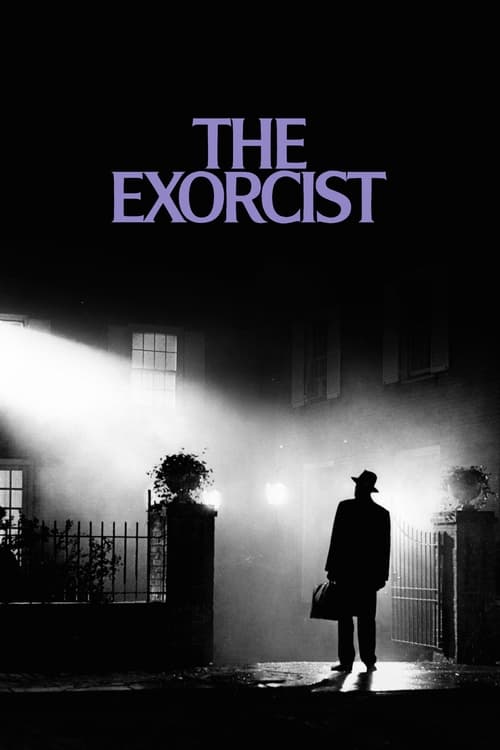
This galvanizing writing-directing debut by Ari Aster is not only one of the truest, most wrenching explorations of a family in crisis ever brought to the screen, it fast cements itself as a watermark in horror alongside Alfred Hitchcock's " Psycho ," William Friedkin's " The Exorcist ," Tobe Hooper's " The Texas Chain Saw Massacre ," John Carpenter's " Halloween ," and Daniel Myrick and Eduardo Sánchez's " The Blair Witch Project ."
Anybody sold by this being “The Exorcist for a new generation” will be left scratching their heads as a slow burning psychological thriller becomes unashamedly goofy.
“This generation’s The Exorcist” is the feverish commendation hung around the neck of this genre flick, like a recently killed albatross, and though it’s an exciting notion it’s utterly facile.
A harrowing story of unthinkable family tragedy that veers into the realm of the supernatural, Hereditary takes its place as a new generation's The Exorcist—for some, it will spin heads even more savagely.
Aster gives us a melange of “The Shining,” “The Exorcist,” and “Rosemary’s Baby,” three of the greatest of the genre, and creates his own masterpiece in the process.
There’s a fair bit of The Exorcist and Rosemary’s Baby in Hereditary, which draws on Satanic Panic ideas without directly evoking them, and draws out the story with a 1970s-style slow build.
Advertisement

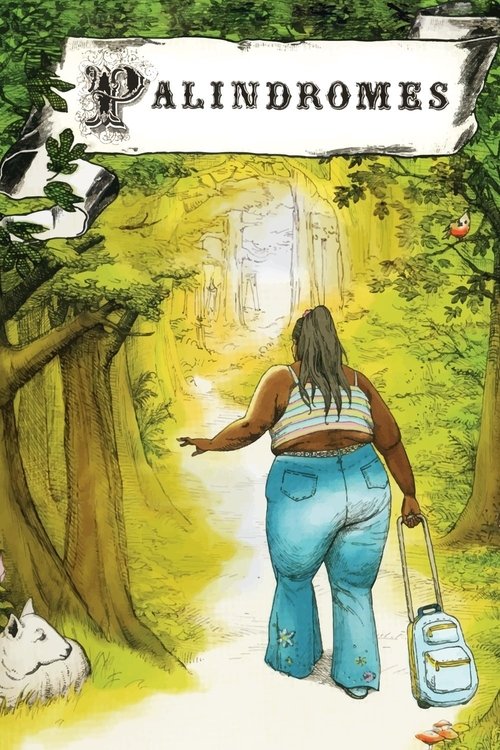
At a few points, I found myself chuckling at this brand of horror, for it reminded me of such classics as Happiness or Palindromes (in a twist, Ari Aster looks like a young Todd Solondz).
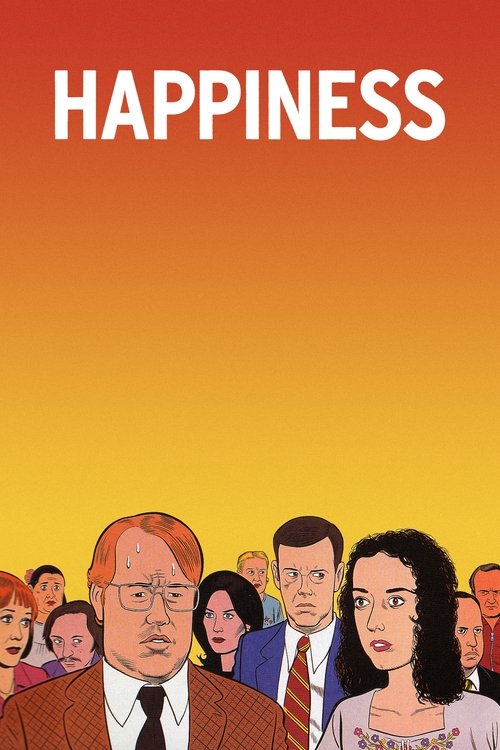
At a few points, I found myself chuckling at this brand of horror, for it reminded me of such classics as Happiness or Palindromes (in a twist, Ari Aster looks like a young Todd Solondz).
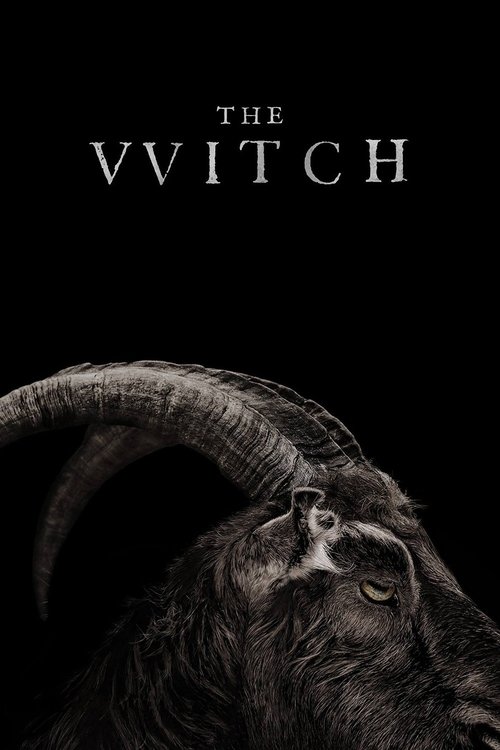
In the grand tradition of Jennifer Kent’s The Babadook and Robert Eggers’ The Witch , writer/director Ari Aster’s debut (in theaters June 8) is a work of malevolent formal precision and mounting-hysterics performances, all of which combine to create an expert atmosphere of dawning dread and, later, supernatural madness.
It happened with It Follows (2014) and The Witch (2015) – both fine films, but hardly the soul-scarring fright fests promised by the advertising campaigns – and apparently it’s happening again with Ari Aster’s Hereditary.
In 2017 it was Jordan Peele’s Get Out ; in 2016 it was Robert Eggers’ The Witch ; in 2018 that honor goes to Ari Aster’s Hereditary .
Ari Aster’s debut feature feels, in many ways, like a culmination of the art-horror renaissance ignited by the likes of Robert Eggers’ The Witch and Jennifer Kent’s The Babadook and elaborated upon by Nicolas Pesce’s The Eyes of My Mother and Veronika Franz and Severin Fiala’s Goodnight Mommy .
The 31-year-old filmmaker, known for such potent short films as Munchausen and The Strange Thing About the Johnsons, approaches the supernatural like Jennifer Kent did in The Babadook and Robert Eggers did in The Witch: with an artist's eye for what lies beneath.
Premiering in Sundance’s Midnight section, this A24 release deserves comparison to the studio’s previous indie-horror offerings The Witch ($40 million worldwide) and It Comes At Night ($19 million), and fans of slow-burn creepers should line up in droves.
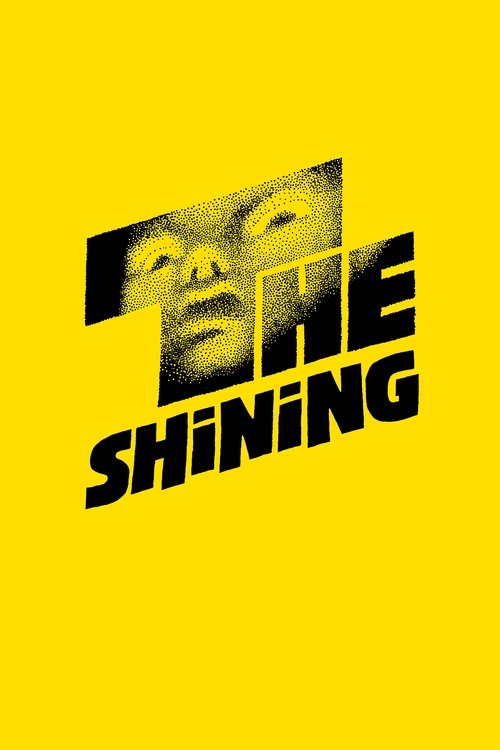
Aster’s sense of precedence carefully curates some of the most effective tricks of horror’s past greats: the wide-angle shots that shape Stanley Kubrick’s The Shining, a dash of the paranoia which wracks Rosemary’s Baby, and - to dial things forward in time - the sense of stillness that haunts It Follows.
Unlike "A Quiet Place," it minimizes cheap jump-scares, and capitalizes on escalating dread similar to Stanley Kubrick's "The Shining" with generous (perhaps too generous) allusions to Roman Polanski's supernatural classic "Rosemary's Baby."
Aster gives us a melange of “The Shining,” “The Exorcist,” and “Rosemary’s Baby,” three of the greatest of the genre, and creates his own masterpiece in the process.
Newcomer Milly Shapiro receives the honor of playing Charlie, the creepiest child to grace a cinema screen since the infamous twins in The Shining; she is clearly disturbed and not right in the head, eliciting unstable mental behavior with literally every facial expression.
It’s an eerie mood piece that slowly and surely tightens the thumb screws before all hell breaks loose; that and the fact that much of “Hereditary” takes place in one rambling dark house is evidence that Aster has spent a lot of time studying “The Shining,” “The Exorcist,” and “Rosemary’s Baby.”
Hereditary lifts from an adventurous range of influences that spans from the problem-spawn classic Rosemary's Baby through the malignant mood piece The Shining to the non-horror family grief drama In the Bedroom, with dollops of Greek tragedy and textbook demonology stirred into the mix.
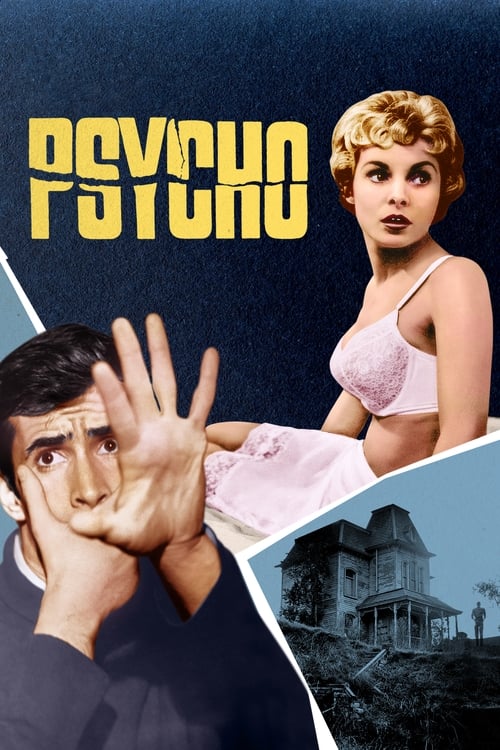
This galvanizing writing-directing debut by Ari Aster is not only one of the truest, most wrenching explorations of a family in crisis ever brought to the screen, it fast cements itself as a watermark in horror alongside Alfred Hitchcock's " Psycho ," William Friedkin's " The Exorcist ," Tobe Hooper's " The Texas Chain Saw Massacre ," John Carpenter's " Halloween ," and Daniel Myrick and Eduardo Sánchez's " The Blair Witch Project ."
Aster, who reportedly based this movie on his own terrible family histories, says in the production notes that he wanted "Hereditary" to be his version of "Janet Leigh stepping into the shower" from Alfred Hitchcock's plot-flipped "Psycho."
Advertisement
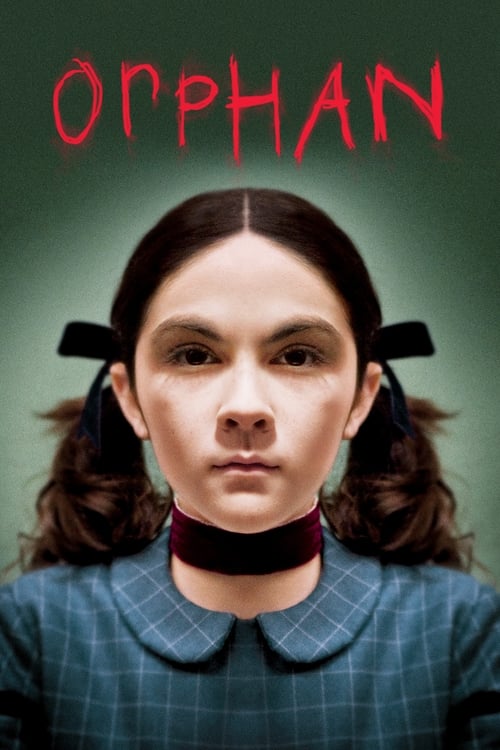
Annie and her husband Steve (Gabriel Byrne) have two children: the cool-kid teenager Peter (Alex Wolff) and his emotionally distant, lonely little sister Charlie (Milly Shapiro), who exudes a something-is-not-right feel akin to Isabelle Fuhrman in Jaume Collet-Serra’s Orphan.
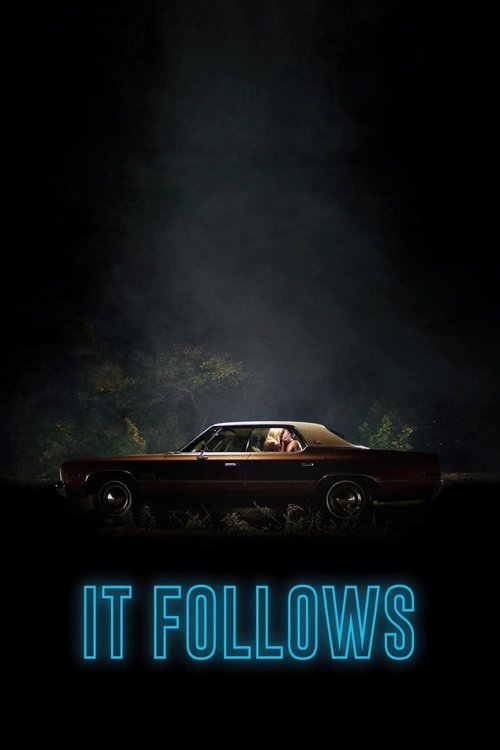
It happened with It Follows (2014) and The Witch (2015) – both fine films, but hardly the soul-scarring fright fests promised by the advertising campaigns – and apparently it’s happening again with Ari Aster’s Hereditary.
Aster’s sense of precedence carefully curates some of the most effective tricks of horror’s past greats: the wide-angle shots that shape Stanley Kubrick’s The Shining, a dash of the paranoia which wracks Rosemary’s Baby, and - to dial things forward in time - the sense of stillness that haunts It Follows.
Minutes after its midnight premiere at the 2018 Sundance Film Festival, Ari Aster’s “Hereditary” was drawing comparisons to previous Sundance horror hits like “ The Babadook ” and “ It Follows .”
“Hereditary” is an entry in a slow-horror movement that has taken wing in recent years and that includes films like “It Comes at Night,” “It Follows,” “The Witch,” even the recent “A Quiet Place.”