
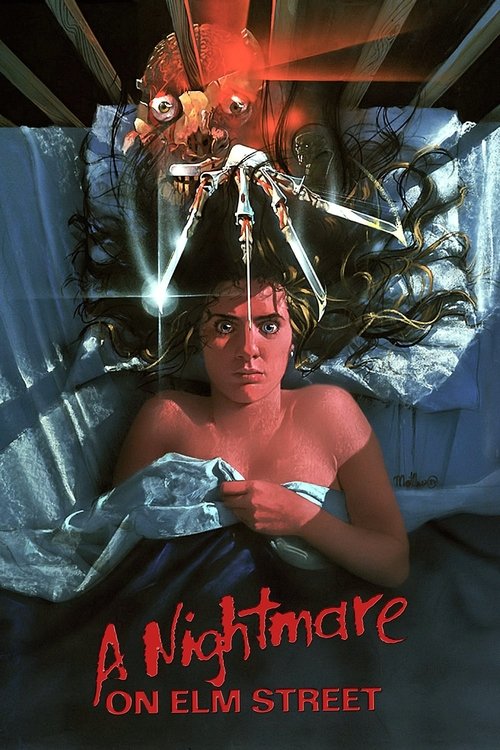
A Nightmare on Elm Street (1984)
Directed by Wes Craven
Teenagers in a small town are dropping like flies, apparently in the grip of mass hysteria causing their suicides. A cop's daughter, Nancy Thompson, traces the cause to child molester Fred Krueger, who was burned alive by angry parents many years before. Krueger has now come back in the dreams of his killers' children, claiming their lives as his revenge. Nancy and her boyfriend, Glen, must devise a plan to lure the monster out of the realm of nightmares and into the real world...
7 connections found
View:
7 films that influenced A Nightmare on Elm Street
What critics say influenced A Nightmare on Elm Street
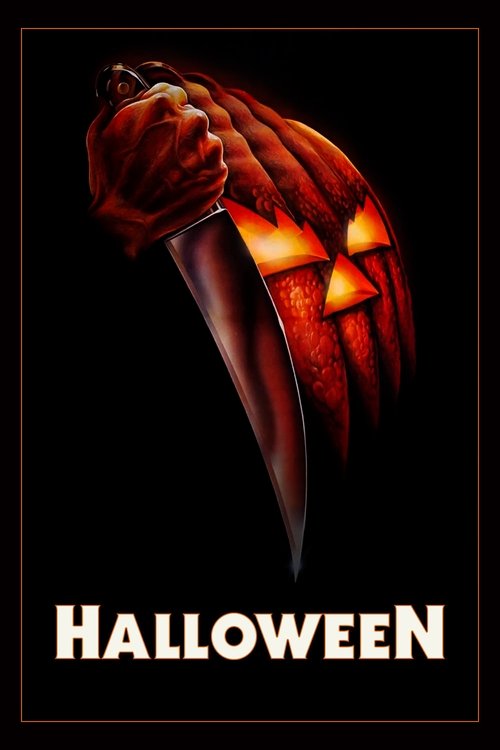


Of the "Big Three" slasher series'?" Halloween ," " Friday the 13th ," and this one?the…
That's not necessarily the Really Big Deal about this film, the part that rejuvenated the very idea of the slasher, but I wanted to mention it first because it goes to the heart of something much more important than why it is an interesting slasher movie - why it is a good slasher movie, certainly the best example of the genre since at least Halloween in 1978.
He vies for the title with the Halloween cycle's Michael Myers and the hockey-mast wearing Jason from the Friday The 13th films.
Wes Craven's gory tale of undead kiddie-killer Freddy Krueger and the teens he terrorizes via dreams was a slickly produced variation on Halloween's return-of-the-repressed conceit that boasted empathetic lambs for the slaughter, an iconic villain, and an overabundance of twisted, horrifyingly surreal sights that effectively tapped into the link between carnality and death.
When he wrote the script in 1981, the landscape was already populated with slasher flicks like The Texas Chainsaw Massacre, Halloween and Friday the 13th, but for some reason no one wanted the story.
Indeed, in both concept and execution, the first A Nightmare on Elm Street has a great deal more to offer than the Friday the 13th films or the Halloween sequels.
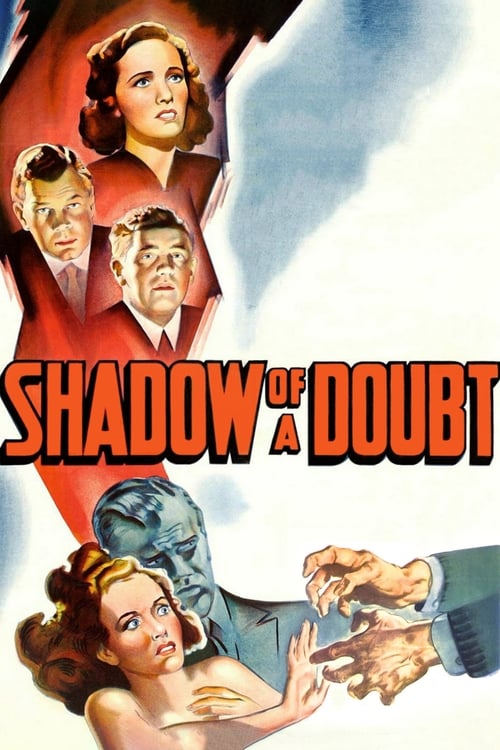
Toss in all the usual hang-ups about youth and suburban life — drugs, sex, and irresponsible, late-night behavior — and this cycle of films amounts to a critique of middle-class suburbia as arguably piquant as Hitchcock’s Shadow of a Doubt, exploiting the conservative jitters about animalistic urges lurking beneath the placid surface of the American Dream.
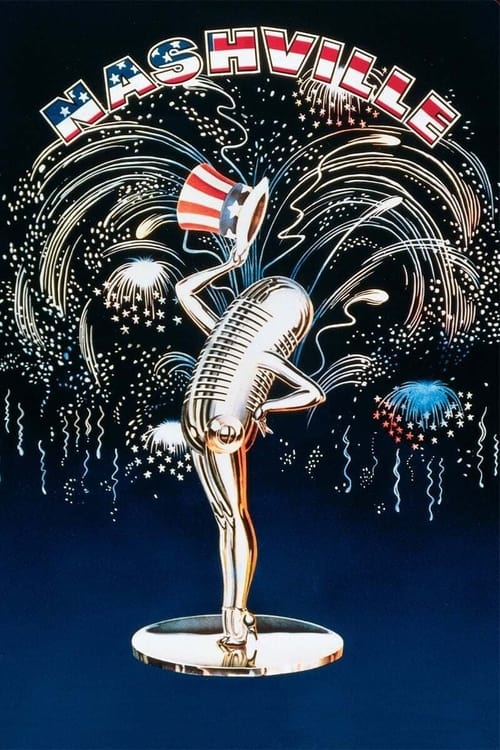
I would be remiss if I didn’t mention the performance by Blakely (“Nashville”), which, well, is hilarious.
As Nancy's worried, not-all-together mother Marge, Ronee Blakley (1975's " Nashville ") does a fine job essaying a boozy woman paying the price years later for the violent murder she had a hand in committing.

As far as I'm concerned, Wes Craven's A Nightmare on Elm Street is one of the best horror films of the 1980s -- which puts it on a playing field with Friday the 13th, Re-Animator, The Thing, Hellraiser, The Fly, both Evil Deads, and probably a dozen other classics you can think of.
Would that the damned things had just been put out of their misery, but instead, they were saved by a not-so-unlikely hero (who would turn up to do it again in 1996): Wes Craven, one of the Grand Masters of 1970s horror, creator of the infamous The Hills Have Eyes and the notorious Bergman remake The Last House on the Left , which in a neat illustration of the horror genre's incestuous family tree was produced by none less than the talentless Sean S. Cunningham, auteur of Friday the 13th itself.
When he wrote the script in 1981, the landscape was already populated with slasher flicks like The Texas Chainsaw Massacre, Halloween and Friday the 13th, but for some reason no one wanted the story.
Advertisement
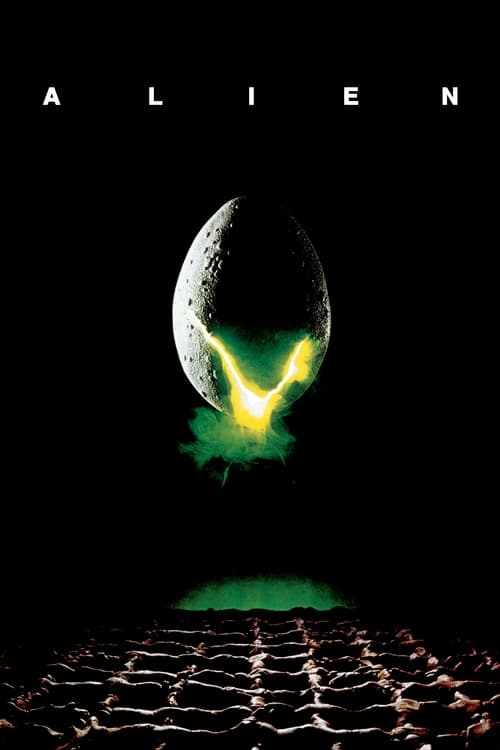
In fact, she's probably closer to Alien 's Sigourney Weaver than to Halloween's Jamie Lee Curtis.
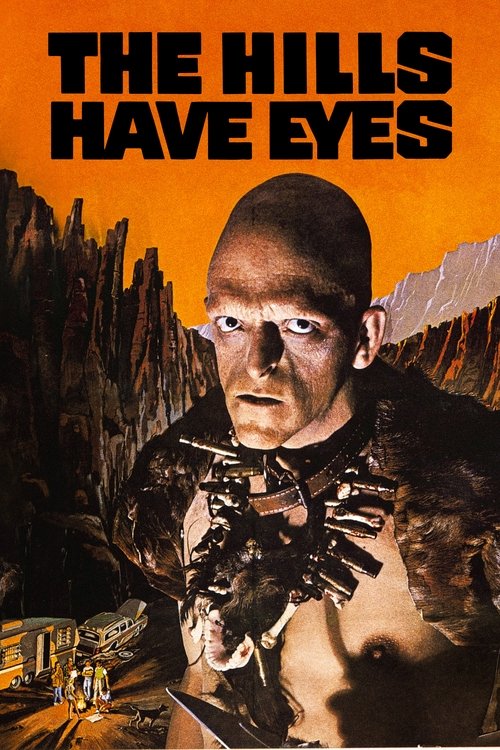
While still a relatively obscure filmmaker in 1984, his almost gleeful awareness of horror movie formulas allowed him to turn their cliché-ridden principles upside down right from the beginning, as witnessed by endeavors like “Last House on the Left” (a brilliant film) and “The Hills Have Eyes” (a lesser example).
Two of his previous outings, 1978's The Hills Have Eyes and 1982's campy comic book adaptation, Swamp Thing, had developed cult followings, but Craven was far from a mainstream director.
After The Last House on the Left and The Hills Have Eyes, two monumentally unpleasant horror films that prey upon the social anxieties of the 1970s, Craven took up the mantle (and the playbook) of John Carpenter and Sean Cunningham.
After making such cult horror classics as 1972's Last House on the Left and 1977's The Hills Have Eyes, then turning his hand to comic-book movies with the unsatisfactorily cheapo Swamp Thing (1982), Wes Craven hit the big time with this seminal schlocker.
Long before Wes Craven made Scream or even A Nightmare on Elm Street (and especially Music of the Heart), he made The Hills Have Eyes - a sporadically effective Texas Chain Saw Massacre ripoff.
Sandwiched between his notorious saga of rape, revenge, and realist horror, Last House on the Left (1972), and his franchise-initiating fairytale of supernatural serial killing, A Nightmare on Elm Street (1984), Wes Craven's The Hills Have Eyes tends to get lost in critical discussion of America's reigning horror auteur.
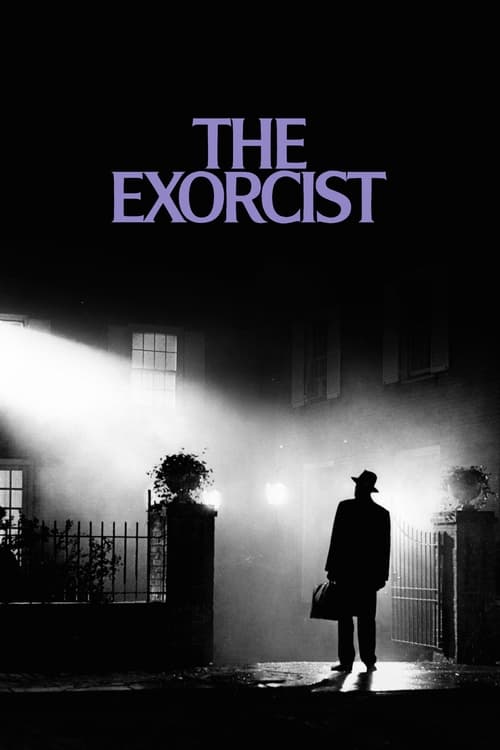
Elsewhere, there's Royal Wedding for Wyss� slaughter, The Exorcist for Langenkamp�s test, and Vampyr for the ultimate awakening.
When Tina falls asleep again, she begins convulsing in a manner most upsetting to Rod, made all the worse by the deep gashes that suddenly appear in her stomach mere seconds before she is thrown against the fucking wall and then the fucking ceiling, leaving blood every fucking where, in a scene that manages to do every single thing that I've always wanted The Exorcist to do, but that's really neither here nor there.