

F. W. Murnau
32 connections found
View:
Connections, in both directions
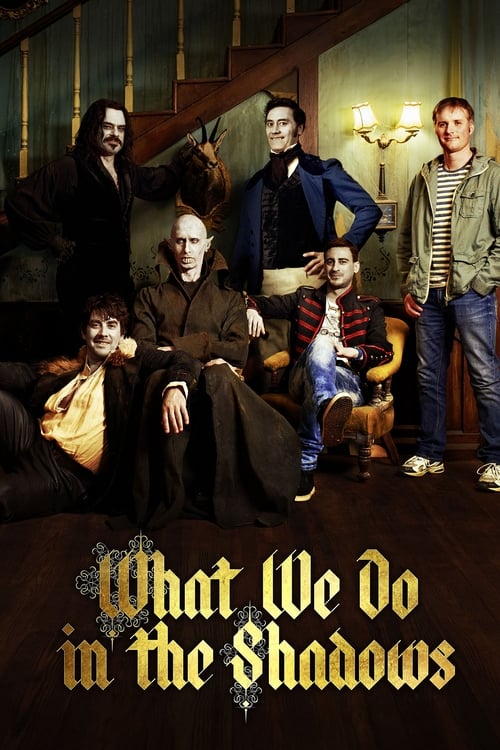
What We Do in the Shadows (2014)
Directed by Jemaine Clement
influenced by Nosferatu (1922)
Visuals Themes Characters


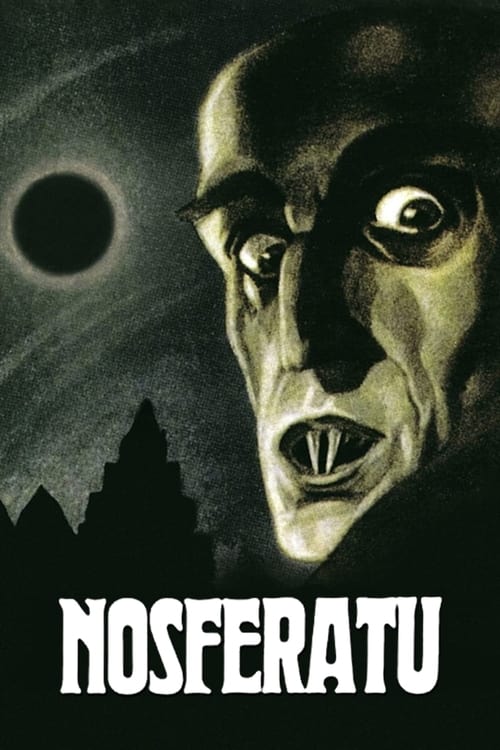
The genial Viago (Waititi), a 17th-century dandy, affects the frilly shirts and jewelry of the Hammer horror movies; Vladislav (Clement), a 12th-century hypnotist and impaler, favors the swarthy pop-star look of Gary Oldman in Bram Stoker's Dracula ; Petyr (Ben Fransham), apparently even older, is a mirror image of the rodentlike bloodsucker in Nosferatu ; and Deacon (Jonathan Brugh), the baby at 183, is the "bad boy" of the group, Viago explains in his ongoing narration to the camera.
While individual gags and cineliterate nods (from Nosferatu to Blade ) may have comical bite, there’s not enough meat to sink its feature-length fangs into.
And they do it while paying reverent tribute to the great vampire movies of the past, from Fransham’s Petyr being a deadringer for the iconic fiend from the classic “Nosferatu,” to Waititi’s fastidious Viago (He implores his messy roomies to please stop getting blood all over his antique couch.)
Airing more on the side of comedy, Clement and Waititi poke fun at numerous vampire generations in the same movie, from Nosferatu to Twilight, and they do so through a Big Brother-esque documentary that introduces audiences to a group of vampires just trying to survive in today’s crazy, monster-hating world.
Which is exactly how What We Do in the Shadows operates; scuttling between genres, sucking in references from Nosferatu to Twilight, and spraying out comedic lifeblood by way of a banal, acerbic perspective, and fully-realised characters.
Jonathan Brugh’s Deacon nods to the bad-boy bloodsuckers of The Lost Boys, while Ben Fransham’s Petyr – bald, ghastly white and with a mouth full of crooked fangs – is a genuinely unsettling evocation of the great Nosferatu.

With its industrial sound effects (including, Mark Korven's menacingly booming score), suffocating black and white photography, and dreamlike narrative logic, The Lighthouse evokes David Lynch's monochrome nightmare Eraserhead, as well as the cosmic terror of H.P. Lovecraft and the silent expressionist cinema of F.W. Murnau (Eggers is an admitted Nosferatu fanboy, after all), right down to its vintage square box aspect ratio.
His initial follow-up was set to be the third iteration of Nosferatu , the immortal Murnau take on Dracula.
It’s rather telling that the director opted for this aesthetic given that his second feature was originally supposed to be a remake of Nosferatu – and if this film is any indication, he probably would’ve nailed it.
La mimesis de la realidad es reemplazada por su inevitable abstracción, construida en tonos de gris y negro, luminismo hecho de blancos y sombras que recuerda los claroscuros expresionistas de El gabinete del Dr. Caligari (1920) de Robert Wiene y Nosferatu (1922) de F.W. Murnau.
Reportedly, Eggers has since been attached to a Nosferatu remake and a miniseries about Rasputin, both of which sound very interesting.
After the critical success of his abstract 2016 horror The Witch , he signed on to direct a reimagining of Nosferatu - but with that project seemingly fallen by the wayside, he’s instead channelled his desire to update the early horror films of the German Expressionism movement into his boldly original second feature.
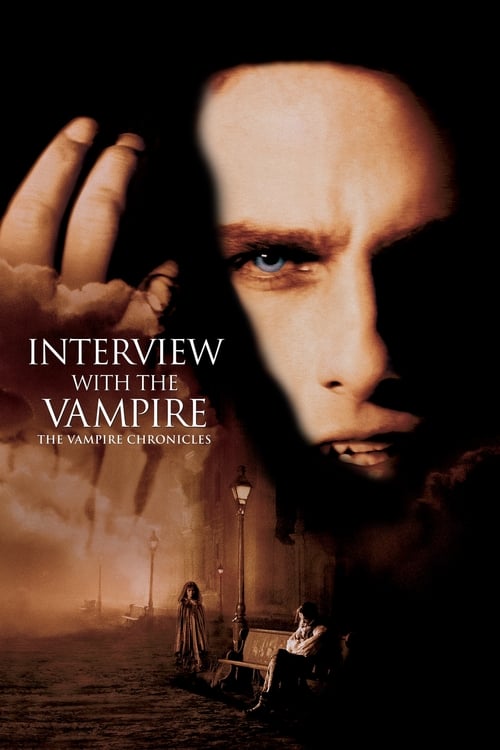
Interview with the Vampire (1994)
Directed by Neil Jordan
influenced by Nosferatu (1922)
Themes Visuals
I love vampire flicks, going all the way to the silent "Nosferatu" through Lugosi and Lee to "Bram Stoker's Dracula" and "The Lost Boys."
Director Neil Jordan ( The Crying Game ) imbues several scenes with eerie poetry that honors such great movie fantasists as Jean Cocteau and Nosferatu director F.W. Murnau, and these touches look good on video — this shadowy movie has been sensitively transferred to the small screen.
But the first great vampire movie, " Nosferatu " (1922), knew better, and so does this one.
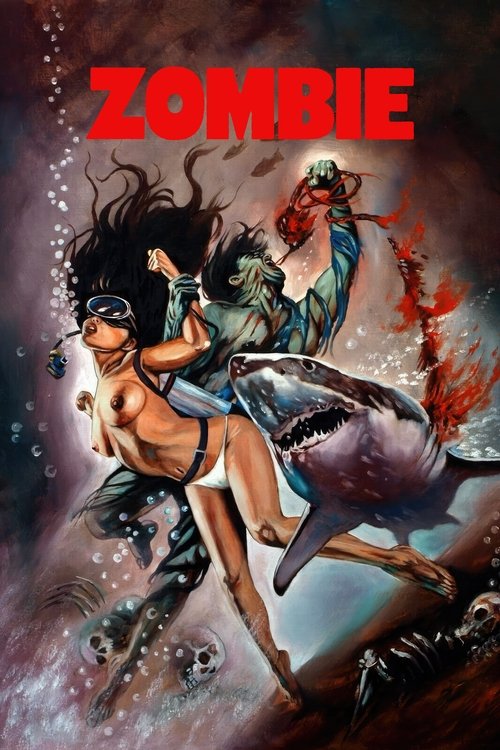
The film, which was written by Elisa Briganti (who later worked with Fulci on Manhattan Baby and House by the Cemetery), opens with a nod to F.W. Murnau’s unauthorized Dracula adaptation Nosferatu (1922) as an abandoned sailboat slowly wanders into the New York harbor.
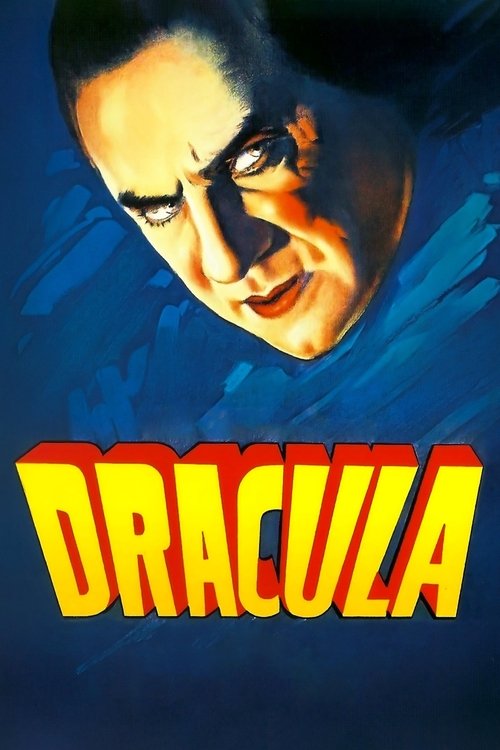
Dracula (1931)
Directed by Tod Browning
influenced by The Last Laugh (1924), Nosferatu (1922)
Visuals Plot
Known as the Great Impressionist for his innovative way of providing "impressions" of reality through the moving camera, Murnau worked with cinematographers Robert Baberske and Karl Freund, who significantly would later film Fritz Lang's Metropolis before moving on to a lengthy career in Hollywood with films like Browning's Dracula and Huston's Key Largo to his credit.
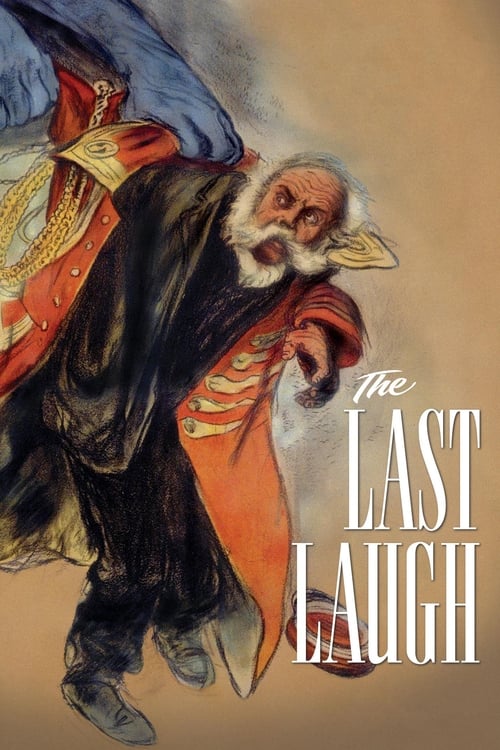
The look of Browning's "Dracula” was inspired by Murnau's gloomy gothic visuals, well known to the German cameraman Freund, who worked with Murnau on " The Last Laugh .”
The cinematographer, Karl Freund, came to Hollywood from Germany (where he worked on films like Metropolis, The Golem, and Murnau's The Last Laugh), and was known for his use of tracking shots and camera movement.
Freund had worked on such groundbreaking movies as Fritz Lang's Metropolis (1926), and M (1931), F.W. Murnau's The Last Laugh (1924), and Lewis Milestone's All Quiet on the Western Front (1930).
Throughout the film, Murnau draws a fateful triangle between Dracula, Harker and Mina.
“Nosferatu” is a better title, anyway, than “Dracula.”

Peter Cushing carries most of the ho-hum script as Dr. Van Helsing, though the well-lit color photography, central to the Hammer formula, can't compare with the shadowy magnificence of Nosferatu (1922) or Dracula (1931).
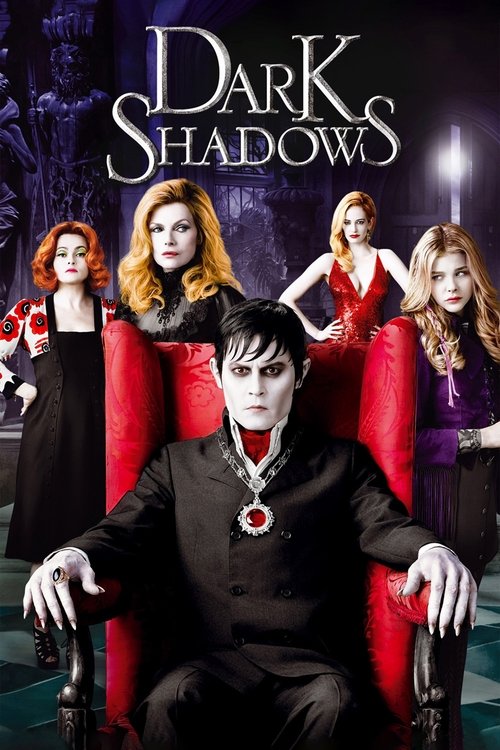
With a look that takes its inspiration from equal parts "Edward Scissorhands" and F.W. Murnau's "Nosferatu," Depp once again affects the chalky pallor that has become something of a signature throughout his eight-movie collaboration with Burton.
A lot of this is due to Depp’s performance, which is comparatively restrained and relies a lot on Burton making him resemble Count Orlok in Nosferatu with a strange haircut.
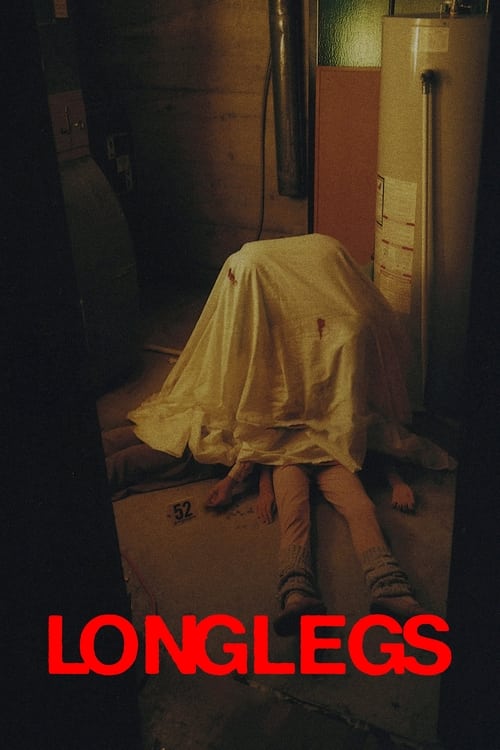
That nickname applies to an instantly iconic Nicolas Cage creation, no less disturbing than Max Schreck’s hunchbacked Nosferatu, a performance that has been a career-long inspiration for Cage. Like that early screen vampire, Longlegs puts us on edge with his twisted body language and exaggerated gestures — that, plus odd framing that crops him off at the head, explains how the character manages to worm his way into our brains.
The Bride! (2026)
Directed by Maggie Gyllenhaal
influenced by Sunrise: A Song of Two Humans (1927)
Visuals
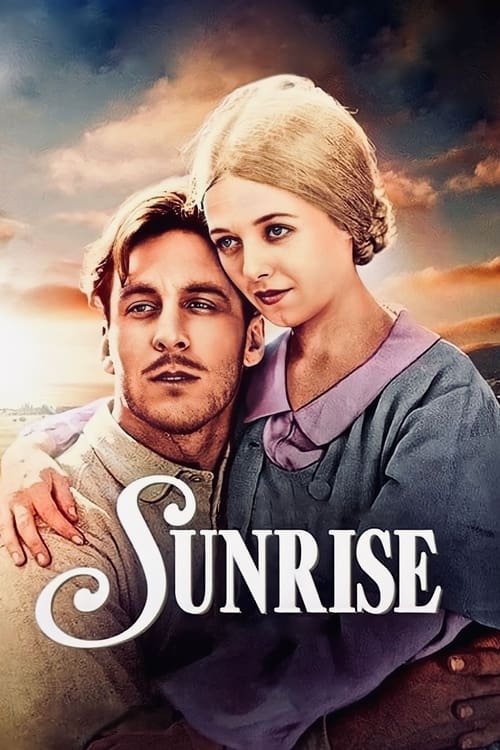
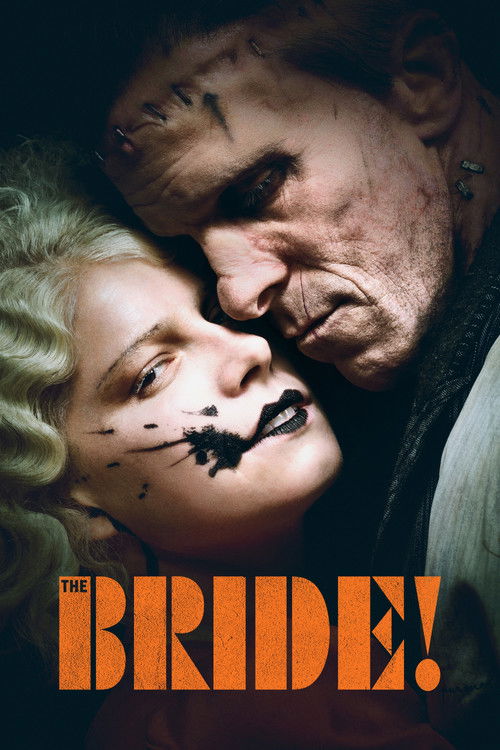
You’ll find visual inspiration from F.W. Murnau’s “Sunrise: A Song of Two Humans” and the lowdown scuzz works of Frank Henenlotter.
Nosferatu (2024)
Directed by Robert Eggers
influenced by Faust (1926), Nosferatu (1922)
Visuals Themes
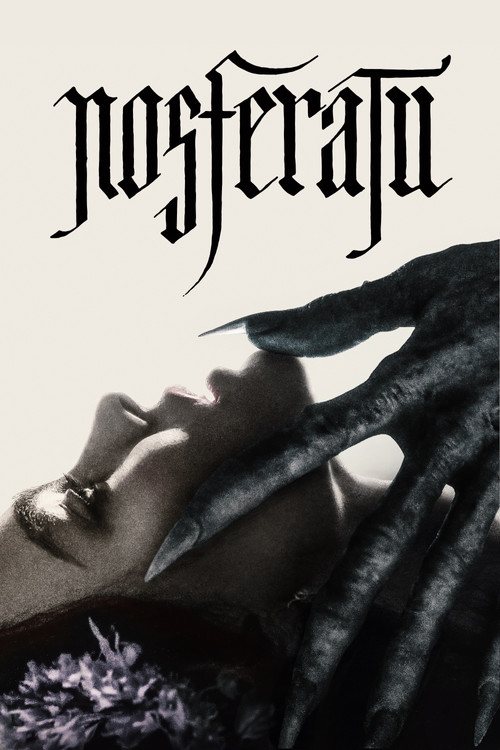
Horror movies have followed in the tenebrous footsteps of F.W. Murnau’s Nosferatu for over a hundred years. A 1922 German silent picture, this chilling adaptation of Bram Stoker’s Dracula effectively laid the groundwork for many of horror’s most recognisable trademarks, from gothic visuals to orchestral scores and creepy figures lurking in the dark.
Director Robert Eggers breathes new life into “Nosferatu’s” withered lungs, staying true to his gorgeously gothic aesthetic while at the same time paying tribute to F. W. Murnau’s classic 1922 film.
Robert Eggers fought fang-and-nail for roughly a decade to remake Nosferatu. Passion is brimming from Eggers' melancholy interpretation of F. W. Murnau's 1920s vampire classic…
It wants to be Murnau’s original but Mel Brooks’s Young Frankenstein is in the way.
Where the earlier film climaxes by casting the silhouette of a vampire against a solid wall, this new one starts by projecting the same image across the soft white curtains of its heroine’s bedroom window…
Eggers’s reverence for Murnau’s film is obvious from how safe he plays it with his storytelling.
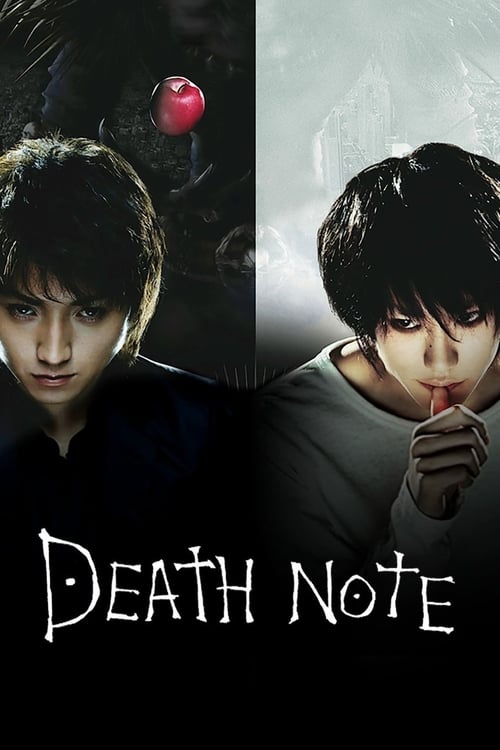
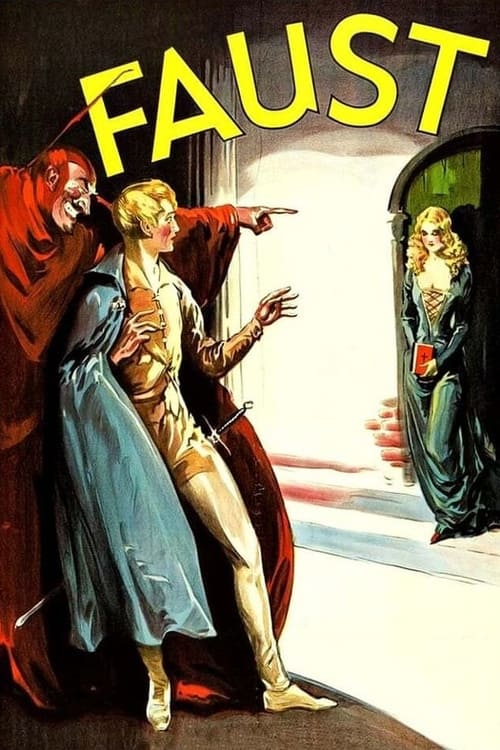
Their seemingly innocuous exchange serves as a perfect storm of destiny and chance for Light, who soon finds himself in possession of a “death note” gifted to him by Ryuk (Willem Dafoe), a devil-like figure with a gift for gab who suggests a cross between Emil Jannings’s satanic trickster from F.W. Murnau’s Faust and Walter Huston’s Mr. Scratch from William Dieterle’s The Devil and Daniel Webster.
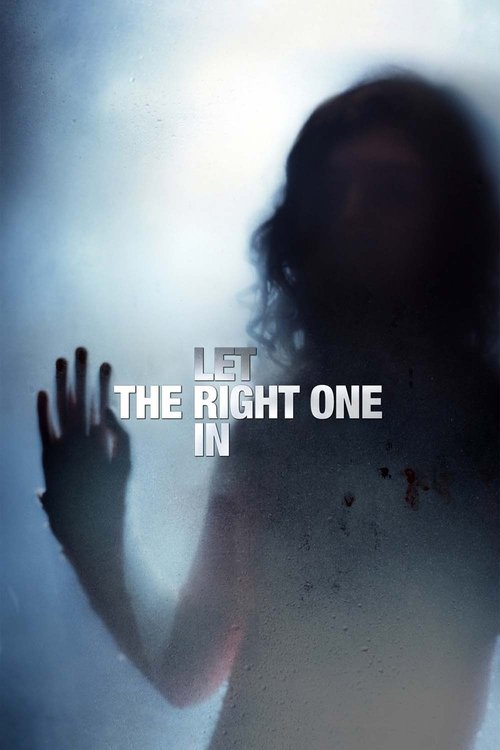
It takes vampires as seriously as the versions of " Nosferatu " by Murnau and Herzog do, and that is very seriously indeed.
[Rating: 3.5 out of 5] Let Me In (Matt Reeves, 2010) Let the Right One In gets something of a tonal inversion in the remake Let Me In, a triumph of imaginative, intelligent adaptation and breathtakingly assured direction; it joins Werner Herzog's Nosferatu and David Cronenberg's The Fly as one of the greatest horror movie remakes.
Vampire movies go back at least as far as the 1922 classic "Nosferatu," so it is not easy to come up with an unexpected twist.
Let the Right One In may be the most lyrical vampire fable since Werner Herzog's 1979 remake of Nosferatu, but it's still got genre in its blood.
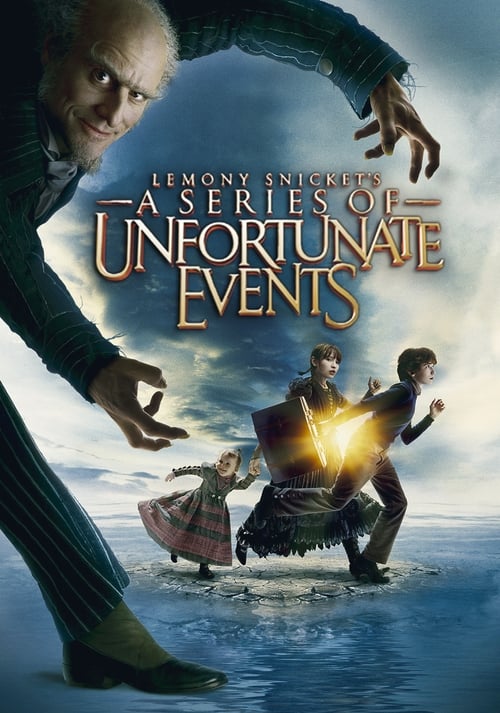
Lemony Snicket's A Series of Unfortunate Events (2004)
Directed by Brad Silberling
influenced by Nosferatu (1922)
Characters
The name could be an homage to "Count Orlock," which was the name of the Dracula character in Nosferatu , and Olaf's first scene borrows heavily from the meet-and-greet with the Lugosi vampire.

Kent is clearly steeped in the history of horror, as her depiction of the Babadook is an amalgam of a number of classical horror figures—the clothes of the mad doctor in The Cabinet of Dr. Caligari (1920), the weird grinning visage of Lon Chaney’s vampire in Tod Browning’s lost London After Midnight (1927), and Max Shreck’s elongated digits in Nosferatu (1922).
Kent had in mind the German Expressionist-influenced silent films at horror cinema’s foundations – The Cabinet of Dr. Caligari, Nosferatu – as she and her crew built The Babadook’s world.
Full of shadow and insinuation, "The Babadook" owes some visual touches to "Nosferatu" and "The Cabinet of Dr. Caligari."
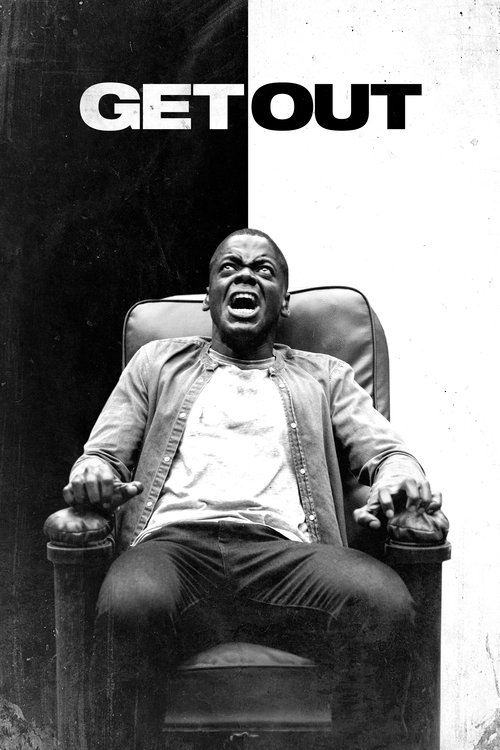
Looking back at the earliest years of the genre, we can see how Count Orlok in F.W. Murnau’s groundbreaking Nosferatu (1922) was a caricature of the perceived Jewish threat in Weimer Germany; the titular count in Todd Browning’s Dracula (1931) can be similarly viewed as an exotic menace to western culture; monstrosities from the manmade monster in Frankenstein (1931), to the ape-like Hyde in Rouben Mamoulian’s version of Dr. Jekyll and Mr. Hyde (1931), to the giant ape himself in King Kong (1933), have been read as metaphors for the supposed threat posed by black men to white women and a culture of racial purity.
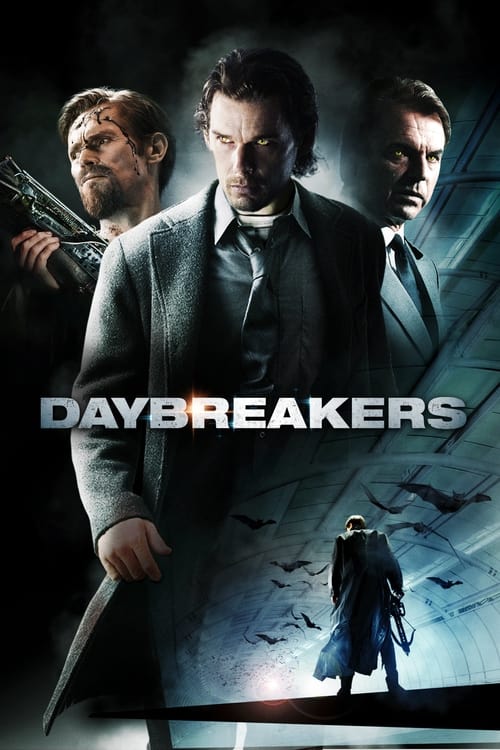
(Think Max Schreck in Nosferatu, only less dapper.)
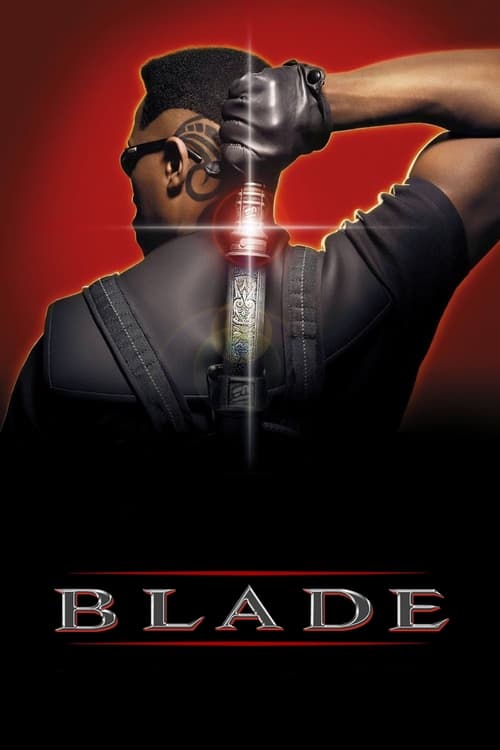
Ever since the silent days of movies, when F.W. Murnau chilled audiences with Nosferatu, a creepy, atmospheric adaptation of Bram Stoker's Dracula, film-goers have been entranced by vampires on the big screen.
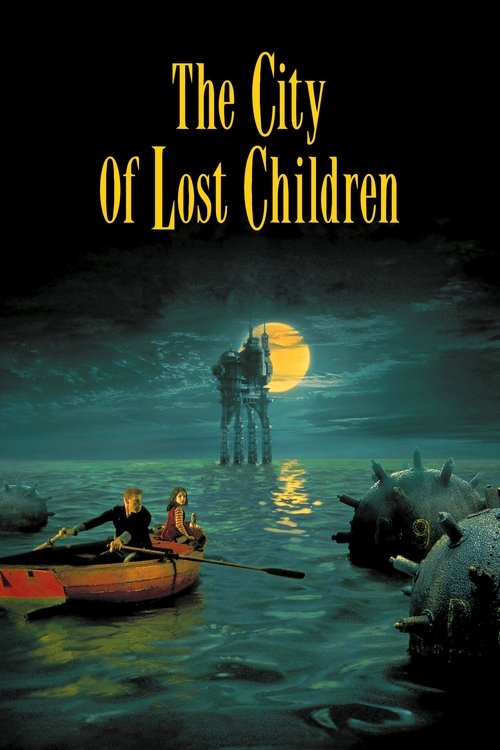
The City of Lost Children (1995)
Directed by Jean-Pierre Jeunet
influenced by Nosferatu (1922)
Characters
Bald-headed and evil-looking, he evokes memories of Max Schreck's vampire in the classic silent film Nosferatu.
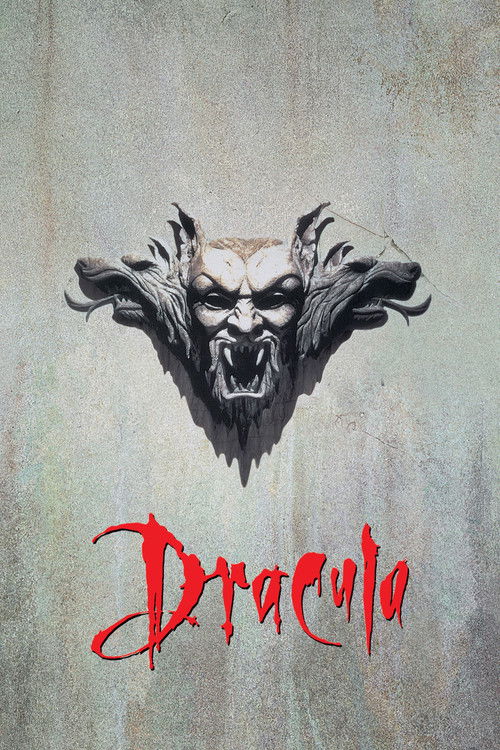
Bram Stoker's Dracula (1992)
Directed by Francis Ford Coppola
influenced by Nosferatu (1922)
Visuals
Yet Dracula, unlike, say, F.W. Murnau's 1922 masterpiece Nosferatu, doesn't have a discernible ''look.''
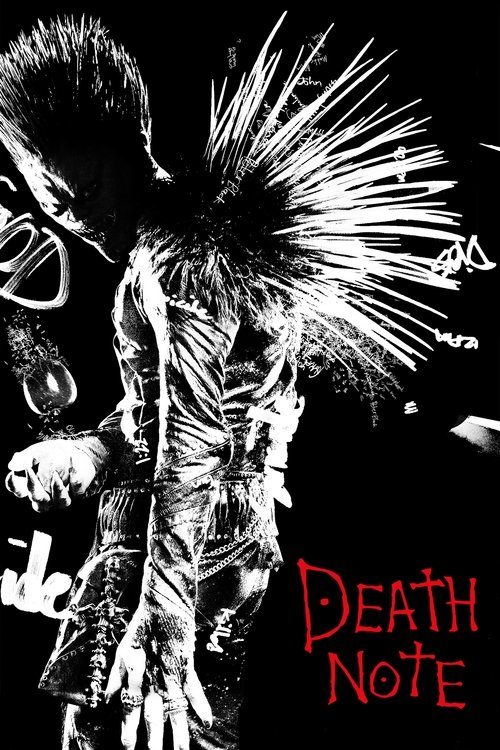
Their seemingly innocuous exchange serves as a perfect storm of destiny and chance for Light, who soon finds himself in possession of a “death note” gifted to him by Ryuk (Willem Dafoe), a devil-like figure with a gift for gab who suggests a cross between Emil Jannings’s satanic trickster from F.W. Murnau’s Faust and Walter Huston’s Mr. Scratch from William Dieterle’s The Devil and Daniel Webster.