
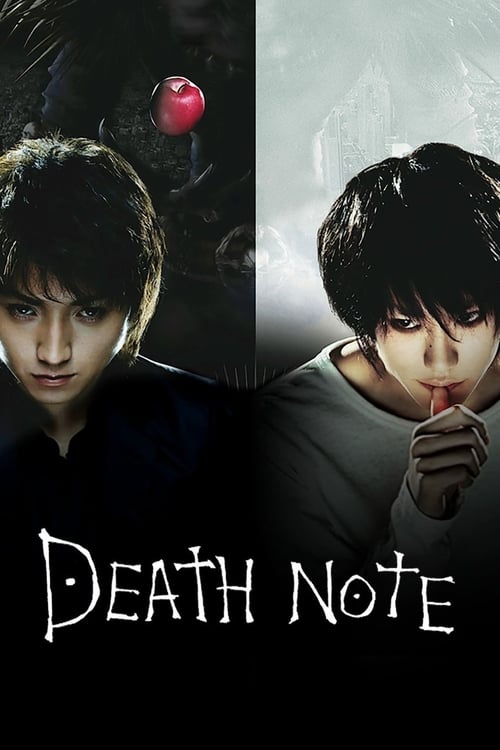
Death Note (2006)
Directed by Shusuke Kaneko
Light Yagami finds the "Death Note," a notebook with the power to kill, and decides to create a Utopia by killing the world's criminals, and soon the world's greatest detective, "L," is hired to find the mysterious murderer. An all out battle between the two greatest minds on earth begins and the winner will control the world.
8 connections found
View:
8 films that influenced Death Note
What critics say influenced Death Note
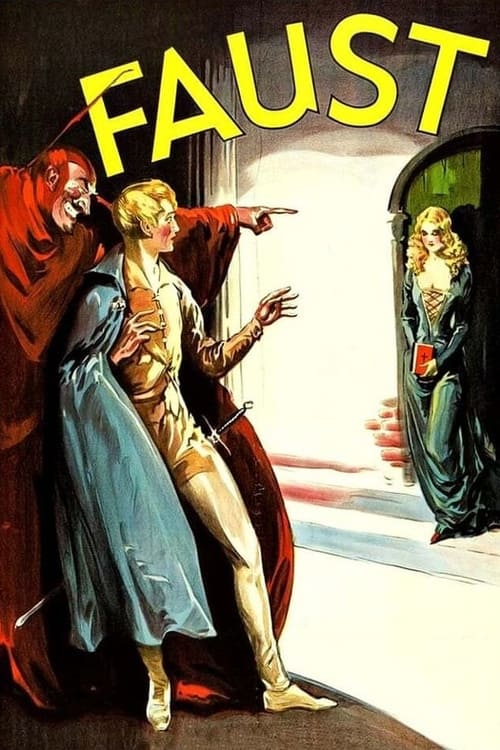


Their seemingly innocuous exchange serves as a perfect storm of destiny and chance for Light, who soon finds himself in possession of a “death note” gifted to him by Ryuk (Willem Dafoe), a devil-like figure with a gift for gab who suggests a cross between Emil Jannings’s satanic trickster from F.W. Murnau’s Faust and Walter Huston’s Mr. Scratch from William Dieterle’s The Devil and Daniel Webster.
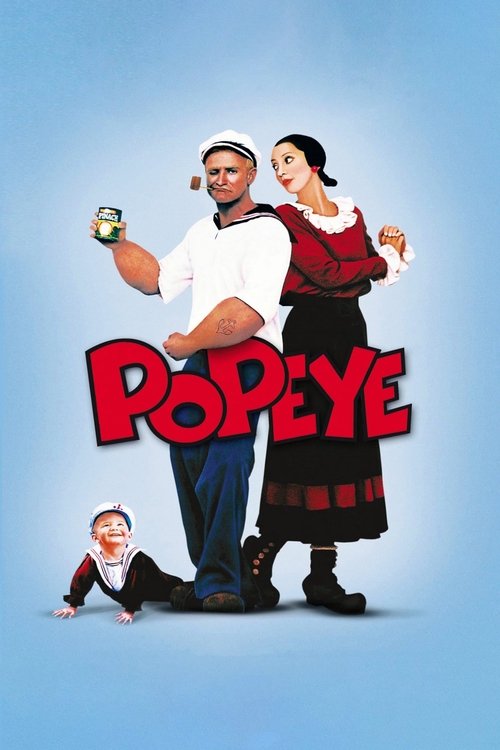
Imagine Robert Altman's Popeye by way of David Fincher's Se7en or Rian Johnson's Brick as a Final Destination sequel and you'll get a sense for Death Note's darkly comic sensibilities.
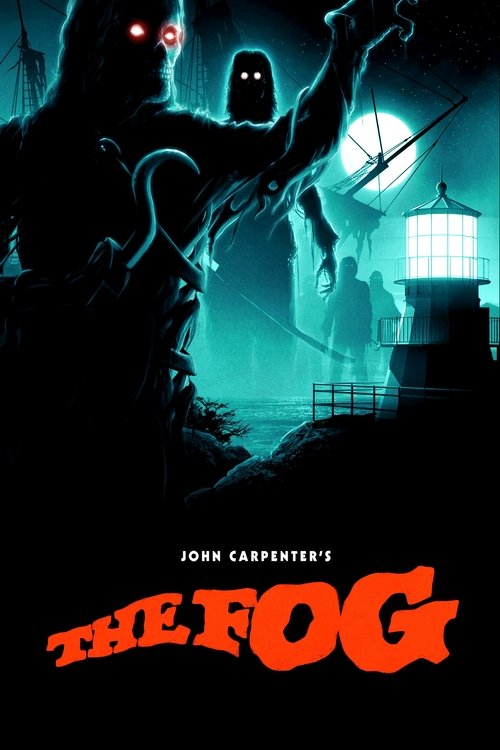
Couple that with an ending that’s foggier than John Carpenter’s The Fog (ZING!), and you’ll be wishing Barrett came along for the ride.
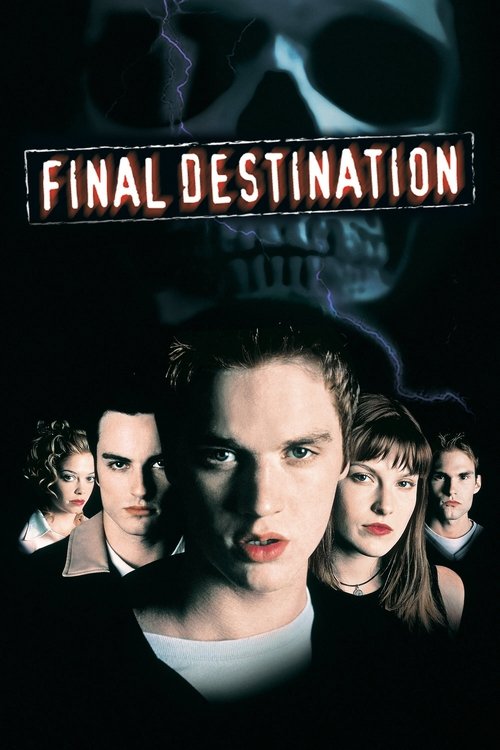
Act I brings us Final Destination gruesomeness by way of domino effect death sequences, but then Act II banks a hard right into detective procedural realms.
Suddenly, we're dealing with a Final Destination take on global intervention, as the kids are scouring the Internet for terrorists and drug cartels to take out - jotting the names of perceived international evildoers into the ancient text without a thought as to the economic or sociopolitical mechanizations that helped embolden and empower these sects (not to mention their hypothetical successors).
Imagine Robert Altman's Popeye by way of David Fincher's Se7en or Rian Johnson's Brick as a Final Destination sequel and you'll get a sense for Death Note's darkly comic sensibilities.
Adam Wingard’s American version of the film adapted for Netflix feels like the Final Destination franchise and Dawson’s Creek had a regrettable affair together and Death Note is the aborted baby that they attempted to sweep under a back alley dumpster to keep hidden from the rest of the world.
(The Final Destination-like bent of the film's first few kills undoubtedly heightens the engaging vibe.)
If the Final Destination series was still a going concern, I would nominate Wingard to make the next one -- there is both visual invention and glee in the way he shoots the deaths, made all the better by the movie's reliance on splattery practical gore effects to sell the gags.
Advertisement
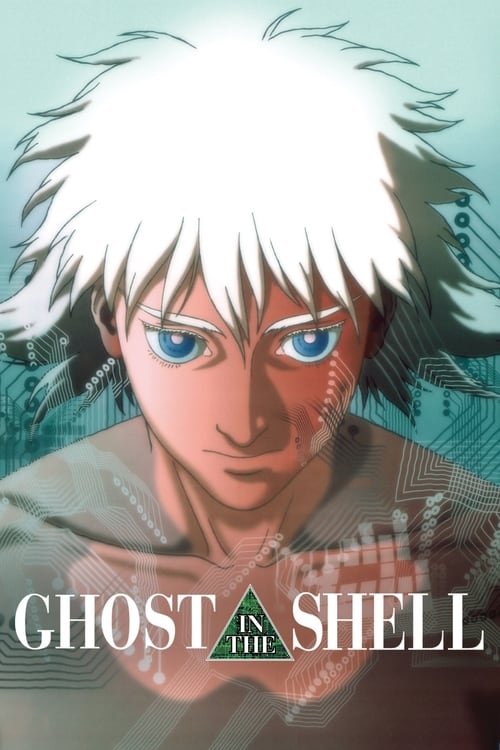
For one thing, his Death Note doesn’t, like this year’s ghastly Ghost In The Shell, conclude with Nat Wolff’s Light revealing that, actually, he is really Asian after all.
Death Note adapted a story where Ghost in the Shell adapted a culture.
Regional relocation is usually a kiss of death for cross-culture products (see: Ghost In The Shell), but Tsugumi Ohba (writer) and Takeshi Obata (illustrator), who created the cult-beloved Death Note manga, were quick to offer praise.
Like, it's the very definition of “whitewashed”, on par with Scarlett Johansson’s recent turn in the American Ghost in the Shell adaptation.
In the complicated and evolving conversation about Asian representation onscreen, adaptation, and erasure, it's not accurate to describe Death Note as replicating the exact outrages of Ghost in the Shell, which kept the cultural trappings of its source material while discarding the actual people.
Like 2017’s other feature film whitewash of Japanese manga, “ Ghost In The Shell ,” the pitfalls of “Death Note” only begin with its cursory adoption of an explicitly Eastern work for American audiences.
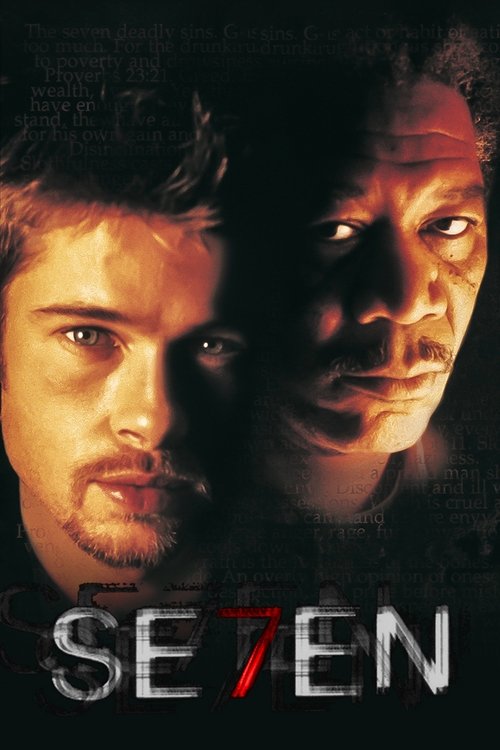
Imagine Robert Altman's Popeye by way of David Fincher's Se7en or Rian Johnson's Brick as a Final Destination sequel and you'll get a sense for Death Note's darkly comic sensibilities.
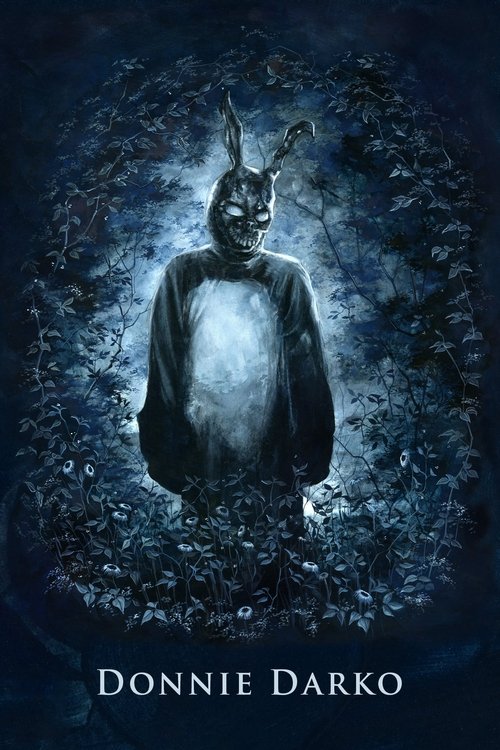
Still, despite a run on Adult Swim, this is the first time “Death Note” will register on the radar of most Americans, and rather than comparing it to the Japanese source, they’ll most likely be reminded of Richard Kelly’s 2001 cult classic “Donnie Darko,” from which director Adam Wingard (“You’re Next”) has taken a page.
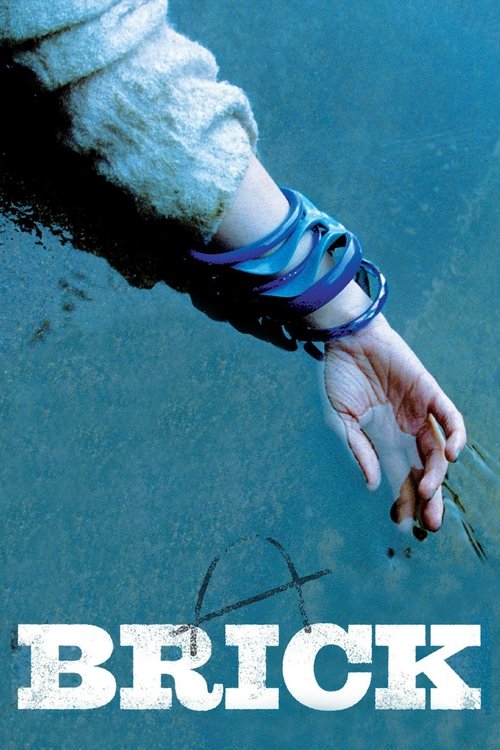
Imagine Robert Altman's Popeye by way of David Fincher's Se7en or Rian Johnson's Brick as a Final Destination sequel and you'll get a sense for Death Note's darkly comic sensibilities.