
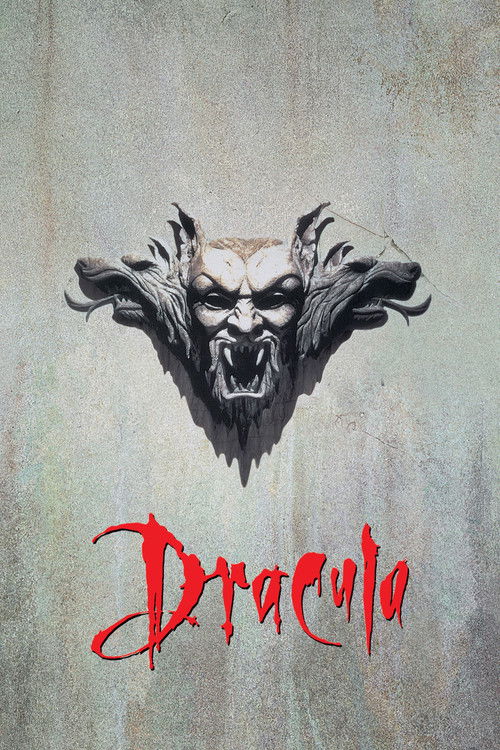
Bram Stoker's Dracula (1992)
Directed by Francis Ford Coppola
Count Dracula, a 15th-century prince, is condemned to live off the blood of the living for eternity. Young lawyer Jonathan Harker is sent to Dracula's castle to finalise a land deal, but when the Count sees a photo of Harker's fiancée, Mina, the spitting image of his dead wife, he imprisons him and sets off for London to track her down.
8 connections found
View:
8 films that influenced Bram Stoker's Dracula
What critics say influenced Bram Stoker's Dracula
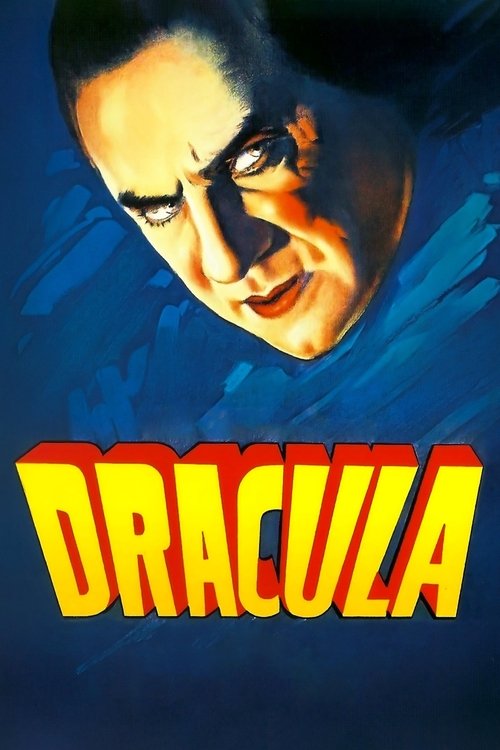


As Dracula, he speaks in a lugubrious Middle European accent (he even gets to reprise Lugosi's famous line, ''I never dreenk...wine!''), yet his eyes are a-twinkle, and he gives the dialogue a giddy, supercilious spin.
Ryder, similarly, doesn't appear to be in on the joke, thus the alternating high camp tones of Hopkins, Gary Oldman (as Dracula), and Tom Waits (as Dracula's bug-eating servant Renfield) vs. the stunned, over-serious, wide-eyed anxiety of Reeves, Ryder, and Sadie Frost as Mina's pal Lucy becomes the elephant in the velvet-lined sitting room.
The Dracula myth has been filmed so often, in so many different ways (most recently by Francis Ford Coppola in his " Bram Stoker's Dracula ,” 1992), that its material has become like an opera libretto, or a play by Shakespeare: We know the story and all the beats, and are concerned mostly with the style and production.
Like Bram Stoker's Dracula , Francis Ford Coppola's 1992 updating, the picture's first third is fabulously rich with mood and oppressive atmosphere that gives way to a plodding dreariness.
The film is inspired by the original Bram Stoker novel, although the author's name is in the title for another reason (Another studio owns the rights to plain "Dracula").
Bram Stoker's Dracula, flawed though it may be, still gets my vote as one of the top ten films of the 1990s.
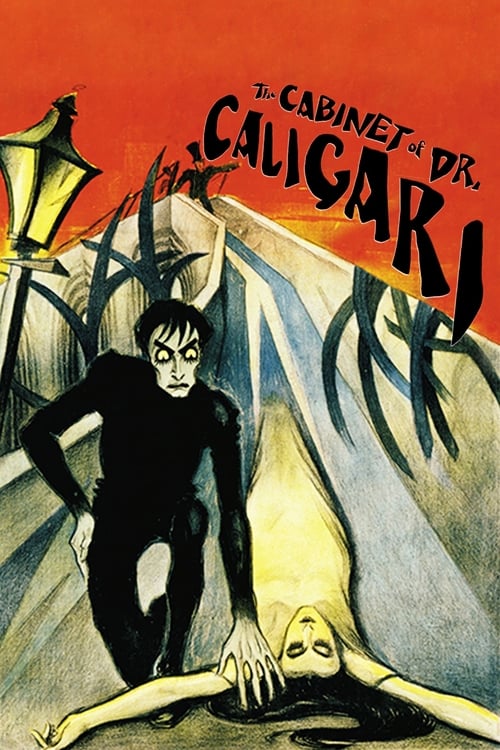
It seems impossible that Coppola could keep this up for the duration of the picture, could see to fruition the kind of viable update/continuation of Wiene's The Cabinet of Dr. Caligari that the Akira Kurosawa film he helped produce, Kagemusha, with its sanguineous, medieval battlegrounds painted with heavy brushes, aspired to be.
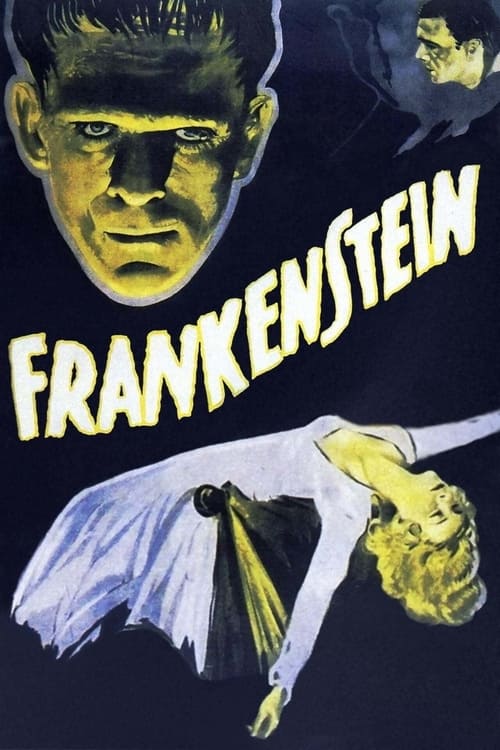
It's a weak compliment we could likewise pay to Kenneth Branagh's Mary Shelley's Frankenstein (hereafter Frankenstein), hitting the scene two years later with Coppola and James V. Hart on board as executive producers.
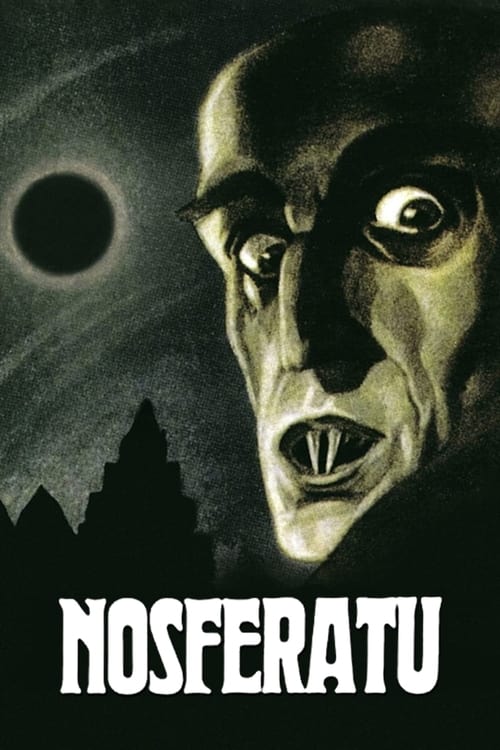
Yet Dracula, unlike, say, F.W. Murnau's 1922 masterpiece Nosferatu, doesn't have a discernible ''look.''
Advertisement
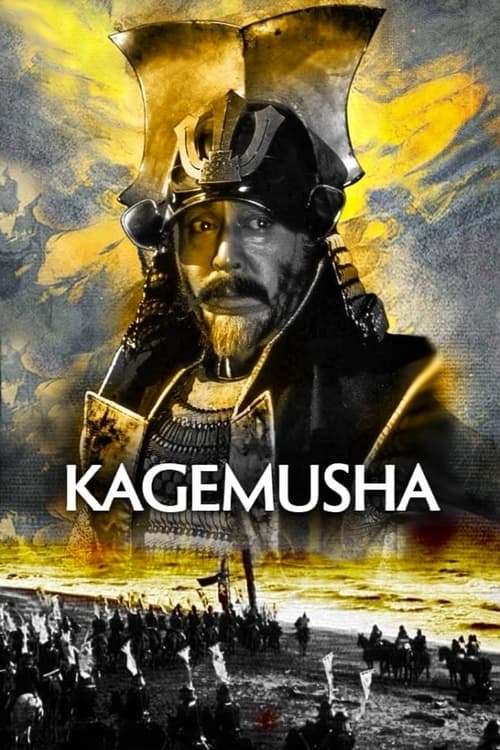
It seems impossible that Coppola could keep this up for the duration of the picture, could see to fruition the kind of viable update/continuation of Wiene's The Cabinet of Dr. Caligari that the Akira Kurosawa film he helped produce, Kagemusha, with its sanguineous, medieval battlegrounds painted with heavy brushes, aspired to be.
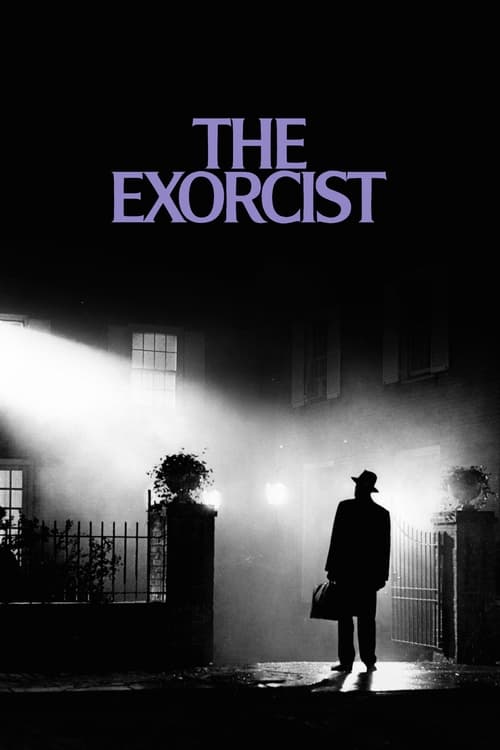
There are even scenes that pay homage to, of all things, "The Exorcist" (Lucy's projectile vomiting of blood all over Van Helsing) and "Stage-coach" (a chase toward the end that looks like it came straight out of an old Western).
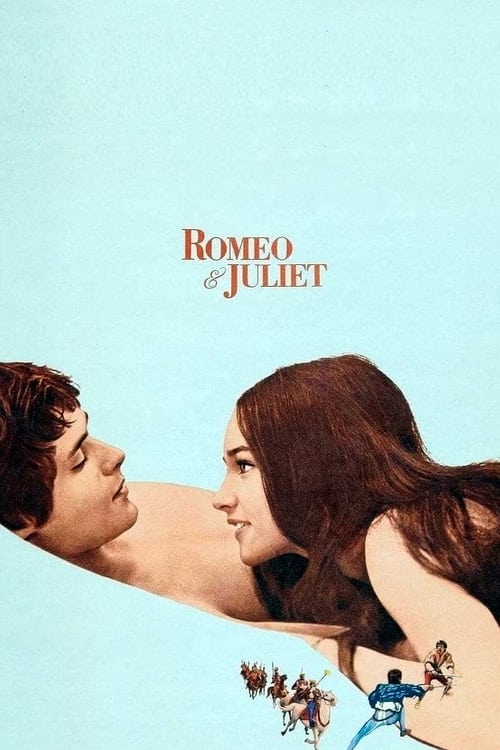
Unlike the vibrant Sadie Frost as Lucy, she projects no sensual depths, and her scenes with Oldman are like something out of a high school Romeo and Juliet.
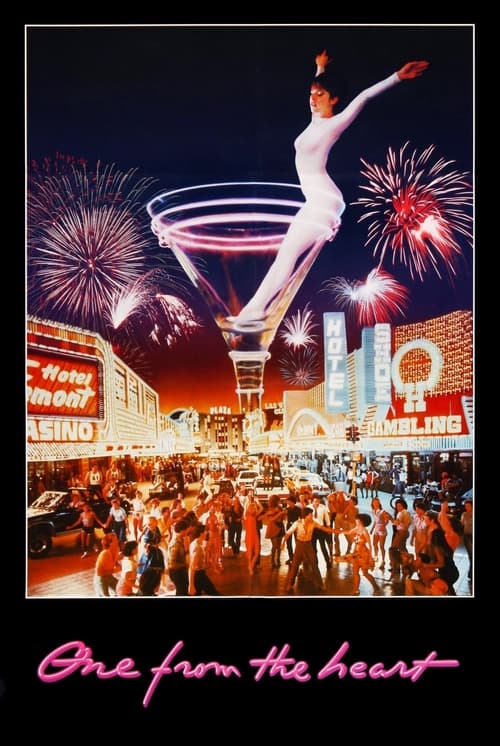
Like much of Coppola's work, this film walks a fine line between the visually stunning and the bizarre or grotesque ( The Godfather , One From the Heart, Apocalypse Now ).
Here, as in One From the Heart, Coppola lets his visual genius engulf the story; you have to get your bearings with almost every new shot.
Bram Stoker’s Dracula provided the director with a way to pay off the massive debts he had built up following the closing of his Zoetrope Studios and the failure of One from the Heart.