
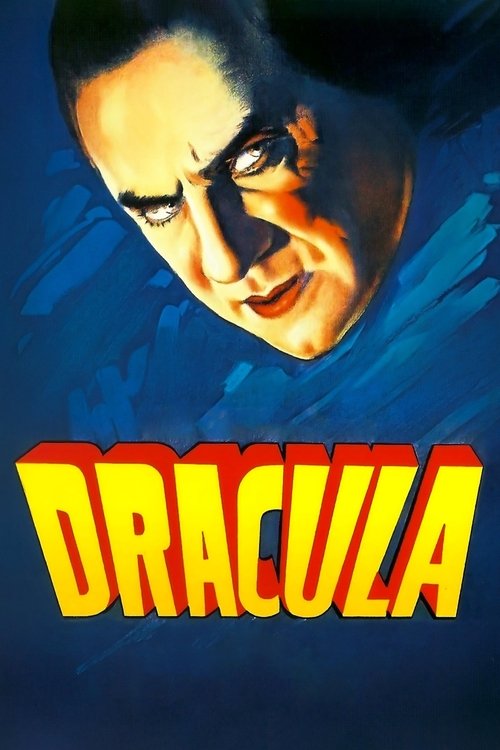
Dracula (1931)
Directed by Tod Browning
A British estate agent travels to Transylvania to meet with the mysterious Count Dracula, who is interested in leasing a London castle. After Dracula enslaves and drives the agent to insanity, the pair return to London together, where Dracula, a secret bloodsucker, begins preying on socialites.
9 connections found
View:
9 films that influenced Dracula
What critics say influenced Dracula

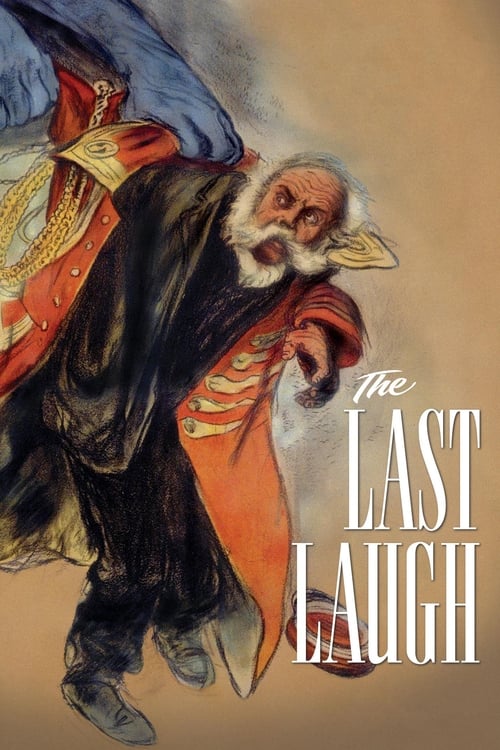


Known as the Great Impressionist for his innovative way of providing "impressions" of reality through the moving camera, Murnau worked with cinematographers Robert Baberske and Karl Freund, who significantly would later film Fritz Lang's Metropolis before moving on to a lengthy career in Hollywood with films like Browning's Dracula and Huston's Key Largo to his credit.
The look of Browning's "Dracula” was inspired by Murnau's gloomy gothic visuals, well known to the German cameraman Freund, who worked with Murnau on " The Last Laugh .”
The cinematographer, Karl Freund, came to Hollywood from Germany (where he worked on films like Metropolis, The Golem, and Murnau's The Last Laugh), and was known for his use of tracking shots and camera movement.
Freund had worked on such groundbreaking movies as Fritz Lang's Metropolis (1926), and M (1931), F.W. Murnau's The Last Laugh (1924), and Lewis Milestone's All Quiet on the Western Front (1930).
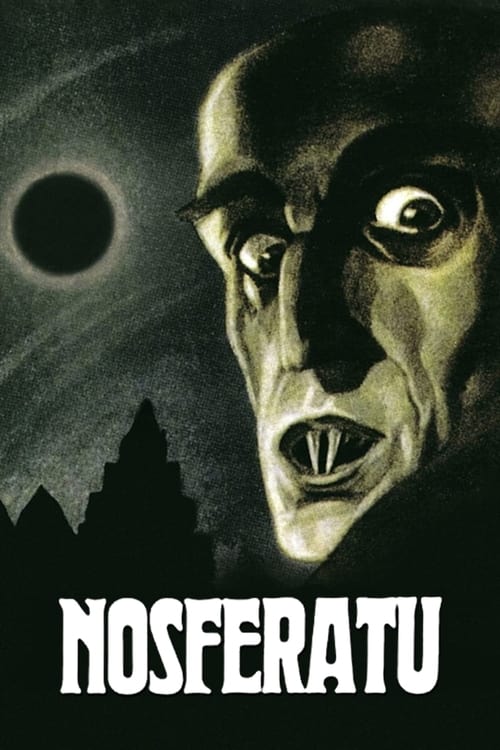
Throughout the film, Murnau draws a fateful triangle between Dracula, Harker and Mina.
“Nosferatu” is a better title, anyway, than “Dracula.”
Forget the countless Dracula films over the decades, even the classic ones starring Bela Lugosi, Christopher Lee and Gary Oldman: Murnau's German feature Nosferatu remains the best vampire movie of all time.
Before them all was Bram Stoker's classic 1897 novel "Dracula," loosely based on the real-life case of Vlad the Impaler, and the first film out of the gate to be (unofficially) adapted from that work was 1922's "Nosferatu."
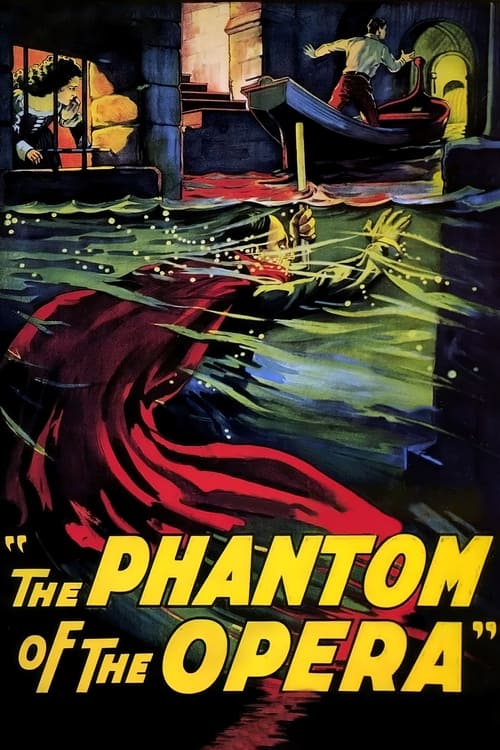
Lon Chaney had been scheduled to play the role, a wise casting decision after his success in the silent classics "The Hunchback of Notre Dame” and " The Phantom of the Opera .”
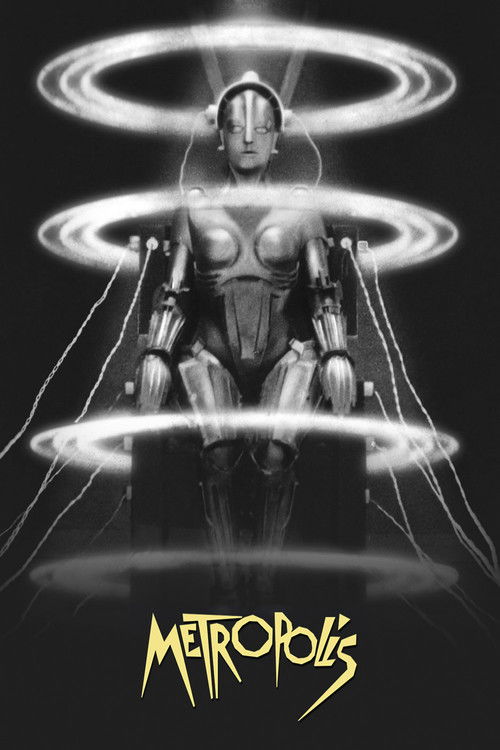
Freund had worked on such groundbreaking movies as Fritz Lang's Metropolis (1926), and M (1931), F.W. Murnau's The Last Laugh (1924), and Lewis Milestone's All Quiet on the Western Front (1930).
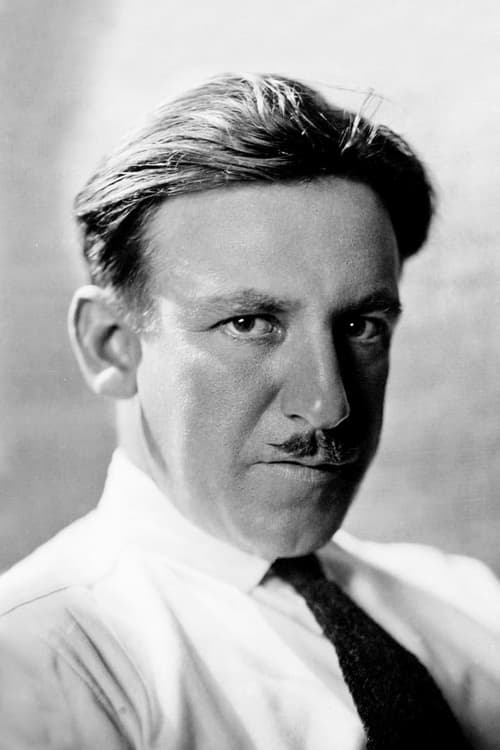
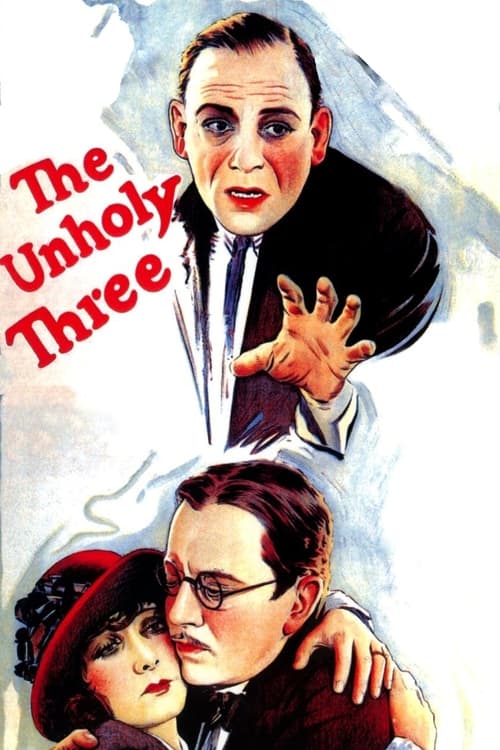
Lon Chaney, "the man of 1,000 faces,” seems to be the key creative force behind Browning's silent landmarks "The Unholy Three” and "West of Zanzibar.”
Browning himself was known for his long career of macabre and sinister movies like those he made with Lon Chaney: Outside the Law (1921), The Unholy Three (1925), The Road to Mandalay (1926), The Unknown (1927), London After Midnight (1927), West of Zanzibar (1928), and Where East Is East (1929).
Once recovered, Browning began making films that reflected his obsessions and, very possibly, his dysfunctions, marking his films (in particular Puppets, the great Freaks, and three of his eleven collaborations with Lon Chaney: The Unknown, the lost London After Midnight (an earlier flirtation with vampire folklore), and The Unholy Three) as transparent to a psychoanalytic approach while doing little to elevate the technical craft on display in his pictures from the level of earnest, flat, hackwork.
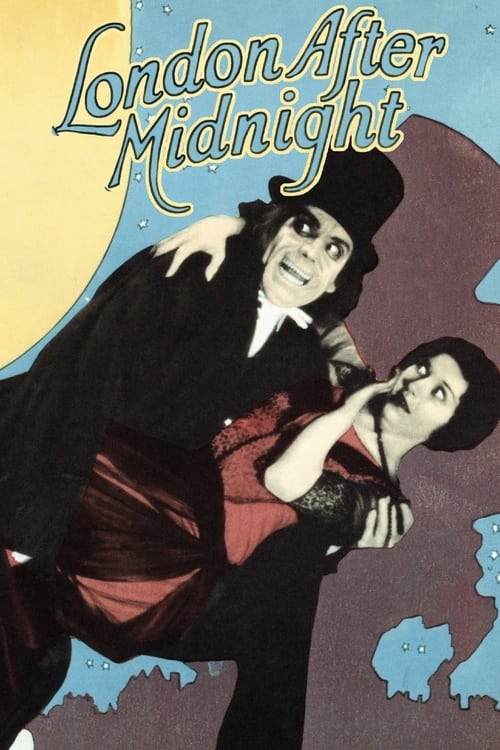
Producer Carl Laemmle Jr's first choice was versatile actor Lon Chaney, who had scored hits in a number of silent horror classics, including The Hunchback of Notre Dame, The Phantom of the Opera, and London After Midnight.
Browning himself was known for his long career of macabre and sinister movies like those he made with Lon Chaney: Outside the Law (1921), The Unholy Three (1925), The Road to Mandalay (1926), The Unknown (1927), London After Midnight (1927), West of Zanzibar (1928), and Where East Is East (1929).
Once recovered, Browning began making films that reflected his obsessions and, very possibly, his dysfunctions, marking his films (in particular Puppets, the great Freaks, and three of his eleven collaborations with Lon Chaney: The Unknown, the lost London After Midnight (an earlier flirtation with vampire folklore), and The Unholy Three) as transparent to a psychoanalytic approach while doing little to elevate the technical craft on display in his pictures from the level of earnest, flat, hackwork.
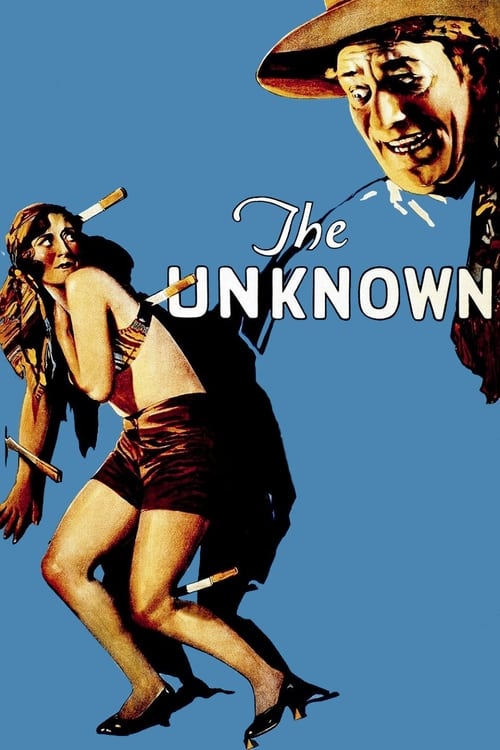
Browning himself was known for his long career of macabre and sinister movies like those he made with Lon Chaney: Outside the Law (1921), The Unholy Three (1925), The Road to Mandalay (1926), The Unknown (1927), London After Midnight (1927), West of Zanzibar (1928), and Where East Is East (1929).
Once recovered, Browning began making films that reflected his obsessions and, very possibly, his dysfunctions, marking his films (in particular Puppets, the great Freaks, and three of his eleven collaborations with Lon Chaney: The Unknown, the lost London After Midnight (an earlier flirtation with vampire folklore), and The Unholy Three) as transparent to a psychoanalytic approach while doing little to elevate the technical craft on display in his pictures from the level of earnest, flat, hackwork.
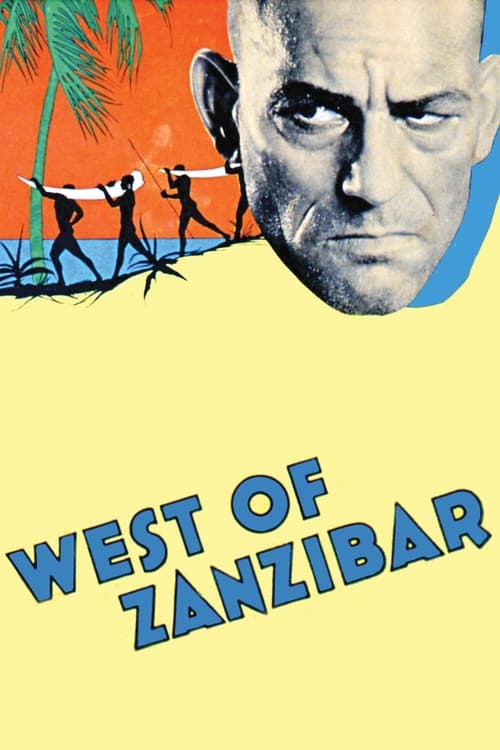
Lon Chaney, "the man of 1,000 faces,” seems to be the key creative force behind Browning's silent landmarks "The Unholy Three” and "West of Zanzibar.”
Browning himself was known for his long career of macabre and sinister movies like those he made with Lon Chaney: Outside the Law (1921), The Unholy Three (1925), The Road to Mandalay (1926), The Unknown (1927), London After Midnight (1927), West of Zanzibar (1928), and Where East Is East (1929).
Advertisement
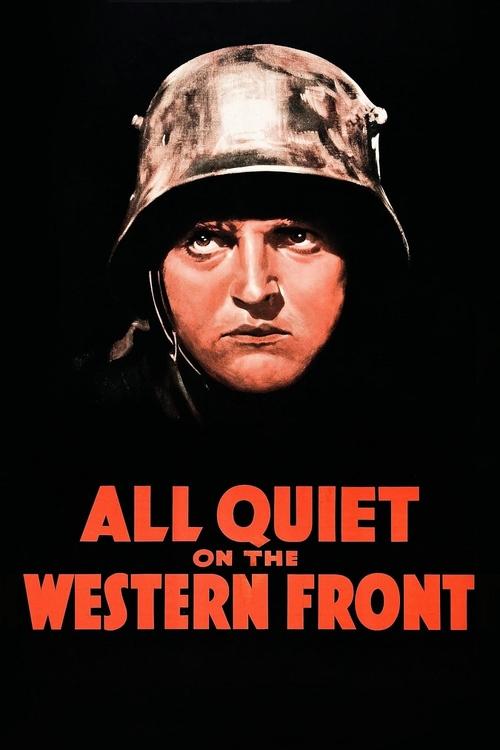
At the time of All Quiet on the Western Front, Laemmle's "signature" films were ahead of him: Dracula and Frankenstein in 1931, The Mummy in 1932, The Invisible Man in 1933, and The Bride of Frankenstein in 1935.
Freund had worked on such groundbreaking movies as Fritz Lang's Metropolis (1926), and M (1931), F.W. Murnau's The Last Laugh (1924), and Lewis Milestone's All Quiet on the Western Front (1930).