
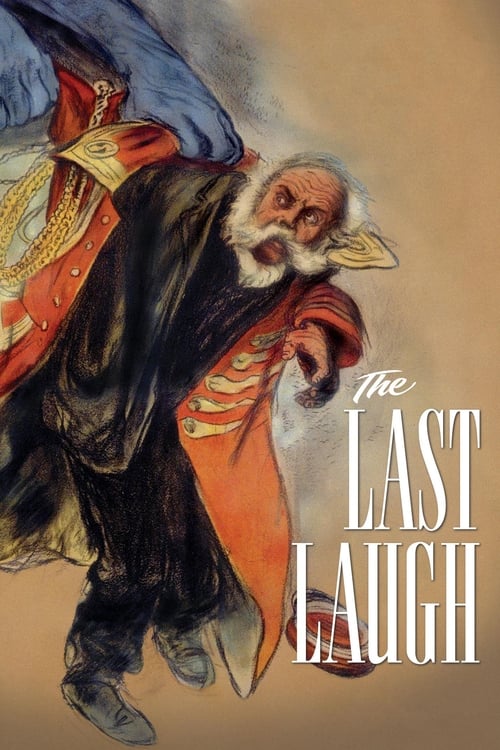
The Last Laugh (1924)
Directed by F. W. Murnau
An aging doorman, after being fired from his prestigious job at a luxurious hotel, is forced to face the scorn of his friends, neighbours and society.
5 connections found
View:
5 connections, in both directions
What critics compared The Last Laugh to
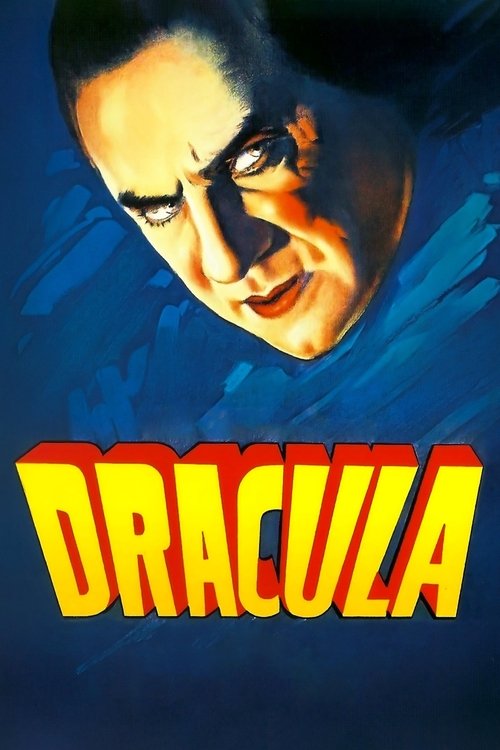


Known as the Great Impressionist for his innovative way of providing "impressions" of reality through the moving camera, Murnau worked with cinematographers Robert Baberske and Karl Freund, who significantly would later film Fritz Lang's Metropolis before moving on to a lengthy career in Hollywood with films like Browning's Dracula and Huston's Key Largo to his credit.
The look of Browning's "Dracula” was inspired by Murnau's gloomy gothic visuals, well known to the German cameraman Freund, who worked with Murnau on " The Last Laugh .”
The cinematographer, Karl Freund, came to Hollywood from Germany (where he worked on films like Metropolis, The Golem, and Murnau's The Last Laugh), and was known for his use of tracking shots and camera movement.
Freund had worked on such groundbreaking movies as Fritz Lang's Metropolis (1926), and M (1931), F.W. Murnau's The Last Laugh (1924), and Lewis Milestone's All Quiet on the Western Front (1930).
Ferne Pearlstein’s illuminating 2017 documentary “The Last Laugh,” which is available on Amazon and worth streaming, examines whether it is possible, and acceptable, to make jokes about the Holocaust, using material by predominately Jewish comics such as Brooks, Joan Rivers and Sarah Silverman as examples of those who have done so, successfully or not.
You could go back to Vertigo 50 years ago, or even further into the silent era with Bunuel's eye slitting and (less deliberately) Murnau's The Last Laugh.
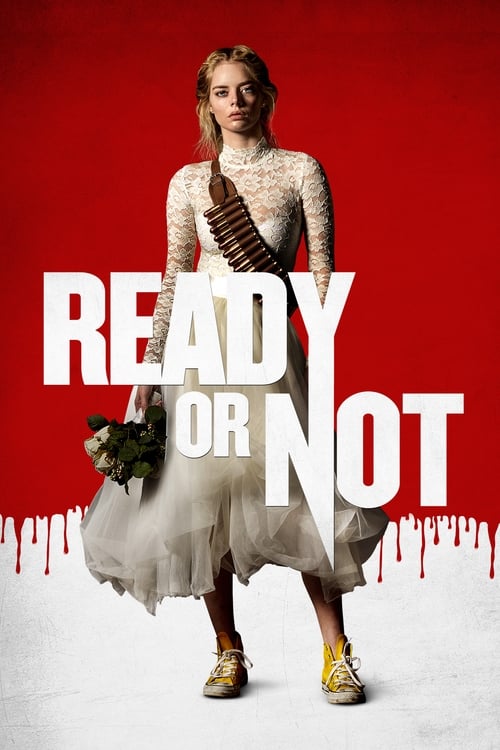
Grace’s warm and inviting mother-in-law Becky (Andie MacDowell, The Last Laugh ) suddenly gets a lot colder and Alex’s if looks could kill Aunt Helene (Nicky Guadagni) finally looks much happier.
Advertisement
(In fact, it goes so far in the other direction that it plays like the enforced happy ending of “The Last Laugh.”