
Tod Browning
58 connections found
View:
Connections, in both directions
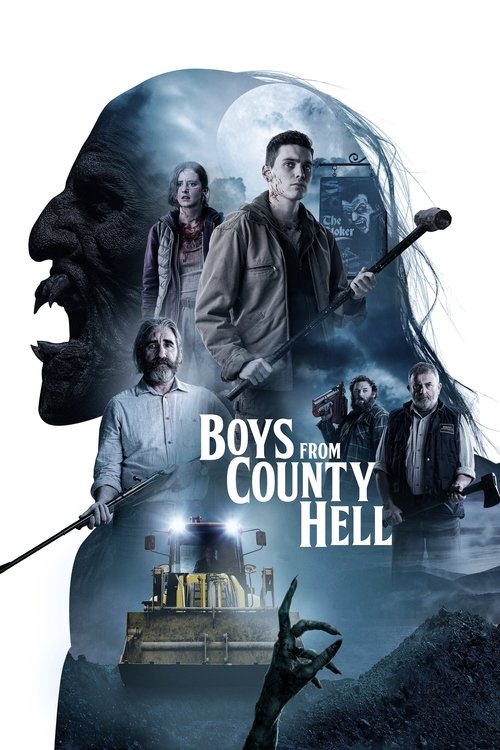


It’s believed to have inspired Bram Stoker to write Dracula , which has led tourists to arrive from time to time, but when Francie’s ragtag construction team destroys the rocks, it just might reveal that the legend is not just a myth, but a big lanky vampire waiting to be fed.
The rural Irish village of Six Mile Hill is notable for one reason: a local vampire legend that supposedly inspired Bram Stoker to write Dracula .
Local lore is that this demonic villain was the true vampire that inspired Bram Stoker to write Dracula .
They find simple joys in playing pranks on tourists passing through, thanks to their town claiming to have inspired Bram Stoker’s Dracula .
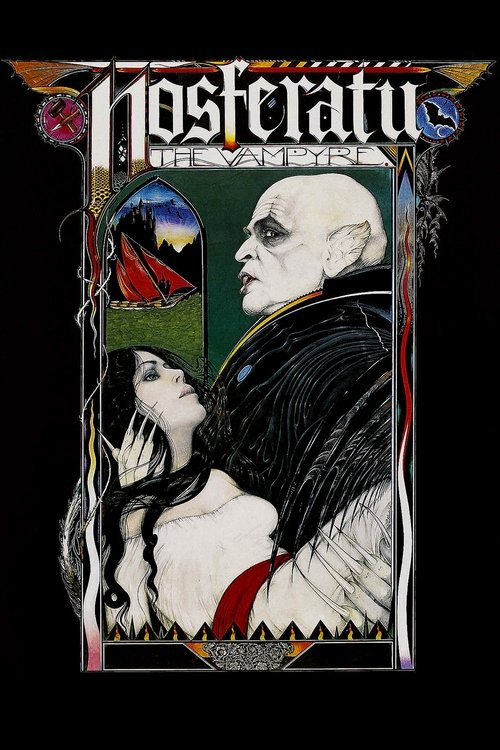
With Bram Stoker's "Dracula" in the public domain by this time, Herzog was able to use most of the characters from that novel (though, oddly enough, he switched the identities of Lucy and friend Mina) while retaining the story of filmmaker F.W. Murnau's original.
The original "Nosferatu," based on "Dracula" by the brilliant Bram Stoker, was reportedly made without consent of adapting the famous story.
Other standouts in Herzog’s cast include Roland Topor as Dracula’s insane manservant, Renfield, and Walter Ladengast as Dr. Van Helsing, who is much more devoted to science here than in other film versions of the Bram Stoker’s story.
Murnau changed the character names for copyright reasons, and Herzog was free to use the originals: Dracula ( Klaus Kinski ), the land agent Jonathan Harker ( Bruno Ganz ), his wife Lucy ( Isabelle Adjani ), Dr. Van Helsing (Walter Ladengast), and he of the maniacal laugh, Renfield ( Roland Topor ).
And, while other versions, such as the 1931 Bela Lugosi interpretation or the 1958 Christopher Lee/Peter Cushing Horror of Dracula, have their adherents, none can match the Murnau edition for atmosphere and eerieness.
Yes, like many other Dracula movies, this one condenses and simplifies the core characters down to Jonathan Harker, Lucy, Van Helsing, Renfield and Dracula; Mina is here but as a minor character, a friend to Lucy who exists just to die.
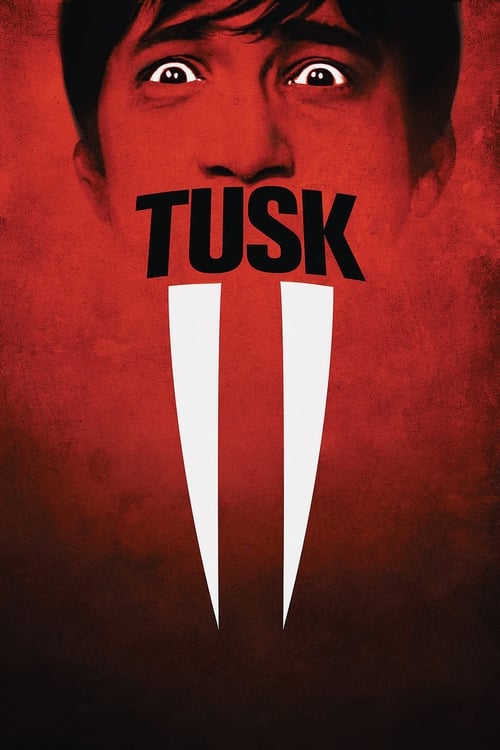
Once Howard’s plan becomes clear, Smith reveals a debt to Tod Browning’s 1932 masterpiece “Freaks,” the 1973 mad-herpetologist movie “Sssssss” and the recent “The Human Centipede,” among other predecessors.
Until it slips back into horror again, and an ending that plays a little like "Freaks."
Horror movies love the distortion and recombination of body parts, as in Frankenstein, Freaks and The Fly (to name just some F titles).
The denouement might just bring Tod Browning’s “Freaks” to mind.
On his way out of the theater, one critic compared it, not unfavorably, to Tod Browning’s masterpiece “ Freaks .”
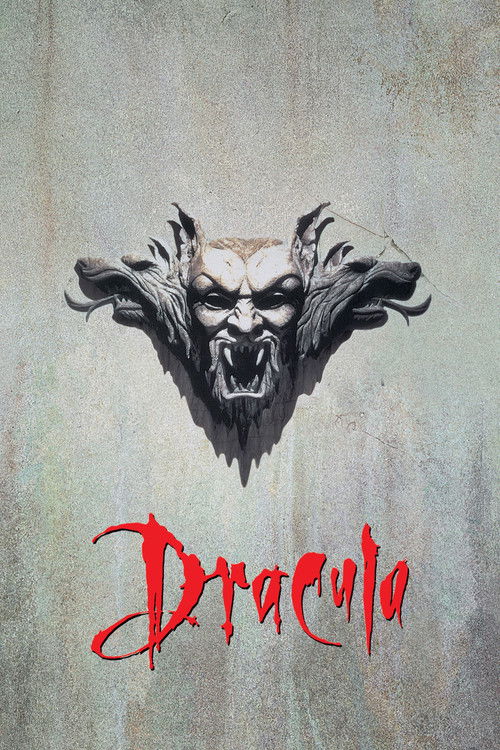
Bram Stoker's Dracula (1992)
Directed by Francis Ford Coppola
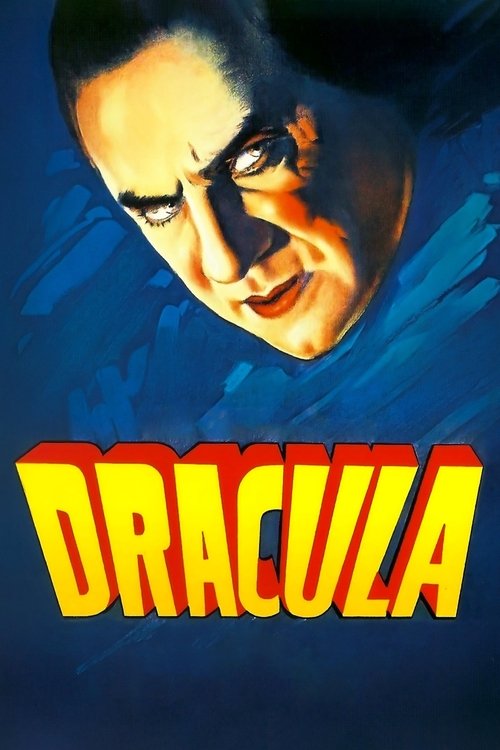
influenced by Dracula (1931)
Dialogue Themes Plot
As Dracula, he speaks in a lugubrious Middle European accent (he even gets to reprise Lugosi's famous line, ''I never dreenk...wine!''), yet his eyes are a-twinkle, and he gives the dialogue a giddy, supercilious spin.
Ryder, similarly, doesn't appear to be in on the joke, thus the alternating high camp tones of Hopkins, Gary Oldman (as Dracula), and Tom Waits (as Dracula's bug-eating servant Renfield) vs. the stunned, over-serious, wide-eyed anxiety of Reeves, Ryder, and Sadie Frost as Mina's pal Lucy becomes the elephant in the velvet-lined sitting room.
The Dracula myth has been filmed so often, in so many different ways (most recently by Francis Ford Coppola in his " Bram Stoker's Dracula ,” 1992), that its material has become like an opera libretto, or a play by Shakespeare: We know the story and all the beats, and are concerned mostly with the style and production.
Like Bram Stoker's Dracula , Francis Ford Coppola's 1992 updating, the picture's first third is fabulously rich with mood and oppressive atmosphere that gives way to a plodding dreariness.
The film is inspired by the original Bram Stoker novel, although the author's name is in the title for another reason (Another studio owns the rights to plain "Dracula").
Bram Stoker's Dracula, flawed though it may be, still gets my vote as one of the top ten films of the 1990s.
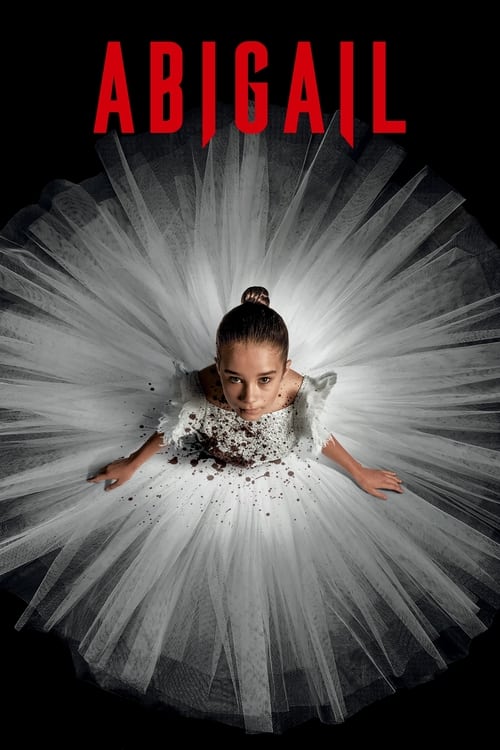
Abigail is allegedly a loose reworking of the 1936 Universal Studios film Dracula’s Daughter, but it’s difficult to see how, beyond a musical nod to the original 1931 Dracula and the fact that Abigail is, well, a vampiric daughter.
It's a heavy hint that the theme music, accompanied by a solo ballet turn, is that snatch of Swan Lake heard at the beginning of Dracula in 1931, but the first act then plays like a shadowy riff on Reservoir Dogs.
What the trailers don’t reveal is the twist ending, that Abigail is not just any vampire-ballerina, but Dracula’s daughter. Here, Dracula is played by British actor Matthew Goode, and while the other characters refer to him by his underworld alias, “Lazar,” the film’s credits identify him simply as “Father.” The implication, however, is clear.
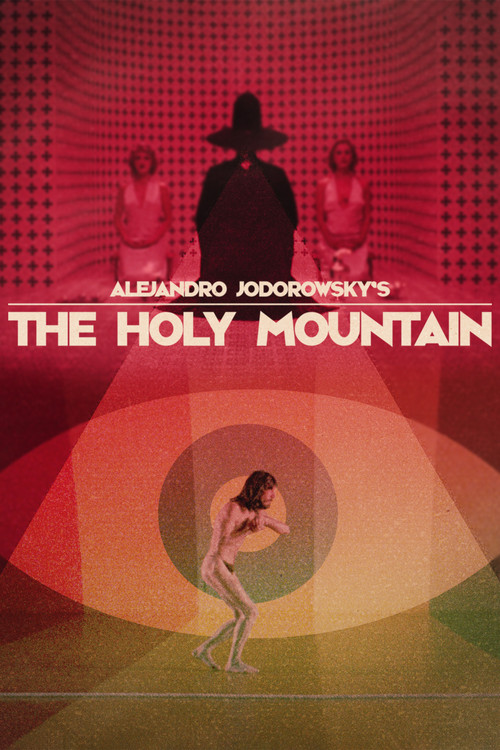
Despite all its fanciful Buñuelesque surrealism and echoes of Tod Browning’s Freaks (1932), it’s not that far removed from the pop-culture movies that surround it.
Watch "The Holy Mountain," and you'll see two naked women have their heads shaved; a man whose face is covered in flies; a cougar; the stem of a flower painfully and almost palpably plucked from the palm of a man's hand; children with their genitals painted green; a quadruple amputee (in a nod to Tod Browning's "Freaks") lighting a joint with the stumps of his arms and legs; a parade of soldiers carrying flayed lambs on crosses; a tourist happily taking pictures of the rape of his wife; songbirds emerging from the wounds of a dead student; and a tabletop re-staging of the conquest of Mexico enacted by lizards dressed as Aztecs and frogs dressed as missionaries and conquistadors.
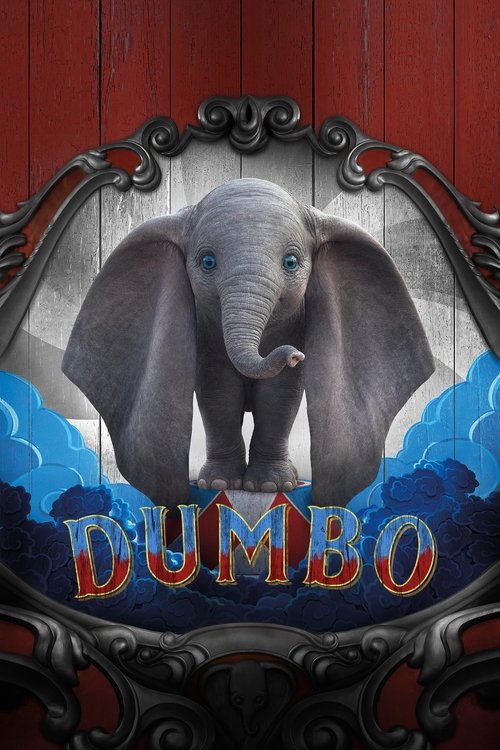
There’s no inspiration from gothic art, another major influence, or even any attempt to borrow from Tod Browning’s Freaks , which seems like the best point of reference for this tale.
Burton’s inspiration for the circus is as much Tod Browning’s horror classic Freaks as the Disney original.

Based so loosely on Bram Stoker's novel that it performed the seemingly impossible task of making Tod Browning's classic look positively faithful, Hammer's Dracula was nevertheless a smash hit.
Lee's Dracula also evokes hidden desires within his victims, collapsing those British ideological barriers of repressive sexuality and good taste.
Peter Cushing carries most of the ho-hum script as Dr. Van Helsing, though the well-lit color photography, central to the Hammer formula, can't compare with the shadowy magnificence of Nosferatu (1922) or Dracula (1931).
Horror of Dracula (also known simply as Dracula) marks Lee’s first turn as the Count, as well as Peter Cushing’s initial performance as the indefatigable vampire hunter Van Helsing, and it’s likely the most tantalizingly creepy entry in this series of cinematic nightmares.
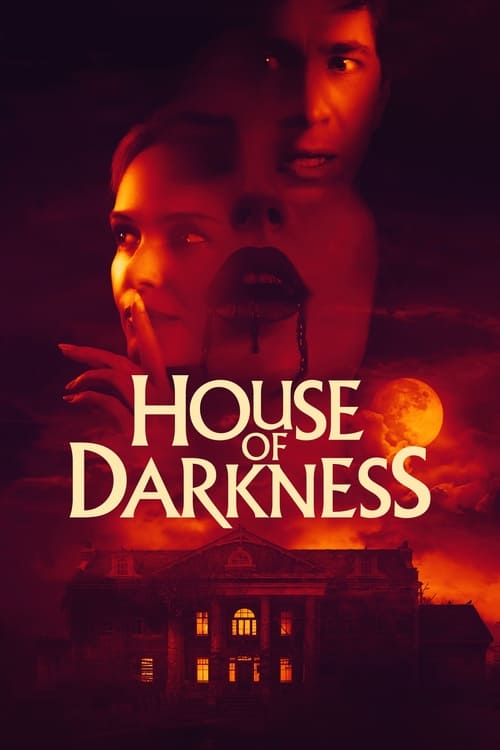
LaBute has commented that the inspiration for “House of Darkness” was the “three weird sisters” episode of Bram Stoker’s “Dracula,” played like a fable (it begins with the caption “Once Upon a Time” and ends with another, more ironic, reading “And They All Lived Happily Ever After”), and Hap Jackson can be seen as a horny modern version of Jonathan Harker, looking to cash in on what he sees as a chance for some steamy pleasure with a voluptuous woman and finding their roles switched when she’s suddenly tripled.
Hap, however, doesn’t seem to be familiar with Bram Stoker’s Dracula , so he doesn’t realize what fate awaits him at the end of the movie.
The setup is a not-so-subtle reworking of the three sisters sequence from Bram Stoker's Dracula.
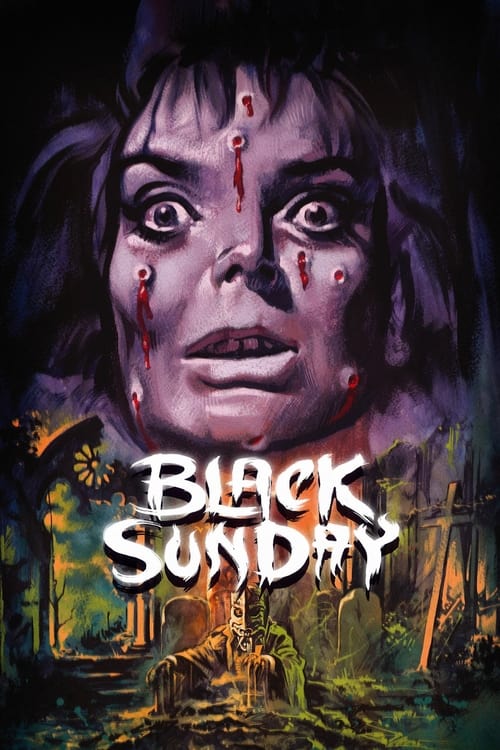
Bava chose to adapt the short story Vij by one of his favorite Russian authors, Nikolai Gogol, into an homage to the early Universal horror films (Dracula [1931], Frankenstein [1931] and Bride of Frankenstein [1935]) he had long admired.
It’s very hard today to imagine people fainting at the 1931 Dracula, yet it supposedly happened.
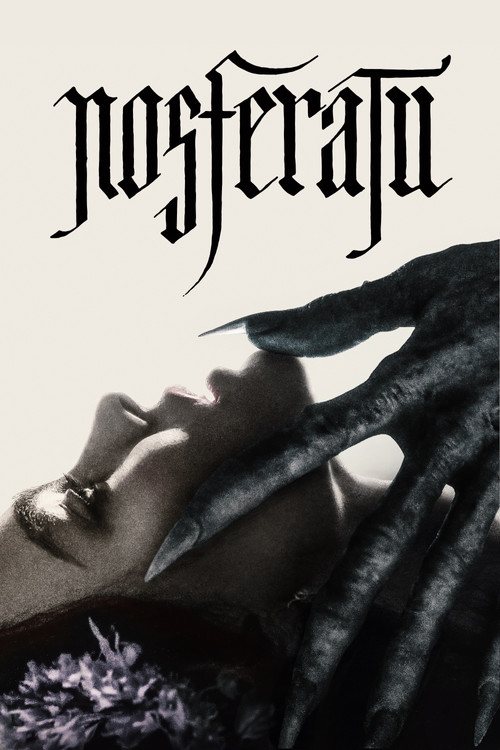
It was only a matter of time before Eggers sunk his teeth into Bram Stoker’s Dracula. He approaches the vampire legend through the inky shadows of F.W. Murnau’s 1922 silent masterwork, which he acknowledges as a formative influence, with maybe a sideways nod here and there to the 1979 Werner Herzog remake and even to Francis Ford Coppola’s baroque 1992 retelling. Eggers’ Nosferatu, however, is its own mesmeric creation, a superlative match of director and material.
Bram Stoker’s 1897 novel Dracula remains one of the most adapted novels of all time, originating with director F.W. Murnau’s unauthorized adaptation and lauded horror classic Nosferatu. Nosferatu, for all the creative departures it took in an effort to mask its retelling of Dracula, inspired a slew of adaptations and spiritual successors of its own.
Nosferatu is Germany's unauthorized version of Bram Stoker's Dracula, the finest example of eluding copyright if there ever was one.
The subtitle of F.W. Murnau’s 1922 silent feature Nosferatu—an unauthorized adaptation of Bram Stoker’s 1897 novel Dracula that became a touchstone for both cinema scholars and fright-movie buffs—was true to its grandly German Expressionist vision: “A Symphony of Horror.”
As the title states, Nosferatu is a remake of F.W. Murnau’s 1922 silent German Expressionist classic Nosferatu: A Symphony of Horror - which was based on Bram Stoker’s "Dracula" (and also inspired Werner Herzog’s 1979 version).
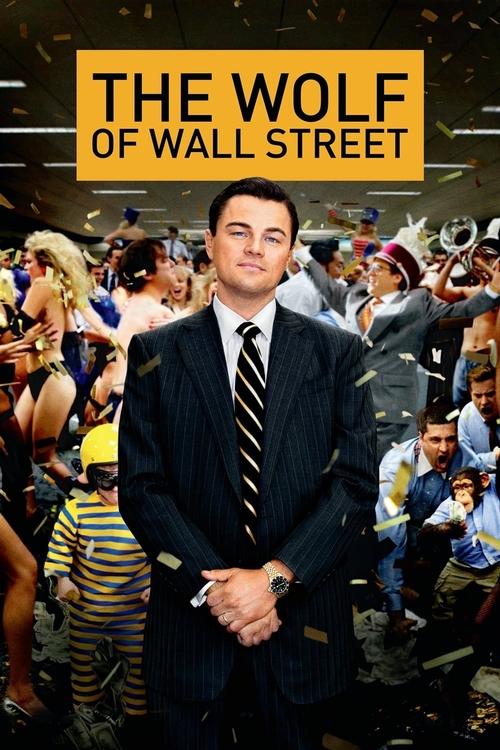
Oompa-Loompas -- the dwarfish assistants of Willy Wonka -- are name-dropped, and at one point Belfort and his board members break into a chant of "Gooble-gobble, we accept you, one of us," from Tod Browning's "Freaks."
There are witty references, too, to The Equalizer, Tod Browning’s Freaks, and Benihana.
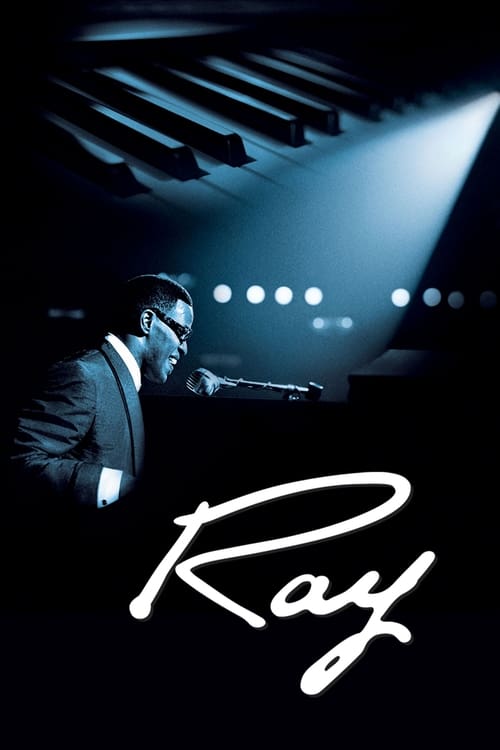
The lesson of Tod Browning's Freaks is that disability is the great democratizing factor, trumping race in matters of larceny and division--and Ray, at its best, balances entertainment with politics in the same deft, graceful way as Charles himself.
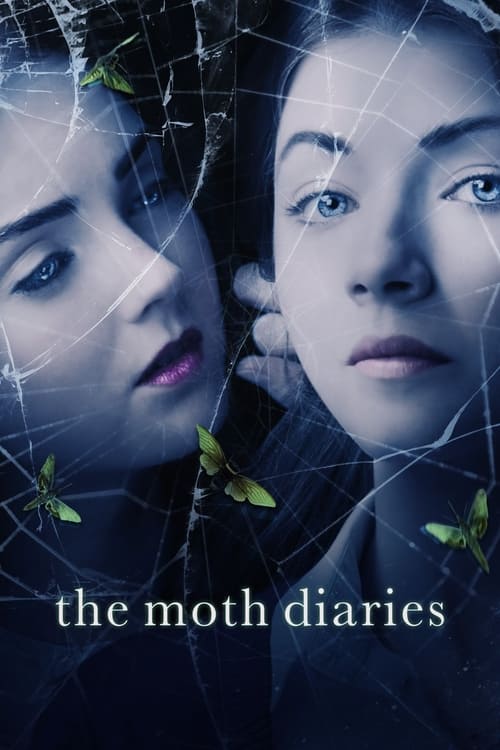
Coincidentally, the girls’ lit teacher, Mr. Davies (Scott Speedman), has just launched them on an exploration of the gothic novel—starting with Bram Stoker’s Dracula, then moving on, counter-chronologically, to Sheridan Le Fanu’s Carmilla, the lesbian-vampire classic.
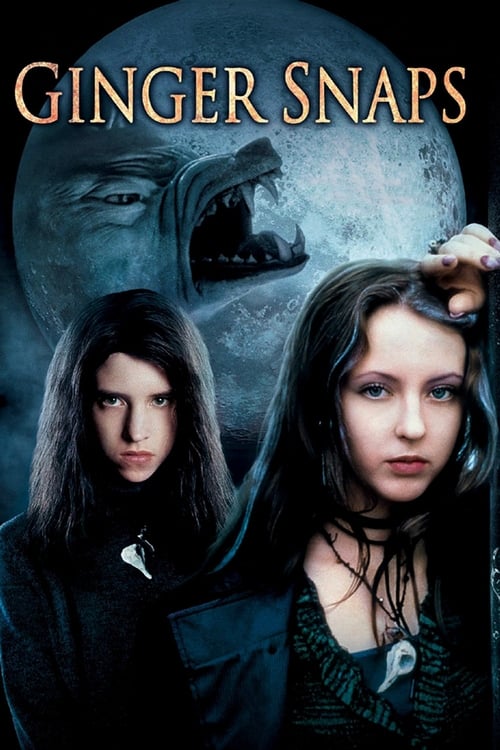
Also echoing Dracula, the chaste Bridget pairs with drug dealer Sam (Kris Lemche), Ginger Snaps's Van Helsing.
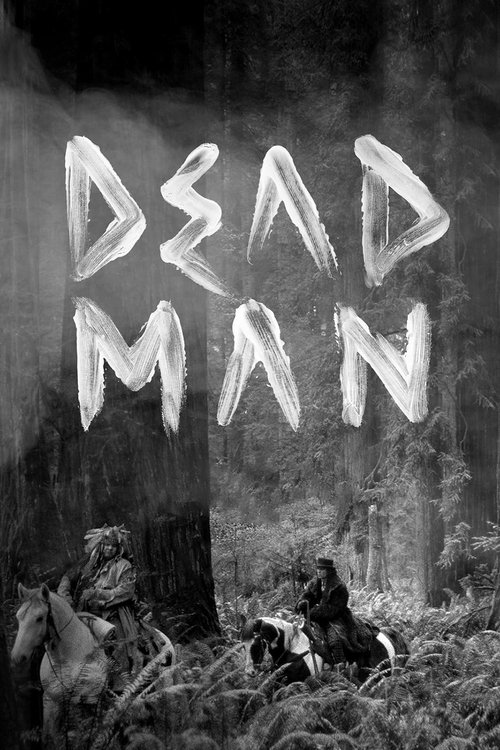
The movie begins with a brief depiction of Blake's train ride across the frontier, which is presented as a sort of homage to the 1931 version of "Dracula," another film in which a nerdy clerk travels into an exotic, timeless and deadly other world of wild mountains and forest.
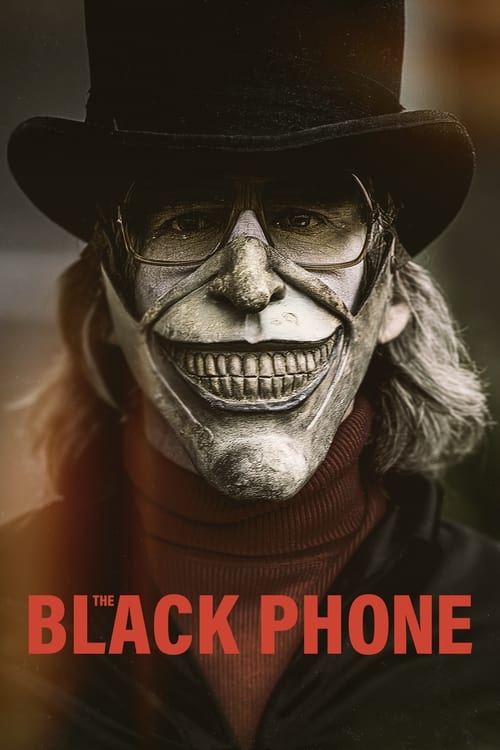
The Black Phone (2022)
Directed by Scott Derrickson
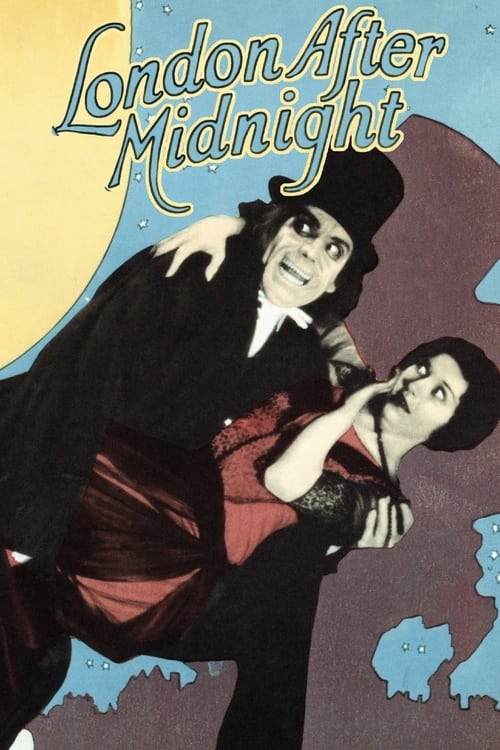
influenced by London After Midnight (1927)
Visuals
Em agosto, já havia sido disponibilizado o primeiro trailer, mostrando que o vilão gordo da literatura fora substituído por Ethan Hawke, com uma máscara e cartola que trazia referência a Lon Chaney em London After Midnight.
Desde ya que El Teléfono Negro no es para nada novedosa o “de quiebre”, sin embargo su arribo es motivo de celebración porque se extrañaba muchísimo una odisea atrapante y osada alrededor del latiguillo a priori quemado del homicida en serie en busca de una presa siempre dócil, planteo que hoy por suerte se complejiza y se expande a través del genial trabajo actoral de Thames y un Hawke que despunta como un villano antológico con una galera y una máscara diabólicas semejantes al Lon Chaney de La Casa del Horror ( London After Midnight , 1927), legendaria epopeya muda y perdida de Tod Browning, y al Doctor Caligari de Werner Krauss de El Gabinete del Dr. Caligari ( Das Cabinet des Dr. Caligari , 1920), obra maestra de Robert Wiene.

The story takes place in England at the turn of the 20th century, which is a particularly interesting historical moment to set a classical ghost story because the crumbling of older modes of life in the face of modern technology echoes the familiar tug-of-war between spirituality and rationality; the old ways hold on despite the force of social evolution (it is not surprising, in this regard, that Bram Stoker set Dracula, a story to which The Woman in Black owes no small debt, in the then-present tense of 1897, rather than in the past).
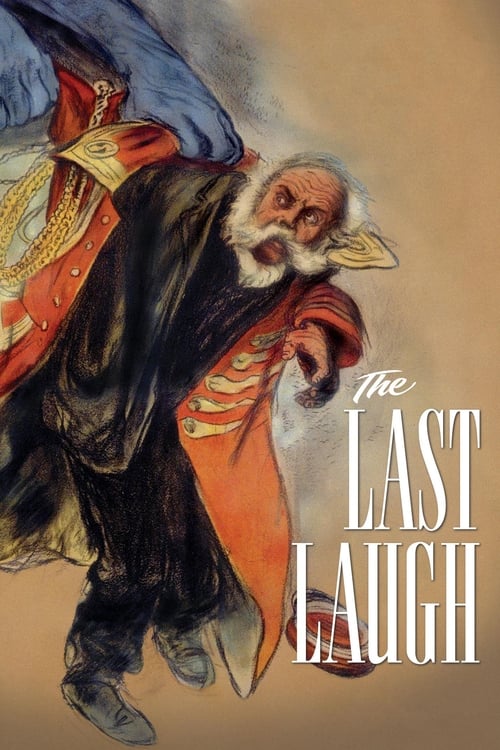
Known as the Great Impressionist for his innovative way of providing "impressions" of reality through the moving camera, Murnau worked with cinematographers Robert Baberske and Karl Freund, who significantly would later film Fritz Lang's Metropolis before moving on to a lengthy career in Hollywood with films like Browning's Dracula and Huston's Key Largo to his credit.
The look of Browning's "Dracula” was inspired by Murnau's gloomy gothic visuals, well known to the German cameraman Freund, who worked with Murnau on " The Last Laugh .”
The cinematographer, Karl Freund, came to Hollywood from Germany (where he worked on films like Metropolis, The Golem, and Murnau's The Last Laugh), and was known for his use of tracking shots and camera movement.
Freund had worked on such groundbreaking movies as Fritz Lang's Metropolis (1926), and M (1931), F.W. Murnau's The Last Laugh (1924), and Lewis Milestone's All Quiet on the Western Front (1930).
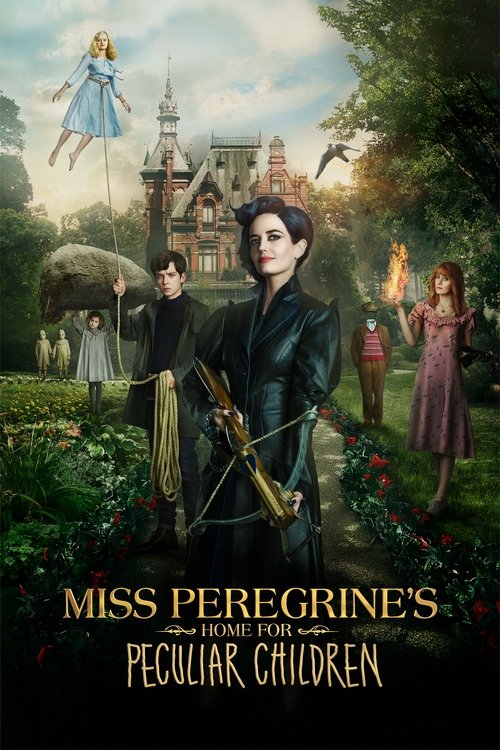
Miss Peregrine's Home for Peculiar Children (2016)
Directed by Tim Burton
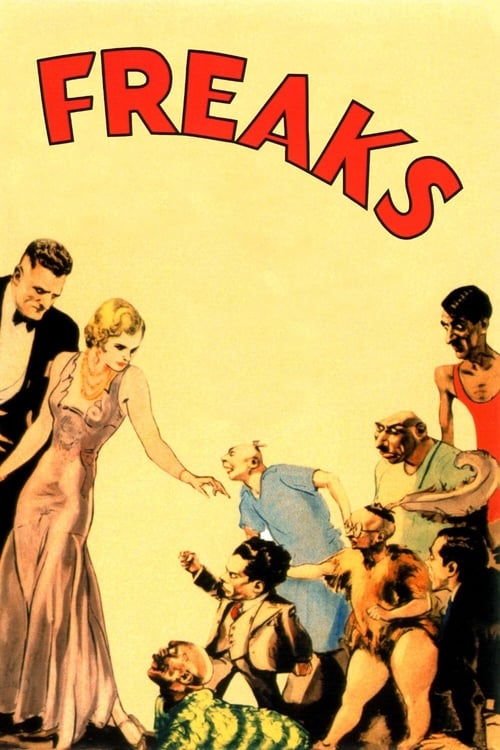
influenced by Freaks (1932), Dracula (1931)
Visuals Themes
At first glance, the pairing of Ransom Riggs’s macabre 2011 coming-of-age novel Miss Peregrine’s Home for Peculiar Children and director Tim Burton would seem like a match made in movieland heaven: an Edward Gorey–inspired island of lost souls as filmed through the lens of old-school horror filmmakers, such as Tod Browning (1931’s Dracula and 1932’s Freaks).
Burton’s version of Riggs’ book, about children with alarming mutations and superpowers, is about what you’d expect: a tween-friendly version of Tod Browning’s shock-horror classic, “Freaks.”
At first glance, the pairing of Ransom Riggs’s macabre 2011 coming-of-age novel Miss Peregrine’s Home for Peculiar Children and director Tim Burton would seem like a match made in movieland heaven: an Edward Gorey–inspired island of lost souls as filmed through the lens of old-school horror filmmakers, such as Tod Browning (1931’s Dracula and 1932’s Freaks).