
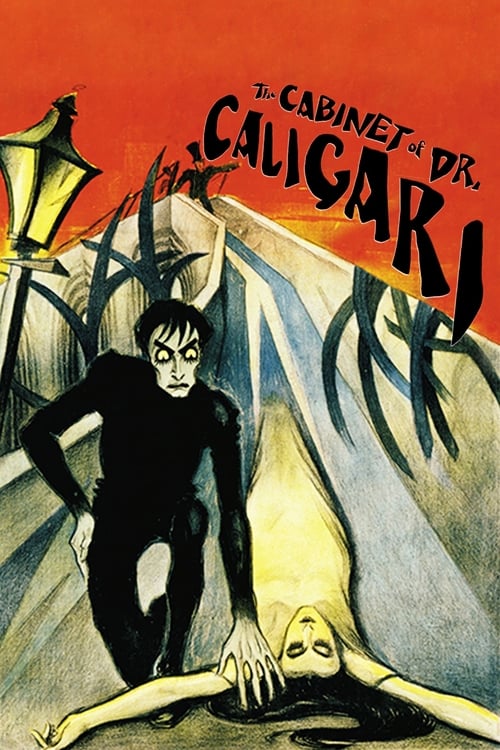
The Cabinet of Dr. Caligari (1920)
Directed by Robert Wiene
Francis, a young man, recalls in his memory the horrible experiences he and his fiancée Jane recently went through. Francis and his friend Alan visit The Cabinet of Dr. Caligari, an exhibit where the mysterious doctor shows the somnambulist Cesare, and awakens him for some moments from his death-like sleep.
12 connections found
View:
12 connections, in both directions
What critics compared The Cabinet of Dr. Caligari to



Though The Queen of the Damned opens with an homage to Robert Wiene's The Cabinet of Dr. Caligari, its visual style is more closely akin to Tarsem Singh's The Cell (though neither as trippy nor daring).

At the very least, it’s an inspiration for one helluva triple feature idea in Face/Off (1997), The Cabinet of Dr. Caligari (1920), and Paddington 2 (2017).
He keeps trying to force his interests, namely 1920 silent film The Cabinet of Dr. Caligari, on her, with little regard for who his daughter might actually be.
That persona causes problems for Cage’s family, who are sick and tired of him prioritizing his job over them, and imposing his love of movies like Fritz Lang’s classic 1920 German expressionist film The Cabinet of Dr. Caligari on them.
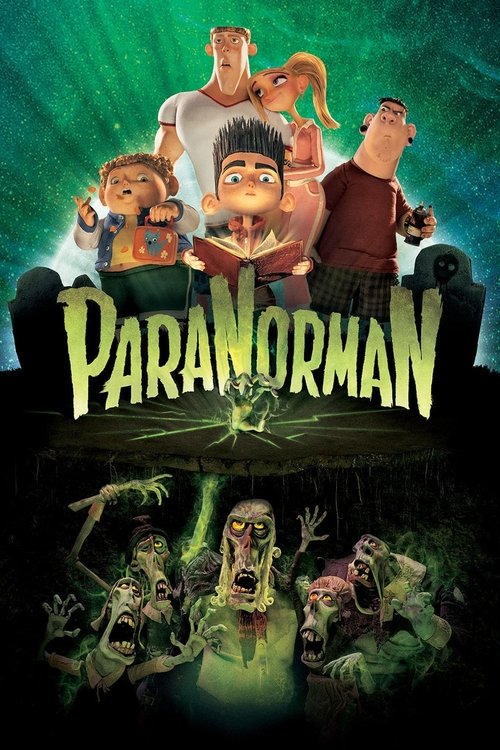
Everything is here from The Cabinet of Dr. Caligari (1920), to the black brambles of Disney’s Sleeping Beauty (1959), to references to the Friday the 13th and Halloween series — and, of course, the requisite zombie tropes.
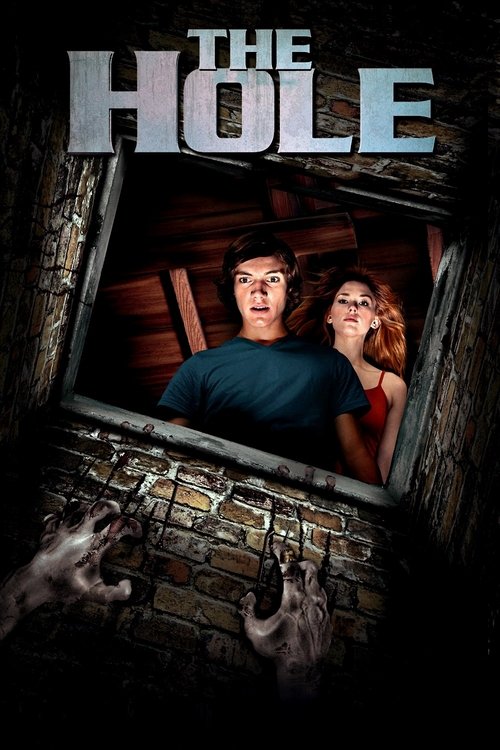
It is interesting to note however how much the sets for the final set piece is inspired by The Cabinet of Dr. Caligari, a movie made way back in 1920!
Advertisement
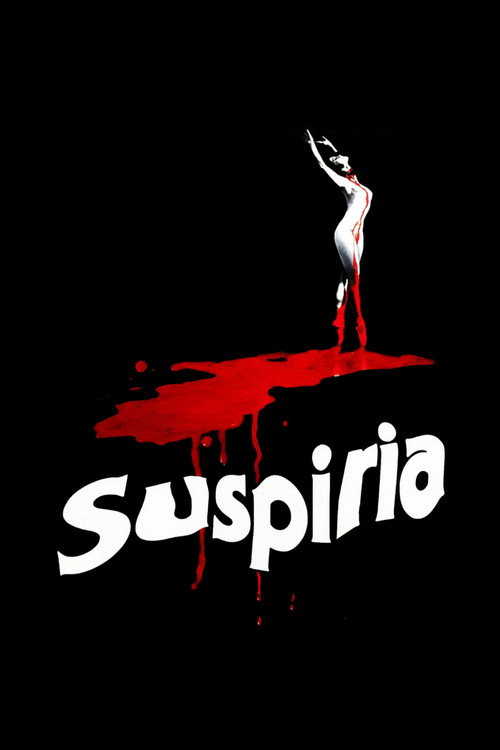
Bava’s film was one six that inspired Suspiria , the rest being Robert Wiene’s The Cabinet of Dr. Caligari (1920), David Hand’s aforementioned Disney-produced Snow White And The Seven Dwarves (1937), Jacques Tourneur’s Cat People (1942), Neorealism founders Vittorio De Sica and Luchino Visconti, along Mauro Bolognini, Pier Paolo Pasolini, and Franco Rossi’s Le streghe ( The Witches, 1967), and Brian De Palma’s Phantom Of Paradise (1974), which Harper also starred in.

It seems impossible that Coppola could keep this up for the duration of the picture, could see to fruition the kind of viable update/continuation of Wiene's The Cabinet of Dr. Caligari that the Akira Kurosawa film he helped produce, Kagemusha, with its sanguineous, medieval battlegrounds painted with heavy brushes, aspired to be.
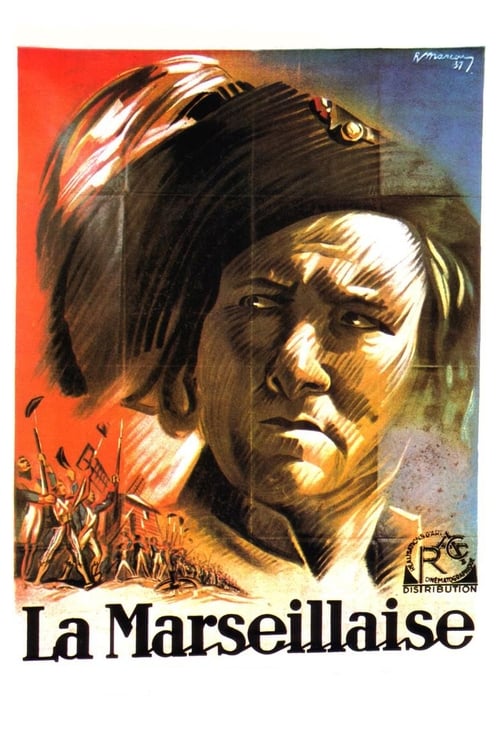
As a result, much of the film was shot in Berlin, which provided Renoir with the opportunity to cast Werner Krauss, star of the expressionist film classic The Cabinet of Dr. Caligari (1919), as the male lead.

Even as far back as 1920’s The Cabinet of Dr. Caligari, where a twist is presented of mental delusions, instead of actual horrors.
Advertisement
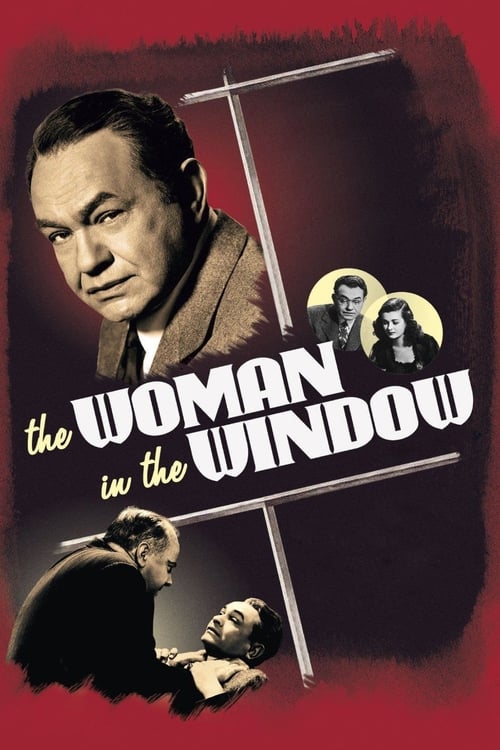
Still, it is useful to remember that Lang’s most significant contribution to The Cabinet of Dr. Caligari (Robert Wiene, 1919) was to introduce the framing device of a dream, which horrified the original writers of the film and led Siegfried Kracauer to charge that “a revolutionary film had thus been turned into a conformist one.”(2)…
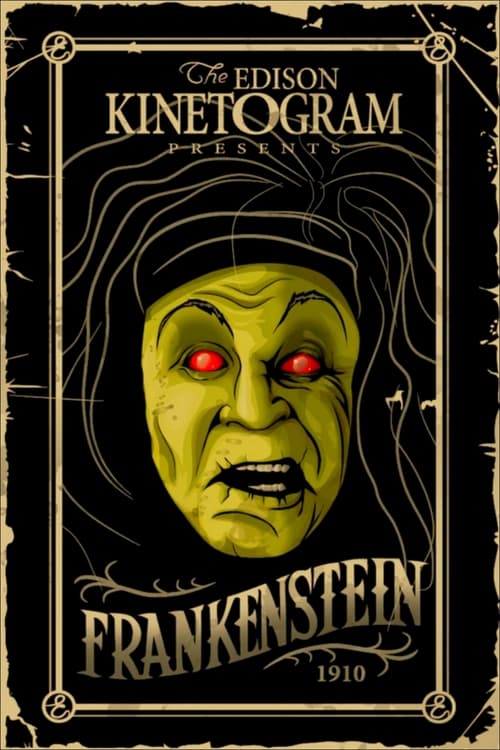
Debatably the first true horror film (others come to mind, such as Thomas Edison’s 1910 Frankenstein short), the film is, among other things, a foundation for German expressionism, as well as one of the first sources for many of the conventions and styles eventually adopted into film noir.