
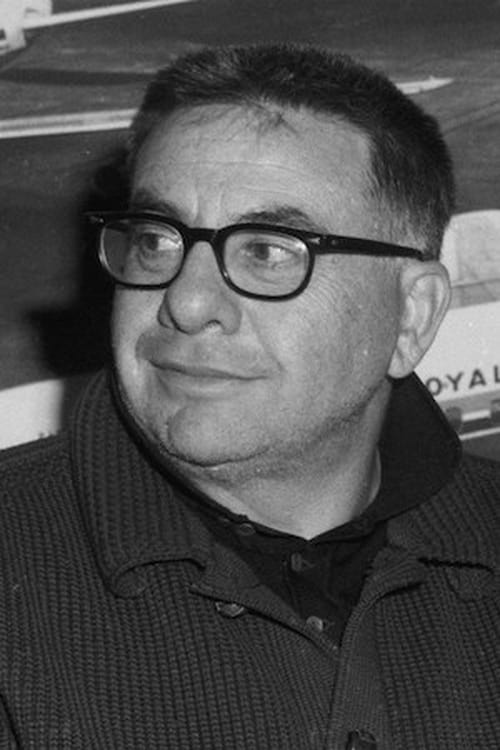
Martin Ritt
23 connections found



View:
Connections, in both directions



I'm waiting to see which nitwit will be the first to dismiss "Erin Brockovich" because things actually turn out well, or because it reminds him or her of "Norma Rae" or "A Civil Action" and, well, doesn't that mean it has been done?
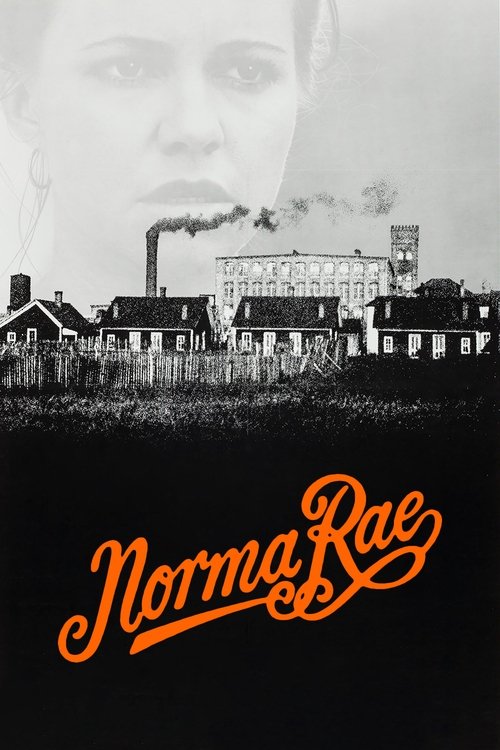
Not yet it doesn't, but before " Erin Brockovich " is over those qualities will surface as major players in this irresistible, hugely satisfying feminist fairy tale that turns "Norma Rae" into the protagonist of "A Civil Action" and makes us believe it.
In a lot of respects this is a very old-fashioned Hollywood entertainment — Pretty Woman (you won't believe some of the outfits Roberts wears here, by the way) meets Norma Rae.
The result is a portrayal of a real-life working-class hero on a par with Norma Rae, which won Sally Field an Oscar, and Silkwood, which earned Meryl Streep an Oscar nomination.
Erin Brockovich Erin Brockovich is one of those lone justice crowd pleasers, like "Norma Rae" or "Silkwood," in which a workaday woman dares to fight the system…
One of the most salutary aspects of this riveting drama is the rounded portrait of a deeply flawed heroine who, like the courageous women in Norma Rae and Silkwood, demonstrates the hard road of trying to make a difference in the world.
A neo-Cold War thriller would seem like just the ticket for cineastes who fondly recall Iron Curtain-courting capers on the order of The Spy Who Came In from the Cold, Fail-Safe and select James Bond exploits.
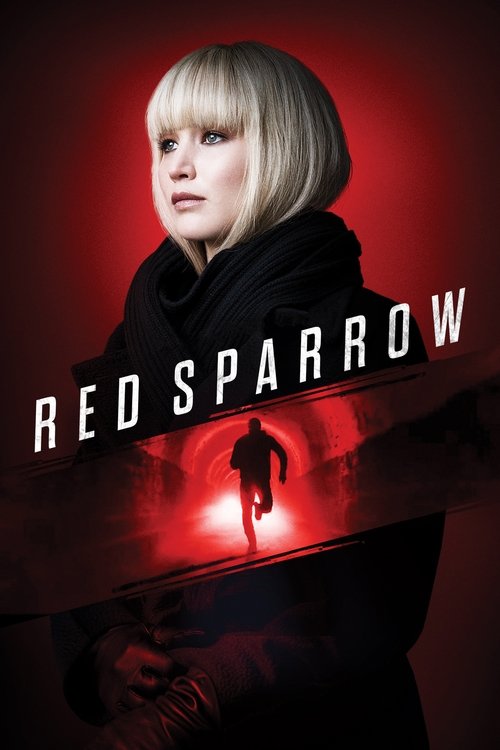
Red Sparrow (2018)
Directed by Francis Lawrence
influenced by The Spy Who Came In from the Cold (1965)
Themes Plot
No one is going to mistake “Red Sparrow” for, say, Martin Ritt’s “The Spy Who Came in From the Cold.”
Or that the ending exchange of prisoners comes right out of The Spy Who Came In From the Cold?
Films like The Spy Who Came in from the Cold or, more recently, Bridge of Spies are studies in betrayal, subterfuge and human weakness.
Based on the novel by Jason Matthews, Justin Haythe's screenplay has more in common with cerebral spy films such as "The Spy Who Came in from the Cold" than action flicks like "Atomic Blonde".
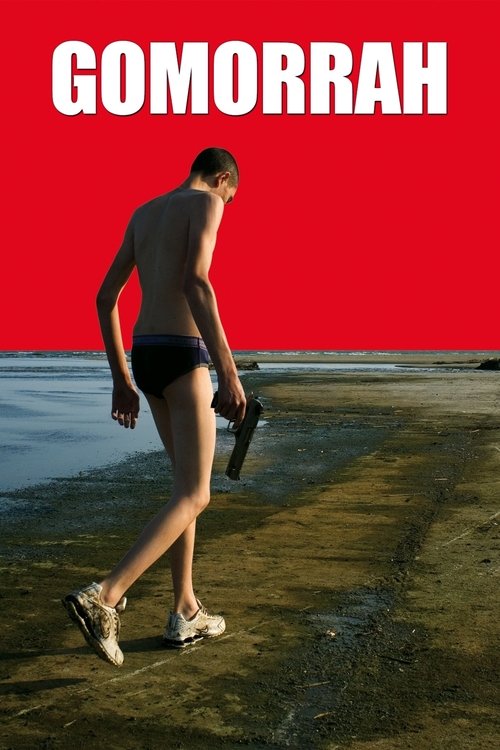
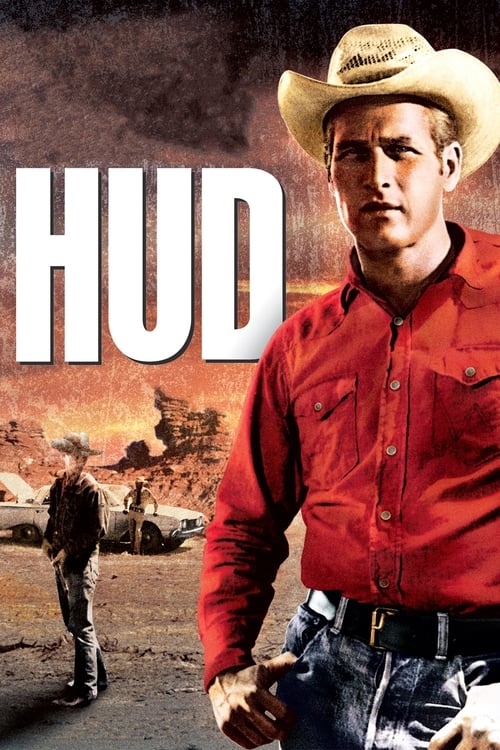
Dropping us in the middle of Italian slum Scampia, itself smack dab in the middle of nothing, Matteo Garrone's Gomorrah (Gomorra) is the Hud of gangster flicks, all deglamourized, harsh, expressionist stripping-away of illusions and idealism to reveal the gasping, grasping emptiness underneath.

Bridge of Spies (2015)
Directed by Steven Spielberg
influenced by The Spy Who Came In from the Cold (1965)
Themes Visuals
Using a screenplay polished and honed by the Coen Brothers, Spielberg dips into John le Carré territory (you can't help but think of The Spy Who Came in From the Cold when Donovan looks onto the newly erected Berlin Wall, in the searchlights, in the snow).
(The dark, dimly lit interiors and exteriors shot by cinematographer Janusz Kaminski could very well translate as the black-and-white world depicted in The Spy Who Came in From the Cold.)
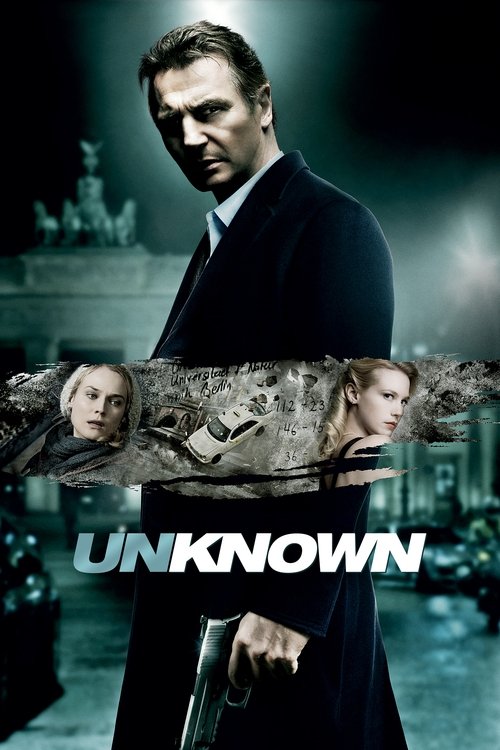
Unknown (2011)
Directed by Jaume Collet-Serra
influenced by The Spy Who Came In from the Cold (1965)
Visuals
Not since “The Spy Who Came in from the Cold,” has Berlin looked so cold and sinister.
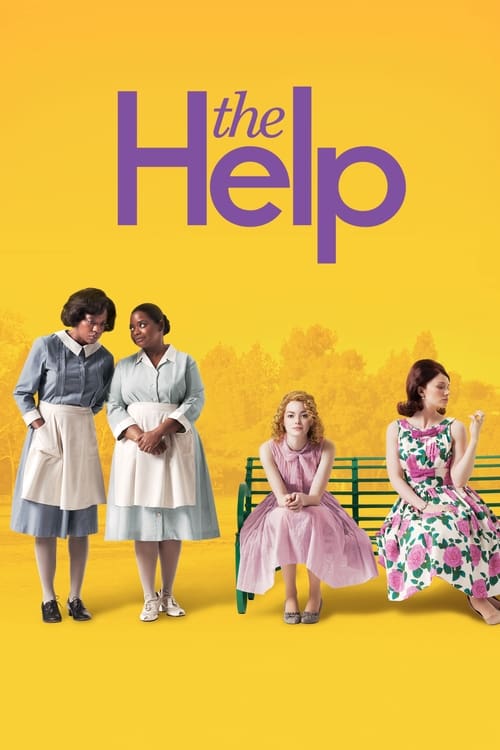
This is the kind of heartfelt liberal picture that Robert Mulligan (“To Kill a Mockingbird”) or Martin Ritt (“Sounder”) would have made forty or fifty years ago, but with a different subject—what black women working for wealthy white families in Mississippi in the early nineteen-sixties (and, by extension, at any time and place) felt about their lives and about their female employers.

After a visit to Radiator Springs, he gets encouraging words from old pal tow truck Mater (Larry The Cable Guy), his girlfriend (Bonnie Hunt) and even in a flashback his mentor the legendary Doc Hudson ( Paul Newman ).

In the middle, on 21st century Earth are Academy Award nominees Alfre Woodard (for 1983's "Cross Creek" ) and James Cromwell (who was Farmer Hoggett in "Babe" ).
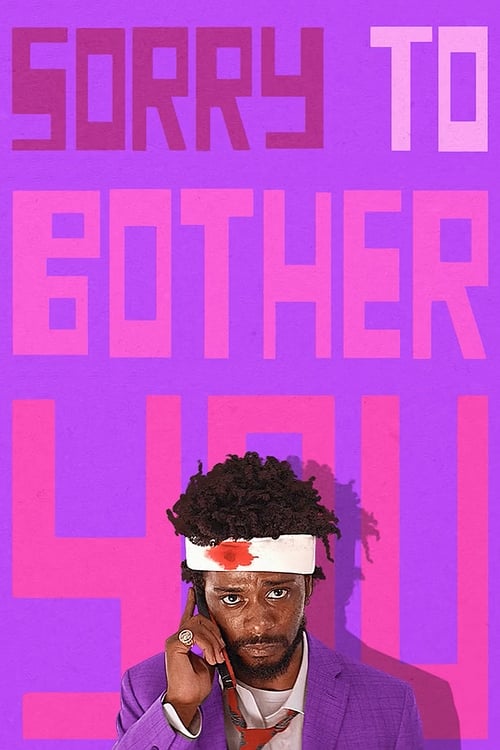
Anchored by Stanfield's sympathetic performance as a beleaguered, manipulated Everydude, the movie is Norma Rae on a long, strange trip through our world of self-righteous tech bros, casual racism and viral cruelty.

"Raging Bull," "The Great White Hope," "The Fighter," "The Hurricane," and "Cinderella Man" are just a few of the movies that have inspired us, made us think, and brought humanity to otherwise god-like figures that occupy the ring.
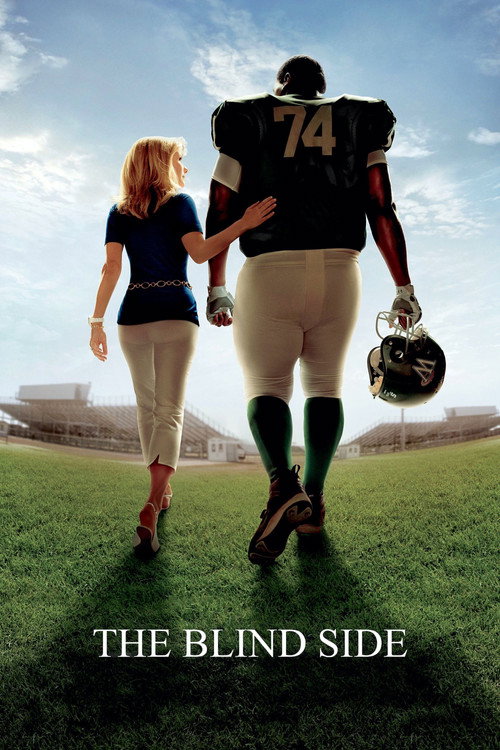
Unlike Sissy Spacek in The Long Home or Michelle Pfeiffer in Lovefield ( while fictional, these two films contain no elements of “The Great White Hope” or “The Magical Negro”), the Tuohys own background is never explored, which might have made this good movie into an excellent flick.
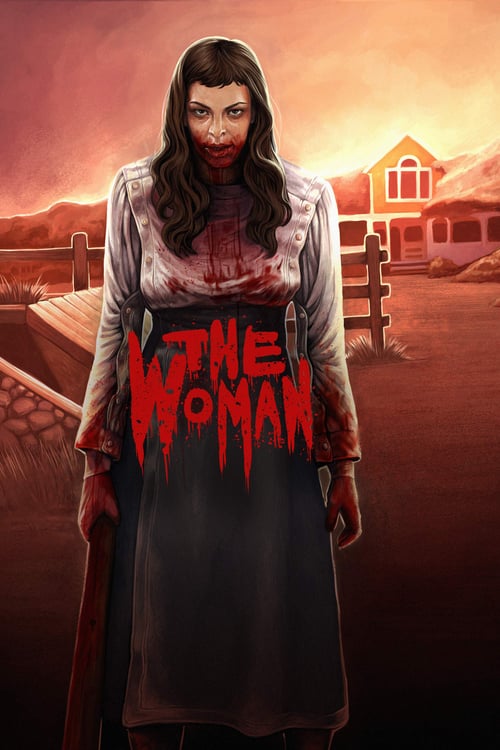
There are also subtexts about the ways in which men oppress women to keep them locked inside specific societal roles, but come on: You want a feminist movie, go rent Norma Rae.
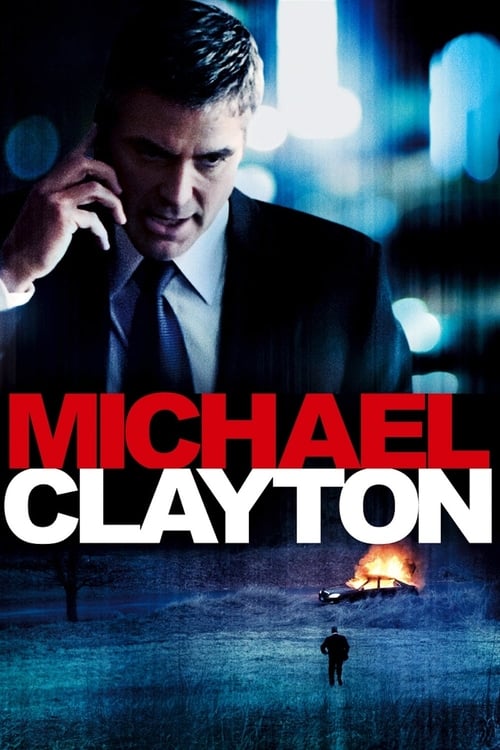
The muckraking social drama has a long, proud tradition in American movies, from "I Am a Fugitive From a Chain Gang" to "Norma Rae" to "Erin Brockovich."

His relationship with good-but-unconvinced-doctor Jennifer Garner seems like a page from the "Norma Rae" playbook — platonic friendship between two unlikely allies — than anything like a genuine moment.
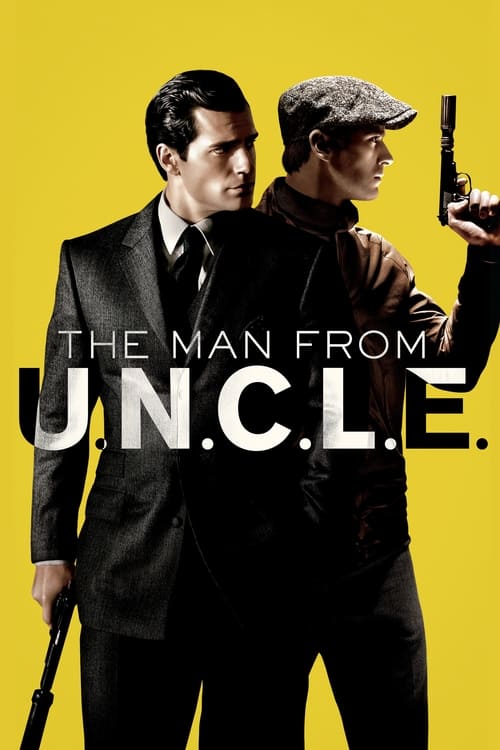
The Man from U.N.C.L.E. (2015)
Directed by Guy Ritchie
influenced by The Spy Who Came In from the Cold (1965)
Themes
…never quite went the route of the spy spoof Get Smart (although the third season could get awfully campy, a side effect of the Batman craze), it offered enough of a wink-wink-nudge-nudge attitude to make even the playful 007 flicks look as serious-minded as The Spy Who Came In from the Cold by comparison.

Office Space is most definitely a comedy, something like Norma Rae with a college degree and a sense of humor.

Kurosawa’s “Rashomon” (and its American remake “The Outrage”)…
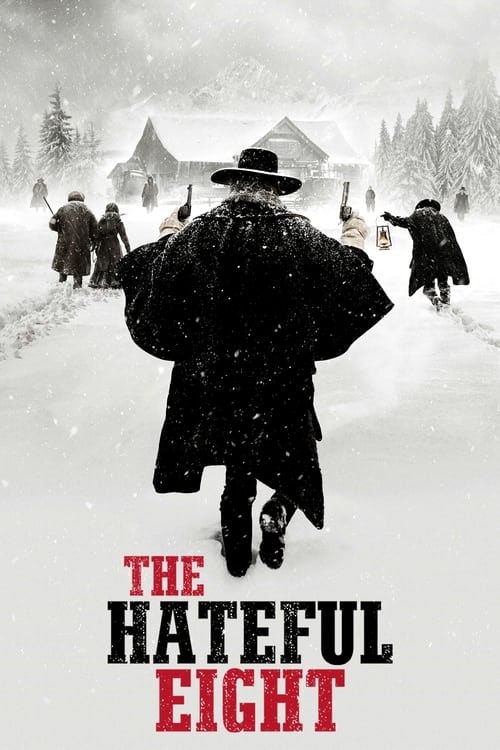
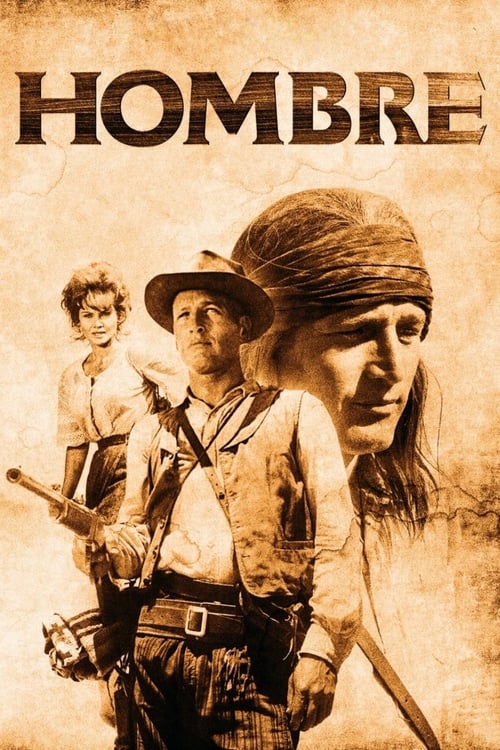
I could point to other, far greater Westerns that know this – the Coen Brothers’ True Grit , Paul Newman’s Hombre , John Ford’s The Searchers – but the truth is that the best Tarantino movies acknowledge this too.
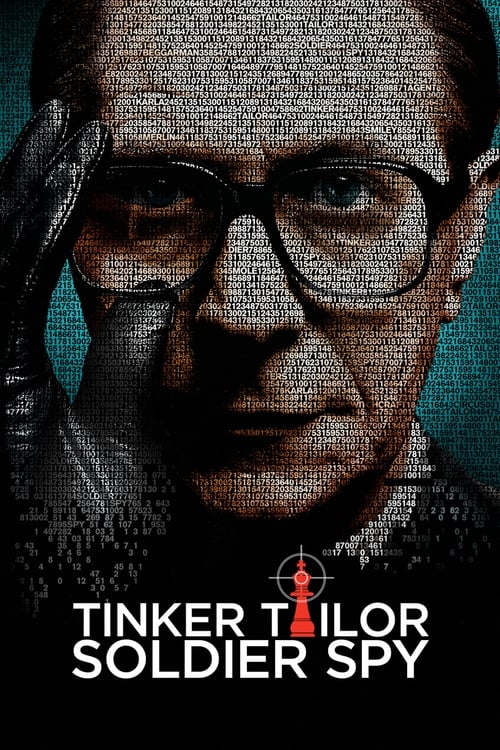
Tinker Tailor Soldier Spy (2011)
Directed by Tomas Alfredson
influenced by The Spy Who Came In from the Cold (1965)
Themes
There have been some, such as "The Spy Who Came in from the Cold," "The Tailor of Panama" and "The Constant Gardener," that have done a reasonably good job of transposing the material into cinematic terms without losing too much of the material in the process while others, including the largely forgotten likes of "The Deadly Affair," "The Looking Glass War" and the dreadful "The Little Drummer Girl," that made such utter hash of his words that even those who had actually read the stories had virtually no idea what was going on at any given time.
There might not be any 20th Century novelist as well-served by dramatic adaptations of his works as British spy author (and former British spy) John le Carré: the not-as-great films taken from his body of work feature such wholly enjoyable thinking-heavy thrillers as The Russia House and The Tailor of Panama , while the great ones include the rather terrific '60s film The Spy Who Came in from the Cold and the outstanding 1979 BBC miniseries Tinker Tailor Soldier Spy , one of the finest things aired on television in that decade.
Fans of The Ipcress File and le Carré's The Spy Who Came in From the Cold, rejoice.
The following year, Smiley slipped into “The Spy Who Came In from the Cold,” which remains le Carré’s most celebrated work, partly because it scraped every lingering speck of James Bond from our understanding of what spying might entail.