
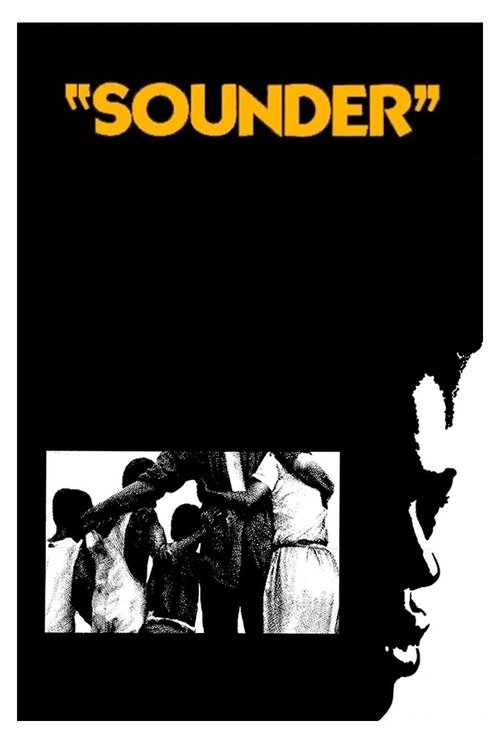
Sounder (1972)
Directed by Martin Ritt
The oldest son of a loving and strong family of black sharecroppers comes of age in the Depression-era South after his father is imprisoned for stealing food.
1 connection found
View:
1 connections, in both directions
What critics compared Sounder to



This is the kind of heartfelt liberal picture that Robert Mulligan (“To Kill a Mockingbird”) or Martin Ritt (“Sounder”) would have made forty or fifty years ago, but with a different subject—what black women working for wealthy white families in Mississippi in the early nineteen-sixties (and, by extension, at any time and place) felt about their lives and about their female employers.