
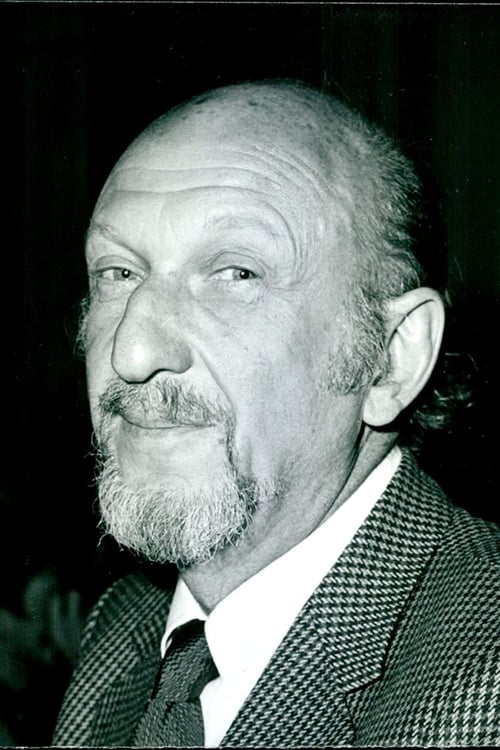
Irvin Kershner
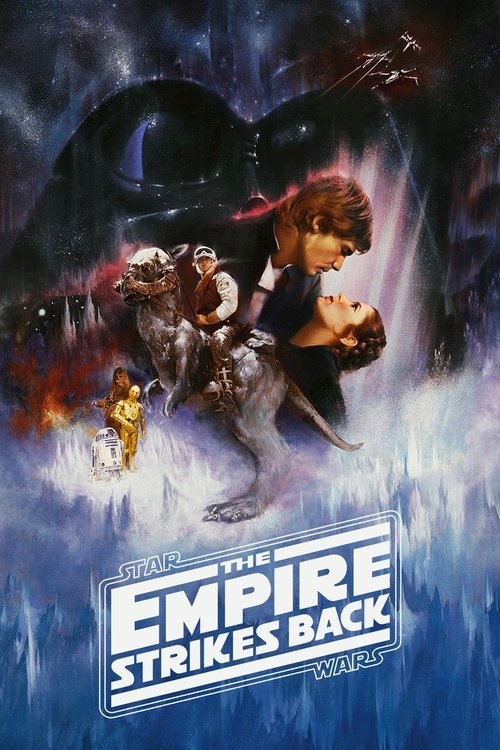
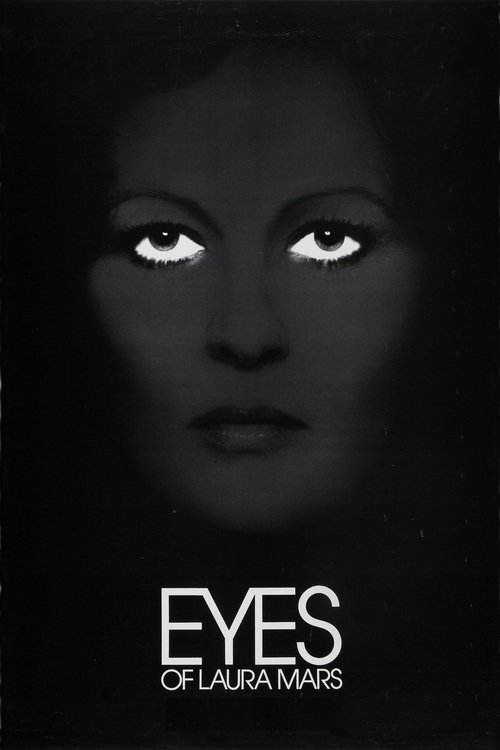
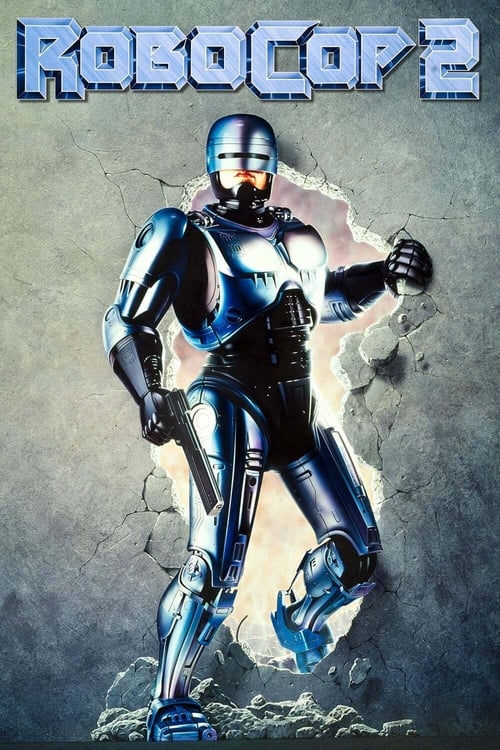

Connections, in both directions
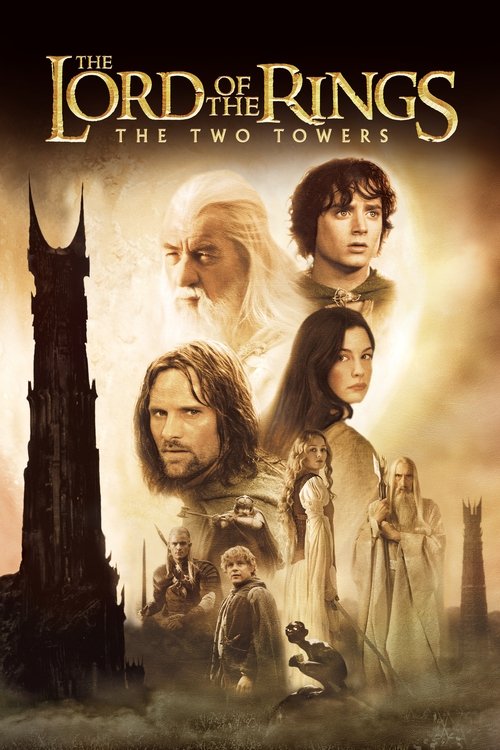
The Lord of the Rings: The Two Towers (2002)
Directed by Peter Jackson
influenced by The Empire Strikes Back (1980)


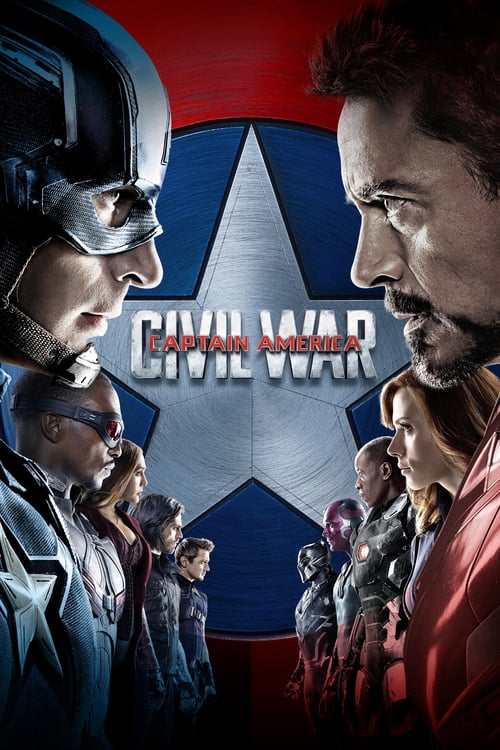
Captain America: Civil War (2016)
Directed by Joe Russo
influenced by The Empire Strikes Back (1980)
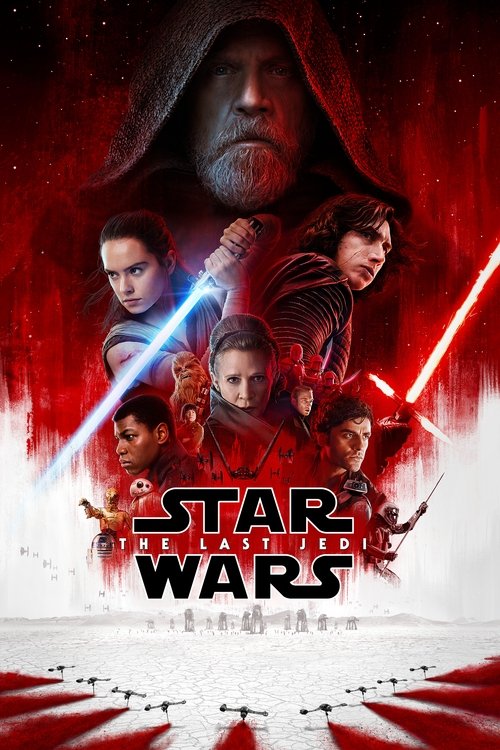
Star Wars: The Last Jedi (2017)
Directed by Rian Johnson
influenced by The Empire Strikes Back (1980)

Star Wars: The Force Awakens (2015)
Directed by J.J. Abrams
influenced by The Empire Strikes Back (1980)
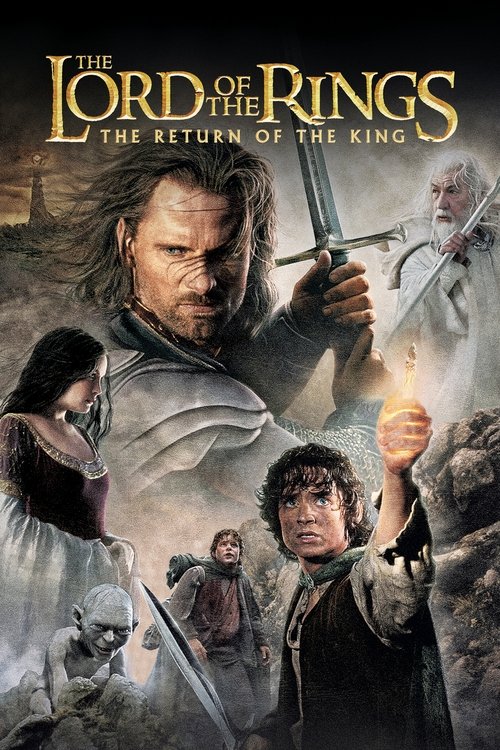
The Lord of the Rings: The Return of the King (2003)
Directed by Peter Jackson
influenced by The Empire Strikes Back (1980)
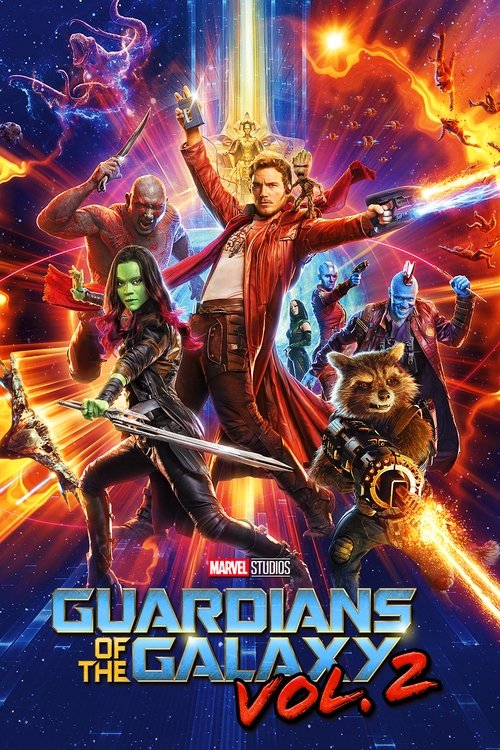
Guardians of the Galaxy Vol. 2 (2017)
Directed by James Gunn
influenced by The Empire Strikes Back (1980)
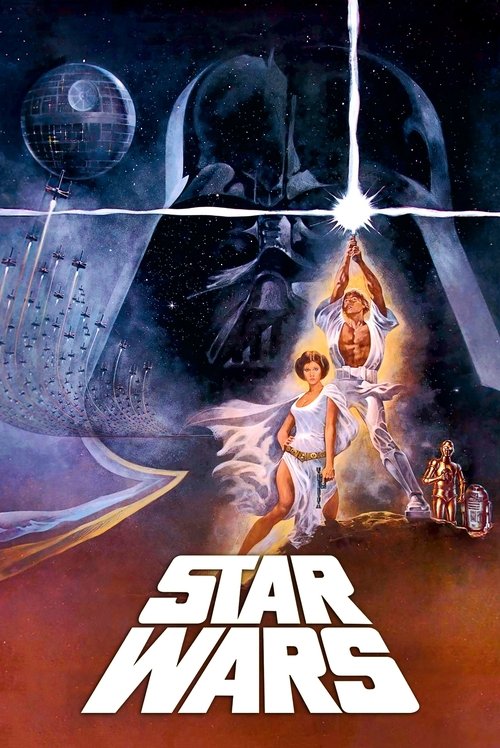
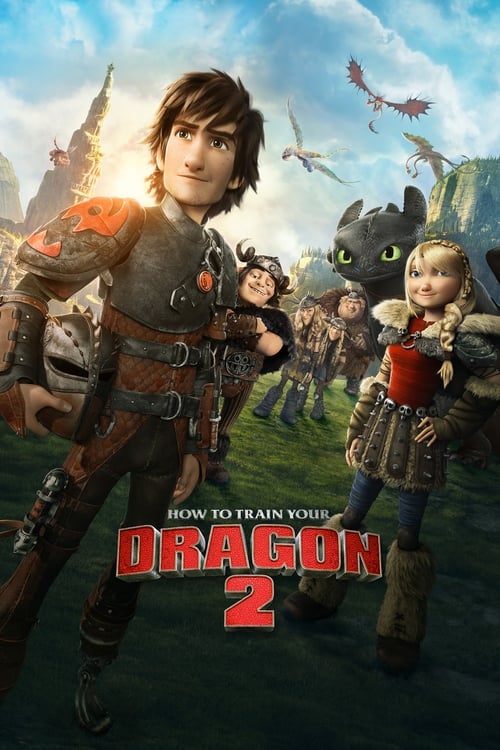
How to Train Your Dragon 2 (2014)
Directed by Dean DeBlois
influenced by The Empire Strikes Back (1980)
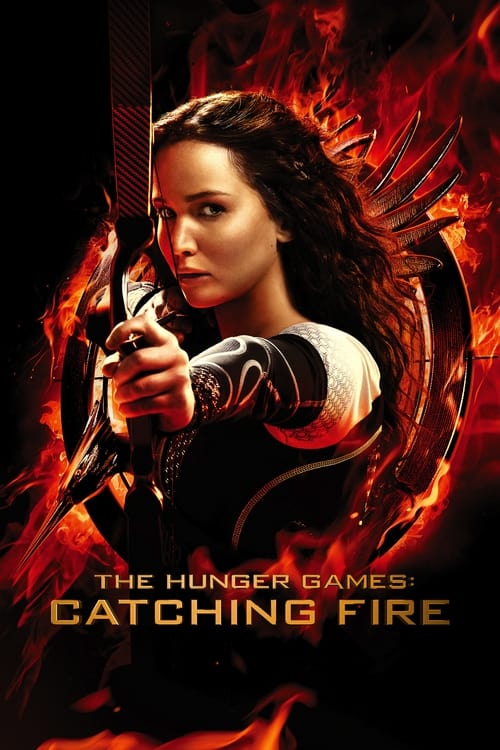
The Hunger Games: Catching Fire (2013)
Directed by Francis Lawrence
influenced by The Empire Strikes Back (1980)
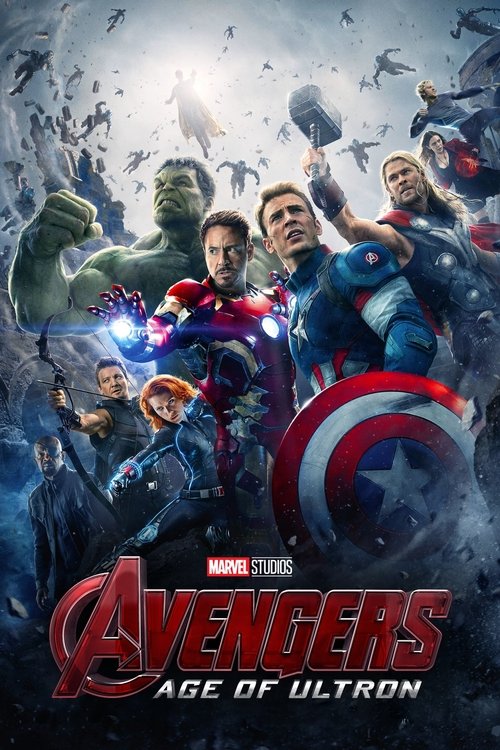
Avengers: Age of Ultron (2015)
Directed by Joss Whedon
influenced by The Empire Strikes Back (1980)


Mortal Engines (2018)
Directed by Christian Rivers
influenced by The Empire Strikes Back (1980)
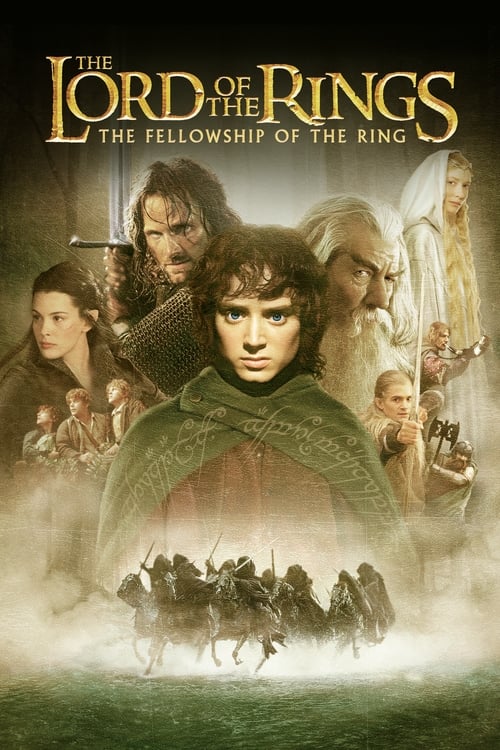
The Lord of the Rings: The Fellowship of the Ring (2001)
Directed by Peter Jackson
influenced by The Empire Strikes Back (1980)
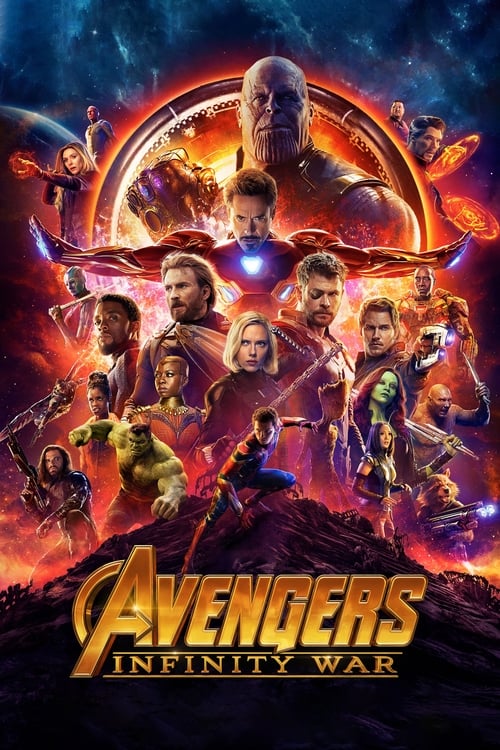
Avengers: Infinity War (2018)
Directed by Joe Russo
influenced by The Empire Strikes Back (1980)
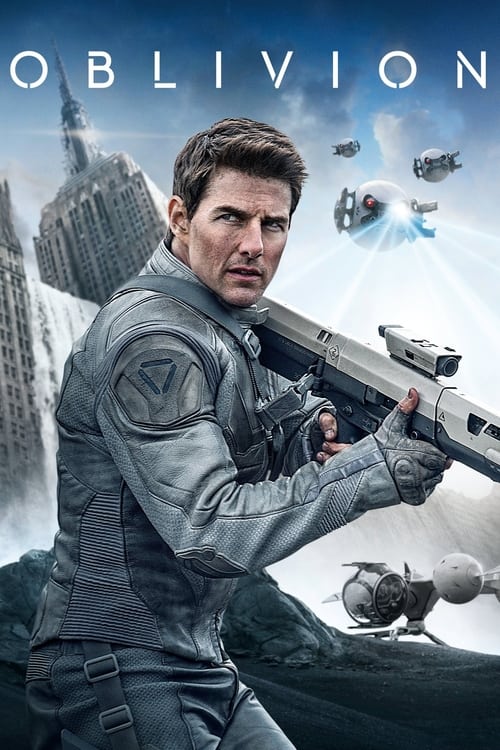
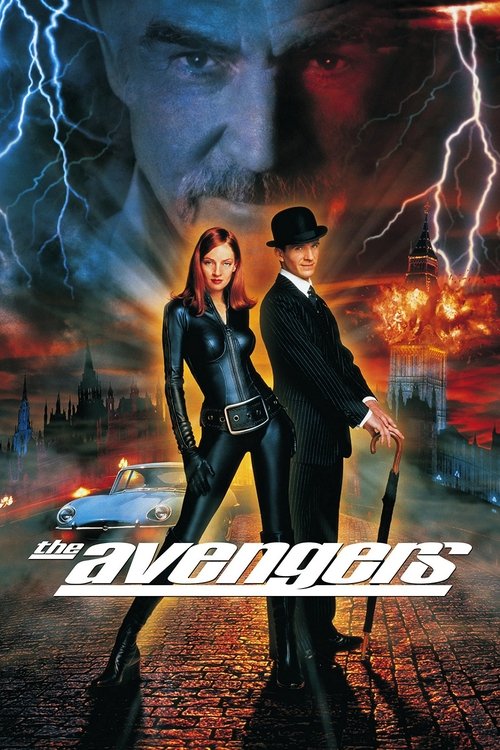
The Avengers (1998)
Directed by Jeremiah S. Chechik
influenced by The Empire Strikes Back (1980)
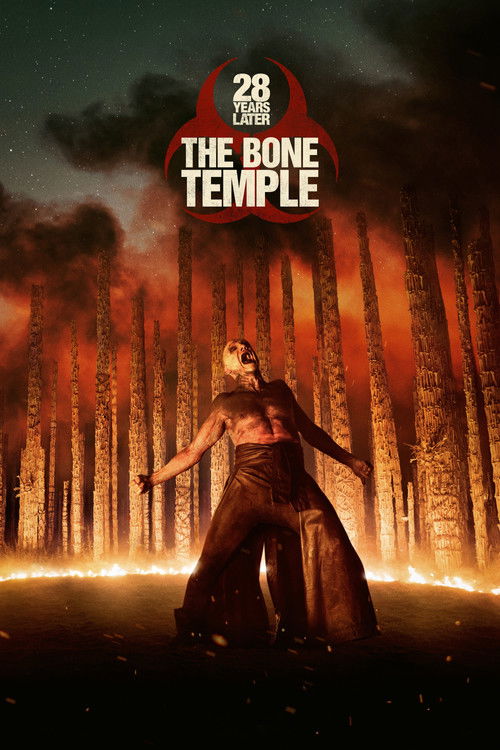
28 Years Later: The Bone Temple (2026)
Directed by Nia DaCosta
influenced by The Empire Strikes Back (1980)