
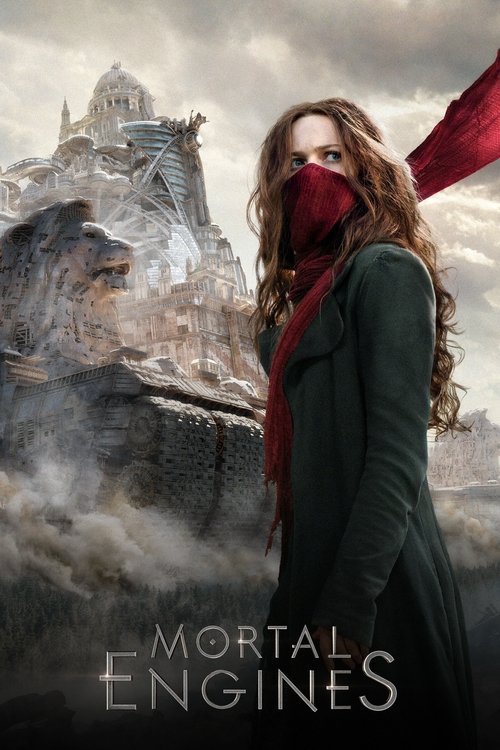
Mortal Engines (2018)
Directed by Christian Rivers
Many thousands of years in the future, Earth’s cities roam the globe on huge wheels, devouring each other in a struggle for ever diminishing resources. On one of these massive traction cities, the old London, Tom Natsworthy has an unexpected encounter with a mysterious young woman from the wastelands who will change the course of his life forever.
37 connections found
View:
37 films that influenced Mortal Engines
What critics say influenced Mortal Engines




The film’s look, shaped under the direction of fist-time director (and Jackson protégé) Christian Rivers, draws on various familiar steampunk sources from Mad Max to The City of Lost Children to a few of Terry Gilliam’s adventures, while maintaining its own identity.
Speaking of which, the post-apocalyptic environment of Mortal Engines is loaded with visual cues from other films, from Mad Max to Waterworld to The Road to Terminator .
There's a milder, less demented Mad Max quality to the set-piece that decidedly rivets the attention, even if the sheer physics of it seem more than a bit preposterous; it's akin to a huge garbage truck consuming a lawn mower.
It's very reminiscent of the opening of the original "Star Wars" with the Star Destroyer pulling in Princess Leia's Blockade Runner (with a little of the submarine capture in "The Spy Who Loved Me" thrown in with some obvious "Mad Max" elements, too).
Indeed, this is the kind of visual spectacle where Jackson excels, like “Mad Max” meets “Godzilla,” with cool airborne metropolises, all manner of winged and wheeled vehicles, a Terminator-like undead robotic guy and dizzying action.
It's been a long time since Peter Jackson last made a good movie, and the dry spell continues with Mortal Engines, which answers a burning question: What if Mad Max: Fury Road had sucked?

Another impressive and impressive component comes in the form of soundscape composer Junkie XL of Mad Max: Fury Road notoriety.
It's been a long time since Peter Jackson last made a good movie, and the dry spell continues with Mortal Engines, which answers a burning question: What if Mad Max: Fury Road had sucked?
If Mortal Engines has anything going for it, it’s that strong initial promise, established with a dizzying, breakneck opening set-piece, realising both the strong effects work of Jackson’s own VFX house Weta Digital and a relentless score from Mad Max: Fury Road composer Junkie XL.
With CGI-heavy traction chases, sky-based attack sequences and fiery fight scenes – set to an ostentatious score by Junkie XL – it’s reminiscent of Mad Max: Fury Road.
But most of “Mortal Engines” is a wearying blast of CGI and genre-cribbing (most egregiously, director Christian Rivers hired composer Junkie XL to seemingly lift, wholesale, his soundtrack from “Mad Max: Fury Road”).
There are the obvious Mad Max undertones to that opening city chase scene—the sequence is even scored by the same composer as Mad Max: Fury Road, Junkie XL—but also elements of The Matrix in certain characters’ aesthetics, and a derivative romantic subplot that all young adult–leaning dystopian fare seems to lean toward.
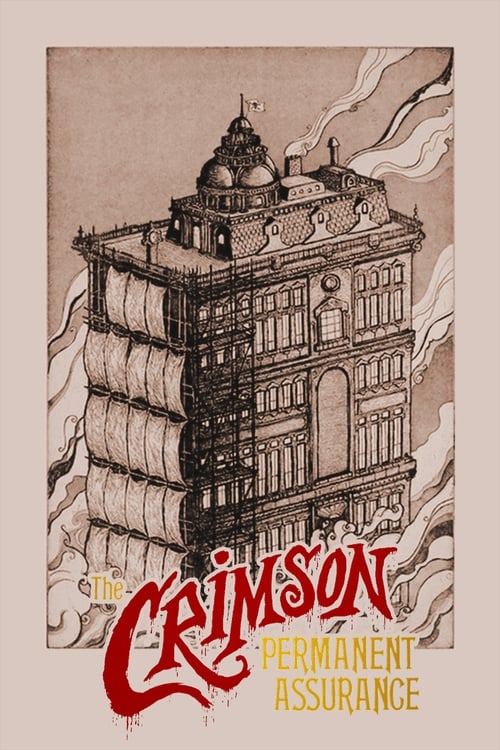
Even Monty Python fans will have trouble watching Mortal Engines without thinking of The Meaning of Life and Terry Gilliam’s brilliant short film The Crimson Permanent Assurance , which features a building traversing a post-apocalyptic wasteland (though with sails, not wheels).
Never mind that the whole concept of the movie is like someone decided to take Terry Gilliam’s “The Crimson Permanent Assurance” way more seriously than it was ever intended.
A partial list of lenders would include The Terminator, Snowpiercer, Frankenstein, The Road Warrior, Howl’s Moving Castle, Star Wars (and every WWII dogfight epic that inspired it), Brazil (and other Gilliamesque romps, notably his Meaning of Life short “The Crimson Permanent Assurance”) and every third Roger Dean painting/album cover.
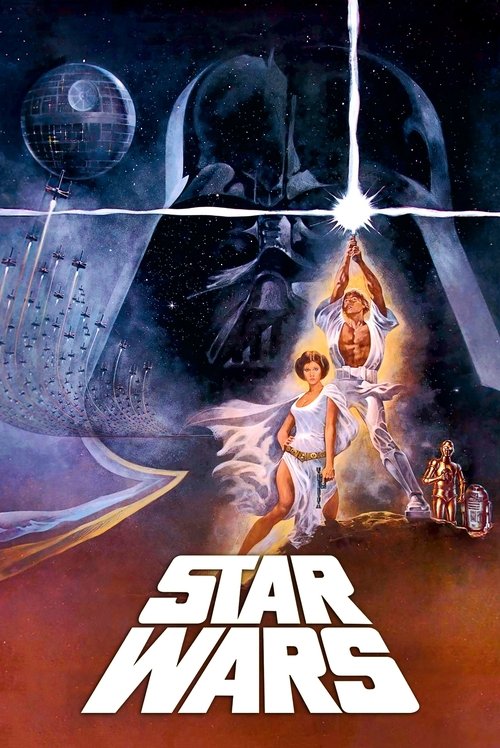
One scene manages to rip off the ending of two different “Star Wars” movies at the exact same time.
Borrowing heavily from Star Wars, The Lord of the Rings, and even Dune, Mortal Engines is more like a collage of sci-fi and fantasy movie clichés than something new and original.
Speaking of dear old Han, there’s a lot of Star Wars in Mortal Engines’ grimy set design, laser beams of mass destruction, and reliance on passing aircraft ex machina, only with hulking British guys covered in soot instead of aliens.
Fitting, given its lackluster action sequences and a tepid (and predictable) story which reads like a steampunk retread of Star Wars by way of Final Fantasy.
While the action splashes and explodes across the screen, fantasy fans can check off the references: Howl's Moving Castle, Mad Max, and lots of Star Wars, all pushed into the same garburator.
By the time we get to the finale, it’s as if everyone behind the scenes is so exhausted that they just figured they could treat us to Star Wars ’ attack on the Death Star again and we’ll be good with that.
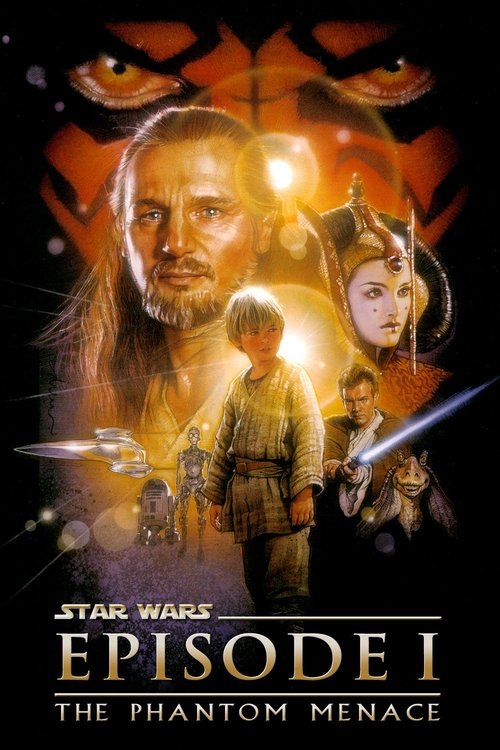
Hollow, hyper-functional writing isn’t the only thing here that evokes “The Phantom Menace,” as sleek vehicle designs sit alongside rusty baubles that could have been salvaged from the broken dystopia of “Brazil.”
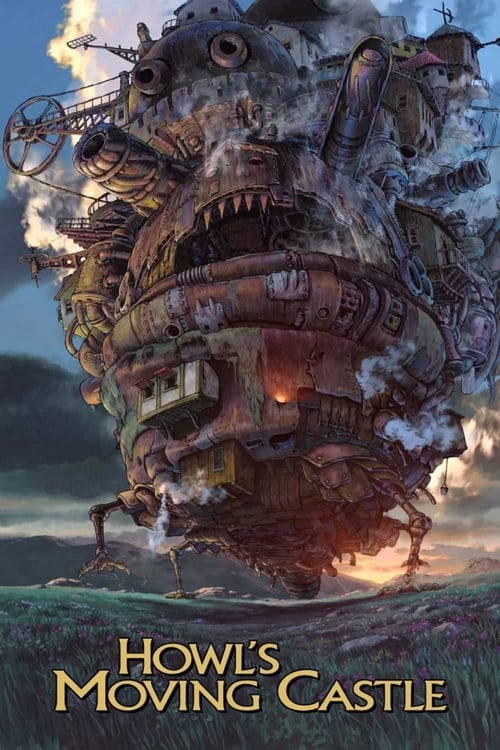
Based on novels by Philip Reeve, the film’s version of a post-apocalyptic future posits the reign of “traction cities,” metropolises mounted on wheels à la Howl’s Moving Castle.
Well, aside from the endless borrowings from oh, “Star Wars” and “Howl’s Moving Castle” and tech that can seem like props left over from “John Carter” of Mars.
Granted, it is hard to imagine an expert director managing to make something out of this hodgepodge of elements yanked wholesale from other and usually better sources (including ''The Hunger Games,'' ''Mad Max,'' ''Howl's Moving Castle,'' ''Star Wars'' and, inexplicably, ''Lost Horizon'' to name just a few) and populated by one-note characters brought barely to life by actors who struggle to hit even those single notes--the most memorable thing about ostensible heroes Thaddeus and Hester is the fact that they look like slightly off-brand versions of Eddie Redmayne and Elle Fanning.
Influenced by Steampunk, Japanese animation (especially Hayao Miyazaki’s Howl’s Moving Castle ), 20th Century military technology and so many better movies, this contraption lumbers and thuds almost as much as the plot.
Howl’s Moving Castle competing in The Cannonball Run.
Advertisement
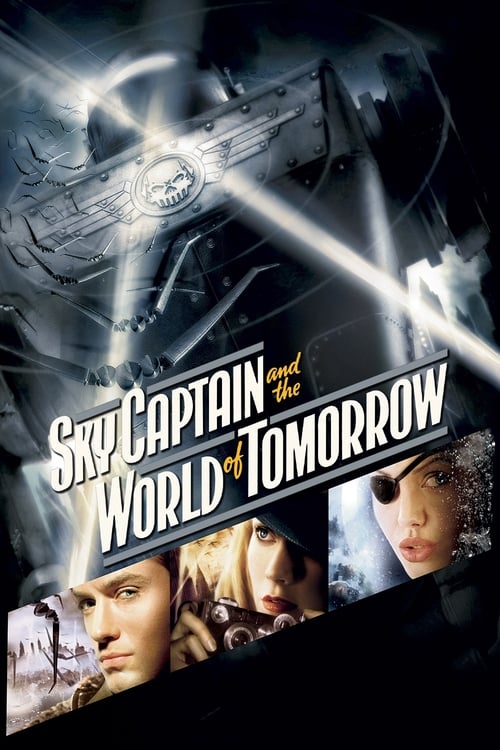
The other is an exotic air pirate named Anna Fang (South Korean pop musician Jihae), who in her zero-cool shades and the fabulous crimson plane she docks at a hovering sky city, strongly recalls the 2004 sci-fi mini-classic Sky Captain and the World of Tomorrow (a movie I'd recommend before recommending this one).
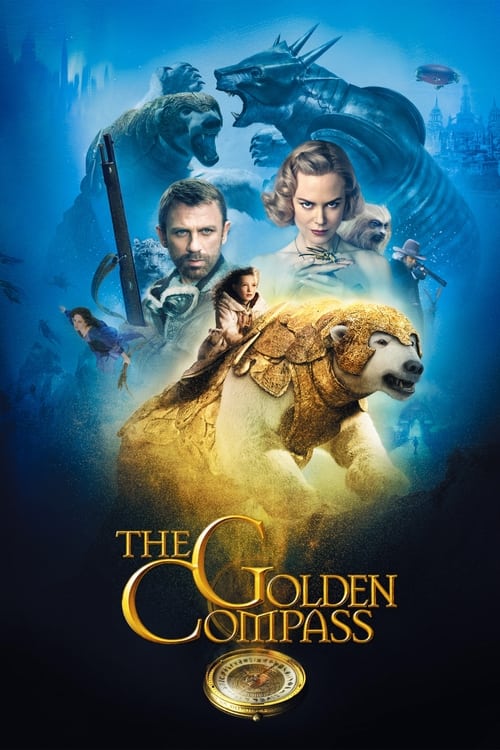
Jackson and fellow Rings producer Fran Walsh’s adaptation of a 2001 YA steampunk novel more than a decade after the release of the ill-advised flop adaptation of The Golden Compass (itself largely blamed for the fall of Rings supposed-powerhouse New Line Cinema) might have seemed craven and misguided even just a few years ago; now it feels preciously, precariously idiosyncratic, a kind of flight of fancy that must be protected at all costs just on principle.
There have certainly been enough attempts at launching fantasy franchises in the following years: The Golden Compass in 2007, YA dystopian fare like The Maze Runner and the Divergent series, and more recently the new Fantastic Beasts franchise, which has yet to recapture the original Harry Potter ’s magic.
It honestly feels like a film released about a decade too late; put it out around the same time as The Golden Compass or The Spiderwick Chronicles , and it might have stood a better chance.
In many ways, it reminded me of The Golden Compass remake – a story that sacrificed it’s true heart at the altar of Hollywood.
Remember how The Golden Compass was a terribly disappointing movie that didn’t have to be terrible?

Although the movie most people will find themselves comparing this to is indeed Mad Max, for me it had echoes of an early-’60s Jules Verne fantasy with Vincent Price called Master of the World (a film crying out for a remake.
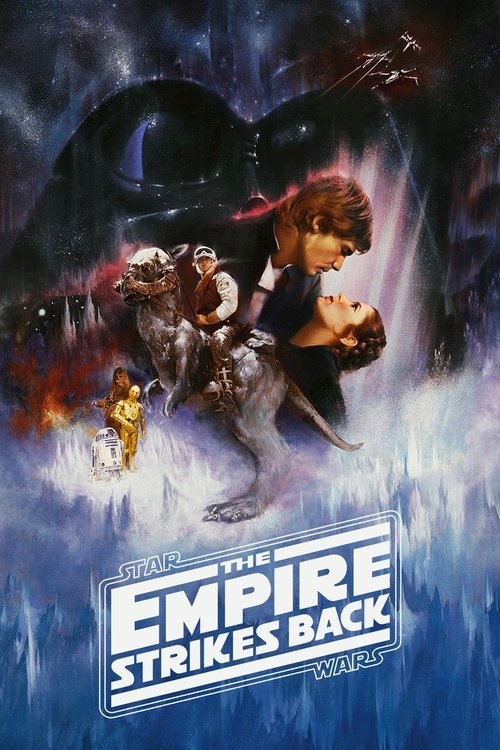
The allusions to Star Wars in terms of how Hester and Tom are developed are so egregious that, by the climactic battle that feels an awful lot like a mix of the climaxes of both the 1977 original and The Empire Strikes Back, you wonder if Lucasfilm should be listed in the credits.
The movie has been cast with relative newcomer Hera Hilmar as the main character who does the job I assume she was told to do, so acquits herself in a truly broad role where she has all the answers, as well as the one who seems to be key to this plot, there is even an “Empire Strikes Back” (1980) moment involving her which seemed to be too funny to be true, but then this is that kind of movie.
Thaddeus is attacked by a mysterious, scar-faced stranger named Hester Shaw (Icelandic actress Hera Hilmar), and soon she and Tom are cast into the outlands, where they eventually find themselves in league with a cool fighter named Anna Fang (Jihae) aboard a massive, Empire Strikes Back -ish cloud city that’s just itching to be burnt down.
Advertisement
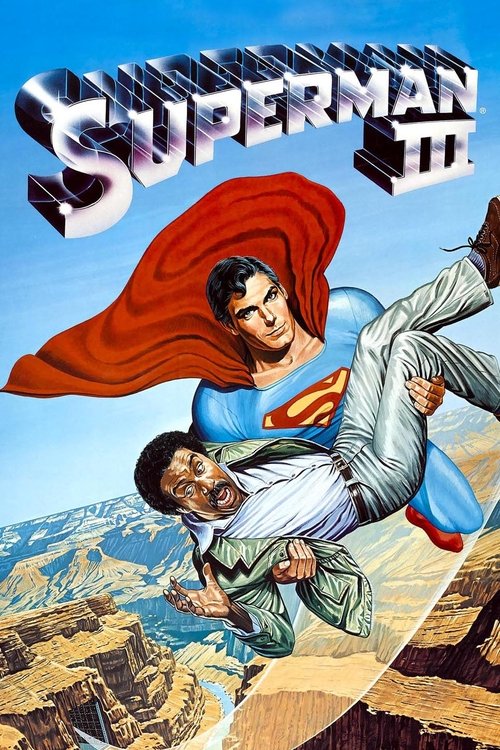
True, the great weapon unleashed in the final act, with all its towers spouting spurts of electrical energy, is a disappointment, reminiscent of that unveiled by villain Robert Vaughn in “Superman III” way back in 1983.
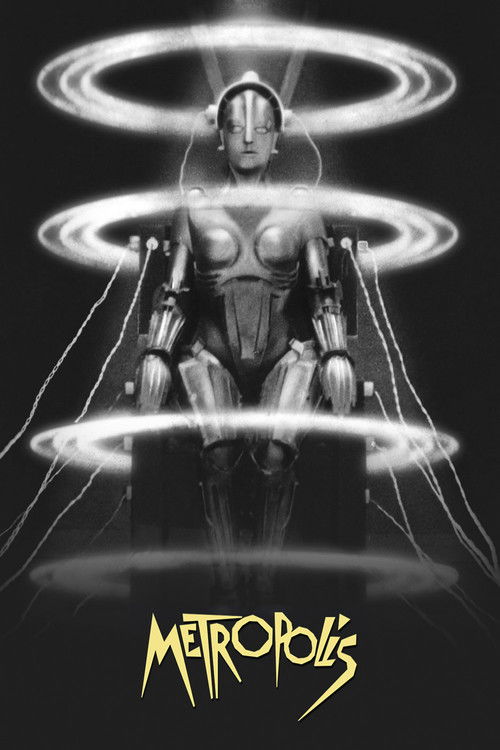
Rather than reminding you of “The Lord of the Rings” or even a disappointment like their “Hobbit” trilogy, however, it’s more likely to make you think of a total folly like Luc Besson’s gorgeous but totally wacky “Valerian and the City of a Thousand Planet”—or, to go back a lot further, of Fritz Lang’s “Metropolis,” a masterpiece of design that, in terms of narrative, is pretty nutty.