
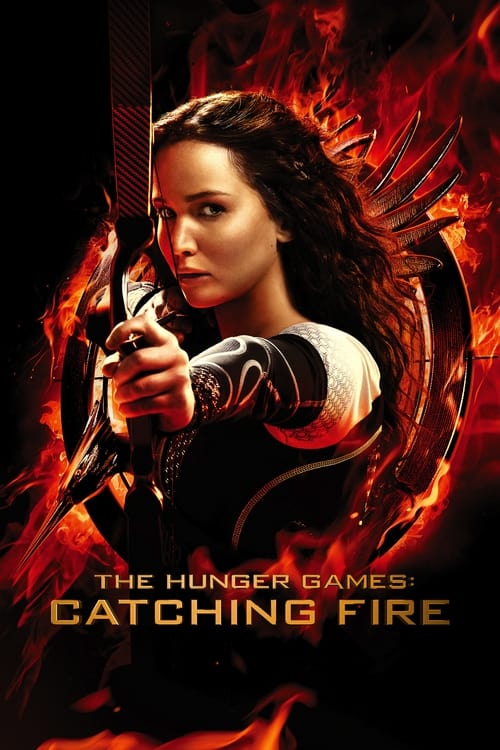
The Hunger Games: Catching Fire (2013)
Directed by Francis Lawrence
After surviving the Hunger Games, Katniss and Peeta struggle with the consequences of their victory as unrest spreads across Panem. Forced back into the spotlight, they become symbols of hope and resistance while the Capitol prepares a new and deadly challenge that will change the future of the nation forever.
40 connections found
View:
40 films that influenced The Hunger Games: Catching Fire
What critics say influenced The Hunger Games: Catching Fire


While the first Hunger Games movie owed a weighty (if unacknowledged) debt to Kinji Fukasaku's controversial Japanese hit Battle Royale (and Koushun Takami's source novel), this second instalment leans more towards the themes of Norman Jewison's dystopian 70s offering Rollerball .
Thus are shed any of those lingering comparisons to Kinji Fukasaku's cult classic Battle Royale --though, with the adult competitors, the eclectic, eccentric mix of personalities and strategies, and the rampant talk of forming alliances in a harsh, primitive environment instead bring to mind another existing pop culture stalwart: Survivor.
Catching Fire will hopefully help quiet those who decry The Hunger Games as nothing more than a Battle Royale ripoff, as it expands its focus well beyond the conceit of kids forced by the government to kill each other.
Much has been made of the franchise’s lifting from the 1999 Japanese thriller, “Battle Royale” (also made into a movie).
Like the 2000 Japanese movie “Battle Royale,” to which it bears some resemblance, “The Hunger Games” works because it hits that sweet spot where classical myth meets contemporary anxiety to become a pop mind-blower.
Blame PG-13, for starters: Suzanne Collins’ nightmarish conceit—Battle Royale meets Shirley Jackson’s “The Lottery,” with a reality-TV twist—was sanitized for multiplexes, resulting in a weirdly bloodless blockbuster about kids killing kids.
The parade of tributes reflects both the Fascist and gladiatorial aspects of the Hunger Games, the scale recalling "Ben Hur" crossed with Reifenstahl's "Triumph of the Will."
A parade scene for the upcoming games gives off a fascist “Triumph of the Will” vibe, while the fight sequences are taut, visceral and anything but glamorous.
And the film franchise blossoms in that book’s uncertain middle ground, exploring the implications and consequences of action, inaction, and deception, and exhibiting a willingness to embrace uncertainty and defeat that’s reminiscent of one of the all-time great middle installments, The Empire Strikes Back.
Not since 1980's "The Empire Strikes Back" has the middle chapter in a cinematic series eclipsed the dramatic scope and technical quality of its original while leaving us breathlessly dangling from a closing narrative cliff the way "The Hunger Games: Catching Fire" does.
This is Empire Strikes Back stuff.
“Catching Fire” ends on an “Empire Strikes Back”-style note of irresolution (the final book, “Mockingjay,” will be split into two movies), and I expected the movie would end with some big plot twist, or grand visual effect.
“Catching Fire” is the new “The Empire Strikes Back,” a smashing sci-fi sequel that takes its blockbuster franchise into deeper, smarter, more dramatically engaging territory.
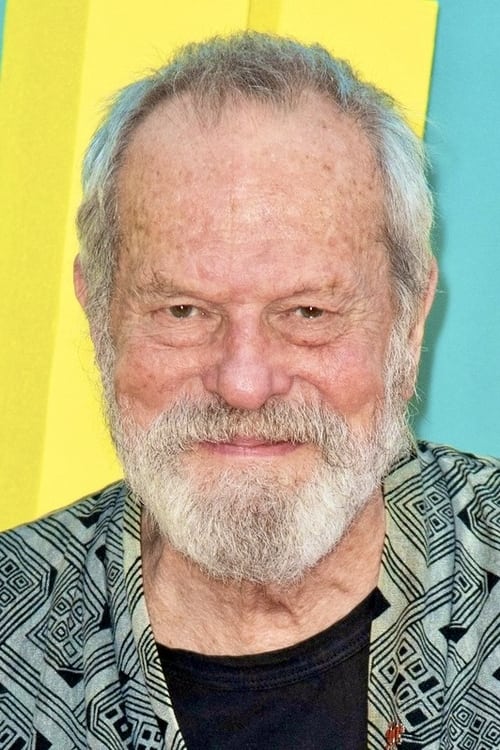
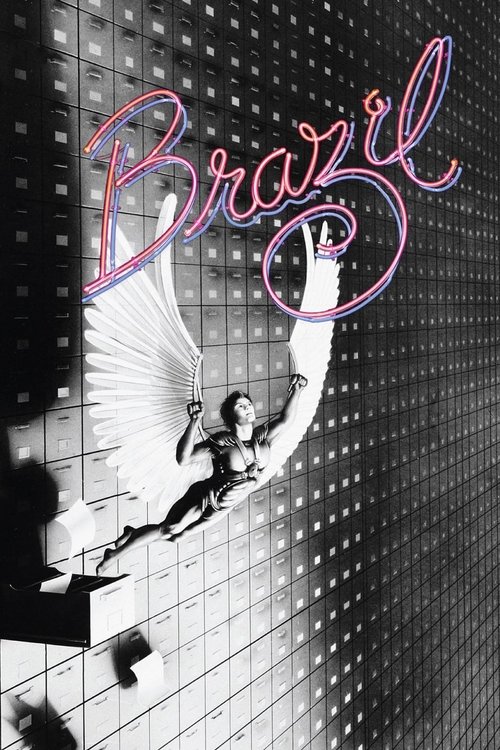
I still don't think the Capitol is in the same league or sport as the great cinema dystopias of, say, "Metropolis" or "Blade Runner" or "Brazil."
Not content to simply offer sly winks in relation to more famous movies about plastic societies (in particular, Terry Gilliam’s “Brazil”), here is a film that also creates the sensation that the tragic world of these people extends far beyond the perimeters of district gates or city walls.
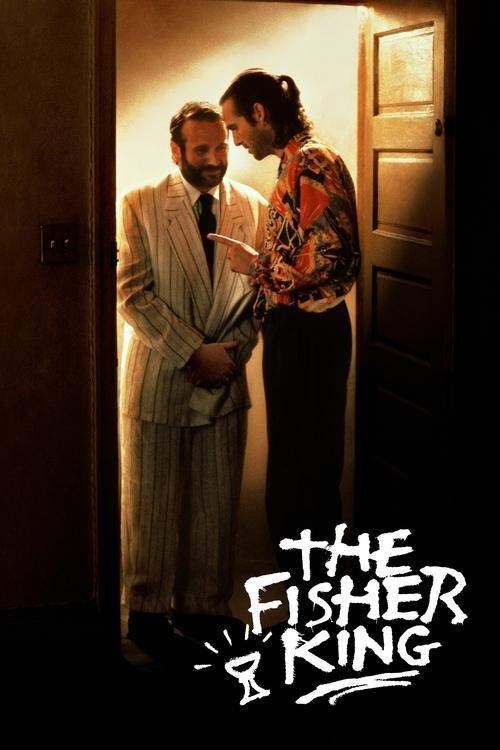
And it’s wonderful to see Amanda Plummer ("The Fisher King" and "Pulp Fiction") in a small but pivotal role here.
Advertisement
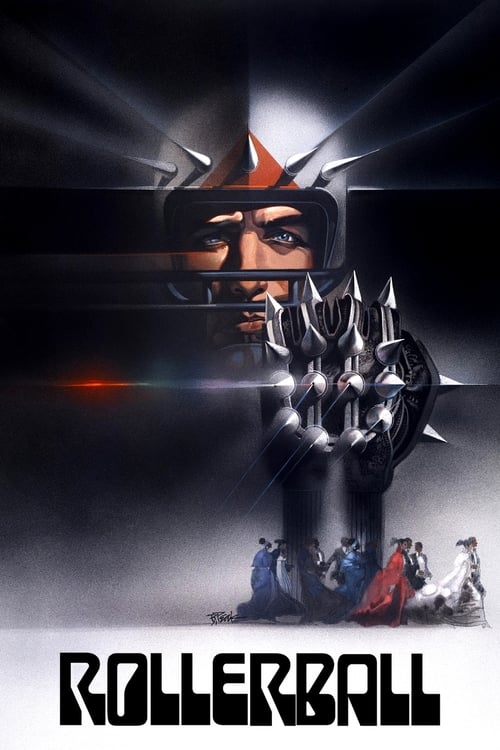
While the first Hunger Games movie owed a weighty (if unacknowledged) debt to Kinji Fukasaku's controversial Japanese hit Battle Royale (and Koushun Takami's source novel), this second instalment leans more towards the themes of Norman Jewison's dystopian 70s offering Rollerball .
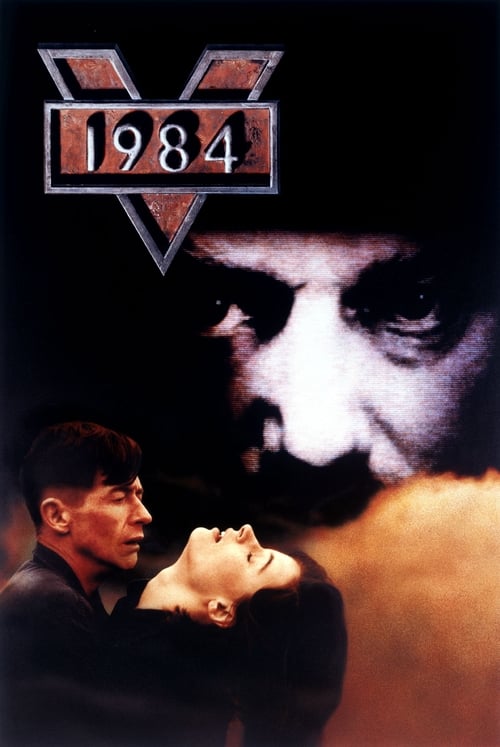
Both in their own right are clear borrowings from “1984” and “Lord of the Flies” and, more to the point, dumbed-down fusions of the two groundbreaking classics.
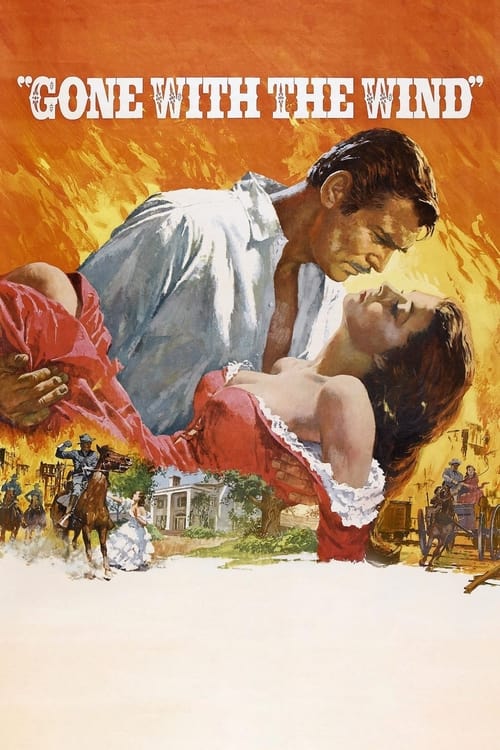
When Jennifer Lawrence —essential as warrior heroine Katniss Everdeen in Round 2 of this young-adult lit-based enterprise, much in the same way that Vivien Leigh was indispensable in " Gone With the Wind "—suddenly twirls about in her would-be wedding dress during a TV interview meant to distract the downtrodden populace of Panem.
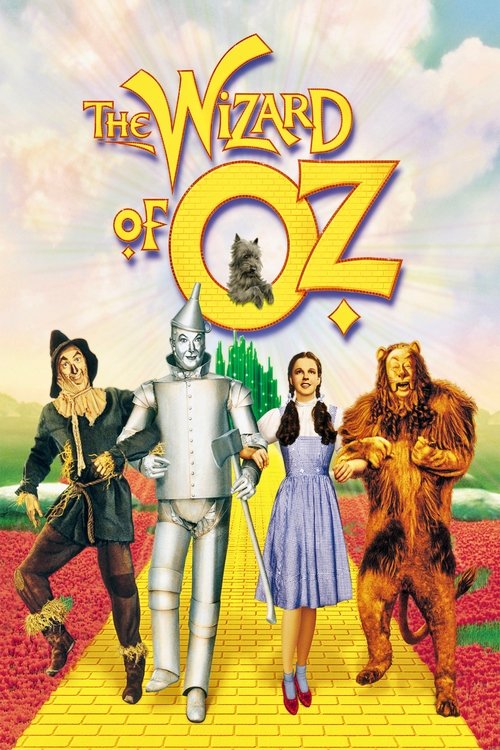
Once Katniss, Peeta and their fellow competitors reach the giant terrarium that serves as their latest “arena,” they face a series of desert island risks that include toxic fog, squalls of blood, explosive lightning and a tribe of the most terrifying monkeys since “ The Wizard of Oz .”
Visually, the film feels like Terry Gilliam by way of The Wizard of Oz, and the concept of a fantasia poisoned down to its core resonates in the empty-but-elaborate fashions, hairstyles and structures.
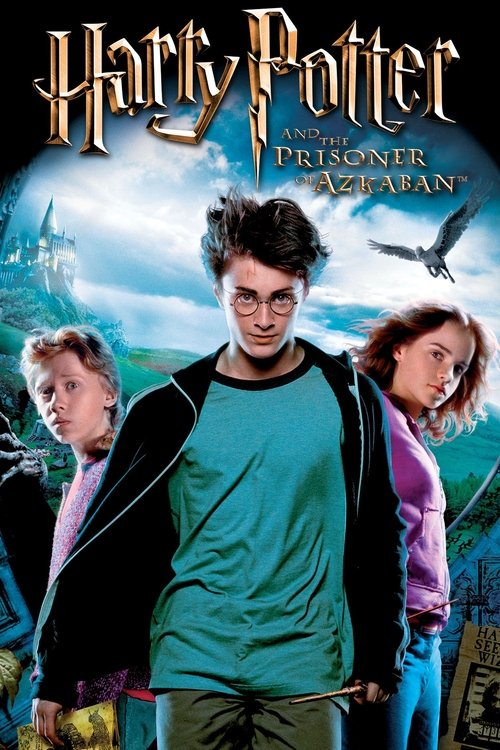
Watching this new film, I was reminded of how the Harry Potter series switched into high gear with Harry Potter and the Prisoner of Azkaban, when Alfonso Cuaron washed out the color palette and added a new element of darkness to the proceedings.
As for new director Francis Lawrence (2011's "Water for Elephants"), taking over for Gary Ross, there is less a noticeable shift than, for example, when Alfonso Cuarón replaced Chris Columbus for 2004's " Harry Potter and the Prisoner of Azkaban ."
Advertisement
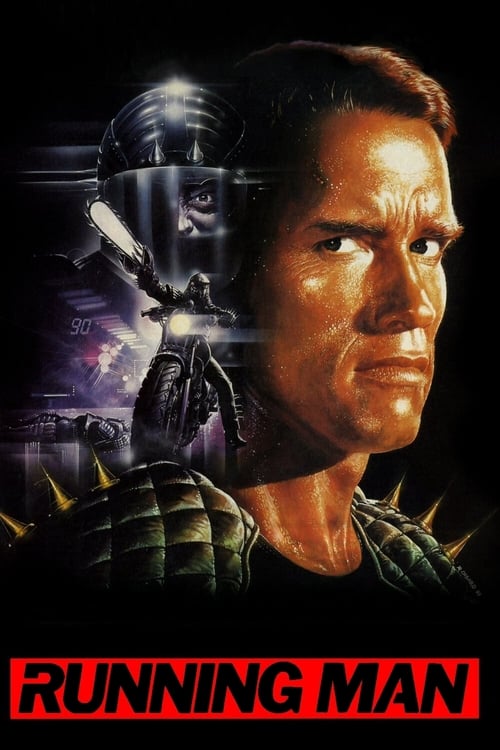
It is difficult to enjoy a film when you are checking off all the sources it references—"Lost" and "Survivor" from television, Star Wars (what is with the Stormtrooper ripoffs?) and " The Running Man " from movies, and Roman and Greek myths.

The holograph TVs are old hat, the clothes are made “futuristic” by having weird shirt collars, or bits of plastic pasted to a face, which was what Chris Marker did to suggest the future as long ago as La jetée in 1962.