
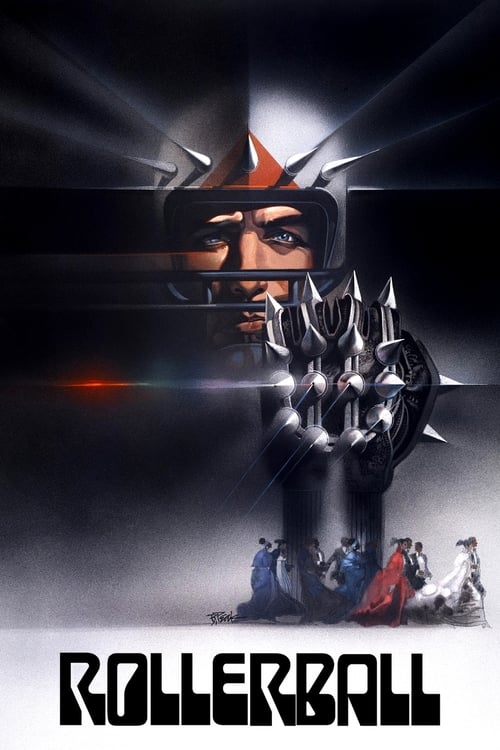
Rollerball (1975)
Directed by Norman Jewison
In a corporate-controlled future, an ultra-violent sport known as Rollerball represents the world, and one of its powerful athletes is out to defy those who want him out of the game.
9 connections found
View:
9 connections, in both directions
What critics compared Rollerball to
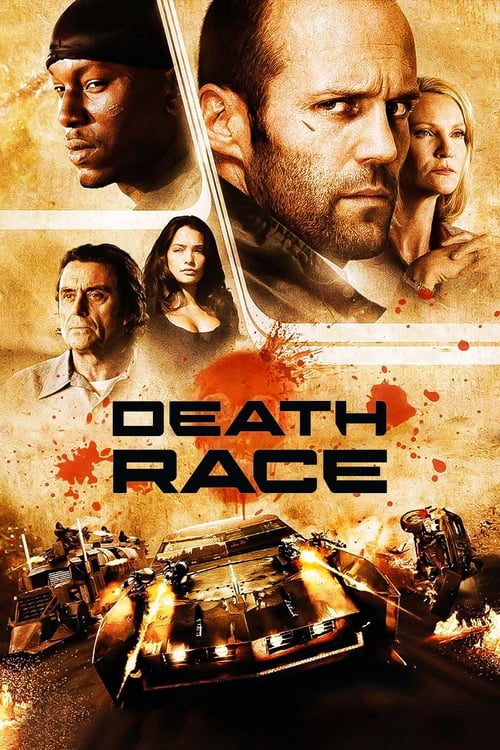


Produced in 1975 at a time when the rising levels of violence in professional sports inspired both public outcries and a solemn, big-budget epic of speculative science-fiction based on that concept in Norman Jewison’s “Rollerball,” Paul Bartel’s “Death Race 2000” was a low-budget extravaganza from Roger Corman’s New World Pictures that combined bloody action and jet-black comedy to tell the story of a futuristic government-sanctioned cross-country auto race in which there were no rules, the contestants were free to knock out their competition by any means necessary and bonus points were scored for every pedestrian that they struck and killed along the way.
Death Race has more in common with homage-movies like Doomsday, the Rollerball remake, and Escape From L.A. than it does Mad Max, 1975's Rollerball, or Escape From New York.
Carradine, as fans of the original Death Race 2000 (produced by Roger Corman and directed by Paul Bartel in 1975) already know, played the masked driver Frankenstein, a racer in a two-lane-blacktop version of the equally nihilistic Rollerball (which came out the same year).

Although their biggest debt is to the light-emitting diode and the 21st-century cyber mindset, the Wachowskis imagine an international racing circuit that combines the dystopian violence of Norman Jewison’s Rollerball (1975) and the old-world, competitive glamour of John Frankenheimer’s Grand Prix (1966).
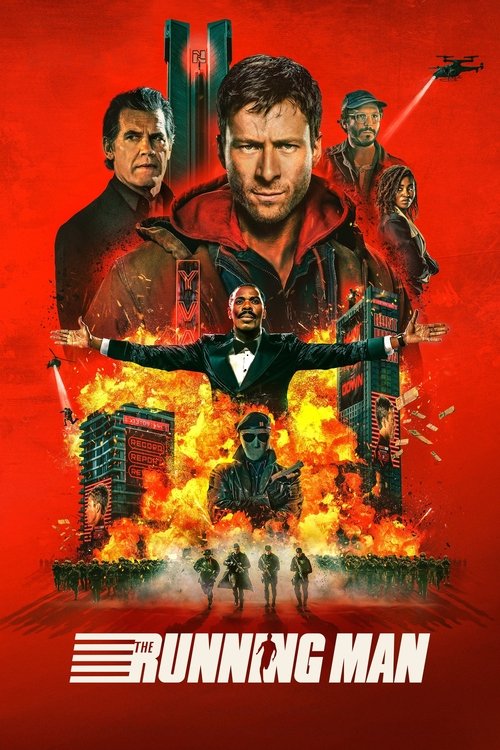
…including the remakes of Death Race 2000 and Rollerball…
…has aged significantly better than its po-faced counterparts like Rollerball…

While the first Hunger Games movie owed a weighty (if unacknowledged) debt to Kinji Fukasaku's controversial Japanese hit Battle Royale (and Koushun Takami's source novel), this second instalment leans more towards the themes of Norman Jewison's dystopian 70s offering Rollerball .
Advertisement
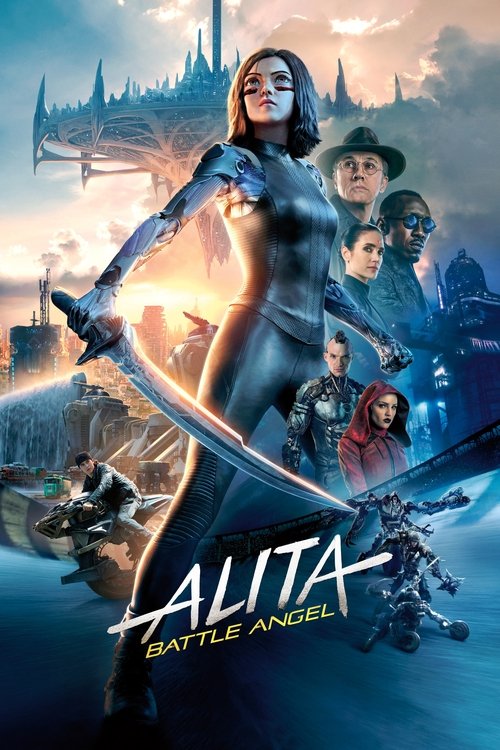
But this mix of Ultimate Fighting with demolition derby, played by souped-up cyborgs on a super-fast track, basically amps up the savage roller-skating of Norman Jewison’s 1975 Rollerball.
Hugo and Alita also fall under the spell of a violent game named Motorball that attracts millions of fans (a ripoff of the 1975 film “Rollerball”).
There is food, drink, and, motorball, a viciously violent sport that calls to mind the James Caan classic, Rollerball .
Earlier films such as The Hunger Games (and its precursor, 2000’s Battle Royale), 2009’s Gamer, 1987’s The Running Man and 1975’s Rollerball reverberate – but here, the puppet master pulling the strings isn’t some overarching corporate villain.
We've seen this movie before, of course - in 1975 to be precise, when it was called Rollerball and James Caan played the sportsman Christ-figure.
However, "The Hunt for Red October" is never confused about what it should be, and that's a testament to the longevity of John McTiernan's tight, skilled direction, and the attentive screenplay by Larry Ferguson (who veered way off the cerebral path years later with McTiernan's ill-advised remake of the 1975 James Caan thriller "Rollerball") and Donald Stewart (who went on to write the Jack Ryan films starring Harrison Ford), which is well-aware that viewers are not likely to be all that familiar with what happens onboard a submarine, or tensions between countries.
So because there's nowhere for this Rollerball to go, it's all completely boring and unoriginal car chases -- though McTiernan thinks he can make these exciting by filming one of them entirely in green-goggle night vision, in perhaps the biggest WTF? sequence of the film; the man who made action classics like Die Hard and The Hunt for Red October really should know better -- and, here's a shock: fist fights.
Advertisement
The live-action sequences are the kind of low-fi seventies bad hair/bad pants futurama popularized by Logan's Run and Norman Jewison's Rollerball, and the entire exercise feels a lot like too much whiz-bang ambition wrapped up in too little time for the story and characters to develop depth beyond the typical cut-and-paste phantasmagoric quest melodrama.