
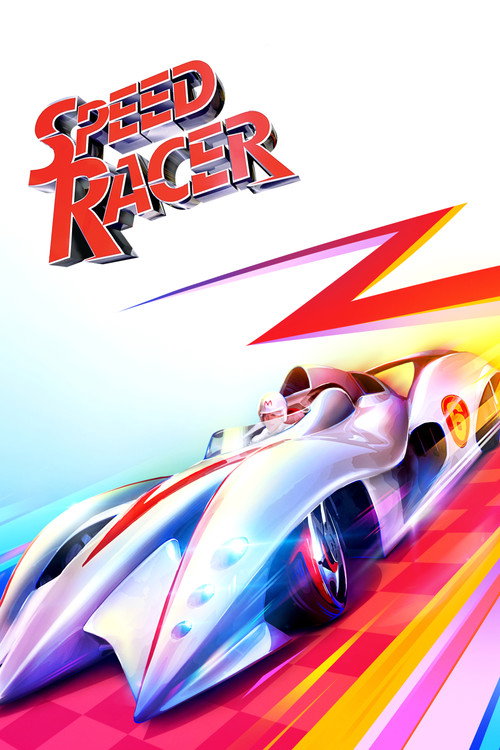
Speed Racer (2008)
Directed by Lana Wachowski
Speed Racer is a young and brilliant racing driver. When corruption in the racing leagues costs his brother his life, Speed must team up with the police and the mysterious Racer X to bring an end to the corruption and criminal activities.
27 connections found
View:
27 films that influenced Speed Racer
What critics say influenced Speed Racer
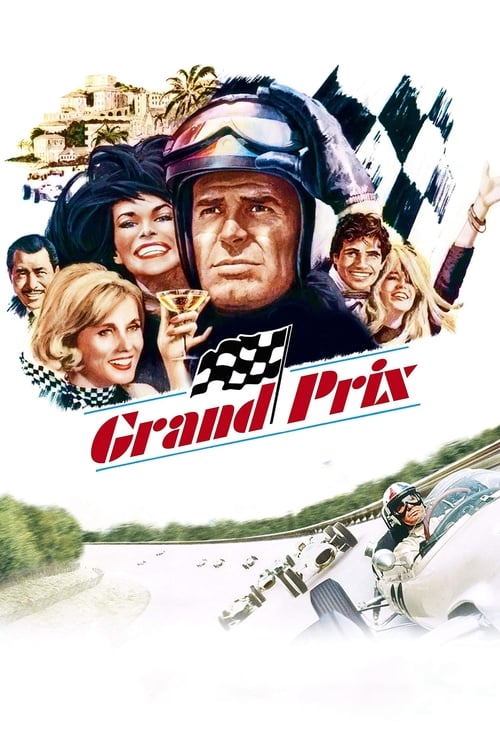


Although their biggest debt is to the light-emitting diode and the 21st-century cyber mindset, the Wachowskis imagine an international racing circuit that combines the dystopian violence of Norman Jewison’s Rollerball (1975) and the old-world, competitive glamour of John Frankenheimer’s Grand Prix (1966).
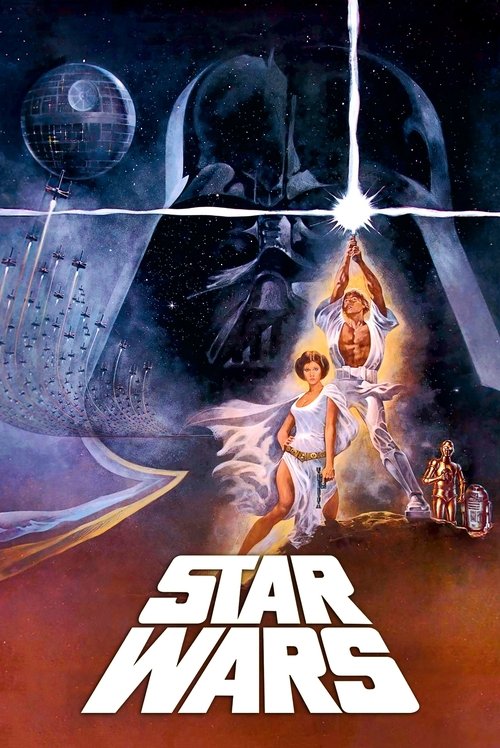
Instead of trying to make a film that could appeal equally to viewers of all ages (along the lines of “Star Wars” or “Raiders of the Lost Ark” or the later “Harry Potter” films), they have instead set their sights almost exclusively on eight-year-old viewers and no one else--everything is brightly colored to the point of garishness, every plot point is repeated over and over until even the slowest learners in the audience are up to speed and Spritle and Chim-Chim, who were basically the Jar-Jar Binks’ of their day, are given far more screen time than even their most indulgent fans might find endurable.
The races go on for quite a long time; anyone bored by the Podrace from "Star Wars" is going to have a terrible time with "Speed Racer."
Their roles aren't especially demanding in the what's-my-motivation department, but the performances in Speed Racer have a surprising liveliness considering the amount of VFX work that was added in later -- compare Hirsch and Ricci's presence here to the uncompromisingly wooden turns of similarly winning actors like Natalie Portman and Ewan McGregor in the recent Star Wars trilogy.
Other scenes, most notably those involving Speed's younger brother and his pet chimpanzee, are the biggest things to tip the annoying scale since Jar Jar Binks hit "Star Wars."
As with Lucas's latter Star Wars pictures, it often seems as though background and foreground have traded places, with the former the subject of the filmmakers' passion and the latter treated as a tiresome necessity.
The notion that the Wachowskis are reinventing cinema "again" is a crock: they firmly base their technique on George Lucas' methodology for his latter-day Star Wars trilogy: filming entirely on sparse green-screen sets later digitally painted into existence.
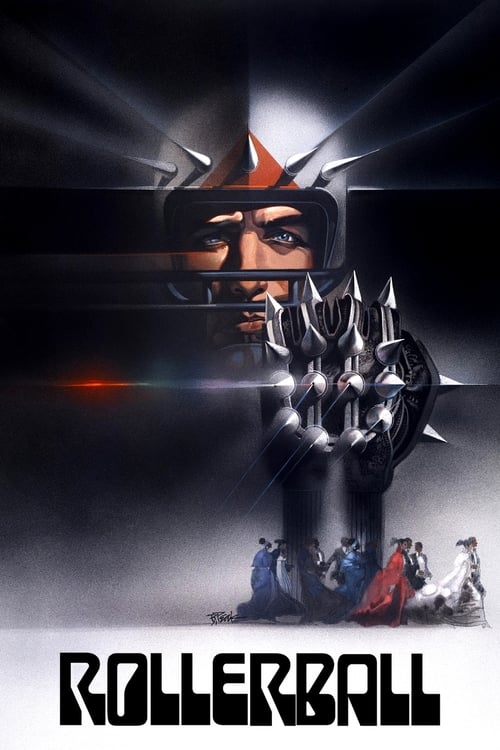
Although their biggest debt is to the light-emitting diode and the 21st-century cyber mindset, the Wachowskis imagine an international racing circuit that combines the dystopian violence of Norman Jewison’s Rollerball (1975) and the old-world, competitive glamour of John Frankenheimer’s Grand Prix (1966).
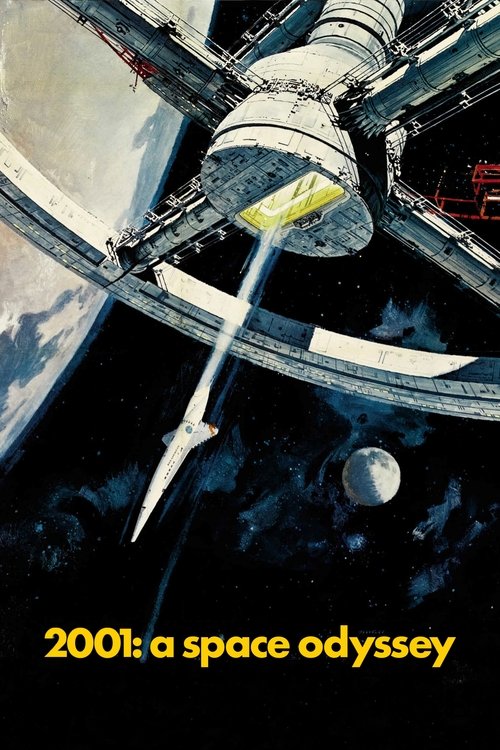
Speed Racer might be a flight of chewy, sugary fancy, but I think the Wachowskis are dead serious about about at least this portion of their exercise -- the visual reference here to the cosmic, consciousness-raising trip at the end of 2001: A Space Odyssey is almost explicit.
Somewhere between a Mario Bros. video game and Stanley Kubrick 's "2001: A Space Odyssey," "Speed Racer" is one of the most visually audacious films to come along in years.
Advertisement
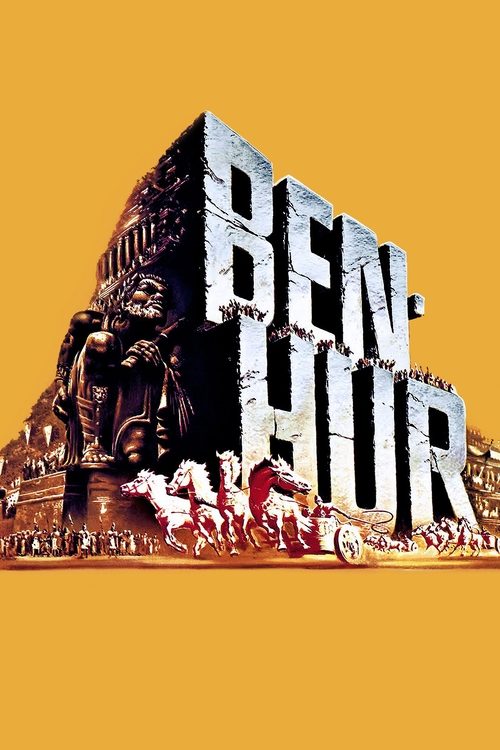
In a reference to the Ben-Hur chariot race, they brandish hubcap spear hooks to disable their opponent's vehicle.
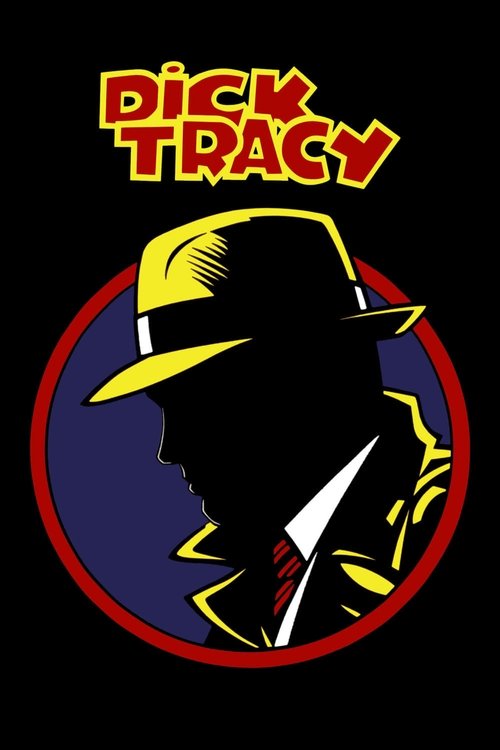
Certainly Speed Racer's palate has a brilliant visual kick, marked by eye-popping primary colors cribbed liberally from Warren Beatty's Dick Tracy.
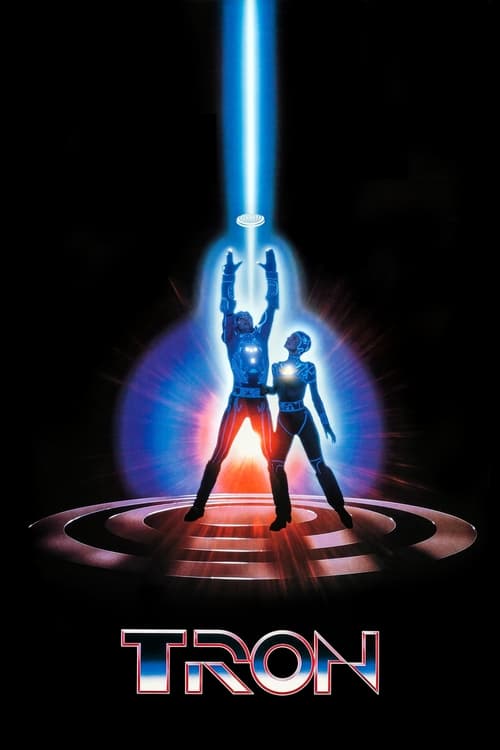
Yet some of us would just rather re-rent " Tron " (1982), which was not only a more immersive, dimensional and original take on the Commodore 64 video-graphics aesthetic, but also funnier and more exciting.


Like few other modern American films, perhaps -- Oliver Stone's sometimes hallucinogenic "Natural Born Killers" and "Nixon," Ang Lee's much-maligned "Hulk" -- "Speed Racer" breaks and remakes the rules of composition and editing to tell its story in a different way.
Like few other modern American films, perhaps -- Oliver Stone's sometimes hallucinogenic "Natural Born Killers" and "Nixon," Ang Lee's much-maligned "Hulk" -- "Speed Racer" breaks and remakes the rules of composition and editing to tell its story in a different way.
Advertisement
From the Day-Glo pop of its computer-generated environments to the "2001"-like rush of its almost abstract action climax, "Speed Racer" may be the most extreme head-trip movie for kids since Gene Wilder conducted us to a lethal candyland in "Willy Wonka & the Chocolate Factory" almost four decades ago.
Its cities shine like Lucas-scapes frosted by Willy Wonka; its Day-Glo costumes and interiors make The Umbrellas of Cherbourg look drab by comparison.