
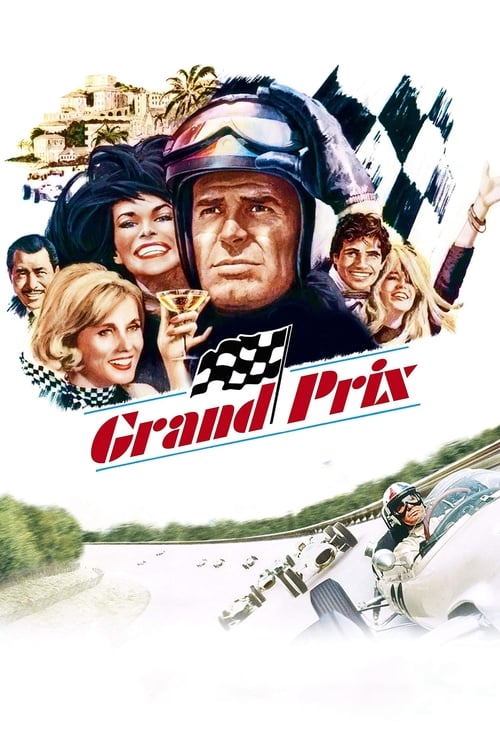
Grand Prix (1966)
Directed by John Frankenheimer
The most daring drivers in the world have gathered to compete for the 1966 Formula One championship. After a spectacular wreck in the first of a series of races, American wheelman Pete Aron is dropped by his sponsor. Refusing to quit, he joins a Japanese racing team. While juggling his career with a torrid love affair involving an ex-teammate's wife, Pete must also contend with Jean-Pierre Sarti, a French contestant who has previously won two world titles.
8 connections found
View:
8 connections, in both directions
What critics compared Grand Prix to



The rather routine racing scenes in "Rush" resemble the quick-cut sequences from many other films such as "Days of Thunder" and "Grand Prix." (What's with all those cameras on the ground capturing how the racing cars blow the grass around?)
While its tenure was short lived, we still have efforts like Grand Prix and Le Mans to remind us of what mediocre moviemaking is/was all about back then.
A worthy successor to John Frankenheimer’s “Grand Prix” (1966) and the documentary-like “Le Mans” (1971) with Steve McQueen, Ron Howard’s “Rush” puts the audience in the driver’s seat of the 1976 Formula One race car season.
Otherwise, apart from a little nudity and swearing, this isn’t all that much different than John Frankenheimer’s Grand Prix (1966) — except that Grand Prix was in Cinerama on its original engagements and was about 50 minutes longer.
That's the sport of Formula 1 racing, probably given its best big-screen exposure in the John Frankenheimer film "Grand Prix" (and the recent, thrilling documentary "Senna").
(Three racing films from my childhood kind of run together in my brain: “Grand Prix” with James Garner, “Winning” with Paul Newman, and “Le Mans” with Steve McQueen.
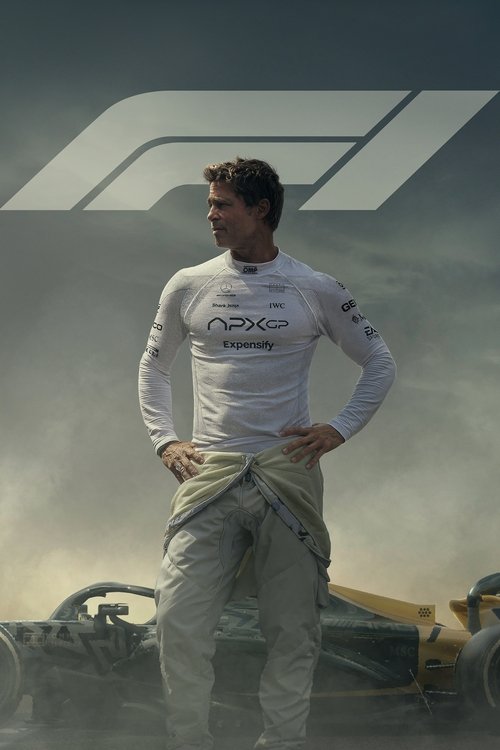
…golden-age films like Le Mans and Grand Prix…
…there is one homage to Grand Prix that I cannot wait to watch again, where Hayes and Pearce are starting a race and we see them both in split screen.
I have always loved the thrill of racing movies like “Grand Prix (1966),” “Ford v. Ferrari (2019)” and, my favorite, “Le Mans (1971)”…
Great racing flicks of the past such as John Frankenheimer’s Grand Prix made much of the death wish that then haunted drivers.
John Frankenheimer’s 1966 Grand Prix looks good but is overloaded with soap-opera storylines…
The film it should most resemble is John Frankenheimer’s F1 classic Grand Prix from 1966. That movie boasts the same “one racing season” structure, same protagonist in Yves Montand’s ancient petrolhead and the same insider’s look at the racing milieu.
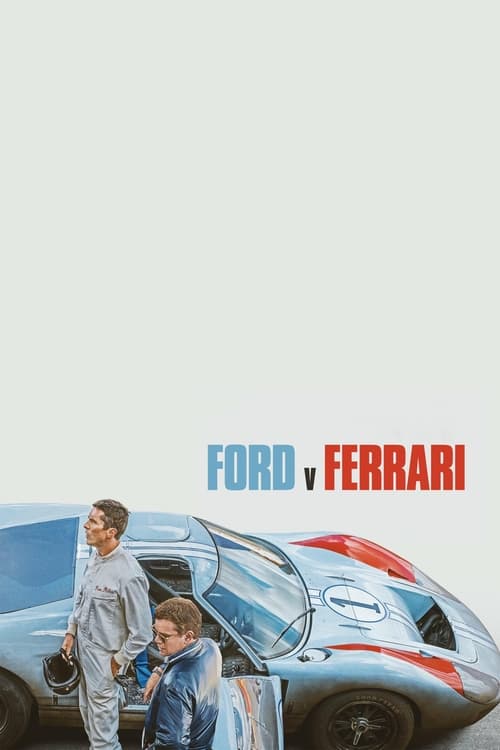
“Grand Prix” (1966), starring James Garner, is clearly an important influence; the photography allows the audience to be inside the tight quarters of the race cars as they fly along the open track.
Not that the running time is a problem per se; the great 1966 racing masterpiece Grand Prix is longer still.
Not since John Frankenheimer revved up his engines to bring 1966’s Grand Prix to life have I watched a motion picture that made me feel as if I was sitting in the seat right next to the driver.
With its old-fashioned dramatic approach, the insertion of numerous dead weight scenes involving Miles and his wife (Catriona Balfe) and young son (Noah Jupe) and an insistence on dragging things out to over 2 1/2 hours of screen time, this is the kind of film that could have been produced back in the day alongside such racing epics as “Grand Prix” (1966) and the Steve McQueen vehicle “Le Mans” (1971) with nary a change.
Damon and Bale are as solid as foundation as you can build a film on (the two have a mid-film scrap that’s essentially the “I tea-bagged your fucking drum set!” fight from Step Brothers put in the middle of Grand Prix ), and it’s actually quite nice to see the latter actor, famous for his brusqueness, work on a project that spotlights his warmth.
The interior compositions are sedate and classical, and when the film hits the track the disciplined camera coverage and superb editing recall such racing movie classics as John Frankenheimer’s Grand Prix (1966, with James Garner), Le Mans (1971 with Steve McQueen) and Winning (1969 with Paul Newman).
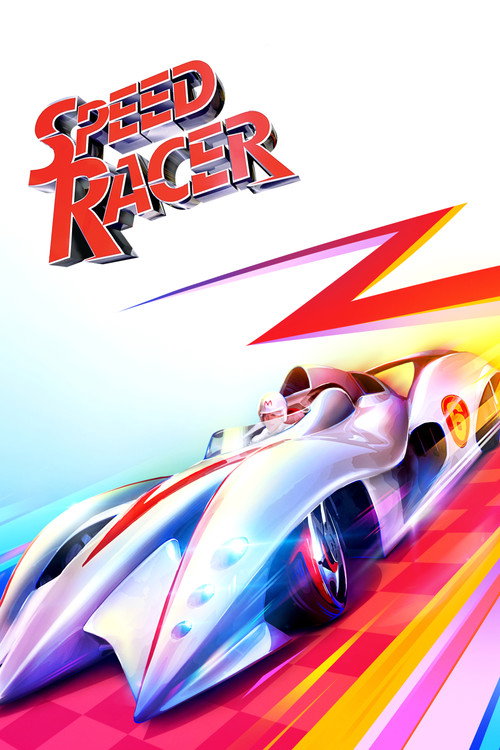
Although their biggest debt is to the light-emitting diode and the 21st-century cyber mindset, the Wachowskis imagine an international racing circuit that combines the dystopian violence of Norman Jewison’s Rollerball (1975) and the old-world, competitive glamour of John Frankenheimer’s Grand Prix (1966).
Advertisement
While this film is based on the video game franchise of the same name, “Need for Speed” is much more an homage to the macho car-culture flicks of the ’60s and ’70s like “Bullitt,” “Vanishing Point,” “Grand Prix” or even “The French Connection.”
Only the car chases, which have an amazing spatial sense and clarity are reminiscent of a director Affleck’s worked with, John Frankenheimer (on Reindeer Games), and that’s simply because Frankenheimer was a master of the car chase (Ronin, Grand Prix).
Now comes Mr. Frankenheimer, director of the miraculous thriller The Manchurian Candidate and the high-octane Grand Prix, to make elaborate, hair-raising, knuckle-biting chases the showpieces in a twisty tale of displaced spies.
Having filmed in France before (The Train, Grand Prix), Frankenheimer has a keen eye for the place and, in keeping with the feudal allusion of the title, makes terrific use of the country's crumbling physical history -- overhead shots of a stone arena that looks to be a Roman relic, or tight close-ups of a dark and dank alley sweating out its ancient secrets.
Shot on location in Paris, Nice and the south of France, this film is full of spectacular car chase scenes, scenes that are tailor-made for the director who set the standard back in 1966 with his movie "Grand Prix."
The film was directed by John Frankenheimer, the veteran Hollywood craftsman whose credits include "Grand Prix" and "French Connection II," and you can tell that he's trying, really trying, for that old existential feeling -- to recapture that moment when thrillers, ratcheted into high gear by the techno-visual grit of the New Hollywood, suddenly felt more alive than ever.
At certain points Ritchie employs split-screen montages (remember “Grand Prix”?).