
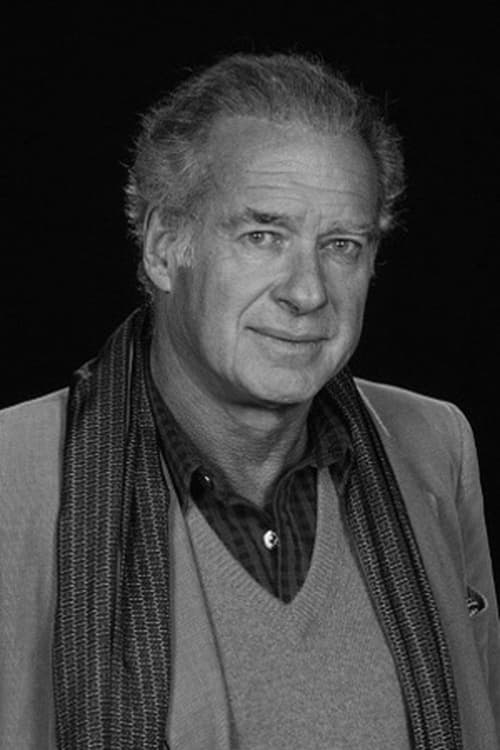
John Frankenheimer
70 connections found
Filmography
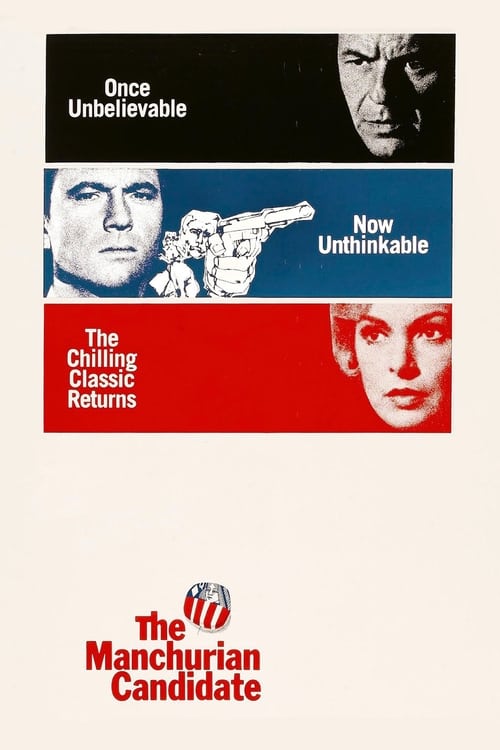 The Manchurian Candidate 1962
 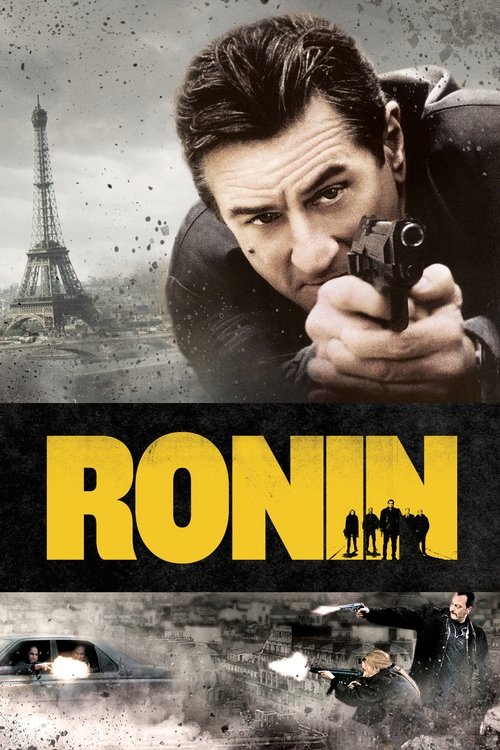 Ronin 1998
  Birdman of Alcatraz 1962
 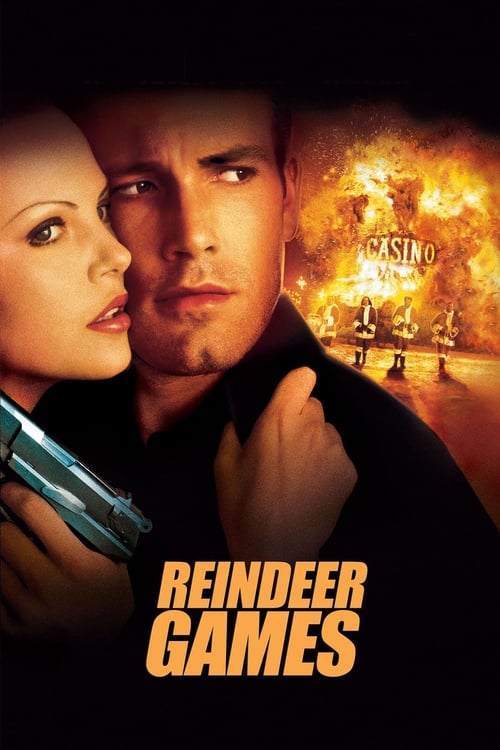 Reindeer Games 2000
  The Island of Dr. Moreau 1996
  52 Pick-Up 1986
  Seven Days in May 1964
  Seconds 1966
  I Walk the Line 1970
  The Iceman Cometh 1973
  The Holcroft Covenant 1985
  Grand Prix 1966
  The Train 1964
  Prophecy 1979
  The Challenge 1982
  Black Sunday 1977
  French Connection II 1975
  All Fall Down 1962
 View:
Connections, in both directions



The rather routine racing scenes in "Rush" resemble the quick-cut sequences from many other films such as "Days of Thunder" and "Grand Prix." (What's with all those cameras on the ground capturing how the racing cars blow the grass around?)
While its tenure was short lived, we still have efforts like Grand Prix and Le Mans to remind us of what mediocre moviemaking is/was all about back then.
A worthy successor to John Frankenheimer’s “Grand Prix” (1966) and the documentary-like “Le Mans” (1971) with Steve McQueen, Ron Howard’s “Rush” puts the audience in the driver’s seat of the 1976 Formula One race car season.
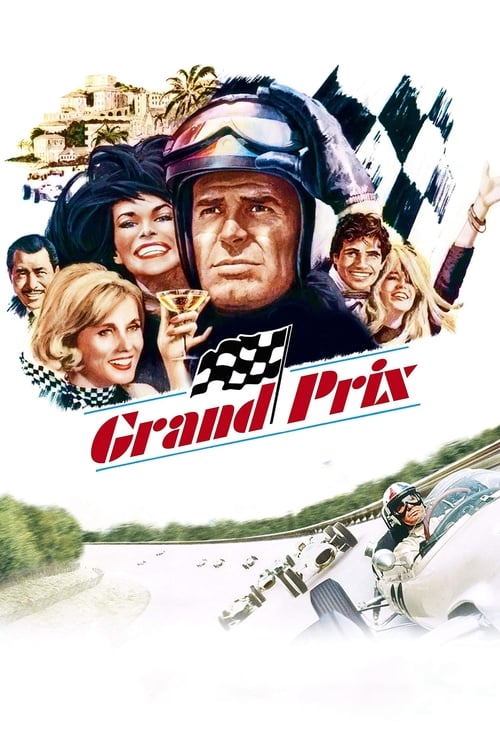
Otherwise, apart from a little nudity and swearing, this isn’t all that much different than John Frankenheimer’s Grand Prix (1966) — except that Grand Prix was in Cinerama on its original engagements and was about 50 minutes longer.
That's the sport of Formula 1 racing, probably given its best big-screen exposure in the John Frankenheimer film "Grand Prix" (and the recent, thrilling documentary "Senna").
(Three racing films from my childhood kind of run together in my brain: “Grand Prix” with James Garner, “Winning” with Paul Newman, and “Le Mans” with Steve McQueen.
…golden-age films like Le Mans and Grand Prix…
…there is one homage to Grand Prix that I cannot wait to watch again, where Hayes and Pearce are starting a race and we see them both in split screen.
I have always loved the thrill of racing movies like “Grand Prix (1966),” “Ford v. Ferrari (2019)” and, my favorite, “Le Mans (1971)”…
Great racing flicks of the past such as John Frankenheimer’s Grand Prix made much of the death wish that then haunted drivers.
John Frankenheimer’s 1966 Grand Prix looks good but is overloaded with soap-opera storylines…
The film it should most resemble is John Frankenheimer’s F1 classic Grand Prix from 1966. That movie boasts the same “one racing season” structure, same protagonist in Yves Montand’s ancient petrolhead and the same insider’s look at the racing milieu.
A House of Dynamite (2025)
Directed by Kathryn Bigelow
influenced by Seven Days in May (1964)
Themes Characters Plot
This steely, apocalyptic tone owes something to John Frankenheimer’s Seven Days in May and Tony Scott’s Crimson Tide, though Bigelow’s approach is more clinical than those films were inventive.
“A House of Dynamite” yearns to be a contemporary “Fail Safe” or “Seven Days in May,” a speculative nail-biter for our times.
The 51-year-old film is very much of its time, along with Seven Days in May and Dr. Strangelove.
These generic bureaucratic faces seem vacant compared with those in Advise and Consent, Seven Days in May, Twilight’s Last Gleaming, and Thirteen Days…
…not unlike films such as Fail-Safe or Seven Days in May.
…it is in fact a familiar reformulation of the nuclear-thriller films of the early 1960s — "Fail Safe," "Seven Days in May," even Stanley Kubrick's "Dr. Strangelove," which parodied the genre.
The Shawshank Redemption (1994)
Directed by Frank Darabont
influenced by Birdman of Alcatraz (1962)
Themes Plot
Darabont's adaptation of a Stephen King novella is a throwback to the kind of serious, literate drama Hollywood used to make ( Birdman of Alcatraz , say) though the big spiritual resolution takes some swallowing - ditto the colour-blind relationships within the prison and the violent disavowal of any homosexual implications.
Even better than "Birdman of Alcatraz," "The Shawshank Redemption" creates the world of overbearing closure that is prison.
El convite de Darabont puede basarse en la novela corta Rita Hayworth y la Redención de Shawshank ( Rita Hayworth and Shawshank Redemption ), del querido King, publicada en su recordada antología Las Cuatro Estaciones ( Different Seasons , 1982), un claro ejemplo de su humanismo descarnado y truculento más cercano al drama que al terror estándar, no obstante el director y guionista lee al asunto, en esencia un retrato seco de la mediocridad y el salvajismo de prisión que deriva en cansancio existencial, un proyecto de fuga y una lenta ejecución del plan de turno, como una especie de popurrí con aire de “grandes éxitos” de ingredientes tomados prestados de una retahíla interminable de películas semejantes de encierro, angustia y necesidad imperiosa de evasión, cúmulo que abarca desde clásicos yanquis como Fuerza Bruta ( Brute Force , 1947), de Jules Dassin, Infierno 17 ( Stalag 17 , 1953), de Billy Wilder, Revuelta en el Bloque 11 ( Riot in Cell Block 11 , 1954), de Don Siegel, La Celda Olvid…
“Grand Prix” (1966), starring James Garner, is clearly an important influence; the photography allows the audience to be inside the tight quarters of the race cars as they fly along the open track.
Not that the running time is a problem per se; the great 1966 racing masterpiece Grand Prix is longer still.
Not since John Frankenheimer revved up his engines to bring 1966’s Grand Prix to life have I watched a motion picture that made me feel as if I was sitting in the seat right next to the driver.
With its old-fashioned dramatic approach, the insertion of numerous dead weight scenes involving Miles and his wife (Catriona Balfe) and young son (Noah Jupe) and an insistence on dragging things out to over 2 1/2 hours of screen time, this is the kind of film that could have been produced back in the day alongside such racing epics as “Grand Prix” (1966) and the Steve McQueen vehicle “Le Mans” (1971) with nary a change.
Damon and Bale are as solid as foundation as you can build a film on (the two have a mid-film scrap that’s essentially the “I tea-bagged your fucking drum set!” fight from Step Brothers put in the middle of Grand Prix ), and it’s actually quite nice to see the latter actor, famous for his brusqueness, work on a project that spotlights his warmth.
The interior compositions are sedate and classical, and when the film hits the track the disciplined camera coverage and superb editing recall such racing movie classics as John Frankenheimer’s Grand Prix (1966, with James Garner), Le Mans (1971 with Steve McQueen) and Winning (1969 with Paul Newman).
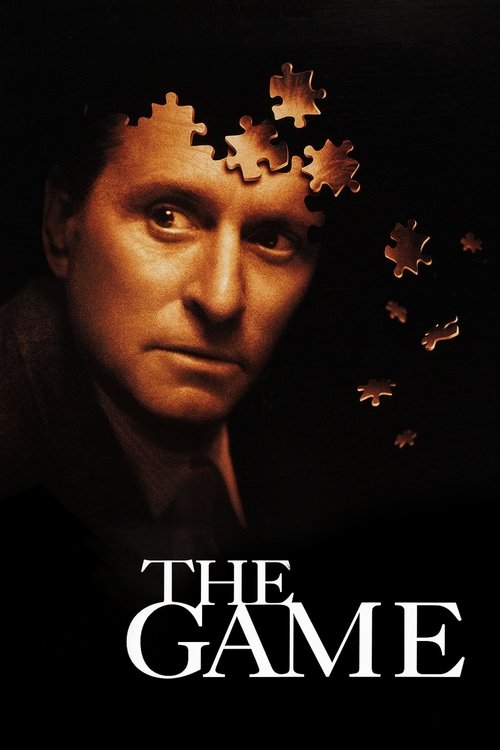
Although Seconds heavily informed later, paranoia-as-puzzle, 1990’s thrillers from David Fincher’s The Game to John Woo’s Face/Off, it doesn’t get hung up on the mechanics of Arthur’s regeneration.
The movie seems to take some cues from John Frankenheimer's sinister Seconds, but without that film's chilly sensibility.
By keeping the audience in the dark along with its protagonist, The Game harkens back to the classic paranoia thrillers from the 1960s and '70s; most specifically, John Frankenheimer's 1966 Seconds, another movie in which a constipated businessman gets involved with an outfit that forever alters his life.
"The Game" bears some resemblance to John Frankenheimer's 1966 "Seconds," another pretentious and unpleasant picture, which starred Rock Hudson as a bored businessman who buys a new identity from a mysterious corporation.
"Seconds," featuring another sinister secret organization that gives people who are tired of their lives new faces, new bodies, new identities and, if you are John Randolph turning into Rock Hudson, a new sex life and a house on the Malibu beach.

Although their biggest debt is to the light-emitting diode and the 21st-century cyber mindset, the Wachowskis imagine an international racing circuit that combines the dystopian violence of Norman Jewison’s Rollerball (1975) and the old-world, competitive glamour of John Frankenheimer’s Grand Prix (1966).
Starkly lit and dizzyingly shot (Howe once strapped on a pair of roller skates to film a boxing match, for 1947's Body and Soul), Seconds fulfills Frankenheimer's vision of a cinematic point-of-view that represents the distorted perspective of madness.
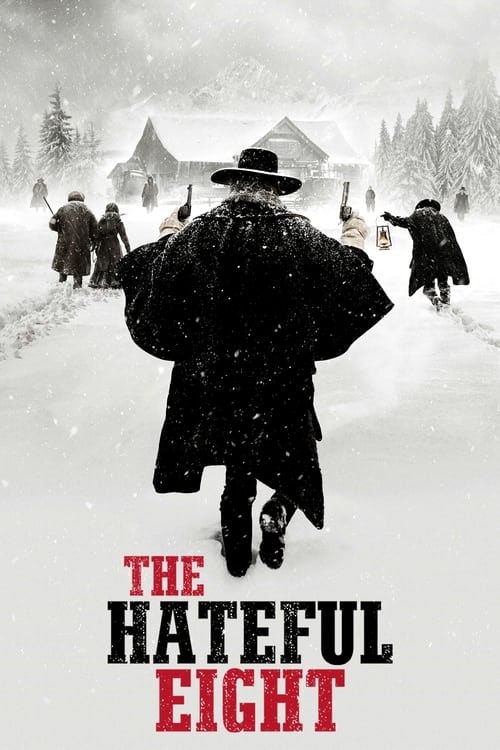
The Hateful Eight (2015)
Directed by Quentin Tarantino
influenced by The Iceman Cometh (1973)
Plot Visuals
But set mostly in the confined space of a remote haberdashery/stagecoach stop, the piece plays like a weird combination of John Ford's Stagecoach, Agatha Christie's Ten Little Indians and Jean-Paul Sartre's No Exit, albeit with a word count closer to Eugene O'Neill's The Iceman Cometh.
This is a director who hires the Mahler of spaghetti Westerns, Ennio Morricone , whose work he's sampled many times, to create an original score, then ladles it onto a film that is not a typically sumptuous revenge Western about characters' relationships to the land they're battling to claim, but something more like a crisply photographed stage play—think of Tarantino's debut film " Reservoir Dogs ," most of which took place in a warehouse, but with Stetsons and dropped g's, or a prairie rat cousin of Eugene O'Neill's tailbone-busting four-hour barroom fable " The Iceman Cometh " ("The Iceman Curseth"?), but with torture; rape; point-blank gunplay; multiple, possibly false identities, and gallons of blood.
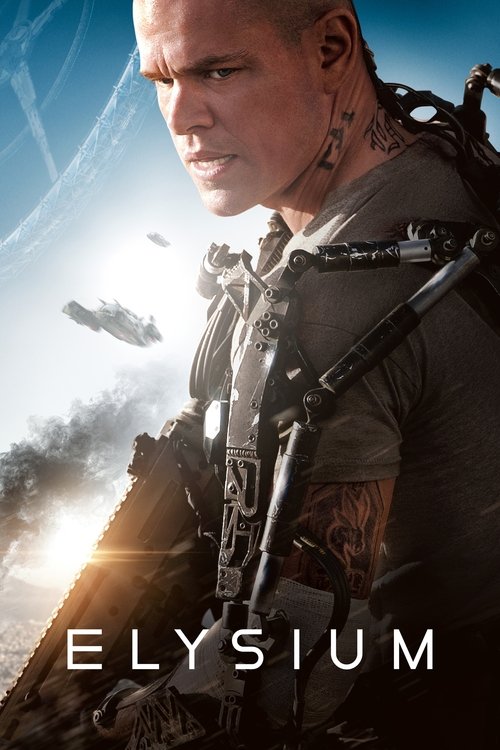
That might betray the director’s personal views, but it also reveals his deficiencies as a dramatist, one who can’t manufacture a compelling rationale for the actions of his villain – one is reminded of Burt Lancaster’s treasonous general in John Frankenheimer’s Seven Days in May , whose argument was so persuasive you found yourself rooting for the overthrow of the American government.
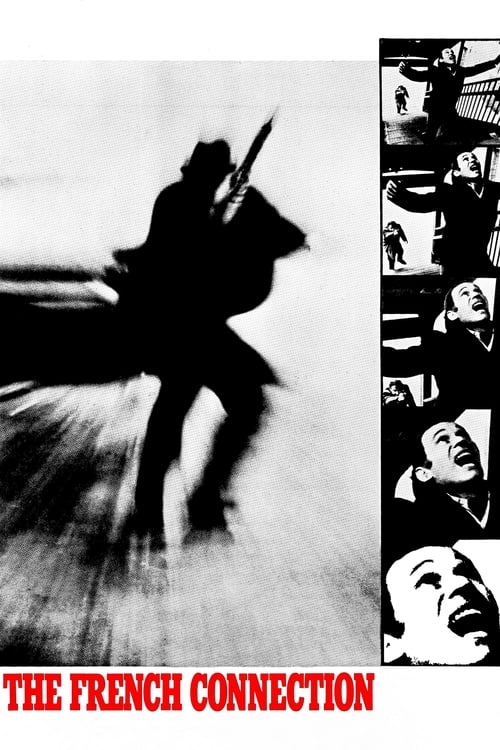
Much like the classic crime thrillers of the ‘60s and ‘70s (think “Mission: Impossible” and “The French Connection”), “Ronin” is less about being able to comprehend what’s going on, and more about sitting back and having a good time.
"The French Connection" meets "The Dirty Dozen" in this Euro-thriller with a distinctly American flavor.
As cinematic art, they peaked in Bullitt (1968) and The French Connection (1971).
Both are worthy of comparison to the fabled chases of Bullitt and The French Connection.
At its best, Ronin certainly feels as good as, say, The French Connection, still a touchstone for contemporary action movies (Frankenheimer himself directed the more protracted sequel).
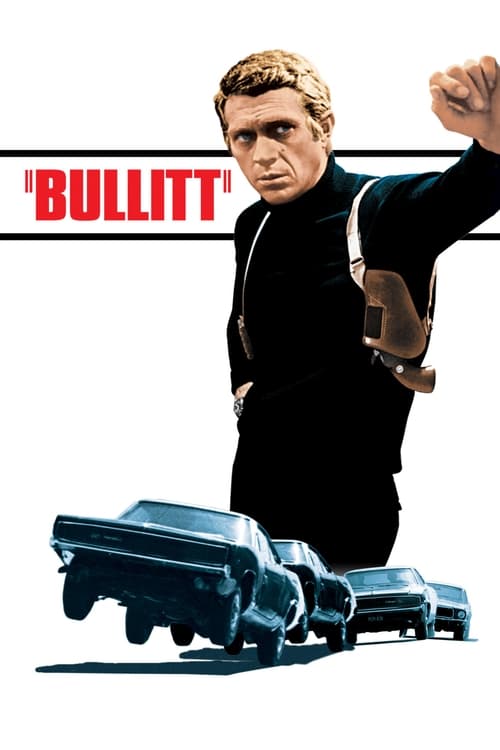
Instead, Frankenheimer mounts some elaborately staged car chase sequences that nearly rival Steve McQueen's famous one in "Bullitt."
As cinematic art, they peaked in Bullitt (1968) and The French Connection (1971).
Both are worthy of comparison to the fabled chases of Bullitt and The French Connection.

In its exploration of Ava and the extent to which she becomes worthy of human empathy even though she's technically a machine, the piece recalls not only Shelley but also Philip K. Dick's Do Androids Dream of Electric Sheep? (aka Blade Runner in film lingo) and H.G. Wells' The Island of Dr. Moreau, particularly its repeated refrain of "Are we not men?"
The Accountant (2016)
Directed by Gavin O'Connor
influenced by The Manchurian Candidate (1962)
Characters
He’s always been an inexpressive actor with a stiff demeanor, who might remind you of the cruel comment that Pauline Kael once made about Laurence Harvey: that he finally found a role he was capable of playing convincingly in “The Manchurian Candidate”—that of a “brainwashed zombie.”
Nothing is what it seems or appears to be, and Boyle and Dod Mantle are influenced by another remarkable movie involving hypnosis and fleetingly recalled dreams: John Frankenheimer's The Manchurian Candidate .
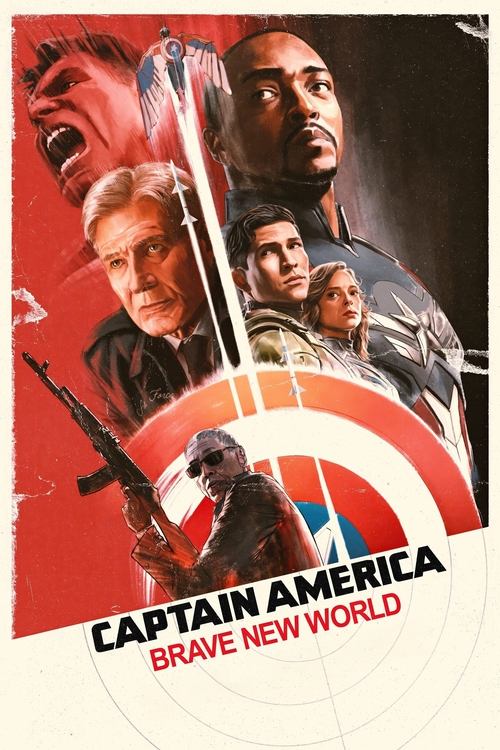
Captain America: Brave New World (2025)
Directed by Julius Onah
influenced by The Manchurian Candidate (1962)
Plot
…watered-down Manchurian Candidate riffs…
Clearly, shenanigans of the Manchurian Candidate sort are afoot…
Now Brave New World makes direct reference to a classic of the genre, The Manchurian Candidate, when Isaiah Bradley (Lumbly), a forgotten victim of the super soldier program, tries to assassinate former general, now president Thaddeus “Thunderbolt” Ross (Ford, stepping in for the late William Hurt), but claims to have no memory of the crime.
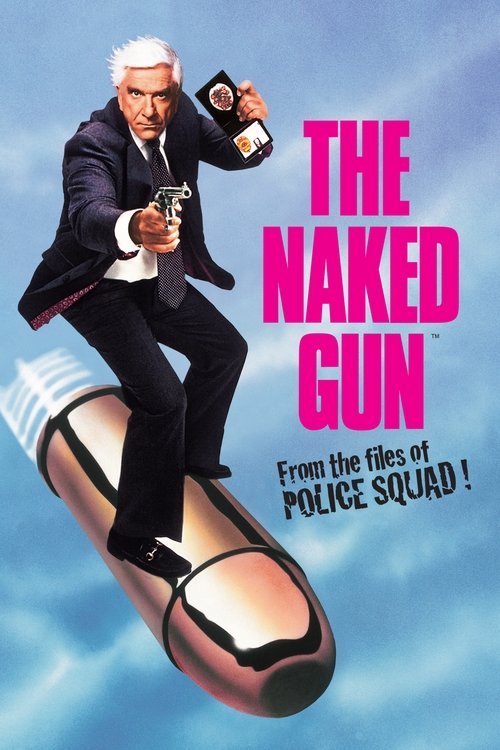
The Naked Gun: From the Files of Police Squad! (1988)
Directed by David Zucker
influenced by The Manchurian Candidate (1962)
Plot
One of the central plot devices borrows the notion of the hypnotized zombie killer from the recently rereleased The Manchurian Candidate (1962) — another example of the movie’s tendency to grab at everything in sight rather than limit its focus to one (or even two or three) genres.
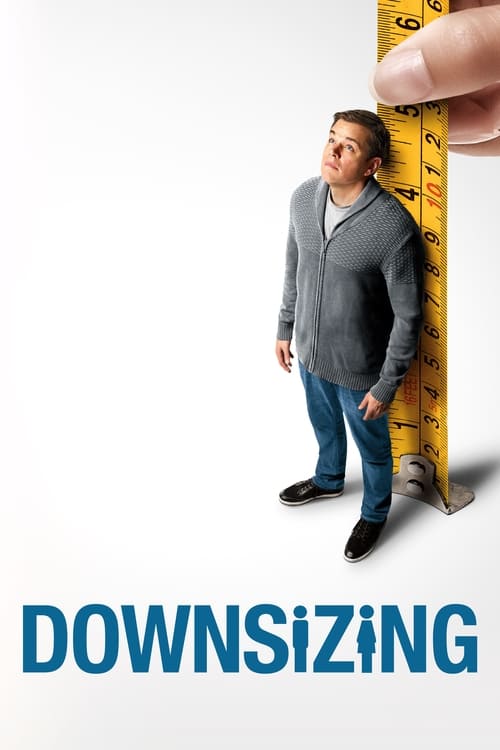
I was reminded of the new-chance-of-life eeriness of John Frankenheimer's Seconds and the futility of buying yourself a meaningful existence.
…and the granddaddy of conceptual tedium, John Frankenheimer’s Seconds…
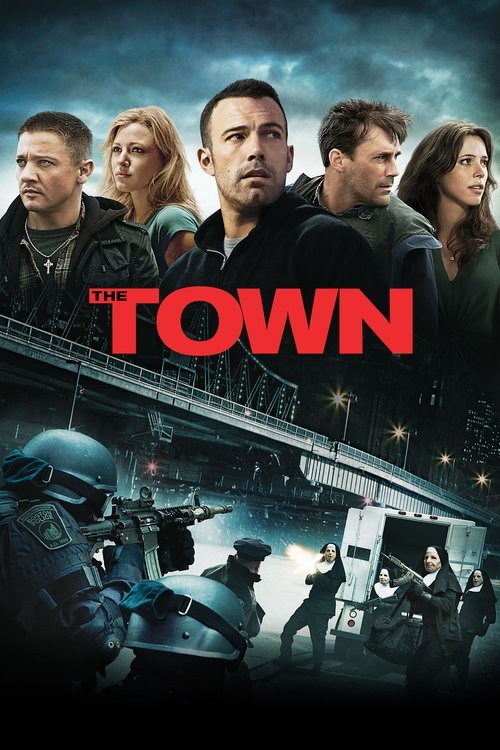
The Town (2010)
Directed by Ben Affleck
influenced by Ronin (1998), Grand Prix (1966), Reindeer Games (2000)
Visuals Plot
Only the car chases, which have an amazing spatial sense and clarity are reminiscent of a director Affleck’s worked with, John Frankenheimer (on Reindeer Games), and that’s simply because Frankenheimer was a master of the car chase (Ronin, Grand Prix).
Think of it as “Ronin,” American-style.
Only the car chases, which have an amazing spatial sense and clarity are reminiscent of a director Affleck’s worked with, John Frankenheimer (on Reindeer Games), and that’s simply because Frankenheimer was a master of the car chase (Ronin, Grand Prix).
Only the car chases, which have an amazing spatial sense and clarity are reminiscent of a director Affleck’s worked with, John Frankenheimer (on Reindeer Games), and that’s simply because Frankenheimer was a master of the car chase (Ronin, Grand Prix).
Affleck comes closest to realizing that goal during the movie's three heist sequences, which are beautifully staged and escalate from the bank to Fenway Park -- with an alleyway car chase thrown in that suggests Affleck had some meaningful conversations with John Frankenheimer on the set of "Reindeer Games," so that movie was finally good for something.
Here’s a little Guillermo del Toro, there’s a dash of Frankenstein and The Creature From the Black Lagoon, with a shaker of Frankenheimer’s Seconds, all simmered in a stew of Philip K. Dick.