
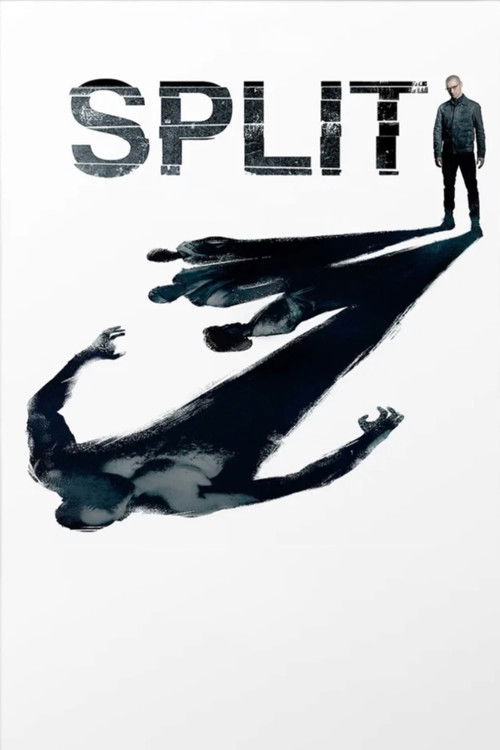
Split (2017)
Directed by M. Night Shyamalan
Though Kevin has evidenced 23 personalities to his trusted psychiatrist, Dr. Fletcher, there remains one still submerged who is set to materialize and dominate all the others. Compelled to abduct three teenage girls led by the willful, observant Casey, Kevin reaches a war for survival among all of those contained within him — as well as everyone around him — as the walls between his compartments shatter apart.
64 connections found
View:
64 films that influenced Split
What critics say influenced Split
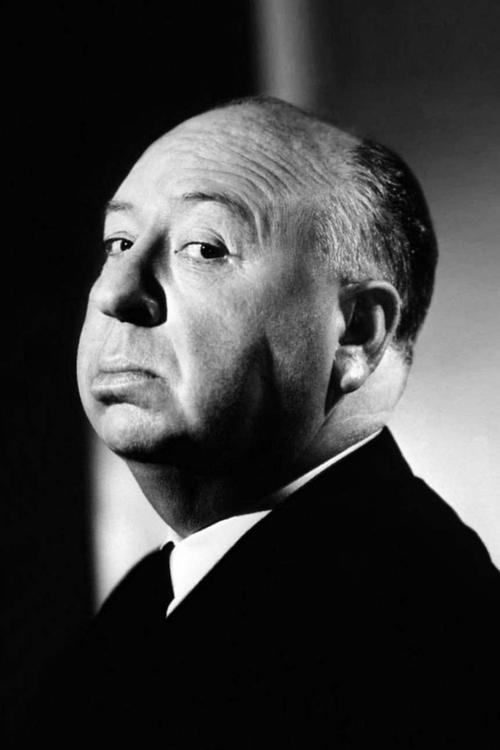
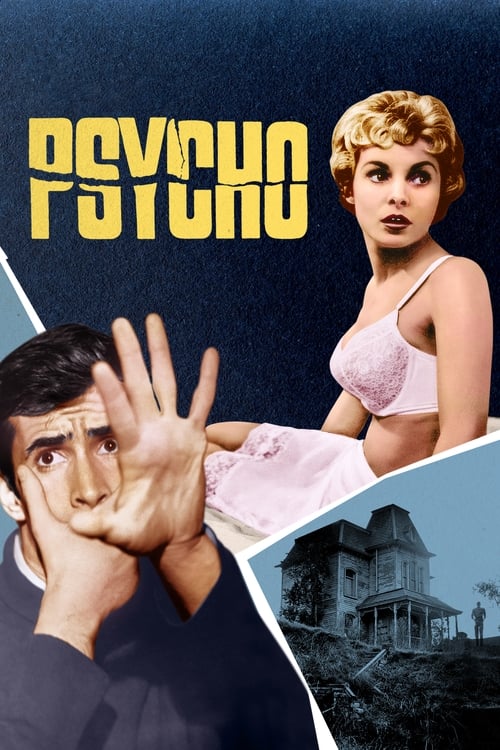


The film looks spectacular, full of Hitchcockian homages that remind one of Vertigo and Psycho, to name only a few.
It’s a number that substantially ups the game on earlier horror incarnations of the disorder such as Dr Jekyll and Mr Hyde and Alfred Hitchcock’s Psycho , the latter of which gets several obvious references throughout.
He’s obviously and respectfully nodding to silken, scary movie predecessors played by Anthony Perkins in Psycho and Anthony Hopkins in The Silence of the Lambs, but he’s better here than he’s been since Atonement because he’s complex and oddly sympathetic—in addition to being a deeply creepy lunatic.
The film’s B-movie aesthetic is enhanced further by McAvoy’s confidently showy performance, which feels like an homage to Psycho’s Anthony Perkins and other actors who have played imbalanced bogeymen.
Writer-director M. Night Shyamalan reminds everyone why folks used to associate him with Alfred Hitchcock, swiping a mental condition from Psycho, a sympathetic shrink from Spellbound, and a bold theorist from Rope.
Shyamalan has never bothered hiding his adoration of Hitchcock, and in Split, the references start with the movie’s Psycho-inspired title sequence.
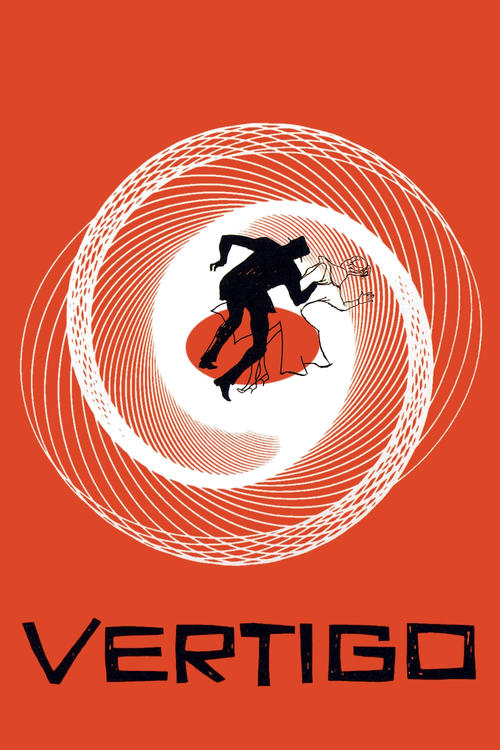
The film looks spectacular, full of Hitchcockian homages that remind one of Vertigo and Psycho, to name only a few.
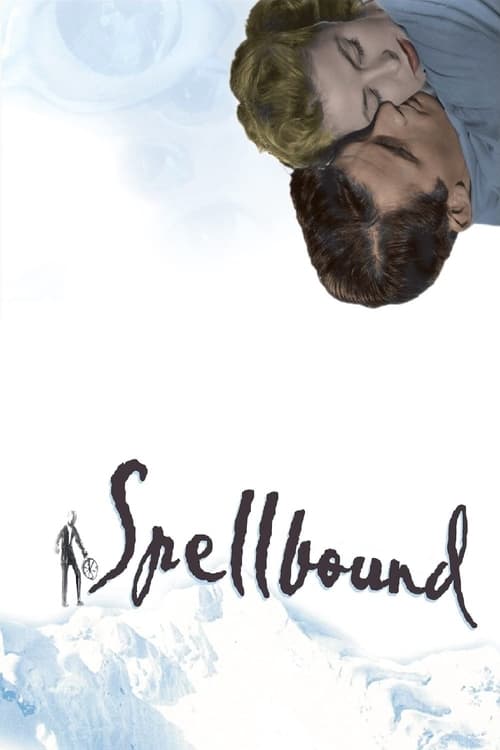
Writer-director M. Night Shyamalan reminds everyone why folks used to associate him with Alfred Hitchcock, swiping a mental condition from Psycho, a sympathetic shrink from Spellbound, and a bold theorist from Rope.
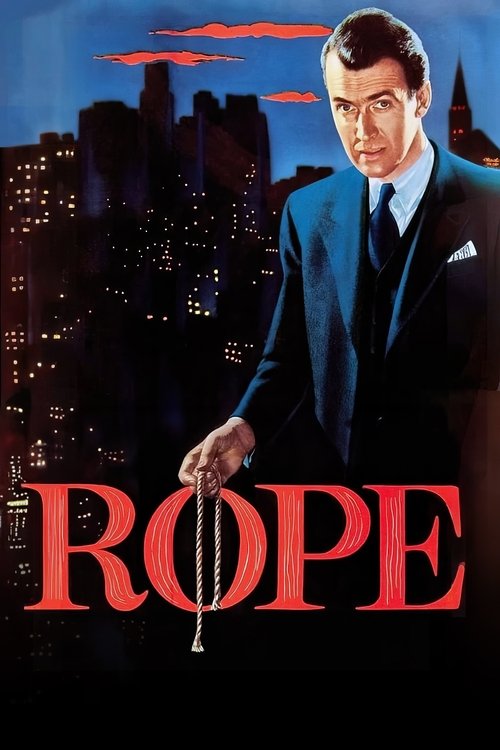
Writer-director M. Night Shyamalan reminds everyone why folks used to associate him with Alfred Hitchcock, swiping a mental condition from Psycho, a sympathetic shrink from Spellbound, and a bold theorist from Rope.
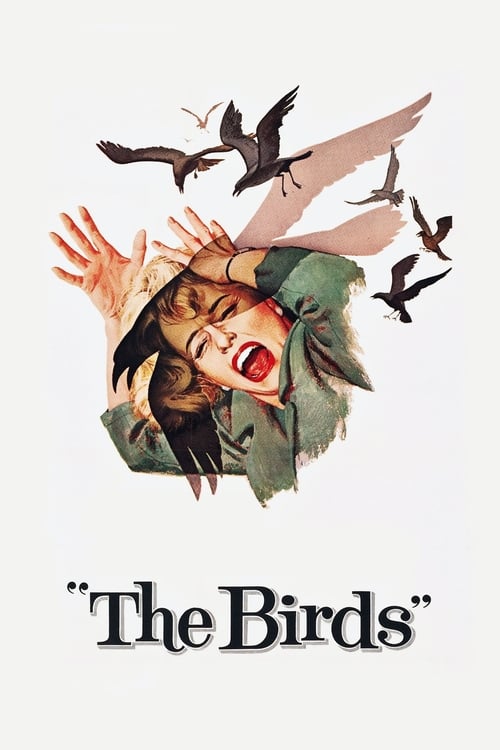
We shouldn’t say more about Split, because to appreciate the movie fully, one must not latch on to its purposely-disjointed narrative structure but rather immerse themselves in the performances and stylishly expository dialogue, which often seems like padding, but really is just a salute to the same sort of talky devices Hitchcock often used (think of the chatty old lady in The Birds, or the final 10 minutes of psychobabble in Psycho).
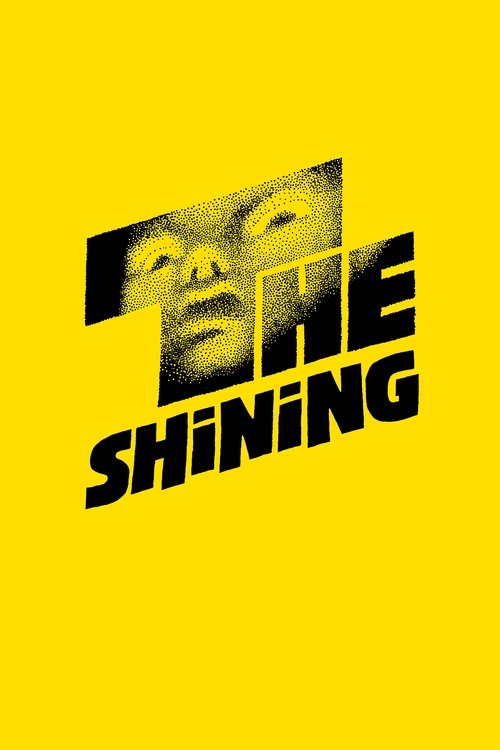
At the same time, a lot of what is going on with Dr. Fletcher turns out to be a massive red herring, almost as if Shyamalan is channeling his inner Stephen King treating her much in the same way that iconic horror author dealt Sheriff Buster in Misery or Overlook Hotel chef Halloran in The Shining .
It wouldn’t be fair to reveal how Shyamalan works out this scenario, but one can say that he ties together Kevin’s story with Casey’s past in a fairly canny fashion, and that the narrative borrows some of its beats from “Psycho” and “The Shining,” among other pictures, along the way.
In short, McAvoy's work here should go into the annals of great psycho performances alongside Anthony Perkins in Psycho, Jack Nicholson in The Shining and Kathy Bates in Misery.
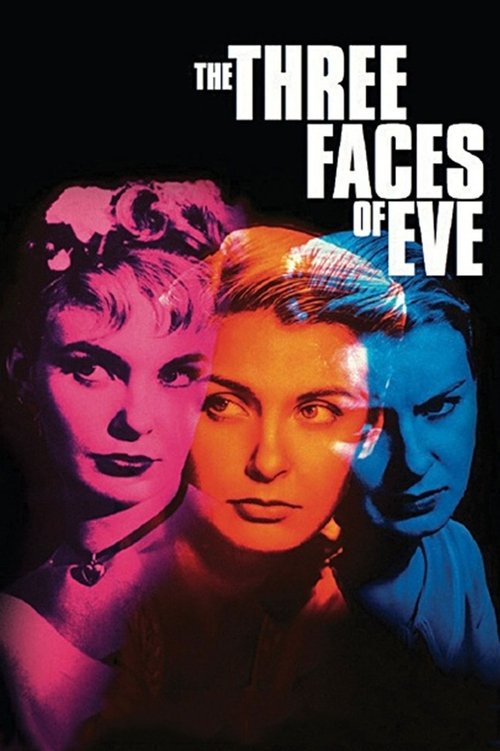
If you are reminded of “Psycho,” “The Three Faces of Eve,” Shyamalan’s own “Unbreakable” and the overrated “10 Cloverfield Lane,” it’s for good reason.
“Multiple personality disorder” has been a favorite Hollywood disease since Joanne Woodward won an Oscar in 1958 for The Three Faces of Eve .
We’re a very long way from The Three Faces of Eve, baby.
I mean, it's certainly equal to multiple-personality interpretations by Joanne Woodward ("The Three Faces of Eve") and Sally Field ("Sybil"), and each of them walked away with Best Actress Oscar and Emmy statues, respectively.
More pseudo-thriller than psycho-thriller, “Split” is like “The Three Faces of Eve” (or “Sybil”) meets “The Silence of the Lambs.”
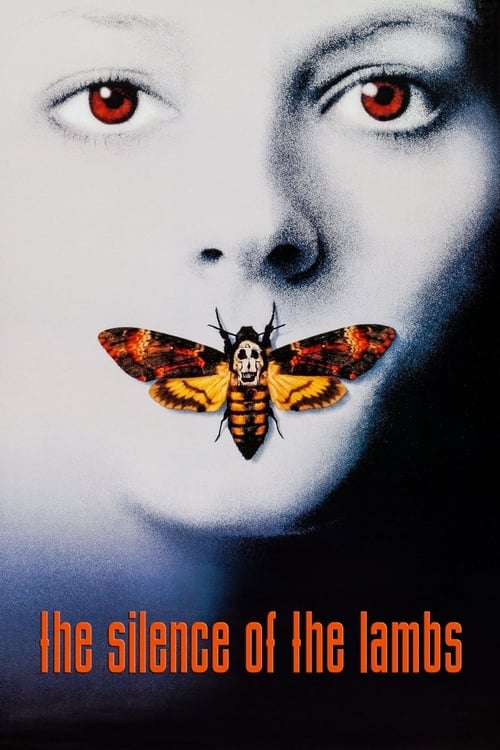
He’s obviously and respectfully nodding to silken, scary movie predecessors played by Anthony Perkins in Psycho and Anthony Hopkins in The Silence of the Lambs, but he’s better here than he’s been since Atonement because he’s complex and oddly sympathetic—in addition to being a deeply creepy lunatic.
At times, “Split” suggests what you would have if “The Silence of the Lambs” had focused solely on Brooke Smith’s Catherine Martin.
More pseudo-thriller than psycho-thriller, “Split” is like “The Three Faces of Eve” (or “Sybil”) meets “The Silence of the Lambs.”
But, given what we find out, it seems possible that the afflicted protagonist, Kevin Wendell Crumb (James McAvoy), is no more a typical D.I.D. sufferer than Buffalo Bill in The Silence of the Lambs was transgender.
Advertisement
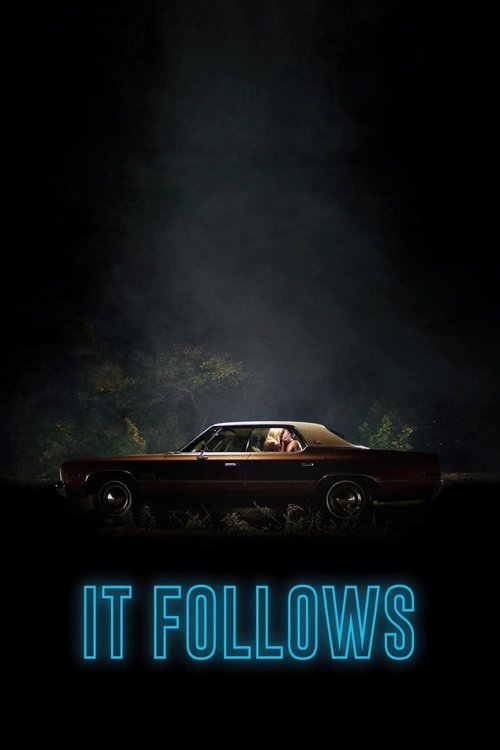
Split's excellent widescreen camera work seems inspired by the ruthless beauty of It Follows, and the claustrophobic plot takes cues from Green Room and 10 Cloverfield Lane.
Shyamalan pulls out one ingenious camera move after another with the help of Michael Gioulakis, the cinematographer of It Follows , echoing Split’s subterranean setting and subconscious concerns through creative and formalist thrills.
Indeed, Split finds Shyamalan in a formally invigorated mode, likely due in no small part to his collaborations with a younger crew (take, for example, director of photography Mike Gioulakis, who has shot recent independent productions such as David Robert Mitchell’s It Follows and Mike Ott’s Lake Los Angeles).
All of this is well shot by Michael Gioulakis of “It Follows,” who brings a smooth calm to such potentially disjointed material.
But it isn’t just McAvoy and Taylor-Joy’s fine work that creates that feeling of unease; cinematographer Michael Gioulakis proves he’s just as good with revealing the terror in confined spaces as he was with wide expanses in “It Follows.”
It’s the scariest film he’s ever made, augmented by the ominous camera work of “It Follows” cinematographer Mike Gioulakis.
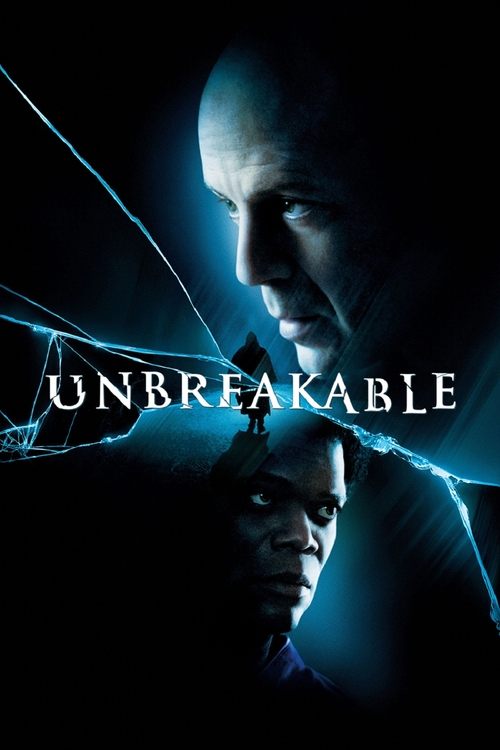
If you are reminded of “Psycho,” “The Three Faces of Eve,” Shyamalan’s own “Unbreakable” and the overrated “10 Cloverfield Lane,” it’s for good reason.
Pitched as a spiritual sequel to Unbreakable, Split plays coy with its central conceit.
Nevertheless, the more significant and spoiler-proof astonishment here is that Shyamalan — after nearly a decade-long creative (and sometimes commercial) drought — has reclaimed much of the formal precision and conceptual daring that made his earlier pictures, “The Sixth Sense” and “Unbreakable” chief among them, so memorably creepy.
But Split does unify Shyamalan’s films in other ways, specifically through its three biggest themes, which thread throughout most of the other movies he’s written and directed, from The Sixth Sense and Unbreakable to The Village and The Visit .
He followed “Sixth Sense” with “Unbreakable” and “Signs,” not quite matching the potential of his first movie but still showing great promise.
While his second film, “Unbreakable,” is almost as great as “The Sixth Sense” (despite its much smaller box office haul), each film seemed like a step down from the previous one, a seemingly never ending parade of high concepts undone by ludicrous twists and bad writing.
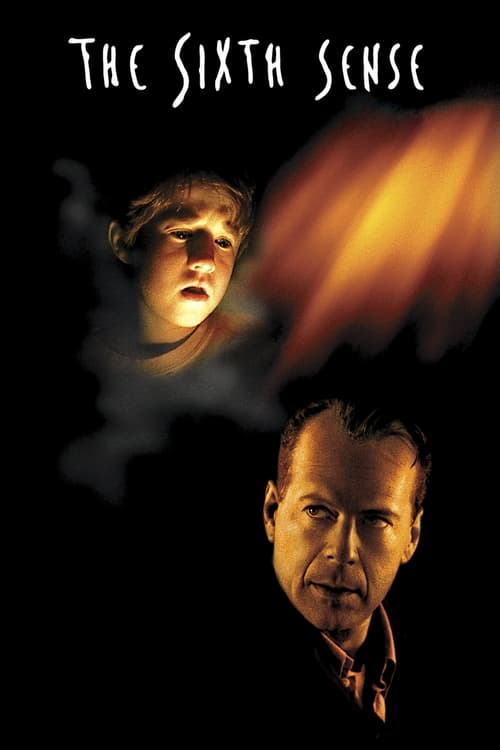
It also seems to help that Split is not a puzzle movie, that nebulous subgenre inspired by The Sixth Sense and Christopher Nolan's Memento, which rewards the viewer for piecing together the plot from a slow dribble of ambiguous information.
Ever since he made “The Sixth Sense,” his one good movie and far and away his biggest hit, writer-director M. Night Shyamalan has been attempting to rekindle the fire.
Stark and soaked in dead-silent tension, the short recurring sequences build a sense of dread that’s woefully absent from the rest of the movie, an eerie reminder of Shyamalan’s no-kid-gloves approach to childhood trauma in The Sixth Sense and other films.
Nevertheless, the more significant and spoiler-proof astonishment here is that Shyamalan — after nearly a decade-long creative (and sometimes commercial) drought — has reclaimed much of the formal precision and conceptual daring that made his earlier pictures, “The Sixth Sense” and “Unbreakable” chief among them, so memorably creepy.
But Split does unify Shyamalan’s films in other ways, specifically through its three biggest themes, which thread throughout most of the other movies he’s written and directed, from The Sixth Sense and Unbreakable to The Village and The Visit .
It's the sort of outlandish setup one might expect from The Sixth Sense mastermind M. Night Shyamalan, and thanks to inspired turns from Taylor-Joy and Scottish actor James McAvoy, Split is often as engrossing as it is implausible.

The writer-director M. Night Shyamalan shook up the movie world in the late 1990s and early 2000s with beautifully constructed, breathtakingly original films such as “The Sixth Sense,” “Unbreakable” and “Signs.”
The tricky auteur who recast the mold of supernatural horror — and essentially invented a one-man industry of twist endings — with early sensations like 1999’s The Sixth Sense and 2002’s Signs seemed to fall increasingly into self-parody as the new millennium crept on.
The real secret, though, when it comes to M. Night Shyamalan’s best movies: a great acting performance, whether it’s Haley Joel Osment’s Oscar-nominated haunted kid in The Sixth Sense, Mel Gibson's ex-priest questioning his faith while dealing with aliens in Signs or Bruce Willis' security guard coming to emotional grips with being nigh invulnerable in Unbreakable.
With “The Sixth Sense,” “Unbreakable” and “Signs,” writer/director M. Night Shyamalan has — for better and worse — become the king of twist endings.
His best films were able to maximize a minimalist aesthetic so that Unbreakable and Signs were the most exciting movies where very little happens.
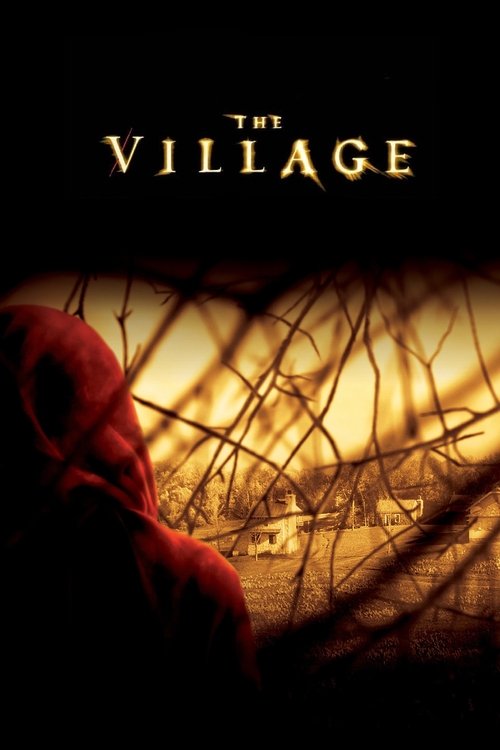
Even as the numbers of moviegoers decreased and critics increased with nearly every new Shyamalan release, I stayed with him through “The Village” and “Lady in the Water” and even “The Happening” — but by the time we got to the likes of “The Last Airbender” and “After Earth,” I was off the bandwagon along with just about everyone else.
Director M. Night Shyamalan is practically a brand name unto himself, known for his twists, turns and last-minute surprises in movies like The Sixth Sense, The Village, Unbreakable, Lady in the Water and The Visit.
Perhaps as a response to becoming an imitable brand and perhaps down to the muted (and sometimes peculiarly hostile) response to The Village, Lady In The Water and The Happening (all interesting films), Shyamalan moved away from his personal cinema to take shots at fantasy (The Last Airbender), sci-fi (After Earth) and found-footage shocker (The Visit).
We haven’t had that since 2004 when The Village opened with $50 million based almost entirely on Shyamalan’s name and a moody/non-spoiler trailer.
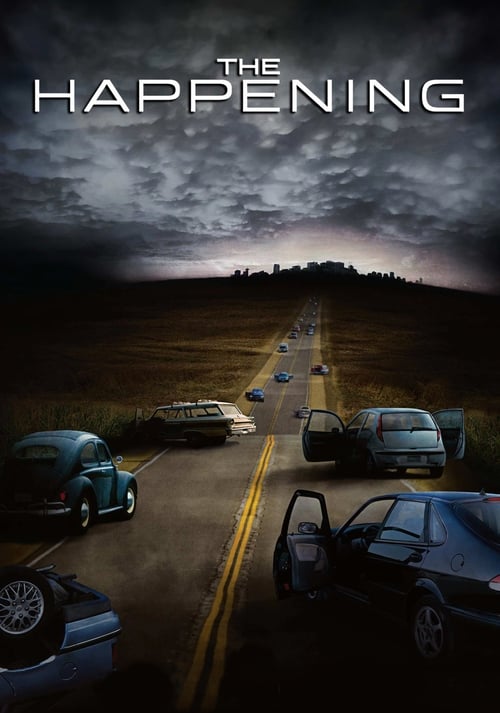
Even as the numbers of moviegoers decreased and critics increased with nearly every new Shyamalan release, I stayed with him through “The Village” and “Lady in the Water” and even “The Happening” — but by the time we got to the likes of “The Last Airbender” and “After Earth,” I was off the bandwagon along with just about everyone else.
The director of "The Sixth Sense" and (gulp) "The Happening" delivers a shocker worth his early career hype.
Meanwhile we see alter Barry, the fey fashion designer who visits Dr. Karen Fletcher (Betty Buckley, "Carrie," "The Happening").
As such I still liked The Happening where he was able to continue that aesthetic.
M. Night Shyamalan’s “Split” is a split decision: It’s not a catastrophe on par with the director’s worst works, marked by the unholy hat trick of “The Happening,” “The Last Airbender” and “After Earth” (triple woof!), but it doesn’t return him to his former “Sixth Sense” glory.
Perhaps as a response to becoming an imitable brand and perhaps down to the muted (and sometimes peculiarly hostile) response to The Village, Lady In The Water and The Happening (all interesting films), Shyamalan moved away from his personal cinema to take shots at fantasy (The Last Airbender), sci-fi (After Earth) and found-footage shocker (The Visit).
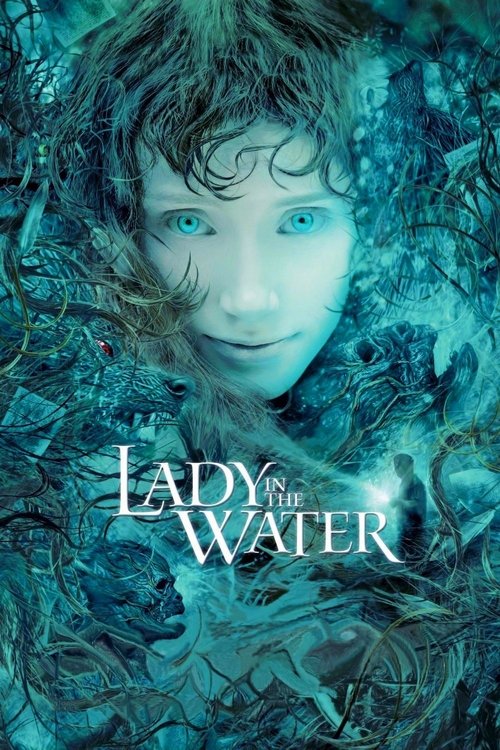
Perhaps as a response to becoming an imitable brand and perhaps down to the muted (and sometimes peculiarly hostile) response to The Village, Lady In The Water and The Happening (all interesting films), Shyamalan moved away from his personal cinema to take shots at fantasy (The Last Airbender), sci-fi (After Earth) and found-footage shocker (The Visit).
Director M. Night Shyamalan is practically a brand name unto himself, known for his twists, turns and last-minute surprises in movies like The Sixth Sense, The Village, Unbreakable, Lady in the Water and The Visit.
After seeing his career go off the rails with ambitious but misguided movies such as “Lady in the Water” (2006), “The Last Airbender” (2010) and “After Earth” (2013), writer-producer-director M. Night Shyamalan turned it around with 2015’s fun, spooky “The Visit.”
Writer/director M. Night Shyamalan regains some of the footing lost with his disappointing film output of recent years (i.e., The Village, Lady in the Water, The Happening).
…out of Lady in the Water (July 20/06) Though it hardly seems possible, Lady in the Water is surely destined to divide audiences even further than The Village did; with its head-scratcher of a storyline and expectedly deliberate pace, the movie gives filmmaker M. Night Shyamalan's detractors plenty of ammunition to use against him.
M. Night Shyamalan has had a roller-coaster career, quickly reaching the heights with “The Sixth Sense,” “Unbreakable” and “Signs” but then going into precipitous decline with “The Village,” “Lady in the Water” and “The Happening”—in which the trap he had made for himself, of promising a stunning twist ending, really worked against him: he was bound to disappoint.
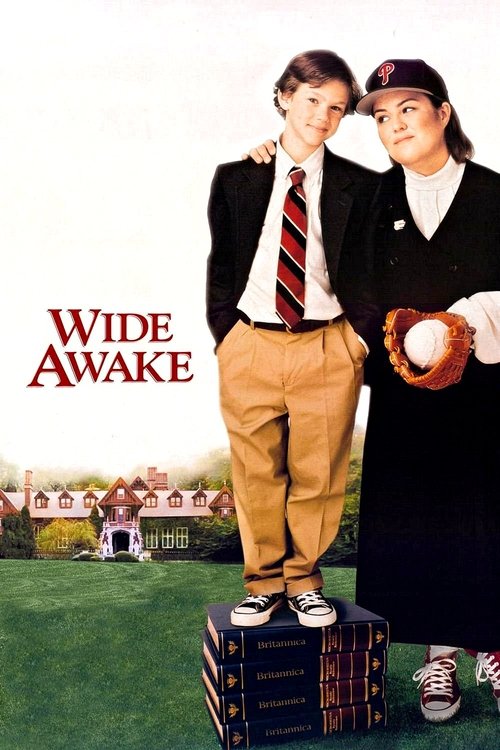
The Films of M. Night Shyamalan Praying with Anger Wide Awake The Sixth Sense (January 20/17) Written and directed by M. Night Shyamalan, The Sixth Sense follows child psychiatrist Malcolm Crowe (Bruce Willis) as he attempts to help a young boy (Haley Joel Osment's Cole Sear) break out of his shell - with complications ensuing as it becomes clear that Cole is able to see and interact with dead people.
Following the “inspirational” family dramedy Wide Awake (which I’ve never seen, and which, like the first few Michael Jackson solo albums, seems to have been stricken from the public consciousness), Shyamalan burst onto the scene in 1999 with his sophomore feature The Sixth Sense.
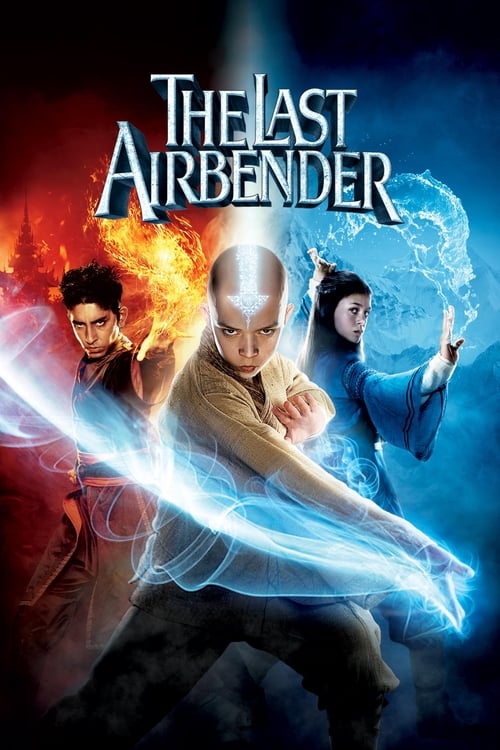
Soon his elegant camerawork and expert summoning of mood (usually dread) were no match for his ponderousness, his awkwardly constructed imitations of human speech, his misjudged casting and performances, and whatever the living hell The Last Airbender was.
After seeing his career go off the rails with ambitious but misguided movies such as “Lady in the Water” (2006), “The Last Airbender” (2010) and “After Earth” (2013), writer-producer-director M. Night Shyamalan turned it around with 2015’s fun, spooky “The Visit.”
M. Night Shyamalan’s “Split” is a split decision: It’s not a catastrophe on par with the director’s worst works, marked by the unholy hat trick of “The Happening,” “The Last Airbender” and “After Earth” (triple woof!), but it doesn’t return him to his former “Sixth Sense” glory.
Fans of writer-director M. Night Shyamalan have greeted the low-budget thriller Split as a confirmation that he's back on track, after bloated debacles like The Happening and The Last Airbender.
A sleeper hit that was a booming ROI success in its theatrical release, it was regarded then and now as a proper return to form for M. Night Shyamalan, who had few noteworthy films after critically-drubbed misfires like The Last Airbender and After Earth.
I’m one of those Shyamalan fans who actually liked After Earth, so I may not be the best to assess Split as a comeback (I did hate The Last Airbender as much as everyone else, however).
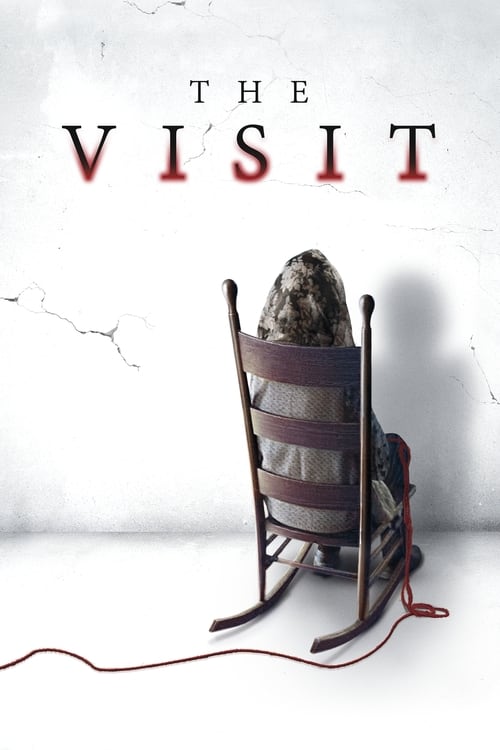
But with 2015’s zingy low-budget shocker The Visit, Shyamalan rediscovered something he’d forgotten: fun.
After his banishment to director’s jail for the abysmal “The Last Airbender,” “The Visit” had me hopeful for the resurrection of Shyamalan greatness.
After seeing his career go off the rails with ambitious but misguided movies such as “Lady in the Water” (2006), “The Last Airbender” (2010) and “After Earth” (2013), writer-producer-director M. Night Shyamalan turned it around with 2015’s fun, spooky “The Visit.”
Director M. Night Shyamalan is practically a brand name unto himself, known for his twists, turns and last-minute surprises in movies like The Sixth Sense, The Village, Unbreakable, Lady in the Water and The Visit.
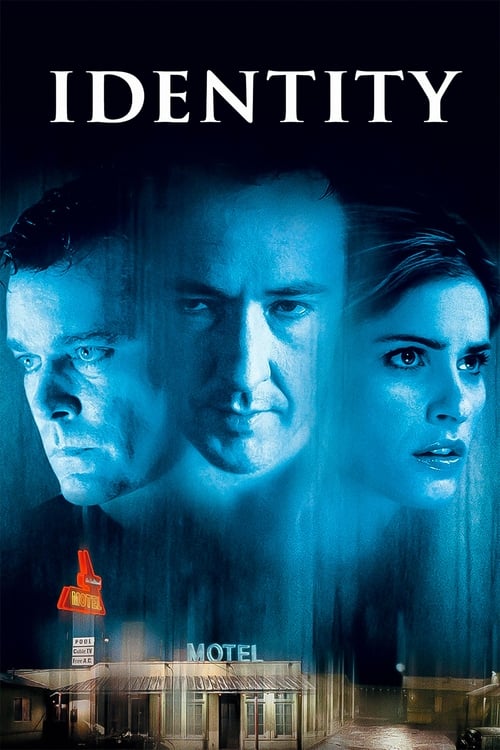
The logic implies a twist not unlike 2003’s Identity , but ultimately is a taste too exploitative, as if the script needs to break Casey utterly.
Split plays like a cross between Identity and Red Dragon (three of the alters are awaiting the arrival of a 24th alter, known as “The Beast”), making some bold statements about mental illness that may generate similar criticisms.
Yes, Kevin has Dissociative Identity Disorder, and yes, some mental health advocates are protesting “Split” and calling for a boycott — but it’s difficult to imagine any adult seeing this film and believing for a second it’s an attempt to be a scientific, seriously analytical take on DID, any more than “Psycho” or “Dressed to Kill” or “Identity” or “Fight Club.”
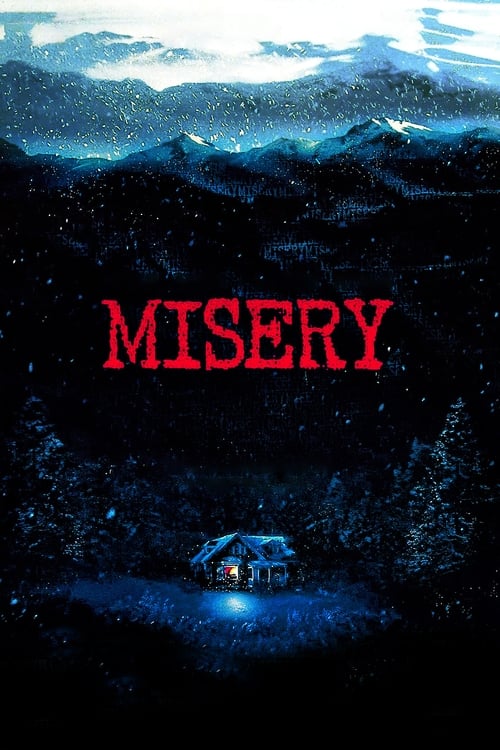
At the same time, a lot of what is going on with Dr. Fletcher turns out to be a massive red herring, almost as if Shyamalan is channeling his inner Stephen King treating her much in the same way that iconic horror author dealt Sheriff Buster in Misery or Overlook Hotel chef Halloran in The Shining .
In short, McAvoy's work here should go into the annals of great psycho performances alongside Anthony Perkins in Psycho, Jack Nicholson in The Shining and Kathy Bates in Misery.
Advertisement
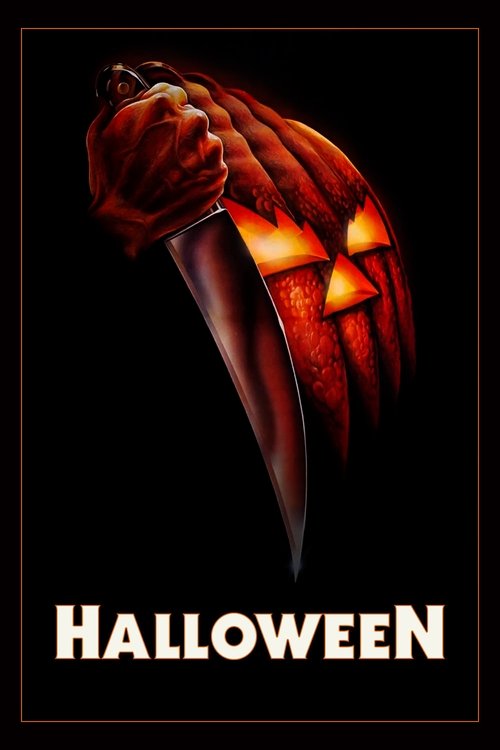
Shyamalan should have studied John Carpenter’s Halloween for inspiration about how to accomplish this sort of thing.
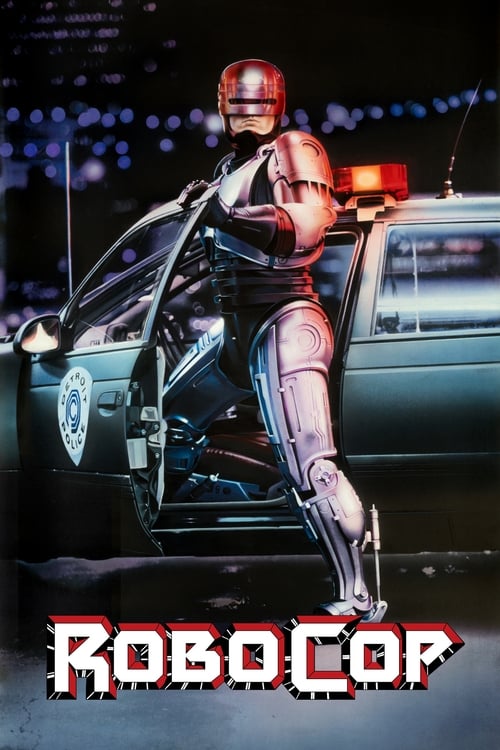
Shyamalan’s dialogue recalls Aaron Sorkin , mixed with the smart dark humor of “Robocop”-era Paul Verhoeven .