

Mark Herman
18 connections found
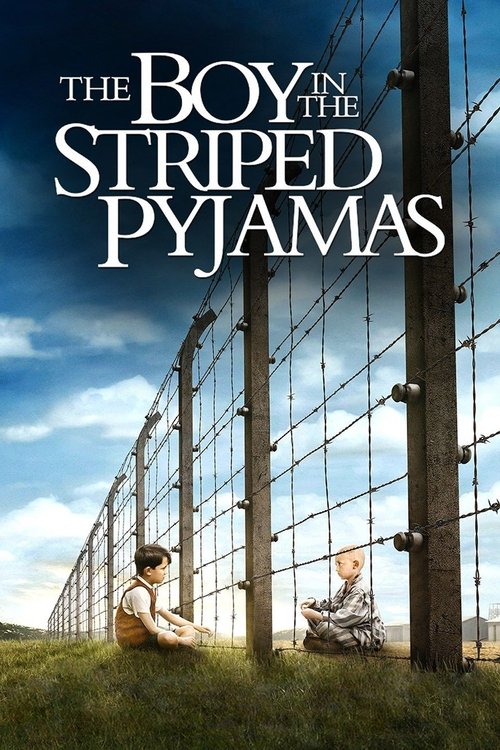


View:
Connections, in both directions
Night and Fog (1956)
Directed by Alain Resnais
influenced The Boy in the Striped Pyjamas (2008)
Themes


NO fictional piece can ever match the horrific reality so vividly chronicled in Resnais' Night and Fog .
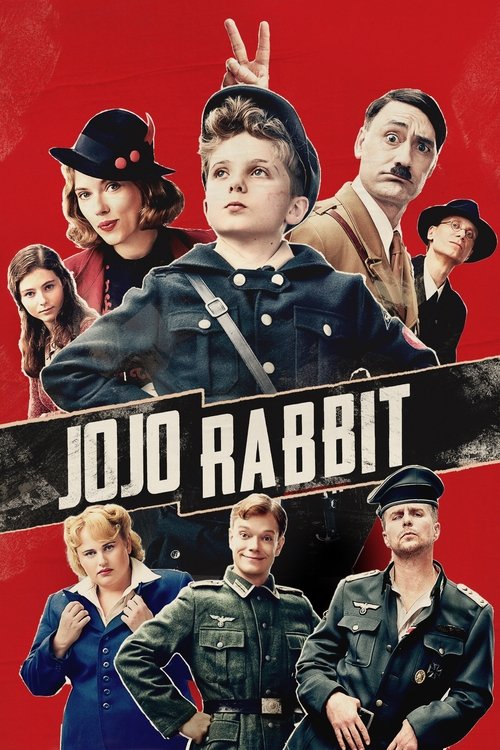
Jojo Rabbit (2019)
Directed by Taika Waititi
influenced by The Boy in the Striped Pyjamas (2008)
Themes
Oh sure, there have been a couple of examples of this particular brand of filmmaking that I have admired—John Boorman’s “Hope and Glory” and Steven Spielberg’s “Empire of the Sun” (especially its astounding first hour or so) immediately spring to mind—but those hardly begin to make up for such utter grotesqueries as “The Tin Drum,” “The Boy in the Striped Pajamas” and, of course, the more-appalling-than-ever “Life is Beautiful,” films that take the most horrific event of the 20th century and attempt to milk it for cheap sentiment and, hopefully, Oscar nominations from people who mistakenly assume that just because a movie involves a serious subject like the Holocaust, it must be serious as well and therefore worthy of consideration.
“Jojo Rabbit” is a deliberately quirky hybrid—a blending of a youngster’s “coming to terms with horror” story—a sort-of cousin to “The Boy in the Striped Pajamas”—with blissfully wacked-out ridicule of Nazis that makes “Hogan’s Heroes” look mild by comparison, including a Hitler who’s an exuberantly nutty “Animal House” caricature (until, at the very end, he morphs into something pretty terrifying).
By exploring the events of WWII through the eyes of a child (something other texts such as The Book Thief and The Boy In The Striped Pajamas also do), the film is granted more leeway to color outside of the lines of what would normally be acceptable.
I don’t object to this tone, and the movie does come out much more watchable than other films that have tried to glimpse the Nazi horror through a child’s limited perspective ( Life Is Beautiful , The Boy in the Striped Pajamas , The Book Thief ).
Waititi’s film is a smart and relevant one, though it’s nearly derailed by a mid-film descent into maudlin melodrama, more befitting a film like The Boy in the Striped Pajamas than the kind of gonzo satire that the director might have hoped for.
But the focus is so firmly on Jojo because his Hitler fanboy-ism is absolutely the only thing separating Jojo Rabbit from other straight dramas that have mined this exact same emotional dynamic, like The Book Thief or The Boy in the Striped Pajamas.
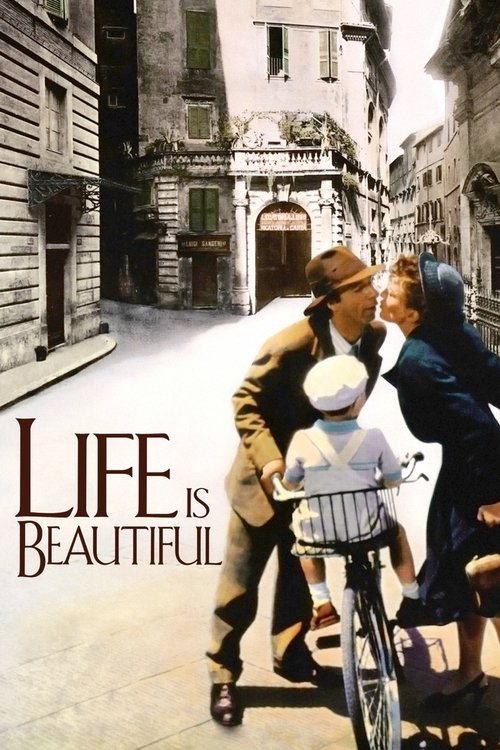
Life Is Beautiful (1997)
Directed by Roberto Benigni
influenced The Boy in the Striped Pyjamas (2008)
Themes Plot
Young Bruno (Asa Butterfield) transforms troubling impressions into the games of a boy, from arms-outspread Messerschmitt fighters through leather soccer balls and knights in tales of chivalry, to a disguised search-and-find mission, his misapprehension of realities resulting in pieces of ironic, sad humor distinct from the purposeful distortions of a father shielding his son in Life Is Beautiful.
Apart from the heavier question of when it's appropriate to confront a child with the human capacity for evil on such a scale, there's also the worry that any effort to do so will devolve into mawkishness of the sort seen in films such as "Life Is Beautiful" and "Jakob the Liar."
In a German-centric twist on "Life Is Beautiful," in which a protective Jewish father convinces his young son that life in a concentration camp is just a game, Bruno's mother (Vera Farmiga) -- who becomes increasingly horrified by the lethal reality of her husband's job -- encourages her son's misinterpretation.
Though not as epic as Schindler's List, this story about the wartime experiences of two children is more haunting and moving than 1997's Life Is Beautiful and is reminiscent of 1987's Au Revoir, Les Enfants, directed by Louis Malle.
The cloying wrong-headedness of Roberto Benigni's Life is Beautiful and Robin William's Jakob The Liar, as well-meaning as they were, left audiences with survivor's guilt for sticking with them to the final credits.
Sturdy Holocaust drama focusing on childhood and innocence amidst the horror takes the multi-Oscar-winning Life Is Beautiful to more harrowing and credible extremes.
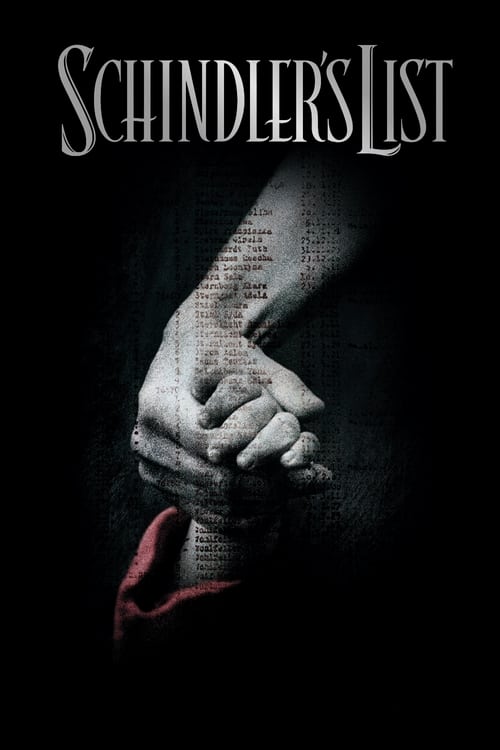
Schindler's List (1993)
Directed by Steven Spielberg
influenced The Boy in the Striped Pyjamas (2008)
Visuals Themes
Spielberg approaches this by using a hand held camera to thrust us inside the Warsaw ghetto in Schindler's List, but the strongest Holocaust films generally use the historical period as background: The Pawnbroker; Cabaret ; Sophie's Choice ; Europa, Europa ; The Counterfeiters.
Though not as epic as Schindler's List, this story about the wartime experiences of two children is more haunting and moving than 1997's Life Is Beautiful and is reminiscent of 1987's Au Revoir, Les Enfants, directed by Louis Malle.
Taut, spare and ultimately devastating, this sincere adaptation of John Boyne's novel is Disney's Schindler's List.
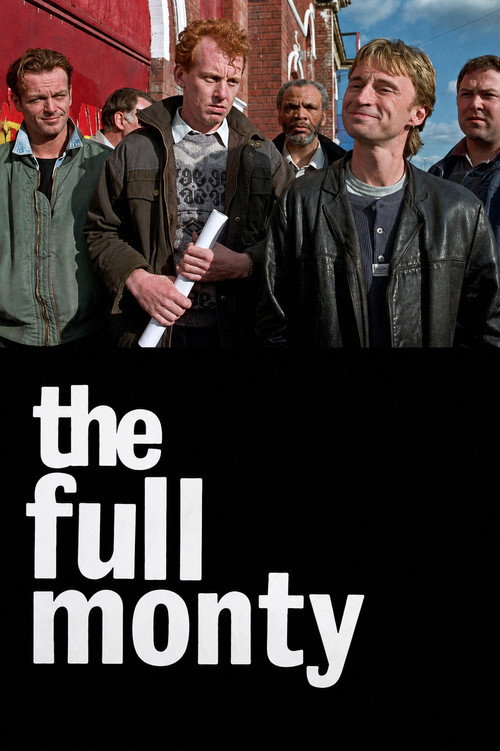
“The Full Monty” belongs in the recent tradition of bittersweet films from Britain that depict working- class life, movies like “ The Snapper ” and “ The Van ,” based on Roddy Doyle books; “ Raining Stones ,” about an unemployed man desperate to buy his daughter's communion dress, and the recent “ Brassed Off ,” which was also about an industry shutting down and leaving its community stranded.
Like the wonderful "Brassed Off" about a downtrodden British mining town, "The Full Monty" takes the viewer to a once bustling manufacturing town where the forges and factories have shut down, leaving the workers on the dole.
Brassed Off, 1997, Mark Herman, for another look at unemployment in post-Thatcher industrial Britain.
Exploring the same English working-class woes as "Brassed Off" and "The Van," but with a much more daffy sense of humor, "The Full Monty" is the kind of movie you can't help but love.
Unlike Mark Herman's 1996 "Brassed Off" (a similarly themed comedy about the decline of British industry and its impact on ordinary lives) "The Full Monty" never lets its angry subtext stifle the laughs.
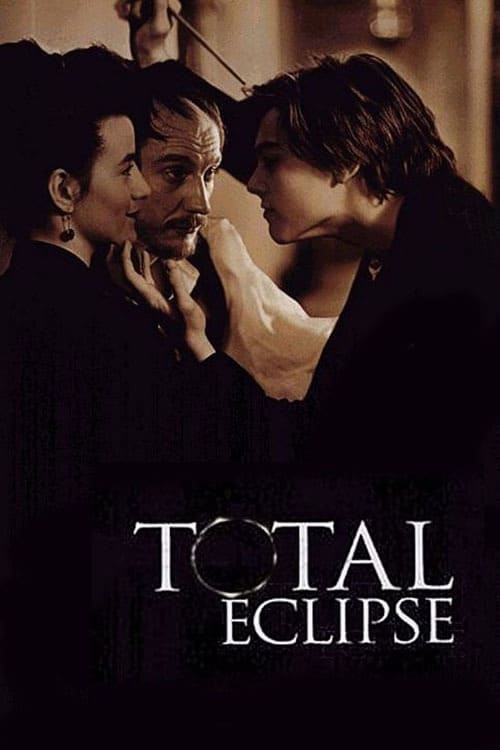
These include Bruno's father (David Thewlis from Total Eclipse ), his propaganda touting tutor (Jim Norton), and menacing Lt. Kotler (Rupert Friend).
When his soldier father (David Thewlis, "Naked," "Harry Potter and the Order of the Phoenix") receives a promotion, young Bruno (Asa Butterfield, "Son of Rambow") is unhappy about leaving his friends and splendid home in Berlin.
Rounding out the coop is the none-too-swift Babs (Jane Horrocks, Little Voice ), and the scientifically disposed Mack, who sports thick glasses and an even thicker Scottish brogue.
Gibson (Braveheart) gives Rocky an energetic Yankee accent that contrasts perfectly with the sweet British tones of Sawalha (Absolutely Fabulous) and Horrocks (Little Voice) as Ginger and Babs.
This sincerity is most evident in Jane Horrocks , who was so appealing in 1998's Little Voice and was born to play Babs, a chicken who knits all the time.
Jakob the Liar (1999)
Directed by Peter Kassovitz
influenced The Boy in the Striped Pyjamas (2008)
Themes
The cloying wrong-headedness of Roberto Benigni's Life is Beautiful and Robin William's Jakob The Liar, as well-meaning as they were, left audiences with survivor's guilt for sticking with them to the final credits.
The Pawnbroker (1965)
Directed by Sidney Lumet
influenced The Boy in the Striped Pyjamas (2008)
Themes
Spielberg approaches this by using a hand held camera to thrust us inside the Warsaw ghetto in Schindler's List, but the strongest Holocaust films generally use the historical period as background: The Pawnbroker; Cabaret ; Sophie's Choice ; Europa, Europa ; The Counterfeiters.
Sophie's Choice (1982)
Directed by Alan J. Pakula
influenced The Boy in the Striped Pyjamas (2008)
Themes
Spielberg approaches this by using a hand held camera to thrust us inside the Warsaw ghetto in Schindler's List, but the strongest Holocaust films generally use the historical period as background: The Pawnbroker; Cabaret ; Sophie's Choice ; Europa, Europa ; The Counterfeiters.

But the British have always had a soft spot for stories about plucky losers and Dexter Fletcher ’s comic biopic nestles neatly alongside the likes of The Full Monty , Brassed Off and Calendar Girls .
Sue Johnston ("Brassed Off") is Luce's lonely hearts mother who is nudged back to life by her daughter.
David Thewlis (2006's " The Omen ") plays Bruno's military father as stern and set in his ways, a man in desperate need of a wake-up call.
When his soldier father (David Thewlis, "Naked," "Harry Potter and the Order of the Phoenix") receives a promotion, young Bruno (Asa Butterfield, "Son of Rambow") is unhappy about leaving his friends and splendid home in Berlin.
Asa Butterfield (2008's " Son of Rambow ") is an extraordinary find as Bruno, so instinctive and vulnerable in his performance that he never once can be caught acting.
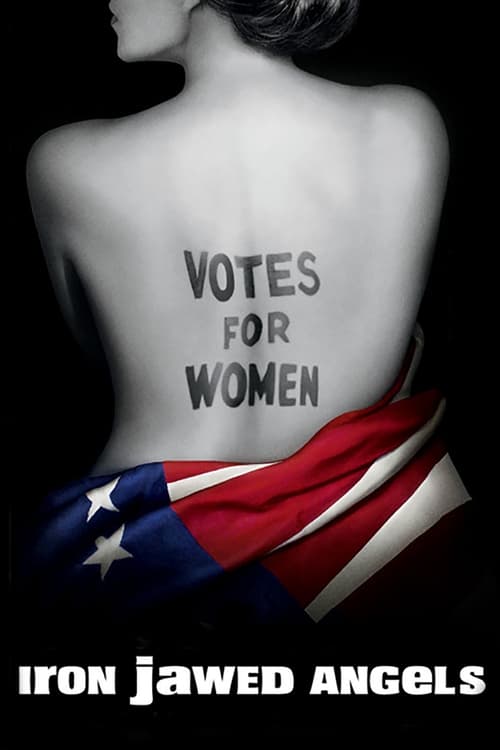
Iron Jawed Angels (2004)
Directed by Katja von Garnier
influenced The Boy in the Striped Pyjamas (2008)
The talented Farmiga ( The Departed) has portrayed everything from strong women in Iron Jawed Angels to her role in this film as an endlessly poignant and obedient wife who can only handle the truth by divorcing herself from reality.

As Bruno's mother, Vera Farmiga (2007's " Joshua ") is also first-rate, torn between her loyalty to her husband and her own conflicting set of values.
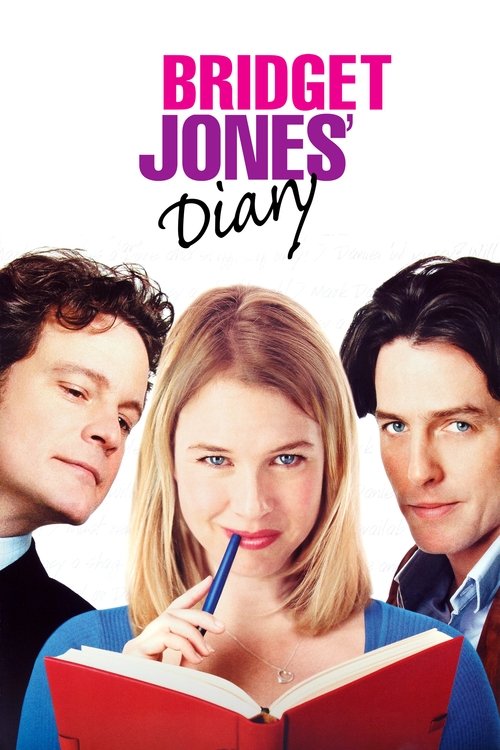
Also less than satisfying is the subplot involving Jim Broadbent ("Topsy-Turvy," "Little Voice") and Gemma Jones ("The Winslow Boy," "Sense and Sensibility") as Bridget's parents whose marriage is on the rocks.