
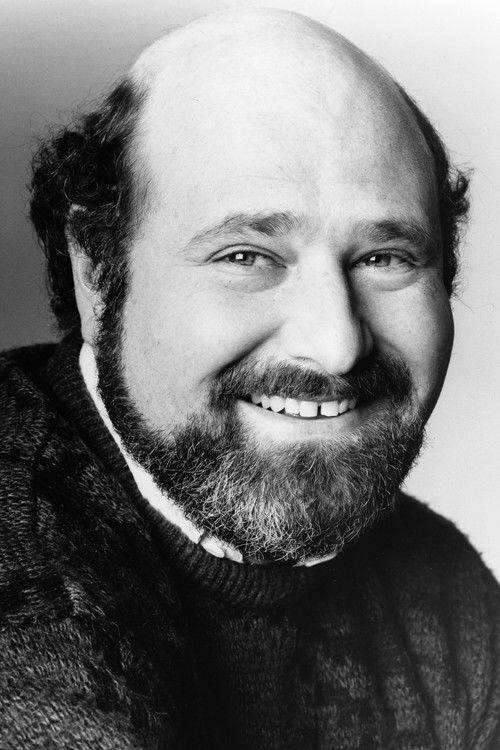
Rob Reiner
253 connections found
Filmography
 Misery 1990
  The Story of Us 1999
  The Bucket List 2007
 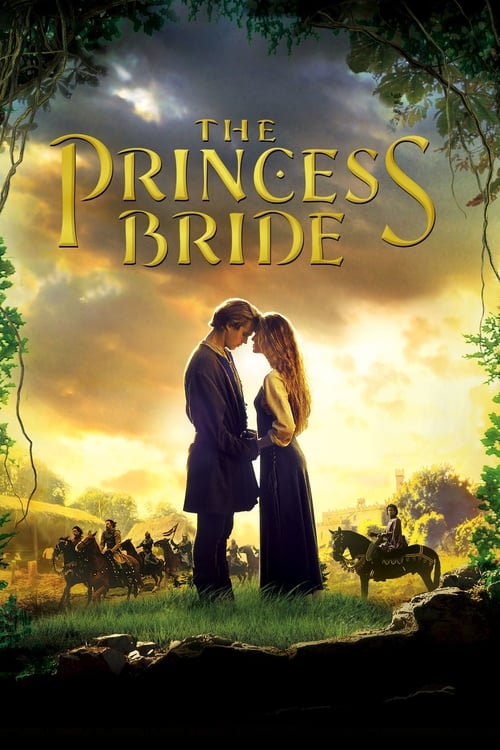 The Princess Bride 1987
 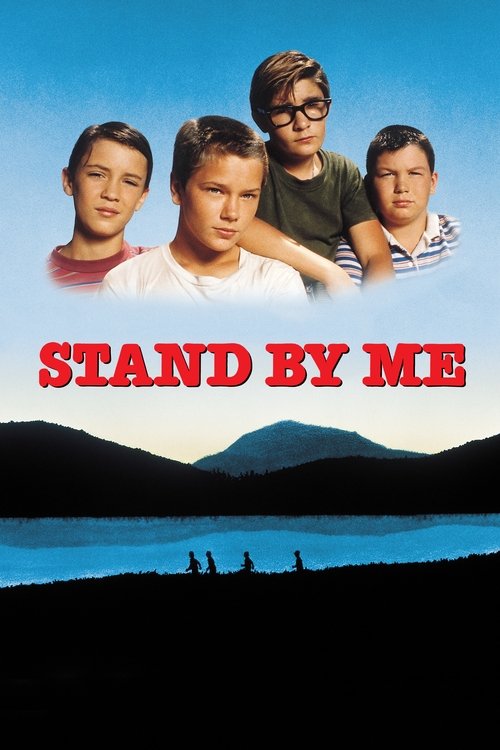 Stand by Me 1986
  When Harry Met Sally... 1989
 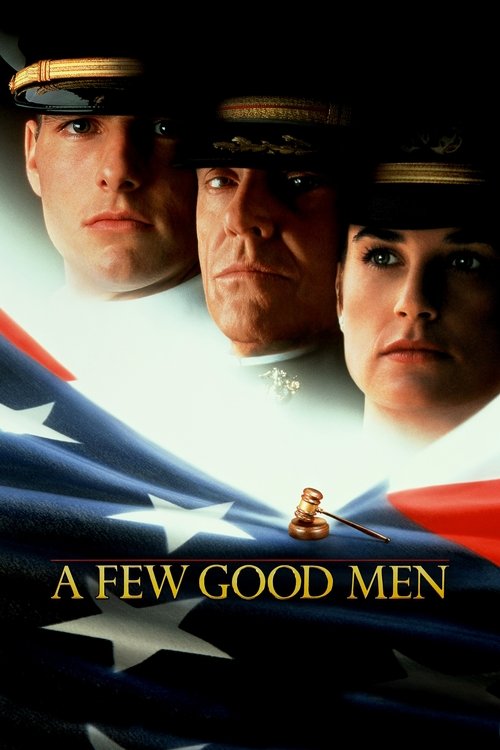 A Few Good Men 1992
 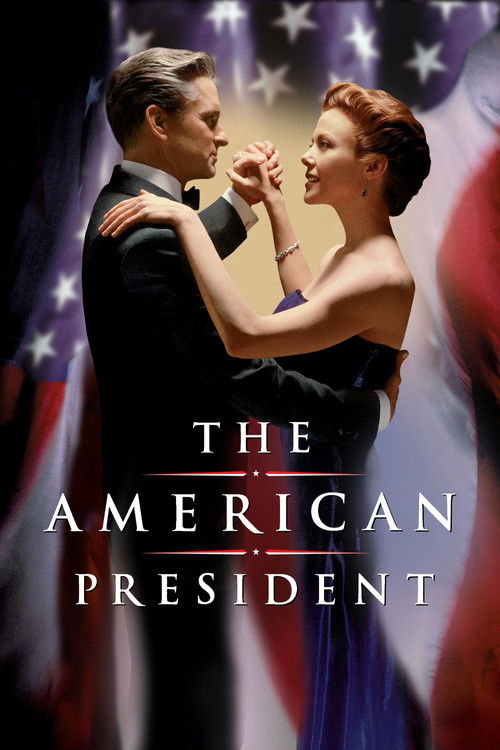 The American President 1995
  And So It Goes 2014
  The Sure Thing 1985
  Flipped 2010
  North 1994
  Alex & Emma 2003
  Rumor Has It... 2005
  Ghosts of Mississippi 1996
 View:
Connections, in both directions


But the good thing is that the movie knows it; just as director Tate Taylor knows it; and star Octavia Spencer knows it too, with the Oscar-winning actress giving a swing-for-the-fences performance that trods some of the same territory as Kathy Bates in Misery and other madcap portrayals of that ilk.
Spencer, too, is quite good in a role that seems as inspired by the kind of work Kathy Bates did in Misery as by a white person’s perception of a “sassy” black woman.
“Ma” reminds me just a bit of vastly superior films like “Carrie” and “Misery.”
Of course, if you saw “Greta” — or if you’ve seen “Misery,” “Single White Female” or any other psycho-thriller about a woman with a crazy possessive streak — there is little in this terminally silly schlock exercise that will surprise you.
…that Sue Ann whips out and threatens to cut off while he’s bound to a bed ala Misery .
There are times when Spencer’s character feels less subversive and more like a gonzo Annie Wilkes from Misery; it’s clear that the filmmakers understand how to write Sue Ann in opposition to tropes, less clear that they know how to turn that into something meaningful.
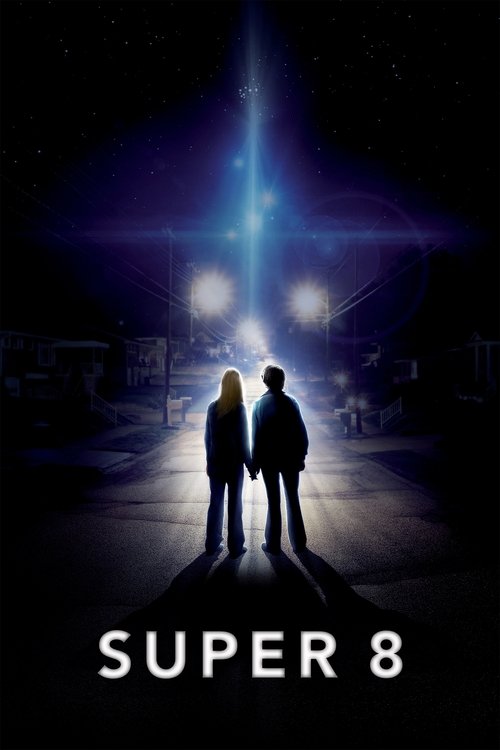
From familial discord, the death of a parent, and the like “Super 8” channels these themes from classic Spielberg fare like “Close Encounters,” and “Jaws” with a sprinkle of “Stand By Me” and “The Goonies” for good measure.
Sure, by technicality, the story is original, but when the entire picture is an homage to ’80s Spielberg and borrows heavily from Steven’s Close Encounters of the Third Kind and E.T., and more than a share from Rob Reiner’s Stand by Me, it’s hard to really call it original.
Besides Richard Donner’s Spielberg-produced “The Goonies,” the scenes with the kids most directly recall Rob Reiner’s “Stand by Me.”
Produced by Spielberg and reminiscent of E.T., Close Encounters of the Third Kind and even War of the Worlds, it also has some of the coming-of-age quality of Rob Reiner's Stand By Me.
That starts with the central characters, a group of young teenage misfits who may remind you of the kids from The Goonies or Stand by Me .
It definitely feels like an homage to great movies past, particularly E.T. , Stand by Me , and Close Encounters of the Third Kind .
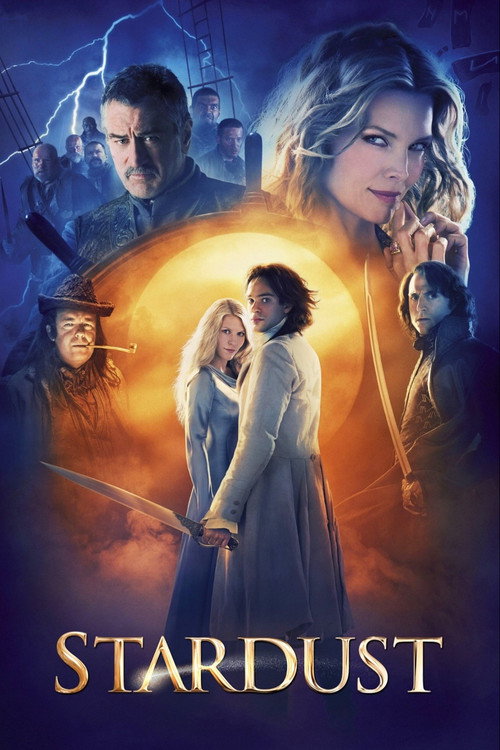
Stardust (2007)
Directed by Matthew Vaughn
influenced by The Princess Bride (1987), The Sure Thing (1985)
Themes
It can be unfavorably compared with Rob Reiner's far more joyous and playful "The Princess Bride."
Stardust has been compared to Rob Reiner’s The Princess Bride (1987)—even the studio shills pretending to be “just folks” posting barely literate “reviews” on the Internet Movie Database are pushing this idea—but I can scarcely think of a less apt comparison.
Like its nearest predecessor The Princess Bride, it borrows liberally from centuries of tall tales, tumbling out like a bedtime story made up on the spot by a grandfather � or, in this case, by Neil Gaiman, the hipster dream-weaver who crossed over from comic books to bestseller lists.
Films like Excalibur, The Dark Crystal, The Princess Bride and especially Labyrinth rank as four of my all-time favorites, and any fantasy spectacular echoing them even slightly automatically raises my eyebrows to their maximum breaking point.
This folly was apparently made in homage to The Princess Bride, making it a peculiar pastiche of a pastiche.
Stardust is the most gleefully silly fantasy tale in years; a whimsical experience in the vein of The Princess Bride.

What Movies Will It Remind You Of?: Director Aneesh Chaganty nurtures some good Baby Jane / Misery / Carrie / Mommie Dearest vibes here.
And “Run” is really interested in something more akin to a hunter and captive movie—the movie so foreign to anything resembling sincere emotion, one wonders why they bothered to write a mother/daughter story and not just leave it like the “Misery”-esque story it resembles.
Run may make you recall a couple of famous films and actors, notably Jimmy Stewart in Hitchcock’s Rear Window and James Caan in Misery .
Cue the over-the-top orchestral score and the nods to “Misery”!
In a way it reminded me of another two-hander, Misery, in which Kathy Bates won an Oscar for keeping the innocent James Caan trapped and terrified.
Reminiscent of the 1990’s movie adaptation of Stephen King‘s Misery , Run shows where unequivocal devotion can turn into a deadly web of secrets and unchecked boundaries.
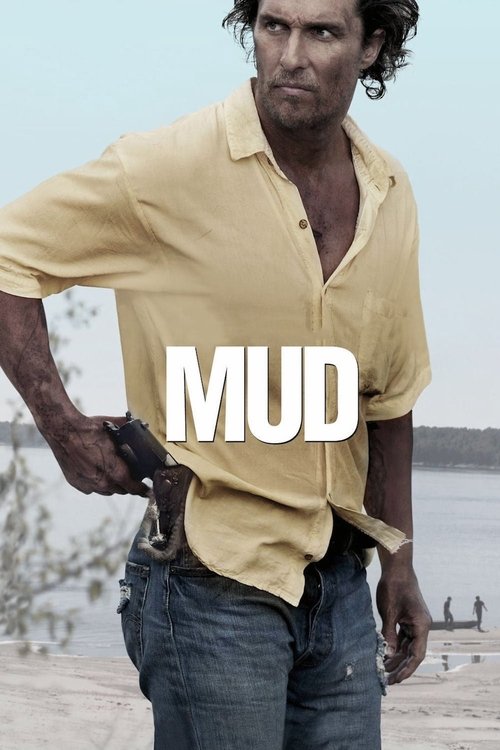
The young heroes in “Mud” recall the sentiment of the teenage rebels in Rob Reiner’s “Stand by Me” – they are at that stage of adolescence in which their future will forever be shaped by the experiences of that moment, and the adults around them dictate it with situations of impending emotional gravity.
The teenagers' thrill and adventure in secretly aiding Mud gives the film a Huckleberry Finn-ish flavour that blends with something akin to Rob Reiner's 1986 classic Stand By Me and Charles Laughton's The Night of the Hunter .
It's a stirring ode to innocence that evokes classics like The Adventures of Huckleberry Finn and Stand By Me.
Their adventure brings to mind Stand By Me with a touch of Mark Twain, and Nichols' lingering shots of the natural world are comparable with the work of film-maker Terrence Malick.
This is a junior adventure story echoing Huckleberry Finn and Stand by Me, a tale which is in no hurry to unfold, but beautifully done, exquisitely performed, and filled with terror and wonder.
But Mud has a rare big-screen beauty, and its old-fashioned storytelling recalls A River Runs Through It , Night of the Hunter , Stand By Me , and Huckleberry Finn .
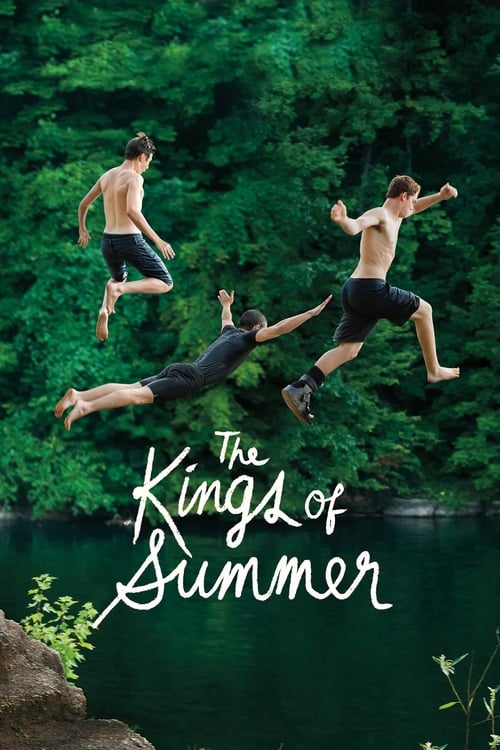
The slight but captivating indie-comedy The Kings of Summer has the ragtag look and feel of a movie made in some teenager’s basement: lots of slow motion; a blaring, catchy soundtrack that opens with a joyous rendition of Thin Lizzy’s “Cowboy Song;” and themes inspired by classic films about youthful friendship like Stand By Me and Ferris Bueller’s Day Off.
"The Kings of Summer" has been compared in certain circles to 1986's quintessential, possibly ultimate, coming-of-age film "Stand by Me."
The film is now called “The Kings of Summer” and while it may recall Rob Reiner’s fondly remembered “Stand By Me,” it’s really quite different from that film.
Obvious Stand By Me references aside, The Kings of Summer comes across as little more than a TV sitcom with enough swear words included to earn it an "R" rating.
And while it openly evokes the spirit of pictures like “Stand By Me” and “Moonrise Kingdom,” it scores originality points in the shading of its characters and its utter fearlessness in going for the big laughs.
More Thoreau’s “Walden” than Golding’s “Lord of the Flies,” “The Kings of Summer” could have gotten away with using the tagline for Rob Reiner’s “Stand by Me,” which is: “For some, it’s the last real taste of innocence, and the first real taste of life.
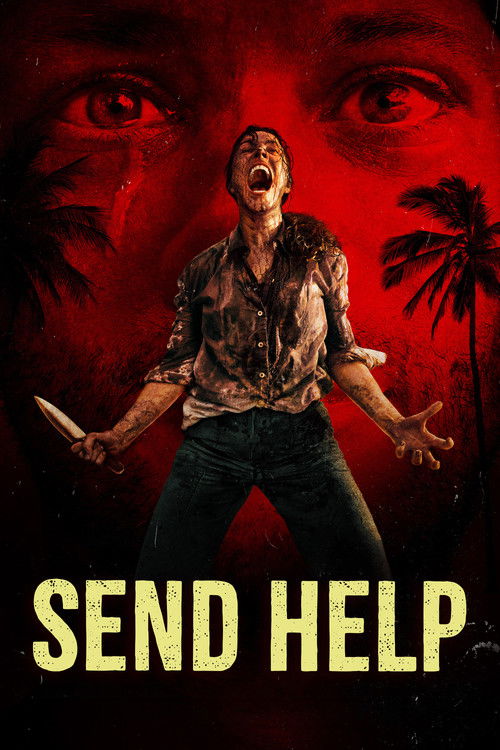
…a scenario that's a blend of Misery, Horrible Bosses, and Triangle of Sadness…
…before eventually evoking Misery (1990) once Linda’s psychology is explored…
‘Survivor’ Meets ‘Misery’…
On the surface, Send Help can look like Misery meets Lord of the Flies.
“Send Help” goes down like a cocktail of ”Horrible Bosses”, “Castaway”, and “Misery” but seasoned with Raimi’s own special sauce.
…some have referenced Kathy Bates’ kneecap-hammering obsessive Annie Wilkes in Rob Reiner’s famed Stephen King adaptation, Misery.
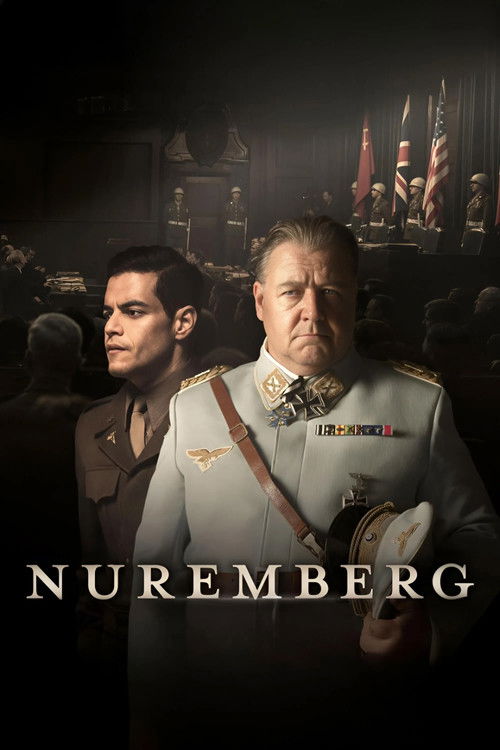
Nuremberg (2025)
Directed by James Vanderbilt
influenced by A Few Good Men (1992)
Themes Characters Plot
…in line with the well-known scene in A Few Good Men where Jack Nicholson yells at Cruise that he can’t handle the truth…
You will spend much of the trial waiting for the A Few Good Men moment that Vanderbilt’s script and direction very obviously telegraph, for example.
…a gripping courtroom drama in the mold of the Aaron Sorkin-penned “A Few Good Men,”…
The film builds up to a Few Good Men-like confrontation between Göring and the American prosecutor, but the outcome is drier than a mass-produced cookie.
Pulling off sleight-of-hand magic with an attempted cocksure swagger while sporting a leather coat and shades that are undoubtedly wearing him, Malek arrives as if he were auditioning for A Few Good Men.
Nuremberg tries way too hard to replicate the prosecution/witness dynamic of A Few Good Men.
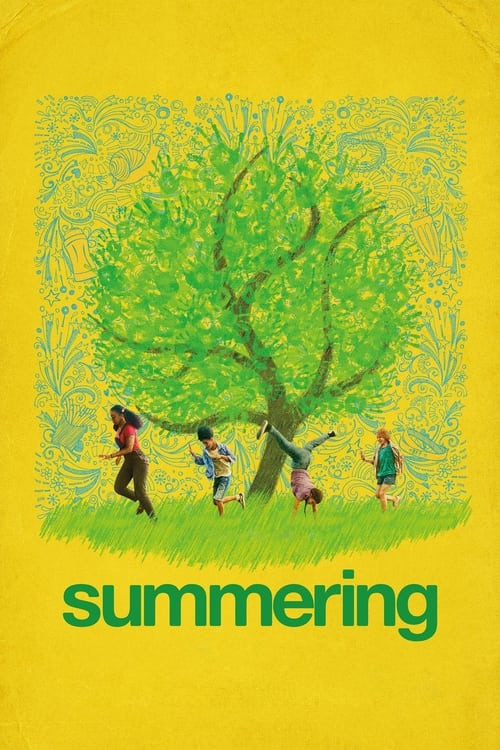
Right down to a stolen pistol shoved in a backpack, James Ponsoldt’s unhurried, sun-kissed coming-of-age drama plays as an all-female homage to Rob Reiner’s “Stand By Me” — a reference that won’t mean much to the pre-teen girls at whom it’s aimed, but may make some of their parents a little misty-eyed.
It’s this generation's female “Stand by Me,” right down to the discovery of a dead body, just not as poignant or memorable.
It amounts to a modern retelling of Stand By Me , with lower stakes, less ground to cover, and a wild lack of logic.
Of course, the obvious, hit-you-over-the-head answer is Rob Reiner's 1986 adaption of a Stephen King novella, The Body, called "Stand By Me." But, that one sentence is the only direct similarity to the 80s classic.
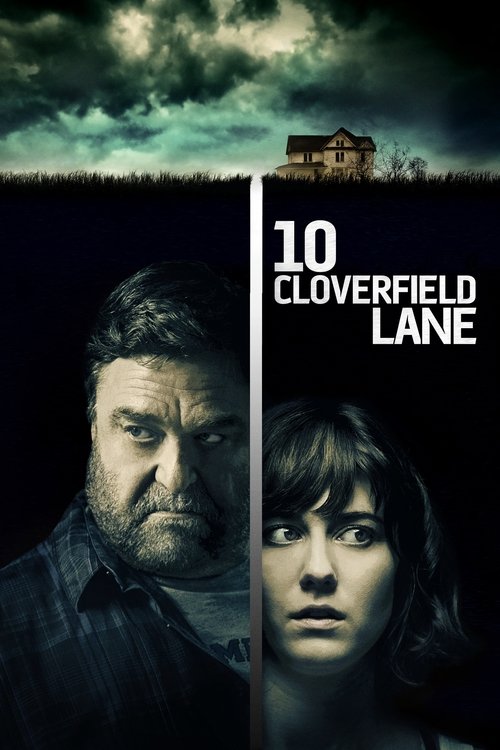
10 Cloverfield Lane (2016)
Directed by Dan Trachtenberg
influenced by Misery (1990)
Characters Plot Themes
Goodman’s performance lulls you into a false sense of security with his endearing teddy bear demeanour (still in currency from his Rosanne days) that cracks during fits of rage to reveal a frightening villain channeling a little of Kathy Bates’ Annie Wilkes from Misery but with less sadism.
No, you should stay focused on the matter at hand: a masterfully suspenseful mystery thriller set in a doomsday bunker, with a story that conjures “Misery,” “Alien,” “The Twilight Zone,” several Steven Spielberg movies, and at least one episode of “Breaking Bad.” (YOU’LL KNOW THE ONE.) Directed with astonishing confidence by first-timer Dan Trachtenberg, the film uses a deceptively simple premise, carefully scripted (by Josh Campbell, Matthew Stuecken, and Damien Chazelle) so that no information is wasted and each new piece of it furthers the mystery.
At different times during its 105 minutes, "10 Cloverfield" recalls H.G. Wells' "War of the Worlds," Stephen King's "Misery" and Steven Spielberg's "Jaws."
One moment, Goodman is channeling his old playbook while playing every man Dan Conner on Roseanne , the next he’s borrowing plays from Kathy Bates in Misery .
There are shades of Misery here, though Howard’s obsession is not as much with Michelle as it is with the correctness, the prescience, of his own preparedness.
Starting out as a cut-rate Misery , this first feature from Dan Trachtenberg quickly comes to resemble an old Twilight Zone half-hour padded to feature length, partly through a climax that, well, spoilers!
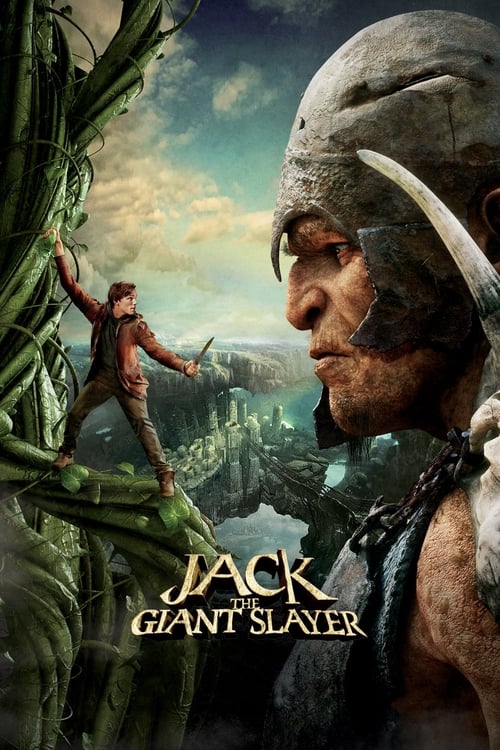
Jack the Giant Slayer (2013)
Directed by Bryan Singer
influenced by The Princess Bride (1987)
Plot Characters Themes Visuals
It does improve after the initial assault, with a few scenes reminiscent of the comic vibe of The Princess Bride and story elements that could have been inspired by the brilliant chapter of C. S. Lewis’ The Silver Chair, where Eustace and Jill are almost turned into meat pies by giants.
Tucci gets the best role by far, a smirking baddie who evokes The Princess Bride with Roderick's duplicitous sarcasm and irony.
And is it a coincidence that Andre the Giant appeared in “The Princess Bride”?
It’s “The Princess Bride” without the laughs.
Good thing, too: McGregor’s quaffed popinjay and Tucci’s boo-hiss villain are walking hams, and Singer chooses to keep the jokes broad and flat instead of attempting the sharp satire that glints through The Princess Bride .
In the month that sees the 25th anniversary and re-release of The Princess Bride , the family audience deserves better than this.
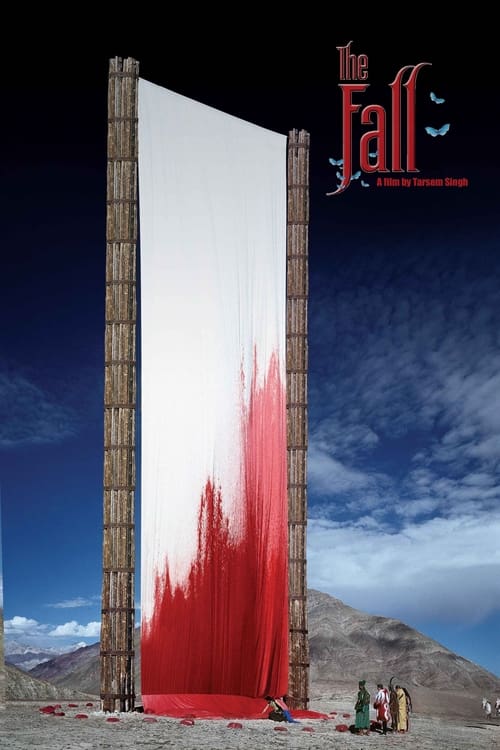
The Fall (2006)
Directed by Tarsem Singh
influenced by The Princess Bride (1987)
Plot Themes Visuals
The way in which the story unfolds evokes The Wizard of Oz and The Princess Bride , but the synthesis of the elements marks The Fall as vastly inferior to either.
I want to say, too, that The Fall is unlike any movie I’ve ever seen before, except that it reminds me, just a bit, of The Princess Bride : the outrageous tropes of adventure stories -- pirates and revenge and strange and mysterious characters and unlikely plot twists -- get sent up here, too, in the story Roy spins for Alexandria.
"The Fall" is what you'd get if you told a fiendishly gifted graphic illustrator the plot of "The Princess Bride" and sent him off to come up with his own version.
The Princess Bride, Del Toro’s The Devil’s Backbone and Jodorowsky’s Fando and Lis are all ingredients for Tarsem’s spellbinding movie (unfortunately saddled with a 15 cert for strong violence) but kids and adults sat in front of this are unlikely to forget its mystical atmosphere, achingly detailed visuals (big screen or HD viewings are mandatory), and beguiling story.
Bonus: Although audiences may be tempted to draw parallels between “The Fall” and any number of fantasy films—including “The Princess Bride,” “Pan’s Labyrinth,” “The Fifth Element,” the work of Terry Gilliam and “The Wizard of Oz”—the storyline was directly inspired by an unexpected source: the 1981 Bulgarian film “Yo Ho Ho.”
A fantasy told to a sickly child, The Fall has been compared to Rob Reiner's The Princess Bride (1987), but it has just as much in common with Guillermo del Toro's Pan's Labyrinth (2006), while its exuberant imagery evokes the visionary works of Alejandro Jodorowsky â specifically Fando y Lis (1968) for the live birds flying out of a dead man's mouth, El Topo (1970) for the masked bandit and child, and The Holy Mountain (1973) for the group quest and kaleidoscopic pageantry.

Long Shot (2019)
Directed by Jonathan Levine
influenced by The American President (1995)
Themes Plot
“We’ll talk about it next with Chris Brown, Jeremy Piven, and Brett Ratner”), but the issue of what she does with her personal life (which was addressed somewhat more seriously in Rob Reiner’s The American President) is undermined by Fred’s often crude behavior.
Watching Long Shot brought back memories of a favourite romantic comedy from the 1990s – Rob Reiner’s The American President.
He’s not wrong, and “Long Shot” is best described as an unholy cocktail of “The American President” (1995), “There’s Something About Mary” (1998), and “Splash” (1984).
“Long Shot” is not original – it has dashes of “Notting Hill” and “The American President” with updated pop culture references – but it’s propelled by some excellent jokes and a supremely talented cast.
At times it might remind you of a slightly edgier version of the genteel White House romances that flourished in the mid-’90s, like “Dave” and “The American President.”
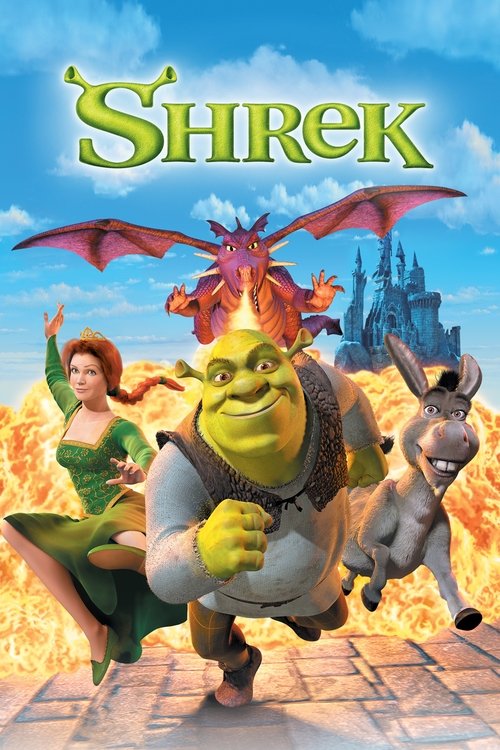
Yet at the same time, Shrek! also remains rife with elements borrowed from other less traditional fantasy films, softly resounding with themes and elements from classic films such as “The Princess Bride” and “The Never Ending Story.”
The way the story takes a funny angle on classic fairy tales reminds me a little of "The Princess Bride."
In the quirky, irreverent way that it views fairy tales and their conventions, it's not unlike The Princess Bride .
They've genericized an already simple plotline while heavily under the influence of William Goldman's "The Princess Bride."
Loosely based upon a story by children’s author William Steig (Sylvester and the Magic Pebble), Shrek is a satiric, updated fairy-tale love story, sort of like The Princess Bride , if André the Giant had been the hero, and had worn Lou Ferrigno body paint.
While the multiple directors (Andrew Adamson and Vicky Jenson) and writers seem to be aiming for a tone similar to the post-modern "The Princess Bride," "Shrek" flies in too many directions at once, particularly over its first half.

Though “Horns” doesn’t follow the paces of any specific genre, blending everything from tongue-in-cheek supernatural horror to grounded “Stand by Me”-style coming-of-age scenes (including a terrific near-death encounter on a log slide), the plot essentially reduces to that of just another routine procedural: Who killed Merrin?
A long flashback of Ig, his brother Terry and their best friend Lou recalls the pubescent taunting and near-tragedies of Stand by Me, the movie made of King's story "The Body."
There are even scenes of adolescent camaraderie that parallel Stand By Me and its ilk, similar to what J.J. Abrams slung together with his young cast in Super 8. Horns may take many diversions, but they never feel like they’re spliced in from another movie.
Both urges — the fondness for crude "Creepshow" morality tales, the sentimental "Stand By Me" kid drama — seem awfully Stephen King.
A series of flashbacks to his childhood, when he first meets Temple’s character, trade the humorous implications of the contemporary scenes for a fairy tale-like nostalgia trip that calls to mind “Stand By Me.”
Flashback sequences involving a group of childhood friends may seem familiar to fans of “Stand by Me.”

Like her real-life counterpart, this Wright didn’t pursue pop superstardom after “The Princess Bride” (1987) and “Forrest Gump” (1984).
It’s a helluva monologue, the gist of which — elaborated in the next few scenes — lambasts her for putting her family first (particularly the care of her ailing son Aaron, played by Kodi Smit-McPhee ) instead of making good on the promise of “The Princess Bride ” in her career.
And the whole thing, bizarrely, is centered on Robin Wright, who plays “herself”—star of The Princess Bride, Forrest Gump, etc.—in a context that bears virtually no relation to her actual status in Hollywood.
The CEO of the amusingly named Miramount studios (a wonderfully oily Danny Huston) wants to license the digital likeness of the star of “The Princess Bride” — providing he can star “her” in the kind of movies that the “real” Robin spurns.
Wright’s character is the actress born in Dallas in 1966, who starred in the 1987 hit “The Princess Bride,” appeared on the ’80s TV series “Santa Barbara” and co-starred as Tom Hanks’ love interest, Jenny, in the 1994 mega-hit, “Forrest Gump.”
Robin Wright (of Forrest Gump and TV’s House of Cards) stars as “a version of herself,” an actress in her mid-40s who was heralded as the next great thing when she was the ingénue star of The Princess Bride 20 years previous.

Sex Drive has a plot that's similar to the one in The Sure Thing .
"Sex Drive," which follows the same road as Rob Reiner's far superior "The Sure Thing," is brought low by too much emphasis on crude humor.
It steals so shamelessly, from The Sure Thing to American Pie and everything in between, that at times it's almost like watching a teensploitation genre highlights reel.
Yes, “Sex Drive” uncomfortably mirrors the 1985 Rob Reiner film “The Sure Thing.”
But it's one of the best I have seen in a long time - perhaps since Rob Reiner's The Sure Thing (with which it shares a few traits).
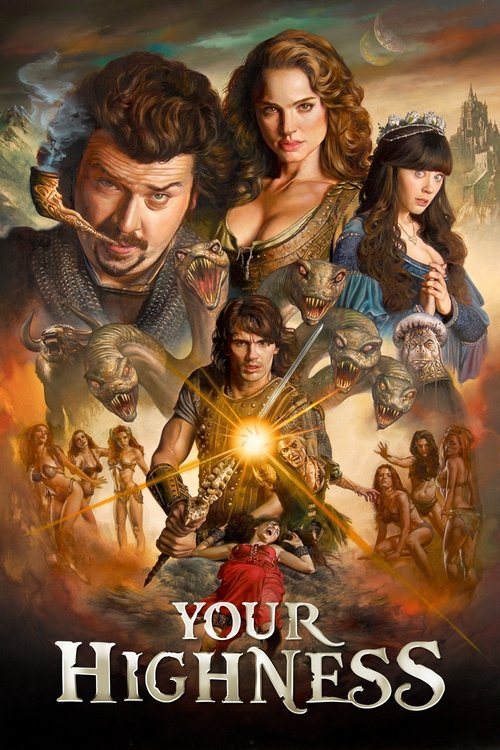
Your Highness (2011)
Directed by David Gordon Green
influenced by The Princess Bride (1987)
Plot Dialogue Themes
When assessing the small motion picture sub-genre of the "fantasy comedy," it's necessary to acknowledge that the impregnable pinnacle is occupied by Rob Reiner's The Princess Bride , a classic whose prominence may never be challenged.
The bulk of the film consists of that quest, and there are echoes – on a juvenile level to be sure – of “Monty Python And The Holy Grail” and “The Princess Bride.”
It's as if a chemically altered college kid watched a bunch of Judd Apatow movies, and then decided to remake " The Princess Bride ."
A slapdash assortment of various genres, “Your Highness” plays like “The Princess Bride” meets “Clash of the Titans” with a little bit of “Up in Smoke” thrown in for good measure.
Sort of "The Princess Bride" as retold in colorful sailor's vernacular.
The most obvious point of reference is The Princess Bride, which was both funny and thrilling, as well as oddly romantic and sweet.
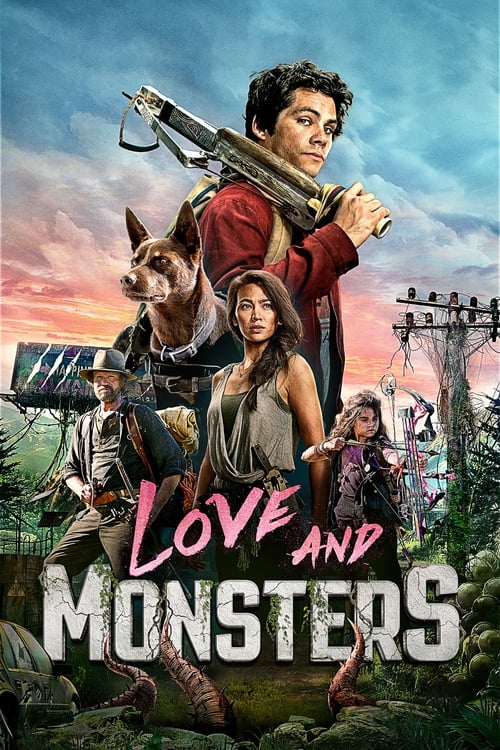
And when Joel encounters a working MAV1S (a helper robot that feels like a subplot that got curtailed in the final pass) and it plays Ben E. King’s “Stand by Me,” sure enough, just a few scenes later, echoing Rob Reiner’s touchstone film of the same name, Joel emerges from a river covered in leeches — though these are of the fist-sized poisonously psychedelic kind.
In another sequence, Joel finds himself beset by leech-like creatures that he pulls off himself in what has to be an homage to Stand by Me (1986).
But Joel’s quest is no less anecdotal than that sounds, and keeps serving up bland variations on scenes from other movies—everything from Tremors (“sandgobblers” racing just beneath the ground) to Stand By Me (Joel emerges from a pond covered in giant leeches, though they’re proportionally way smaller than everything else).
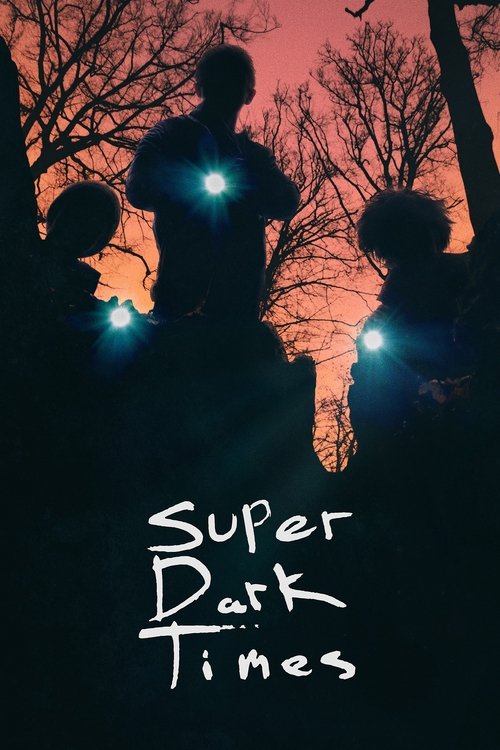
Comparisons to Stand By Me and Donnie Darko have already been made, but the film in which Super Dark Times footsteps seems to be following is It Follows.
But these references are texture rather than the point of the exercise (although a bit where two of the characters argue over who would win a fight between Silver Surfer and Punisher calls back to Stand by Me pretty loudly).
Here they reunite with cinematographer Eli Born and editor Ed Yonaitis for a story which consciously echoes the likes of River's Edge and Stand by Me in terms of plot, while also displaying thematic and stylistic debts to Donnie Darko and the small-town pictures of John Carpenter and David Cronenberg.
A slow-burn high school thriller that’s like a tortured cross between “Stand By Me” and “Donnie Darko” (with a bit of Dostoyevskian madness thrown in there for good measure, Phillips’ feature-length debut begins by welcoming us to a grey Hudson Valley town that’s lost in the barren phantom zone between fall and winter.
While the period setting dispenses with plot complications such as mobile phones, it does lead Super Dark Times into Stand By Me territory - and it’s to Phillips’ credit that his rich character study mostly stands up to that scrutiny.
The long shadow of “Stand by Me” will always haunt films about the confluence of childhood and death, though “Super Dark Times” largely ditches nostalgia for a decidedly darker turn, and not just because the 1990s suburban community where it takes place is awash in wood paneling and brown furniture.