
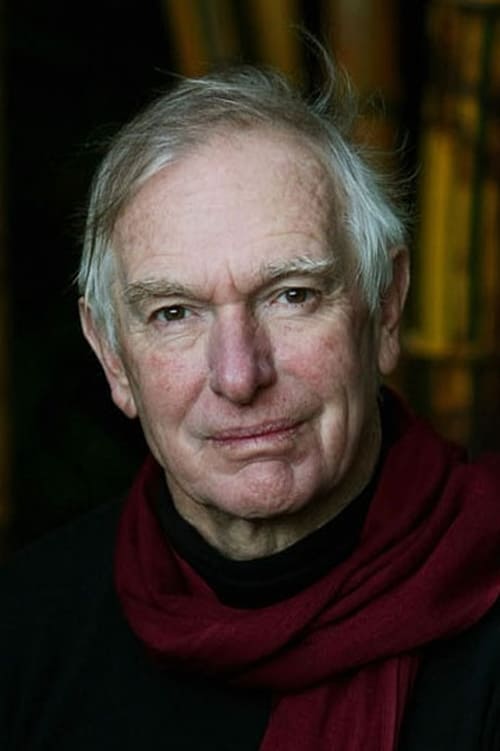
Peter Weir
183 connections found
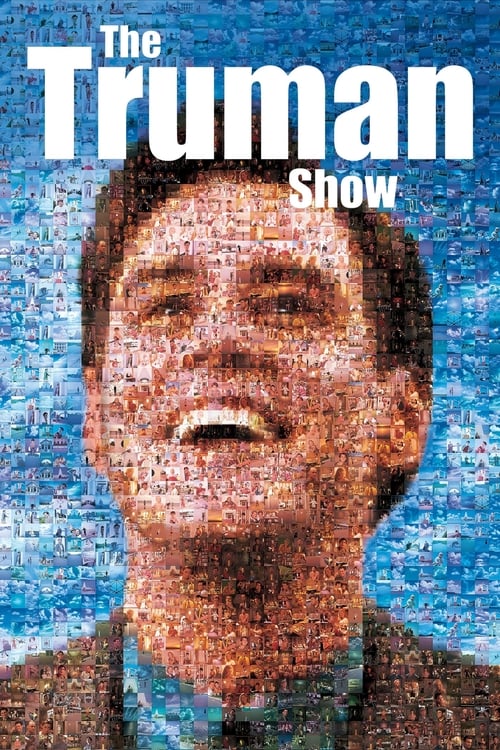
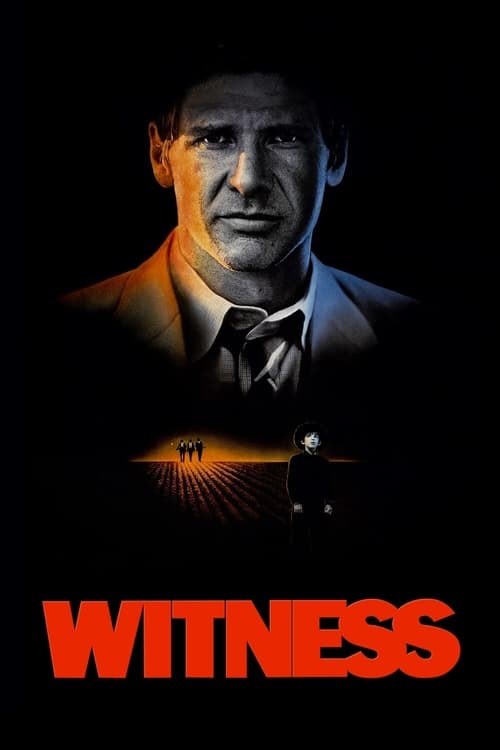
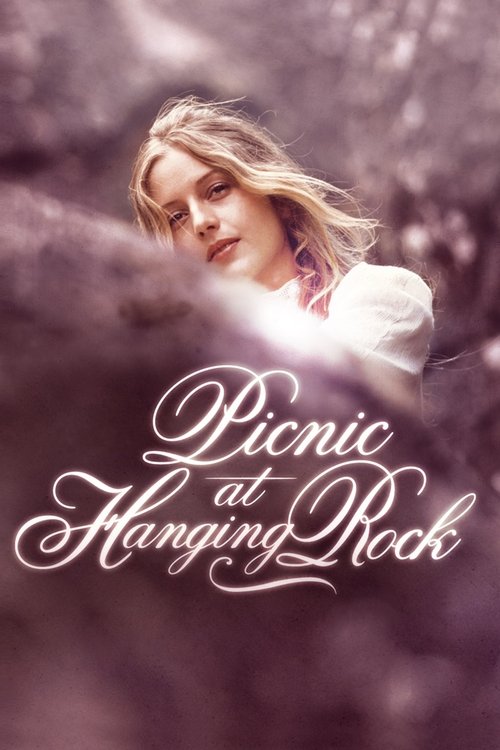


View:
Connections, in both directions
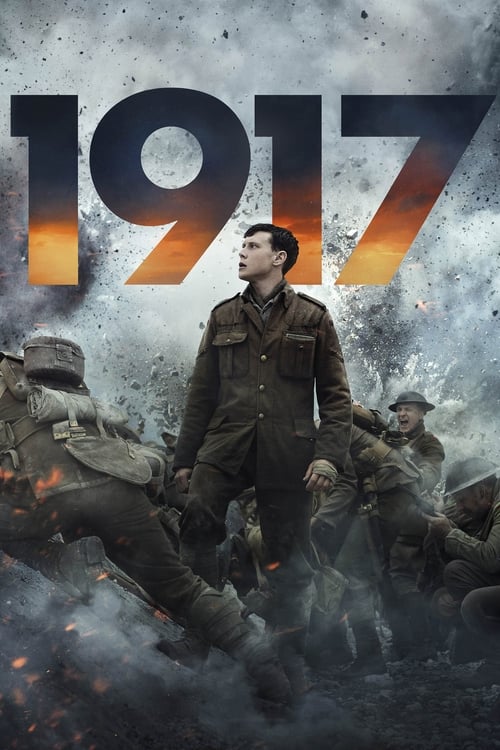


It's the driest World War I movie since Gallipoli, the famous muck and rain and fog of the trenches replaced by a spring of wildflowers and chalk soil.
Construida sobre una premisa muy simple (que algo le debe a Gallipoli, 1981, de Peter Weir) –dos soldados ingleses son encomendados con la misión de alertar a un distante regimiento sobre un inminente ataque sorpresa de los alemanes–, la película es una aventura bélica que en mucho se parece a un videojuego, porque está filmada en lo que aparenta ser una sola toma continua.
While there are stylistic parallels to Christopher Nolan’s 2017 WWII drama, “Dunkirk,” there may be more similarities to director Peter Weir’s stirring 1981 Australian WWI film “Gallipoli,” starring Mel Gibson, which also hinged on the plot device of delivering a message to prevent a massacre of Allied troops.
(It would spoil the film to describe scenes that stretch time, but viewers may flash on the superior antiwar film, “Gallipoli,” in one instance).
Clearly much of 1917 is fictional, and the fact that one of the messengers has a brother in the first wave of the doomed attack is one of the notes that rings unnecessary and untrue here — it’s a bit like Gallipoli meets Saving Private Ryan, which detracts from the realism that is the film’s greatest strength.
There's an obvious parallel to 1917, and that's Gallipoli, Peter Weir's heartbreaking story of the doomed ANZAC campaign.
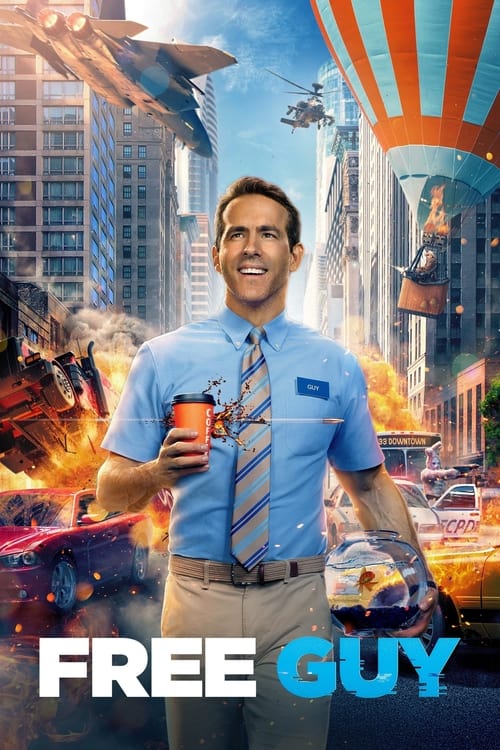
While its setups and theme of finding individuality might remind you of “The Truman Show,” “Pleasantville” and “Groundhog Day,” it plops them at the center of something fresh: video games.
He avoids a repeat of his snarky, look-at-me Deadpool humor and nails a new kind of sweet naivete that's not unlike that of Will Ferrell in Elf or Jim Carrey in The Truman Show .
Assuming no one in the audience remembers The Truman Show , writers Zak Penn and Matt Lieberman simply slide the concept from reality television to video games and throw in some mock-amazed one-liners for Reynolds to deliver in his trademark high-pitched tone.
Competently combining elements of The Lego Movie, The Truman Show and Groundhog Day with a Grand Theft Auto-style open world video game, Free Guy is the latest filmic vehicle to rely heavily on the shtick of star Ryan Reynolds – who also acts as producer.
Some may have already noted the similarities between Free Guy and The Truman Show, but more importantly, it reminds me of Ben Stiller’s take on The Secret Life of Walter Mitty with Guy becoming an unlikely hero, and that’s what makes Free Guy quite heart-warming on top of the multiple levels of humor.
While the film is naturally inspired by a whole host of video games and its plot tiptoes into The Truman Show and Wreck-It Ralph territory, this is a fully original beast and lord knows we don’t see those all that often during this time of the year.
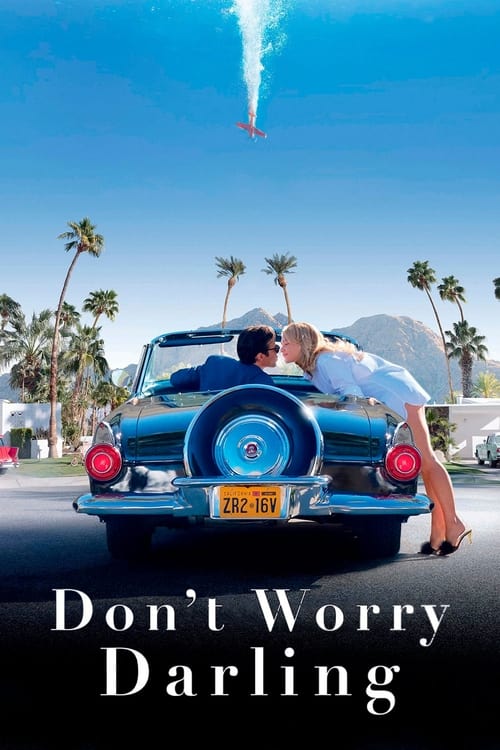
Don't Worry Darling (2022)
Directed by Olivia Wilde
influenced by The Truman Show (1998)
Plot Themes
Director Wilde has cited The Truman Show as one of her inspirations for this film, alongside The Matrix and Inception , and while those influences are undeniably present, the inevitable comparison highlights a huge failing of Don’t Worry Darling right out of the gate.
Olivia Wilde’s second film as director, a lushly photographed thriller echoing The Stepford Wives and The Truman Show, received more attention for its conflicts behind the scenes between cast members.
Don’t Worry Darling draws parallels to The Stepford Wives , The Truman Show , The Matrix , The Village , Inception , Antebellum , WandaVision , and virtually every episode of The Twilight Zone .
It’s Stepford Wives meet Black Mirror meets The Truman Show, as well as a bunch of other distopia-type films where nothing is ever what it seems.
From beginning to end, this entire film plays out like an extreme rip-off of both Get Out and The Truman Show .
Anyone who has seen The Truman Show will know that life this perfect and 50s-fied can’t be genuine.

But first you'd have to trace the social and political origins behind the rise of reality TV in the '90s – which is the obvious inspiration for a number of similar films, including " The Truman Show " (1998), "Series 7" (2001), and "The Condemned" (2007).
Running through this futuristic tale, about youths ordered to hunt each other in a life-and-death reality show that is staged for the pampered ruling elite by corrupt political leaders in retribution for a failed revolt, are echoes of Shirley Jackson's short story "The Lottery" and films like "The Running Man," the Japanese film "Battle Royale" and even "The Truman Show."
And how do you think The Hunger Games compares to other movies (e.g., The Truman Show ) where characters find themselves under surveillance?
But the film leapfrogs obvious questions in its path, and avoids the opportunities sci-fi provides for social criticism; compare its world with the dystopias in “ Gattaca ” or “ The Truman Show .”
While recalling dystopian tales from "The Running Man" to "The Truman Show," "Games" also incorporates a minor but well-acted love triangle, as opposed to the accidental "Twilight" laughs of Team Dreary vs. Team Wooden.
He might have added The Truman Show (for the TV cameras hidden throughout the forest environment to catch every pursuit and fatality), Oliver Twist (for the children forced by adults into criminal behavior), Romeo and Juliet (for the poison that two lovers plan to take) and, centrally, Richard Connell’s 1924 story “The Most Dangerous Game,” whose scenario of a mad Cossack trapping humans on his Caribbean island and hunting them down like big game has inspired a couple dozen Hollywood films.
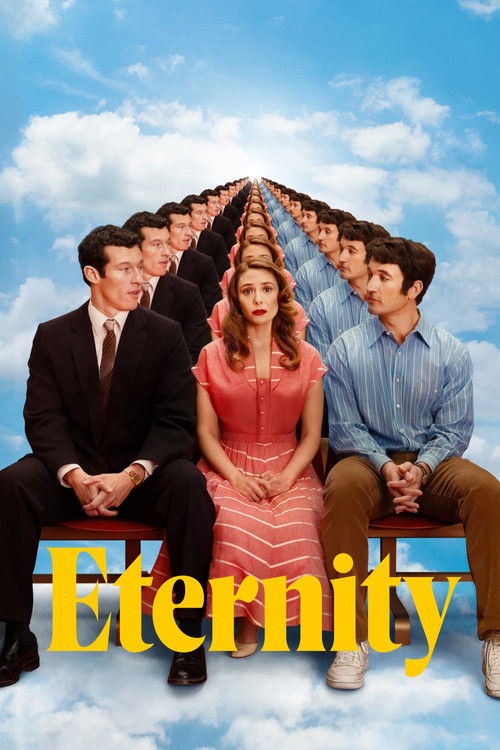
…a sky that could have been lifted out of The Truman Show…
The film reminds me of the world-building created in THE TRUMAN SHOW, mixed with the creativity of THE GOOD PLACE, and a hint of ETERNAL SUNSHINE OF THE SPOTLESS MIND.
Folks are checked into hotel rooms in the vast structure looming over the station where backdrops present the illusion of day and night, something like "The Truman Show," and told they have one week to decide…
The result is a grounded yet ethereal comedy that has all the wonder of A Matter of Life and Death and all the playful profundity of The Truman Show.
A movie of big ideas, Eternity recalls the high-concept era of The Truman Show or Eternal Sunshine of the Spotless Mind…
…the impossible love triangle of Casablanca was thrown into the campiest version of The Truman Show…

This is a girly Dead Poets Society, covering the 1953-54 school year at Boston's posh Wellesley women's college.
…n the roster of holiday heart-swellers, this week brings a pair of distaff variations on pre-tested formulae: one a girls'-own Dead Poets Society, the other an XX-rated Full Monty.
Mona Lisa Smile, in which Julia Roberts (whose company produced the film) plays a freethinking, Berkeley-educated art-history professor at the all-girls Wellesley College in 1953, is being promoted as a chick-flick spin on Dead Poets Society, in which Robin Williams played a freethinking English teacher at an all-boys New England prep school in 1959.
Those who have seen multiple variations on the trusty "Teacher Who Changed My Life" theme, from "Dead Poets Society" to "The Emperor's Club," will recognize much of "Mona Lisa Smile."
It's Dead Poets Society as a chick flick, without the compelling drama and inspiration of Peter Weir's 1989 film.
So what we have here is another Dead Poets Society or To Sir With Love where the teacher eschews the "three R's" to teach kids about opening their hearts and taking a chance.
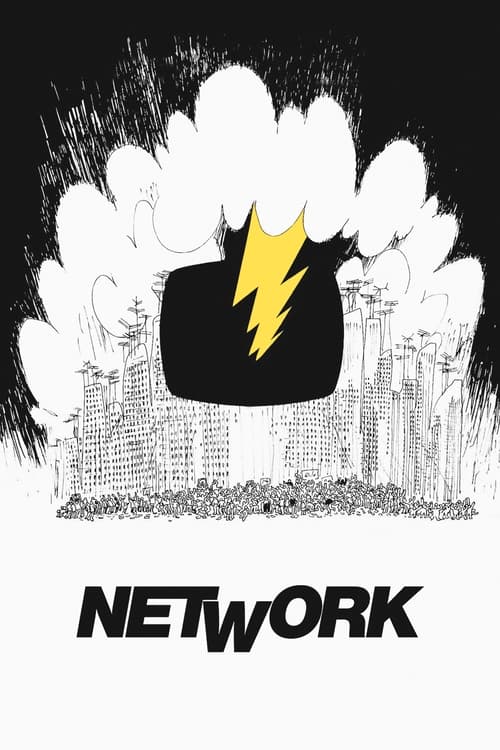
In truth, I can only think of two movies where this really seems to apply: 1998's The Truman Show , whose excoriation of what was then the new form called "reality television" seemed like fantasy at the time and now feels like something that could happen tomorrow if they figured out a way around the legality, and 1976's Network , in which the gorgeously erudite writer Paddy Chayefsky spun a tale of how the news media at its worst is a whorish sinkhole in which the most wretched and violence impulses of humanity are turned into exploitative nonsense to get you good and bloodlusty before the dish soap and car insurance commercials.
In its themes it recalls such films as "Network" and "Natural Born Killers."
Once its premise is set forth, ready-made for easy pontification, ''The Truman Show'' doesn't go on to echo the prophetic intuitiveness of ''Network'' or even send up the lurid voyeurism of popular culture today.
This is not "Network" but a highly enjoyable romp featuring the very talented Jim Carrey, who fulfills Weir's promise as the best actor around for Truman's role.
Perhaps no other film since 1976's "Network" has had the potential to inspire such a debate about the effects of the media on our very societal structure.
While echoing "Network," "Capricorn One" and "1984," as well as the cult television series "The Prisoner," "The Truman Show" defines its own niche.

Often playing like outtakes from Dead Poets Society , Tolkien primarily focuses on the formative school years of the English author (portrayed by Nicholas Hoult), whose camaraderie with three other lads informs his views on friendship and loyalty.
Mostly Tolkien takes the shape of a sort of pre-WWI Dead Poets Society, in which young Tolkien the church orphan discovers a new kind of family in a gang of arts-obsessed schoolboys, one of whom will go onto become an actual dead poet.
Orphaned as a young boy, he develops a “Dead Poets Society”-ish group of friends at boarding school, and within their bonds finds the inspiration to study languages and culture that would later inform his writing.
But Karukoski occasionally tries too hard to juice up his fustier Dead Poets Society-esque stretches with fevered battlefield visions of German flamethrowers transforming into fire-breathing dragons.
More than once Tolkien put me in mind of Dead Poets Society, and there isn’t higher praise for a literary coming-of-age screen story.
A life as singular as John Ronald Reuel Tolkien’s shouldn’t feel as if it’s been crafted from outtakes of Dead Poets Society.
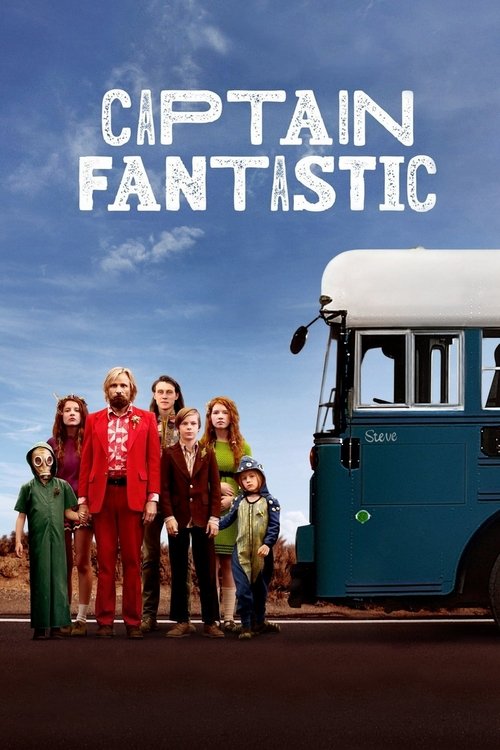
Captain Fantastic (2016)
Directed by Matt Ross
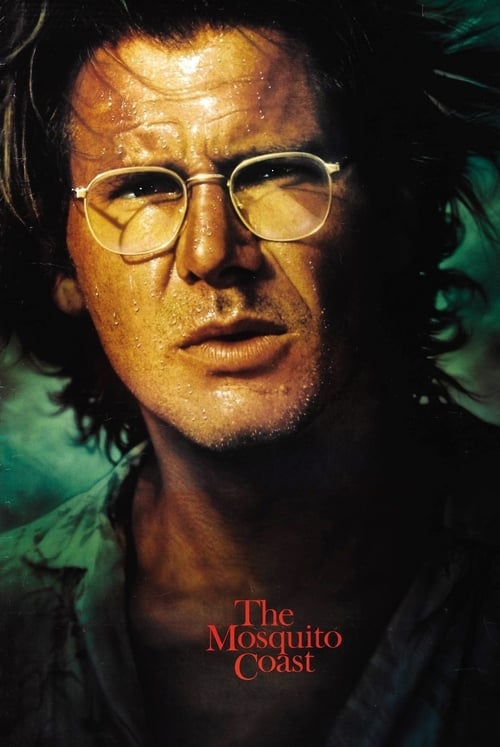
influenced by The Mosquito Coast (1986)
Characters Themes Plot
In this regard he has more than a little in common with Harrison Ford’s idealistic father in The Mosquito Coast , whose half visionary, half crazed utopian idyll ended in disaster.
Like Allie Fox from The Mosquito Coast—except kinder and gentler—Viggo Mortensen’s Ben fervently believes in his isolationism and parenting approach.
It has echoes of Peter Weir's least heralded movie, 1986's The Mosquito Coast, where Harrison Ford's bull-headed father risks the lives of the children he's trying to protect.
Captain Fantastic is in some ways a less angry, more commercial take on The Mosquito Coast as a man fights against the norm to do what he believes to be best for his family, but while Peter Weir’s film found little warmth for its patriarch Ross’ heart is far bigger.
In a way it reminds of Peter Weir’s underrated The Mosquito Coast , yet there is much more emphasis on comedy of the indie dramedy variety, which works well.

…the shanty town that Paul is amazed to find beyond a hole in the security wall of his Truman-Show parody of leisure-class America.
It’s like being in The Truman Show without the 24/7 surveillance.
In a way, “Downsizing” performs a sleight of hand similar to that of “The Truman Show” in that you come for the high-concept sci-fi, but stay for the characters.
It’s like a Marxist spin on The Truman Show, where the set decorations fall away and reveal the capitalist machinery behind every quick-fix’s false promises.
As medium-grade satire (hardly another 'The Truman Show')…
It’s one of those infernal ideas that Hollywood occasionally mistakes for brilliant even though it always becomes tiring (like Groundhog Day, The Truman Show, Her, and the granddaddy of conceptual tedium, John Frankenheimer’s Seconds).
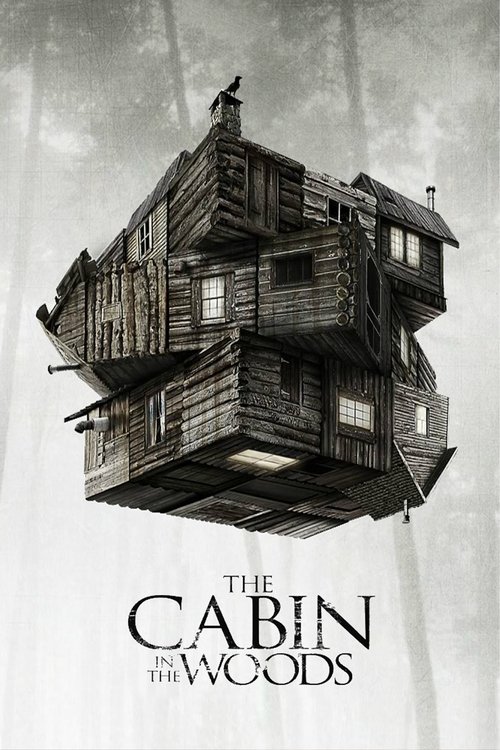
The Cabin in the Woods (2012)
Directed by Drew Goddard
influenced by The Truman Show (1998)
Plot Themes
It's all very much like The Truman Show (which is given a nod), and even more like The Hunger Games , which wasn't yet anything approaching a cultural phenomenon when Cabin was produced, but it still says something that of the two films from the first third of 2012 that heavily focus on a team of bloodless bureaucrats playing young people like rats in a maze in front of an infinity of cameras and with the apparent idea of producing populist entertainment, the one that is far more intelligent about its concept and more rigorous about how that concept would work in the "real" or at least real-enough world, is not the one that's making shit-tons of money.
Slowly, sneakily, Cabin has become a combination of The Texas Chainsaw Massacre and The Truman Show .
I’ve seen a lot of rip-offs of “The Truman Show” and a lot of rip-offs of “Scream.”
As with “The Truman Show” (1998), there isn’t a sufficient amount of context and background to allow for a satisfying story to be told.
I won't spoil the film's surprises, but suffice it to say they find common ground with both The Truman Show and H.P. Lovecraft.
But there's also a hint of The Truman Show and a smidgen of The Matrix .
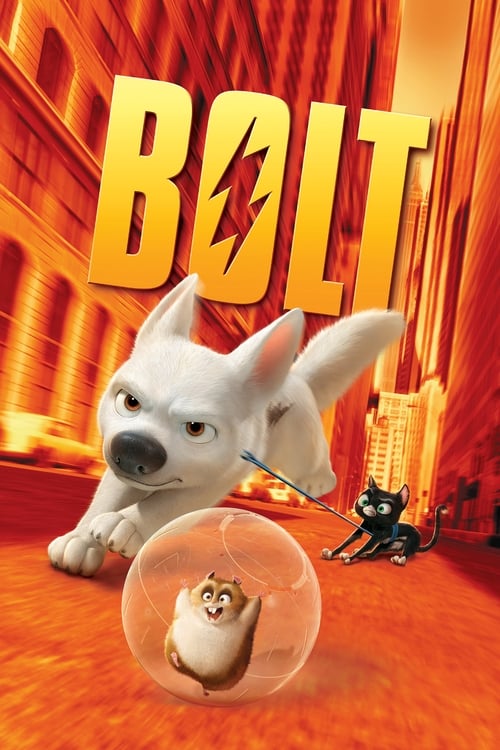
Bolt lives on a Los Angeles sound stage constructed for his benefit to make him a more convincing animal actor; he spends every day in what seems like an 8-year-old's version of The Truman Show, saving his human friend Penny ( Miley Cyrus ) from nefarious, well-armed terrorists.
As written by Chris Williams and Dan Fogelman, and co-directed by Williams and Byron Howard, "Bolt" also has an intriguing plot that is kind of the family animation version of the Jim Carrey-starring "The Truman Show."
Like Jim Carrey in The Truman Show, the pup is not in on the secret that what he calls life is mindless entertainment for the masses.
But as Bolt finds when he escapes his trailer one day, that's all make-believe, a canine version of "The Truman Show."
A cross-breed of the live-action Disney adventure The Incredible Journey and the Big Brother aspects of The Truman Show, the computer-animated Bolt is the story of a sheltered dog who learns to make friends and think for himself when confronted with the real world.
Remember when you saw “The Truman Show” and thought, “Gee, this would have been better if instead of Jim Carrey it was a dog”?
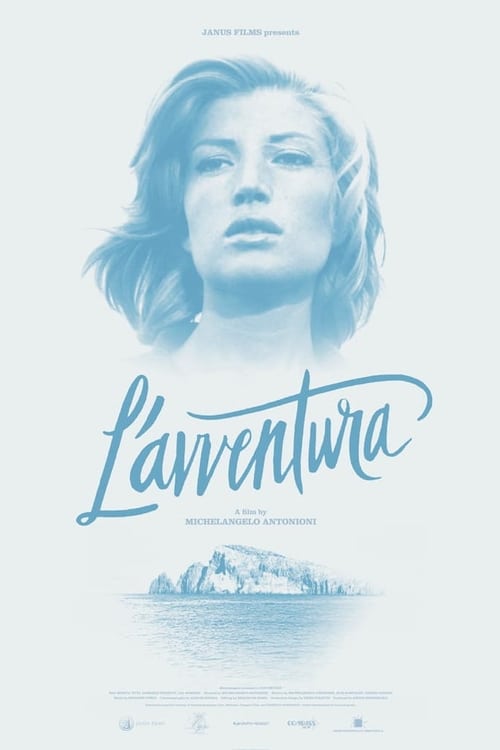
L'Avventura (1960)
Directed by Michelangelo Antonioni
influenced Picnic at Hanging Rock (1975)
Themes Plot
The 1975 Australian film " Picnic at Hanging Rock " is also about a person consumed by a landscape.
The movie has been compared to Michelangelo Antonioni's " L'Avventura " (1960), a film in which a man's wife wanders away on an island in the Mediterranean, and is never seen again.
One of the girls is found about a week later, but the others are mysteriously lost forever, reminiscent of Michelangelo Antonioni's L'Avventura .
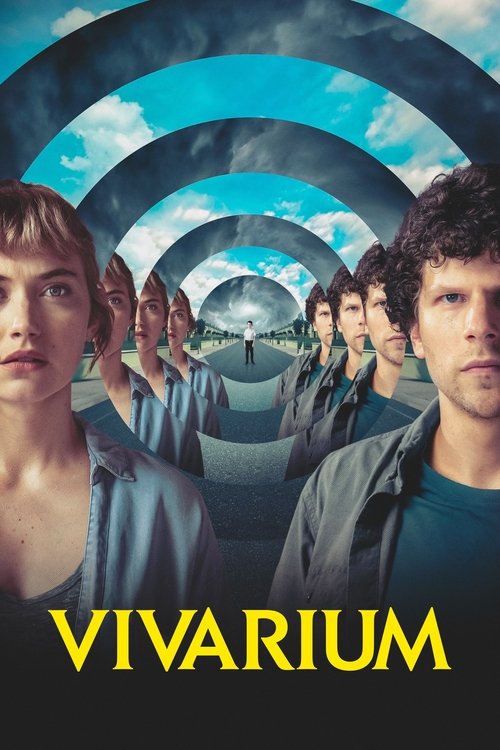
The best examples are from the late ’90s and include Pleasantville – two teenagers are transported into a 1950s sitcom – and The Truman Show, in which Jim Carrey lives inside a fake suburbia, constantly filmed for TV audiences.
The neighbourhood, promoted as safe, secluded, and well planned, is created along the same lines as other superficially perfect fictional communities, from the comically wholesome town in Pleasantville , to the more sinister examples in The Stepford Wives or The Truman Show ; but Yonder goes further.
The spooky blandness of suburbia has proved extraordinarily fruitful terrain for horror and sci-fi cinema over the decades, from The Stepford Wives and Poltergeist to The Truman Show and Get Out .
It’s a decent peg for social satire of course - The Stepford Wives (1975) and The Truman Show (1998) both put their protagonists into similarly ersatz idylls to rage against the consumerism eating away at modern life.
Some viewers may see shades of The Truman Show or Synecdoche , New York .
Piensen en The Truman Show combinado con un episodio de Black Mirror.
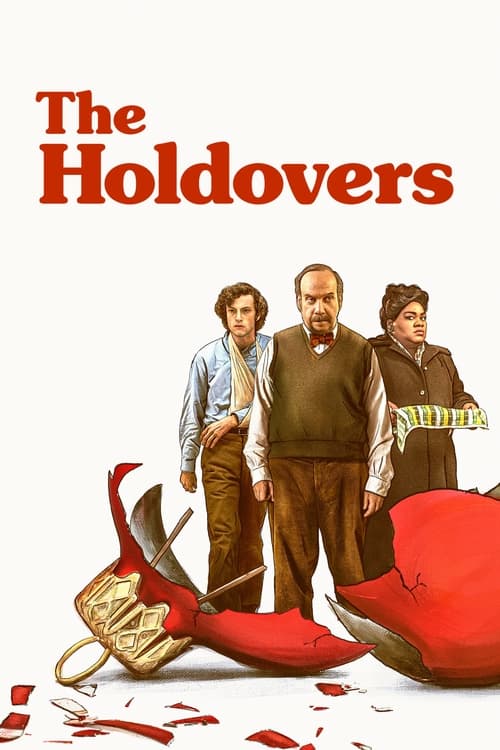
The Holdovers (2023)
Directed by Alexander Payne
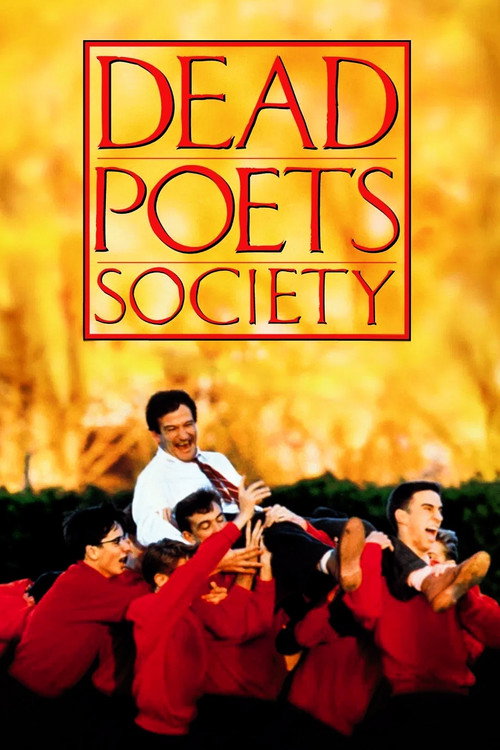
influenced by Dead Poets Society (1989)
Themes Characters
Featuring spiky intergenerational negotiations and intelligent repartee all-round , The Holdovers is often reminiscent of the best parts of Peter Weir's 1989 heart-breaking coming of age drama Dead Poets Society.
If you were expecting Robin Williams’s Mr. Keating, from Dead Poets Society, a harlequin who inspires his students with poetry and benevolence, you walked into the wrong classroom.
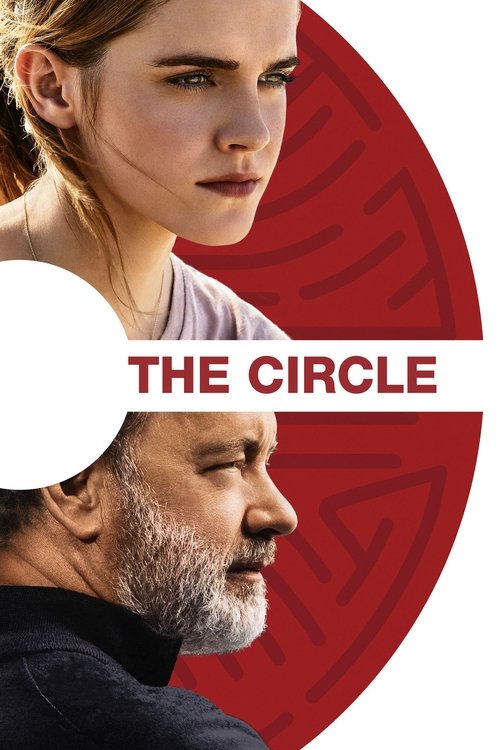
“The Circle” is a cautionary Big Brother cyber thriller touching on themes explored in “The Net” (1995), “The Truman Show” (1998), “EDtv” (1999) and “Minority Report” (2002), with just a hint of “The Firm” (1993) and “Invasion of the Body Snatchers” (1956 and 1978), not to mention the “Gryzzl” storyline on the TV series “Parks and Recreation.”
The Circle is so bereft of inspiration that Ponsoldt tries stirring up a little cyber anxiety by tapping composer Danny Elfman to do a twitchy, sub-Social Network score—and that’s when he’s not cribbing ideas from far better societal X-rays like Network and The Truman Show.
Nevertheless, The Circle owes a debt to both Peter Weir’s The Truman Show and Ron Howard’s EDtv in the way it offers up the possibility of watching the life of a subject 24/7.
A passing resemblance to The Truman Show is the best thing the second half of The Circle has going for it.
It's so The Truman Show, there's even a scene in which Mae churns through a storm in a kayak as omnipresent Circle cameras broadcast her jailbreak attempt to the world.
Mae is recruited by Bailey and his partner (Patton Oswalt, as the compleat weasel) to become a company advocate, and before long she has embraced the cult of “transparency,” volunteering to wear a micro-camera 24/7 and turn her life into a YouTube-style reality series: “Big Brother” meets “The Truman Show.”

Serenity is a Black Mirror episode by way of The Truman Show, with a touch of the straight-faced pomposity of Collateral Beauty —a cinematic “Florida Man” story enacted, somehow, by Oscar winners and nominees.
“Serenity” - which is named after Dill’s fishing boat - at best reminded me of Tom Cruise’s “Vanilla Sky” or even a psychotic version of “The Truman Show” with its absurdist take on modern day technology.
Imagine “Body Heat” being consumed by “The Truman Show” (1998).
Drawing from everything including Field of Dreams to Pleasantville and The Truman Show , Steven Knight’s script believes it’s an esoteric look at identity a la Vanilla Sky when it’s more in line with the S1m0ne .
The repetition goes beyond a merely routine lifestyle (there are shades of Groundhog Day and The Truman Show ).
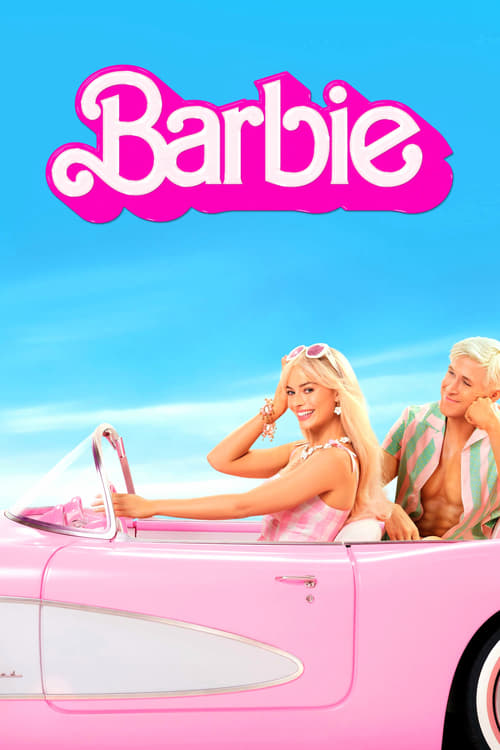
Through nods to a kaleidoscopic list of cinematic references (their screenplay is The Red Shoes -meets- The Truman Show , through a Barbie-fied lens) and Robbie’s truly versatile performance, Barbie ’s biting cultural commentary works in both small doses and big swings.
Pulling from such inspirations as “The Truman Show” and “Toy Story,” Gerwig — who co-wrote the script with Noah Baumbach — plunges her heroine into an existential crisis brought on by a dimly perceived real world that is encroaching on her plastic, reassuringly monotonous idyll.
Interestingly, The Truman Show plays a role in inspiring the film’s lighting when audiences are watching Barbie Land.
From there, we’re plunged into Barbieland, a self-contained, Day-Glo-colored world that is so cheerfully artificial it makes the town in “The Truman Show” seem downright gritty.
This bleeding of stark reality into an obsessively engineered fantasy calls to mind the revelations of “The Truman Show” and “The LEGO Movie,” but through a wry prism that’s specifically Gerwig’s.
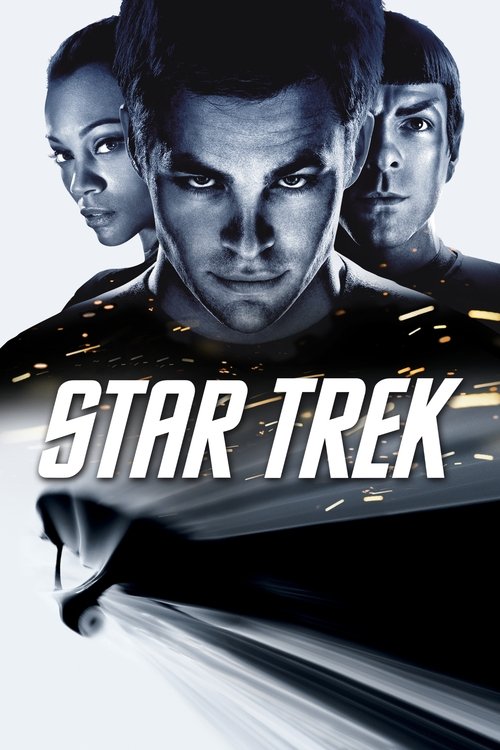
Star Trek (2009)
Directed by J.J. Abrams
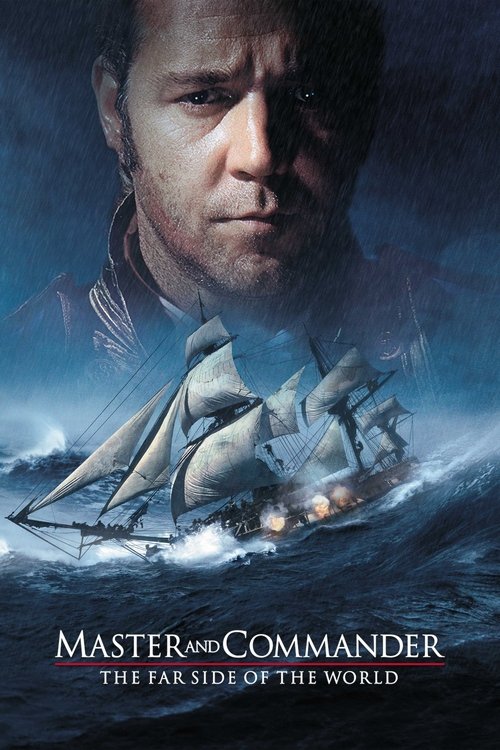
influenced by Master and Commander: The Far Side of the World (2003)
As a "Star Trek" fan, I can't help but to wonder if Gene Roddenberry and Patrick O'Brian had shared notepads.

The Life of Chuck (2025)
Directed by Mike Flanagan
influenced by The Truman Show (1998)
Themes Visuals
The intention behind this may be to draw on Shakespearen idea of life as a stage or, at least, a Truman Show version of existential theory…
It mixes the whimsy of Big Fish (2003), the surreal taste of The Truman Show (1998), and the life philosophy of The Curious Case of Benjamin Button (2008).
…a nod to "The Truman Show"…