
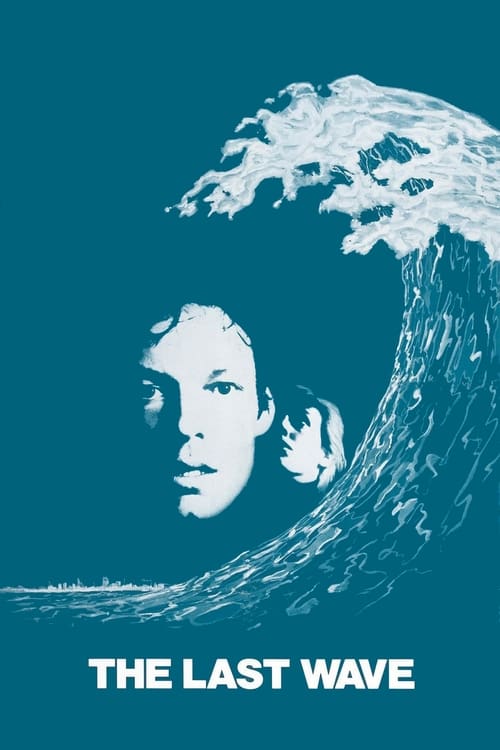
The Last Wave (1977)
Directed by Peter Weir
A Sydney lawyer defends five Aboriginal people in a ritualised taboo murder and in the process learns disturbing truths about himself and premonitions.
4 connections found
View:
4 connections, in both directions
What critics compared The Last Wave to
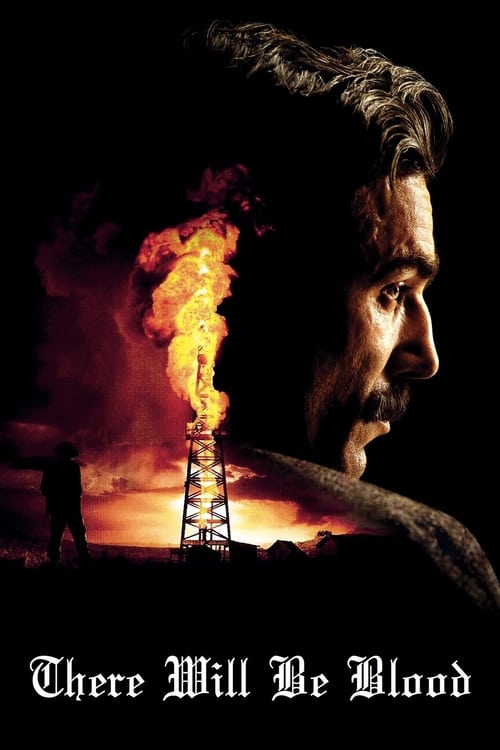


Anderson’s interest in landscape as metaphor recalls the films of Peter Weir, who explored the spiritual implications of wilderness landscapes in Picnic at Hanging Rock , The Last Wave , and The Mosquito Coast .
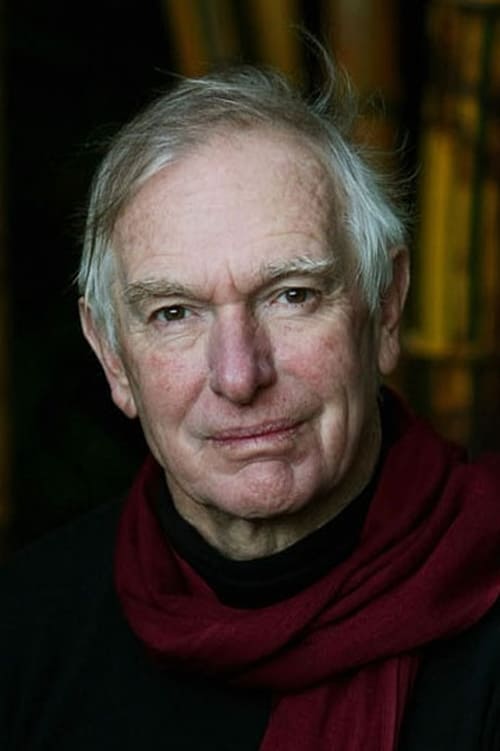
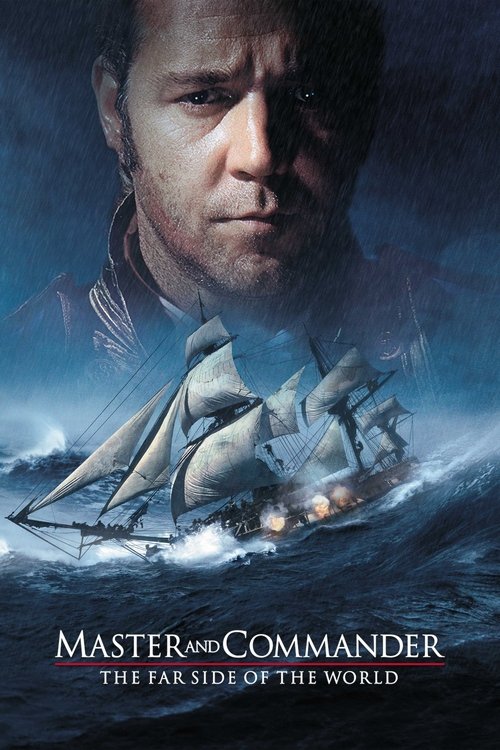
The sea and the ships are beautifully depicted by cinematographer Russell Boyd, an Australian who shot many of Weir's best movies, including "The Year of Living Dangerously," "Picnic at Hanging Rock," "The Last Wave" and "Gallipoli."
He also manages to very subtly capture the texture of daily life on a British Navy ship in the year 1805, and he gives his characters some eerie shore leave in the Galapagos Islands that recalls the environmental mysticism of Weir's two great '70s films, "Picnic at Hanging Rock" and "The Last Wave."
Weir attained international stature by directing the subliminally spooky The Last Wave and Picnic at Hanging Rock in the '70s.
Such a carelessness we'd never expect from Weir, who's famous for selecting subjects that deal with significant and often intimate issues— Picnic at Hanging Rock , The Last Wave, Witness, Dead Poets Society, etc.
By turns brutal and majestic, Peter Weir's Master and Commander: The Far Side of the World (hereafter Master and Commander) reunites the antipodean director with Russell Boyd, the cinematographer with whom he shot The Last Wave, Gallipoli, and The Year of Living Dangerously, and the two have produced a picture on par with those films: historically aware, but more notable for its epic beauty and scope.
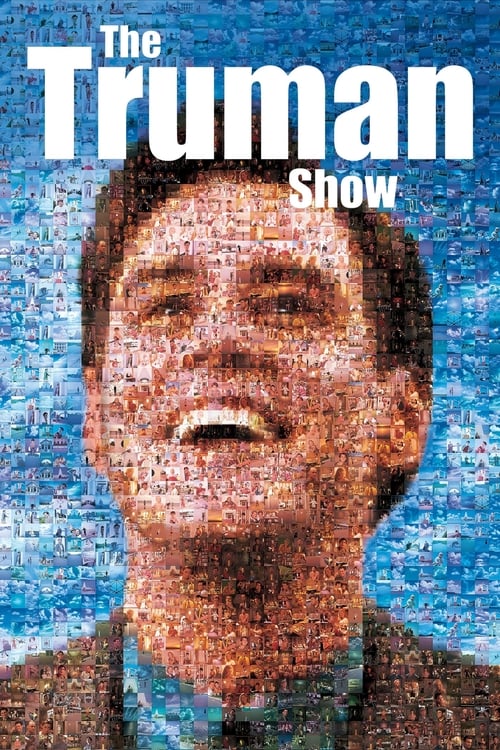
"The Truman Show" was directed by Peter Weir in a return to the bold moviemaking style of "The Last Wave," one of his early films.
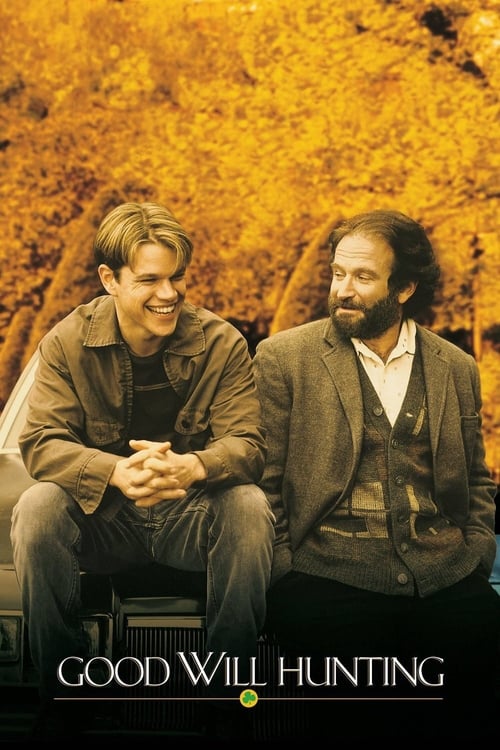
Yet audiences drawn by the Van Sant credit are likely to be surprised at least, and disappointed at most; "Good Will Hunting" never veers from a mainstream course, again recalling "Dead Poets Society," in which Peter Weir--noted for the singularly voiced likes of "The Last Wave"--made a resolutely ordinary studio movie.