
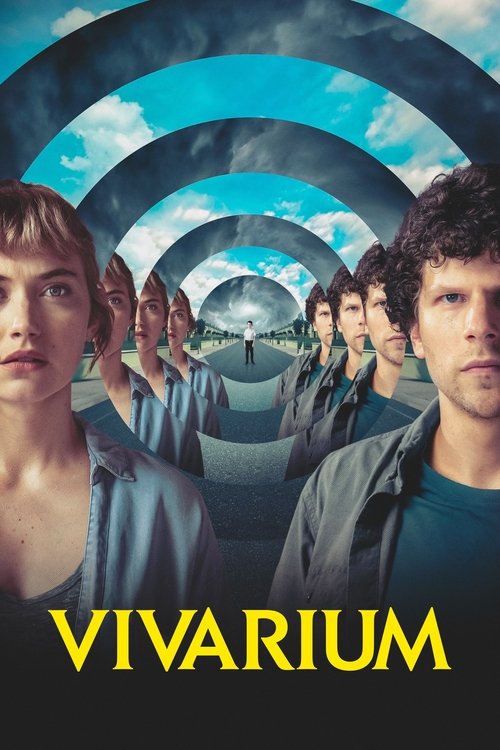
Vivarium (2019)
Directed by Lorcan Finnegan
A young woman and her fiancé are in search of the perfect starter home. After following a mysterious real estate agent to a new housing development, the couple finds themselves trapped in a maze of identical houses and forced to raise an otherworldly child.
29 connections found
View:
29 films that influenced Vivarium
What critics say influenced Vivarium



The best examples are from the late ’90s and include Pleasantville – two teenagers are transported into a 1950s sitcom – and The Truman Show, in which Jim Carrey lives inside a fake suburbia, constantly filmed for TV audiences.
The neighbourhood, promoted as safe, secluded, and well planned, is created along the same lines as other superficially perfect fictional communities, from the comically wholesome town in Pleasantville , to the more sinister examples in The Stepford Wives or The Truman Show ; but Yonder goes further.
Genre films such as The Stepford Wives (1975), Edward Scissorhands (1990), and Pleasantville (1998) have memorably employed outlandish concepts to skewer the Western world’s vast wasteland of two-car garages and landscaped cul-de-sacs .
Pero lejos de la sensación de paz y equilibrio que debería causar, este escenario “perfecto” –el cine nos ha enseñado, mediante fantásticas distopías como Pleasantville (Gary Ross, 1998) o El show de Truman (Peter Weir, 1998), a desconfiar de la sonrisa amable de los vecinos, así como de la remilgada moral y el conservadurismo que inculca el sistema establecido– resulta francamente inquietante.
The easy one is that the film is a satire on suburban living, which it is, not unlike “Suburbican,,” “The Burbs,” “Pleasantville,” “The Stepford Wives” and “Get Out.”
Poots and Eisenberg are both excellent as the increasingly maddened couple and the film can be enjoyed purely as a “what the hell is going on?” Cube meets Pleasantville oddball mystery or as a deeper allegory about everything from the mundanity of suburban living to the systemic failure of government for its population just ready to be dug up from the eerily pristine surface.
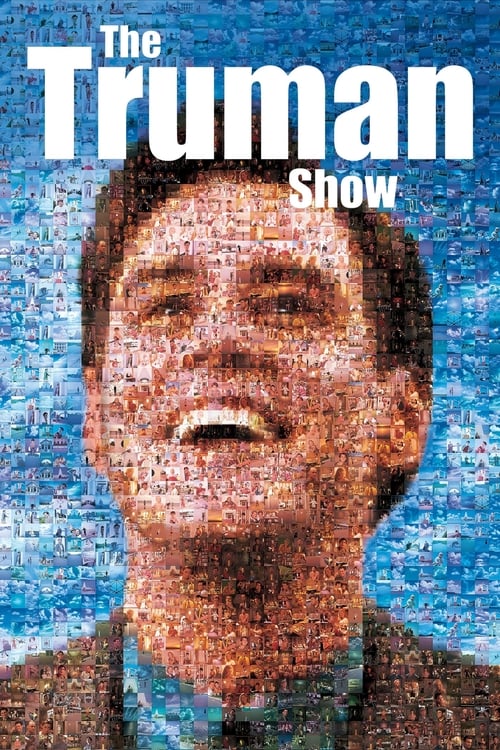
The best examples are from the late ’90s and include Pleasantville – two teenagers are transported into a 1950s sitcom – and The Truman Show, in which Jim Carrey lives inside a fake suburbia, constantly filmed for TV audiences.
The neighbourhood, promoted as safe, secluded, and well planned, is created along the same lines as other superficially perfect fictional communities, from the comically wholesome town in Pleasantville , to the more sinister examples in The Stepford Wives or The Truman Show ; but Yonder goes further.
The spooky blandness of suburbia has proved extraordinarily fruitful terrain for horror and sci-fi cinema over the decades, from The Stepford Wives and Poltergeist to The Truman Show and Get Out .
It’s a decent peg for social satire of course - The Stepford Wives (1975) and The Truman Show (1998) both put their protagonists into similarly ersatz idylls to rage against the consumerism eating away at modern life.
Some viewers may see shades of The Truman Show or Synecdoche , New York .
Piensen en The Truman Show combinado con un episodio de Black Mirror.
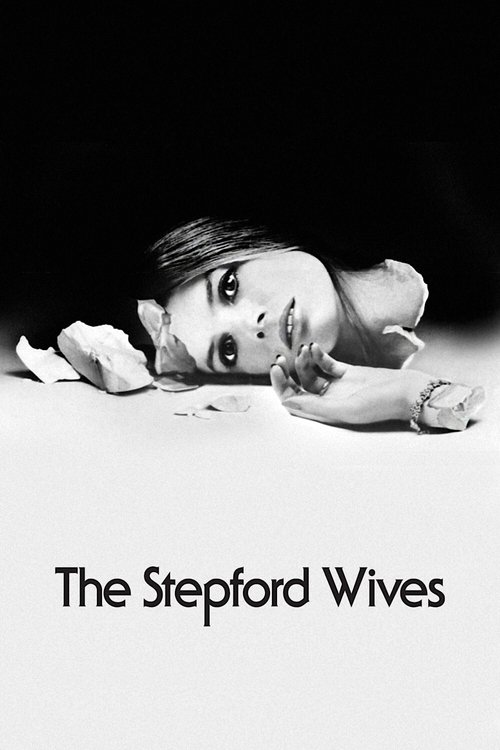
It’s a decent peg for social satire of course - The Stepford Wives (1975) and The Truman Show (1998) both put their protagonists into similarly ersatz idylls to rage against the consumerism eating away at modern life.
Genre films such as The Stepford Wives (1975), Edward Scissorhands (1990), and Pleasantville (1998) have memorably employed outlandish concepts to skewer the Western world’s vast wasteland of two-car garages and landscaped cul-de-sacs .
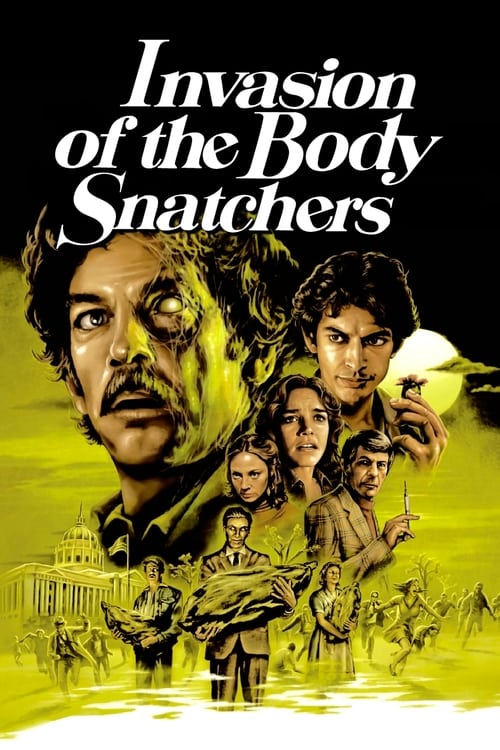
Occasionally he merely stands and, mouth unnaturally agape, screams like Donald Sutherland in “Invasion of the Body Snatchers.”
Advertisement
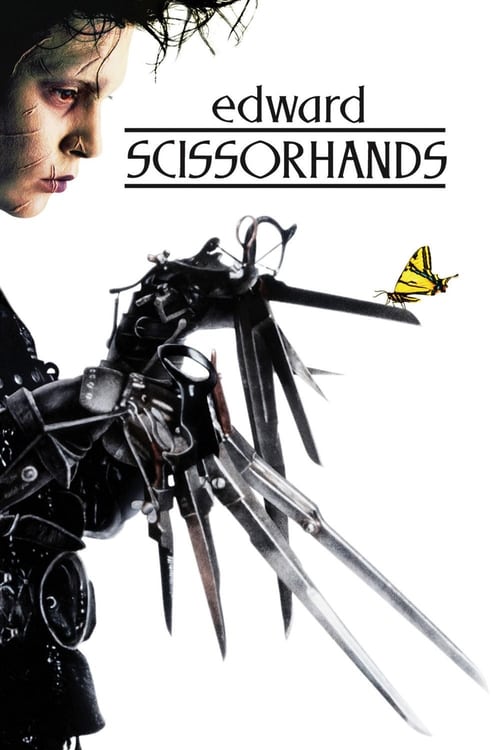
He introduces them to a brand new development known as Yonder, an Edward Scissorhands-esque suburban neighborhood where every house looks and feels the same.
The colorless subdivision is startlingly homogenous, with identical homes in creepily neat rows (shades of Edward Scissorhands), stretching from horizon to horizon.
Helping all this along is some terrific production design and visual effects, working in tandem to create a suburbia occupying a nexus between Edward Scissorhands , The Twilight Zone , and the work of David Lynch.
Genre films such as The Stepford Wives (1975), Edward Scissorhands (1990), and Pleasantville (1998) have memorably employed outlandish concepts to skewer the Western world’s vast wasteland of two-car garages and landscaped cul-de-sacs .
A marvel, at least, of economical production design, Tom and Gemma’s infinite void of blandness makes the neighborhood in Edward Scissorhands look architecturally varied.

Yet even in its most overtly chilling moments (a third-act descent into hell recalls a memorably hallucinogenic sequence from Terry Gilliam’s Brazil ), Vivarium keeps its tongue placed firmly in its cheek, reminding me somewhat of the absurdist, smiling tone of Jocelyn DeBoer and Dawn Luebbe’s recent picket-fence parody Greener Grass .
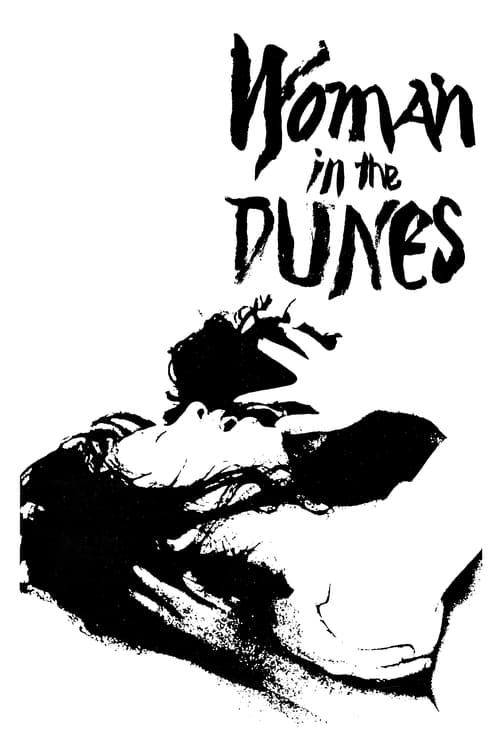
In his director statement, Finnegan (who reportedly drew tonal inspiration from Hiroshi Teshigahara’s 1964 classic Woman in the Dunes ) describes Vivarium as addressing the “fantasy version of reality that we strive towards” in world where “consumerism is consuming us”, and in which the promise of ideal living is “the bait that leads many into a trap”’.


Lorcan Finnegan’s bizarre horror-satire skews the typical suburban conformity that awaits most middle-class families; playing like an odd mix of David Lynch, Charlie Kaufman, and, perhaps, a subtle nod to the kind of anodyne, toothless suburbia that drove Kevin Spacey mad in Sam Mendes’ American Beauty , the Irish director’s second feature expands on his short movie Foxes and invokes a claustrophobic, fever-dream parable which might leave the viewer scratching their head at the end.
For decades, the suburbs have been the ultimate cheap-shot movie punchline — not just a location but a state of mind, a place to thumb our noses at in films from “The Stepford Wives” to “Desperately Seeking Susan,” from “Heathers” to “Happiness” to “American Beauty.”
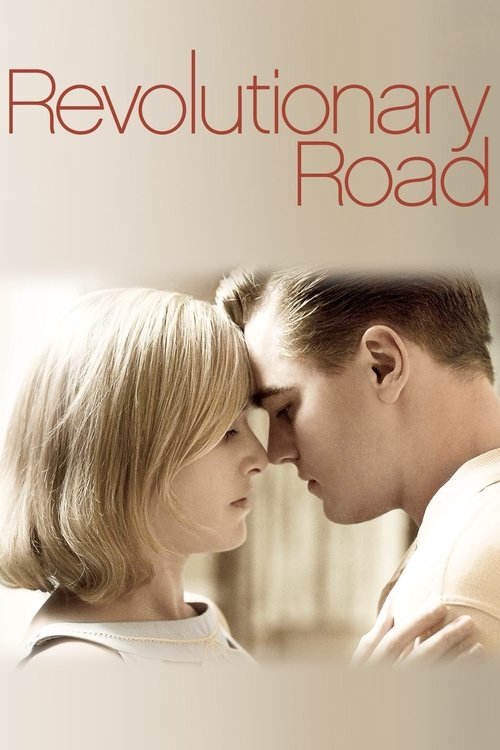
Much like April and Frank Wheeler in Richard Yates’ scathing indictment of 1950s America, Revolutionary Road , there’s also something a touch smug about Gemma and Tom, as though they imagine themselves to be smarter and more self-aware than their peers.
Advertisement
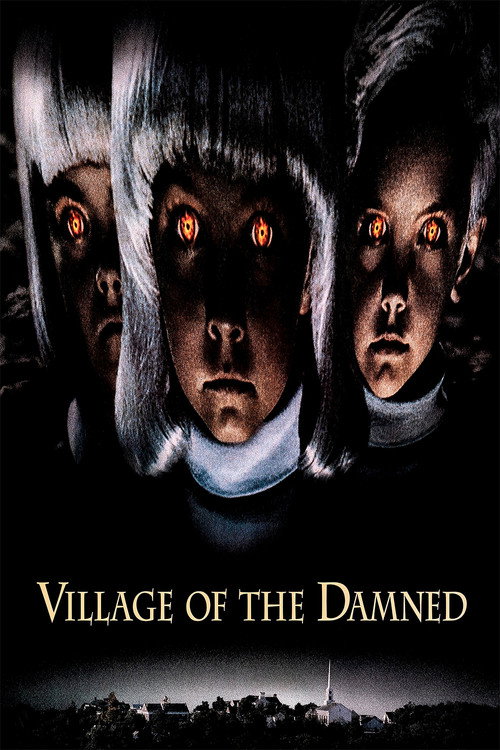
There is an obvious similarity to Wyndham’s The Midwich Cuckoos , adapted (in 1960, and again in 1995 by John Carpenter) as the film Village of the Damned, although Vivarium takes a different, less horror-conventional direction.
An inverse to something like John Wyndham’s 1957 The Midwich Cuckoos (made twice into a film as Village of the Damned ), Vivarium has all the requisite subtexts worthy of exploration concerning all those prepackaged benchmarks of heteronormativity which supposedly denote meaning to our realities.
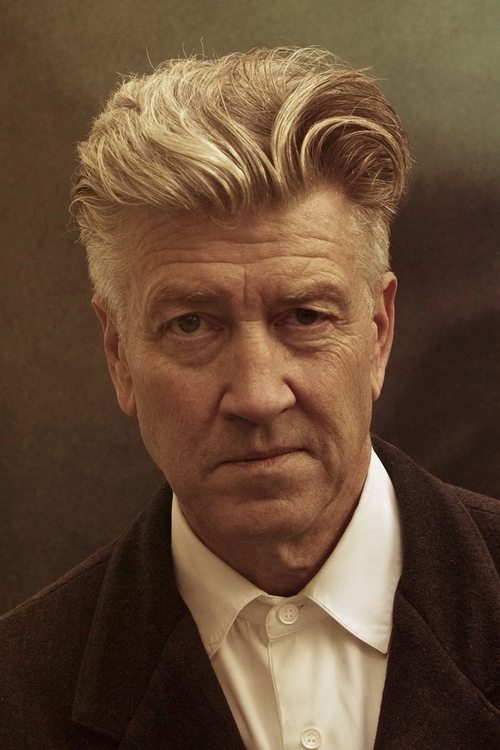
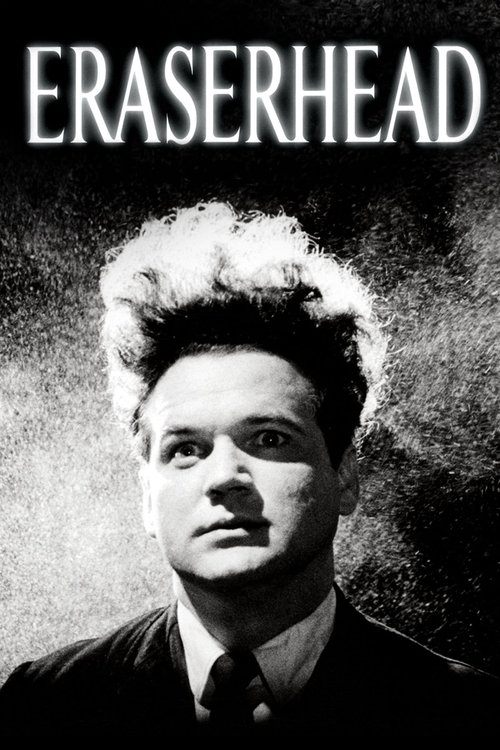
Director Lorcan Finnegan has come up with the creepiest story about parenting (along with screenwriter Garret Shanley) since David Lynch’s “Eraserhead.”
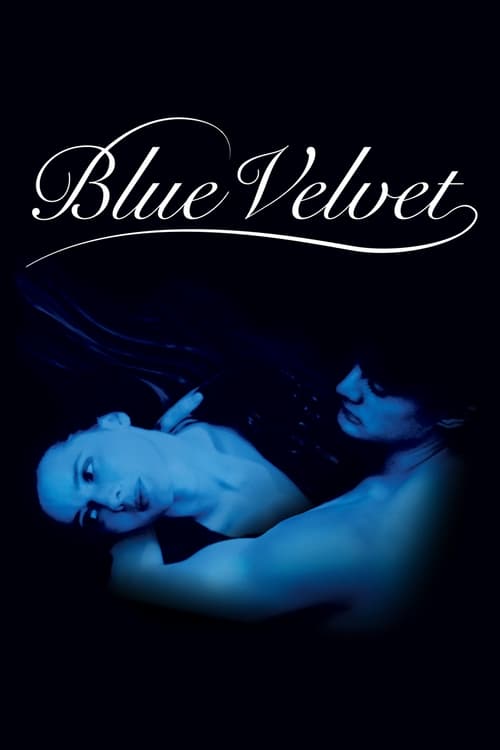
David Lynch revealed the white-picket-fence dream to be a cesspool of deviance and hypocrisy in Blue Velvet , although he crucially also had a truly earnest love for that 1950s aesthetic.
The film looks amazing, set in a Blue Velvet (1986) styled world where everything’s too manicured and uncanny.