

Pleasantville (1998)
Directed by Gary Ross
Geeky teenager David and his popular twin sister, Jennifer, get sucked into the black-and-white world of a 1950s TV sitcom called "Pleasantville," and find a world where everything is peachy keen all the time. But when Jennifer's modern attitude disrupts Pleasantville's peaceful but boring routine, she literally brings color into its life.
10 connections found
View:
10 films that influenced Pleasantville
What critics say influenced Pleasantville
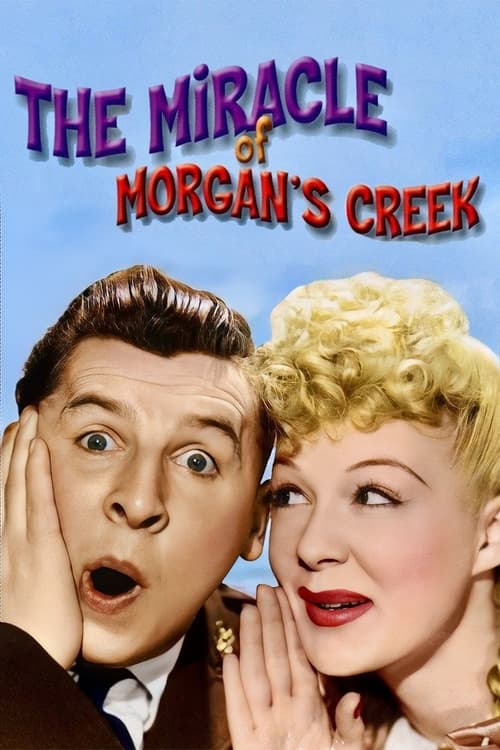


She's a spiritual descendant of the little sister in Preston Sturges' "The Miracle of Morgan's Creek," who looked at her small town and saw only rubes and suckers.
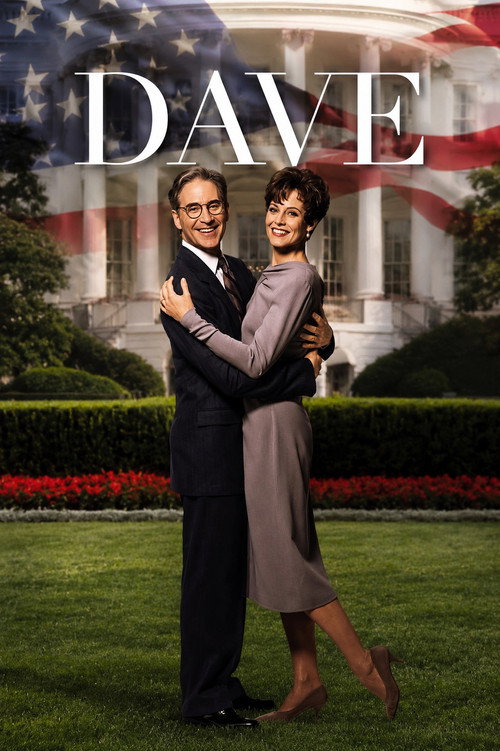
With a gentle, affectionate mocking, director Gary Ross (making his directorial debut after writing Big and Dave) lampoons the quaintness of such TV programs by rigorously building a model that adheres to the formula, then slowly pulling it down over the course of two hours.
As he did with Big and Dave, writer and director Gary Ross uses comedy to deal with the value conflicts which continue to divide Americans.
Ross wrote the screenplays for "Big" and "Dave," which were long on warmth and short on complexity and, by that measure…
Written and directed by Gary Ross, who wrote those other delightful fantasies Big and Dave, Pleasantville is like a flip slide to The Truman Show , to which it has been vociferously compared.
Pleasantville marks the directorial debut of Ross, though as the much-praised writer of Big and Dave, he knows his way around imaginative fables about switches in identity.
Although the director, Gary Ross, makes his feature debut with this picture, he's the guy who also penned the hit movies, "Big" and "Dave," two films that not only delivered high concept plots in an entertaining fashion, but also added nice layers of dimensional humaneness to them.
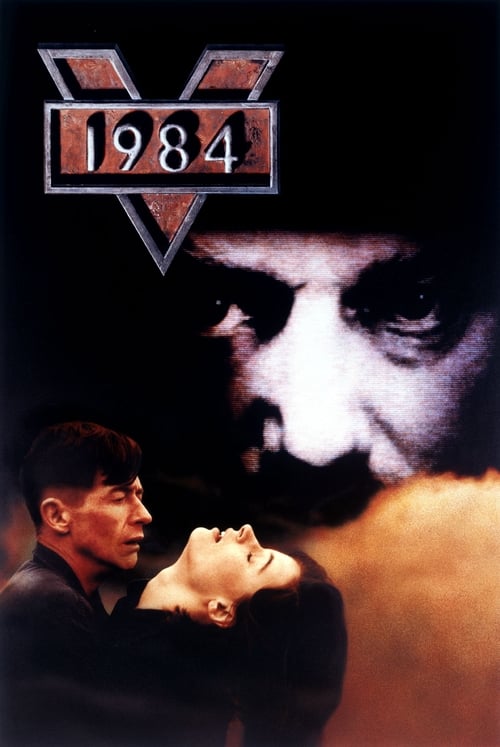
This first feature written and directed by Gary Ross (who co-wrote "Big") starts out as a satirical fantasy about a teenage brother and sister (Tobey Maguire and Reese Witherspoon) projected into a black-and-white '50s sitcom and winds up as a somewhat heavy-handed parable of totalitarianism and racial discrimination, with deliberate echoes of "1984," "Fahrenheit 451" and Shirley Jackson's "The Lottery."
The screenplay was written by Anne Spielberg (Steven's sister) and Gary Ross (who would eventually make his directorial debut with Pleasantville ), and the cinematographer was Barry Sonnenfeld ( Get Shorty , Men in Black ).
With a gentle, affectionate mocking, director Gary Ross (making his directorial debut after writing Big and Dave) lampoons the quaintness of such TV programs by rigorously building a model that adheres to the formula, then slowly pulling it down over the course of two hours.
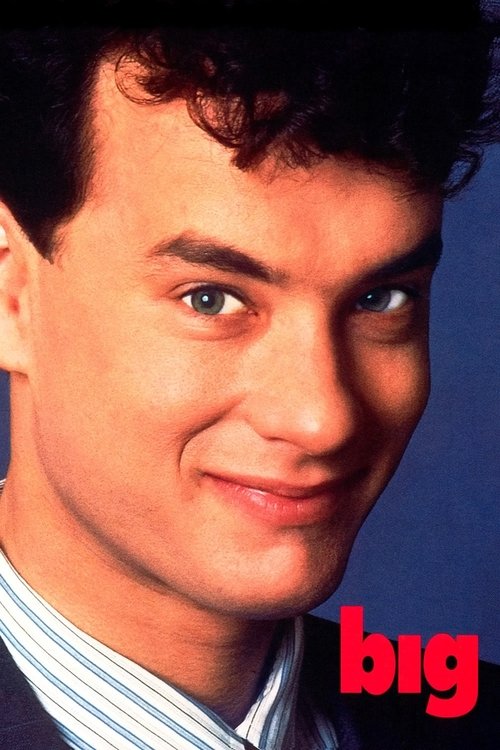
The movie has been written and directed by Gary Ross , who wrote "Big," the 1988 movie where Tom Hanks was a kid trapped in an adult body.
As he did with Big and Dave, writer and director Gary Ross uses comedy to deal with the value conflicts which continue to divide Americans.
Ross wrote the screenplays for "Big" and "Dave," which were long on warmth and short on complexity and, by that measure…
Pleasantville's mayor, Big Bob (the late J.T. Walsh), still black-and-white and damn proud of it, leads a crackdown on the "coloreds."
Advertisement
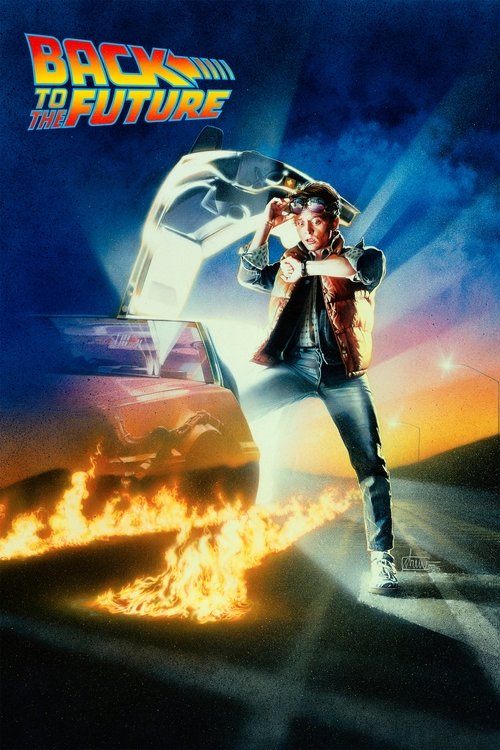
Enjoyable but a bit more successful in concept than realized execution, "Pleasantville" is a marriage of sorts between the plots of "Back to the Future" and "The Truman Show."
An inverse of "The Truman Show," with a dollop of "Back to the Future" thrown in, "Pleasantville" betters both of them with its unshakable internal logic and clever plot twists.

This first feature written and directed by Gary Ross (who co-wrote "Big") starts out as a satirical fantasy about a teenage brother and sister (Tobey Maguire and Reese Witherspoon) projected into a black-and-white '50s sitcom and winds up as a somewhat heavy-handed parable of totalitarianism and racial discrimination, with deliberate echoes of "1984," "Fahrenheit 451" and Shirley Jackson's "The Lottery."
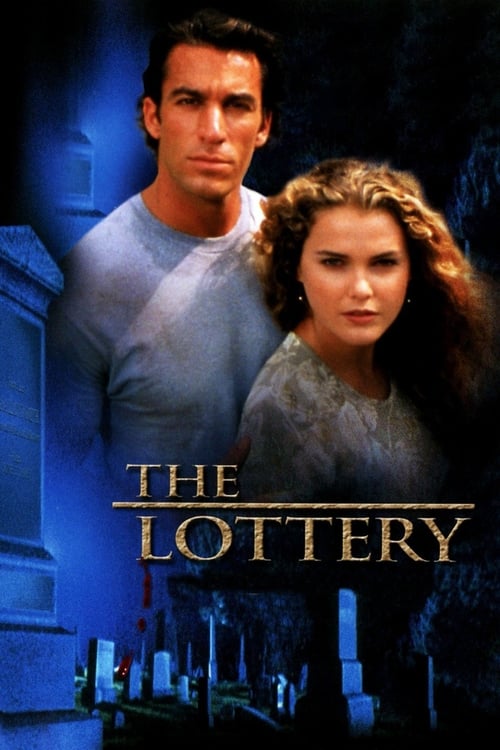
This first feature written and directed by Gary Ross (who co-wrote "Big") starts out as a satirical fantasy about a teenage brother and sister (Tobey Maguire and Reese Witherspoon) projected into a black-and-white '50s sitcom and winds up as a somewhat heavy-handed parable of totalitarianism and racial discrimination, with deliberate echoes of "1984," "Fahrenheit 451" and Shirley Jackson's "The Lottery."
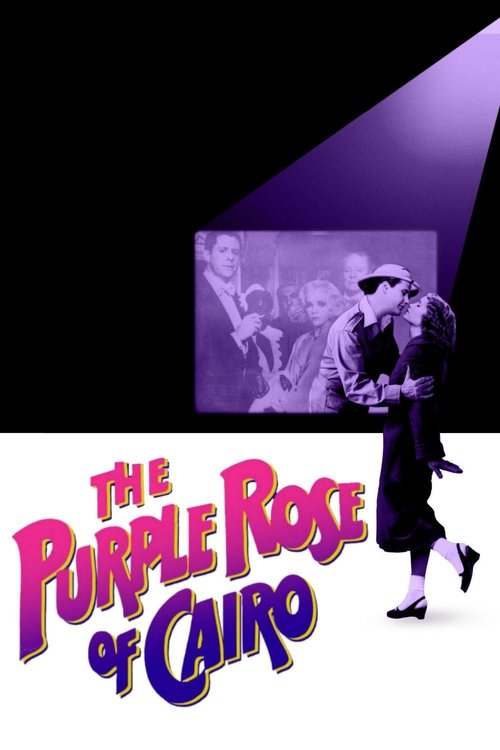
Some might also notice similarities to Woody Allen's The Purple Rose of Cairo, although this is essentially that approach in reverse.
Advertisement
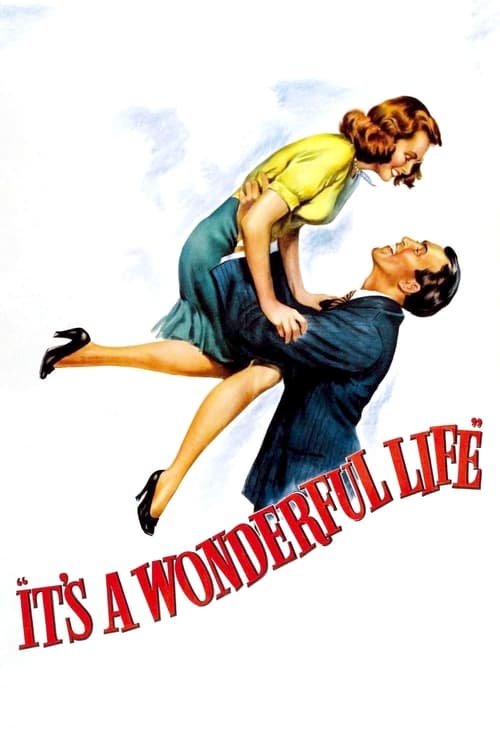
Pleasantville is a tour de force - it's a magical, modern-day fairy tale that invites us to explore who we are, and, like The Wizard of Oz and It's a Wonderful Life (heady company indeed), it trumpets the messages that the individual can make a difference, and that life in an alternate reality isn't necessarily better, just different.
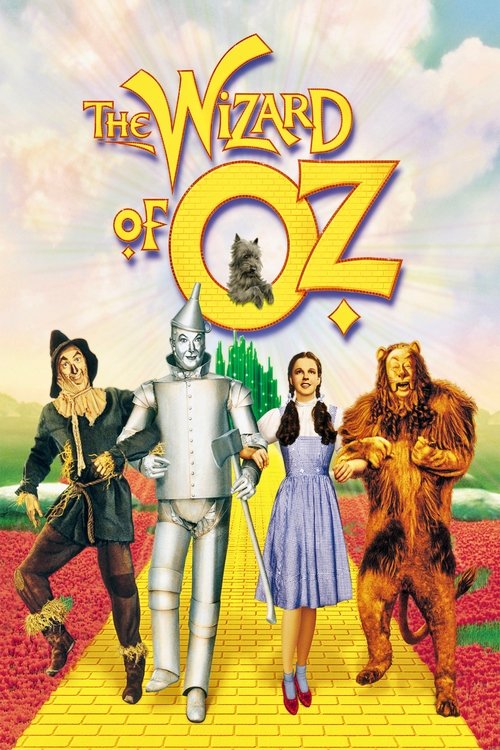
"Pleasantville" easily could have been the fantasy of this generation, just like "The Wizard of Oz," but there are a few minor problems that ultimately hold it back from being a downright great film.
Dorothy's journey in "The Wizard of Oz" is an obvious touchstone, and there are a few euphoric scenes that are as magical as some in that familiar film.
Not since "The Wizard of Oz" has color been used so graphically and so well in a movie This is one you have to see.
It takes a rare movie to make a viewer even think of it as "black and white" or "color," but, because The Wizard of Oz puts meaning into appearance (much like the recently-released Pleasantville), the nature of the visual composition become crucial.