
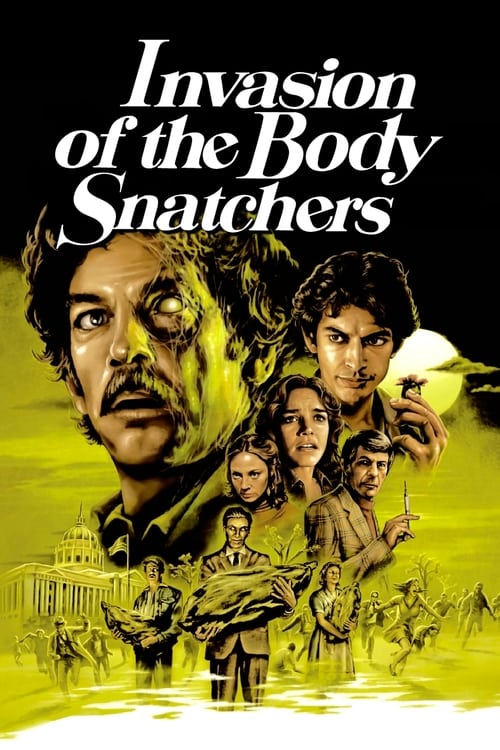
Invasion of the Body Snatchers (1978)
Directed by Philip Kaufman
The residents of San Francisco are becoming drone-like shadows of their former selves, and as the phenomenon spreads, two Department of Health workers uncover the horrifying truth.
26 connections found
View:
26 connections, in both directions
What critics compared Invasion of the Body Snatchers to
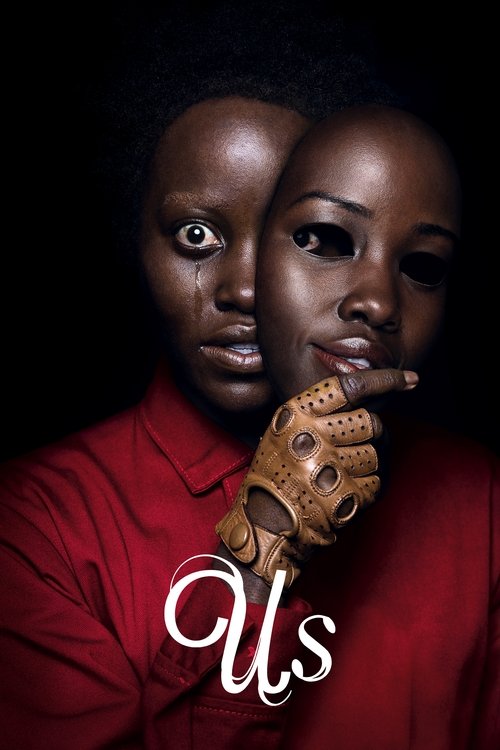


Meanwhile, the pod people in “Invasion of the Body Snatchers”—first in 1956 and then, with an added dash of humor from which Peele has learned, in 1978—morphed into us, mocking our social conformity and daring us to tell the difference between human simulacra and the real thing.
Throughout the years, moviegoers have bitten their nails to The Student of Prague (1913), The Man With My Face (1951), Invasion of the Body Snatchers (1956, 1978), The Other, Sisters, The Stepford Wives (all from the 1970s), Mirrors (2008), Enemy (2013), and of course Jordan Peele’s Get Out (2017).
Esta inquietud nace de otras influencias en el cine de horror con películas y series que muestran el miedo a encontrarse con uno mismo: ahí tenemos el episodio de “Mirror Image” de The Twilight Zone (1960), tenemos Dead Again de Kenneth Brannagh (1991), tenemos Invasion of the Body Snatchers (1978) o la muy inquietante Enemy (2013) de Denis Villeneuve.
“Us” borrows several tropes from such landmarks of the horror genre as George Romero’s “Night of the Living Dead,” Don Siegel’s “Invasion of the Body Snatchers” and Wes Craven’s “The Hills Have Eyes.”
Peele's uber-nerd cinephilia—the clever echoes of such horror-canon treasures as Don Siegel's Invasion of the Body Snatchers , Stanley Kubrick's The Shining , George Romero's Day of the Dead , Michael Haneke's Funny Games , and on and on—is non-stop fun ("Isn't that the Lost Boys boardwalk?").
Cinephiles will also notice shades of Don Siegel’s “Invasion of the Body Snatchers” (1956), Michael Bay’s “The Island” (2005) and Charlie McDowell’s “The One I Love” (2014), which fittingly starred Elisabeth Moss (“Mad Men”) in a double role.
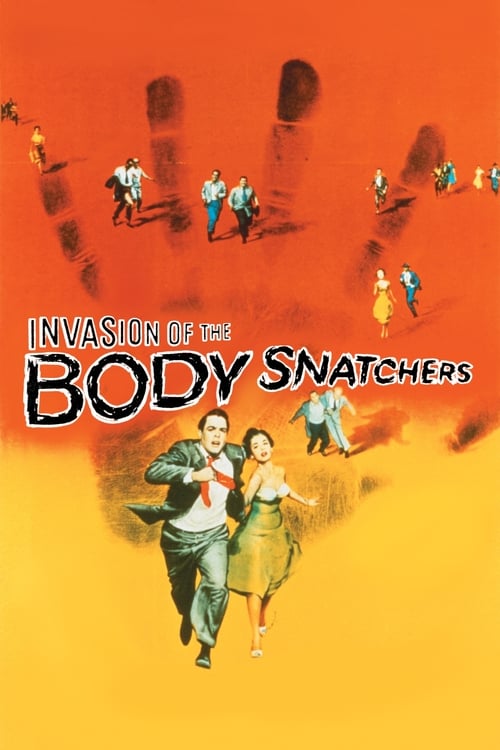
Don Siegel directed this, the first of four movie versions of Invasion of the Body Snatchers.
The much underrated 1978 Invasion of the Body Snatchers is still probably the best movie based on Jack Finney's 1955 science fiction novel, The Body Snatchers — but that doesn't make this 1956 version bad, quite the opposite.
Whatever its unfortunate flaws, INVASION OF THE BODY SNATCHERS was always worth seeing, because enough of Siegel’s original survives on the screen to make the film a genuinely creepy experience — a horror film not about death and bloodshed but about the loss of personality — the loss of one’s very self — which may in a sense be the ultimate horror, even worse than death: a sort of emotionless, zombie caricature of one’s former existence, drained of everything that gives life joy and meaning.
When they come as thrilling as Don Siegel's 1956 classic , "Invasion of the Body Snatchers", it seems ludicrous to attempt a remake.
There is something for everyone in Invasion of the Body Snatchers.
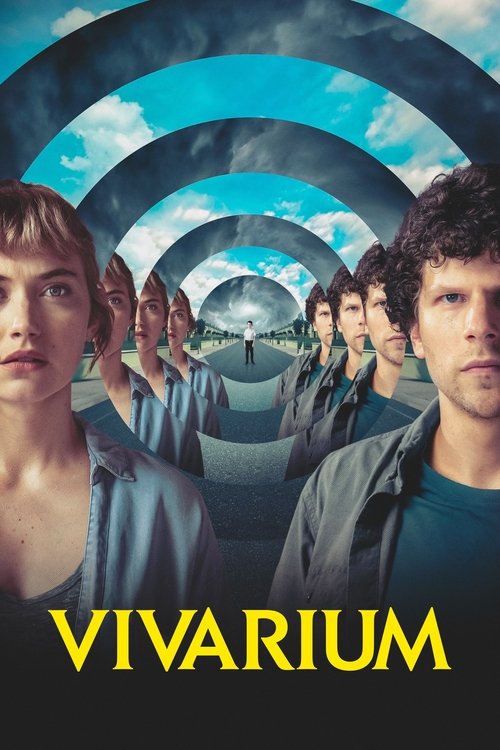
Occasionally he merely stands and, mouth unnaturally agape, screams like Donald Sutherland in “Invasion of the Body Snatchers.”
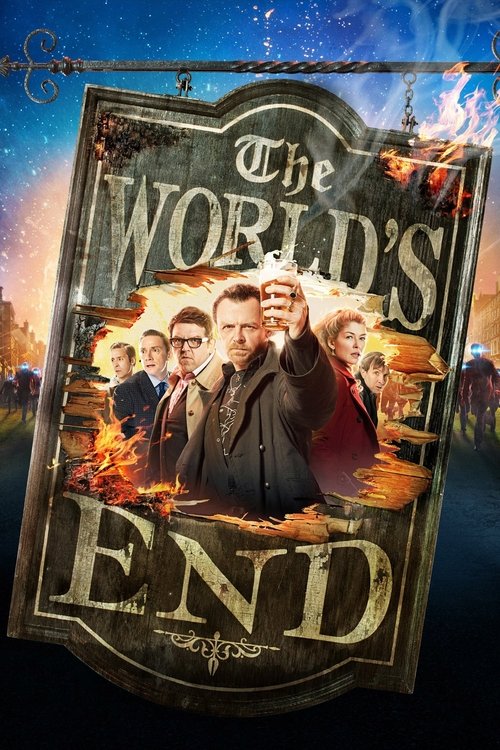
Other touchstones include the fiction of John Wyndham (“Village of the Damned,” “The Day of the Triffids”), plus big dollops of “ Invasion of the Body Snatchers ” (both the 1956 and 1978 versions) and a bit of John Carpenter’s “The Thing,” plus many other references, even to chopsocky classics.
The big joke comes when the conventional, characterless home counties town they revisit is a British replica of the California township taken over by conformist aliens in Don Siegel's Invasion of the Body Snatchers .
Advertisement
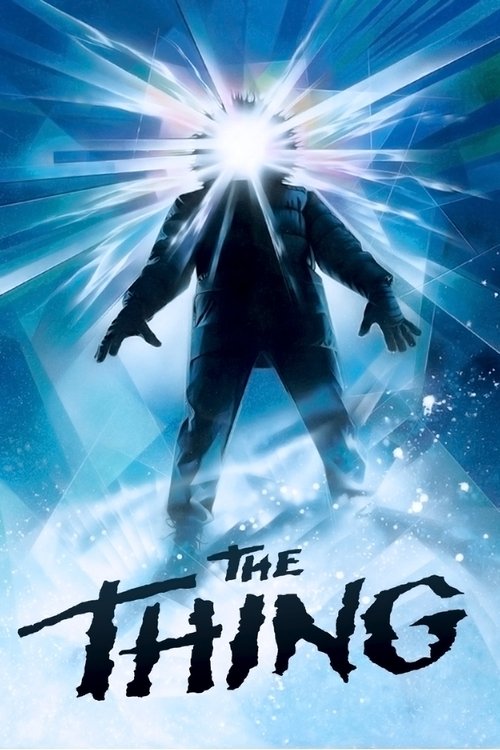
Unreasonably tense, with a key scene in particular still nigh unwatchable for me, The Thing is as good a remake in theme as it is in glorious Technicolor function--as good, in fact, as Philip Kaufman's Invasion of the Body Snatchers (a movie to which it pays homage in a pretty creepy moment), and in much the same way.
Anyway, the late 1970s and early 80s saw two excellent remakes of iconic 1950s' horror films: Philip Kaufman's 1978 "Invasion of the Body Snatchers" and Carpenter's 1982 revision of the old Howard Hawks production, "The Thing From Another World."
It borrows from some recent hits: the isolated location of Alien (1979) and some of the unease and mistrust of Invasion of the Body Snatchers (1978), but Carpenter plunks his movie square in the Reagan era, and beyond.
To this day, Kaufman’s remake of “Invasion of the Body Snatchers” is one of the best remakes ever done, right up there with John Carpenter’s “The Thing.”
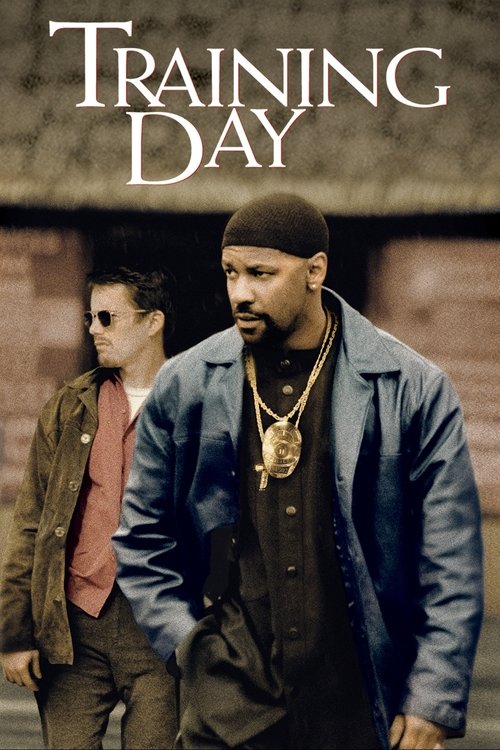
The mean streets of this L.A. evoke a paranoid agoraphobic's point-of-view, not unlike the San Francisco of Philip Kaufman's Invasion of the Body Snatchers--the California sun is a startling counterpoint to the Stygian darkness at the heart of Alonzo's smearing of the thin blue line.
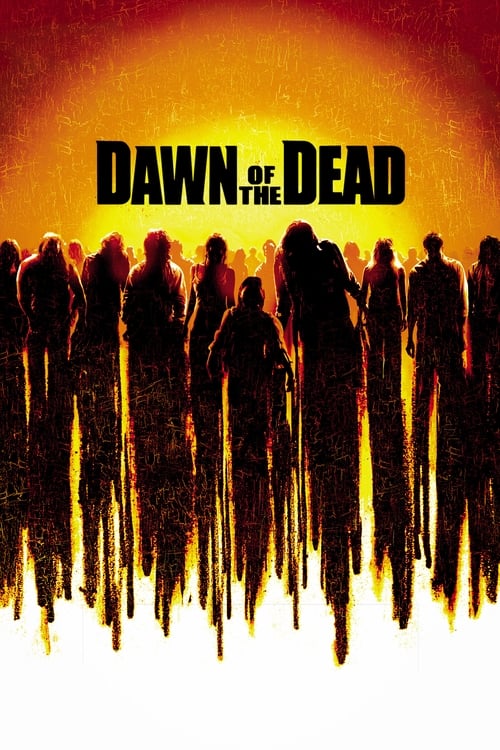
While the movie passes on opportunities to touch on ripe-for-the-plucking social and political themes that linger around the edges of the plot (something last year's speed-zombie modernization "28 Days Later" did very well), it's smart enough and cinematic enough to have much more in common with great genre reinventions like John Carpenter's "The Thing" and Philip Kaufman 's "Invasion of the Body Snatchers" than it does with recent trashy cash-in remakes like "The Texas Chainsaw Massacre" and "Thirteen Ghosts."

In stark contrast, such rough-and-ready sequences sit alongside extraordinarily elegant and evocative FX tableaux that combine the shock factor of Philip Kaufman's Invasion of the Body Snatchers remake (bodies disintegrating from the inside) with the serenity of artist Richard Wilson's breathtaking installation 20:50 (vast pools of oil that appear solid, but threaten to engulf) as aroused men disappear into the cosmic void.
It’s strange and arbitrary the way science fiction was from the 1970s and early 1980s, whether the movies were flamboyantly idiosyncratic like Nicolas Roeg’s The Man Who Fell to Earth or commercial but unrelentingly eerie like Philip Kaufman’s remake of Invasion of the Body Snatchers.
Advertisement
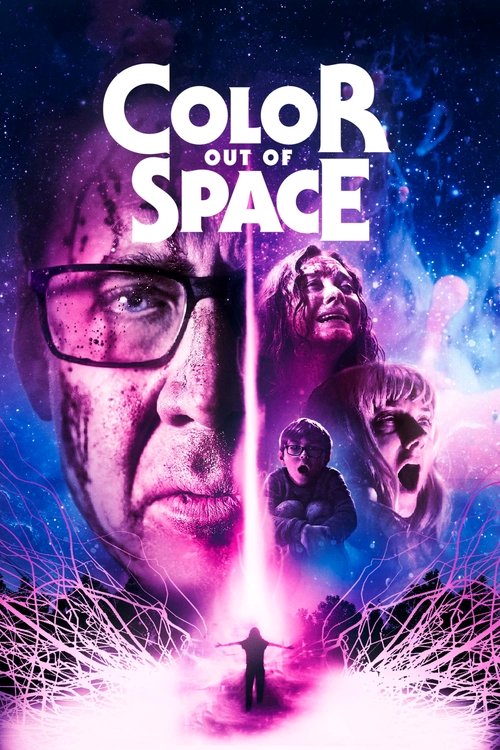
It reminded me of 1978’s Invasion of the Body Snatchers in which we find as the movie goes along the sound design begins to remove any natural or organic sounds, replacing them with the mechanical.
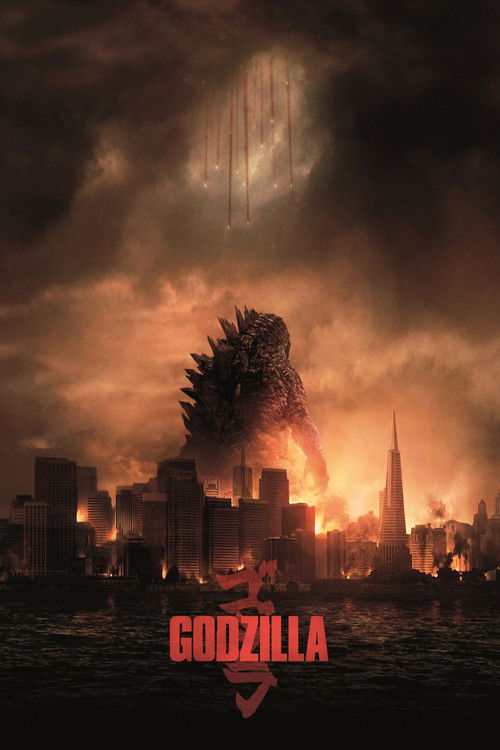
Like Kevin McCarthy in the 1956 Invasion of the Body Snatchers, which matched Gojira as a vibrant Cold War parable in sci-fi garb, he is the lone sane man in a world myopic to the truth; his research got him a serious prison term.