
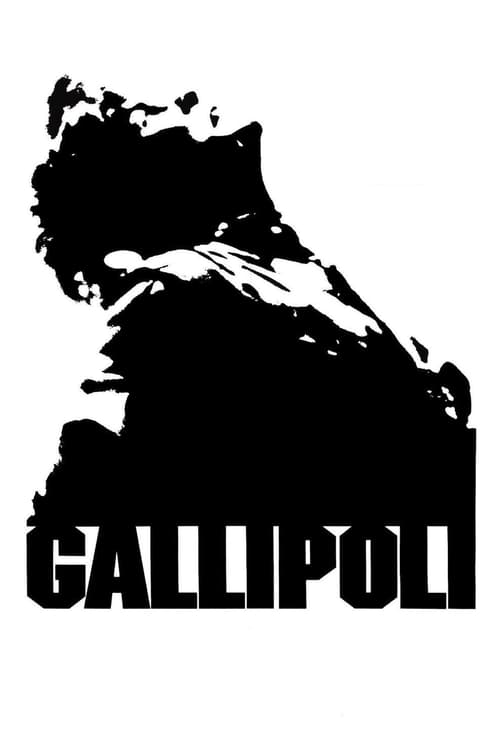
Gallipoli (1981)
Directed by Peter Weir
Two Australian sprinters face the brutal realities of war when they are sent to fight in the Gallipoli campaign in the Ottoman Empire during World War I.
6 connections found
View:
6 connections, in both directions
What critics compared Gallipoli to
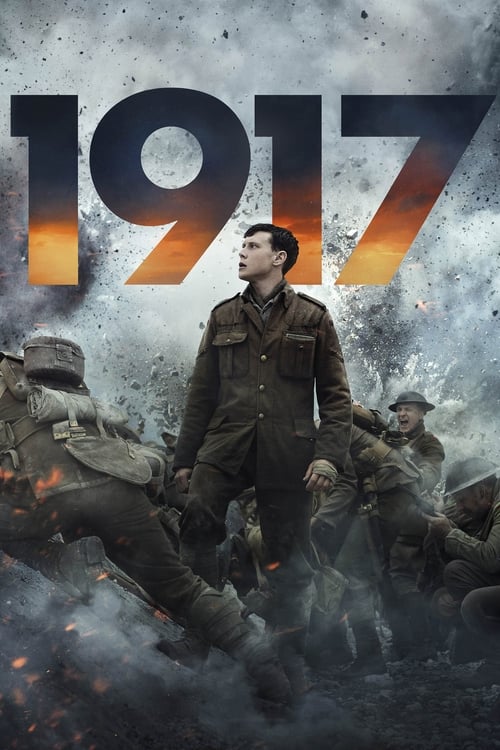


It's the driest World War I movie since Gallipoli, the famous muck and rain and fog of the trenches replaced by a spring of wildflowers and chalk soil.
Construida sobre una premisa muy simple (que algo le debe a Gallipoli, 1981, de Peter Weir) –dos soldados ingleses son encomendados con la misión de alertar a un distante regimiento sobre un inminente ataque sorpresa de los alemanes–, la película es una aventura bélica que en mucho se parece a un videojuego, porque está filmada en lo que aparenta ser una sola toma continua.
While there are stylistic parallels to Christopher Nolan’s 2017 WWII drama, “Dunkirk,” there may be more similarities to director Peter Weir’s stirring 1981 Australian WWI film “Gallipoli,” starring Mel Gibson, which also hinged on the plot device of delivering a message to prevent a massacre of Allied troops.
(It would spoil the film to describe scenes that stretch time, but viewers may flash on the superior antiwar film, “Gallipoli,” in one instance).
Clearly much of 1917 is fictional, and the fact that one of the messengers has a brother in the first wave of the doomed attack is one of the notes that rings unnecessary and untrue here — it’s a bit like Gallipoli meets Saving Private Ryan, which detracts from the realism that is the film’s greatest strength.
There's an obvious parallel to 1917, and that's Gallipoli, Peter Weir's heartbreaking story of the doomed ANZAC campaign.
If you think the Australian cinematic new wave of the 1970s and 1980s consisted mainly of enigmatic art films like Picnic at Hanging Rock, historical dramas such as Breaker Morant and Gallipoli, or sensitive character studies by Gillian Armstrong or Jane Campion (yes, yes, we know she's a Kiwi, but she made her name in Oz), then you've got a snike in yer living room, mite.
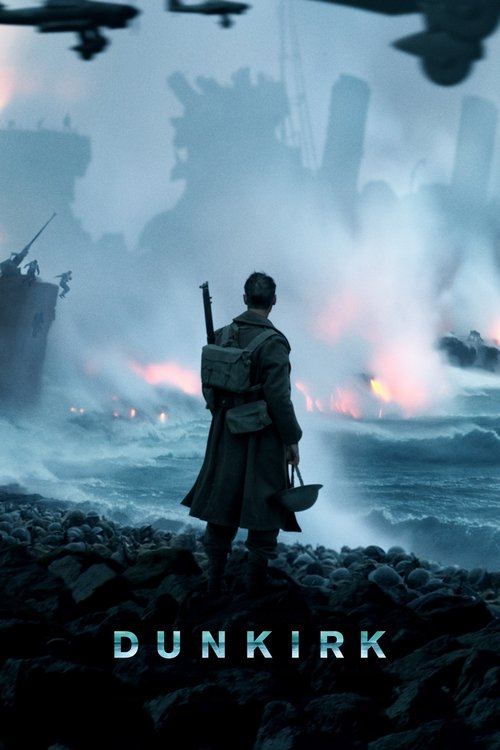
Films about British military flops are not a rarity, with A Bridge Too Far, Zulu and Gallipoli among the best, but Dunkirk likewise encapsulates the heroic aspect to defeat in both our real and myth-making cinematic history.
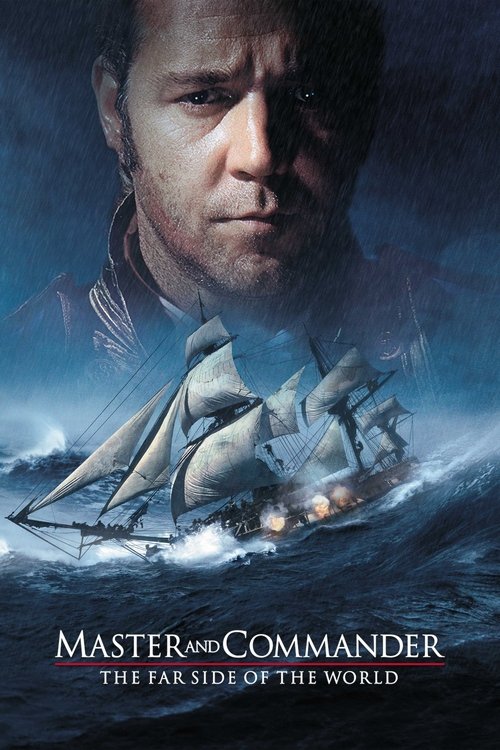
Based on Patrick O'Brian's novel "The Far Side of the World" from the author's "Master and Commander" series, Peter Weir ("Gallipoli") directs this clipper ship war drama with loving attention to the magnificence, skill and ethos of life on the high seas during the 19th century Napoleonic Wars.
Co-writer and director Weir ( "The Truman Show," "Dead Poets Society," "Gallipoli") rises to the challenge of turning the ship's confines into a terrarium of interesting characters and nautical drama, thanks in large part to Crowe as the dauntless, iron-willed Aubrey and Paul Bettany (who co-starred with Crowe in "A Beautiful Mind" ) as the ship's sea-novice surgeon and the captain's dear friend.
The sea and the ships are beautifully depicted by cinematographer Russell Boyd, an Australian who shot many of Weir's best movies, including "The Year of Living Dangerously," "Picnic at Hanging Rock," "The Last Wave" and "Gallipoli."
Australian three-time Academy Award directing nominee Peter Weir ("Gallipoli"/"Dead Poets Society") adapts with co-writer John Collee the popular adventure novel by Patrick O'Brian to the big screen.
This is Mr. Weir's best movie in ages, conveying the subtle sense of mystery that underlay "Gallipoli" and "The Year of Living Dangerously."
This is all the more surprising given Weir's history as a critic of the military-imperial ethos in "Gallipoli."
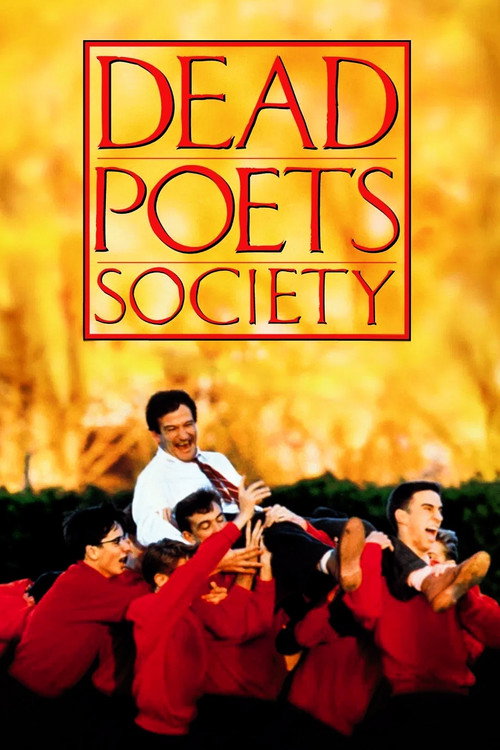
Directed by Peter Weir ("Picnic at Hanging Rock," "Gallipoli," "The Year of Living Dangerously") and written by Tom Shulman (who was inspired by one of his own teachers), "Dead Poets Society" tries to be heartwarming, uplifting, and inspirational.
It's the Weir of "The Mosquito Coast," not "Gallipoli," the clumsy albeit entertaining Weir.
The only times he made one after another was in his collaboration with Mel Gibson, which produced "Gallipoli" in 1981 and "The Year of Living Dangerously" in 1982, and then "Dead Poets Society" in 1989 and "Green Card" with Gerard Depardieu and Andie MacDowell in 1990.
Advertisement
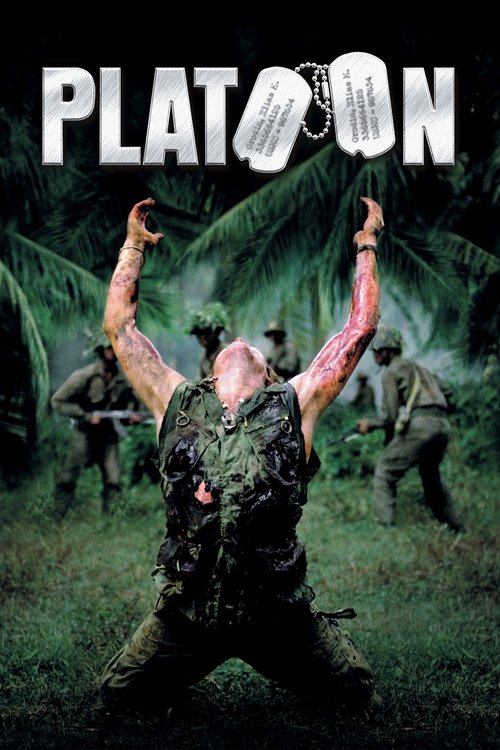
And Stone breaks our hearts much as Peter Weir did in "Gallipoli," all wasted youth played against a mournful adagio of strings.