
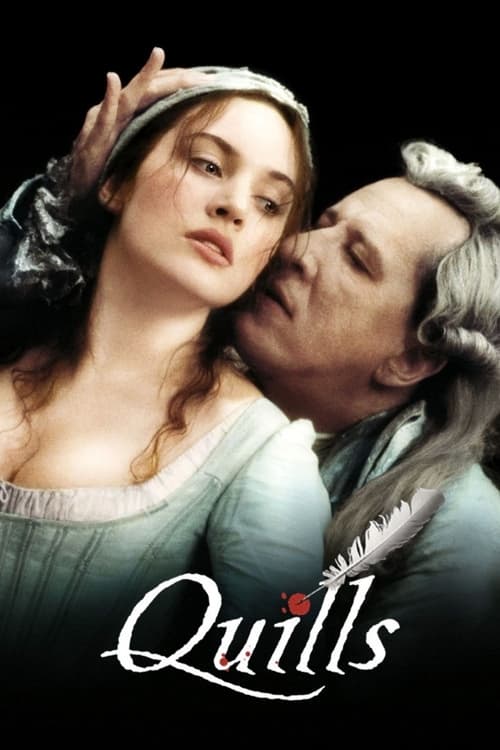
Quills (2000)
Directed by Philip Kaufman
In early 19th-century France, the Marquis de Sade is confined to an asylum where his forbidden writings continue to circulate beyond its walls. As the authorities tighten control, a clash unfolds between the Marquis’ unyielding imagination, the reformist ideals of the Abbé in charge, and the repressive measures of a doctor sent to silence him. Desire, power, and censorship collide in a battle over freedom of expression.
17 connections found
View:
17 films that influenced Quills
What critics say influenced Quills
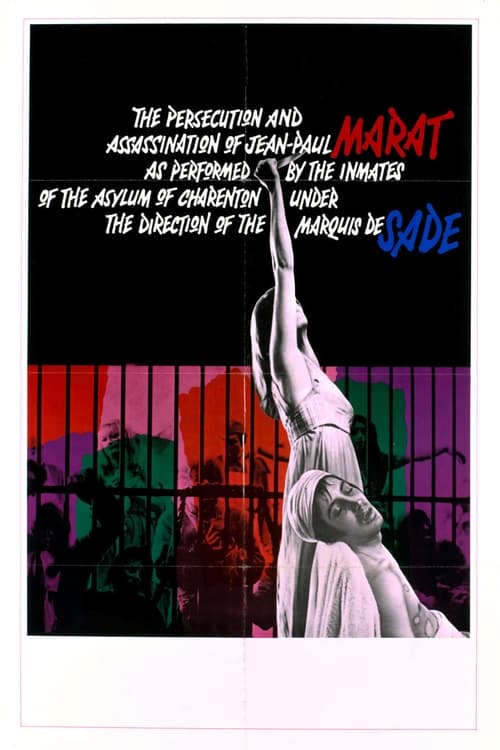


Peter Brook's Marat/Sade, adapted in 1967 from Peter Weiss' play, remains both on stage and on screen a more compelling and brave interrogation of how art can both elevate and enervate a community.

Think Ken Russell's "The Devils" (1971) crossed with Milos Forman's "Amadeus" (1984), if you dare.

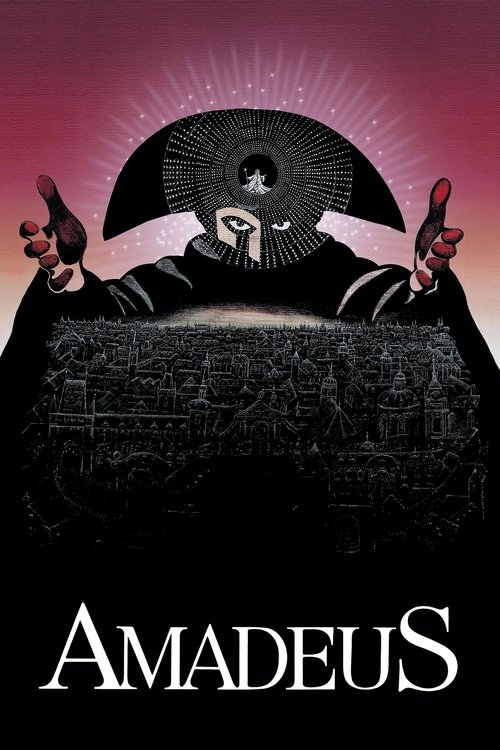
Philip Kaufman , who previously indulged in raunchy literary biography with 1990's "Henry and June," digs into substantial issues about free speech and the incendiary power of ideas in a piece that plays like " Amadeus " meets " The People vs. Larry Flynt ."
Think Ken Russell's "The Devils" (1971) crossed with Milos Forman's "Amadeus" (1984), if you dare.
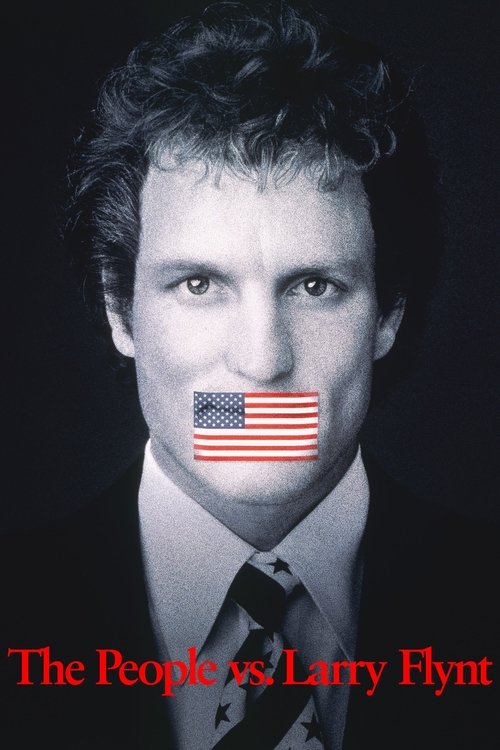
Kaufman is working on much the same wavelength as Milos Forman in The People vs. Larry Flynt: The Marquis is a nasty and repugnant person, a manipulator and a lecher, and he's also much like Flynt, the kind of guy you have to put up with if you value your own freedom.
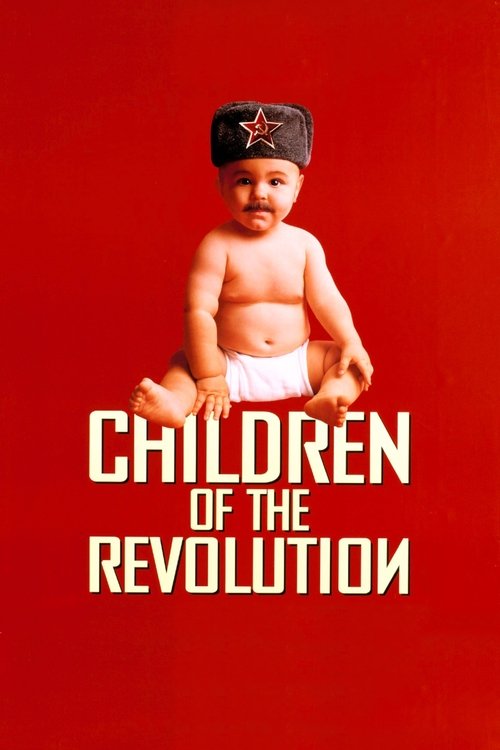
Rush confirms that he is perhaps today's least generous actor, one who plays to the balcony with even the slightest provocation and without regard for narrative balance; only in Children of the Revolution, as Judy Davis' bewildered husband, have I ever seen him cede a single scene to a co-star.
Advertisement
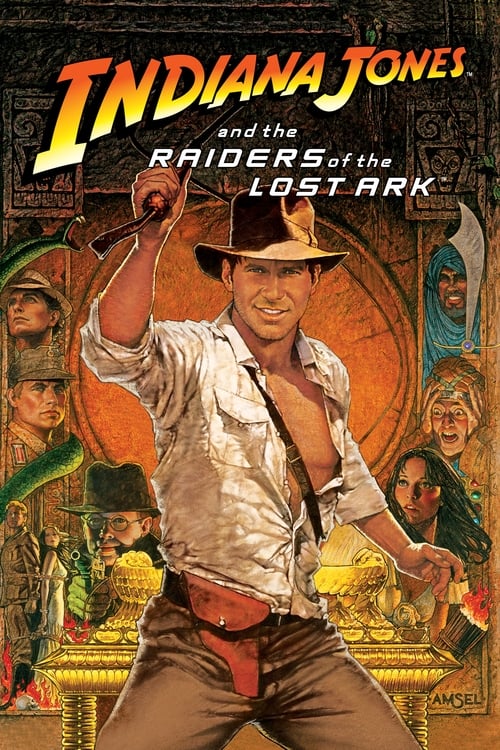
How did the man who co-wrote the story for "Raiders of the Lost Ark" (1981) and directed a biting remake of "Invasion of the Body Snatchers" (1978) wind up churning out pretentious, long-winded studies like this film and "The Unbearable Lightness of Being" (1988)?
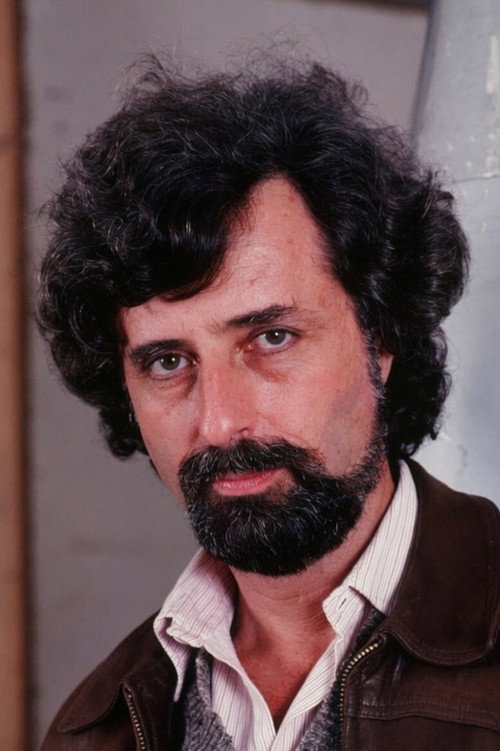

Director Kaufman (The Right Stuff, Invasion of the Body Snatchers, Henry and June), production designer Martin Childs, and cinematographer Rogier Stoffers compose these scenes to amplify the surreal and maddening effects of the asylum, which is clearly not a place to rehabilitate, but rather to lock away the inmates.
The results have varied from solid genre fare (Invasion of the Body Snatchers) and American epic portraiture (The Right Stuff) to uncomfortable thriller (Rising Sun) and sprawling Kundera adaptation (The Unbearable Lightness of Being).
On the surface any story about the Marquis de Sade would be challenge for all but the quirky, but director Philip Kaufman (The Right Stuff) has toned down the subject matter to make its uncomfortable subject tolerable and sympathetic.
Director Philip Kaufman makes movies about people who want to (as one of his characters once put it) "alter the experiment": the James-Younger outlaw gang in The Great Northfield Minnesota Raid , the self-absorbed libertines of The Unbearable Lightness of Being and Henry & June , the Mercury astronauts with their cartoon machismo in The Right Stuff .
Instead, the helmer provides quality, and sometimes groundbreaking work, like the paean to America's space program, "The Right Stuff," and his controversial, NC-17 (the very first movie rated as such) "Henry & June."
Without a doubt, Kaufman's best work as a director is 1983's sprawling wise-guy epic, "The Right Stuff."
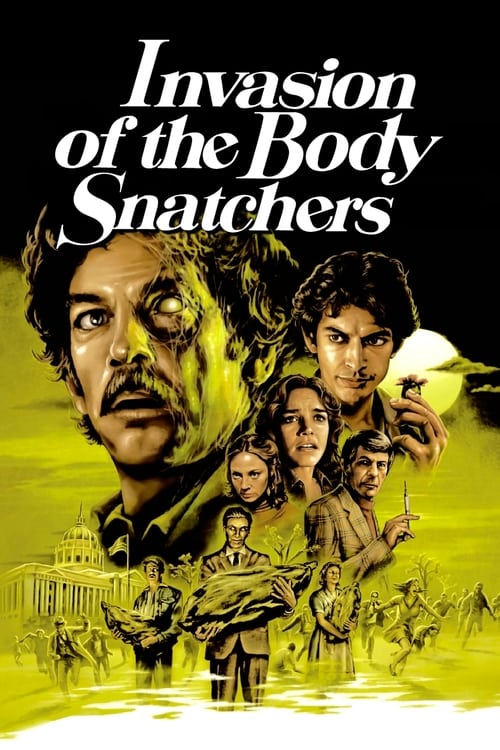
Director Kaufman (The Right Stuff, Invasion of the Body Snatchers, Henry and June), production designer Martin Childs, and cinematographer Rogier Stoffers compose these scenes to amplify the surreal and maddening effects of the asylum, which is clearly not a place to rehabilitate, but rather to lock away the inmates.
The results have varied from solid genre fare (Invasion of the Body Snatchers) and American epic portraiture (The Right Stuff) to uncomfortable thriller (Rising Sun) and sprawling Kundera adaptation (The Unbearable Lightness of Being).
How did the man who co-wrote the story for "Raiders of the Lost Ark" (1981) and directed a biting remake of "Invasion of the Body Snatchers" (1978) wind up churning out pretentious, long-winded studies like this film and "The Unbearable Lightness of Being" (1988)?
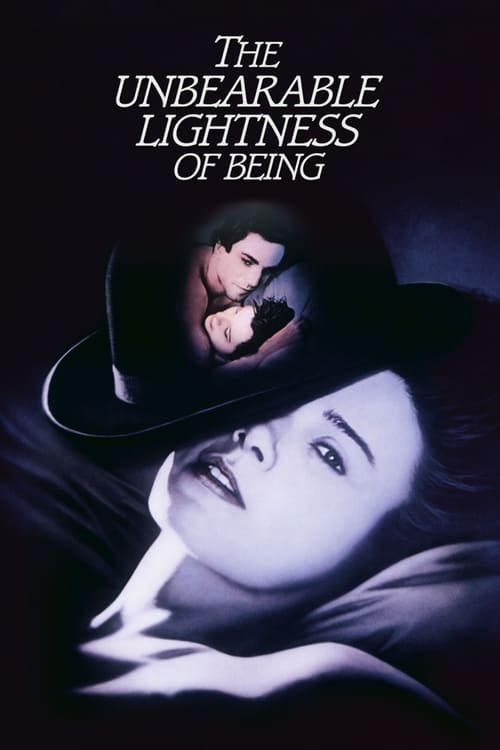
It makes sense that brilliant San Francisco director Philip Kaufman would follow up his films The Unbearable Lightness of Being (1988) and Henry and June (1990) with another intelligent erotic film.
I'm not an admirer of Philip Kaufman's ("The Unbearable Lightness of Being") previous films.
In The Unbearable Lightness of Being and Henry and June, Kaufman placed himself firmly on the side of free speech and free love.
Mr. Kaufman, who has shined with "The Unbearable Lightness of Being" and "Henry and June," creates the proper atmosphere without verging too often into Monty Python territory.
But much as one might respect Kaufman's inclination to tackle risky, challenging subjects, often with strong sexual overtones (a penchant which in the past has resulted in such wonderful films as 1987's exquisite "The Unbearable Lightness of Being"), it's clear that in the present instance his reach has exceeded his grasp.
The results have varied from solid genre fare (Invasion of the Body Snatchers) and American epic portraiture (The Right Stuff) to uncomfortable thriller (Rising Sun) and sprawling Kundera adaptation (The Unbearable Lightness of Being).
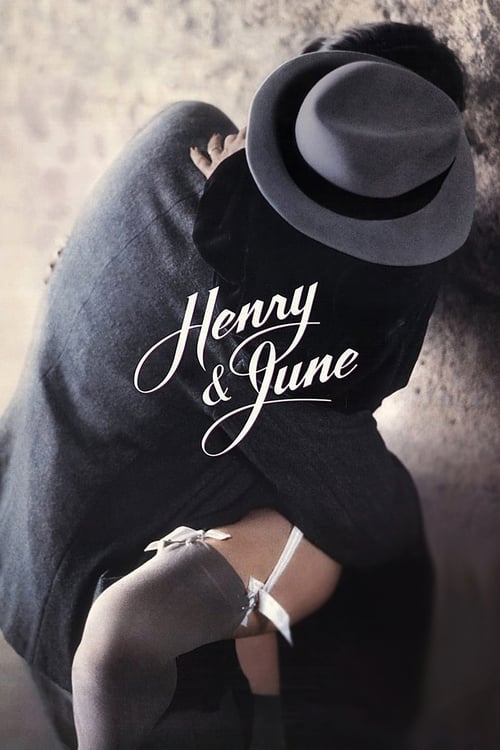
His Henry & June (1990), a sexy, literate bio-pic about the torrid relationship between writers Henry Miller and Anaïs Nin, caused the rating system to change its stigmatizing "X" to a more palatable NC-17.
Kaufman followed it up with Henry & June, the first film to receive the MPAA's NC-17 rating — the new equivalent of the X, meant to ghettoize art films rather than pornography.
Director Philip Kaufman makes movies about people who want to (as one of his characters once put it) "alter the experiment": the James-Younger outlaw gang in The Great Northfield Minnesota Raid , the self-absorbed libertines of The Unbearable Lightness of Being and Henry & June , the Mercury astronauts with their cartoon machismo in The Right Stuff .
Instead, the helmer provides quality, and sometimes groundbreaking work, like the paean to America's space program, "The Right Stuff," and his controversial, NC-17 (the very first movie rated as such) "Henry & June."
Philip Kaufman, whose "Henry & June" was the first NC-17-rated film, ups the ante with a fictional account of the final days of history's most infamous pervert with a pen, the Marquis de Sade.
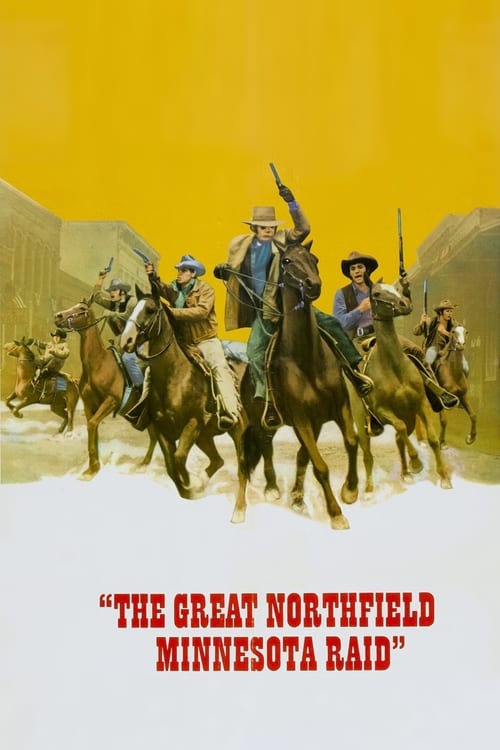
Director Philip Kaufman makes movies about people who want to (as one of his characters once put it) "alter the experiment": the James-Younger outlaw gang in The Great Northfield Minnesota Raid , the self-absorbed libertines of The Unbearable Lightness of Being and Henry & June , the Mercury astronauts with their cartoon machismo in The Right Stuff .
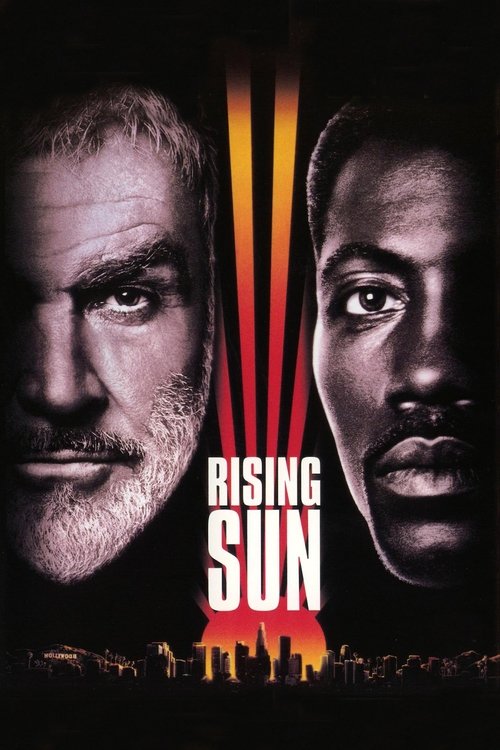
Between this, the racially insensitive thriller "Rising Sun" and his ponderous, NC-17 period piece "Henry and June," Kaufman seems to be regressing rather than progressing, talentwise.
, his first film since the 1993 flop Rising Sun, is an appropriate return to the screen.
The results have varied from solid genre fare (Invasion of the Body Snatchers) and American epic portraiture (The Right Stuff) to uncomfortable thriller (Rising Sun) and sprawling Kundera adaptation (The Unbearable Lightness of Being).

Opening up his chamber drama, Wright doesn't stint on the juicy banter and malevolent monologues, making Quills a hissing cousin to Dangerous Liaisons.

And Mr. Caine turns up his sinister campy side to moderately successful effect - though at times he seems more like the Emperor from the "Star Wars" saga.
Advertisement

Or, more to the point, it's The Pillow Book as produced by Merchant Ivory.
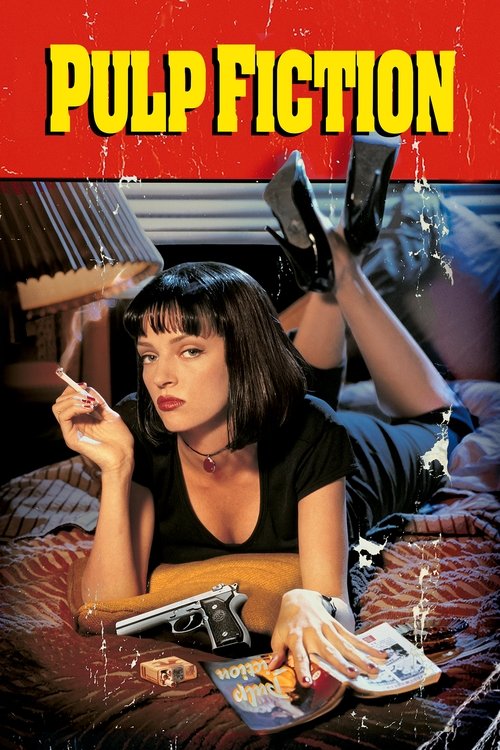
Costume (Jacqueline West, "Pulp Fiction") is notable from the sexy draping of the Abbe's robes to the buxom milkmaid look given to Madeleine.