
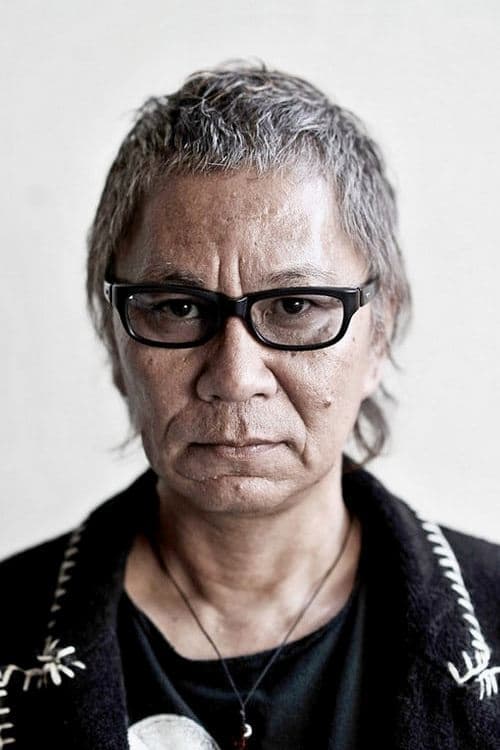
Takashi Miike
51 connections found




View:
Connections, in both directions



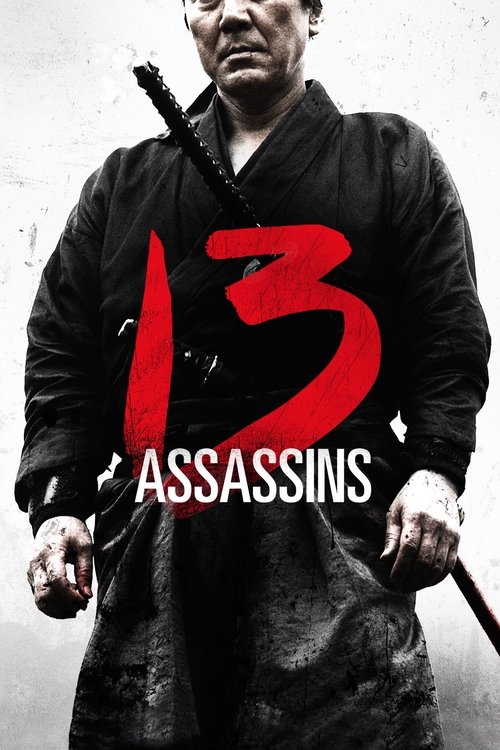
This film draws on so many precedents that I can only list a few: Unforgiven for the grim revenge tale with no limits set on that revenge; Seven Samurai for the story of assembling a motley crew in order to achieve a mission; Lone Wolf and Cub for the theme of the few battling the many and for the almost absurd excesses of the final battle; Ran for the attention to period feel and detail; Butch Cassidy and the Sundance Kid for the theme of people stuck in the ethos of a past era while the world has moved on; and any number of exploitation horror films (the Saw franchise, The Human Centipede) for the grotesque mutilations that are depicted in 13 Assassins.
Film buffs tend to forget, with the half century or more of hoopla surrounding “Seven Samurai” and “Yojimbo,” that samurai pictures were and remain the equivalent of Westerns in Japan — formula films with time-honored motifs, action beats and archetypes.
So it remained a question whether Miike’s over-the-top sensibility could connect with the very rigid forms of samurai cinema, set forth by classic films like “Seven Samurai.”
The plot has received its fair number of comparisons to Kurosawa Akira's legendary Seven Samurai , which I think tells us more about American film critics' relationship with Japanese cinema than it does about 13 Assassins, though I take it as read that Miike was not exempting Kurosawa from his catch-as-catch-can approach.
Those walking into “13 Assassins” expecting something sick and twisted, however, might be surprised to discover that it’s one of Miike’s most reserved films to date – a classic samurai tale that, while very similar to Akira Kurosawa’s “Seven Samurai” in spirit, is actually a remake of the 1963 film by Eiichi Kudo.
Much more consistent is 13 Assassins , a surprisingly classical epic in the Seven Samurai mode by Japanese bad boy Takashi Miike.
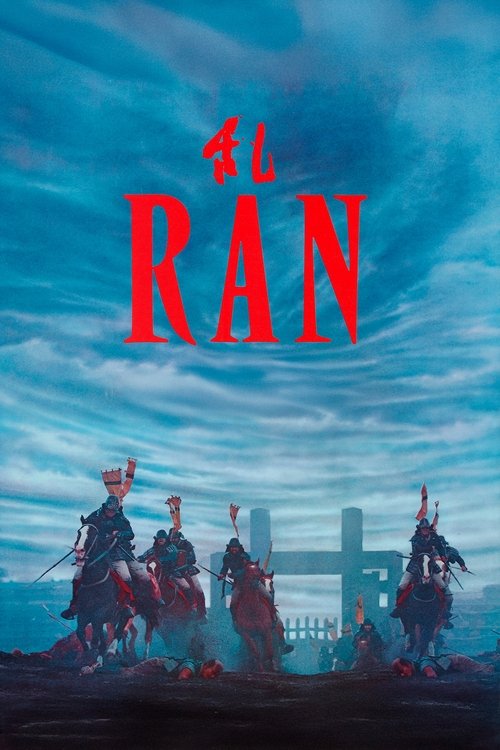
This film draws on so many precedents that I can only list a few: Unforgiven for the grim revenge tale with no limits set on that revenge; Seven Samurai for the story of assembling a motley crew in order to achieve a mission; Lone Wolf and Cub for the theme of the few battling the many and for the almost absurd excesses of the final battle; Ran for the attention to period feel and detail; Butch Cassidy and the Sundance Kid for the theme of people stuck in the ethos of a past era while the world has moved on; and any number of exploitation horror films (the Saw franchise, The Human Centipede) for the grotesque mutilations that are depicted in 13 Assassins.
As a long time fan of Jidaigeki {Edo period} samurai lore from Kurosawa {Throne of Blood (1957), Yojimbo (1961), Ran (1985)}, to Okamoto {Sword of Doom (1966), Kiru! (1968)}, and Misumi and Kitano�s tales of the blind masseur with samurai honour {The Tale of Zatoichi/Zatoichi (1962/2003)}, I was excited to see Miike try his hand at a serious samurai film.
The shadow of the mighty Japanese filmmaker Akira Kurosawa (Yojimbo, Ran) looms large over mini-epic 13 Assassins.
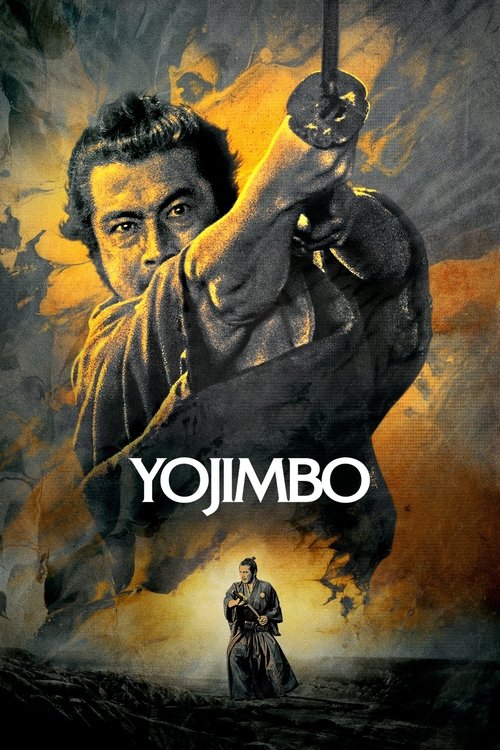
The shadow of the mighty Japanese filmmaker Akira Kurosawa (Yojimbo, Ran) looms large over mini-epic 13 Assassins.
It’s also a homage to the samurai genre, especially Seven Samurai , Yojimbo and Sanjuro; at the screening I saw on Sunday night fans whopped with delight whenever they recognised a gesture, a shot or a camera move from any of these classic Kurosawa movies!
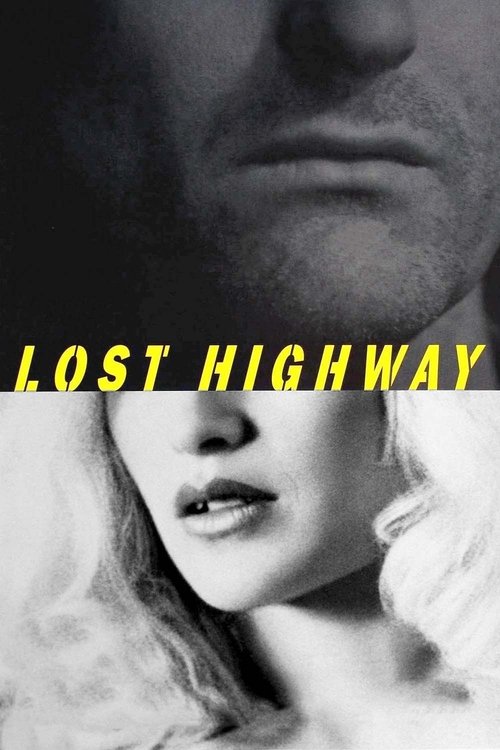
The insane, unholy marriage of "Lost Highway," "Jules and Jim," and his own "Audition," claws its way into the droning odyssey and climaxes in a scene of rebirth that would make David Lynch's head spin.
It helps to be tolerant of excess as the auteur does a pretty fair job at creating a Japanese David Lynch movie, borrowing liberally from the American maestro’s works, “U-Turn” and “Lost Highway.”
Partly inspired by Lynch's "Lost Highway" and "Mulholland Drive," "Gozu" trades Lynch's nightmare logic for exasperating incoherence.

But I wonder if it more closely resembles another end-of-an-era picture, Sam Peckinpahs The Wild Bunch.
So too did Sam Peckinpah’s “The Wild Bunch” and Spielberg’s “Saving Private Ryan.”
13 Assassins, Takashi Miike's costume-period retro-cross-cultural updating of Sam Peckinpah's The Wild Bunch (and more horizontal homage to obvious antecedents by countrymen Kurosawa, Kobayashi, and Chushingura), initially seems a surprise choice for someone who's made his name (80+ times in the last twenty years) with transgressive, flamboyantly outré Yakuza and horror pictures.
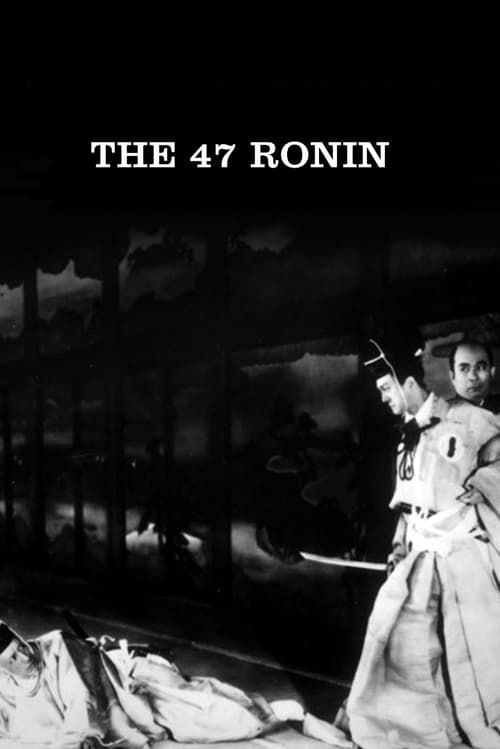
Visually and narratively, 13 Assassins reflects back to films at least as far apart in time and disparate in tone and theme as Mizoguchi Kenji's 1941 The 47 Ronin and Kobayashi Masaki's 1962 Harakiri (which Miike remade immediately following this film - redundantly, given how much Kobayashi influence there would appear to be in every inch of 13 Assassins).
Visually and narratively, 13 Assassins reflects back to films at least as far apart in time and disparate in tone and theme as Mizoguchi Kenji's 1941 The 47 Ronin and Kobayashi Masaki's 1962 Harakiri (which Miike remade immediately following this film - redundantly, given how much Kobayashi influence there would appear to be in every inch of 13 Assassins).
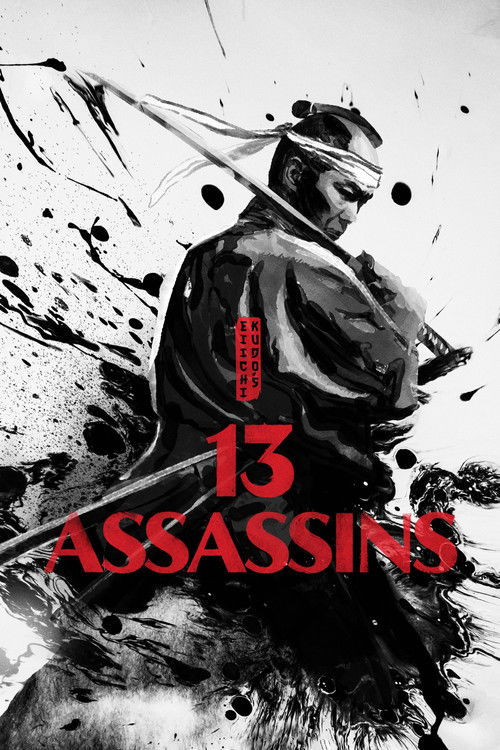
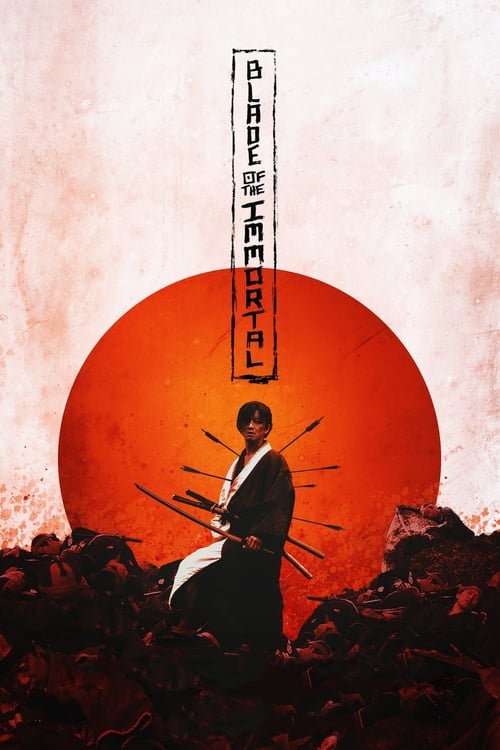
After the flop of Takashi Miike?s previous U.S. release, the jokey take-off Sukiyaki Western Django, this unpredictable non-schooled Japanese filmmaker flies even further from his usual corrupt present-day setting with 13 Assassins/Jûsan-nin no shikaku, which goes back to the mid-nineteenth century end of the Tokugawa Edo period.
The film serves up a remake of Eichi Kudo’s 1963 black-and-white movie, "Jûsan-nin no shikaku."
Ostensibly a remake of Eiichi Kudo's 1963 film Jûsan-nin no shikaku, Miike's version takes us to the year 1844, in which the chaotic, incessant warfare of Japan's feudal era has long since given way to the uneasy central control and iron-fisted cruelties of the Tokugawa Shogunate.
After the world premiere of 13 Assassins (Jûsan-nin no shikaku) in competition, critics hitherto hostile to the work of the prolific Japanese director Miike Takashi suddenly started to rave about the Kurosawa-like classicism of his new sword-fighting spectacular.
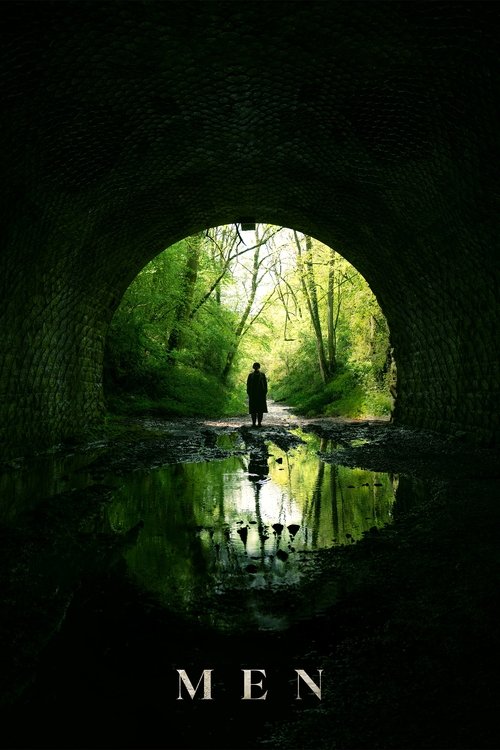
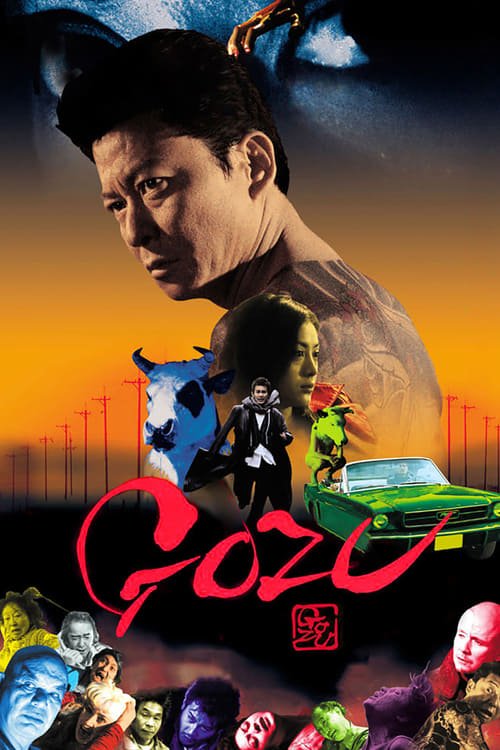
Garland’s trademark opacity as writer-director is at its peak in Men , but the back half certainly delivers on visceral body horror – one sequence simultaneously evokes both Takashi Miike’s Gozu and Neil Jordan’s The Company of Wolves .
Takashi Miike got there first with his gonzo “Gozu,” wherein a woman gave birth to a full-size yakuza, but Garland escalates the freak factor in a major way.
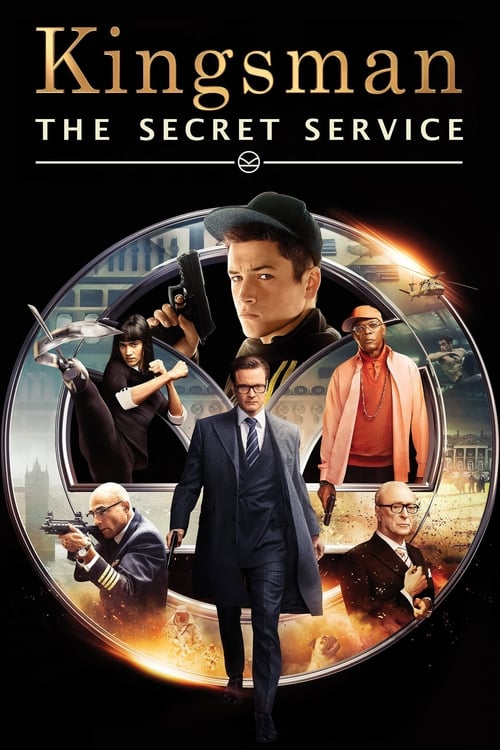
Kingsman: The Secret Service (2015)
Directed by Matthew Vaughn
influenced by Ichi the Killer (2001)
Visuals
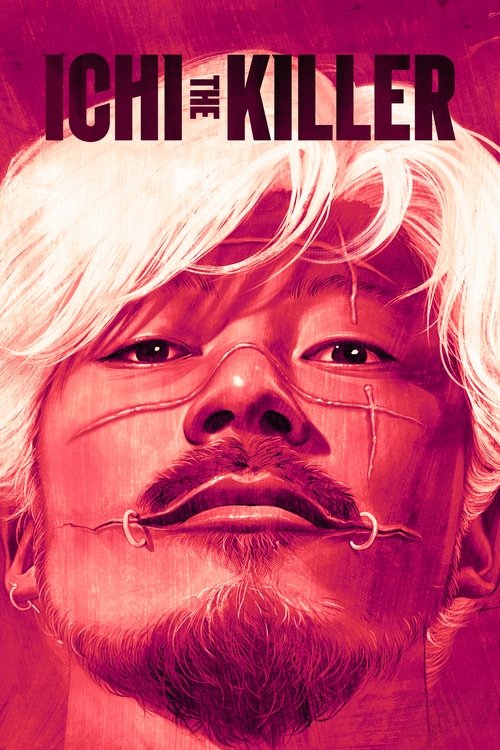
The opening sequence (which actually quotes a Miike film, "Ichi, the Killer") is a doozy.
Sofia Boutella walks on weaponized prosthetics capable of slicing a man in twain, à la Ichi the Killer.
That slaying comes courtesy of billionaire business mogul Valentine (played by Samuel L Jackson) and his henchwoman, Gazelle (Sofia Boutella), who does things with her bionic legs that wouldn’t look out of place in Ichi the Killer .
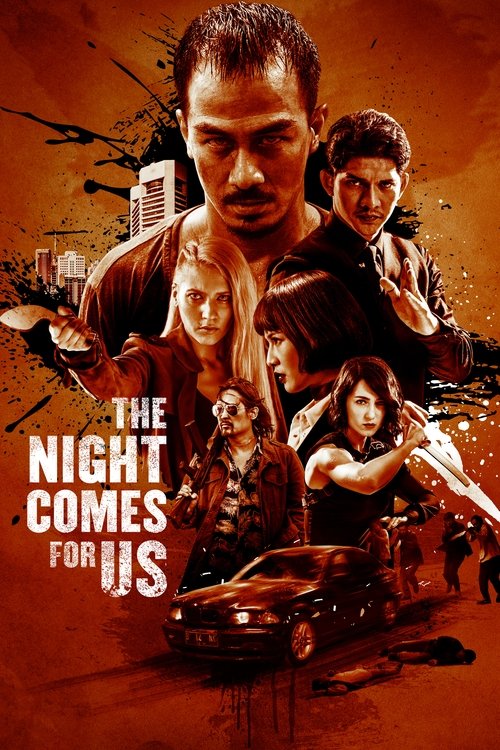
There’s nary a breather between set-pieces, and an eye-popping number of sly references to the genre’s forebearers (at one moment, a slash-and-dash nod to Takashi Miike’s Ichi the Killer; at another, a very small call-back to the mace Gogo Yubari wields in Quentin Tarantino’s Kill Bill, itself inspired by Jimmy Wang Yu’s Master of the Flying Guillotine).
Butch Cassidy and the Sundance Kid (1969)
Directed by George Roy Hill
influenced 13 Assassins (2010)
Themes
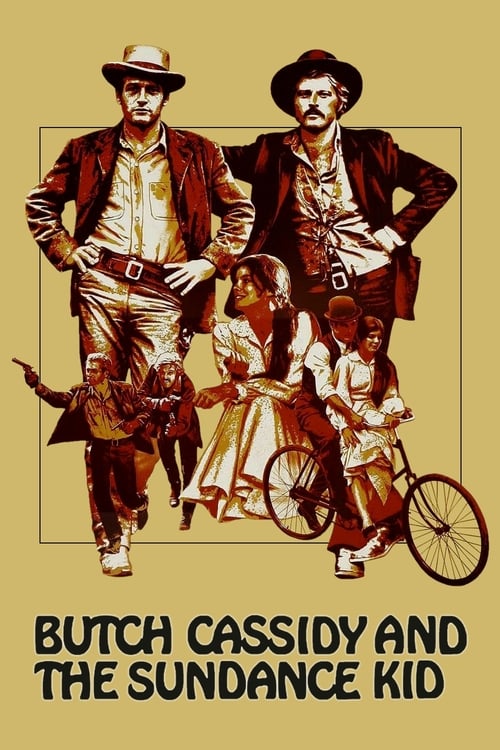
This film draws on so many precedents that I can only list a few: Unforgiven for the grim revenge tale with no limits set on that revenge; Seven Samurai for the story of assembling a motley crew in order to achieve a mission; Lone Wolf and Cub for the theme of the few battling the many and for the almost absurd excesses of the final battle; Ran for the attention to period feel and detail; Butch Cassidy and the Sundance Kid for the theme of people stuck in the ethos of a past era while the world has moved on; and any number of exploitation horror films (the Saw franchise, The Human Centipede) for the grotesque mutilations that are depicted in 13 Assassins.
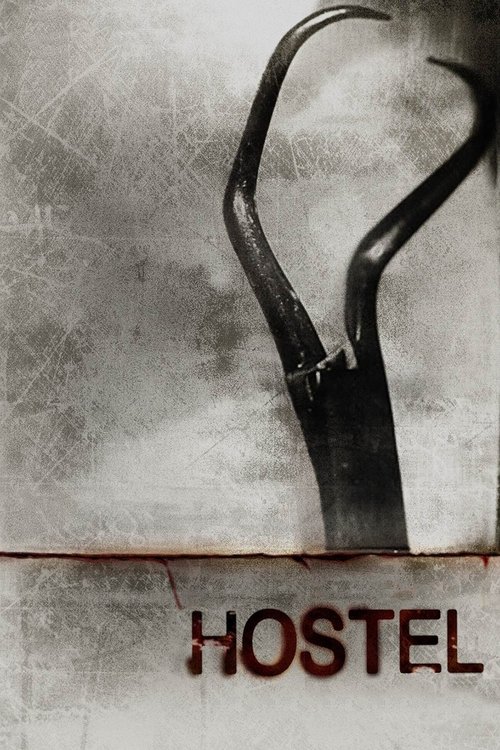
That’s Asian Extreme master Takashi Miike (”Audition,” ”Ichi the Killer”) as the dashing-looking Asian ”client” and talented American character actor Rick Hoffman as the psycho version of an Enron executive, if that isn’t redundant.
Acknowledging his Eastern god, Roth also tosses in a cameo from the ice-cool Japanese director Takashi Miike, whose psychotic ''Audition" (1999) is a deserved cult treasure.
It takes a turn toward the unapologetically violent, as mean and visceral as the limb-chopping finale of Audition (Takashi Miike has a memorable cameo as a persona of evil in Hostel) or the gory, Greek tragedy tongue slicing in Oldboy .
Look for lots of asides and insider nods — homage to The Wicker Man as The Sneaker Pimps cover of Britt Eckland’s “How Do?” plays; Audition director Takashi Miike cameos as a bloodthirsty businessman; Paxton and Josh chase a coat-clad character ala Don’t Look Now, and so on — but watch for what’s all Roth, too.
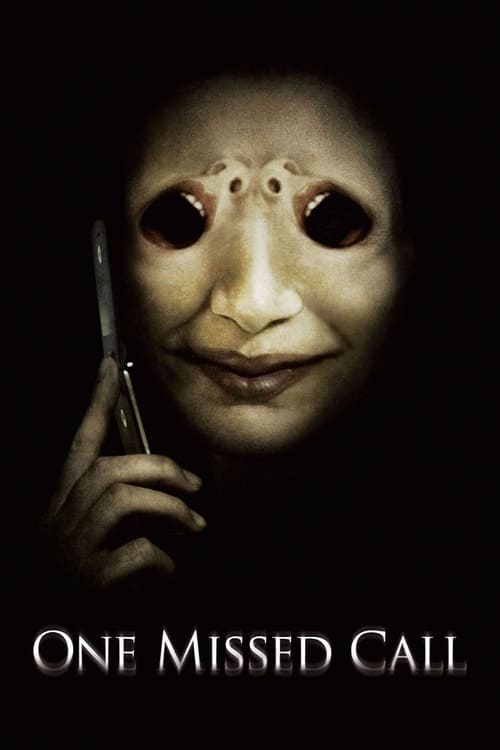
It may have been a mistake to hire a Frenchman to remake a movie by the Japanese mad genius Takashi Miike ( Audition , Ichi the Killer ), but while director Eric Valette fails to do anything with the derivative plot (borrowed shamelessly from "Ringu," "Ju-On" and other Japanese classics) or the interesting cast, he manages an unusual, appealingly quiet tone.
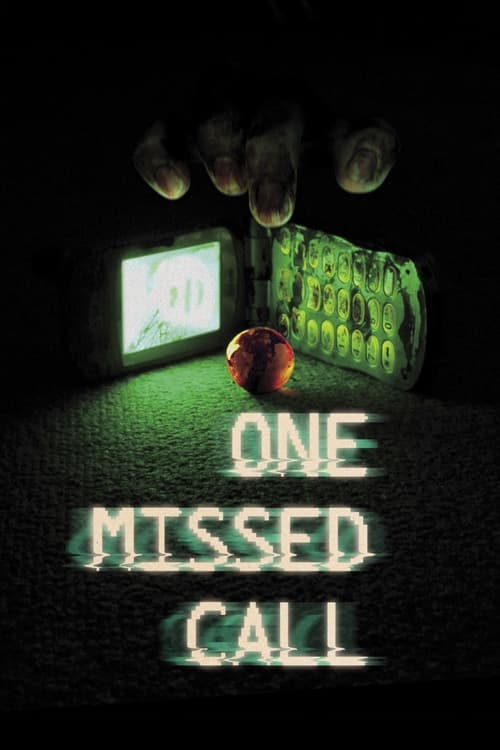
"One Missed Call" is the latest, based on a 2003 thriller called "Chakushin ari" that was directed by Japan's most twisted and brutal filmmaker, Takashi Miike ("Audition," "Ichi the Killer").

Calling up Kurosawa and Masaki Kobayashi and their cowboy-genre disciples Leone, Sturges, Pekenpagh and Aldrich, Miike?s new theatrical release is writer Daisuke Tengan?s reworking of a Kaneo Ikegami script for Eiichi Kudo?s 1963 same original title rendered in English as Samurai Assassins (not to be confused with Samurai Assassin, the 1965 Kihachi Okamoto vehicle for Toshiro Mifune).
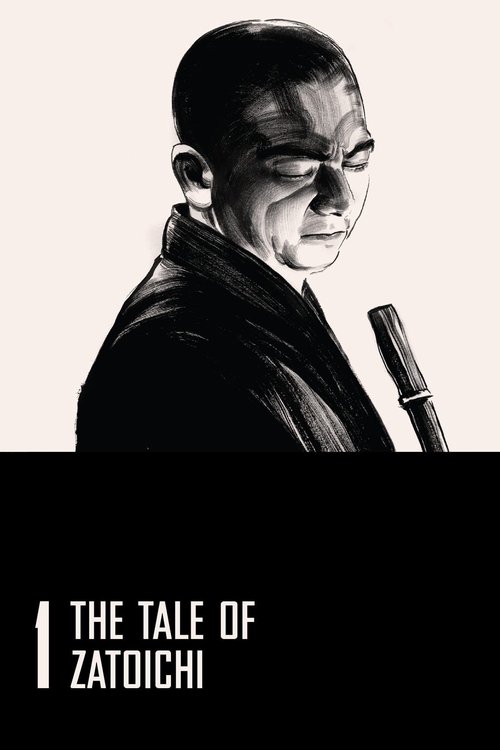
As a long time fan of Jidaigeki {Edo period} samurai lore from Kurosawa {Throne of Blood (1957), Yojimbo (1961), Ran (1985)}, to Okamoto {Sword of Doom (1966), Kiru! (1968)}, and Misumi and Kitano�s tales of the blind masseur with samurai honour {The Tale of Zatoichi/Zatoichi (1962/2003)}, I was excited to see Miike try his hand at a serious samurai film.
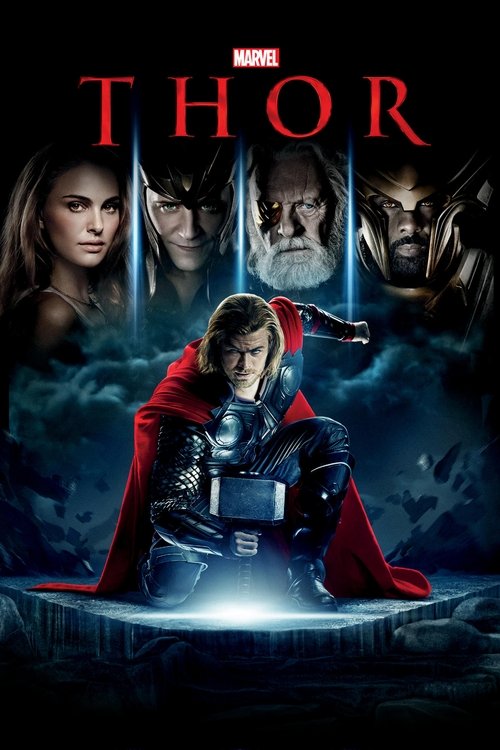
When Thor, accompanied by his magician brother Loki (Alan Cumming lookalike Tom Hiddleston, HBO's 'The Gathering Storm') and his loyal warriors Volstagg (Ray Stevenson, "The Other Guys"), Hogun (Tadanobu Asano, "Ichi the Killer," "Café Lumière"), Fandral (Josh Dallas, "The Descent: Part 2") and the female Sif (Jaimie Alexander), arrives in Jotunheim, we're reminded of rocky outcrops of 'Star Trek' - the television series - until the immense King Laufey (Colm Feore, "Changeling") and his frost giants begin battle.
Thor also has four knightly sidekicks who are plotting to return him to Asgard, including the Falstaffian Volstagg (Ray Stevenson), the Robin Hoodish Fandral (Josh Dallas), the Amazonian Sif (Jaimie Alexander), and Hogun (Tadanobu Asano of the 2001 cult classic “Ichi the Killer’’), a samurai who appears to have taken a left turn at the Tokugawa Shogunate.
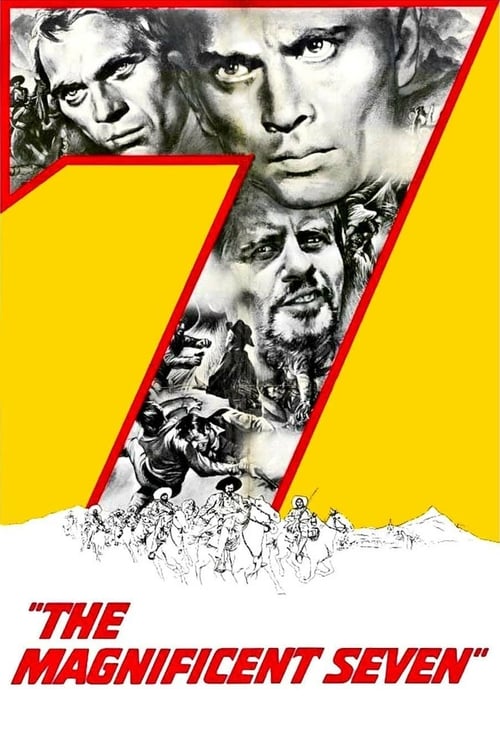
Once fortified in a montage reminiscent of “The Seven Samurai” and its Western variant, “The Magnificent Seven,” this “town of death” becomes the site of an amazing 40-minute pitched battle that utilizes sword, arrow, spear, explosive, slingshot and ‒ here’s a new one ‒ burning bull.
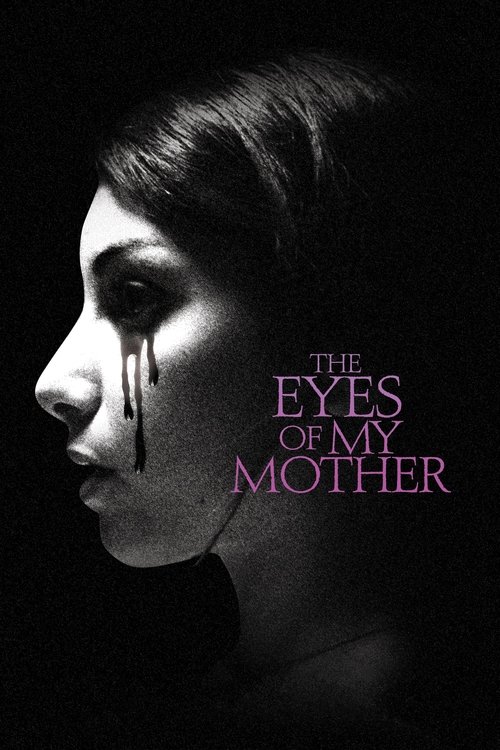
In fact, there's something about Francisca that's oddly reminiscent of Eihi Shiina's Asami from the 1999 Japanese horror movie Audition.
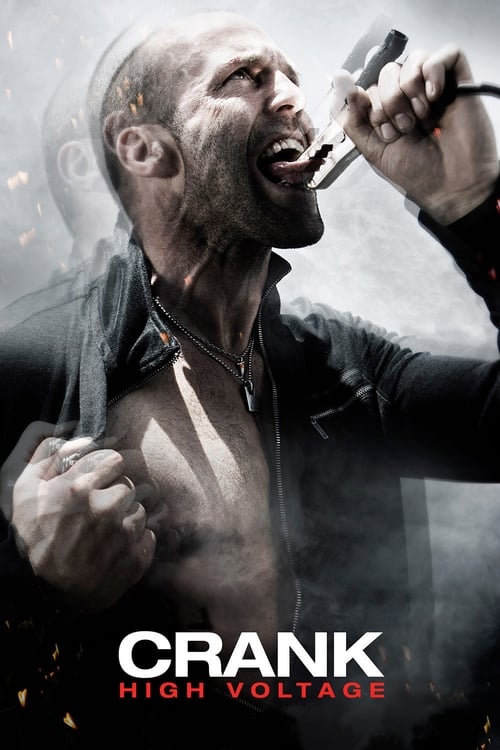
Co-directors Neveldine and Taylor, who don't go by their first names anymore, were not only clearly inspired by crazed Japanese auteur Takashi Miike (Ichi the Killer, Audition), but they may have even outdone him in many respects.