

Sukiyaki Western Django (2007)
Directed by Takashi Miike
A nameless gunfighter arrives in a town ripped apart by rival gangs and, though courted by both to join, chooses his own path.
2 connections found
View:
2 connections, in both directions
What critics compared Sukiyaki Western Django to
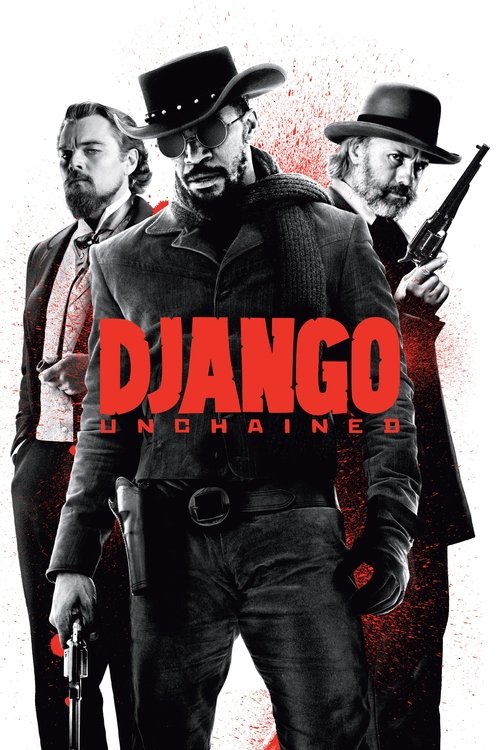


He also did a lusty acting turn in Takashi Miike’s nutsy 2007 Japanese tribute Sukiyaki Western Django.
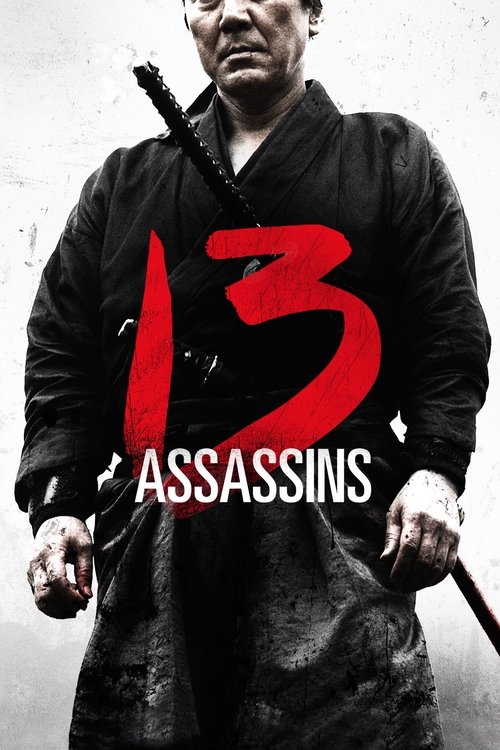
After the flop of Takashi Miikes previous U.S. release, the jokey take-off Sukiyaki Western Django, this unpredictable non-schooled Japanese filmmaker flies even further from his usual corrupt present-day setting with 13 Assassins/Jûsan-nin no shikaku, which goes back to the mid-nineteenth century end of the Tokugawa Edo period.
But Miike hinted at this exact marriage of a specific Spaghetti Western tradition and the Samurai flicks that were its inspiration with his arch Sukiyaki Western Django--choosing this time around to present the material "straighter," allowing his cast the language and trappings of late-Feudal Japan.
In his wide-ranging filmography — more than eighty titles since 1991, when he began as a maker of "V-Cinema" direct-to-video features — are numerous yakuza actioners, horror films (including his 1999 international breakout, Audition), teenage crime programmers, youth-market fantasies, cross-cultural dramas, anime adaptations, musical comedies, at least one nouveau western (Sukiyaki Western Django), and even the relatively arty adaptation of a stage play, Demon Pond; all of them inflected with Miike's studiously perverse point of view and his exquisite sense of timing.
SYDNEY FILM FESTIVAL: Beautiful, very, very bloody and even, surprisingly perhaps, laugh out loud funny, 13 Assassins, from notorious and prolific Japanese director Takeshi Miike (Sukiyaki Western Django, 2001, Ichi the Killer, 2006), is an outstanding film on just about every level.
Com mais de 40 longas lançados nos últimos 17 anos, o diretor mantém uma média superior a dois filmes por ano – e embora tenha realizado obras fantásticas como Ichi the Killer, infelizmente a qualidade de seus projetos sofre diante da quantidade, rendendo bombas como Ninja Kids! ou esforços apenas medianos como Sukiyaki Western Django .