
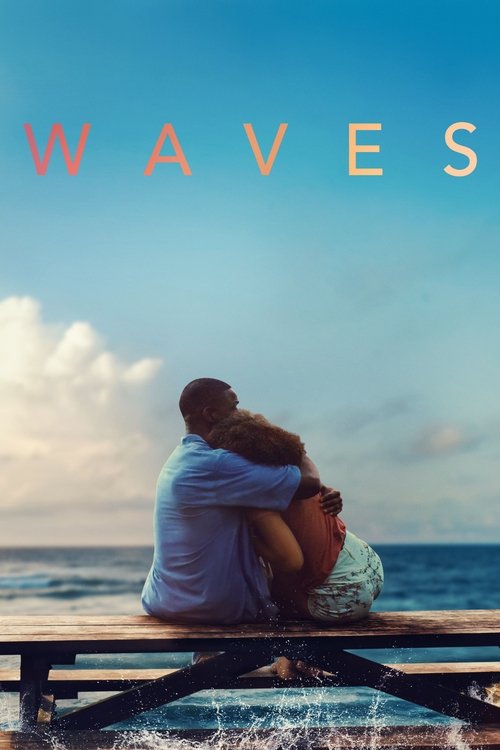
Waves (2019)
Directed by Trey Edward Shults
A controlling father’s attempts to ensure that his two children succeed in high school backfire after his son experiences a career-ending sports injury. Their familial bonds are eventually placed under severe strain by an unexpected tragedy.
23 connections found
View:
23 films that influenced Waves
What critics say influenced Waves
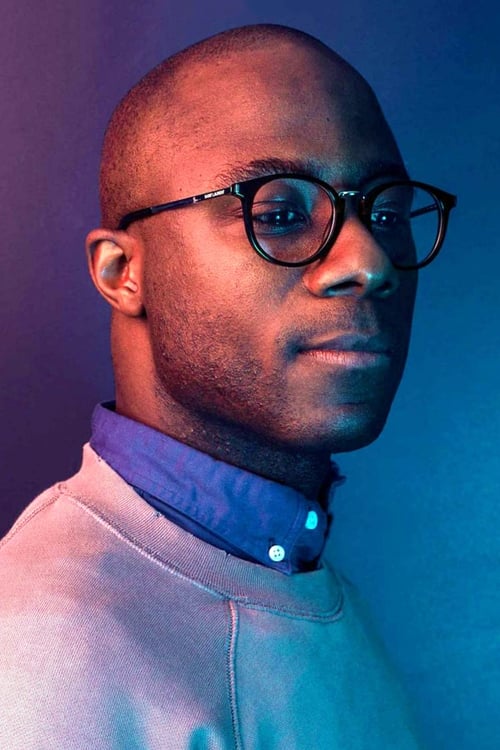



Shults ( Krisha , It Comes At Night ) front-loads his story with so much feverish plotting and kinetic camerawork that that reach sometimes threatens to subsume it; it’s hard not be reminded of recent (and more fully realized) indie touchstones like Andrea Arnold’s American Honey , another film that soaked itself in the visual and musical language of contemporary youth culture, or Barry Jenkins’ Moonlight , whose Florida setting held a sort of dreamlike sway over nearly every scene.
There are shades of Moonlight (2016) and American Honey (2016) throughout: Shults grasps for a feeling of reckless abandon and “head dangling out the window of a speeding car” joyfulness, but struggles to replicate any of their mutual depth.
Set in South Florida — not so far from the microcosm Barry Jenkins illuminated in “Moonlight,” though a world apart in terms of social class and opportunity — “Waves” bends and surprises, radiates and engulfs, in a dizzying and ecstatic attempt to capture the love and pain and pressure visited upon a contemporary American family — an African American family, to be precise.
From the surface, Waves is another familial tale of tragedy and heartache, with the initial hallmarks and visual palette of a Barry Jenkin’s film, but Waves isn’t trying to be a mere imitation of Moonlight .
Like Barry Jenkins’ Moonlight from 2016, Waves is an accomplishment that belies the filmmaker’s relative inexperience; with just a few films to his name to date, this latest arrives as a declaration of vision, both cinematically and narratively.
Here, he’s doing it to capture the woozy feel of Tyler’s teenage hormones, and the result reminds you of Barry Jenkins’ Moonlight and If Beale Street Could Talk in its rapturous depiction of black life, and the ways in which adolescent emotions can lead to disaster.
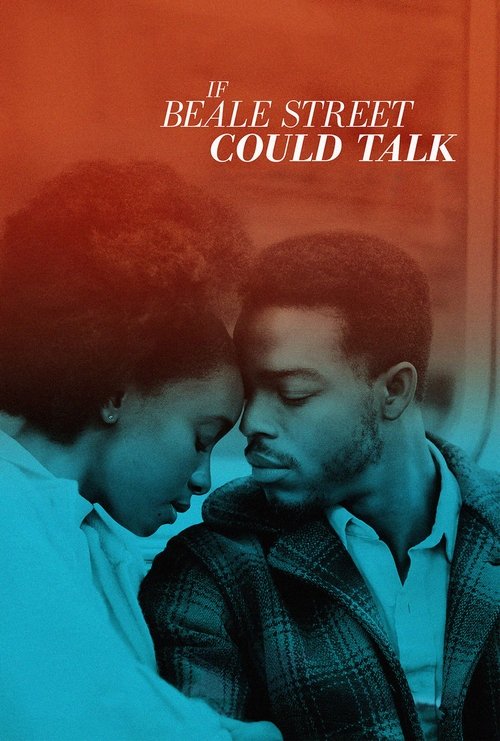
Here, he’s doing it to capture the woozy feel of Tyler’s teenage hormones, and the result reminds you of Barry Jenkins’ Moonlight and If Beale Street Could Talk in its rapturous depiction of black life, and the ways in which adolescent emotions can lead to disaster.
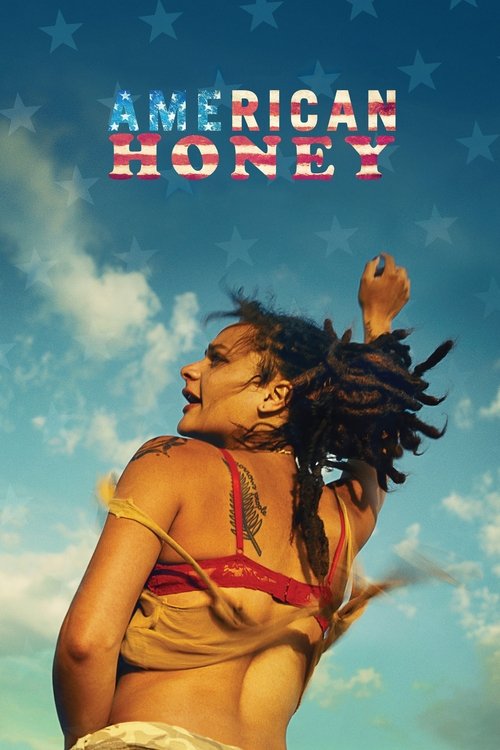
Shults ( Krisha , It Comes At Night ) front-loads his story with so much feverish plotting and kinetic camerawork that that reach sometimes threatens to subsume it; it’s hard not be reminded of recent (and more fully realized) indie touchstones like Andrea Arnold’s American Honey , another film that soaked itself in the visual and musical language of contemporary youth culture, or Barry Jenkins’ Moonlight , whose Florida setting held a sort of dreamlike sway over nearly every scene.
There are shades of Moonlight (2016) and American Honey (2016) throughout: Shults grasps for a feeling of reckless abandon and “head dangling out the window of a speeding car” joyfulness, but struggles to replicate any of their mutual depth.
With remnants of Moonlight, Luce, and American Honey sprinkled throughout, Trey Edward Shults pays tribute to great independent films and filmmakers while also bringing to life an unforgettable story of his own that will leave a long-lasting impact on anyone who sees it.
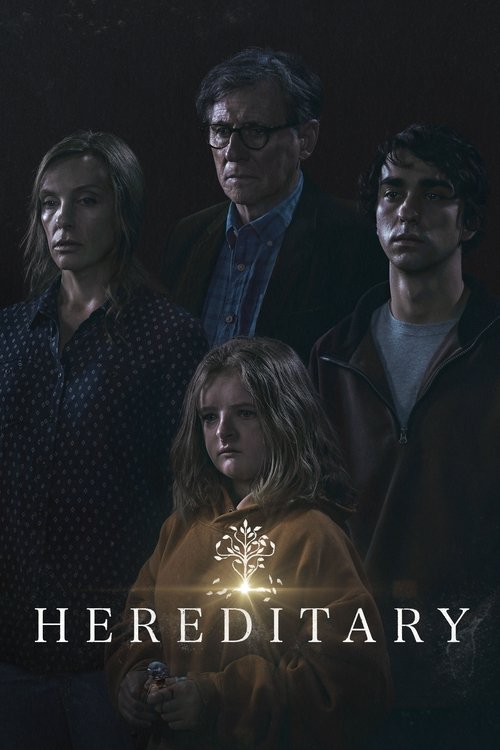
It’s both joyful and nerve racking, Tyler’s distracted driving combined with limbs exposed outside his car projecting a “Hereditary” vibe.
As with his contemporaries Robert Eggers ("The Witch," "The Lighthouse") and Ari Aster ("Hereditary," "Midsommar"), he is one of a new generation of filmmakers that is showing great care in crafting his films.
A24 Films, the production company most notable for churning out hits like Lady Bird , Moonlight , Eighth Grade , and Hereditary , brings us the film Waves — starring Sterling K. Brown, Renee Elise Goldsberry, Kelvin Harrison Jr., Lucas Hedges, and Taylor Russell.
Waves is oddly closest to Hereditary in how a sense of dread manifests from within the family.
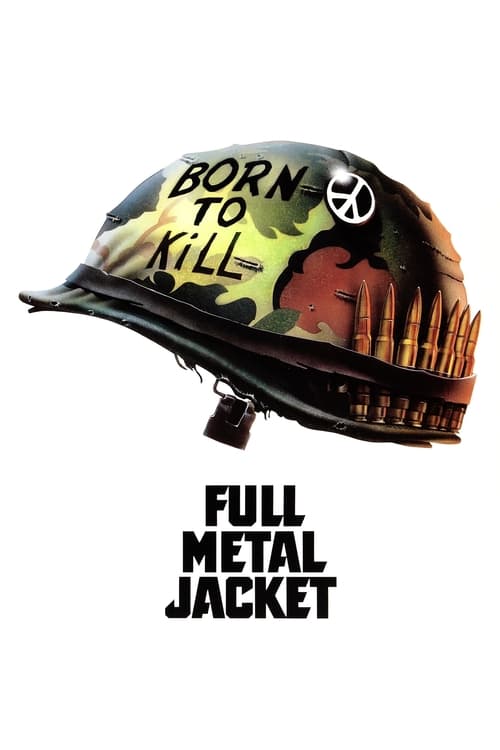
He attends a Full Metal Jacket -worthy high-school wrestling practice that feels like a militaristic gladiator training camp, with young men being primed for assault.
Then, once it makes its big mid-film fracture, not unlike the radical shifts in narrative perspective seen in films like “Psycho” or “Full Metal Jacket,” the film dials virtually all of its stylistic excesses back to zero for a more naturalistic approach closer in tone to something from the likes of Terrence Malick or the more lyrical works of David Gordon Green.
His wrestling coach addresses his students like R. Lee Ermey from Full Metal Jacket (1987) and Ronald pushes him towards hyper-masculine perfectionism.
Advertisement
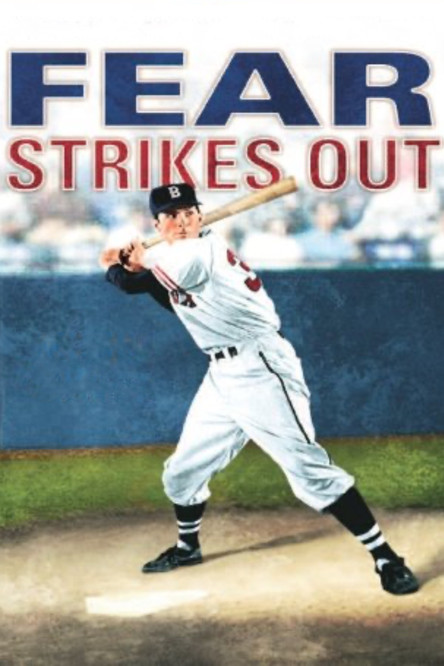
With his mandatory father-son weightlifting sessions and refusal to brook the slightest rebellion, Ronald is a sports-dad nightmare up there with Karl Malden in “Fear Strikes Out,” but part of the tragedy is that we understand him.
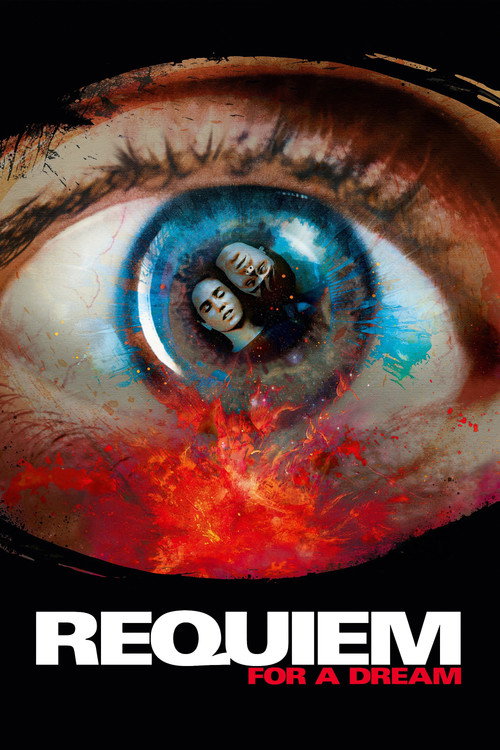
There are shades of Requiem For A Dream in some moments, where everything that can go wrong does go wrong to an almost absurdly overwrought degree.
There are moments in this ambitious film that evoke the wrenching dread of Aronofsky's addiction horror Requiem for a Dream, as it seems things can't get worse, and then they do.

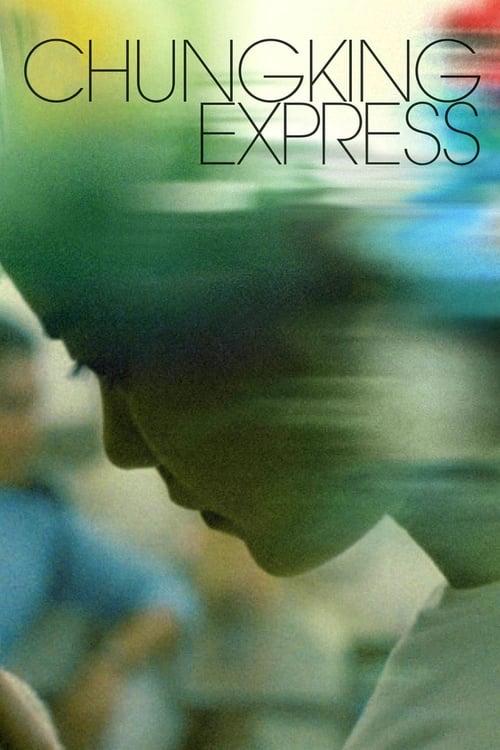
Midway through “Waves,” Shults elbows Tyler aside to refocus on his sister — a shift as radical as what follows the shower scene in “Psycho,” and for which he was inspired by the bifurcated structure of Wong Kar-wai’s “Chungking Express.”
“I remember seeing Chungking Express .

Shults bears stylistic echoes to the films of Barry Jenkins (“Moonlight”) and Hong Kong’s Wong Kar-wai (“In the Mood for Love”) but has come up with something that is totally his own.
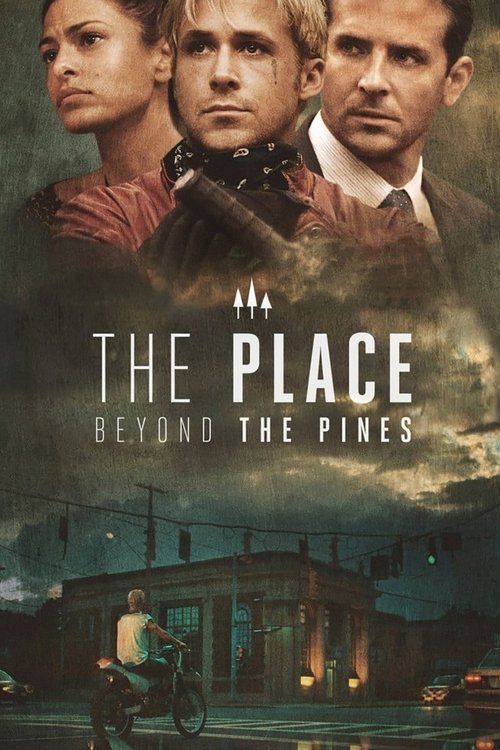
If you saw “The Place Beyond the Pines,” you may remember the way that excellent picture embarked on a new story path when most films wouldn’t dare a such a thing.
Minus Russell’s complicated yet uplifting work as Emily, the film would still be a knockout coming-of-age story, but with her damaged optimism, razor-sharp edits that echo Terrence Malick’s best work, and a structure that recalls The Place Beyond the Pines , Waves organically builds to gigantic moments, bolstered by powerful mini-explosions along the way.
Advertisement
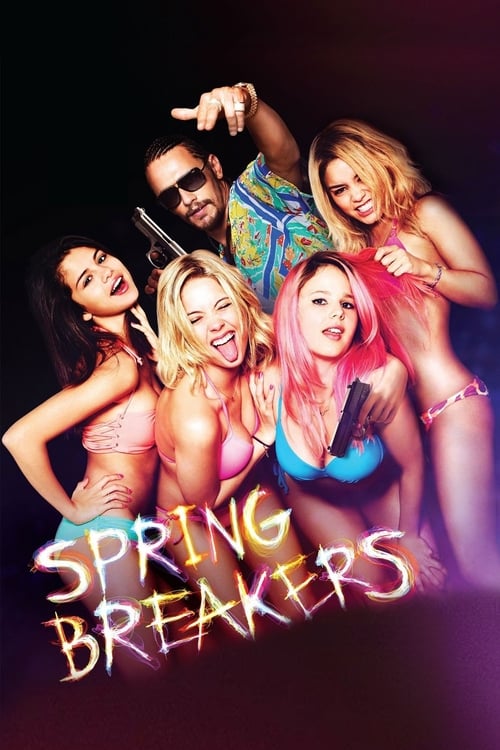
It's like he watched Harmony Korine's Spring Breakers several thousand times to prepare for making a family melodrama.
The first half shares some of the sexed-up, Florida-humid flamboyance that production designer Elliott Hostetter helped bring to Spring Breakers (whose director, Harmony Korine, cameos here).
He’s borrowed Harmony Korine’s production designer from “Spring Breakers” and put Trent Reznor and Atticus Ross in charge of the score.
Waves will likely be overlooked this year as the most recent film in the A24 “Florida Series,” including the experimental and pretty films Moonlight , Spring Breakers , and The Florida Project .
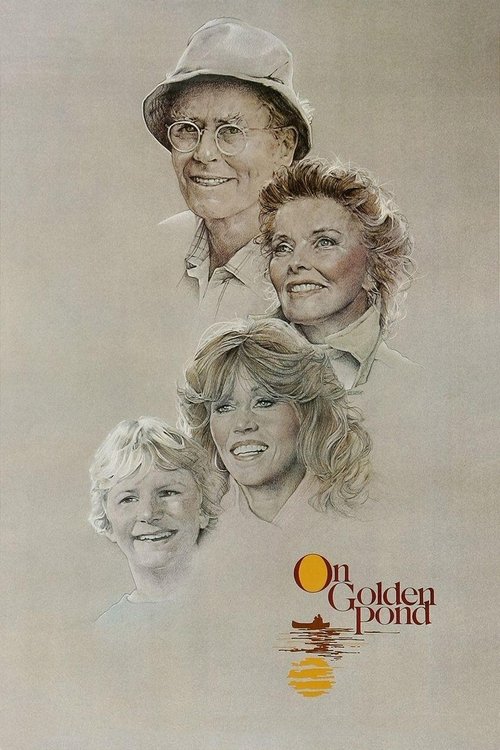
Podemos después venir hasta On Golden Pond (EUA, 1981) en la que Mark Rydell basado en la obra de teatro de Ernest Thompson juega y manipula las reconciliaciones familiares a través de situaciones casi improbables: el optimismo hacia el futuro, la creencia en la reconciliación insospechada.