
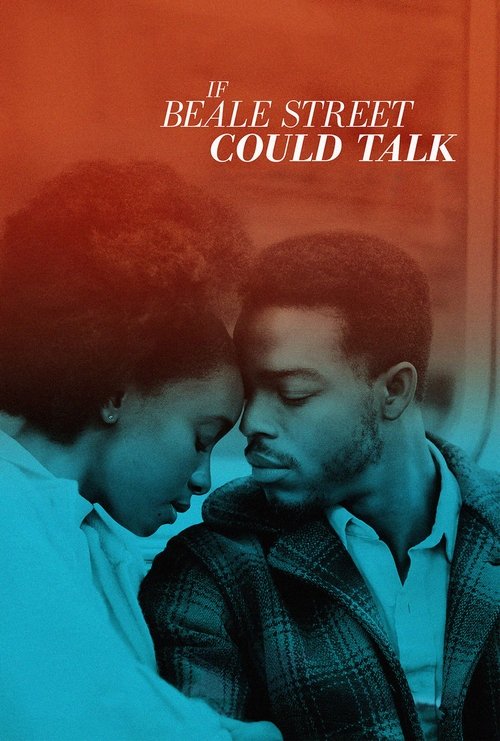
If Beale Street Could Talk (2018)
Directed by Barry Jenkins
After her fiance is falsely imprisoned, a pregnant African-American woman sets out to clear his name and prove his innocence.
5 connections found
View:
5 films that influenced If Beale Street Could Talk
What critics say influenced If Beale Street Could Talk



In those early scenes, Jenkins uses his filmmaking skills much as he did in the Oscar-winning “Moonlight” (2016), with James Laxton’s honeyed, luminescent cinematography and Nicholas Britell’s almost painfully beautiful score establishing a hyperreal sense of experience — of life lived absolutely in the present tense.
Two years ago he made the Oscar-winning “Moonlight,” his masterful portrait of a young black man from Miami wrestling with his sexuality as well as a childhood scarred by poverty and neglect.
It wasn’t that Jenkins won an Oscar for co-writing Best Picture Moonlight—that hadn’t happened yet.
Oscar-winning “Moonlight” writer-director Barry Jenkins follows a beguiling young black couple on a tender, lyrical and tragic journey in “If Beale Street Could Talk,” his vibrant adaptation of James Baldwin’s novel.
When I interviewed writer/director Barry Jenkins about “Moonlight,” we talked about the movie’s haunting score, composed by Nicholas Britell.
Director Barry Jenkins follows up Moonlight with an adaptation of James Baldwin's If Beale Street Could Talk, and as good as that Best Picture winner was, this one might be even better.

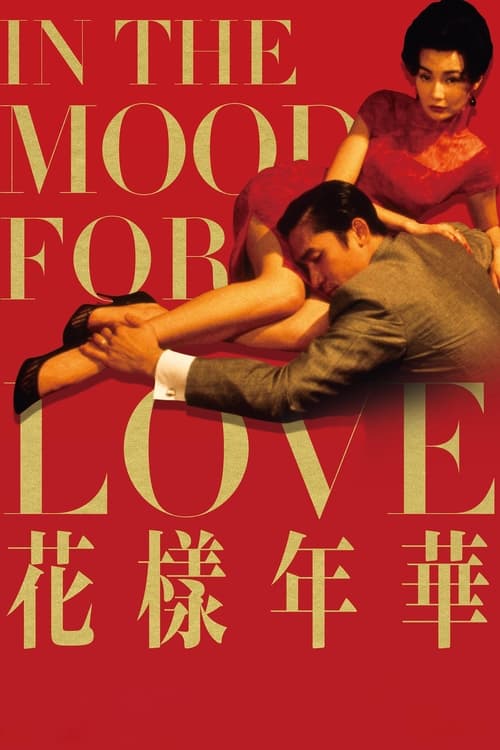
It also evokes the styles of other world filmmakers whom Jenkins has acknowledged as his influences, including Claire Denis, Hou Hsiao-hsien and especially Wong Kar-wai, the Hong Kong auteur best known for his romantic melodrama “In the Mood for Love.”
It’s a film of intimacy, with its truly extraordinary performances allowed by Jenkins to breathe, but also a film of grandeur, a lushly cinematic romance under a sociopolitical cloud (Jenkins took inspiration from Wong Kar-Wai’s similarly lush In the Mood for Love).
Jenkins has cited Hong Kong filmmaking legend Wong Kar-wai as a major influence, and Wong's sumptuous, colorful romances like In the Mood for Love and Chungking Express clearly shaped the way that Jenkins interprets Baldwin's book.
Much like Moonlight , and its direct inspiration In the Mood for Love , Jenkins uses the diner as love’s breading ground (a diner where Fonny’s friend, played Diego Luna works).
As in something like In The Mood For Love , the period details almost fade into the background, the film evoking a nostalgic mood without overdoing it on the popular music.
Jenkins has not hidden his adoration of Wong Kar-wai, and it’s hard not to feel that Beale Street is his In the Mood for Love : a masterful period romance told in lush colors (here mostly ’70s-appropriate mustard and jade) and dancing curlicues of cigarette smoke, a love language rooted in meaningful looks and wordless understandings, and with an extraordinary strings-based score (by Nicholas Britell) that conveys the couple’s tragic yearning and inner earthquakes.
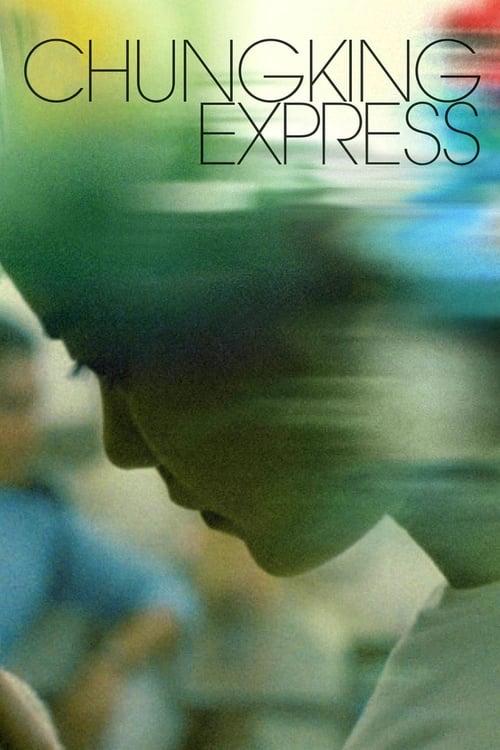
Jenkins has cited Hong Kong filmmaking legend Wong Kar-wai as a major influence, and Wong's sumptuous, colorful romances like In the Mood for Love and Chungking Express clearly shaped the way that Jenkins interprets Baldwin's book.
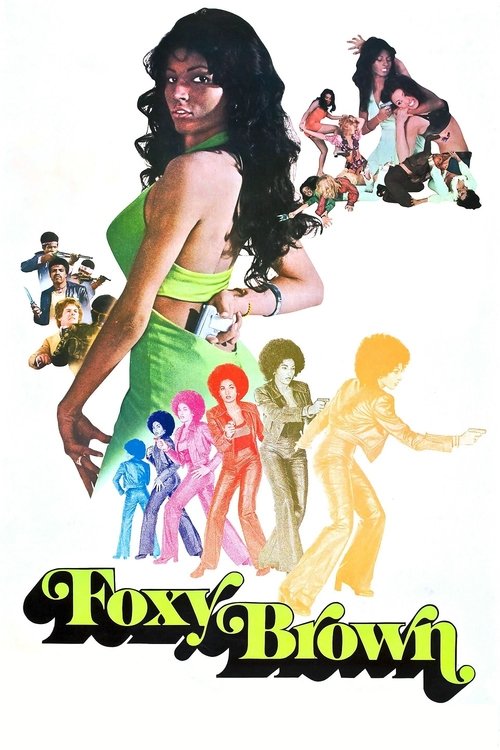
Still, in other aspects, the film’s style serves to heighten the experience, particularly in the nonlinear way the narrative unfolds, flowing naturally back and forth between their present struggle — including a fantastic sequence when King, all but channeling “Foxy Brown,” flies to Puerto Rico to confront Fonny’s accuser — and defining moments before his arrest.
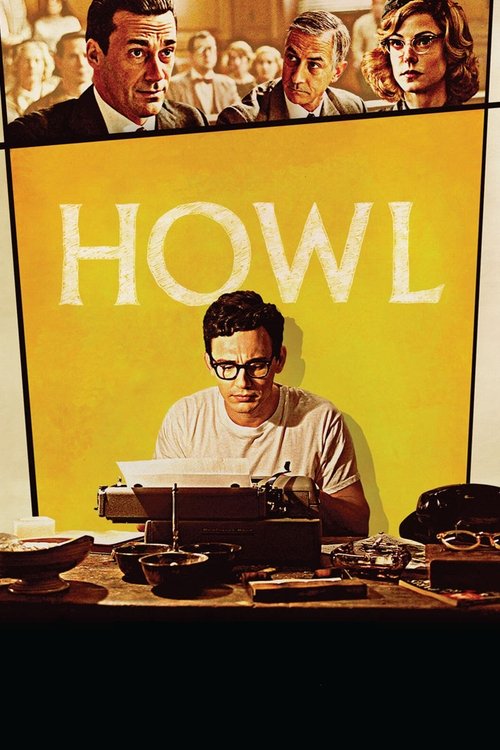
In deciding how to translate Baldwin’s prose to the screen, Jenkins has done the equivalent of turn Allen Ginsberg’s “Howl” into a Douglas Sirk movie (or put Alice Walker’s’ “The Color Purple” through the Steven Spielberg filter).