
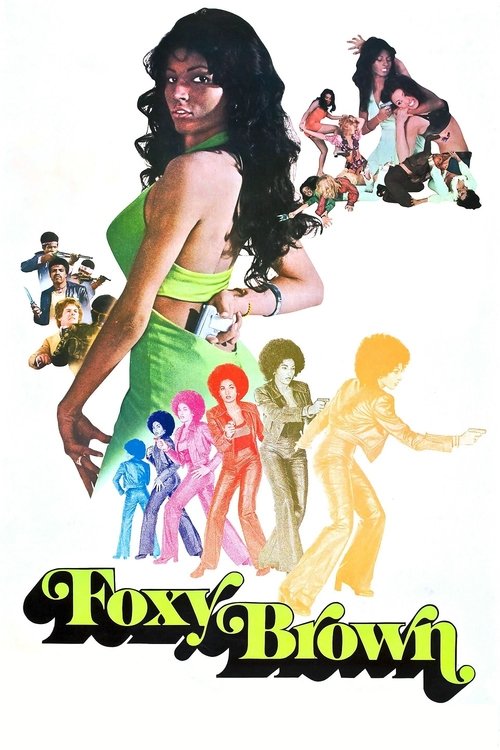
Foxy Brown (1974)
Directed by Jack Hill
A voluptuous black woman takes a job as a high-class prostitute in order to get revenge on the mobsters who murdered her boyfriend.
16 connections found
View:
16 connections, in both directions
What critics compared Foxy Brown to



Instead, we are simply teleported on the other side, with a few historical footage reminders to help us along and a sequence of clips from Foxy Brown to confirm Alice coming into her own.
In the span of just two days, Alice transforms from meek and confused to a sartorial and emotional simulacra of Foxy Brown-era Pam Grier.
That quote definitely begins with M. Night Shyamalan’s The Village and segues into something like 1999’s Blast From the Past before ending with, say Foxy Brown (Coffy would be a little too on the nose).
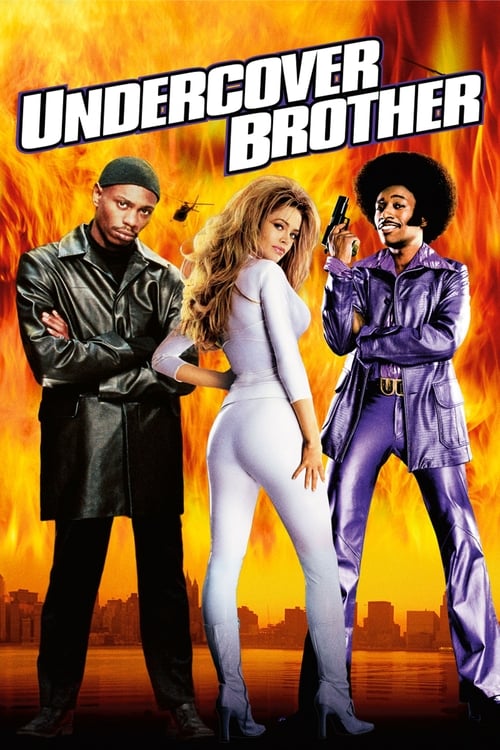
It houses its smarts in a vehicle that borrows scenes and style from movies as diverse as Billy Dee's own Hit, Jack Hill's Coffy and Foxy Brown, Shaft (of course), Bare Knuckles, and Jim Kelly's kung fu sagas--especially Black Belt Jones and Enter the Dragon, from which a Kelly sequence appears on a television set at one point in Undercover Brother.
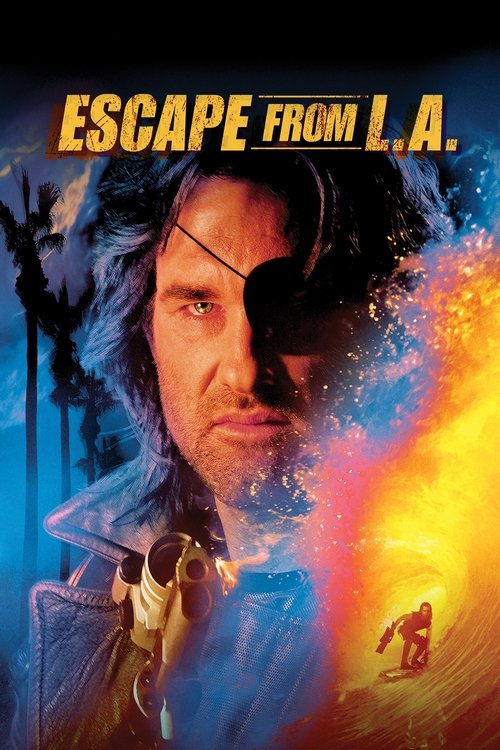
Among the movie's ridiculous, delightful highlights we get: Kurt Russell as Snake Plissken surfing on a tsunami with Peter Fonda, a basketball game to the death, a computer generated shark, Pam Grier (Foxy Brown) hang-gliding and dropping bombs on the bad guys, Bruce Campbell (Evil Dead 2) as a demented plastic surgeon and Steve Buscemi weaseling around and getting paid so he can make five more independent films for scale.
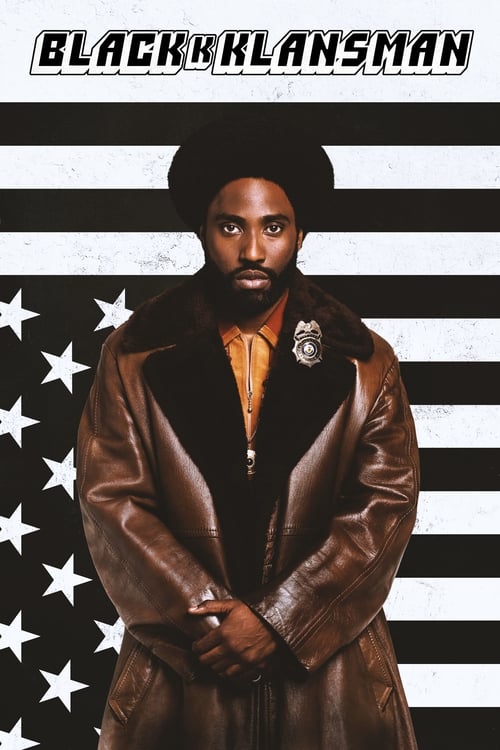
Ron meets the Angela Davis-like Patrice Dumas (Laura Harrier) at Ture’s speech and a mischievous Lee portrays their nascent romance like a blaxploitation movie with split screen cutaways of posters for Foxy Brown and Super Fly.
There’s a tribute to the power of Blaxploitation films that’s pretty cool, starting with poster images and ending with the male and female leads taking up Shaft and Foxy Brown poses in a spectacular dolly-zoom shot when they’re confronted with real-life danger.
Advertisement

The results were as shocking and lurid as...uh, the pickled dick in Hill's Foxy Brown.
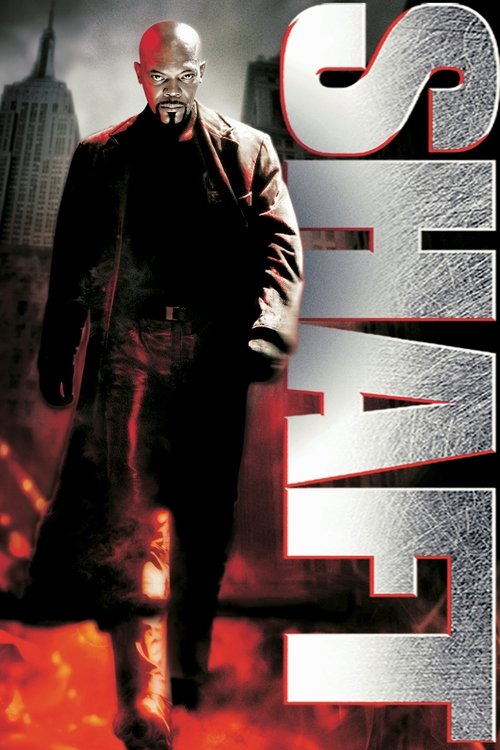
While blaxploitation movies like "Superfly" and "Foxy Brown" lacked the smooth production values of their contemporaries, they more than made up for it with a confident demeanor that almost went too far.
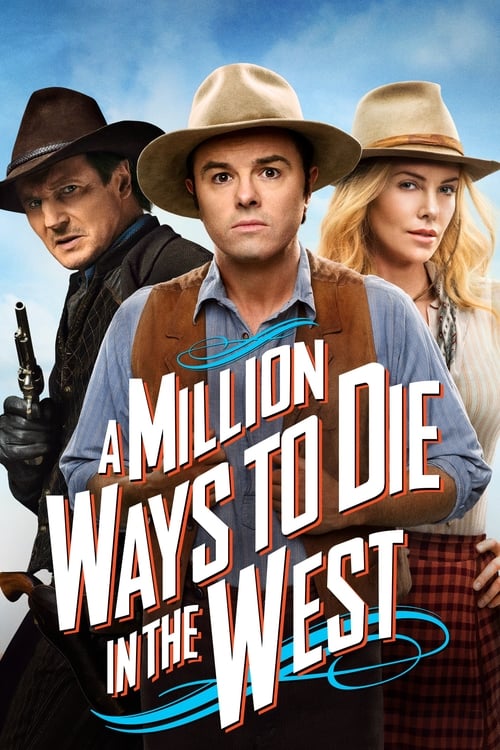
Blazing Saddles, released in 1974 — the same year as Foxy Brown — used the Western as a guise to attack racism.
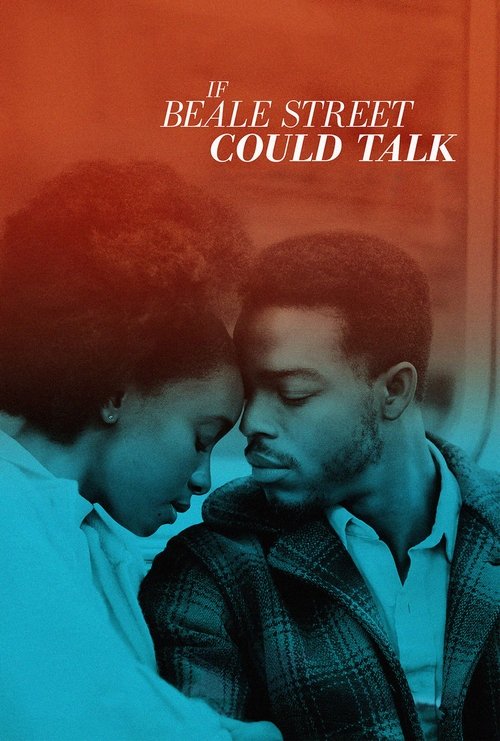
Still, in other aspects, the film’s style serves to heighten the experience, particularly in the nonlinear way the narrative unfolds, flowing naturally back and forth between their present struggle — including a fantastic sequence when King, all but channeling “Foxy Brown,” flies to Puerto Rico to confront Fonny’s accuser — and defining moments before his arrest.
Advertisement
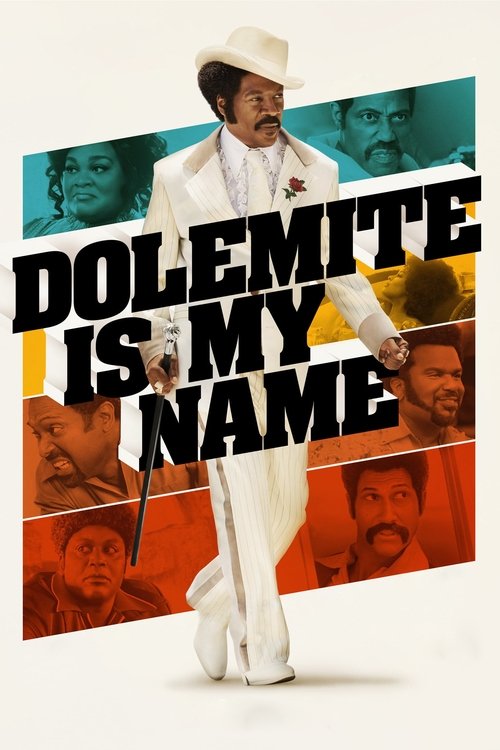
Set way back in the 1970s when “blaxploitation” films like “Shaft” (1971) “Superfly” (1972) and “Foxy Brown” (1974) were popular with inner city audiences, Rudy Ray Moore (played by Eddie Murphy) is a struggling singer and stand up comic whose career seems to be going nowhere.
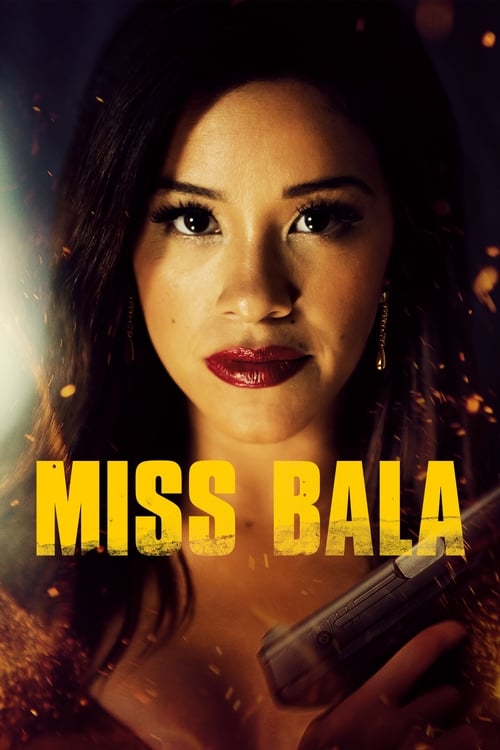
The American remake is closer to Pam Grier’s “Foxy Brown” or Tarantino’s “Death Proof” than to the real story, where the beauty queen did not fire a gun in stilettos and a red evening gown with a slit up the leg.