

Jack Hill
17 connections found
View:
Connections, in both directions
Alice (2022)
Directed by Krystin Ver Linden
influenced by Coffy (1973), Foxy Brown (1974)
Characters Plot


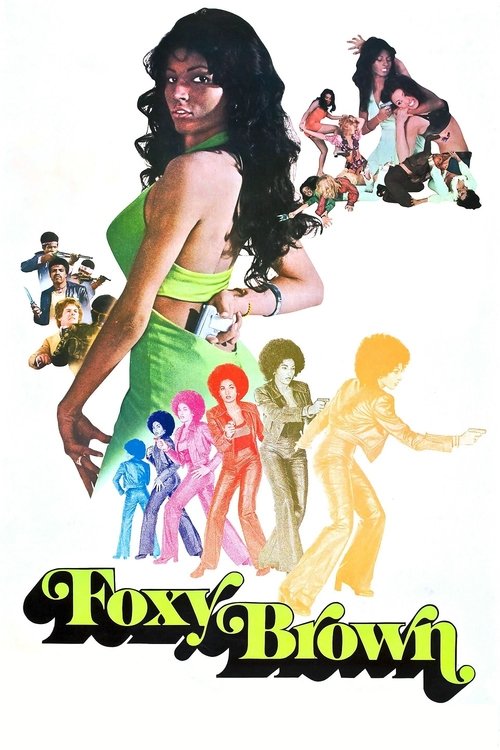
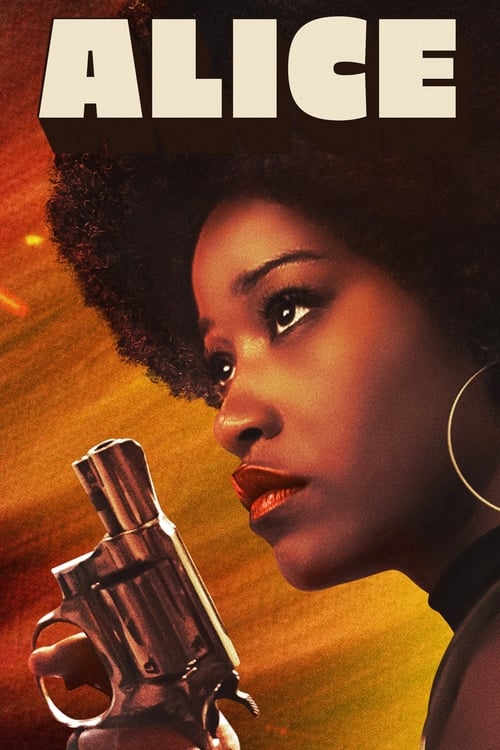
Instead, we are simply teleported on the other side, with a few historical footage reminders to help us along and a sequence of clips from Foxy Brown to confirm Alice coming into her own.
In the span of just two days, Alice transforms from meek and confused to a sartorial and emotional simulacra of Foxy Brown-era Pam Grier.
That quote definitely begins with M. Night Shyamalan’s The Village and segues into something like 1999’s Blast From the Past before ending with, say Foxy Brown (Coffy would be a little too on the nose).
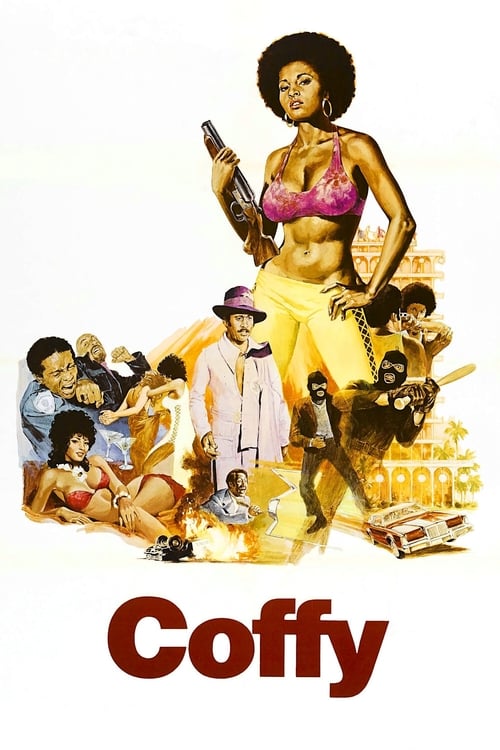
Pair that with the inspiration of Pam Grier in Coffy , plus the encouragement of truck driver and one-time activist Frank (Common) – who nearly ran her down as she escaped to the highway – and Alice is ready to return for her family and some tasty revenge.
The events that the movie says it is inspired by reportedly date back to the 1960s, but Ver Linden pushes the clock forward to the Blaxploitation era so that she can achieve her fait accompli: After reading a stack of encyclopedias provided by her savior and sidekick, Frank (Common), and taking marching orders from Pam Grier in “Coffy,” Alice morphs into an Afro-sporting Black Power heroine ready to free her kin back on the plantation and exact revenge on her white captors.
Next, a screening of the film Coffy (plus an eye rolling television montage of pertinent images through Common’s god-like channel changing) suggest Alice aims for an entirely different energy, but Linden drops the ball on subtext.
Undercover Brother (2002)
Directed by Malcolm D. Lee
influenced by Coffy (1973), Foxy Brown (1974)
Visuals
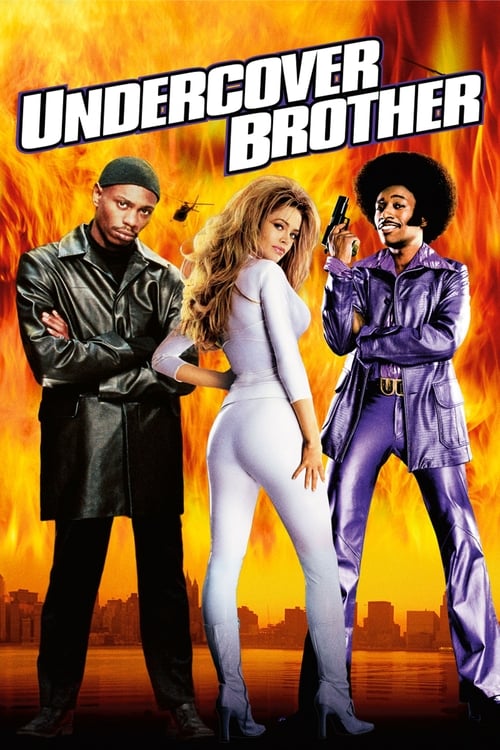
It houses its smarts in a vehicle that borrows scenes and style from movies as diverse as Billy Dee's own Hit, Jack Hill's Coffy and Foxy Brown, Shaft (of course), Bare Knuckles, and Jim Kelly's kung fu sagas--especially Black Belt Jones and Enter the Dragon, from which a Kelly sequence appears on a television set at one point in Undercover Brother.
It houses its smarts in a vehicle that borrows scenes and style from movies as diverse as Billy Dee's own Hit, Jack Hill's Coffy and Foxy Brown, Shaft (of course), Bare Knuckles, and Jim Kelly's kung fu sagas--especially Black Belt Jones and Enter the Dragon, from which a Kelly sequence appears on a television set at one point in Undercover Brother.
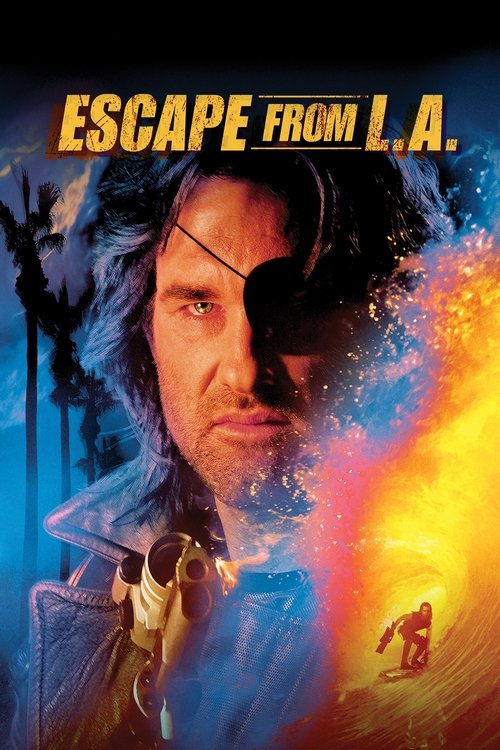
Among the movie's ridiculous, delightful highlights we get: Kurt Russell as Snake Plissken surfing on a tsunami with Peter Fonda, a basketball game to the death, a computer generated shark, Pam Grier (Foxy Brown) hang-gliding and dropping bombs on the bad guys, Bruce Campbell (Evil Dead 2) as a demented plastic surgeon and Steve Buscemi weaseling around and getting paid so he can make five more independent films for scale.
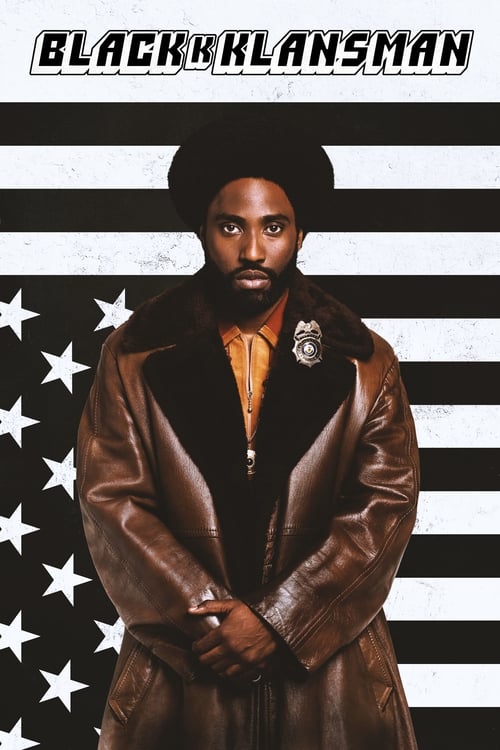
Ron meets the Angela Davis-like Patrice Dumas (Laura Harrier) at Ture’s speech and a mischievous Lee portrays their nascent romance like a blaxploitation movie with split screen cutaways of posters for Foxy Brown and Super Fly.
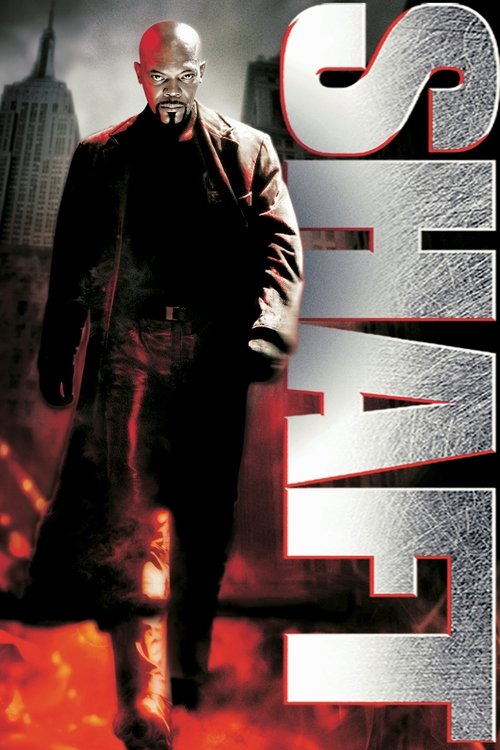
There’s a tribute to the power of Blaxploitation films that’s pretty cool, starting with poster images and ending with the male and female leads taking up Shaft and Foxy Brown poses in a spectacular dolly-zoom shot when they’re confronted with real-life danger.
Sorry to Bother You (2018)
Directed by Boots Riley
influenced by Coffy (1973), Foxy Brown (1974)
Visuals Characters
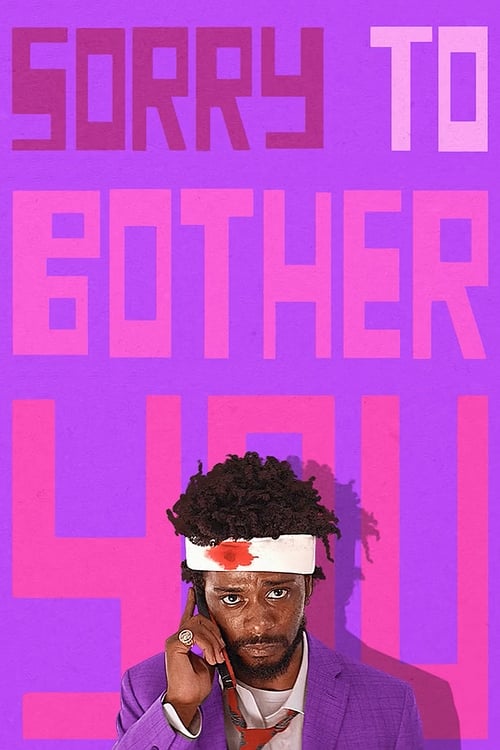
Omari Hardwick’s costuming recalls Shaft (1971) and Coffy (1973), a kind of literal pun on blaxploitation movie history and black exploitation in the workplace.
In movies like Foxy Brown , Sugar Hill , and Coffy , the titular characters were not written to be members of the black community, but rather emblems of it.

The results were as shocking and lurid as...uh, the pickled dick in Hill's Foxy Brown.
While blaxploitation movies like "Superfly" and "Foxy Brown" lacked the smooth production values of their contemporaries, they more than made up for it with a confident demeanor that almost went too far.
A Million Ways to Die in the West (2014)
Directed by Seth MacFarlane
influenced by Foxy Brown (1974)
Themes
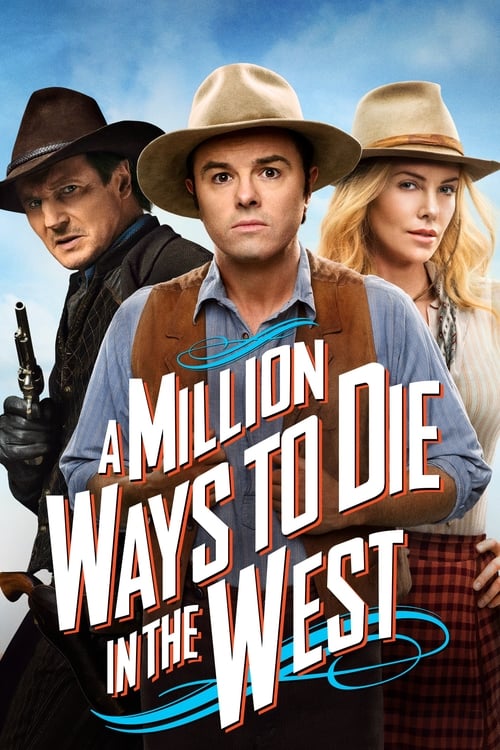
Blazing Saddles, released in 1974 — the same year as Foxy Brown — used the Western as a guise to attack racism.
If Beale Street Could Talk (2018)
Directed by Barry Jenkins
influenced by Foxy Brown (1974)
Characters
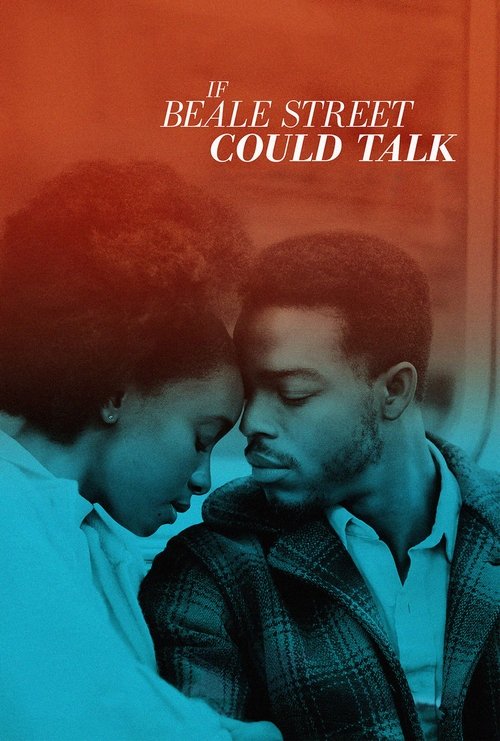
Still, in other aspects, the film’s style serves to heighten the experience, particularly in the nonlinear way the narrative unfolds, flowing naturally back and forth between their present struggle — including a fantastic sequence when King, all but channeling “Foxy Brown,” flies to Puerto Rico to confront Fonny’s accuser — and defining moments before his arrest.
Once Upon a Time... in Hollywood (2019)
Directed by Quentin Tarantino
influenced by Foxy Brown (1974)
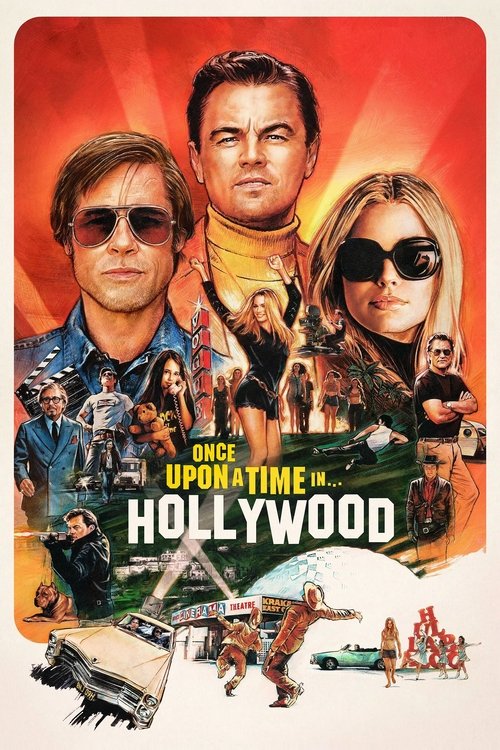
In Jackie Brown , QT was so absorbed in fetishizing Blaxploitation lore and his star Pam Grier (whom he called “the queen of women” the first time I met him) that instead of reexamining the era when his obsessions were born, he updated it poorly, and Grier wasn’t actress enough to reclaim her Foxy Brown crown.
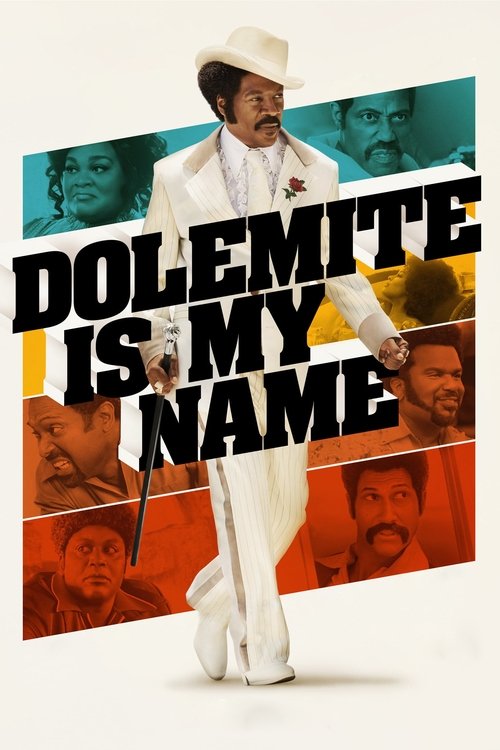
Set way back in the 1970s when “blaxploitation” films like “Shaft” (1971) “Superfly” (1972) and “Foxy Brown” (1974) were popular with inner city audiences, Rudy Ray Moore (played by Eddie Murphy) is a struggling singer and stand up comic whose career seems to be going nowhere.
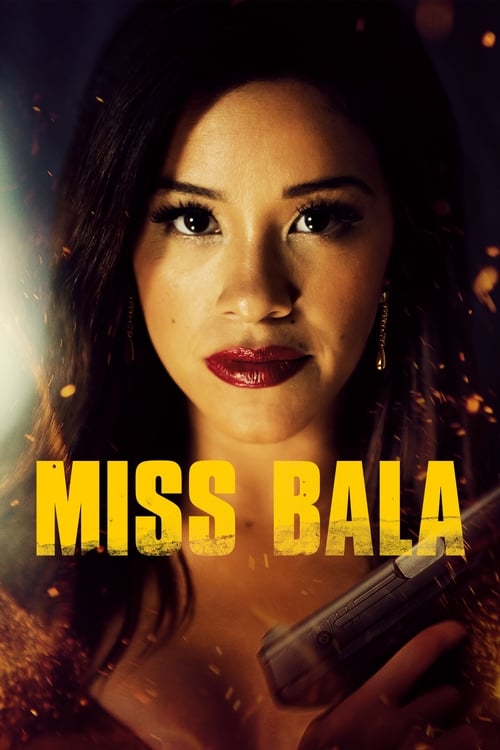
The American remake is closer to Pam Grier’s “Foxy Brown” or Tarantino’s “Death Proof” than to the real story, where the beauty queen did not fire a gun in stilettos and a red evening gown with a slit up the leg.
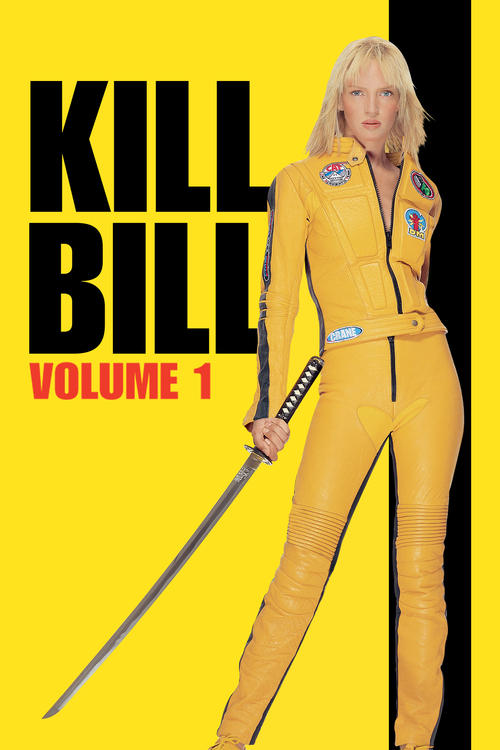
Kill Bill: Vol. 1 (2003)
Directed by Quentin Tarantino
influenced by Switchblade Sisters (1975)
Characters
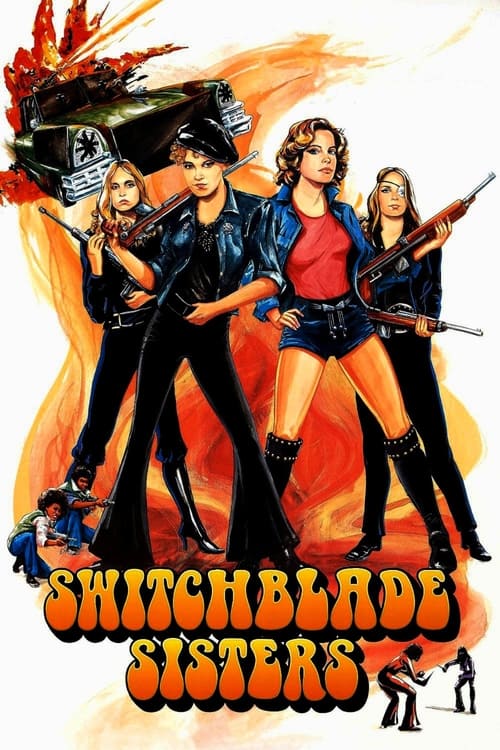
These are mostly physical peformances, but when we do get a quieter moment everyone in the cast fills it with interesting little touches, humor, pathos... Vivica A. Fox is Pam Grierific but also a caring mom, Daryl Hannah is basically Patch in "Switchblade Sisters" but even more beautiful and evil, Lucy Liu is menacing yet graceful, and Uma is a Goddess, strong and funny and, again, heartbreaking.
If you’re a die hard Tarantino fan – and by die-hard, I mean you saw “Reservoir Dogs” when it first came to theaters and bought “Switchblade Sisters” because it had Tarantino’s name on it – then you’re going to love “Kill Bill.”
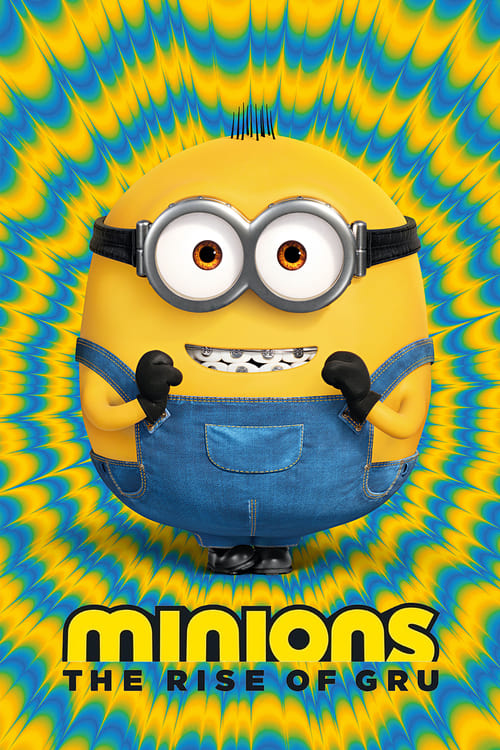
The funky, feisty bad-ass-ery of Bell Bottom (voiced by Taraji P. Henson), the motorcycle-mama leader of the Vicious Six, is a throwback to the “blaxploitation” movies of the era, like Foxy Brown , Cleopatra Jones and Coffy .
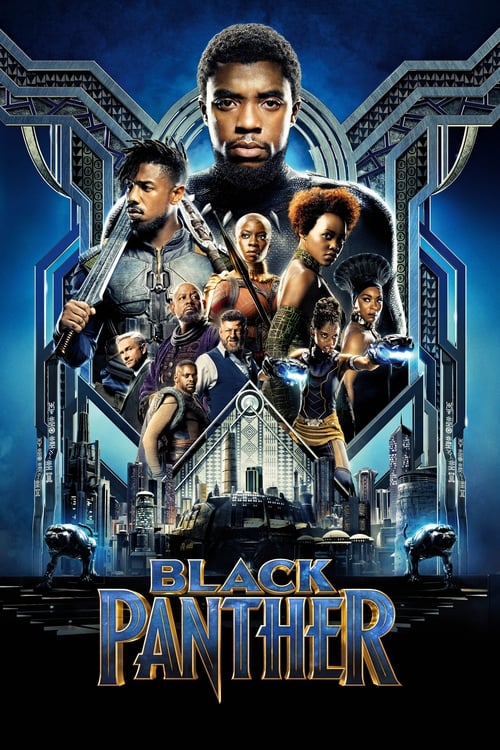
While far more mainstream — and by extension, kid-friendly — than such blaxploitation classics as “Foxy Brown” and “Cleopatra Jones,” “Black Panther” upholds the same tradition of celebrating strong, assertive black women.
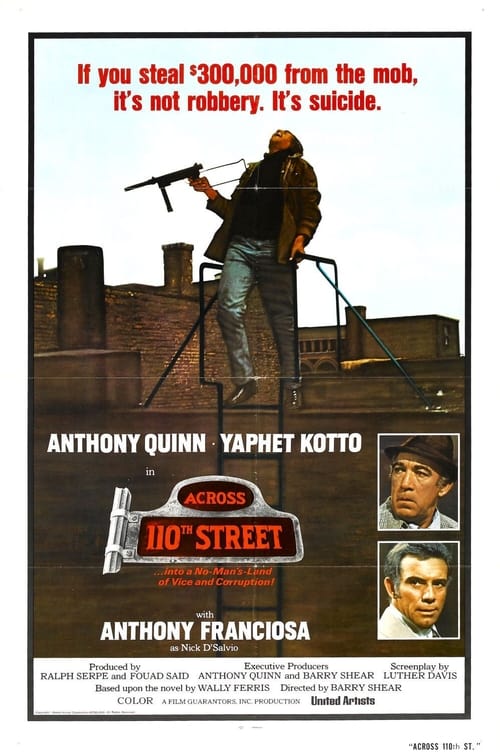
There’s more and more sensationalistic brutality in shoot-‘n’-knife-em-ups like American International’s Foxy Brown and the indefensible Truck Turner (both 1974).
Jackie Brown (1997)
Directed by Quentin Tarantino
influenced by Foxy Brown (1974), The Big Doll House (1971), Coffy (1973)
Music
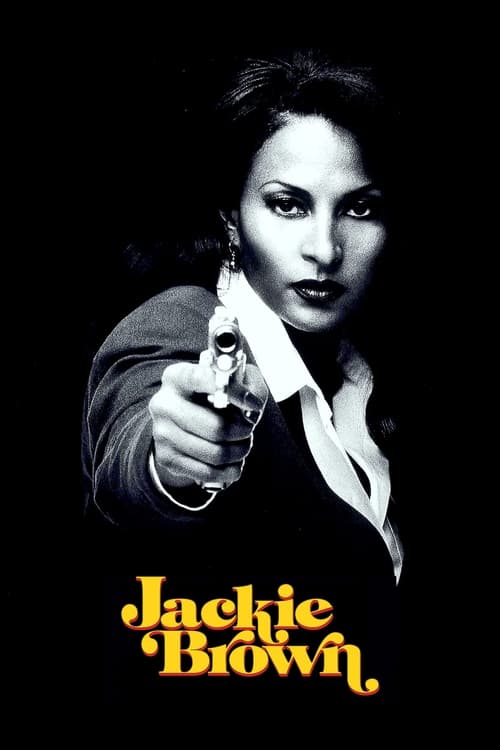
This adaptation of the Elmore Leonard novel "Rum Punch" changes the central character's name, from Jackie Burke to Jackie Brown (presumably a tribute to Grier's role as "Foxy Brown"), and her race.
Pam Grier’s entrance in her retro stewardess outfit introduces the kick-ass star of Foxy Brown and Friday Foster gracefully aging into the modern world.
Known largely for variations on "Foxy Brown," Grier shows fine talent here with layers of conflict and doubt, and even trades commentary with Forester on the ills of aging as they form a budding romance.
Grier, former queen of black action films like "Foxy Brown," plays Jackie Brown, a 44-year-old flight attendant who supplements her low-paying job by smuggling gun money from Mexico to Los Angeles gun dealer Ordell Robbie (Jackson).
Known for her early career performances in the 1970's "blaxploitation" films, such as "Black Mama, White Mama" and "Scream, Blacula, Scream!" and later in "Foxy Brown," she's yet another comeback kid in the Tarantino camp (last time it was John Travolta).
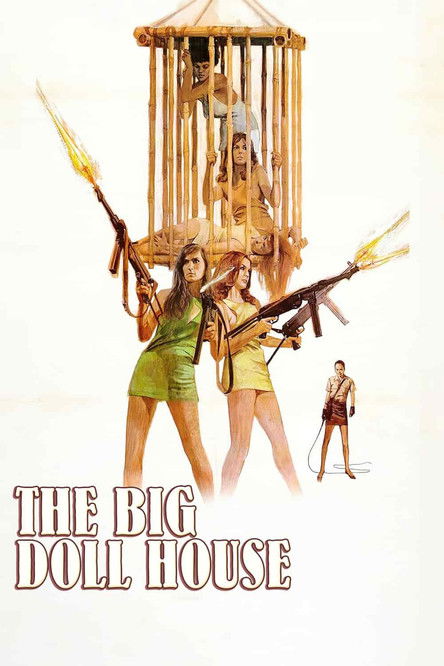
The Motown dominated soundtrack includes the theme songs to Across 110th St. and The Big Doll House (“Long Time Woman” sung by Pam Grier herself!) and highlights from the score to Jack Hill’s Coffy.