
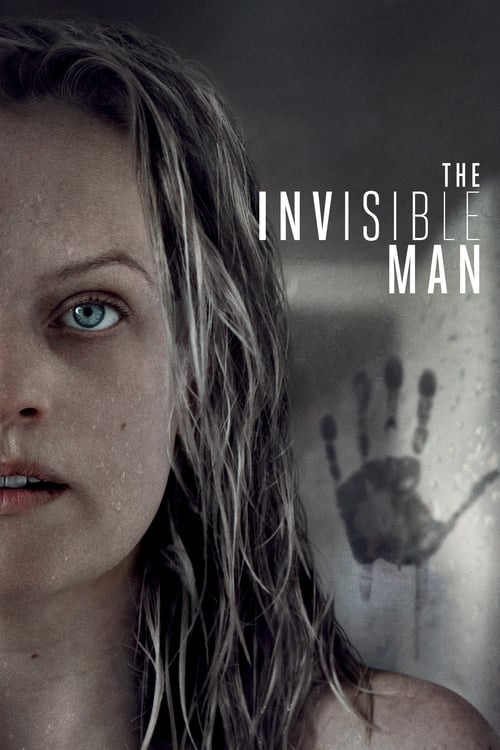
The Invisible Man (2020)
Directed by Leigh Whannell
When Cecilia's abusive ex takes his own life and leaves her his fortune, she suspects his death was a hoax. As a series of coincidences turn lethal, Cecilia works to prove that she is being hunted by someone nobody can see.
76 connections found
View:
76 films that influenced The Invisible Man
What critics say influenced The Invisible Man



Touches of Sleeping With the Enemy (1991) and Hollow Man (2000) aside, Whannell’s rebirth of The Invisible Man feels like a fresh take blending the most minimal of threads from H.G. Wells‘ novel with more urgent themes from today.
In the movie’s breathtaking opening (one seemingly modeled after “Sleeping With the Enemy”), she carefully, with disgust on her face, lifts the hand draped over her in bed.
One is a thriller about escaping an abusive relationship, in the vein of Sleeping with the Enemy or Enough .
The result is a film that is less like Hollow Man (though there are some similar and less convincing visual effects at play) and more akin to Sleeping With the Enemy with the paranoia and trauma cranked to 100 as it focuses on the long-lived affects of gaslighting and abuse.
The narrative is a mix of Sleeping with the Enemy , The Entity and Hollow Man .
The terrors of escaping from an abusive relationship have been depicted in films before—there are similarities here to 1991’s Sleeping with the Enemy—but the unknowns that underpin so much of this film make its themes come alive.

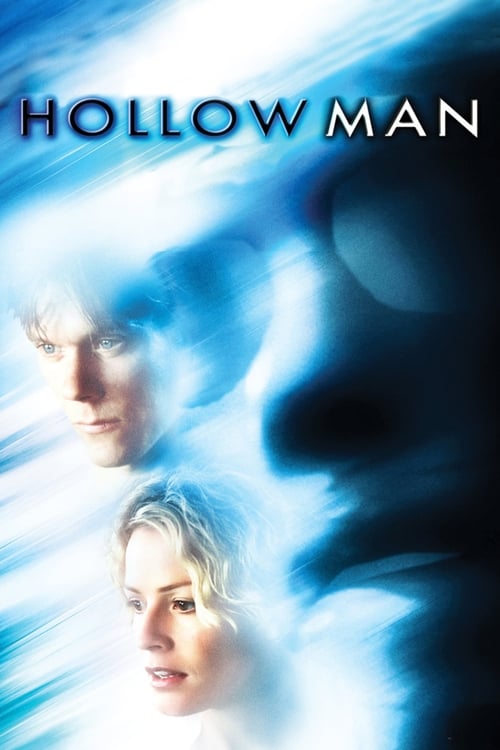
Touches of Sleeping With the Enemy (1991) and Hollow Man (2000) aside, Whannell’s rebirth of The Invisible Man feels like a fresh take blending the most minimal of threads from H.G. Wells‘ novel with more urgent themes from today.
The result is a film that is less like Hollow Man (though there are some similar and less convincing visual effects at play) and more akin to Sleeping With the Enemy with the paranoia and trauma cranked to 100 as it focuses on the long-lived affects of gaslighting and abuse.
We’ve come a long way from the era of wrapping actors up in gauze, or Kevin Bacon digitized in “Hollow Man” (which is actually a pretty good flick) - “The Invisible Man” is a welcome addition to the horror remake canon, and a refreshing reminder that seeing is believing.
The narrative is a mix of Sleeping with the Enemy , The Entity and Hollow Man .
The word of the day is hyper-realism, to create fantastical situations that seem plausible enough, instead of men wearing rolls of toilet paper/bandages or unconvincing sera like in the 1990s clunker version of the story, “Hollow Man,” starring Elizabeth Shue and Kevin Bacon.
Of course, given the title and the various iterations of H.G. Wells' famous story that have come and gone over the decades -- including Paul Verhoeven's "Hollow Man" from 2000 that upped the ante in terms of R-rated brutality -- we know the titular character (whoever he or she may be) is likely going to prove that Cecilia's issues are more than just mental manifestations.
It’s a little bit Sleeping With the Enemy , and a whole lot of Ingrid Bergman rummaging around in an attic hearing noises that aren’t there in George Cukor’s Gaslight , and all with a gaudy dollop of Nomi Malone’s “revenge nails” in Showgirls painted on top.
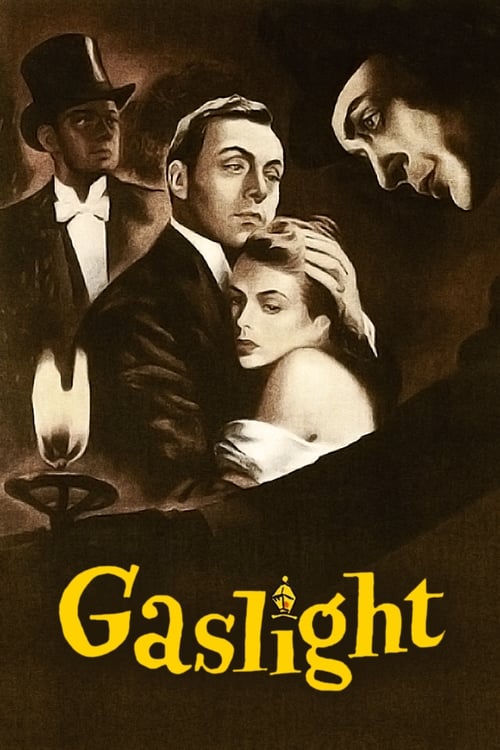
There are echoes of Ingrid Bergman in this performance – not only from Gaslight but from Notorious.
There are parallels here to the classic 1944 film "Gaslight," about a man who bullies and manipulates his wife into thinking that she is going crazy.
Following their doubts, an abused partner eventually stands up to their abuser to the audience’s satisfaction: see 1944’s Gaslight to 2002’s Enough , with many other examples in between and beyond.
Moss plays Cecilia Kass, the abused partner of a controlling tech entrepreneur who is developing advanced optics technology—and apparently watching 1944’s Gaslight on his down time.
No one believes her that her dead, invisible, abusive ex-boyfriend is pulling off the greatest gaslighting job since Charles Boyer in "Gaslight."

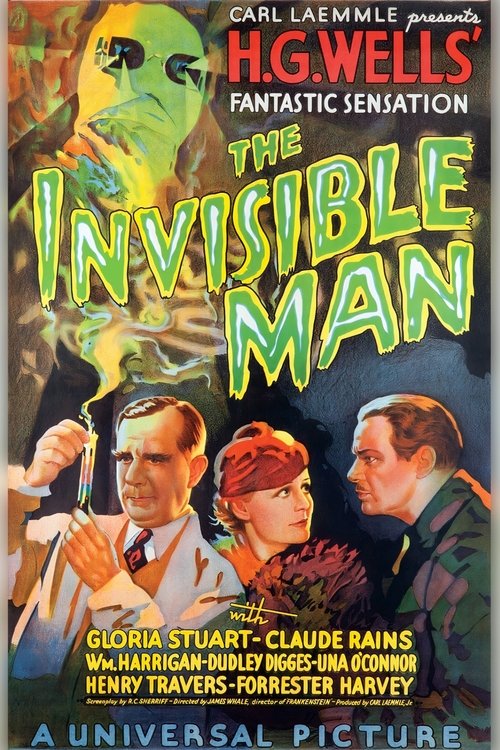
Touches of Sleeping With the Enemy (1991) and Hollow Man (2000) aside, Whannell’s rebirth of The Invisible Man feels like a fresh take blending the most minimal of threads from H.G. Wells‘ novel with more urgent themes from today.
With a few cheeky nods to James Whale’s 1933 Universal horror classic, The Invisible Man is a remake that pays homage to its predecessor while blazing its own wildly original path.
Though there’s no specifically sexual violence, The Invisible Man has a lot of spiritual kinship with rape-and-revenge movies like I Spit on Your Grave.
Though more than eighty years have passed since Claude Rains donned the dark sunglasses, smoking jacket, and yards of ACE bandages in 1933’s The Invisible Man , the character still holds a firm place in the pantheon of Universal’s classic movie monsters.
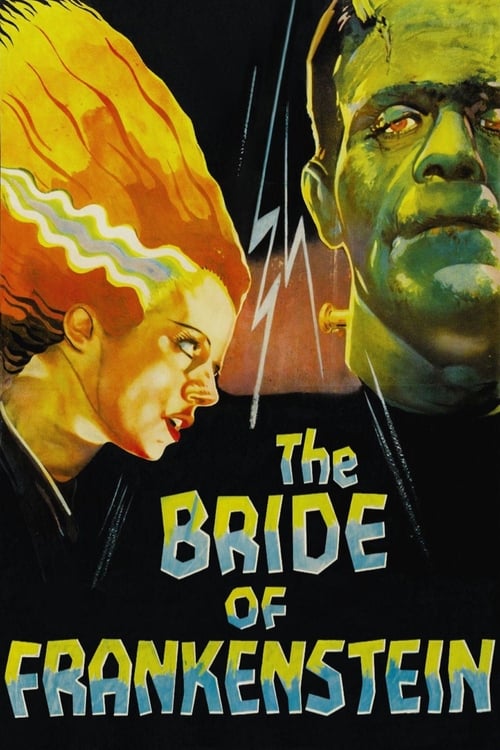
The Mummy – the bloody awful 2017 one with Tom Cruise – was the first in the series, with The Bride of Frankenstein slated to follow a year or two later.
Universal’s original 1933 “The Invisible Man” with Claude Rains in the title role was directed by James Whale (“The Bride of Frankenstein”) and adapted by R.C. Sherriff (“Journey’s End”).
"The Creature from the Black Lagoon," "The Wolfman," "The Bride of Frankenstein," and "Van Helsing" were all confirmed to be parts of the series in addition to "The Invisible Man," but Universal made the unfortunate mistake of kicking things off with a bland and boring reboot of "The Mummy."
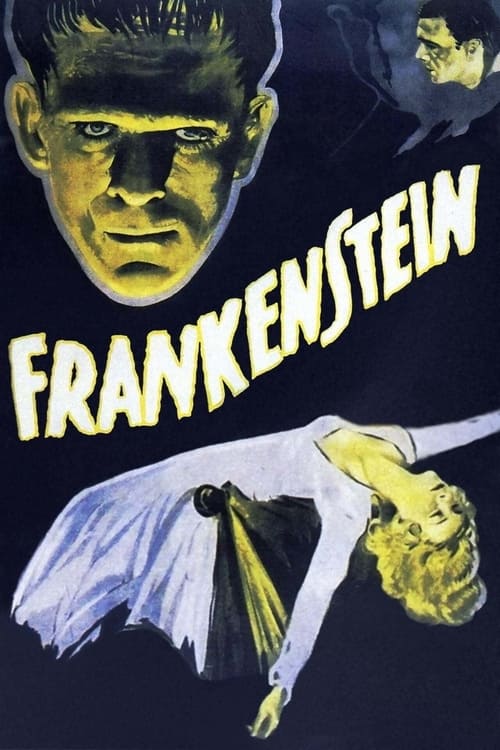
That picture, one of the best in the studio’s horror films of the time, did not inspire the wealth of sequels and remakes that its siblings like “The Mummy,” “Dracula” and “Frankenstein” did: there were two pallid follow-ups (along with the inevitable “Abbott and Costello Meet the Invisible Ma superior to either of them) and a few dreary TV series using the title.
A few years ago, Universal announced an Invisible Man movie that would have been part of their “Dark Universe” of interconnected films based on their classic monster franchises like Frankenstein and The Mummy.
Ever since the 1930s, the studio has owned the cinematic rights to properties such as Dracula , Frankenstein , The Mummy and other milestones of early horror, among them The Invisible Man , as well.
Its star, mostly hidden behind bandages and black sun goggles, was Claude Rains; the director, still hot from helming the wildly successful Frankenstein , was James Whale.
Claude Rains launched his career in the first film version of “The Invisible Man,” directed by James Whale (“Frankenstein”), in 1933, and Kevin Bacon starred in Paul Verhoeven’s nasty “Hollow Man” (2000), but it has always seemed a little perverse casting a name actor in a part no one can see.
Advertisement
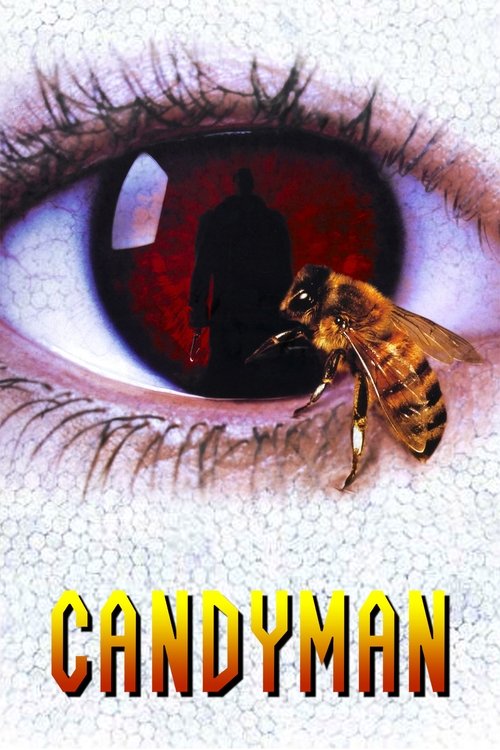
Some scenes remind of Bernard Rose's Candyman --the wrong-man intrigue (and Whannell makes a clever reference to Thornhill's U.N. trouble from North by Northwest ) resulting in institutionalization.
She’s manipulated and gaslit at every turn, and I was reminded at times of Candyman , Bernard Rose’s chiller in which a woman has the damnedest time convincing everyone around her that an urban legend is very much alive.

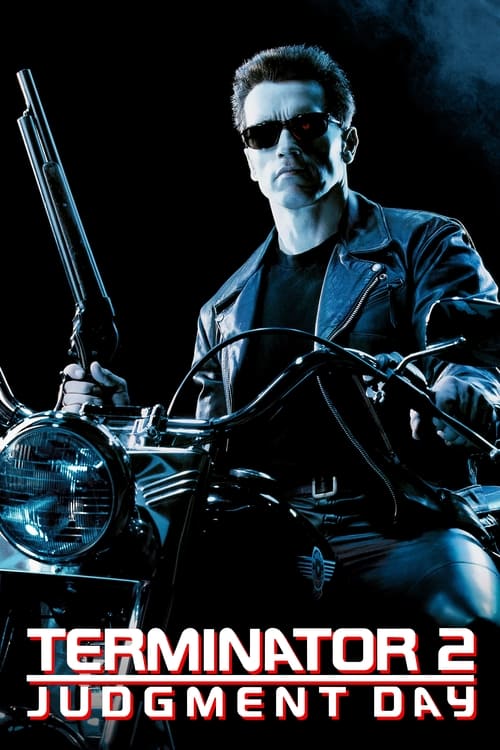
Little wonder we eventually get an extended segment in a maximum security/treatment facility with strong echoes of “Terminator 2.” Cecilia’s claims about an invisible menace sound as crazy as Sarah Connor’s story of a cyborg killer from the future.
By the end of this weekend, everyone will have compared The Invisible Man to Terminator 2, but just because a point is common doesn’t mean it’s wrong.
Cecilia's journey likewise mirrors that of Sarah Connor's in Terminator 2 : the woman no one believes running from a technological peril of which only she is aware.
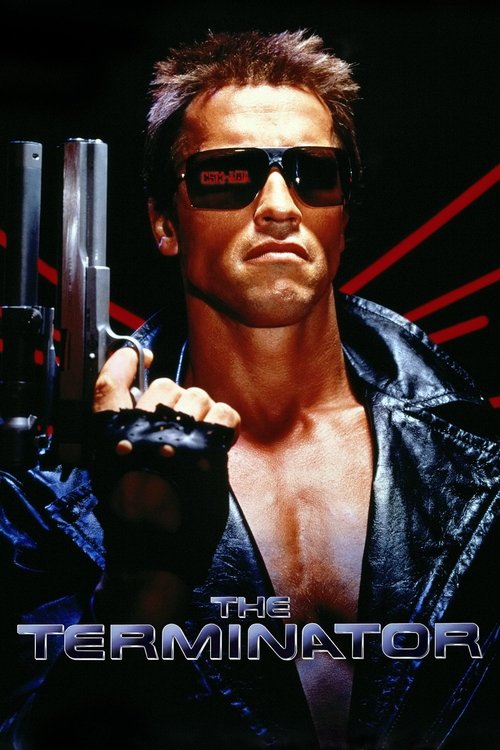
Instead, we detect something both mighty and vulnerable in her, closer to Sarah Connor of "The Terminator" in spirit, when she forcefully runs through the woods to escape her cruel partner Adrian ( Oliver Jackson-Cohen ), gets picked up by her sister Alice ( Harriet Dyer ) after some heart-stopping setbacks and takes refuge with her childhood best friend James ( Aldis Hodge )—a resourceful cop living with his teenaged daughter Sydney ( Storm Reid ), who dreams of going to a design school they can’t afford.
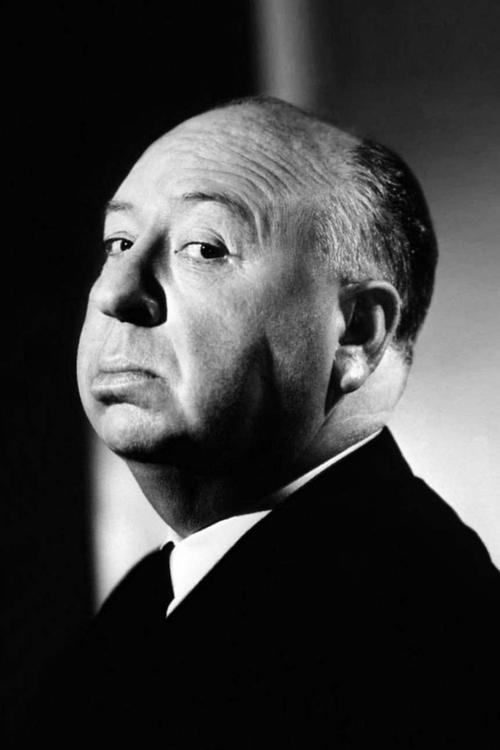
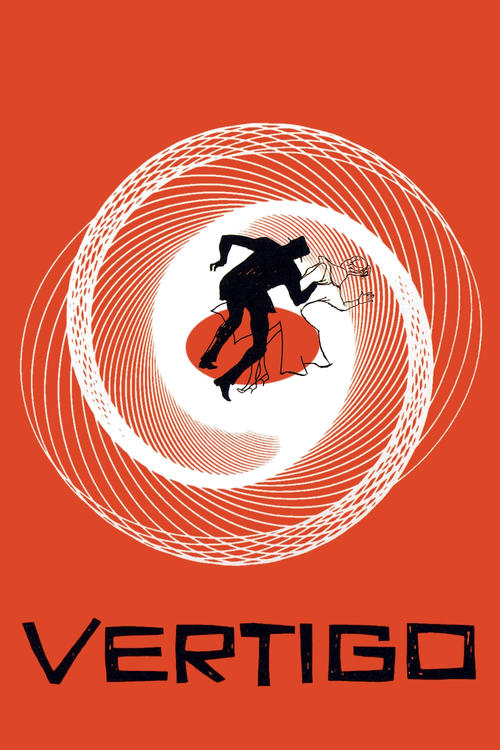
You could argue the Hitchcock influence is more derivative than homage, given the sheer volume of references and techniques Whannell (Upgrade) borrows from the cinematic master, particularly from Vertigo.
Relocated to San Francisco (the most paranoid of cities thanks to movies like Vertigo , Invasion of the Body Snatchers , and Zodiac ) and holed up with Cecilia’s cop friend James (Aldis Hodge) and his college-bound daughter Sydney (Storm Reid), Cecilia harbors justifiable fears that Adrian will find her hiding place.
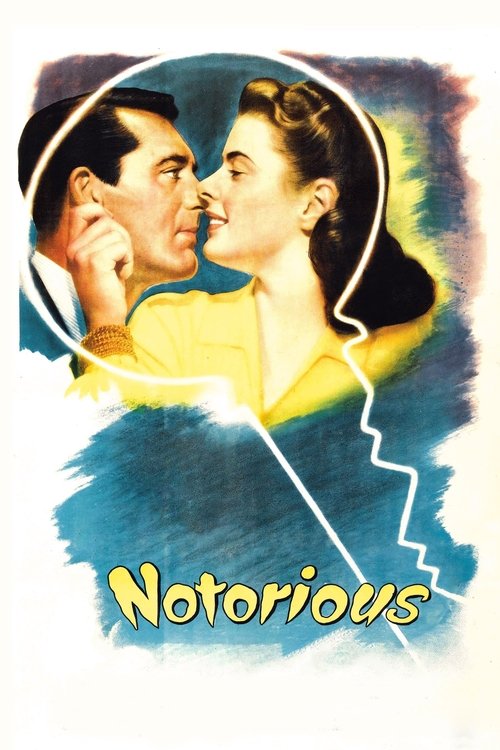
There are echoes of Ingrid Bergman in this performance – not only from Gaslight but from Notorious.
Bit by bit, however, Whannell attentively cranks up the tension, and his principal vehicle for that is Cecilia, whose moments of lucidity and positive intent become increasingly dominated by degrees of disorientation and general out-of-it-ness in ways that remind of some Hitchcock heroines, notably Ingrid Bergman in Notorious .
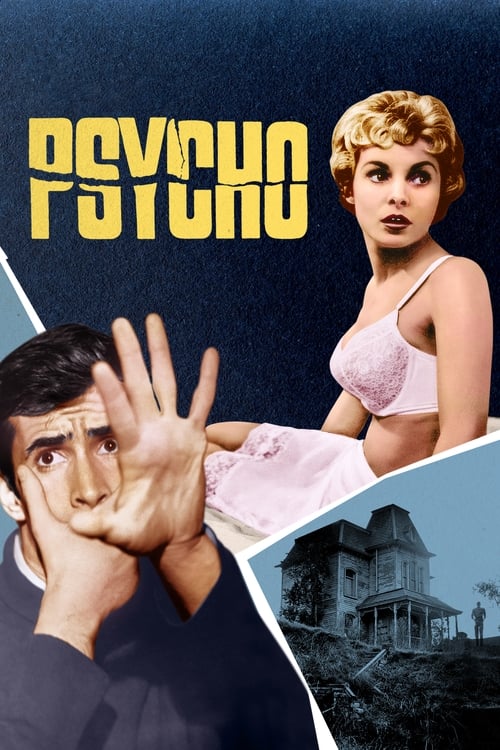
One that escalates to the boiling point as the film moves along, complete with Benjamin Wallfisch’s string-laden ominous score that echoes the late Bernard Herrmann’s brilliant musical composition of 1960’s Psycho.

Some scenes remind of Bernard Rose's Candyman --the wrong-man intrigue (and Whannell makes a clever reference to Thornhill's U.N. trouble from North by Northwest ) resulting in institutionalization.
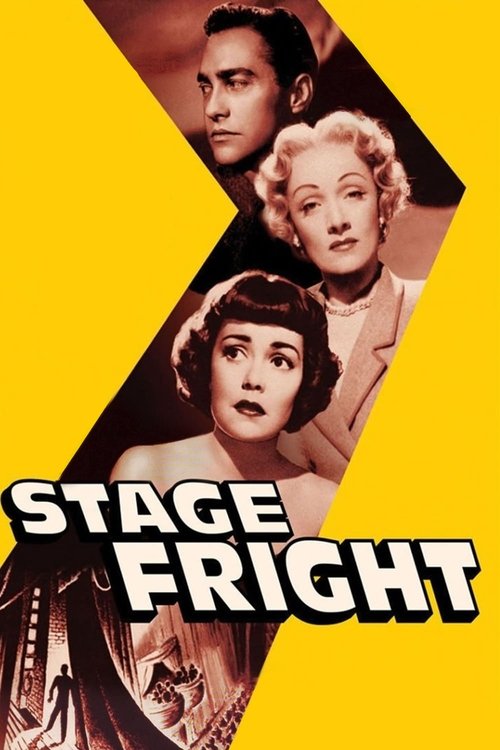
That is to say, while the film throws in a few questionable late-game plot twists, it’s fairly apparent that it’s not pulling a Stage Fright -style (1950) con on the audience.
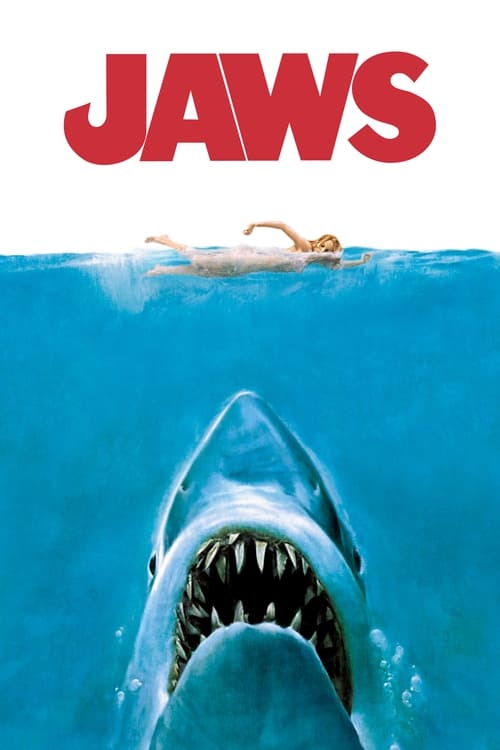
Not to sound too hyperbolic, but often, The Invisible Man reminded me of Jaws, how Steven Spielberg, with a few notes of music and a few edits, could evoke real tension and fear.
There’s something of Spielberg’s Jaws in Whannell’s method (albeit without the technical skill).
Adrian is as much the shark from “Jaws” or Michael Myers from “Halloween,” as he is a “Sleeping with the (Invisible) Enemy” or “When A(n invisible) Stranger Calls” stalker; bridging a force of nature and a deeply human expression of malice.
Steven Spielberg tapped into this fear by not showing audiences the shark in “Jaws,” just close-ups and the camera from the point of view of the creature.
Advertisement
Writer/director Leigh Whannell ("Saw," "Upgrade") aces adapting H.G. Wells’ nineteenth century novel for the modern #MeToo age as a paranoid thriller, low budget effects à la “Paranormal Activity” effecting big chills, Elizabeth Moss excelling as a woman with only herself to turn to.
It’s horror on a psychological, “always watching” level that pulls from Oren Peli’s Paranormal Activity (early mind games) to Whannell’s own Upgrade (later action sequences).
As he showed us in Paranormal Activity , Whannell knows that the root of fear and horror lies in the things we don’t see rather than from those we do.
Like the malevolent demons of Blumhouse‘s signature Paranormal Activity franchise, he remains mostly an unseen, evil force messing with his ex’s mind.
And the “evidence” of Cecilia’s unseen stalker is mostly relegated to simple, practical effects that would not be out of place in a Paranormal Activity movie, but that only makes Cecilia’s plight more traumatic.
The film occasionally resembles the “Paranormal Activity” franchise, where we stare at the screen for any sign of movement.
The narrative is a mix of Sleeping with the Enemy , The Entity and Hollow Man .
No one will listen to Cecilia, and everyone thinks she is suffering a mental breakdown – until she either is left with “no choice” but to learn to live with her persecutor’s domineering aggression (like the protagonist of Sidney J. Furie’s in many ways similar The Entity , 1982), or else start to turn the tables on her oppressor and take back some control (in the process perhaps becoming a monster herself).