
Richard Ayoade
70 connections found
Filmography
View:
Connections, in both directions


It does, however, often recall the bizarre surrealism of David Lynch or Terry Gilliam’s “Brazil,” and even overtly references Alfred Hitchcock’s “Rear Window” and David Fincher’s “Fight Club.”
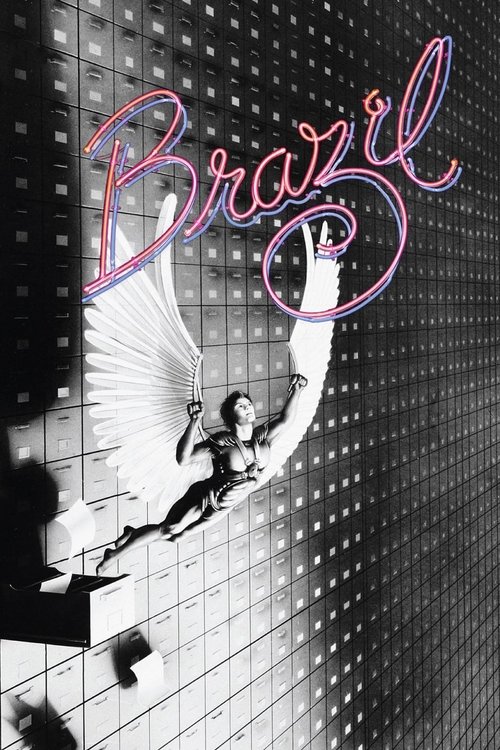
The film's most direct touchstone, however, is clearly Terry Gilliam's Brazil , a film which backs its exquisite design and inventive conception with a devastating humanism.
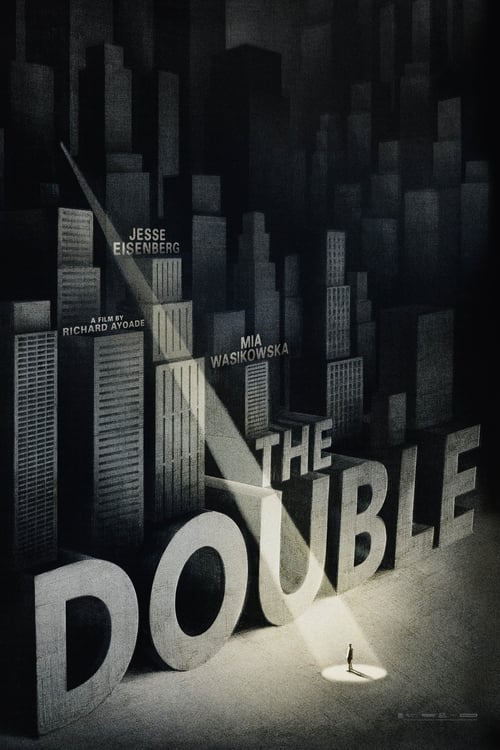
The Double is similarly rooted in pop culture’s past: Though the film adapts a Dostoyevsky novella, it seems equally rooted in the grim, post-industrial dystopias of George Orwell’s 1984 and particularly Terry Gilliam’s Brazil, which it resembles in tone, theme, and look—and pretty much every way one film can resemble another, including matching its finely tuned, Monty Python-esque sense of absurdity.
While both deal in doubles and woman-troubles, Ayoade's singular vision more prominently brings to mind Gilliam's "Brazil," with its themes of dilapidated identity, and the bleakly gorgeous, almost handmade quality to the artful production design.
Suggested by a Dostoevsky novella, but set in an entirely created world in which only the language makes any reference to the place moviegoers will reenter once they exit the theater, and paying homage to the likes of " Brazil ," Orson Welles ’ "The Trial," and "Eraserhead" within its first five minutes, "The Double" insists upon its bona fides with a will and makes you like it.
Richard Ayoade is the writer and director of this oddball film which is based on the 1846 Dostoevsky novella The Double and brings to mind Terry Gilliam's Brazil and Orson Wells' adaptation of Franz Kafka's The Trial .
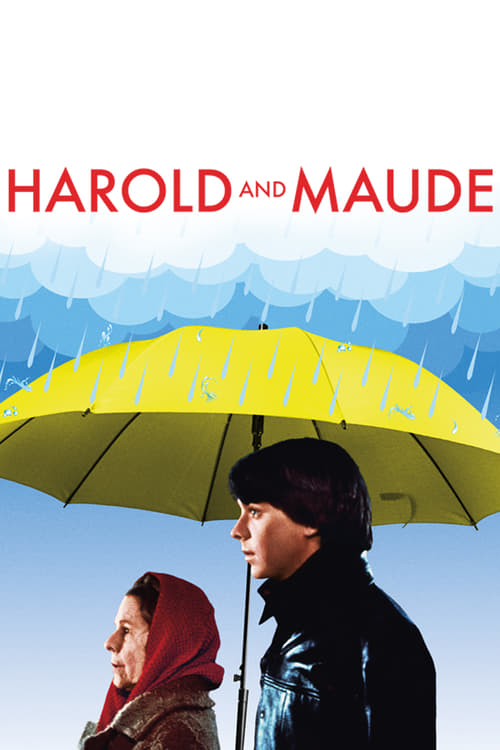
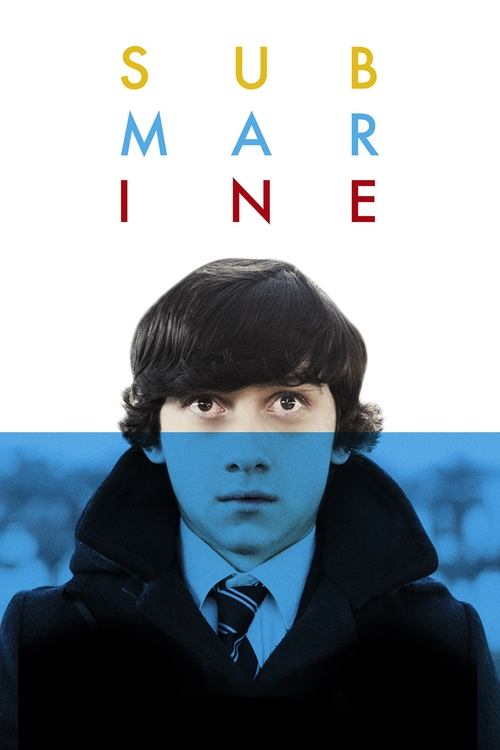
The film is a fictional "memoir" about the too-clever-for-his-own-good Oliver Tate (Craig Roberts) -- a kid blessed with Bud Cort's "Harold and Maude" mien and several dark stylistic affectations, of which he is amusingly self-aware.
It's a sweet, knowing, bracingly deadpan coming-of-age story that proudly wears its influences on its sleeve – Wes Anderson's Rushmore, Harold and Maude, and Mike Nichols' The Graduate spring immediately to mind – and it's set in a grim and gritty Swansea, replete with concrete council flats and muddy, muddled dreams that'd do Morrissey and Marr proud in their existential despair.
A better descriptionin terms of comparisonswould be that its like a Wes Anderson movie as if it was directed by Richard Lester in the 1960s with nods to Mike Nichols The Graduate (1967) and Hal Ashbys Harold and Maude (1971).
Newcomer Craig Roberts takes at least a pound and a half of inspiration from Bud Cort's romantically inclined misfit in "Harold and Maude" for his defiantly humorous portrayal of the 15-year-old Oliver Tate.
He also looks so much like young Bud Cort that if you gave him a pair of Harry Potter glasses, he could star in a remake of " Harold and Maude ."
He must not be including characters of the silver screen, since he's an amalgamation if there ever was one between Harold Chasen in 1971's "Harold and Maude" and Max Fischer in 1998's " Rushmore ."
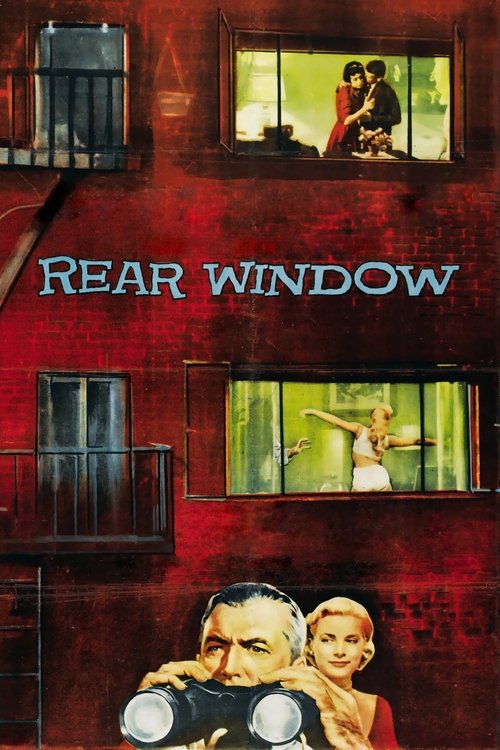
Rear Window (1954)
Directed by Alfred Hitchcock
influenced The Double (2014)
Visuals Characters Themes
It does, however, often recall the bizarre surrealism of David Lynch or Terry Gilliam’s “Brazil,” and even overtly references Alfred Hitchcock’s “Rear Window” and David Fincher’s “Fight Club.”
Ayoade’s treatment of the material is boldly stylized, with aesthetic nods to directors as varied as Terry Gilliam and Jean-Pierre Jeunet to Alfred Hitchcock – from whose Rear Window the film borrows heavily in constructing Simon’s unrequited romance with Hannah.
In the film, we watch Simon James (Jesse Eisenberg, whose deep-set cheeks and geometric frame recall an Edward Hopper figure) spying on Hannah (Mia Wasikowska, ostensibly lamblike, though her fierce side rears its head) from his apartment window through a phallic telescope à la Rear Window .
Like Jimmy Stewart in Rear Window, Simon’s voyeurism is a product of his immobility: not of a physical crippling as in Hitchcock’s picture, but of an emotional-existential hobbling.
There’s a cocktail of loneliness and voyeurism a la Rear Window for Eisenberg’s Simon.
For one thing, Simon's voyeurism is straight from Rear Window.
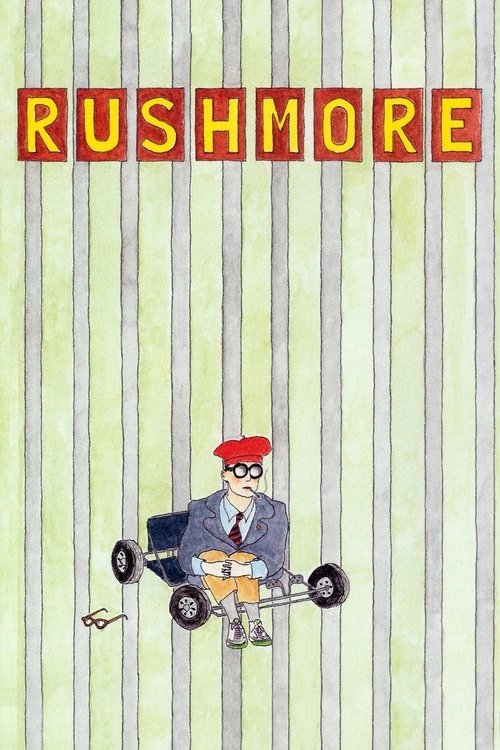
Comparisons will abound to Wes Anderson’s breakthrough, 1998’s Rushmore , thanks to the vaguely vintage era that encourages solipsism and the intricate production design, but Anderson’s 15-year-old, Max Fischer (Jason Schwartzman), lusts for the imagined glory of the adult world, whereas Oliver has his eyes firmly on the real adolescent prize of losing his virginity and surviving the schoolyard.
It's a sweet, knowing, bracingly deadpan coming-of-age story that proudly wears its influences on its sleeve – Wes Anderson's Rushmore, Harold and Maude, and Mike Nichols' The Graduate spring immediately to mind – and it's set in a grim and gritty Swansea, replete with concrete council flats and muddy, muddled dreams that'd do Morrissey and Marr proud in their existential despair.
You're going to be hearing Submarine described often as "the Welsh Rushmore"-- it's even on the film's official TIFF site -- but I was actually relieved to find out that it wasn't.
Ayoade owes a debt to Wes Anderson (Rushmore), but the parents here are so beautifully written, and Hawkins and Taylor particularize them so well, that the movie manages to hold its own.
Its being promoted as something in the vein of Wes Andersonthink Rushmore set in Walesand thats not unreasonable, but its hardly the whole story.
The directing debut of British comic actor Richard Ayoade, it owes various debts to various predecessors — a little “Napoleon Dynamite,’’ a lot of “Rushmore,’’ a loving soupcon of French New Wave — but “Submarine’’ has its own specific miseries and darkly funny vibe.
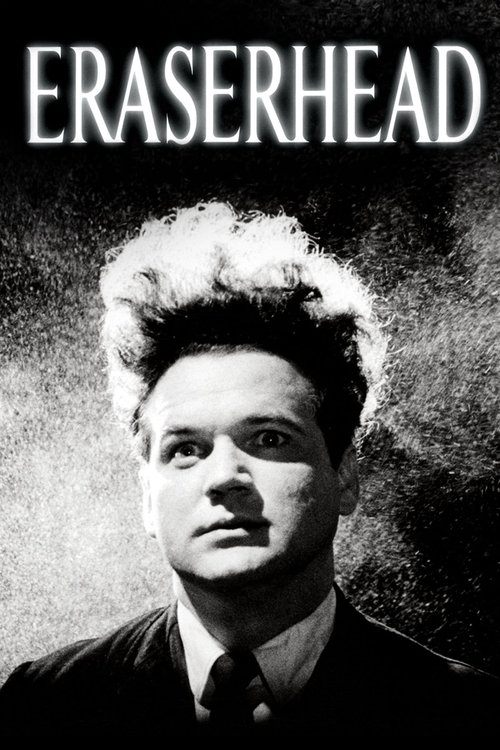
Suggested by a Dostoevsky novella, but set in an entirely created world in which only the language makes any reference to the place moviegoers will reenter once they exit the theater, and paying homage to the likes of " Brazil ," Orson Welles ’ "The Trial," and "Eraserhead" within its first five minutes, "The Double" insists upon its bona fides with a will and makes you like it.
The harsh yellow lighting seems ripped from The Element of Crime, while the elliptical structure and the paranoid, desolate design of Simon's world evokes both Eraserhead and The Tenant .
And you sense it in the vivid display of hallucinatory grotesqueness that instantly recalls Lynch’s headscratchers, “Eraserhead” and “Mulholland Drive.”
Anyway, it’s not as if Gilliam’s flawed masterpiece is the only thing on Ayoade’s mind; one could just as easily cite the first “Matrix” movie, “The City of Lost Children,” Michael Radford’s 1984 film of “1984,” David Lynch’s “Eraserhead” and a whole list of 1970s science fiction.
Richard Ayoade’s The Double looks like Terry Gilliam by way of Eraserhead.
Ayoade has cited Orson Welles’ Kafka adaptation “The Trial” as a key influence, with its similarly labyrinthine sense of entrapment, along with “Alphaville,” “Eraserhead” and the dry Nordic comedies of Roy Andersson and Aki Kaurismaki; the latter’s imprint is particularly apparent in “The Double’s” regular eruptions of deadpan humor and its rich, almost Sirkian color palette.

It's a sweet, knowing, bracingly deadpan coming-of-age story that proudly wears its influences on its sleeve – Wes Anderson's Rushmore, Harold and Maude, and Mike Nichols' The Graduate spring immediately to mind – and it's set in a grim and gritty Swansea, replete with concrete council flats and muddy, muddled dreams that'd do Morrissey and Marr proud in their existential despair.
A better descriptionin terms of comparisonswould be that its like a Wes Anderson movie as if it was directed by Richard Lester in the 1960s with nods to Mike Nichols The Graduate (1967) and Hal Ashbys Harold and Maude (1971).
Lifting from Wes Anderson , Noah Baumbach , Danny Boyle , Whit Stillman and older avatars such as Richard Lester (let's not even start on its tributes to tributes to Truffaut 's " The 400 Blows "), it's so relentless in its piling on of snappy effects -- perfectly frozen freeze-frames, "quirky" mismatches of narration and image, and more, more, more -- that it kind of plays like " The Graduate " going through steroid psychosis.
"A Hard Day's Night" is one of the influences below the surface here, along with American love stories from "The Graduate" to "Garden State."
Whatever flaws the film may have, it’s certainly unlike anything else in theaters right now and yet will likely remind certain viewers of beloved films like “The Graduate,” “Harold and Maude,” and “Rushmore.”
A deadpan adolescent romance in the vein of The Graduate , Rushmore , or Harold and Maude , this wistful little movie can feel thrillingly new one moment and familiar as an old sweater the next.
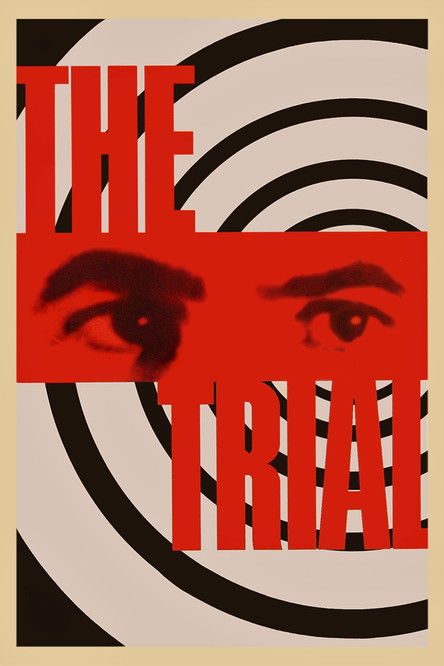
Suggested by a Dostoevsky novella, but set in an entirely created world in which only the language makes any reference to the place moviegoers will reenter once they exit the theater, and paying homage to the likes of " Brazil ," Orson Welles ’ "The Trial," and "Eraserhead" within its first five minutes, "The Double" insists upon its bona fides with a will and makes you like it.
Richard Ayoade is the writer and director of this oddball film which is based on the 1846 Dostoevsky novella The Double and brings to mind Terry Gilliam's Brazil and Orson Wells' adaptation of Franz Kafka's The Trial .
I thought of Orson Welles' Kafka adaptation "The Trial," in which Anthony Perkins runs in place as the world around relentlessly persecutes him without explanation.
And while the film may be based on Dostoyevsky, it’s just as much in debt to Welles’ adaptation of Kafka’s The Trial, an absurdist nightmare of prison cell apartments and inhumane authorities seeking to trap the only seemingly sane man alive.

It's a stylish, touching, overly cute film, much influenced by the French New Wave, though capable of nodding towards Nicolas Roeg's Don't Look Now.
There's even an unexpected nod to 1973's Nicolas Roeg masterpiece " Don't Look Now ," a sure-fire sign that director Richard Ayoade knows his cinema history.
Conventionally, you get characters that are male pyros, damp bedwets, but a female pyro in a Nic Roeg “Don’t Look Now”-Red Riding Hood anorak?
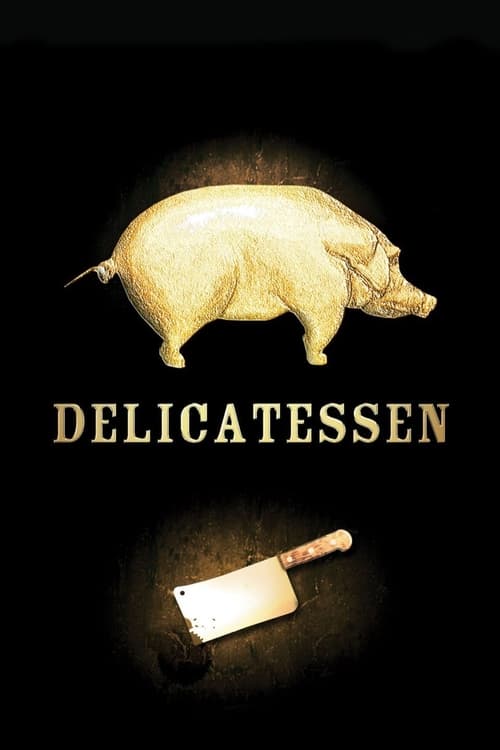
Channeling the dark and moody dystopian worlds of Terry Gilliam’s Brazil and Marc Caro and Jean-Pierre Jeunet’s Delicatessen, The Double is staged in a universe that seems futuristic but also recalls the early days of computer databases.
Like the off-kilter retro-futuristic worlds of “Brazil” and “Delicatessen,” “The Double” feels like a parallel universe that allows more fascinating things happen.
The production design (by David Crank, There Will Be Blood) recalls Brazil or Delicatessen, but less fun.
For all that, the The Double often feels as indebted to Brazil and Delicatessen as it does to those geniuses.
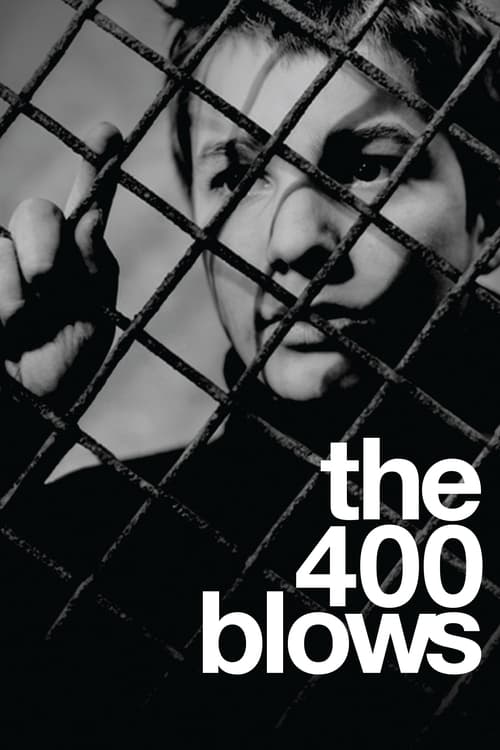
Lifting from Wes Anderson , Noah Baumbach , Danny Boyle , Whit Stillman and older avatars such as Richard Lester (let's not even start on its tributes to tributes to Truffaut 's " The 400 Blows "), it's so relentless in its piling on of snappy effects -- perfectly frozen freeze-frames, "quirky" mismatches of narration and image, and more, more, more -- that it kind of plays like " The Graduate " going through steroid psychosis.
Coming-of-age movies involving precocious, troublesome boys are a genre unto themselves, ranging from "Rushmore" to Truffaut's "The 400 Blows."
At one point, he can be seen running across a beach like another coming-of-age touchstone, Antoine Doinel, in a scene that is a direct visual quote of The 400 Blows.
There's a reoccurring beach motif that invokes François Truffaut's The 400 Blows.

It does, however, often recall the bizarre surrealism of David Lynch or Terry Gilliam’s “Brazil,” and even overtly references Alfred Hitchcock’s “Rear Window” and David Fincher’s “Fight Club.”
The Dostoevsky novella served as the official source of Bernardo Bertolucci’s 1968, barricades-busting Partner, and has also inspired dozens of doppelgänger movies, from Fight Club to the recent Enemy, Denis Villeneuve’s drab drama starring Jake Gyllenhaal as a pair of strangers no one could tell apart.
With obvious cinematic reference points such as Brazil, Delicatessen, Fight Club and Rear Window, Ayoade repeatedly turns to film history to help further inform the narrative.
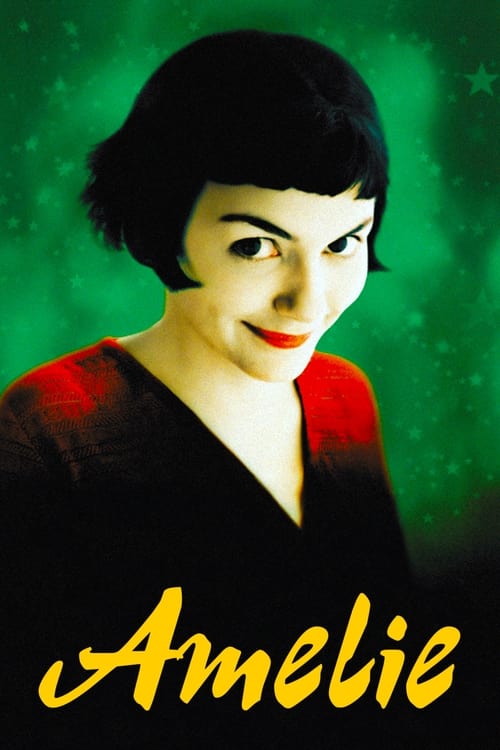
One can tell that such a quality is going to run rampant, starting with the title card (the first three letters of the title in one line over the next three in the second line over the final three in the third line) that's quite reminiscent of the same in Wes Anderson flicks, while the voice over narration and little and quickly edited comedy asides feel quite a bit like the same in "Amelie" and others of their ilk.
Ayoade borrows liberally from other filmmakers, including the family dynamics of Noah Baumbach's The Squid and the Whale and the speeded-up graphics of Jean-Pierre Jeunet's Amélie .
For all these reasons, it may seem a tad weak and derivative in its structure and approach compared to a number of prior and more superior films such as Jean-Pierre Jeunet’s “Amélie” (2001).
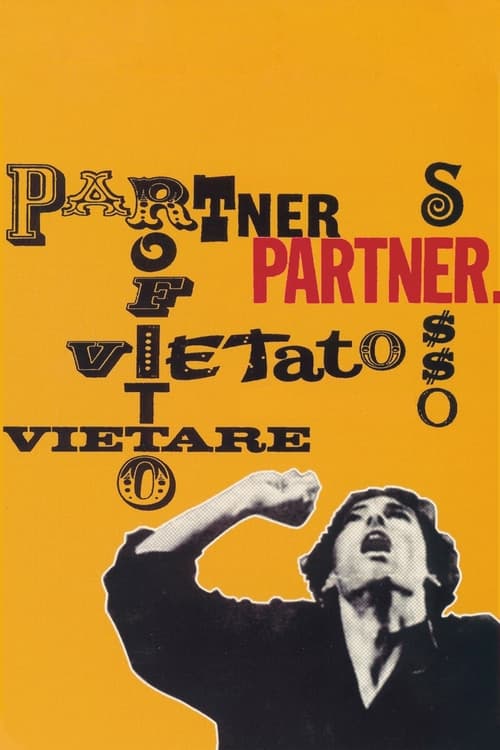
The Dostoevsky novella served as the official source of Bernardo Bertolucci’s 1968, barricades-busting Partner, and has also inspired dozens of doppelgänger movies, from Fight Club to the recent Enemy, Denis Villeneuve’s drab drama starring Jake Gyllenhaal as a pair of strangers no one could tell apart.
In 1968, just before his breakout "The Conformist," Bernardo Bertolucci tackled this surreal tale about a lowly office worker's psychotic break in "Partner," starring the pretty French actor Pierre Clementi -- who actually looks quite like Eisenberg, whose terrific performance balances the easily frustrated neurosis of Simon with the smooth debonair of the smarmy James.

The 33-year-old veteran of TV’s “The IT Crowd” points out that Oliver is constantly donning new gear, new hats, new identities: a poster of Alain Delon in “Le Samouraï” above his bedstead looms less as homage to a movie the filmmaker admires as another sharp dresser a teenager could never hope to grow to be.

Richard Ayoade’s second feature as director, The Double (Grade: B-) is a loose reworking of Dostoyevsky in the idiom of Brazil and Soderbergh’s Kafka.
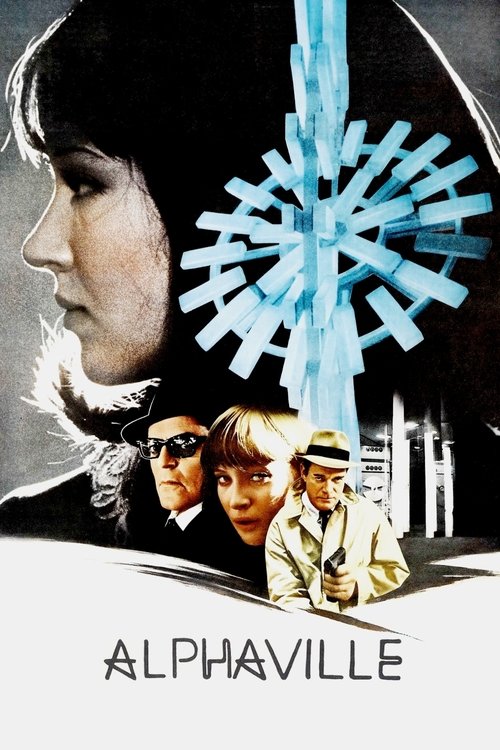
Set in a futuristic society of noirish government zombies slaving away in bleak bureaucratic bunkers for offices, it’s more a satire of Godard’s Alphaville than a menace designed for the Syfy channel.
Ayoade has cited Orson Welles’ Kafka adaptation “The Trial” as a key influence, with its similarly labyrinthine sense of entrapment, along with “Alphaville,” “Eraserhead” and the dry Nordic comedies of Roy Andersson and Aki Kaurismaki; the latter’s imprint is particularly apparent in “The Double’s” regular eruptions of deadpan humor and its rich, almost Sirkian color palette.
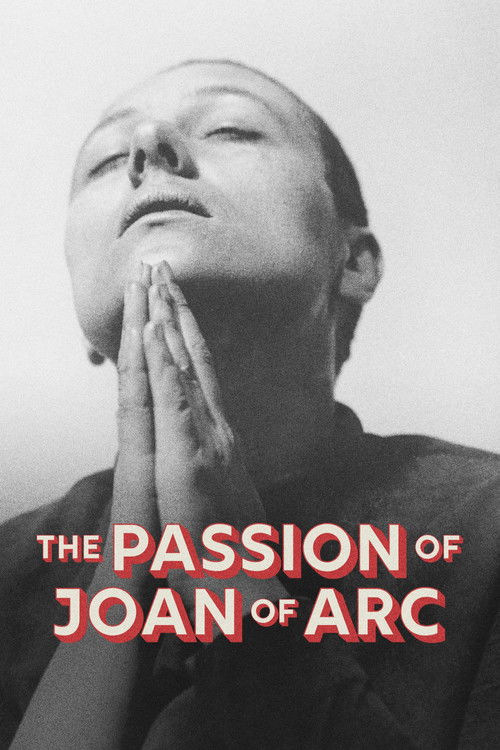
Oliver even takes his hip girlfriend to a screening of “The Passion of Joan of Arc” while trying to impress her with copies of “King Lear,” the works of Nietzsche, and a dog-eared copy of “The Catcher in the Rye.”
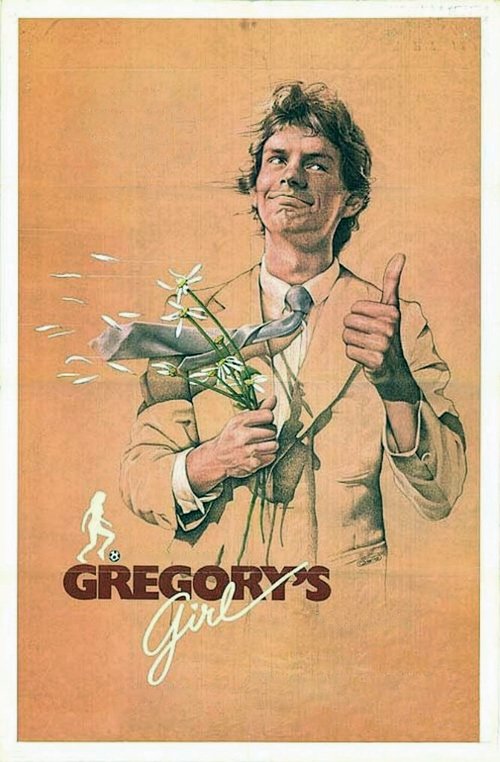
Somewhere in the space between "Gregory's Girl" and "Rushmore" lies " Submarine " (opening June 24 at Landmark's Hillcrest Cinemas), a charming coming of age romantic comedy.
When we see Oliver desolate over the loss of his girlfriend, his kindred spirit isn’t so much Max Fischer as the forlorn, clueless Gregory in Gregory’s Girl (1981).
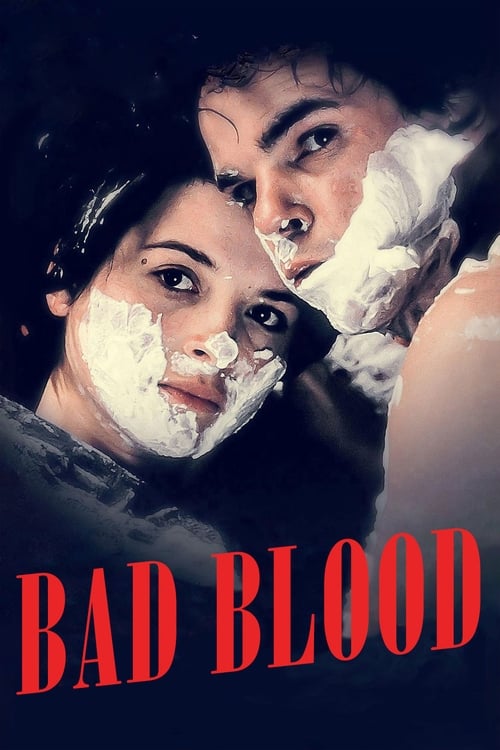
There are still clear references—one shot of Simon walking along a ridged, blue-painted wall recalls the “Modern Love” sequence of Mauvais Sang—but here he starts to come into his own as a filmmaker.
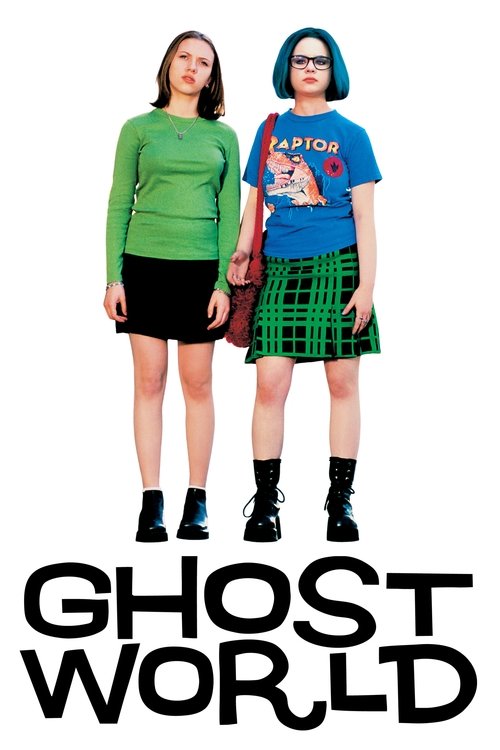
Ayoade delivers a very self-aware coming of age movie that favorable compares to “Juno” and “Ghost World.”
The result is a deliciously sardonic yet heartfelt film that emerges from a sea of adolescent angst with as much charm as such recent praiseworthy fare as Terry Zwigoff's Ghost Worldand Miguel Arteta's Youth in Revolt.