

Ron Howard
359 connections found
Filmography
 Apollo 13 1995
  The Da Vinci Code 2006
  Grand Theft Auto 1977
  Thirteen Lives 2022
  A Beautiful Mind 2001
  Solo: A Star Wars Story 2018
  Willow 1988
  Rush 2013
  Parenthood 1989
  Frost/Nixon 2008
 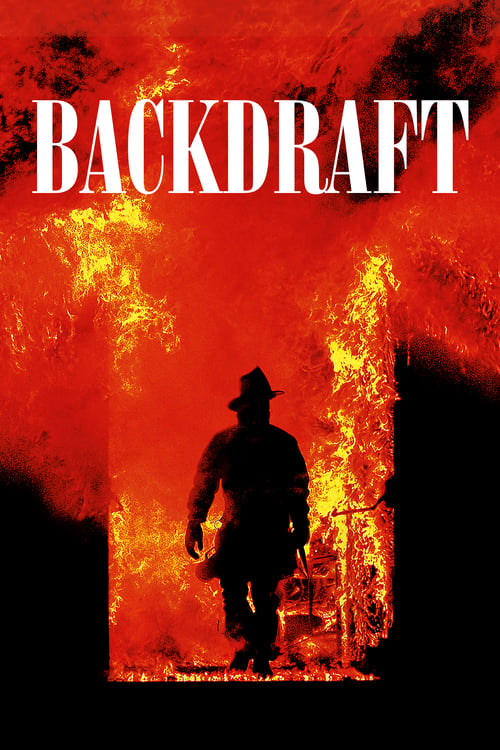 Backdraft 1991
  Hillbilly Elegy 2020
 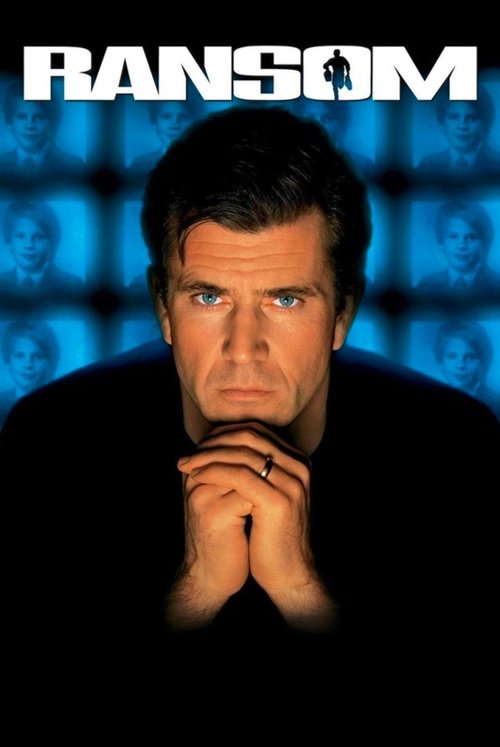 Ransom 1996
 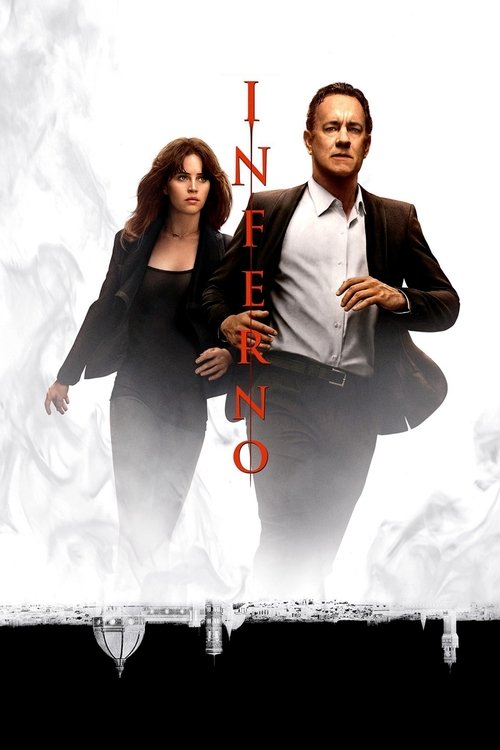 Inferno 2016
  In the Heart of the Sea 2015
  Cinderella Man 2005
 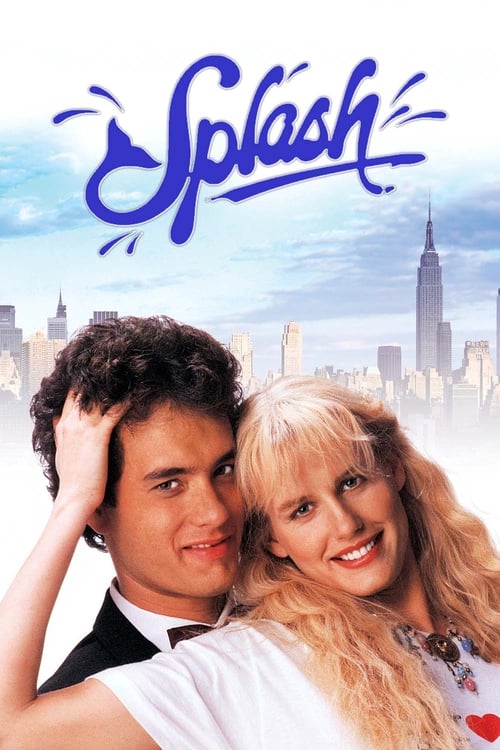 Splash 1984
  Angels & Demons 2009
  Far and Away 1992
  The Missing 2003
 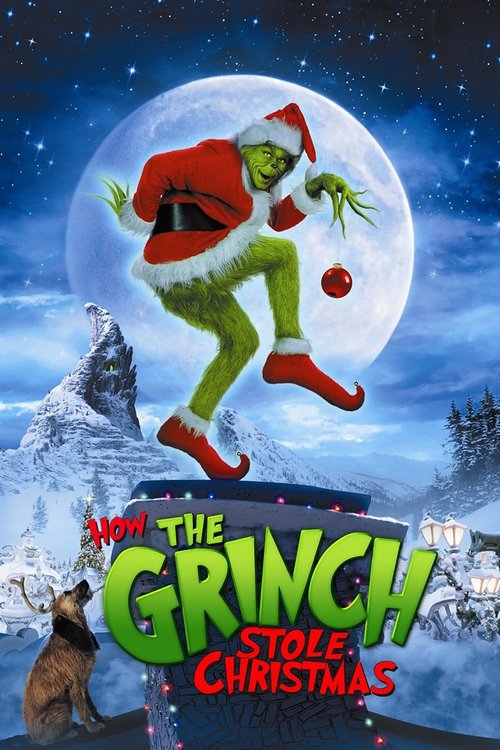 How the Grinch Stole Christmas 2000
  EDtv 1999
  Cocoon 1985
  Gung Ho 1986
 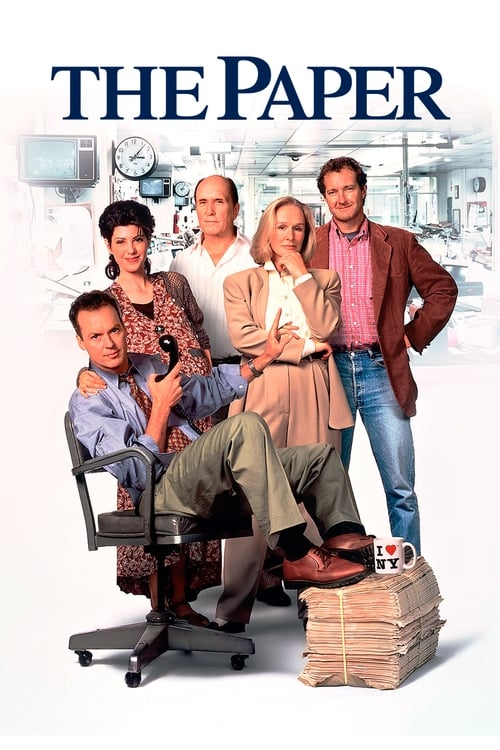 The Paper 1994
 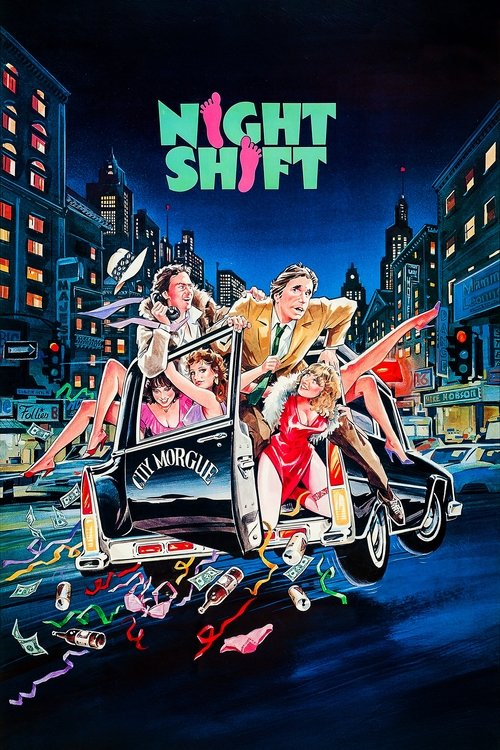 Night Shift 1982
 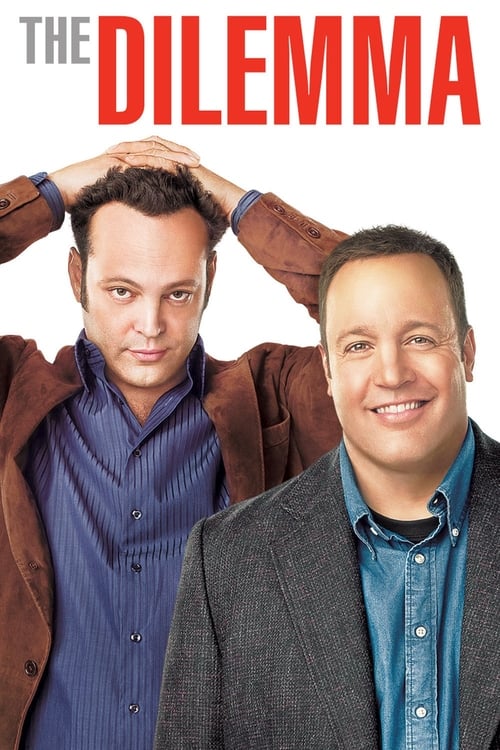 The Dilemma 2011
  Eden 2025
 View:
Connections, in both directions



More so than other films about the US space program, including " The Right Stuff " and " Apollo 13 ," it makes the experience seem more wild and scary than grand, like being in the cab of a runaway truck as it smashes through a guardrail and tumbles down the side of a mountain.
The film distinguishes itself from other space epics, such as Ron Howard’s space-program love letter Apollo 13, with Chazelle’s dogged insistence on filming much of the action from Armstrong’s perspective.
The movie succeeds thanks to director Damien Chazelle’s superb visuals, which land somewhere between the quiet indie look of his previous flick, “La La Land,” and the epic sweep of “Apollo 13.” Space has never looked so sexy, or felt so claustrophobic.
The 1950s - 70s heyday of the United States’ manned space program has been a relatively successful (if strangely infrequent) source of compelling cinematic stories, inspiring both rousing dramas (The Right Stuff [1983], Apollo 13 [1995]) and engrossing documentaries (For All Mankind [1989], In the Shadow of the Moon [2007]).
Una vez arriba, suspendido a la merced de las fuerzas naturales (con “Isaac Newton en el asiento del piloto”, como diría el Jim Lovell de Tom Hanks en Apollo 13), Chazelle nos presenta mejor a su protagonista, un hombre que en cualquier otra cinta pronunciaría en este momento alguna línea “de guion”, como sucede en aquella de Ron Howard.
We knew that Tom Hanks, as astronaut Jim Lovell, would survive a catastrophic mishap and make it home alive in Apollo 13—just as we knew that Hanks would safely ditch his plane in the Hudson River as an airline pilot in Sully.

Yet, in design and stemming from all of the NASA related material, it's far more akin to Ron Howard's superlative "Apollo 13" about that lunar crew ending up stuck in space while the NASA folks down on terra firma tried to figure out how to get them home.
The film it most brings to mind is Ron Howard’s Apollo 13, which recreated the real-life attempt to return the crippled space ship and its three astronauts safely to Earth.
Perhaps not since Ron Howard's 1995 Apollo 13 has a movie paid such loving tribute to star-struck visionaries and their egghead enablers, those brainiacs who work tirelessly to send them soaring past the heavens and just as feverishly toil to return them safely to the fold.
With its seductive blend of hi-tech Nasa chic and Apollo 13 -style DIY, the production design creates a lived-in feel that echoes the industrial environments of Alien .
While the likes of Apollo 13 and Castaway (both clear touchstones for this) were all about escape, Watney is more focused on endurance, making full use of the surroundings to prolong his own existence for as long as necessary.
That quote is one of the most memorable utterances in “Apollo 13,” a movie that “The Martian,” with its NASA-centric story and its all-hands-to-the-pumps, cooperation-is-key vibe, resembles more than just a little.

Appropriately for an adaptation of a poem once translated by Tolkien, there are occasional hints of Middle-earth, and Lowery clearly relishes realising boyhood fantasies of fantasy (he has previously cited Ron Howard’s Willow as an early inspiration).
The Green Knight’s aesthetic is built on a wildly diverse collection of cinematic references: There are touches of everything from sincere 80s fantasies such as Ladyhawke and Willow to the more transgressive work of Andrei Tarkovsky and Lars von Trier (including one CGI-rendered character familiar to viewers of Antichrist).
With inspiration from films such as Willow , The Dark Crystal , and The Passion of Joan of Arc , The Green Knight is a slow-burning, character study.
Lowery’s cine-literacy also points to his eclectic influences — Terrence Malick’s stamp is all over his first film; the visual textures of The Old Man & the Gun are right out of ‘70s New Hollywood; the transfixing rhythms of A Ghost Story take their cue from the haunting slow-cinema lyricism of Apichatpong Weerasethakul; and the director acknowledges Ron Howard’s Willow as a key ‘80s-throwback inspiration on this new film, which nonetheless feels entirely original in its imaginative world-building.
The path for Lowery to this medieval tale apparently resulted when he came across some action figures from Ron Howard’s Willow , a 1988 period tale that also featured a perilous journey.
Lowery has cited multiple films that influenced him over the years as he worked to bring The Green Knight to life onscreen: Willow , Bram Stoker's Dracula , The Dark Crystal , Marie Antoinette , and The Passion of Joan of Arc , a 1928 French silent film by Carl Dreyer.
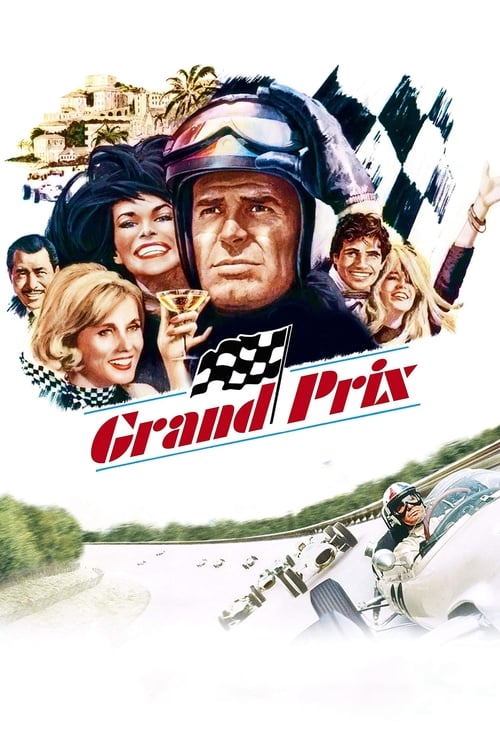
The rather routine racing scenes in "Rush" resemble the quick-cut sequences from many other films such as "Days of Thunder" and "Grand Prix." (What's with all those cameras on the ground capturing how the racing cars blow the grass around?)
While its tenure was short lived, we still have efforts like Grand Prix and Le Mans to remind us of what mediocre moviemaking is/was all about back then.
A worthy successor to John Frankenheimer’s “Grand Prix” (1966) and the documentary-like “Le Mans” (1971) with Steve McQueen, Ron Howard’s “Rush” puts the audience in the driver’s seat of the 1976 Formula One race car season.
Otherwise, apart from a little nudity and swearing, this isn’t all that much different than John Frankenheimer’s Grand Prix (1966) — except that Grand Prix was in Cinerama on its original engagements and was about 50 minutes longer.
That's the sport of Formula 1 racing, probably given its best big-screen exposure in the John Frankenheimer film "Grand Prix" (and the recent, thrilling documentary "Senna").
(Three racing films from my childhood kind of run together in my brain: “Grand Prix” with James Garner, “Winning” with Paul Newman, and “Le Mans” with Steve McQueen.
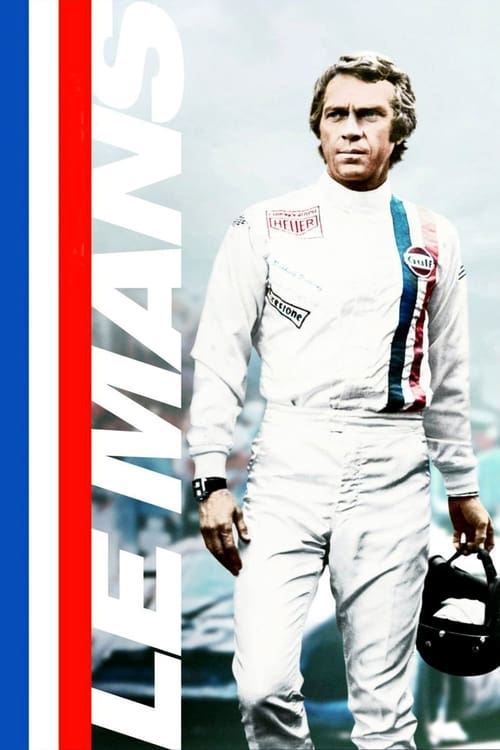
The cinematography by Anthony Dod Mantle (“Slumdog Millionaire”) never goes for those adrenaline-charged images that inspire other racing movies from “Grand Prix” and “Le Mans” to the “Fast & Furious” series.
While its tenure was short lived, we still have efforts like Grand Prix and Le Mans to remind us of what mediocre moviemaking is/was all about back then.
A worthy successor to John Frankenheimer’s “Grand Prix” (1966) and the documentary-like “Le Mans” (1971) with Steve McQueen, Ron Howard’s “Rush” puts the audience in the driver’s seat of the 1976 Formula One race car season.
(Three racing films from my childhood kind of run together in my brain: “Grand Prix” with James Garner, “Winning” with Paul Newman, and “Le Mans” with Steve McQueen.
Subject wise car racing of any facet has not transitioned well to the big screen, with only the Steve McQueen led Le Mans and Will Ferrell NASCAR spoof Talladega Nights crossing the finish line intact.
If you like this, try: “Winning” with Paul Newman, “Grand Prix” with James Garner, and “Le Mans” with Steve McQueen, and Peter Morgan’s “The Damned United” about another real-life sports rivalry.
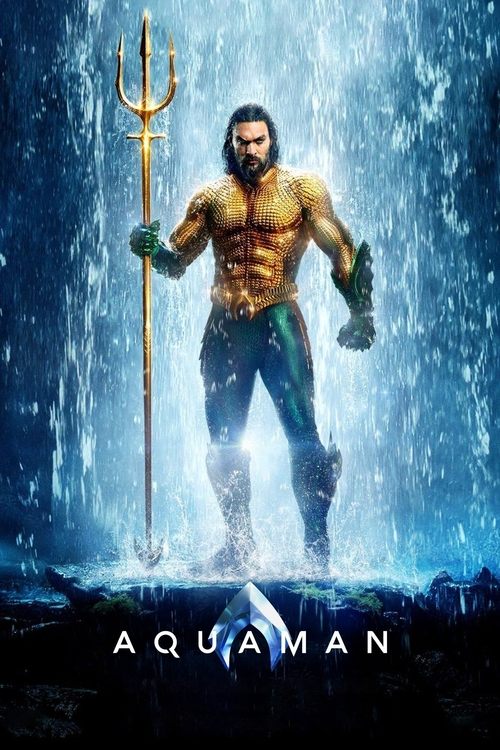
Aquaman (2018)
Directed by James Wan
influenced by Splash (1984), The Da Vinci Code (2006)
Visuals Characters Plot
Aquaman and Mera snack on roses in an Italian market, with Heard tearing into flowers fish-out-of-water style, a bit reminiscent of Daryl Hannah chomping a lobster in “Splash.”
The former plays the hydrokinetic love interest Mera, while the latter recalls Daryl Hannah in “Splash” (1984) before kicking ass in Tom’s living room.
This fantastic vision, something of a blend of Daryl Hannah in “Splash” and Gal Gadot in “Wonder Woman” is, in fact, Nicole Kidman with a touch of CGI to make her look more in her 20s than her current vintage – not that she needs it.
The movie starts out feeling like 1984's "Splash" with Kidman's Atlanna washing ashore and being baffled by the human world before we meet Aquaman.
It’s part Romancing the Stone , part The Da Vinci Code , part Sinbad, and all comes across as a bit of a straight-to-video, eighties swords and sorcery tale, and highly derivative.
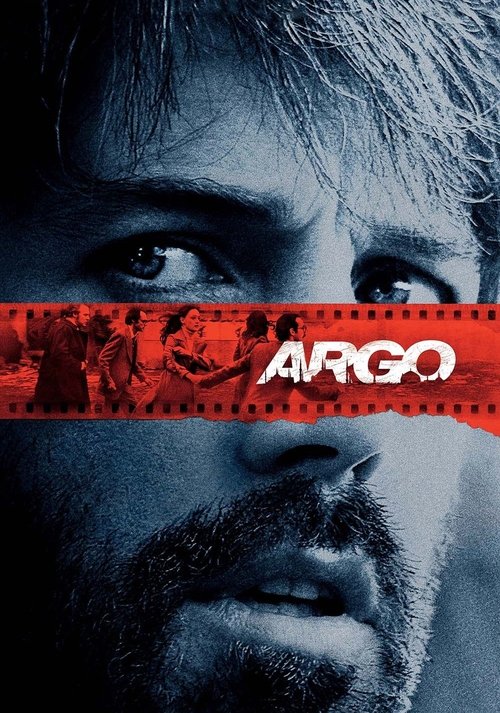
I was frequently reminded of 1995’s Apollo 13 in that we know how the whole thing will turn out, but the suspense is still borderline unbearable.
In the populist vein of Ron Howard 's “Apollo 13,” Affleck's rouser salutes the Americans (and, more offhandedly, the Canadians) who restored our sense of can-do spirit when we needed it.
In that vein, it’s very much like Ron Howard’s equally thrilling “Apollo 13,” albeit with a far more humorous bent that’s perfectly in keeping with Marx (Karl, not Groucho) and his theory on how tragedy and farce relate to history.
"Argo" is a lot like "Apollo 13" in that the outcome of the real story is public record.
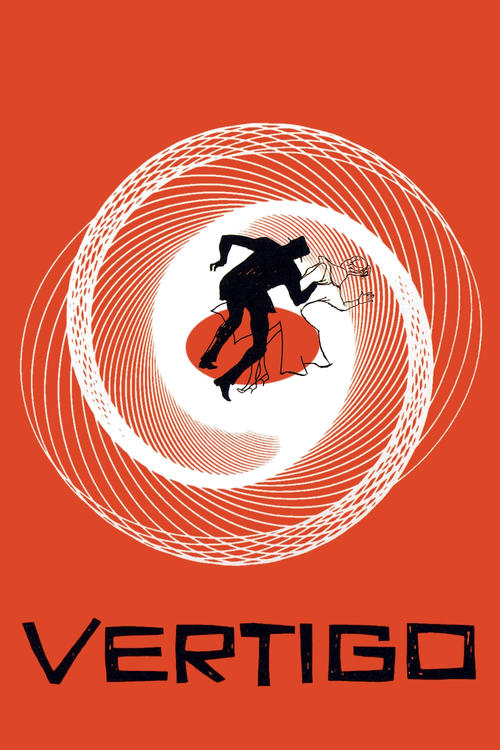
Next thing we know, Zobrist races to the top of a bell tower in Florence, Italy, and, rather than be arrested by a World Health Organization agent named Bouchard (Omar Sy), hurls himself to his death in an homage to Alfred Hitchcock's classic "Vertigo."
Howard kicks things off, however, with a more incongruous “Vertigo” reference — one of a couple, in fact — as crazed billionaire geneticist Bertrand Zobist (Ben Foster) falls to his death from the top of a bell tower in Florence.
The audience already knows that our crazed billionaire, Bertrand Zobrist (Foster), sort of a Richard Branson/Bill Gates love child, has been preaching about the imminent disasters caused by global overpopulation, and that he’s killed himself in a nod to Vertigo, rather than give up information to Sy.
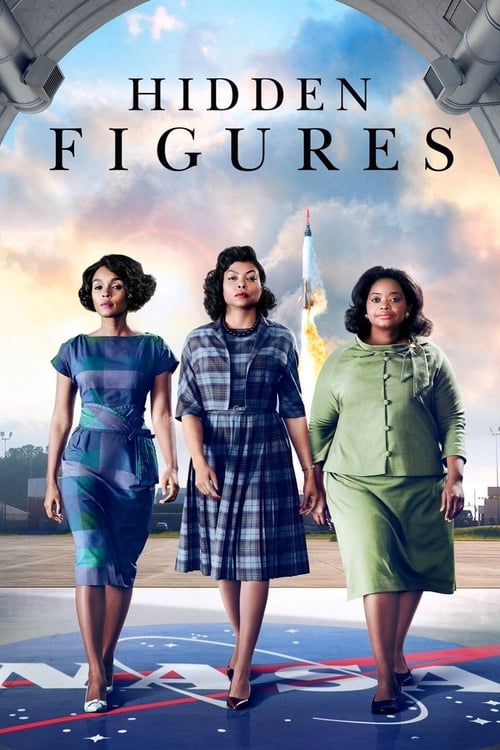
Hidden Figures (2016)
Directed by Theodore Melfi
influenced by A Beautiful Mind (2001), Apollo 13 (1995)
Themes Plot
It’s relatively easy to show the audience that a character is incredibly gifted at music or sports, but how do you show that a character is good at math? Darren Aronofsky pulled off that trick in his 1998 debut ?, but since most movies aren’t made by Aronofsky, most of them fail at this: Good Will Hunting, A Beautiful Mind, Proof .
If we're going to be subjected to the milquetoast-to-shitty likes of A Beautiful Mind (which the film strongly evokes in its opening scene, earning my immediate ire) and The Imitation Game every autumn, we might as well ask that they represent a fully diverse cross-section of humanity, but equality in mediocrity is hardly the stuff of inspirational cinema.
At times, it ends up appearing like a cross between A Beautiful Mind and Apollo 13—even borrowing one of the dramatic third act beats from the Ron Howard film—but the results are a feel-good inspirational story that rarely feels preachy, even if it also never goes out of its way to challenge the viewer.
Films such as A Beautiful Mind, The Theory of Everything, and The Imitation Game all lean in some way on the idea of the inaccessible genius—a mathematician, computer scientist, and theoretical physicist all somehow removed from the world.
In its best moments, Hidden Figures supplies the same work-the-problem thrills of Apollo 13 (if not the cosmological rapture of The Right Stuff), and benefits enormously from Kevin Costner in full lefty righteous-rage mode as the NASA director who smashes the sign off a segregated bathroom: “Here at NASA, we all pee the same color!”
At times, it ends up appearing like a cross between A Beautiful Mind and Apollo 13—even borrowing one of the dramatic third act beats from the Ron Howard film—but the results are a feel-good inspirational story that rarely feels preachy, even if it also never goes out of its way to challenge the viewer.
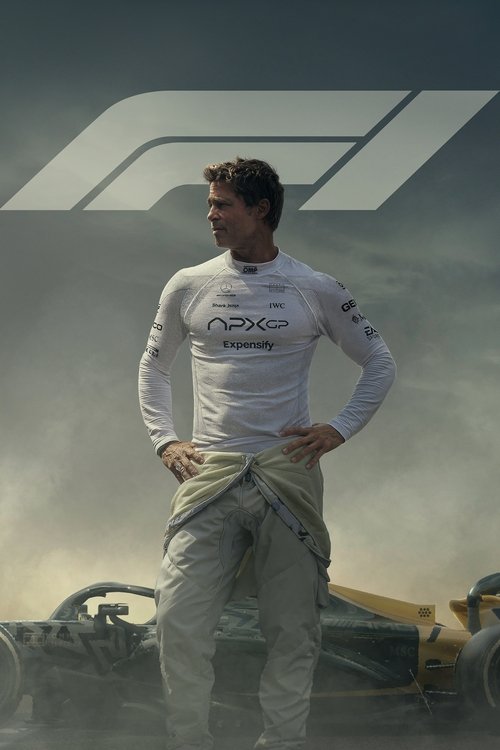
At least since 2013’s Rush anyway, but never quite so proudly branded as F1…
Not unlike Ron Howard’s Rush, Kosinski knows how to capture adrenaline through camera position and movement, always placing us in just the right spot between the characters or between the vehicles to ramp up the suspense.
You can see the influence of better racing films in the DNA: the bruised poetry of Ford v Ferrari, the tight emotional structure of Rush, even the metaphorical sweetness of Cars.
The film, which lands in theaters June 27 before a streaming release on Apple TV+, is a deft addition to a sturdy lineage of motorsport flicks, from Rush and Gran Turismo to Ford v Ferrari and, most recently, Ferrari.
…owing a variety of debts to prior 'art' like Le Mans '66 and Rush…
For comparison, Ron Howard’s “Rush” told a richer, more human story. And that was half an hour shorter.
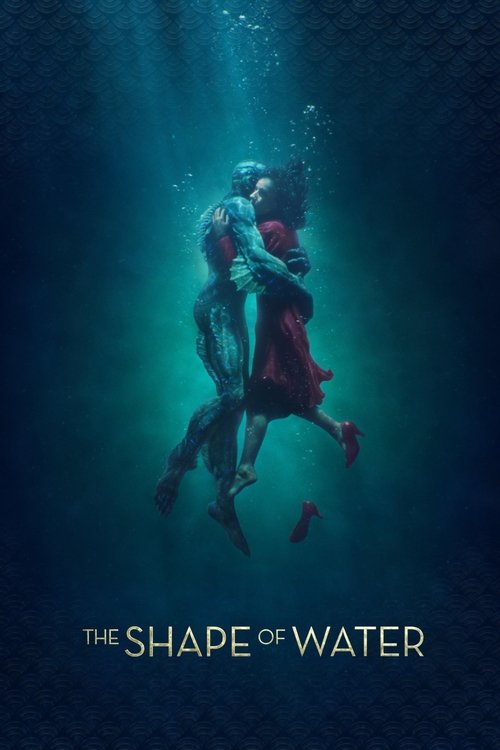
The Shape of Water (2017)
Directed by Guillermo del Toro
influenced by Splash (1984), Hillbilly Elegy (2020)
Plot Characters
Effectively a remake of Ron Howard’s Splash with the first act excised, Water ’s a beautiful film with a touching turn from Sally Hawkins, that fails to engage the intellect on any level whatsoever.
What follows is a weird and wondrous romantic thriller that casts its inspirational web wide: from 50s monster movies such as Creature From the Black Lagoon to Ron Howard’s 80s mermaid rom-com Splash , via the 12th-century writings of Persian poet Hakim Sanai.
Michael Shannon dominates many scenes as the sadistic Colonel Strickland, who regards the creature as his personal property – putting him at odds with his colleague Dr Hoffstetier (Michael Stuhlbarg), an eccentric scientist perhaps partly inspired by Eugene Levy in Splash .
Director Ron Howard and his screenwriter Vanessa Taylor ( The Shape of Water) don’t abandon those shadings.
Adapted by the screenwriter Vanessa Taylor, who cowrote “The Shape of Water,” “Hillbilly Elegy” stares at its screwed-up yokel characters from the outside in, but it’s most comfortable riding along with J.D., who in the book was grappling with his own psychological and emotional legacy, but who in the movie just comes off as a big, bearish, wholesome hunk of good intentions — a young man who’s the soul of decency stuck in a made-for-TV “My mom was a junkie!” melodrama.
J.D. Vance’s bestselling memoir, “Hillbilly Elegy” is adapted to rigorous Oscar-bait effect by Oscar-nominee Vanessa Taylor (“The Shape of Water”).
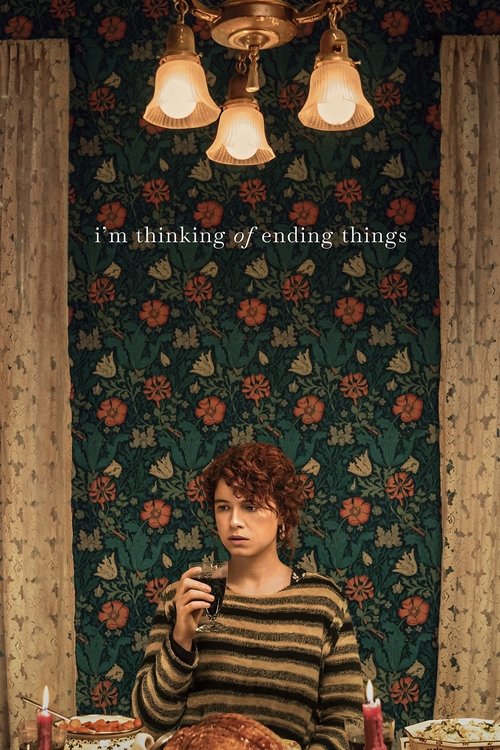
I'm Thinking of Ending Things (2020)
Directed by Charlie Kaufman
influenced by A Beautiful Mind (2001)
There is an old man janitor who appears throughout the film and reveals his true nature at the end, and then we seem to go fully into Jake’s fantasies as he imagines winning a Nobel Prize—and delivers John Nash’s acceptance speech from A Beautiful Mind—in front of an audience of young people in obvious high school theater old person makeup.
There’s a hilarious blink-and-you’ll-miss-it joke about Robert Zemeckis and a delightful visual reference to “A Beautiful Mind.”
Where and how these two apparently disparate narratives converge is only made clear by the film’s finale (and even then, it’s not really certain), which goes full-blown “it was all just a dream” hallucinatory strangeness, complete with musical numbers from Oklahoma! and speeches from Ron Howard’s A Beautiful Mind .
Also in play are a talking pig, a snowbound ice cream shop, a speech from "A Beautiful Mind" and David Foster Wallace's "A Supposedly Fun Thing I'll Never Do Again."
Alain Resnais’ time and memory fractures; dramatizations of the climactic scene of “A Beautiful Mind”; Pauline Kael’s review of John Cassavetes’ “A Woman Under The Influence”; lightly lugubrious Swedish comic director Roy Andersson’s constructed horizons, palette deracinated and dimmed, gray to green to dun; “Fight Club”; all within a ragingly boldface ET CETERA.
It will help to be familiar with the musical "Oklahoma" especially the dream ballet; with Gena Rowlands' performance in John Cassavetes's "A Woman Under the Influence" and maybe Pauline Kael's review of it; and maybe with the ending of "A Beautiful Mind."
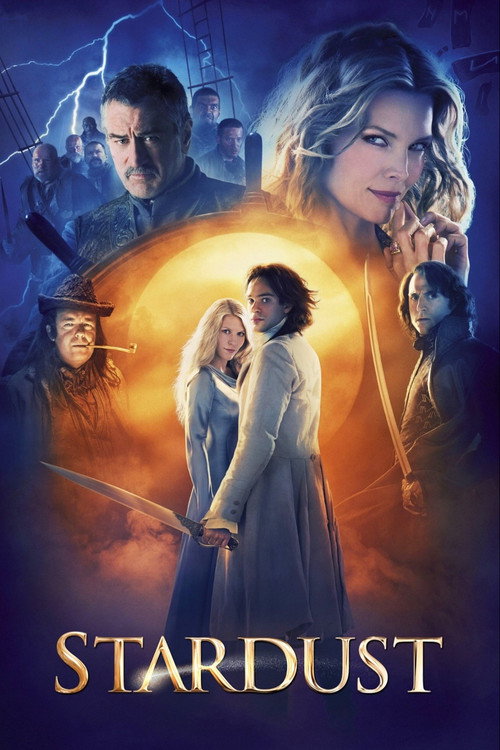
Hes cribbing from William Goldman (The Princess Bride) and some lesser sword and sorcery efforts (Stardust frequently feels like Krull combined with the worst elements of George Lucas labored Willow) to brace his otherwise stiff English lip.
In a way it’s a throwback to what fantasy movies were before Peter Jackson, reminiscent of now rather dated work like Willow, Legend, or The Dark Crystal.
Although witches and unicorns living in a magical realm may conjure up images of Willow or Labyrinth, Stardust actually owes an equal debt to The Princess Bride.
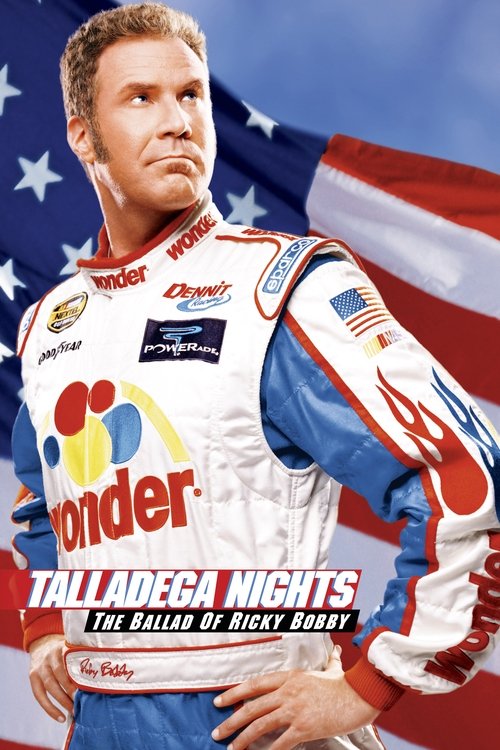
Talladega Nights: The Ballad of Ricky Bobby (2006)
Directed by Adam McKay
influenced Rush (2013)
Plot Themes
While there isn't really a Formula One racing film to compare to Ron Howard 's " Rush " (unless the Sylvester Stallone starring " Driven " from 2001 counts), the Nascar themed " Talladega Nights: The Ballad of Ricky Bobby " came to mind with Jackie Chan 's " Thunderbolt " coming in a close second.
In the 2006 comedy Talladega Nights , Will Ferrell and Sasha Baron Cohen were hilarious as NASCAR drivers bent on each other’s destruction, while the mesmerizing 2010 documentary Senna traced the real-life competition between the Brazilian Formula One driver Ayrton Senna and his career archrival, the French driver Alain Prost.
Subject wise car racing of any facet has not transitioned well to the big screen, with only the Steve McQueen led Le Mans and Will Ferrell NASCAR spoof Talladega Nights crossing the finish line intact.
We don’t get many films about professional racing, only “Senna”, “Days of Thunder”, and “Talladega Nights” come immediately to mind, so it’s always refreshing to see a film attempt to capture the speed and power of the elegant machines built to satiate humankind’s relentless need to race.
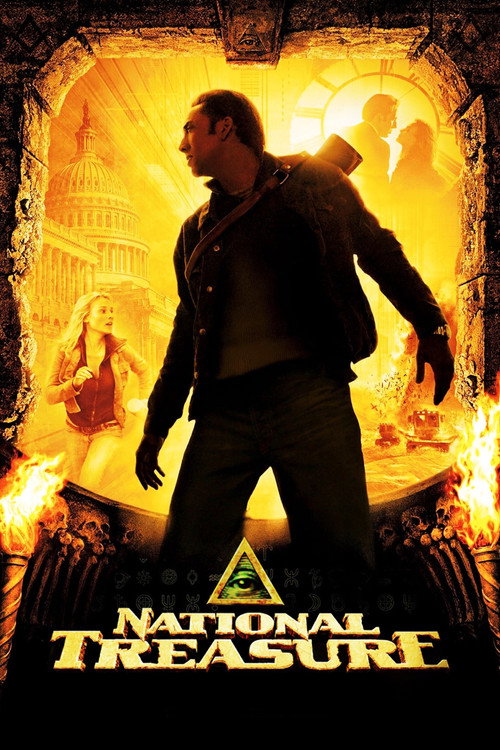
National Treasure (2004)
Directed by Jon Turteltaub
influenced Inferno (2016), Angels & Demons (2009), The Da Vinci Code (2006)
Plot Themes
If you have read "The Da Vinci Code," you already know the basic plot of "National Treasure."
Although the filmmakers want it made clear that National Treasure was already in the works before Dan Brown�s bestselling novel The Da Vinci Code was released, readers and viewers of both will delight in the similarities: Secret societies revealed, a quest for the truth and treasure, a hateful bad guy, and a good guy and good girl who share some romance along the way.
It hints at the kind of delicious brain candy that made "The Da Vinci Code" a blockbuster best seller.
In a perfect world, they should transition nicely to the big screen as breezy popcorn movies akin to the National Treasure flicks but the execution just never seems to be there.
You wish it would combine with the “National Treasure” movies so Nic Cage could appear and at least liven things up a bit.
It’s honestly ridiculous, a Nicolas Cage “National Treasure” puzzle-thriller with a degree in art history.
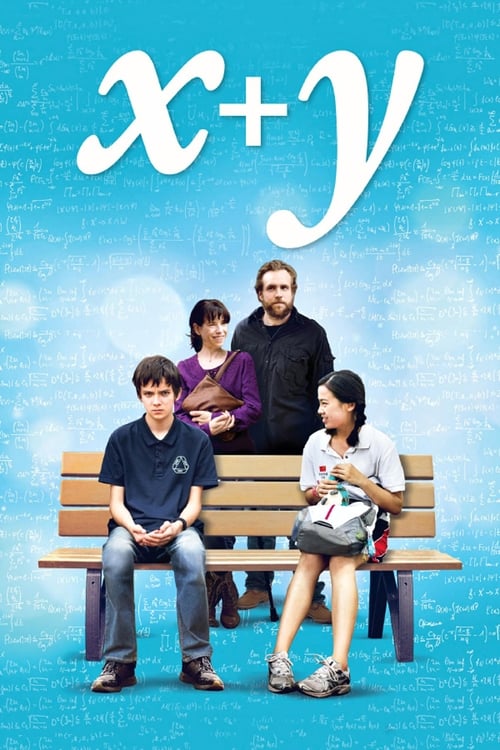
Deconstructionist critics and mainstream moviegoers alike may find it difficult not to reference “Rain Man,” “A Beautiful Mind” and “David and Lisa” while describing the movie to potential ticketbuyers.
The title of Morgan Matthews ’ “A Brilliant Young Mind” all too obviously echoes that of Ron Howard ’s “ A Beautiful Mind ,” but although both films concern mentally challenged mathematics prodigies, they are otherwise almost exact opposites: where the 2001 multiple Oscar winner offered a compendium of Hollywood moviemaking strengths, this BBC Films import mainly serves up TV-style triteness and warmed-over clichés.
Documentary filmmaker Morgan Matthews uses his non-fiction BBC telefilm “Beautiful Young Minds” (2007), about the UK team vying for spots at the 2006 International Mathematics Olympiad, as the basis for his first fiction feature, which itself bears a strong comparison to Ron Howard’s Oscar winner “A Beautiful Mind.”
The externalization of the internal is a common method in many a math genus picture (Good Will Hunting and A Beautiful Mind used visual devices to simulate how the genus brain calculates information).
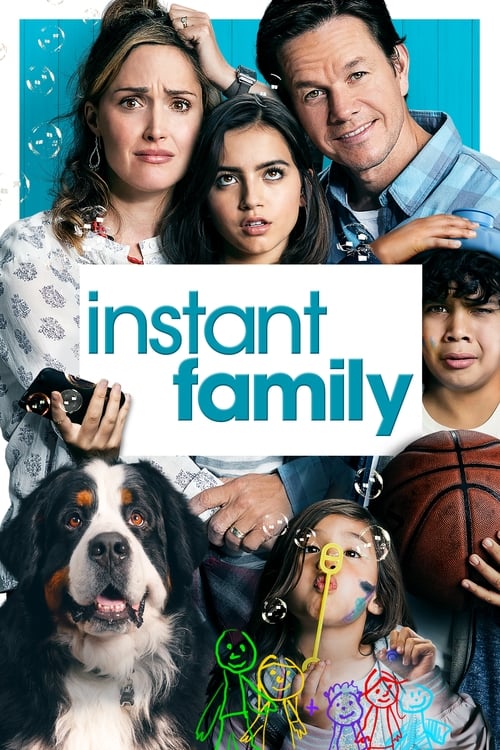
This big-hearted but surprisingly nuanced comedy drama about a white couple adopting three Latino siblings has been compared to Parenthood, the Steve Martin movie of 1989, and it certainly has a similar balance between schmaltz, silliness and disarming insight.
Clearly indebted to the more serious efforts of John Hughes or Ron Howard’s Parenthood than most modern day family comedies, Instant Family is one of the most pleasant surprises of not just the holiday season, but of the year in general.
“Instant Family” may be our era’s equivalent of a movie like Ron Howard’s “Parenthood” (1989), which came on as a comedy of parental angst ripped from experience but was, in fact, a tasteful sitcom.
But Sean Anders’ film, based on his own experiences of fostering children, is closer to something like Parenthood than a broad knockabout comedy with a cloying message tacked on.

While there isn't really a Formula One racing film to compare to Ron Howard 's " Rush " (unless the Sylvester Stallone starring " Driven " from 2001 counts), the Nascar themed " Talladega Nights: The Ballad of Ricky Bobby " came to mind with Jackie Chan 's " Thunderbolt " coming in a close second.
It's much better than Tom Cruise's Days of Thunder and Sylvester Stallone's Driven.
If those things are what you want, seek out 2008's dazzling, candy-coated, sorely underappreciated " Speed Racer " or even 2001's Sylvester Stallone ensemble action-drama, " Driven ," instead.
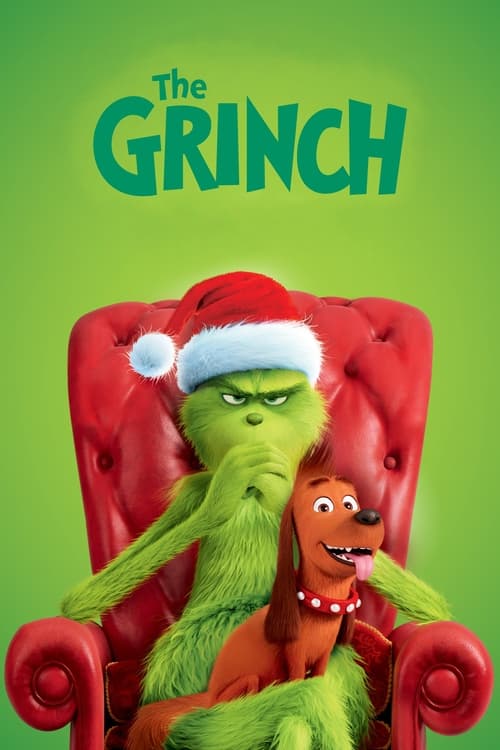
The Grinch (2018)
Directed by Yarrow Cheney
influenced by How the Grinch Stole Christmas (2000)
Plot
Plus, while The Grinch must compete with both Seuss's bright rhyming couplets and the magnificent 1966 TV special directed by Chuck Jones, the most immediate point of comparison is actually the 2000 How the Grinch Stole Christmas .
The Grinch is the third screen adaptation of Dr Seuss’s How the Grinch Stole Christmas (after the Boris Karloff-voiced animated version in 1966 and the Jim Carrey vehicle in 2000) and easily the most satisfying.
From the studio that produced the Despicable Me movies and 2012’s terrible The Lorax, The Grinch is the second film the highly profitable family animation studio has made based on Dr. Seuss’s adored text, and it’s the second time the story of the holiday-hating green grouch comes to the silver screen after 2000’s How the Grinch Stole Christmas.
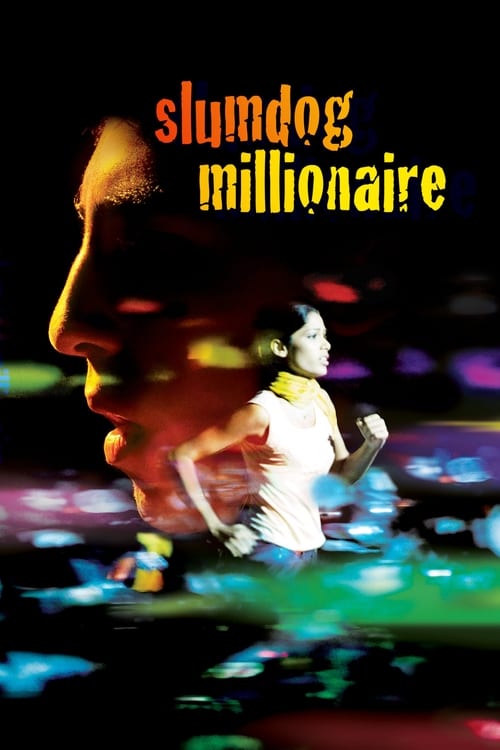
The racing scenes, brought to gloriously vivid life by Oscar-winning cinematographer Anthony Dod Mantle (“Slumdog Millionaire”), evoke that feeling of the title with cameras and angles that don’t just place us within the cars but virtually inside the drivers’ heads.
The cinematography by Anthony Dod Mantle (“Slumdog Millionaire”) never goes for those adrenaline-charged images that inspire other racing movies from “Grand Prix” and “Le Mans” to the “Fast & Furious” series.
He's forged a team combining "Slumdog Millionaire" veterans like fluid cinematographer Anthony Dod Mantle and production designer Mark Digby with his own regular editors Dan Hanley and Mike Hill and veteran composer Hans Zimmer .
He usually works for directors like Danny Boyle, on “Slumdog Millionaire,” or Lars von Trier, on “Antichrist,” and it speaks well for Howard that he sought out someone to embolden the look of his film—to stoke its colors and give it the blaze of a waking dream.
Ron Howard, re-teaming with his “Frost/Nixon” screenwriter, the Oscar-darling Peter Morgan (“The Queen”), and thanks to sterling efforts from his regular editor, Daniel P. Hanley and Danny Boyle’s favorite cinematographer Anthony Dod Mantle (“Trance”, “Slumdog Millionaire”) has turned Formula 1 racing into moving, surround sound art.
The good news is that "Rush" looks more like a Danny Boyle film than a Howard film, and that's because Howard uses Boyle's Oscar-winning cinematographer, Anthony Dod Mantle ("Slumdog Millionaire"), to capture the fluid, high-speed world of Formula One auto racing in the mid-1970s.