
John Mackenzie
16 connections found
Filmography
View:
Connections, in both directions
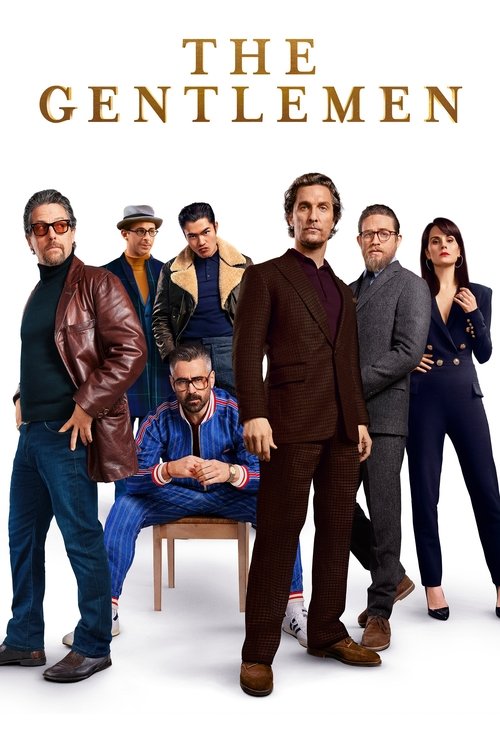
The Gentlemen (2020)
Directed by Guy Ritchie
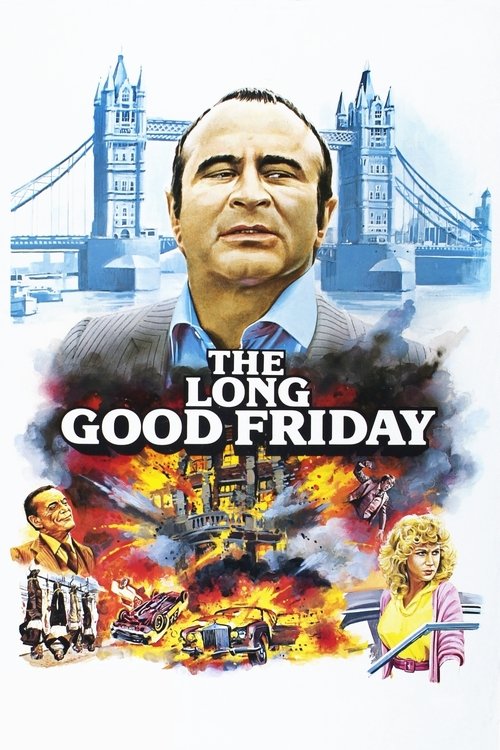
influenced by The Long Good Friday (1980)
Visuals Themes


Running with the conceit that Fletcher is pitching this entire story as a movie script, the screenplay is also loaded with self-referential film jokes, including allusions to Francis Ford Coppola's The Conversation and John Mackenzie's cult 1980 London gangster classic, The Long Good Friday .
Beyond regressive windbaggery, nothing justifies the two-hour running time: not the archaic soundtrack cues, nor the lame imitations of viral gang videos, nor the clanging late homage to 1980’s seminal Britflick “The Long Good Friday,” unfit to inhabit the same planet as its inspiration, let alone lace its boots.
A devoted fan of the crime genre, Ritchie peppers his script with a hefty dose of self-referential gags including a reference to Francis Ford Coppola’s The Conversation, which Fletcher decrees as “a bit boring,” and John Mackenzie’s seminal 80s London gangster flick The Long Good Friday , which Ritchie has consistently taken heavy inspiration from.
This germ of an idea is that, whilst simultaneously being a homage to Ritchie’s own role in British film history, this is ultimately an ode to another crime classic; The Long Good Friday .
Asians, African-Americans, Jews and more are set up to be targets and punchlines and what is worse is that not only are the gags stretched to breaking point — a gag involving someone being called a “black bastard” and whether or not that is racist — but they are stolen from other projects i.e. the gag with the name Phuc is a gag from the teen comedy Superbad , the particular use of a pig is from the anthology TV series Black Mirror and of course, Ritchie’s insistent cribbing of the classic British crime flick The Long Good Friday (including the ending!) — which thankfully is not as blatant as it was in Rocknrolla.
The British gangster subgenre reached its peak 40 years ago with a lean, mean ditty called The Long Good Friday .
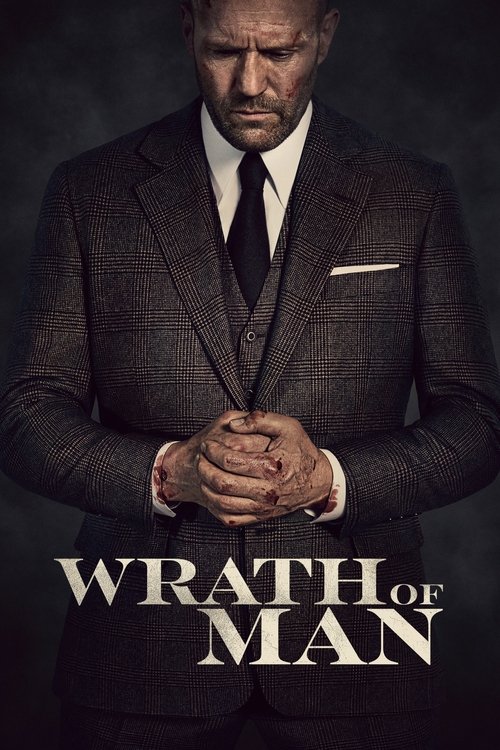
However, this is a film more reminiscent of The Long Good Friday than The Lavender Hill Mob.
Rather, Wrath of Man feels like a British crime movie from the 1970s or early 1980s, more akin to Get Carter or The Long Good Friday in its sense of quiet, dissolute brutality mixed in with an effort to keep the viewer in the dark.
A Most Violent Year (2014)
Directed by J.C. Chandor
influenced by The Long Good Friday (1980)
Themes Plot
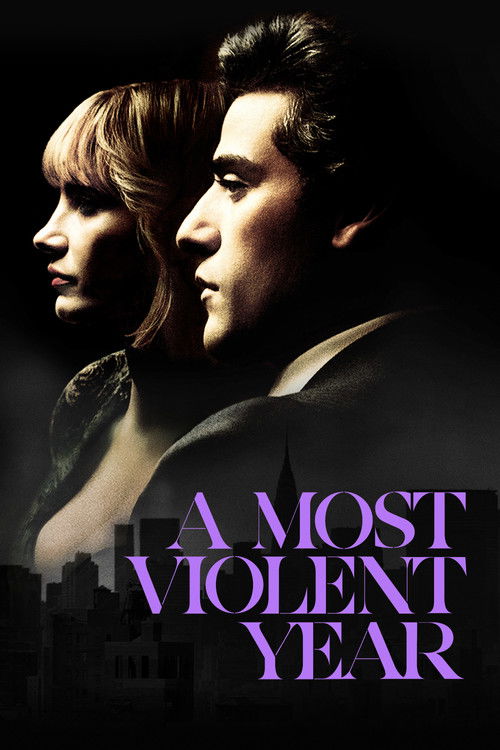
This gripping drama recalls The Long Good Friday - also set in the get-rich-quick years of the early 80s - but unlike Bob Hoskins's brutal gang boss, Morales is an honest, nice guy "taking the path most right".
Imagine a New York version of The Long Good Friday and you’ll have some idea of where the plot is heading.

RocknRolla (2008)
Directed by Guy Ritchie
influenced by The Long Good Friday (1980)
Themes Visuals Characters
Avoid RocknRolla, keep the Lock, Stock DVD in the cupboard and acquire by any means possible the superior British gangster film The Long Good Friday.
ALMOST all London crime films since 1980 owe a debt to John Mackenzie's The Long Good Friday but some owe more than others.
If “The Long Good Friday” (1980) were an Abbott and Costello movie, it would have looked and sounded a lot like this.
Driven by cockney bovver boy riffs culled from The Long Good Friday, Minder and The Sweeney, and a visual style remarkable for its relentless spray of music video techniques minus a strong personality and point of view, Ritchie's movies (the over-rated Lock, Stock And Two Smoking Barrels and Snatch) are fun but dumb.
There's an old-school bad guy named Lenny ( Tom Wilkinson , channeling Bob Hoskins in "The Long Good Friday") and a new-school Russian bad guy named Uri (Karel Roden, revisiting the shady Russki he played in "The Bourne Supremacy" ).

From "Get Carter" and "The Long Good Friday" through "Croupier" and "Lock, Stock and Two Smoking Barrels," U.K. filmmakers have shown a liking and facility for crime stories featuring hard guys tested by intolerable dilemmas.
That opening scene serves as a dark and funny omen for what follows in this stylish thriller that evokes numerous British crime dramas like "Performance" and "The Long Good Friday."
"Sexy Beast" falls somewhere between the best of the genre - "The Long Good Friday," for example, and the stylish hijinks of Guy Ritchie's "Snatch."
The purposeful violence of Brit mobsters at cross-purposes recalls Villain (which, not incidentally, also co-starred Ian McShane), The Long Good Friday and the original 1971 Get Carter.
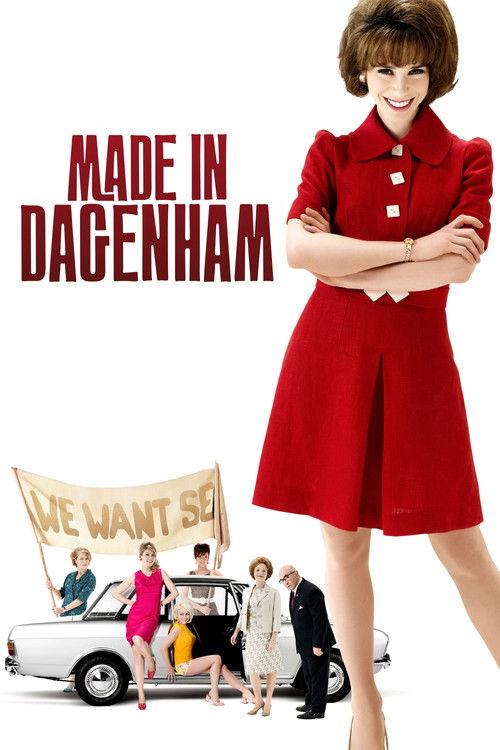
Union representative Albert Passingham (Bob Hoskins, "The Long Good Friday," "Mrs Henderson Presents"), who was brought up by a single mother working multiple, low paying jobs, encouraged the plucky Rita O'Grady (Sally Hawkins, "Happy-Go-Lucky," "Never Let Me Go") to join a meeting with company execs about a possible work stoppage.
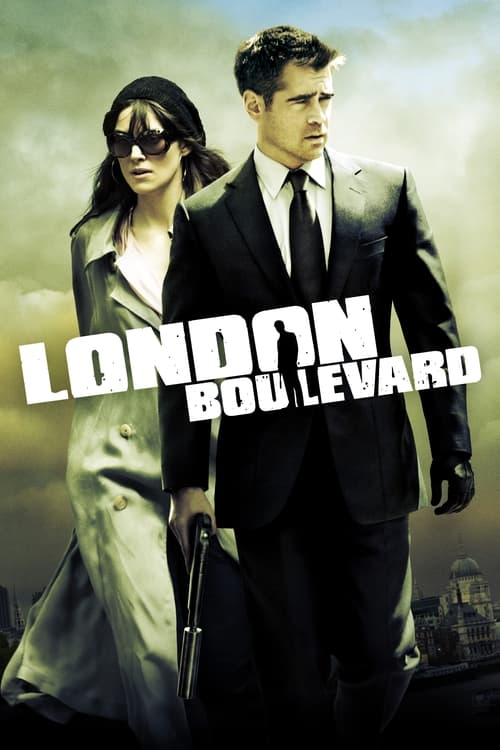
It also sports a terrific, Morricone-tinged score by Sergio Pizzorno, which gives a lyrical lift to the brass-tacks British crime movie style (reminiscent of The Long Good Friday or Layer Cake).
Leviathan (2014)
Directed by Andrey Zvyagintsev
influenced by The Long Good Friday (1980)
Characters
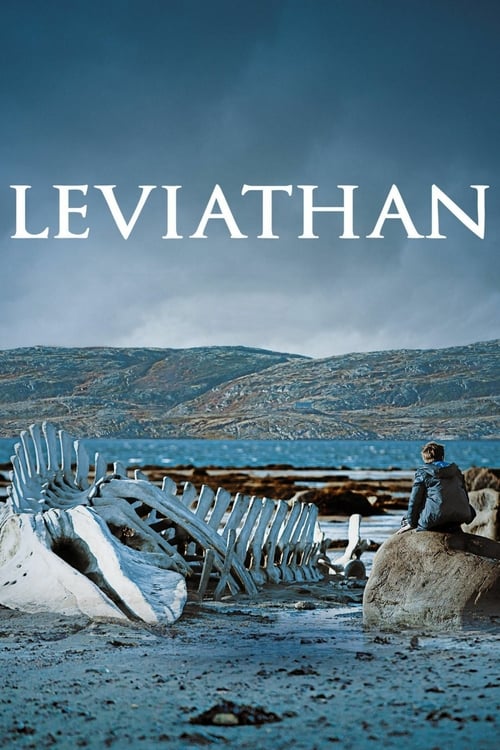
He becomes the target of the corrupt mayor (Roman Madyanov, brilliantly conjuring up shades of Bob Hoskins in “The Long Good Friday” and current Russian prez Vladimir Putin) in a northwestern Russian province near the Finnish border.
Kolya becomes the target of the corrupt mayor (Roman Madyanov, brilliantly conjuring up shades of Bob Hoskins in The Long Good Friday and current Russian President Vladimir Putin) in a northwestern Russian province, near the Finnish border.

It's a scene that rivals Bob Hoskins' performance at the end of The Long Good Friday, albeit creating vastly different tones.

Vanished is the vibrantly attractive, crisply energetic star of "Prime Suspect" and "The Long Good Friday."

Once one of the most dependable ?xes in cinema, the British crime genre has taken some serious hits lately, with the no-nonsense grit of The Long Good Friday and Get Carter giving way to sub-Tarantinoid ?ash.
Like a cross between The French Connection and The Long Good Friday, Layer Cake seems less concerned with romanticizing the criminal life than in demonstrating how fates can turn on their way to the top.
The British gangster films Get Carter and The Long Good Friday were built on hard-boiled characters caught in situations that pushed their code of honor.
It aspires to the same lofty heights as the classic “The Long Good Friday” and doesn’t quite hit the mark.
Lock, Stock and Two Smoking Barrels (1998)
Directed by Guy Ritchie
influenced by The Long Good Friday (1980)
Plot Themes
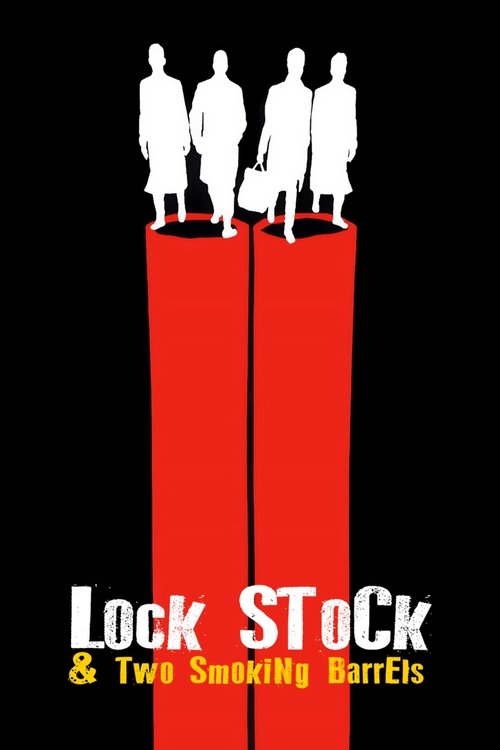
Writer-director Guy Ritchie piles it on: they're naff, spoiled boys who find themselves in the Cockney gangland of "The Long Good Friday," getting in a bind over an 500,000 gambling debt, sliding into a rip-off involving pot dealers and debt collectors and self-proclaimed "porn kings," and finding the kind of old-line, hard-ass muscle against them.
In one corner, ''The Long Good Friday'' and a British cinematic tradition of hoods and skanks whose identities and accents are not, at first, readily tracked by American audiences.
The director, Guy Ritchie , says his greatest inspiration was "The Long Good Friday'' (1980), the Cockney crime movie that made a star out of Bob Hoskins .
Instead, he cites his primary inspiration as the taut, brilliant 1980 British gangster film, The Long Good Friday.
That aside, The Long Good Friday is still a sizzler, and clearly the precursor for later entries like Lock, Stock and Two Smoking Barrels.
No heroes presented and no story to speak of are the main attributes for this futile attempt at a Trainspotting, Performance, The long Good Friday, and a Tarantino-like gangster/comedy, all rolled into one film.
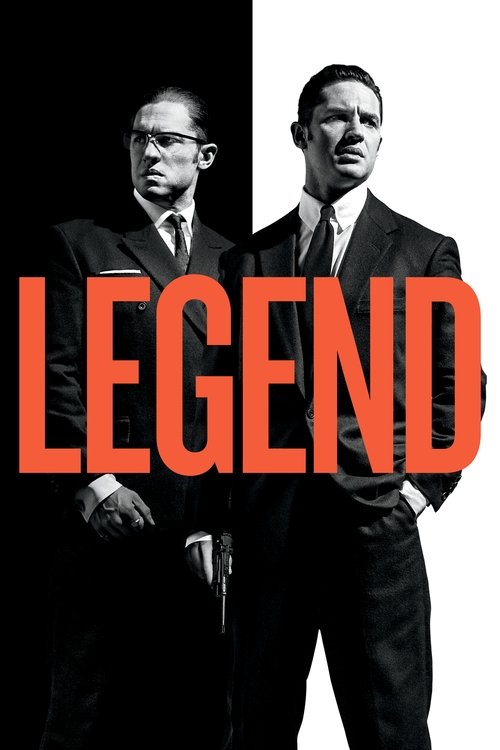
This may be a British-French co-production, derived from John Pearson’s insider text The Profession of Violence: The Rise and Fall of the Kray Twins, but Helgeland’s worldview is more Goodfellas than The Long Good Friday, a portrait of glittering London as artificial as the Krays’ star-struck vision of themselves as the last of the famous international playboys.

Imagine a New York version of The Long Good Friday and you’ll have some idea of where the plot is heading.

Ford, who also was in "Lock, Stock" and the great British gangster film "The Long Good Friday," keeps his hammy role lively - at least until Brick Top wears out his welcome.

While watching Joe Wright's intensely cinematic interpretation of McEwan's book (co-executive-produced by McEwan and written by Christopher Hampton, best known for adapting "Dangerous Liaisons," "The Honorary Consul"/"Beyond the Limit," "The Quiet American," "The Good Father), I kept wondering how far into the story I had actually read.