
Andrzej Żuławski
31 connections found
Filmography
View:
Connections, in both directions
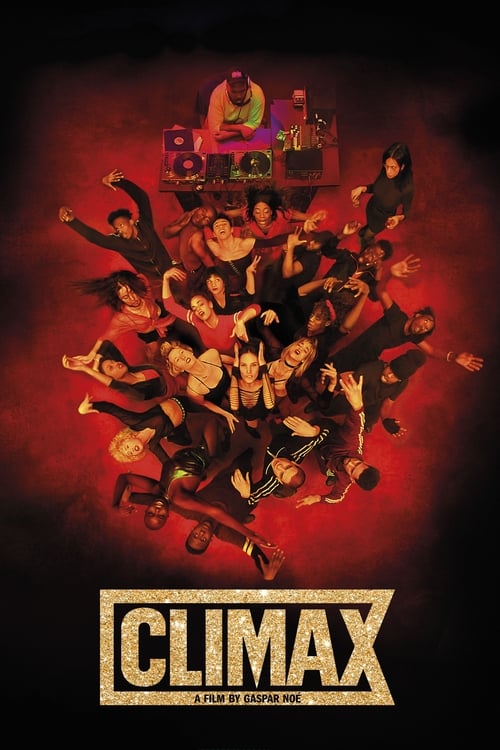


Climax works better than most “drug” films because it doesn’t show us what the characters are seeing on LSD but only from the outside: howling and screeching and rolling around like Isabelle Adjani in Andrzej ?u?awski’s Possession.
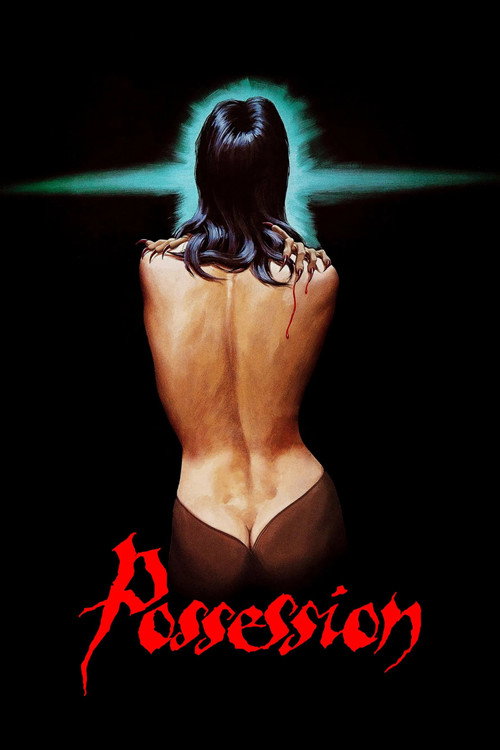
At one point, Noé virtually restages the demon birth/miscarriage scene from Zulawski’s Possession (another title spotted in that pile of VHS tapes), evoking the mania of Isabelle Adjani in her most memorably freaky performance.
All this is shown on a colour CRT television framed by stacks of books (a mix of philosophy, including Nietzsche’s Beyond Good and Evil , and film theory texts) and VHS tapes— Suspiria (1977) and Possession (1981) stand out as two of the most relevant—which presumably constitute Noé’s personal canon and also serve as pre-emptive annotations of the cinematic assault to come.
Unlike many of Noé’s past efforts, which tend to fall apart the moment a viewer deigns to analyze them beyond an immediate visceral reaction, Climax has more to offer than its all-bangers hard-house soundtrack and a magnificent rendition of Isabelle Adjani’s Possession spasms from Boutella.
The dance school setting may recall Suspiria , but Noe allows a more pronounced homage to Zulawski’s Possession (1981) with an aside featuring Sofia Boutella, a central figure as the troupe leader, as well as the most recognizable cast member out of a diverse crew of international dancers.
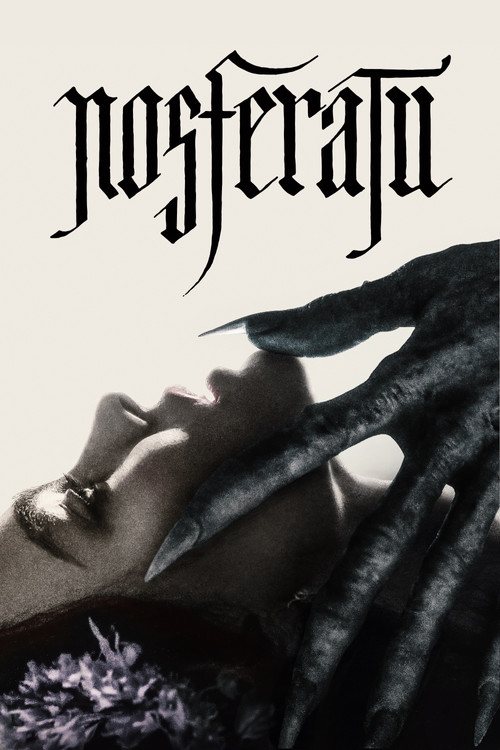
Depp throws herself into the role, often literally, bringing an alarming physicality that invokes Isabelle Adjani's terrifying performance in Andrzej Żuławski's "Possession," a manic psychosexual film that seems to have greatly influenced what Eggers is going for here.
Depp, on the other hand, as a woman possessed of an ancient evil, attempts to channel Isabelle Adjani in Possession on multiple occasions, but she just doesn’t have the chops to make her emotional disintegration anything less than hysterical and a big miss for me.
The latest in recent run of young actresses in horror films to channel Isabelle Adjani in Possession…
But not Adjani as Ellen/Mina, but rather the French star’s iconic turn in Zulawski’s Possession (1981)…
Ellen Hutter reminded me so much of Anna from Possession (1981).
Eggers draws more attention to Ellen and her Possession-like convulsions…
Comparisons to a movie like 1981’s Possession are perhaps most apt both in the way it commits to its weirdness and the standout lead performance by Hall that feels reminiscent of Isabelle Adjani’s incredible tour-de-force.
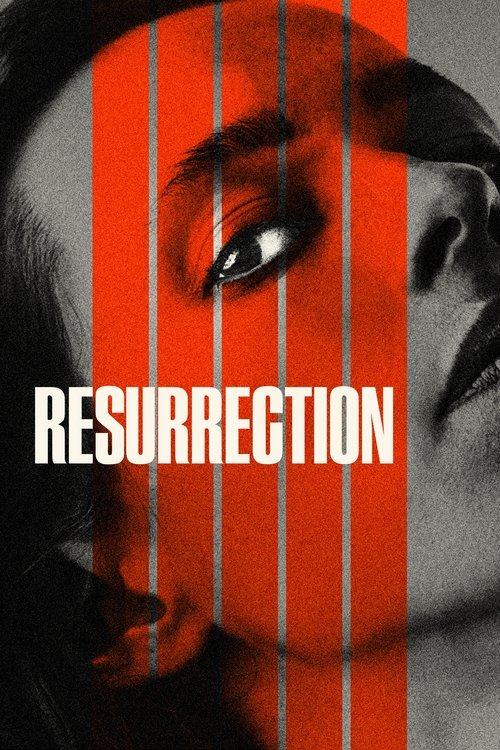
It’s likely bad form to invoke the sanctity of Andrzej Zulawski’s Possession as comparison, but Andrew Semans’ outrageous psychological thriller Resurrection - this Sundance Film Festival’s resident fucked-up mind-scrambler - traffics in the same shades of noxious bonds, unraveling psyches, and subversive depravity.
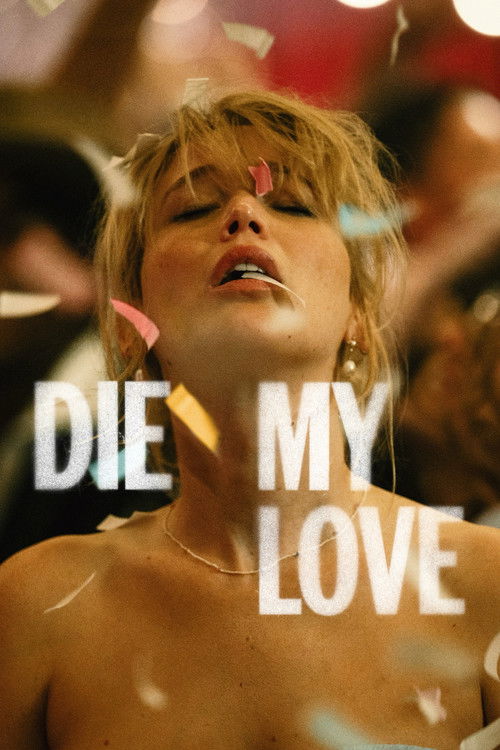
Some actresses who have provided master classes playing women becoming unglued are Elizabeth Taylor in “Who’s Afraid of Virginia Woolf” (1966), Kathy Bates in “Misery” (1990) and Isabelle Adjani in “Possession” (1981), to name just a few.
…a classic Wife vs Husband meltdown à la Scenes from a Marriage or Possession…
I was reminded of both Possession — in which Isabelle Adjani’s character similarly begins descending into a sort of madness in a full-body visceral performance…
…a classic Wife vs Husband meltdown à la Scenes from a Marriage or Possession would be too tempting and familiar…
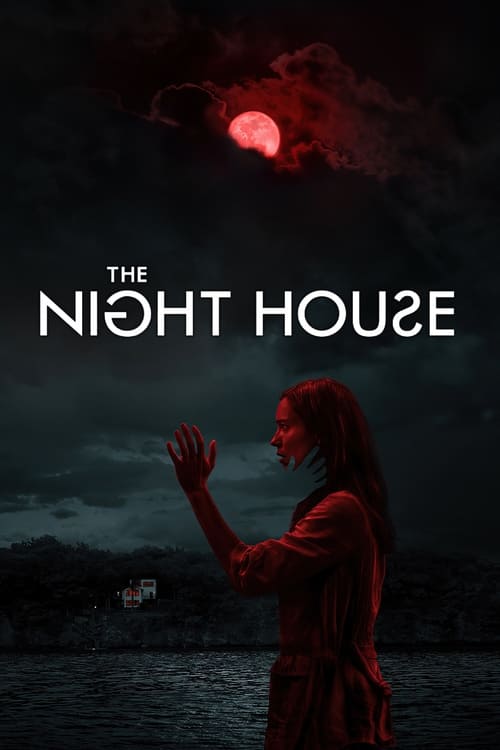
The story of Possession, which is perhaps Adjani’s greatest cinematic achievement, mirrors The Night House in the same way the film’s home reflects the insanity within.
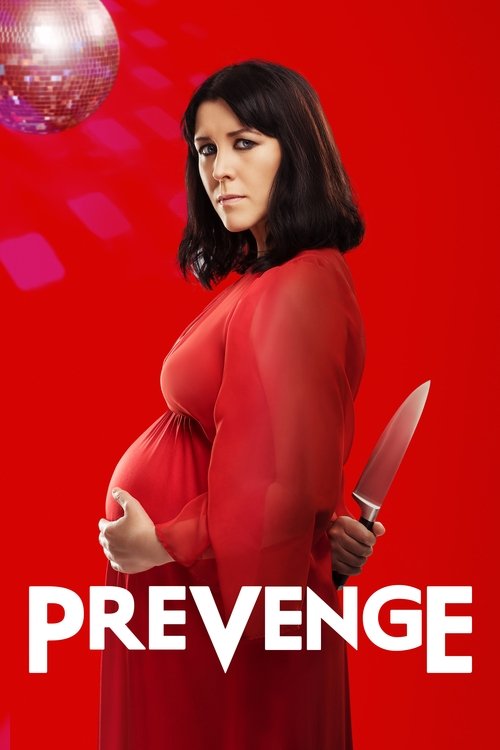
Lowe’s determinedly low-key performance is a marvel even through the film’s few lulls: She’s dry even when anguished, with flashes of wide-eyed mania that seem to channel Isabelle Adjani in “Possession.”
In her us-against-the-world relationship with her baby, in the isolation of her widowhood, in her obtuse dedication to revenge, in the burning dilemma of her questionable sanity, Lowe puts Ruth alongside both Isabelle Adjani in Possession and Michael Douglas in Falling Down.
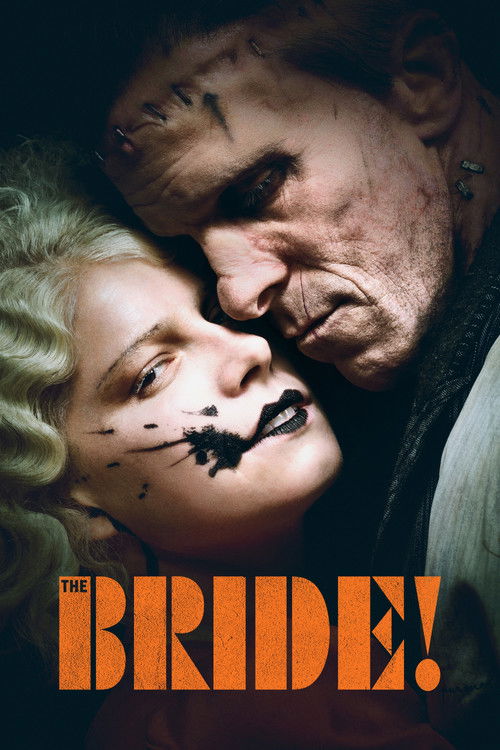
The Bride! (2026)
Directed by Maggie Gyllenhaal
influenced by Possession (1981)
Visuals Themes Characters
Here Buckley does her best to evoke Isabelle Adjani in Possession (1981)…
…y elementos de Shakespeare, cine clásico de mafia, y hasta “Possession”…
…it’s become a cliche to mention Isabelle Adjani’s freak-out scene in Andrzej Żuławski Possession when speaking of big acting, but just imagine all of that stretched out to feature-length.
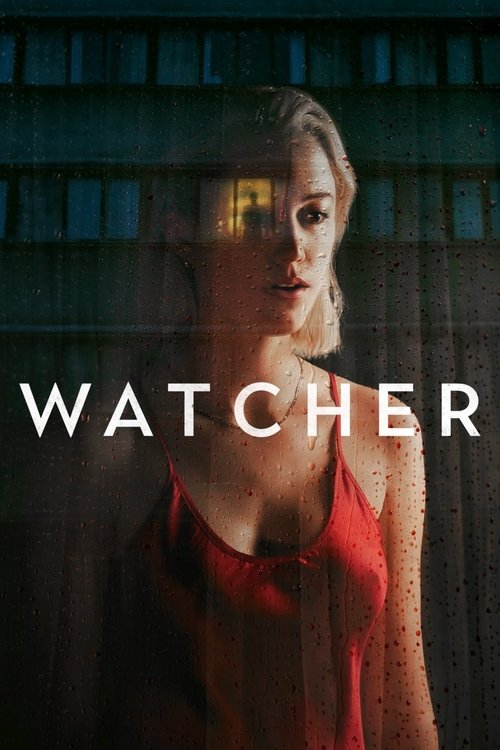
With shades of Isabelle Adjani in Possession —and given that once obscure film’s recent renaissance amid film nerds in the know don’t be surprised if you see a lot of movies nodding towards it in the near future—Julia wanders the foreign streets with nowhere to go and nobody to talk to, while Francis starts coming home later and later every night.
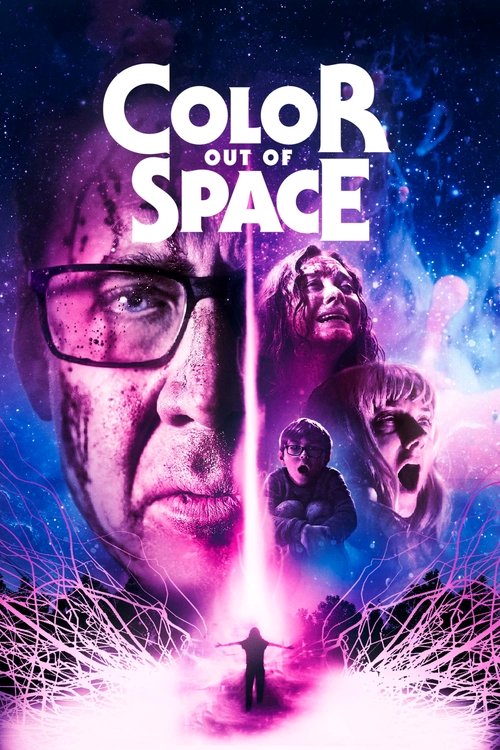
Stanley is by no means the first filmmaker to tackle a short story by the notoriously difficult-to-adapt Lovecraft; indeed, the more successful Lovecraft adaptations are less direct book-to-screen translations than they are much more loosely inspired by the broader sensibility of his Cthulhu Mythos, such as films like Andrzej Żuławski’s 1981 Isabelle Adjani-fronted Possession (the only film to win a major award at Cannes and be listed as a Video Nasty), Federico Greco’s 2005 found-footage horror film Il mistero di Lovecraft – Road to L. , and Justin Benson and Aaron Moorhead’s exquisite 2014 horror-romance Spring .
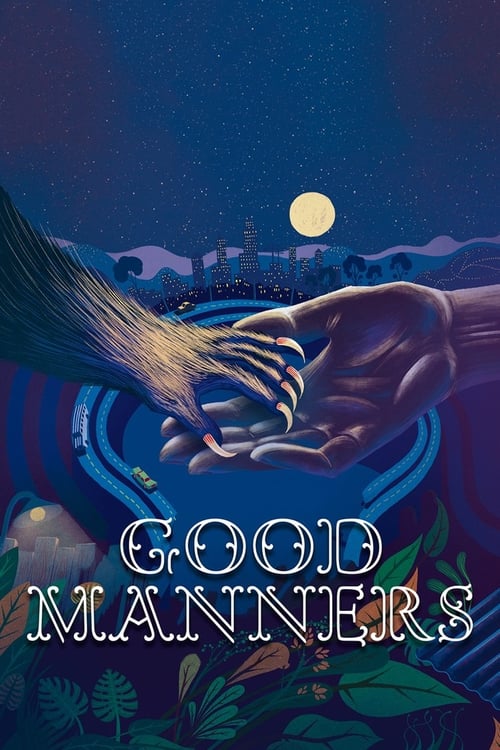
Later, Clara will follow Ana during a somnambulistic episode, where the women wander into a chilly, off-white subway, where a poor kitty cat meets a gruesome end in a sequence which seems to be channeling Zulawski’s Possession (1981).
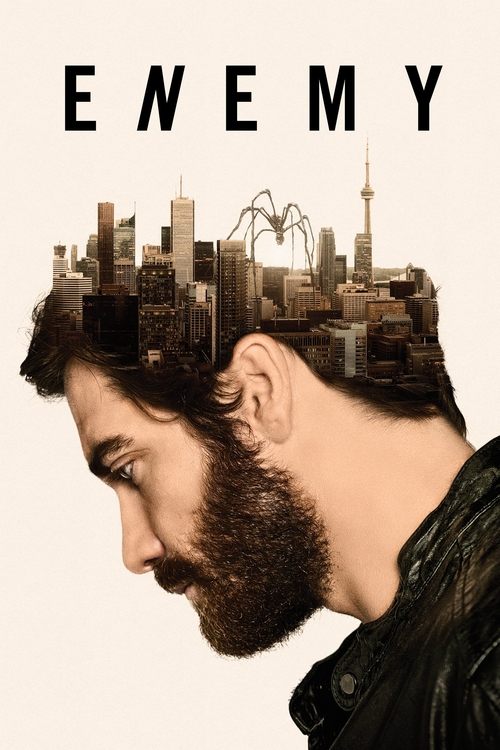
Cloaked in acrid yellow hues, it might have been dreamed up in committee by David Cronenberg, Luis Buñuel and the Polish master of freaky psychosexual gloom Andrzej Zulawski, whose surpassingly weird Possession (1981) this very much recalls.

As we watch the limbs of Olga (Elena Fokina), one of Susie’s classmates, being torqued by the invisible hands of she-demons in a danse macabre of flails, grunts, bile, and piss, a better, similar scene in another movie also set in (then extant) West Berlin immediately comes to mind: that of Isabelle Adjani twitching and moaning like an animal in a U-Bahn passageway in Andrzej Zulawski’s Possession (1981).
The two middle acts are respectively titled ‘Borrowing’ and ‘Taking’, words which encode the film’s acquisitive, even larcenous relationship to Suspiria (1977) – as well as to other Berlin-set artful genre films like Andrej Zulawski’s Possession (1981) and Wim Wenders’ Wings of Desire (1987).
If the original Suspiria is some Alice in Wonderland -esque dream, then Guadagnino’s Suspiria is the stark reality, set in a divided Berlin during the German Autumn that reverberates with the grief of its past, where trauma haunts citizens like a ghostly ectoplasm, where every corner the debris of repression is felt, a dilapidated prison, the same Berlin that possessed Adjani in Zulawski’s 1981 Possession , brutalist and controlled.
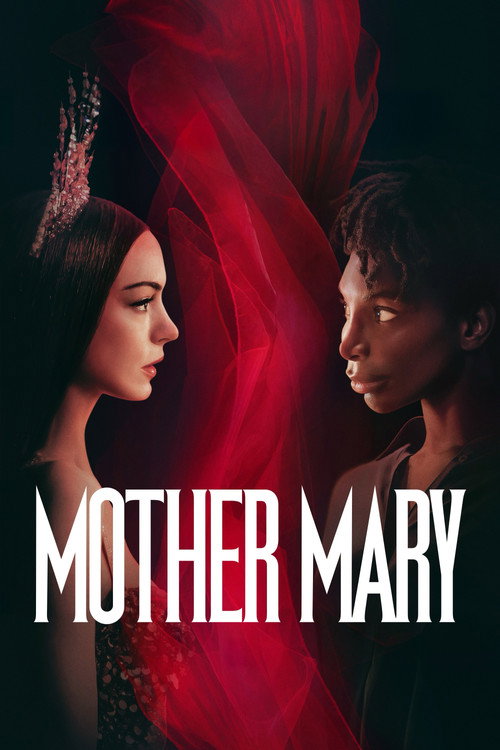
In the first half, Anne Hathaway demonstrates dance choreography for her show that is halfway between a carefully planned routine and the notorious subway freakout by Isabelle Adjani’s character in Andrzej Zulawski’s Possession.
There’s also a moment where has to perform a dance number with no music that gives Isabelle Adjani vibes from Possession.
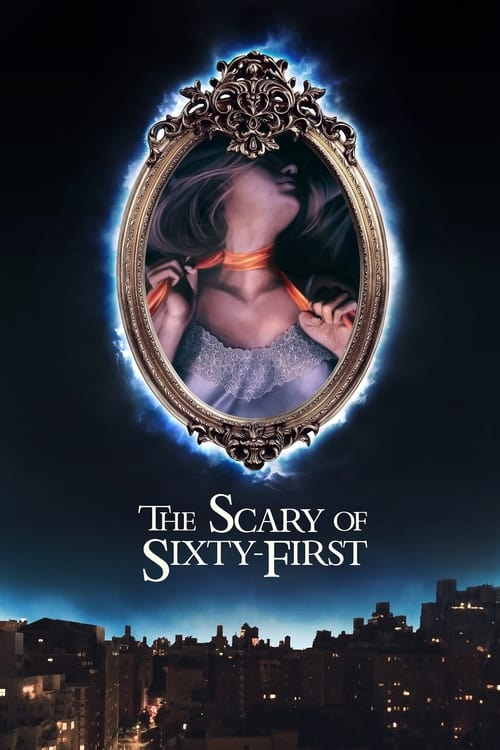
When I drew a connection to Possession a few sentences ago, I did so with Isabelle Adjani’s performance in my head.
There’s a bit of The Exorcist (William Friedkin, 1973), a hint of Possession (Andrzej Żuławski, 1981), some Dario Argento, some Traci Lords softporn, and what looks like a montage from a Fiona Apple video from the 90s.
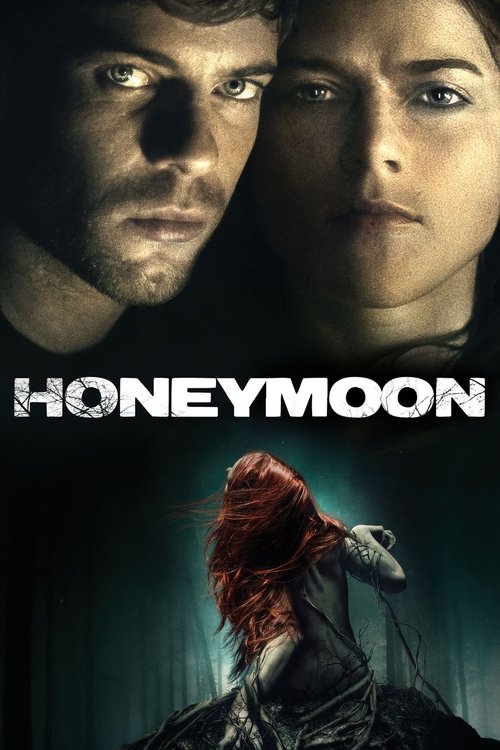
Echoes of Andrzej Zulawski’s Possession and the novels of John Wyndham and Jack Finney haunt Leigh Janiak’s otherworldly chiller about newlyweds holed up in a cabin in the woods.
With a script credited to Madonna and her "Truth or Dare" director, Alek Kekishian, "W.E." jumps back and forth between distant but connected romantic entanglements, in the manner of the pair of literary adaptations that seem to have been the film's models, "The French Lieutenant's Woman" (1981) and "Possession" (2002).
Shortly thereafter, American International Pictures adapted Jay Anson's book to the big screen, and it was successful enough to spawn two more Amityville films that were released in theaters: Amityville II: The Possession (1982) was a highly fictionalized prequel about the De Feo massacre, while Amityville 3-D (1983) was a completely fictionalized sequel.

Squelching with fury at how a woman's “fuckability” is used as the ultimate measure of her worth, the result of Fargeat's mad experiment is equal parts “Freaky Friday,” “All About Eve,” and Andrzej Żuławski's “Possession” — simple enough for a child to understand, but gross enough to make squeamish adults spew out their lunch.
(Is it sacrilege to suggest she sometimes has the slightest whiff of Isabelle Adjani’s unhinged “Possession” performance?)
Saint Maud sits happily in this psychological horror area, one part The VVitch, one part Andrzej Zulawski’s Possession.